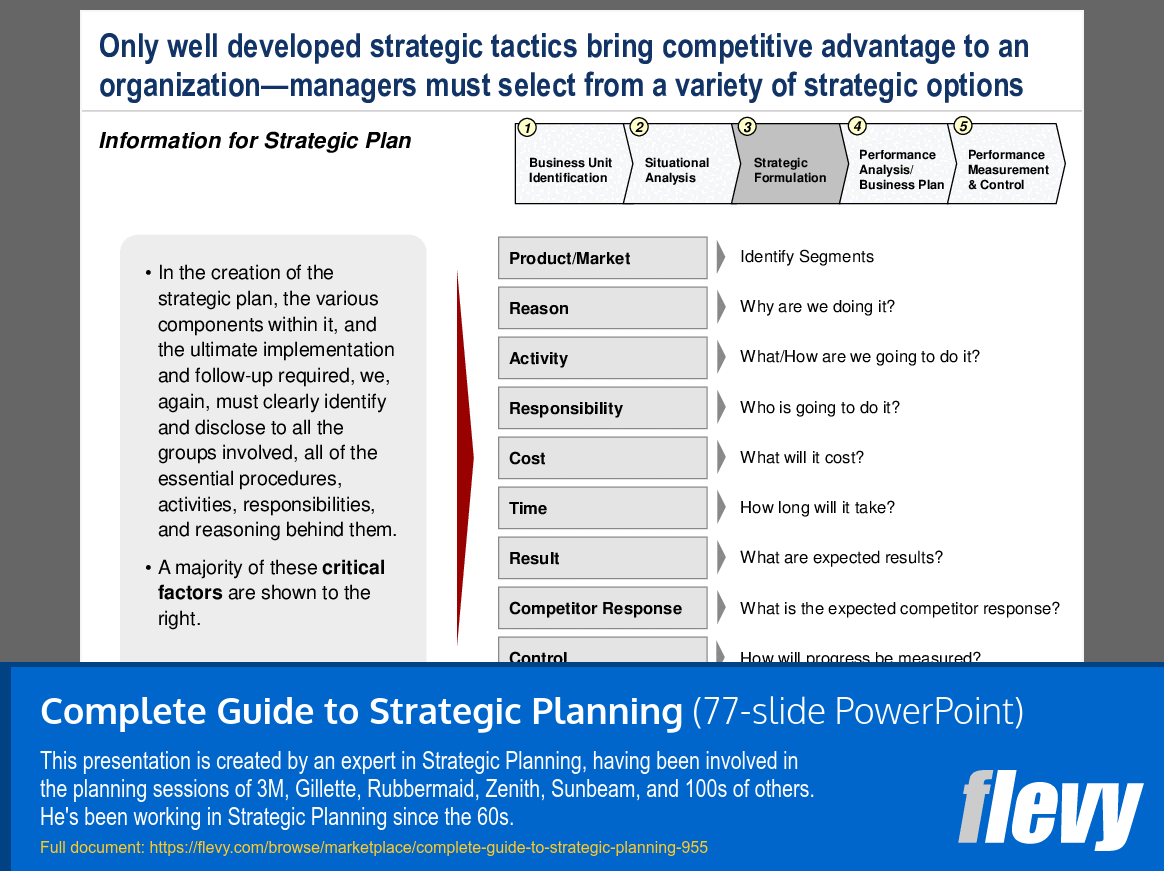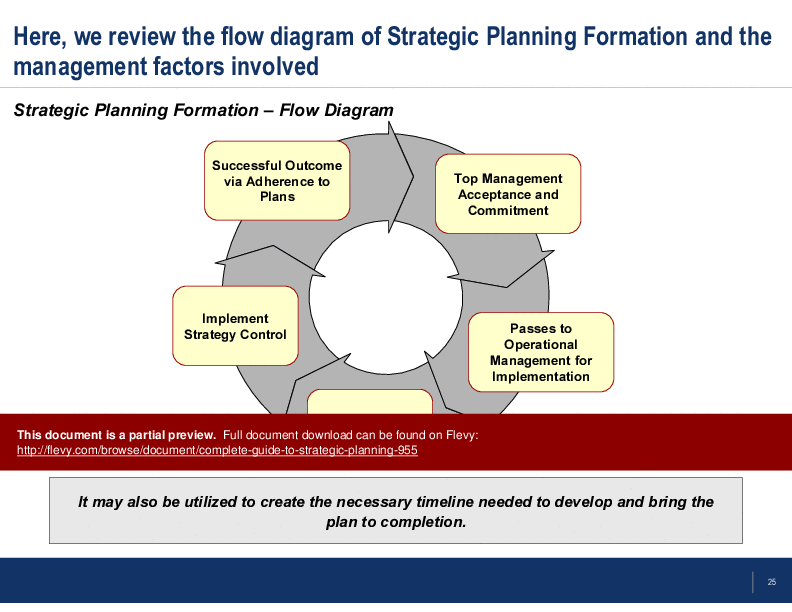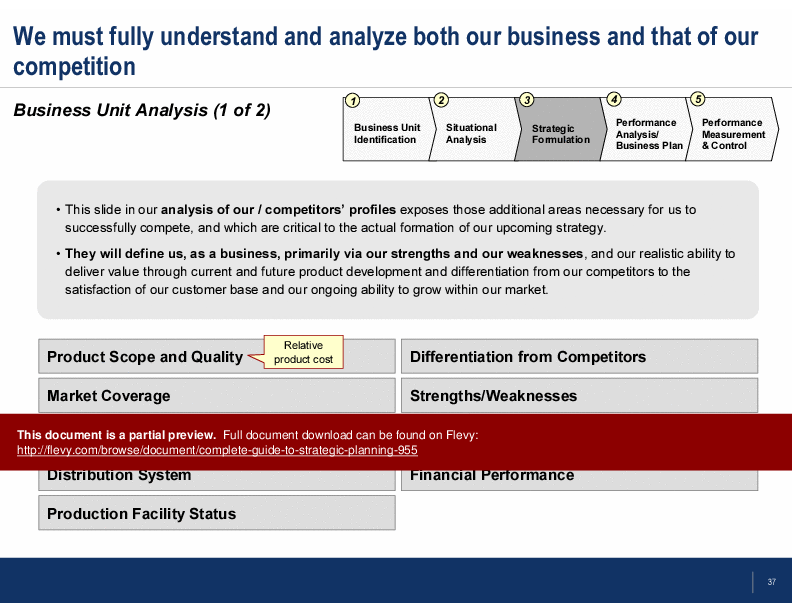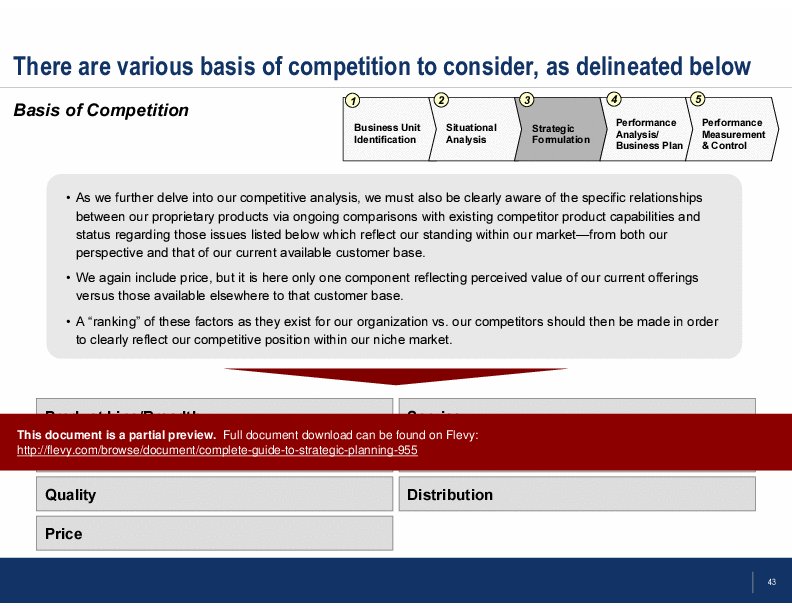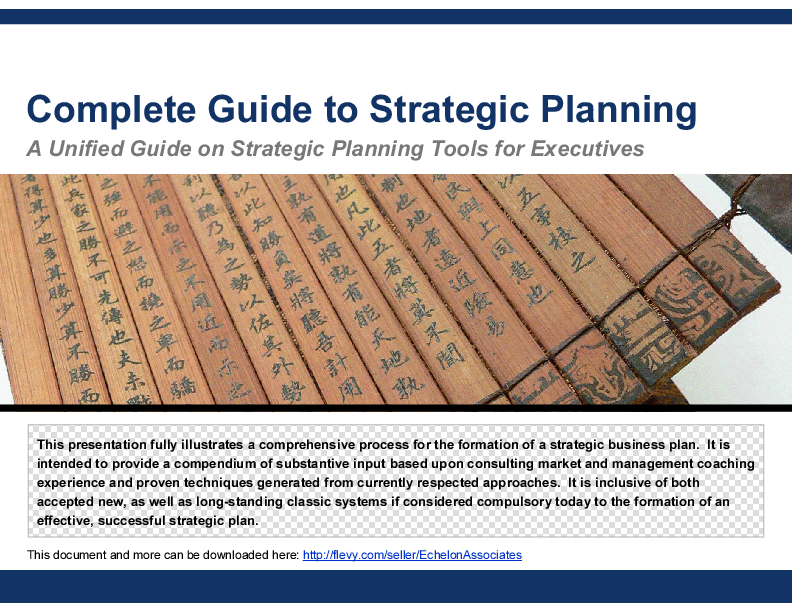

This 77-slide PowerPoint presentation fully illustrates a comprehensive process for the formation of a Strategic Business Plan. It is intended to provide a compendium of substantive input based upon consulting market and management coaching experience and proven techniques generated from currently respected approaches. It is inclusive of both accepted new, as well as long-standing classic systems if considered compulsory today to the formation of an effective, successful strategic plan. There are several popular but currently less effective tools (eg BCG Matrix, etc.) that have not been included in this guide. We will only utilize those tools and processes that have, through our experience, proven effective for Strategic Planning formation in today's Digital Economy (please see author background below).
This unified guide is meant for executives and business owners who are responsible for creating, demonstrating the logic for, and leading the strategic planning exercise within their respective organizations.
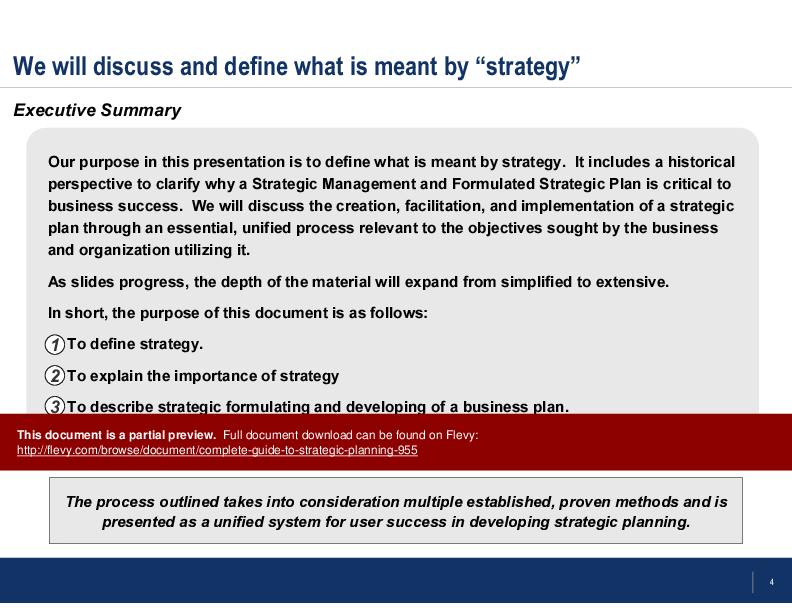
Our purpose in this presentation is to define what is meant by strategy. It includes a historical perspective to clarify why a Strategic Management and Formulated Strategic Plan is critical to business success. We will discuss the creation, facilitation, and implementation of a strategic plan through an essential, unified process relevant to the objectives sought by the business and organization utilizing it.
In short, the purpose of this document is as follows:
1. To define strategy.
2. To explain the importance of strategy and it's necessity for success
3. To describe strategic formulating and developing of a business plan.
For more information on Strategic Plan formation, take a look at my supplemental document available on Flevy, Critical Baselines for Effective Strategic Planning.
AUTHOR BACKGROUND
Anthony Gable, MBA, is a Strategic Planning Specialist. He has been advising individual owners, executives, and profit-center (SBU) heads and their teams on the strategic planning process since 1983. Prior to that, he gained management experience from years of wide-reaching exposure in the corporate sector as a manager and executive.
Mr. Gable simplifies strategic planning through a unified process which analyzes the competitive environment, relative maturity of the industry, markets, products involved, and company objectives. Strategic options are then distilled out, clarified, and made tangible.

Mr. Gable has held executive positions with major organizations, including roles as a Corporate and Divisional Vice President, Director of Sales and Marketing, National Sales Manager, and profit-center (SBU) positions as a Product and Business Manager. Additionally, he has extensive successful executive involvement in both corporate turnarounds and trustee appointed work-out scenarios, with management and operational exposure throughout the US, Canada, and Europe in a wide variety of markets and end-use product applications. His consultative repertoire has included management Strategic Planning leadership development, coaching and team building with associated presentation and facilitation to small and mid-size companies as well as to executives and department heads in large, internationally recognized organizations.
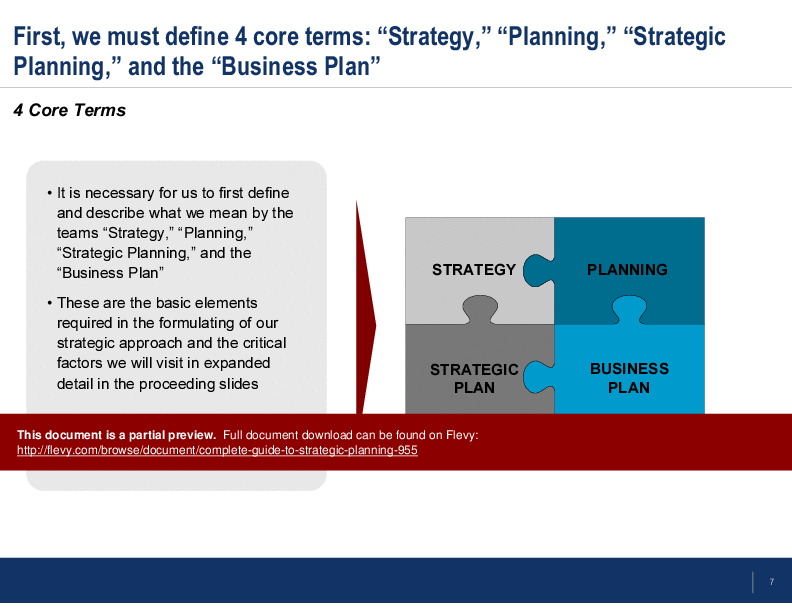
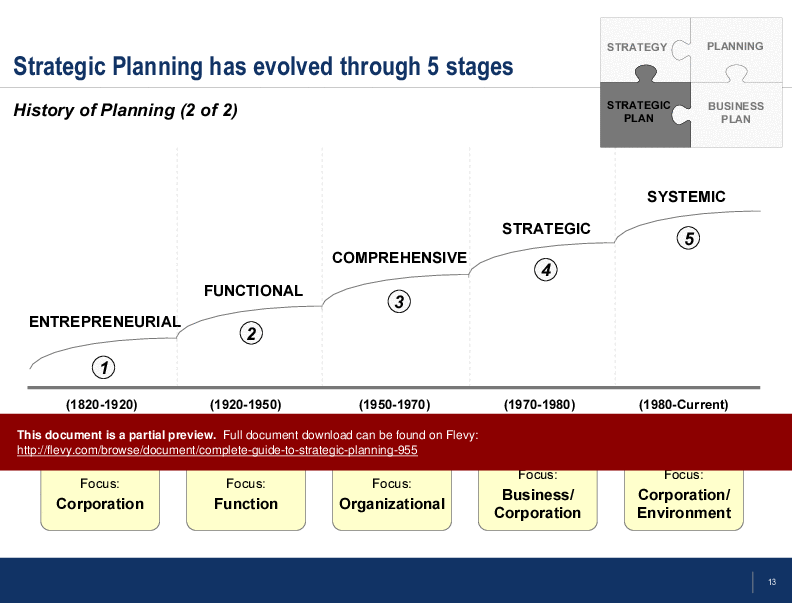
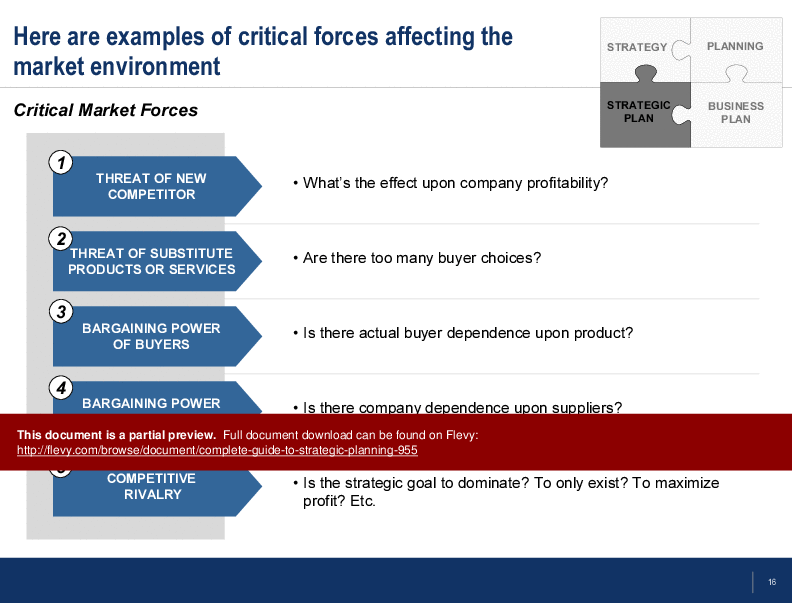
The guide delves into the historical evolution of strategic planning, providing a comprehensive understanding of its stages. It also emphasizes the importance of defining core terms and analyzing critical market forces to formulate a robust strategic plan.
Got a question about the product? Email us at support@flevy.com or ask the author directly by using the "Ask the Author a Question" form. If you cannot view the preview above this document description, go here to view the large preview instead.
Executive Summary
The "Complete Guide to Strategic Planning" presentation offers a McKinsey, Bain, or BCG-quality overview of strategic planning processes tailored for executives and organizations. This comprehensive 77-slide deck, created by Anthony Gable, MBA, synthesizes decades of consulting experience, providing actionable insights into developing effective strategic plans. Users will learn to define strategy, understand its importance, and implement a structured approach to strategic planning that integrates situational analysis, strategic formulation, and performance measurement. This guide equips executives with the tools to navigate complex market dynamics and enhance organizational effectiveness.
Who This Is For and When to Use
• Corporate executives seeking to refine strategic planning processes
• Management teams tasked with developing and implementing strategic initiatives
• Consultants focused on guiding organizations through strategic transformations
• Project Management Offices (PMOs) looking to align strategic goals with operational execution
Best-fit moments to use this deck:
• During strategic planning retreats or workshops to align leadership on vision and goals
• When initiating a new strategic planning cycle to ensure a structured approach
• For assessing and revising existing strategic plans in response to market changes
Learning Objectives
• Define the concept of strategy and its significance in organizational success
• Analyze the external environment to identify market opportunities and threats
• Formulate actionable strategic plans that align with organizational goals
• Implement performance measurement systems to track strategic progress
• Foster team commitment and communication throughout the strategic planning process
• Adapt strategies based on ongoing performance analysis and market dynamics
Table of Contents
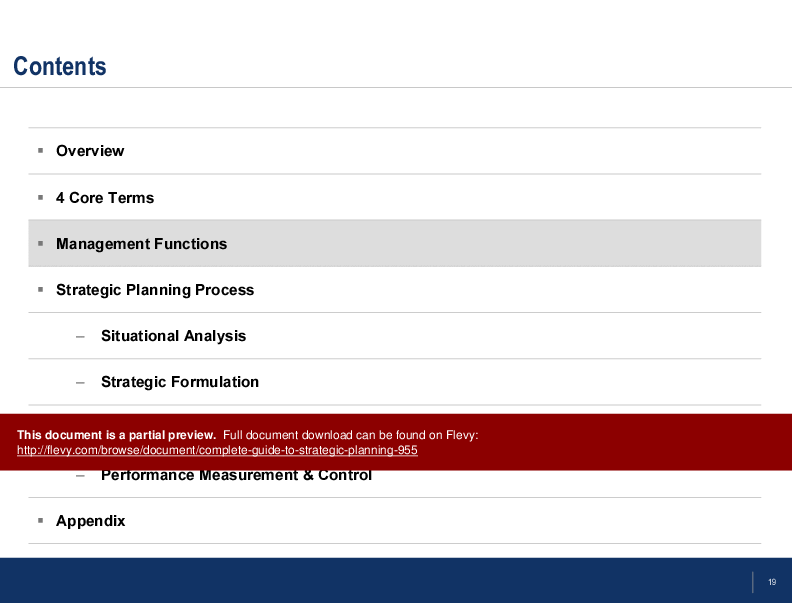
• Overview (page 3)
• 4 Core Terms (page 6)
• Management Functions (page 19)
• Strategic Planning Process (page 24)
• Situational Analysis (page 30)
• Strategic Formulation (page 33)
• Performance Analysis (page 62)
• Performance Measurement & Control (page 65)
• Appendix (page 72)
Primary Topics Covered
• Strategic Planning Process - A structured approach to developing and implementing strategic plans, integrating situational analysis, formulation, and performance measurement.
• Situational Analysis - An assessment of the organization's current environment, including market dynamics, competition, and internal capabilities.
• Strategic Formulation - The process of creating actionable strategies based on situational insights and organizational goals.
• Performance Measurement - Systems for tracking the effectiveness of implemented strategies and making necessary adjustments.
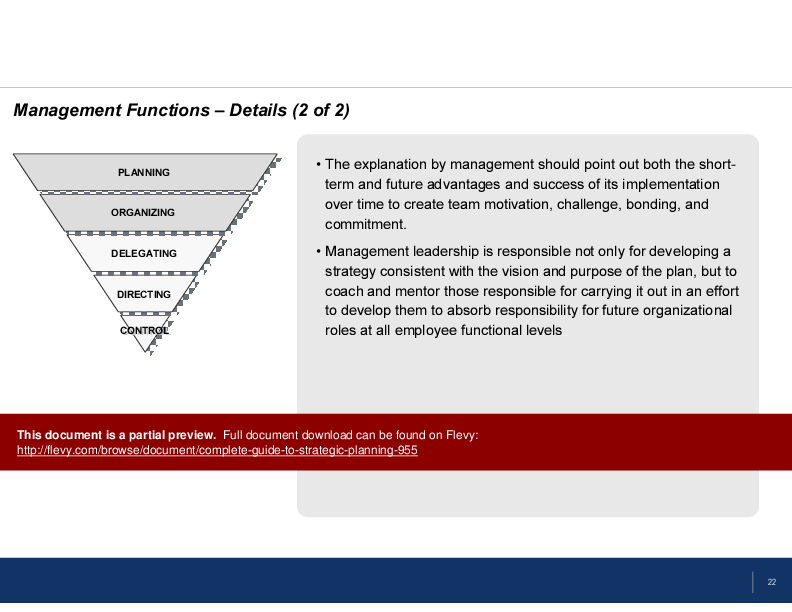
• Management Functions - Key roles and responsibilities in the strategic planning process, emphasizing the integration of planning, organizing, directing, and controlling.
• Market Dynamics - Understanding external factors that influence strategic decisions, including competition, customer needs, and technological advancements.
Deliverables, Templates, and Tools
• Situational analysis framework for assessing market and competitive environments
• Strategic planning template for documenting goals, actions, and responsibilities
• Performance measurement dashboard for tracking strategic progress
• Communication plan for engaging stakeholders throughout the strategic process
• Risk assessment tool for identifying and mitigating potential challenges
• Executive summary template for presenting strategic plans to stakeholders
Slide Highlights
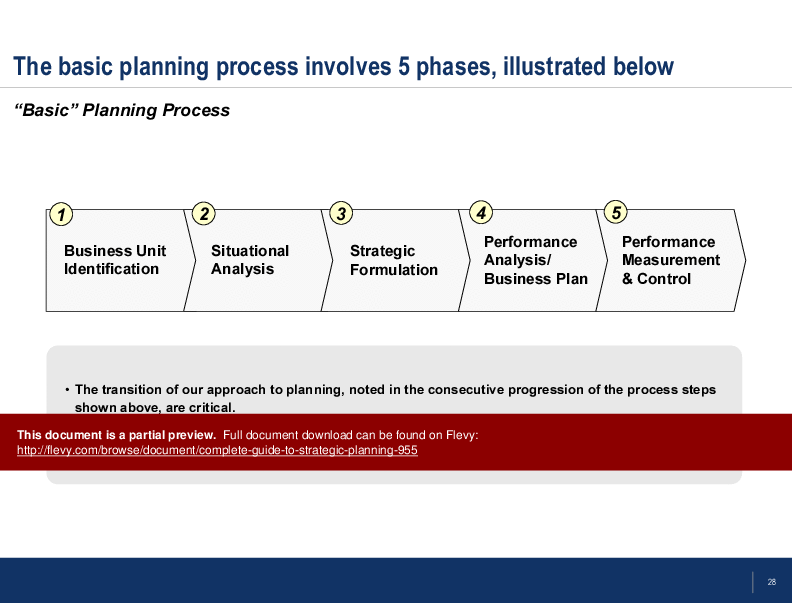
• Overview of the strategic planning process flow diagram, illustrating key phases
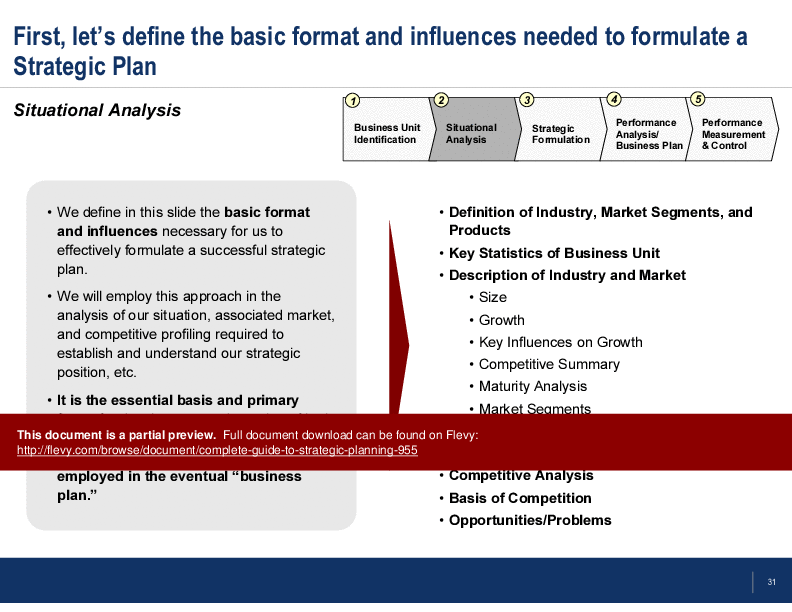
• Detailed breakdown of situational analysis components, including market and competitive profiling
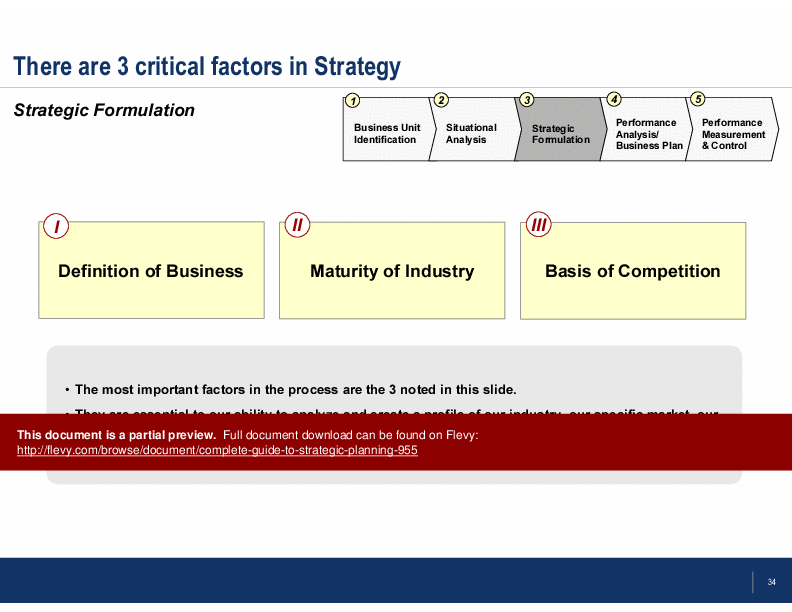
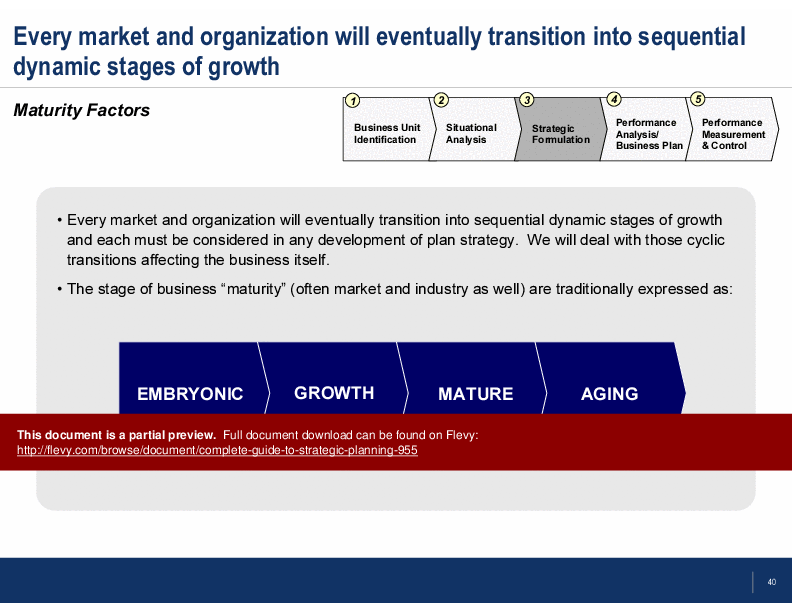
• Framework for strategic formulation, emphasizing critical factors like industry maturity and basis of competition
• Performance measurement metrics to evaluate the success of strategic initiatives
• Quotes from "The Art of War" emphasizing the importance of strategic foresight and planning
Potential Workshop Agenda
Strategic Planning Kickoff (90 minutes)
• Introduce the strategic planning process and its importance
• Discuss organizational vision and goals
• Begin situational analysis and market assessment
Strategic Formulation Session (120 minutes)
• Collaborate on developing actionable strategies
• Identify key performance indicators for tracking success
• Assign responsibilities for implementation
Performance Review and Adjustment (60 minutes)
• Evaluate progress against strategic goals
• Discuss necessary adjustments based on performance data
• Reinforce team commitment to the strategic plan
Customization Guidance
• Tailor the situational analysis to reflect specific industry dynamics and competitive landscapes
• Adjust strategic goals and performance metrics based on organizational priorities
• Incorporate unique organizational values and culture into the strategic planning framework
• Update templates and deliverables to align with internal processes and terminology
Secondary Topics Covered
• Historical evolution of strategic planning methodologies
• Analysis of critical market forces affecting strategic decisions
• Techniques for fostering team engagement and commitment in the planning process
• Case studies of successful strategic planning implementations
FAQ
What is the main purpose of this presentation?
The presentation aims to define strategy, explain its importance, and provide a structured approach to developing and implementing effective strategic plans.
Who is the author of this presentation?
Anthony Gable is a Strategic Planning Specialist with extensive experience in advising organizations on strategic planning processes.
How can this presentation help my organization?
It provides a comprehensive framework for understanding and implementing strategic planning, enabling organizations to navigate market dynamics effectively.
What are the key components of the strategic planning process?
The process includes situational analysis, strategic formulation, performance analysis, and performance measurement.
How can I customize the templates provided in this presentation?
Templates can be tailored to reflect specific organizational goals, industry dynamics, and internal processes.
What is the significance of situational analysis?
Situational analysis helps organizations assess their current market position, identify opportunities and threats, and inform strategic decision-making.
How does performance measurement fit into strategic planning?
Performance measurement allows organizations to track the effectiveness of their strategies and make necessary adjustments to achieve goals.
What are the benefits of managing by strategy?
Managing by strategy enhances market positioning, aligns organizational resources with goals, and improves team morale and communication.
How can I ensure team commitment to the strategic plan?
Engaging team members in the planning process, clearly communicating the vision, and assigning responsibilities can foster commitment.
What tools are included in this presentation?
The presentation includes templates for situational analysis, strategic planning, performance measurement, and communication plans.
Glossary
• Strategy - The approach an organization takes to achieve its goals using available resources.
• Planning - The process of creating a strategy by prioritizing resource utilization.
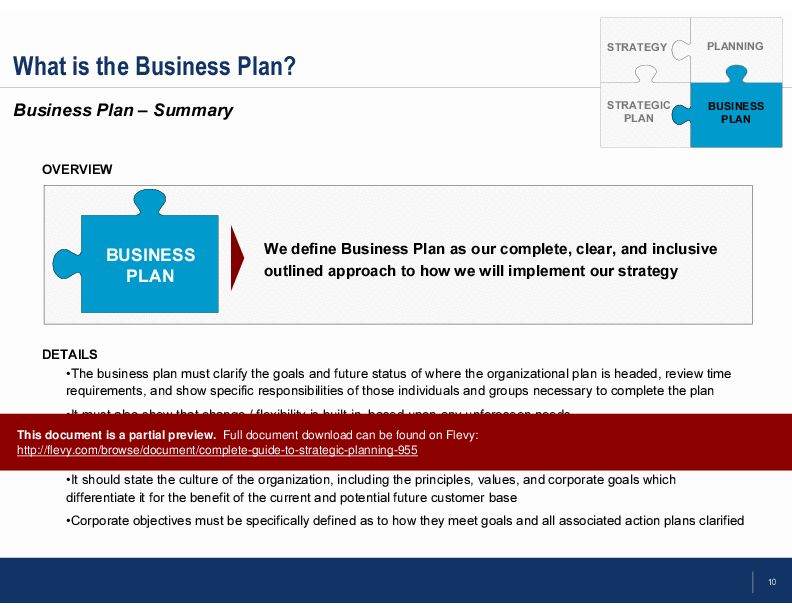
• Business Plan - A comprehensive outline of how an organization will implement its strategy.
• Situational Analysis - An assessment of the internal and external factors affecting an organization.
• Strategic Formulation - The process of developing actionable strategies based on situational insights.
• Performance Measurement - Systems for tracking the effectiveness of implemented strategies.
• Market Dynamics - The external factors influencing an organization's strategic decisions.
• SWOT Analysis - A framework for assessing strengths, weaknesses, opportunities, and threats.
• Competitive Position - An organization's standing relative to its competitors in the market.
• Maturity Curve - A model illustrating the lifecycle stages of a business or industry.
• Stakeholders - Individuals or groups with an interest in the organization's success.
• Risk Assessment - The process of identifying and evaluating potential challenges to a strategic plan.
• Executive Summary - A concise overview of the strategic plan for stakeholders.
• Action Plan - A detailed outline of steps required to implement strategies.
• Performance Indicators - Metrics used to evaluate the success of strategic initiatives.
• Organizational Culture - The shared values and practices that shape an organization's environment.
• Resource Allocation - The distribution of resources to support strategic initiatives.
• Change Management - The process of guiding an organization through transitions.
• Team Engagement - The involvement and commitment of team members in the planning process.
• Market Positioning - The strategy used to differentiate a product or service in the market.
• Strategic Goals - Specific objectives that guide an organization's strategic direction.
Source: Best Practices in Strategic Planning, Strategic Analysis PowerPoint Slides: Complete Guide to Strategic Planning PowerPoint (PPT) Presentation Slide Deck, Echelon Associates
|
Download our FREE Strategy & Transformation Framework Templates
Download our free compilation of 50+ Strategy & Transformation slides and templates. Frameworks include McKinsey 7-S, Balanced Scorecard, Disruptive Innovation, BCG Curve, and many more. |