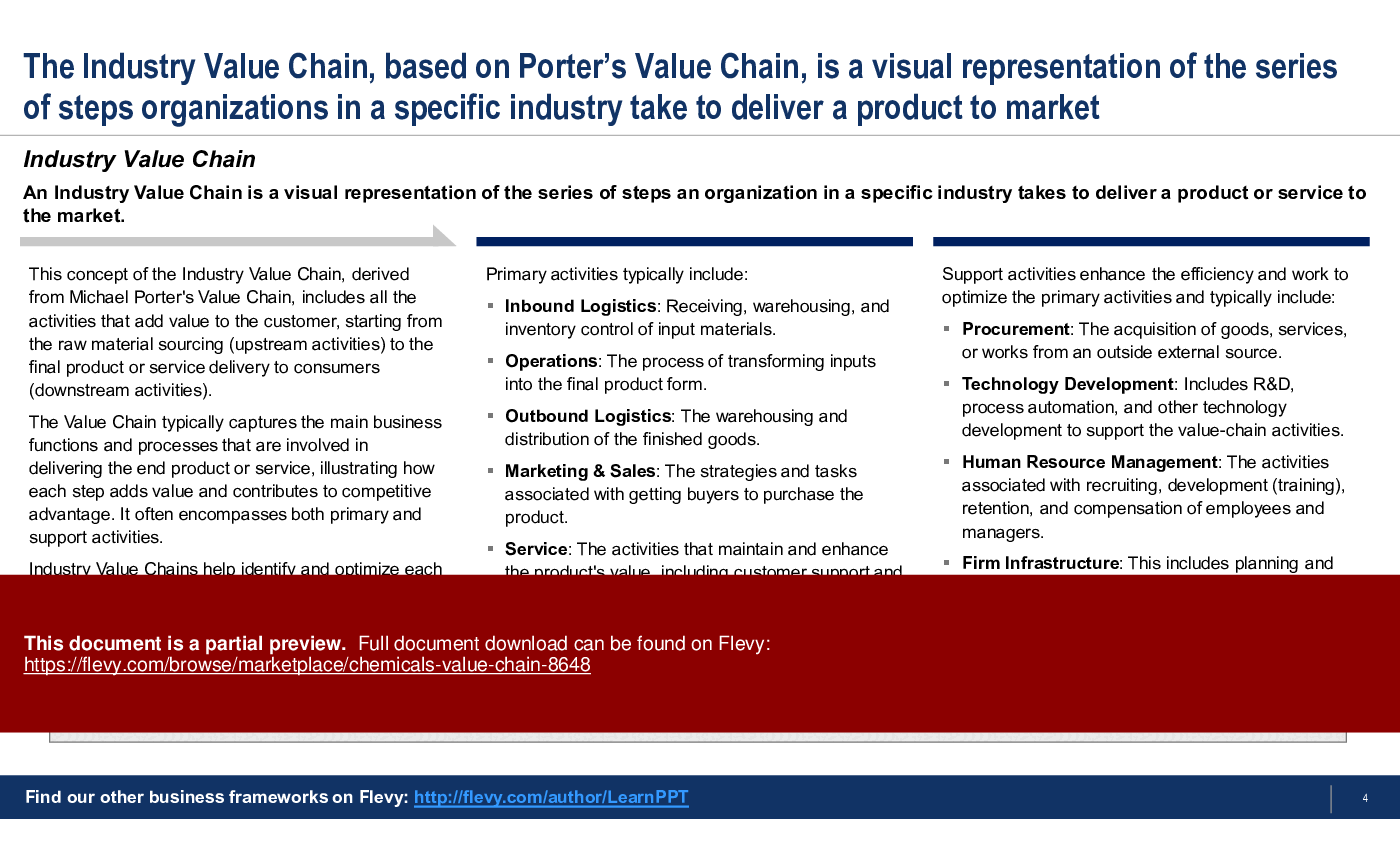
An Industry Value Chain is a visual representation of the series of steps an organization in a specific industry takes to deliver a product or service to the market. It captures the main business functions and processes that are involved in delivering the end product or service, illustrating how each step adds value and contributes to a Competitive Advantage. It often encompasses both primary and support activities.

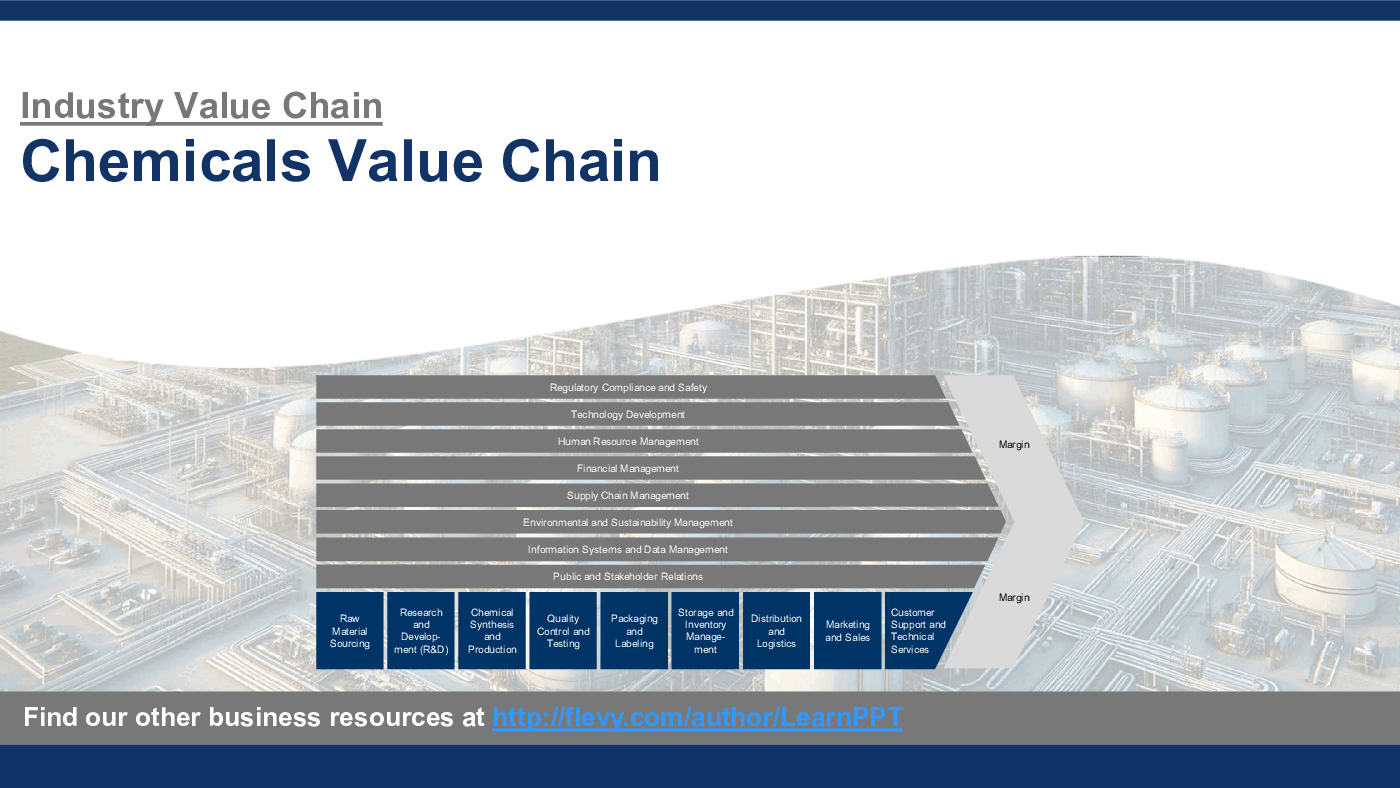
This PowerPoint presentation captures the Chemicals Industry Value Chain, which includes the following primary and support activities:
Primary Activities
1. Raw Material Sourcing
2. Research and Development (R&D)
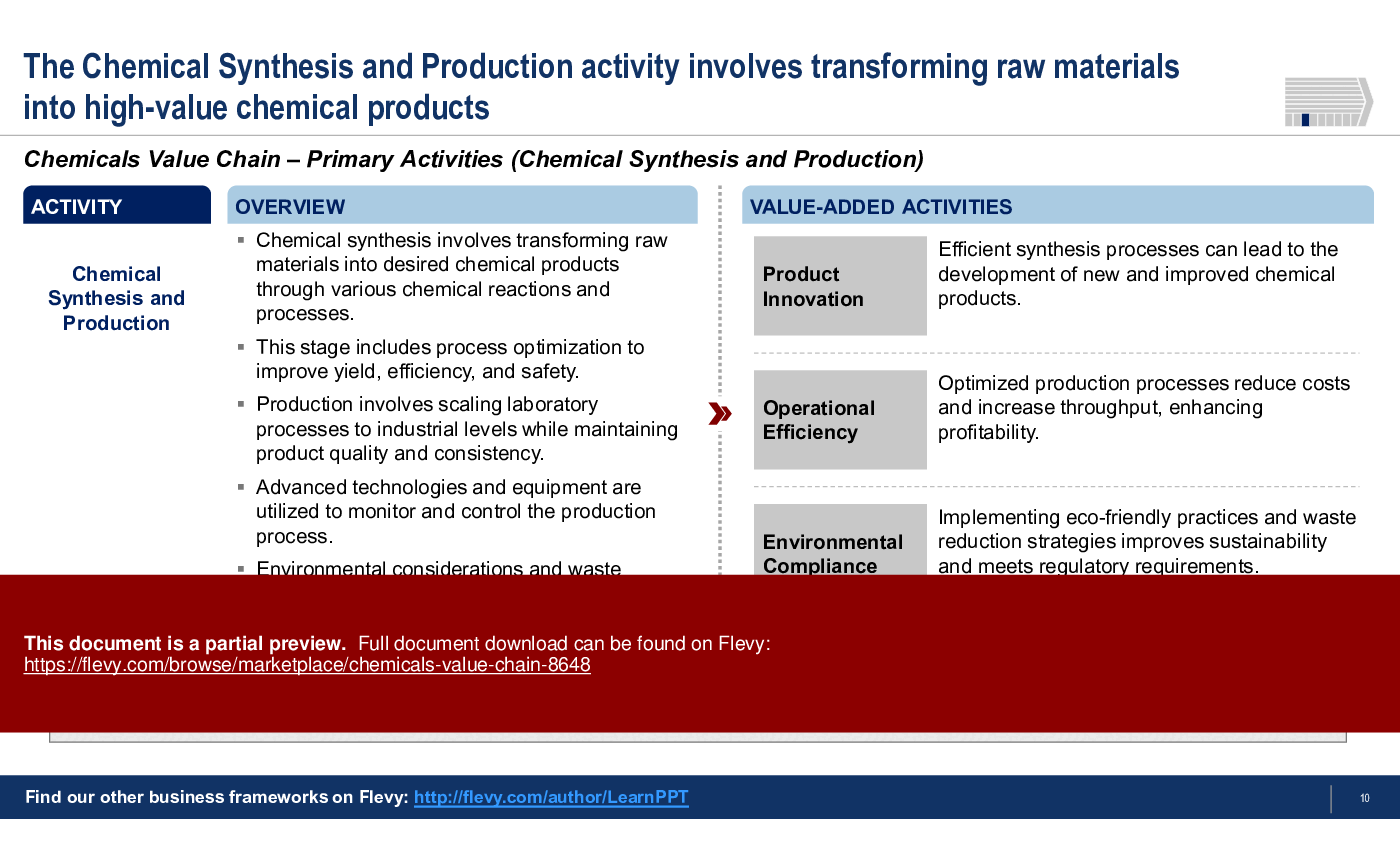
3. Chemical Synthesis and Production
4. Quality Control and Testing
5. Packaging and Labeling
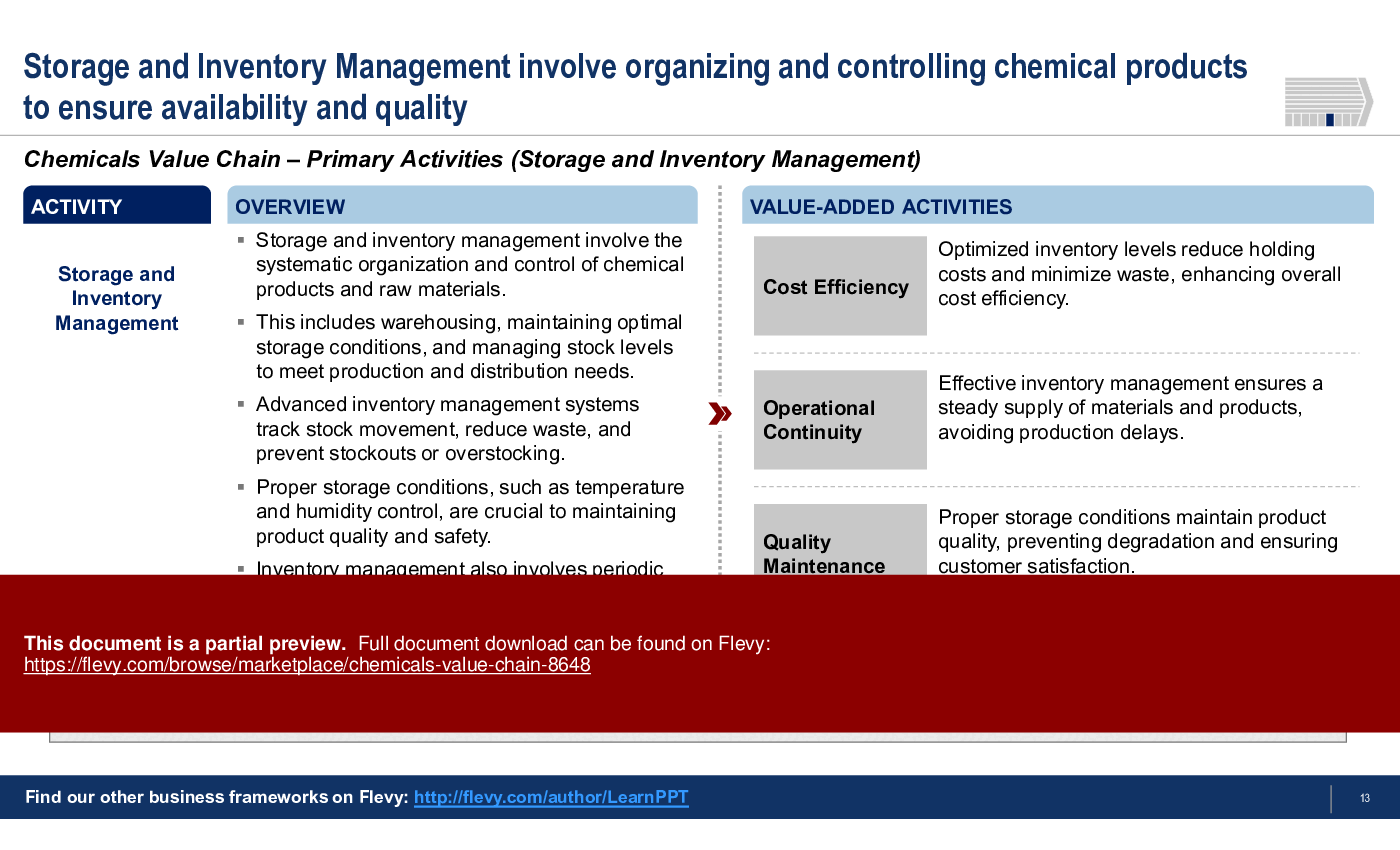
6. Storage and Inventory Management
7. Distribution and Logistics
8. Marketing and Sales
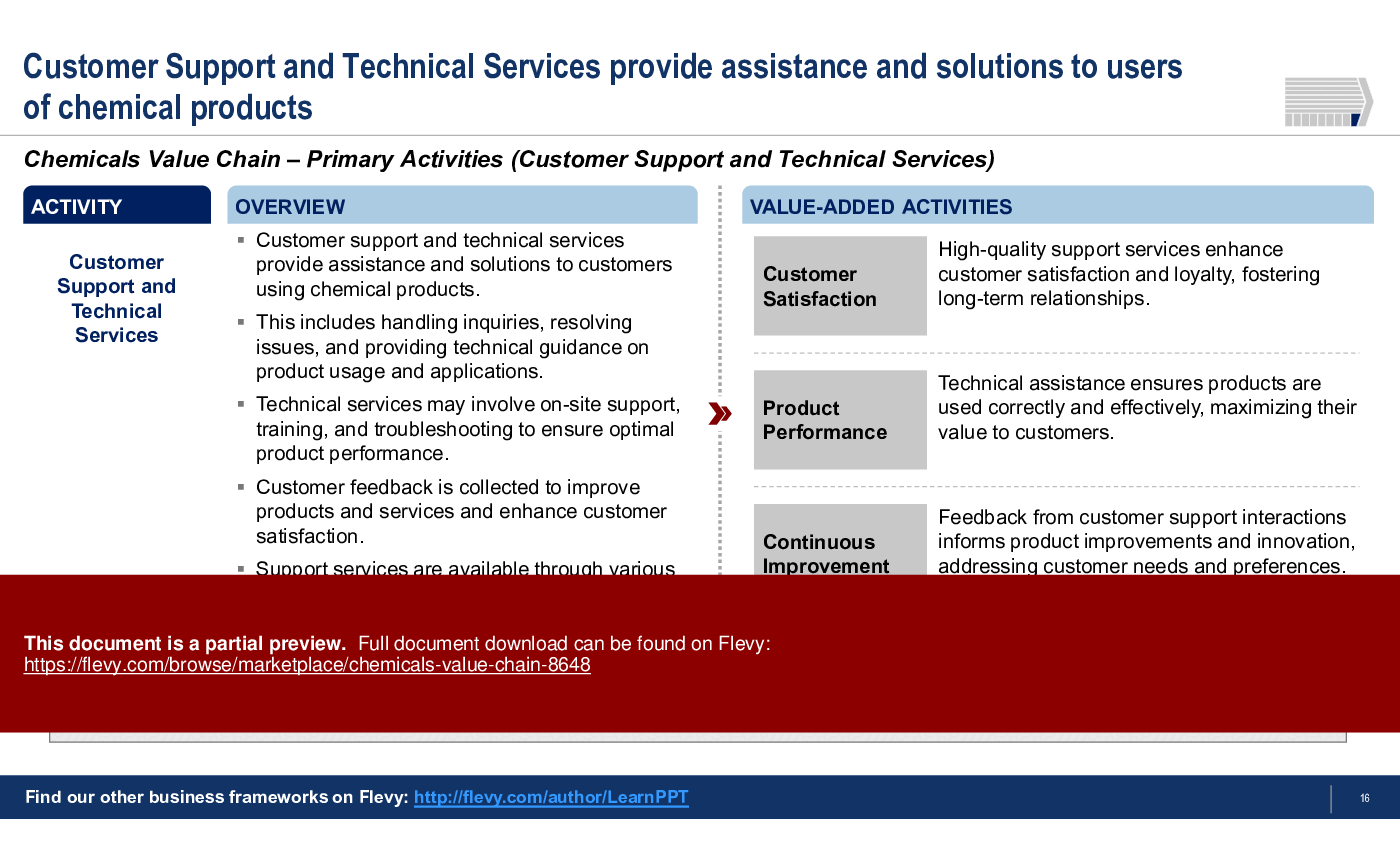
9. Customer Support and Technical Services
Support Activities
1. Regulatory Compliance and Safety
2. Technology Development
3. Human Resource Management
4. Financial Management
5. Supply Chain Management
6. Environmental and Sustainability Management
7. Information Systems and Data Management
8. Public and Stakeholder Relations
The Chemicals Industry Value Chain spans from raw material sourcing to customer support, emphasizing quality control and regulatory compliance at every stage. This industry Value Chain has been designed to encompass various types of Chemicals products—it can be applied Basic Chemicals, Specialty Chemicals, and Agricultural Chemicals' production and distribution.
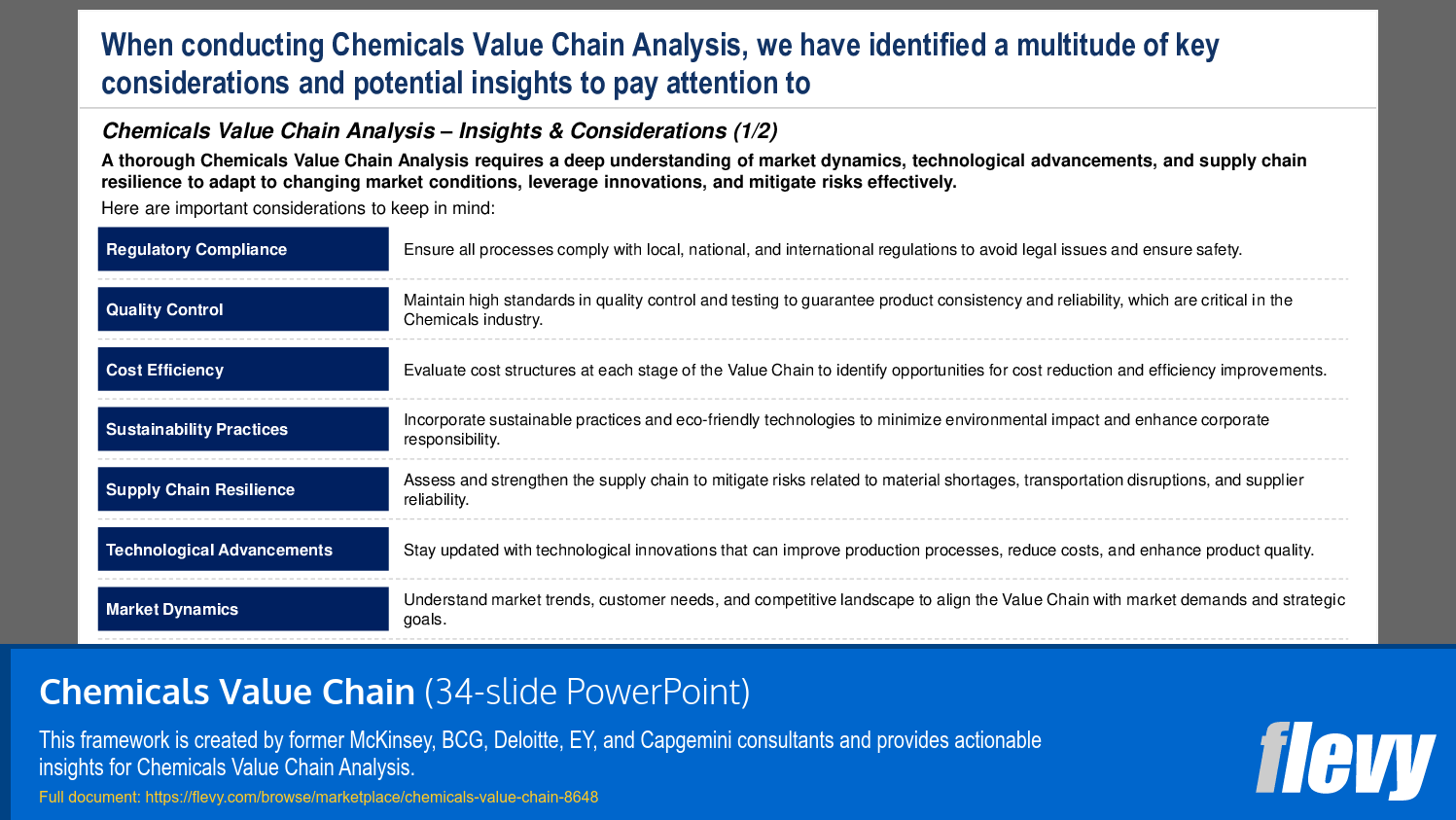
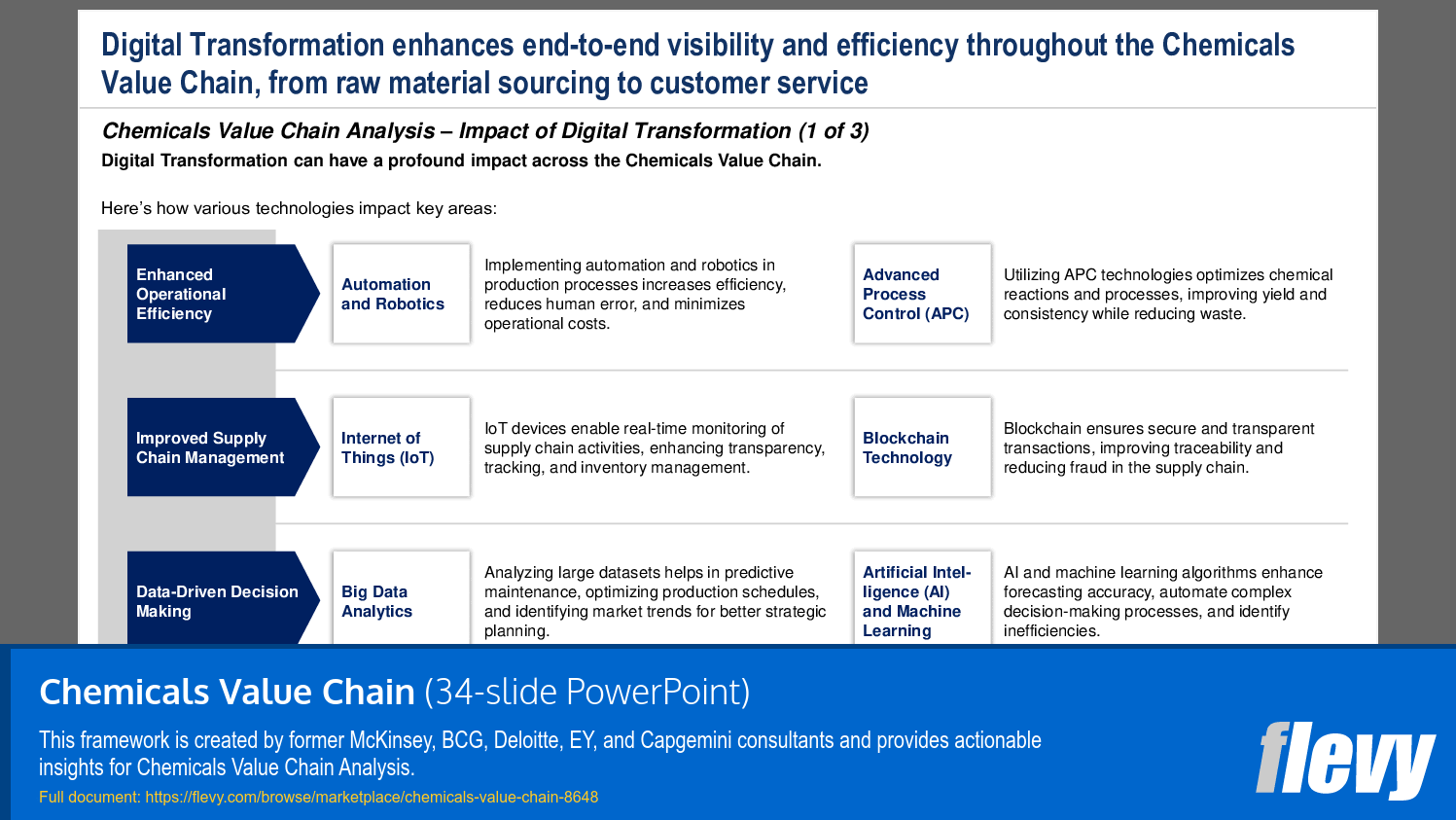
This PowerPoint presentation dives deeper into each of these activities, highlighting key elements. This presentation also discusses Chemicals Value Chain Analysis, highlighting a multitude of key considerations and potential insights to pay attention to. We further discuss the significant impact of Digital Transformation and various specific emergent technologies on the Chemicals Industry.
This presentation provides a comprehensive breakdown of the Chemicals Value Chain, detailing each activity's role in enhancing operational efficiency and product quality. By leveraging advanced technologies and best practices, organizations can streamline processes, ensuring optimal performance and compliance with industry standards.
Got a question about the product? Email us at support@flevy.com or ask the author directly by using the "Ask the Author a Question" form. If you cannot view the preview above this document description, go here to view the large preview instead.
Executive Summary
The Chemicals Value Chain presentation provides a detailed framework for understanding the series of steps involved in delivering chemical products to the market. Developed by former consultants from top-tier firms, this consulting-grade resource (McKinsey, Bain, or BCG-quality; not affiliated) outlines both primary and support activities essential for optimizing operations in the chemicals industry. Users will gain insights into raw material sourcing, production processes, quality control, and customer engagement, enabling them to enhance efficiency, ensure regulatory compliance, and drive innovation.
Who This Is For and When to Use
• Chemical industry executives and managers overseeing operations and supply chains
• R&D leaders focused on product innovation and development
• Quality assurance teams responsible for compliance and testing
• Marketing and sales professionals aiming to enhance customer engagement
• Sustainability officers tasked with implementing eco-friendly practices
Best-fit moments to use this deck:
• During strategic planning sessions to align operational activities with market demands
• For training workshops on optimizing the chemicals value chain
• When assessing compliance with regulatory standards and improving quality control
• To drive discussions on digital transformation initiatives within the organization
Learning Objectives
• Define the Chemicals Value Chain and its significance in operational efficiency
• Build a comprehensive understanding of primary and support activities in the chemicals industry
• Establish best practices for regulatory compliance and safety measures
• Identify opportunities for cost reduction and sustainability within the value chain
• Enhance customer satisfaction through effective support and technical services
• Analyze the impact of digital transformation on operational processes
Table of Contents
• Executive Summary (page 1)
• Chemicals Value Chain (page 2)
• Primary Activities (page 3)
• Support Activities (page 4)
• Chemicals Value Chain Analysis (page 5)
Primary Topics Covered
• Raw Material Sourcing - Identifying and procuring essential raw materials while ensuring quality and compliance with regulations.
• Research and Development (R&D) - Driving innovation through the investigation and creation of new chemical products and processes.
• Chemical Synthesis and Production - Transforming raw materials into high-value products while optimizing efficiency and safety.
• Quality Control and Testing - Ensuring products meet rigorous standards through systematic testing and documentation.
• Packaging and Labeling - Designing compliant packaging solutions that protect products and provide essential information.
• Storage and Inventory Management - Organizing and controlling chemical products to ensure quality and availability.
• Distribution and Logistics - Coordinating transportation and delivery of products to customers efficiently.
• Marketing and Sales - Promoting chemical products and building customer relationships through targeted strategies.
• Customer Support and Technical Services - Providing assistance and solutions to enhance customer satisfaction and product performance.
Deliverables, Templates, and Tools
• Framework for analyzing the Chemicals Value Chain
• Templates for quality control and testing documentation
• Guidelines for effective marketing and sales strategies in the chemicals sector
• Checklists for regulatory compliance and safety protocols
• Inventory management systems for tracking stock levels and conditions
• Best practices for customer support and technical service delivery
Slide Highlights
• Overview of the Chemicals Value Chain illustrating primary and support activities
• Detailed breakdown of each primary activity with value-added insights
• Visual representation of regulatory compliance and safety measures
• Framework for integrating sustainability practices into operations
• Case studies showcasing successful implementation of digital transformation in the chemicals industry
Potential Workshop Agenda
Understanding the Chemicals Value Chain (90 minutes)
• Overview of primary and support activities
• Discussion on regulatory compliance and safety measures
• Group activity: Mapping the value chain in your organization
Digital Transformation in Chemicals (60 minutes)
• Presentation on the impact of technology on operations
• Case studies on successful digital initiatives
• Q&A session to address specific challenges
Customization Guidance
• Tailor the framework to reflect specific organizational processes and terminology
• Adjust the focus on sustainability practices based on company goals
• Incorporate case studies relevant to your market segment for practical insights
• Modify templates to align with internal reporting standards and compliance requirements
Secondary Topics Covered
• Environmental and sustainability management practices
• Financial management strategies in the chemicals industry
• Human resource management for attracting and retaining talent
• Information systems and data management for operational efficiency
• Public and stakeholder relations to enhance corporate reputation
FAQ
What is the Chemicals Value Chain?
The Chemicals Value Chain outlines the steps from raw material sourcing to customer support, emphasizing how each activity adds value and contributes to competitive advantage.
How can this framework help my organization?
This framework provides actionable insights for optimizing operations, ensuring regulatory compliance, and enhancing customer satisfaction in the chemicals industry.
What are the primary activities in the Chemicals Value Chain?
The primary activities include raw material sourcing, R&D, chemical synthesis and production, quality control, packaging, storage, distribution, marketing, and customer support.
How does digital transformation impact the Chemicals Value Chain?
Digital transformation enhances operational efficiency, improves supply chain management, and facilitates data-driven decision-making, leading to better product quality and customer engagement.
What role does sustainability play in the Chemicals Value Chain?
Sustainability practices reduce environmental impact, enhance corporate responsibility, and can lead to cost savings, making them essential for modern chemical operations.
How can I ensure regulatory compliance in my operations?
Implementing robust quality control processes, continuous monitoring, and employee training on safety practices are key to maintaining compliance with regulations.
What tools are available for managing inventory in the chemicals industry?
Advanced inventory management systems can track stock movement, optimize storage conditions, and prevent overstocking or stockouts.
How can I improve customer engagement in my organization?
Leveraging data analytics and CRM systems can help tailor marketing efforts and enhance customer support, leading to stronger relationships and increased satisfaction.
Glossary
• Chemicals Value Chain - The series of steps involved in delivering chemical products to the market.
• R&D - Research and Development; the process of creating new products and improving existing ones.
• Quality Control - Procedures to ensure products meet required standards and specifications.
• Sustainability - Practices aimed at reducing environmental impact and promoting corporate responsibility.
• Regulatory Compliance - Adhering to laws and regulations governing chemical production and distribution.
• Supply Chain Management - Coordination of the flow of goods and materials from suppliers to customers.
• Customer Relationship Management (CRM) - Strategies and tools for managing interactions with customers.
• Digital Transformation - Integration of digital technology into all areas of a business, improving operations and customer experiences.
• Inventory Management - The process of overseeing and controlling stock levels and storage conditions.
• Public Relations - Managing the company's interactions with the public and stakeholders to enhance reputation.
• Logistics - The management of transportation and delivery of products.
• Human Resource Management - Strategies for recruiting, training, and retaining employees.
• Financial Management - Planning and controlling financial resources to ensure sustainability and growth.
• Environmental Management - Practices aimed at minimizing environmental impact and ensuring compliance with regulations.
• Data Analytics - The process of analyzing data to gain insights and inform decision-making.
• Market Dynamics - The forces that impact the supply and demand of products in the market.
• Operational Efficiency - The ability to deliver products and services effectively while minimizing costs.
• Customer Support - Services provided to assist customers in using products effectively.
• Stakeholder Engagement - Building relationships with individuals or groups that have an interest in the company.
• Innovation - The process of developing new ideas, products, or processes to improve performance.
Source: Best Practices in Value Chain Analysis PowerPoint Slides: Chemicals Value Chain PowerPoint (PPTX) Presentation Slide Deck, LearnPPT Consulting
|
Download our FREE Strategy & Transformation Framework Templates
Download our free compilation of 50+ Strategy & Transformation slides and templates. Frameworks include McKinsey 7-S, Balanced Scorecard, Disruptive Innovation, BCG Curve, and many more. |