 Click main image to view in full screen.
Business Capability Assessment Toolkit: Maturity in a Box – PowerPoint PPTX Template
PowerPoint (PPTX) + Zip archive file (ZIP) 9 Slides


BENEFITS OF THIS DOWNLOADABLE POWERPOINT DOCUMENT
- Assess maturity across 40 business capabilities and produce a defensible, evidence-based score for each
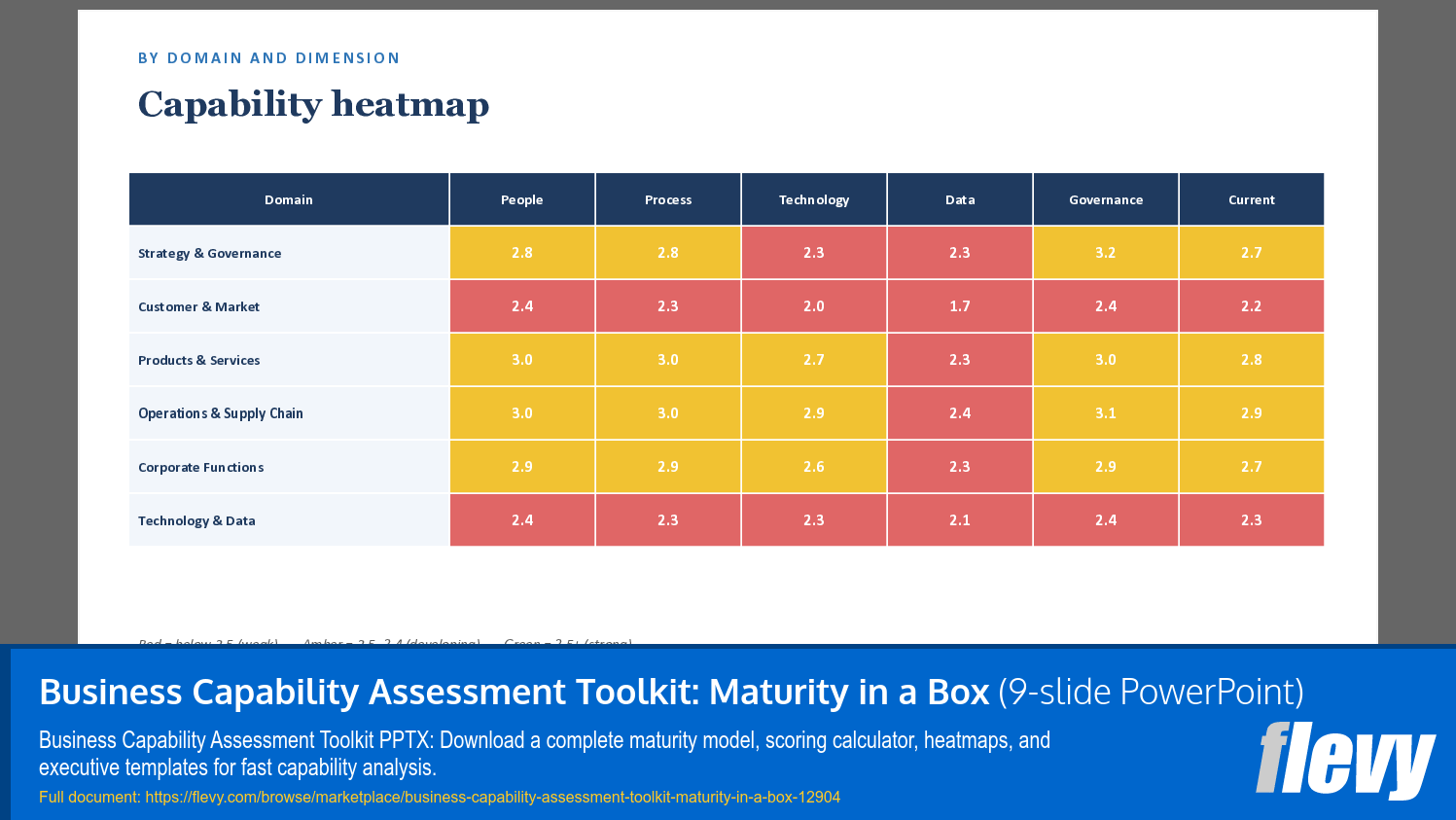
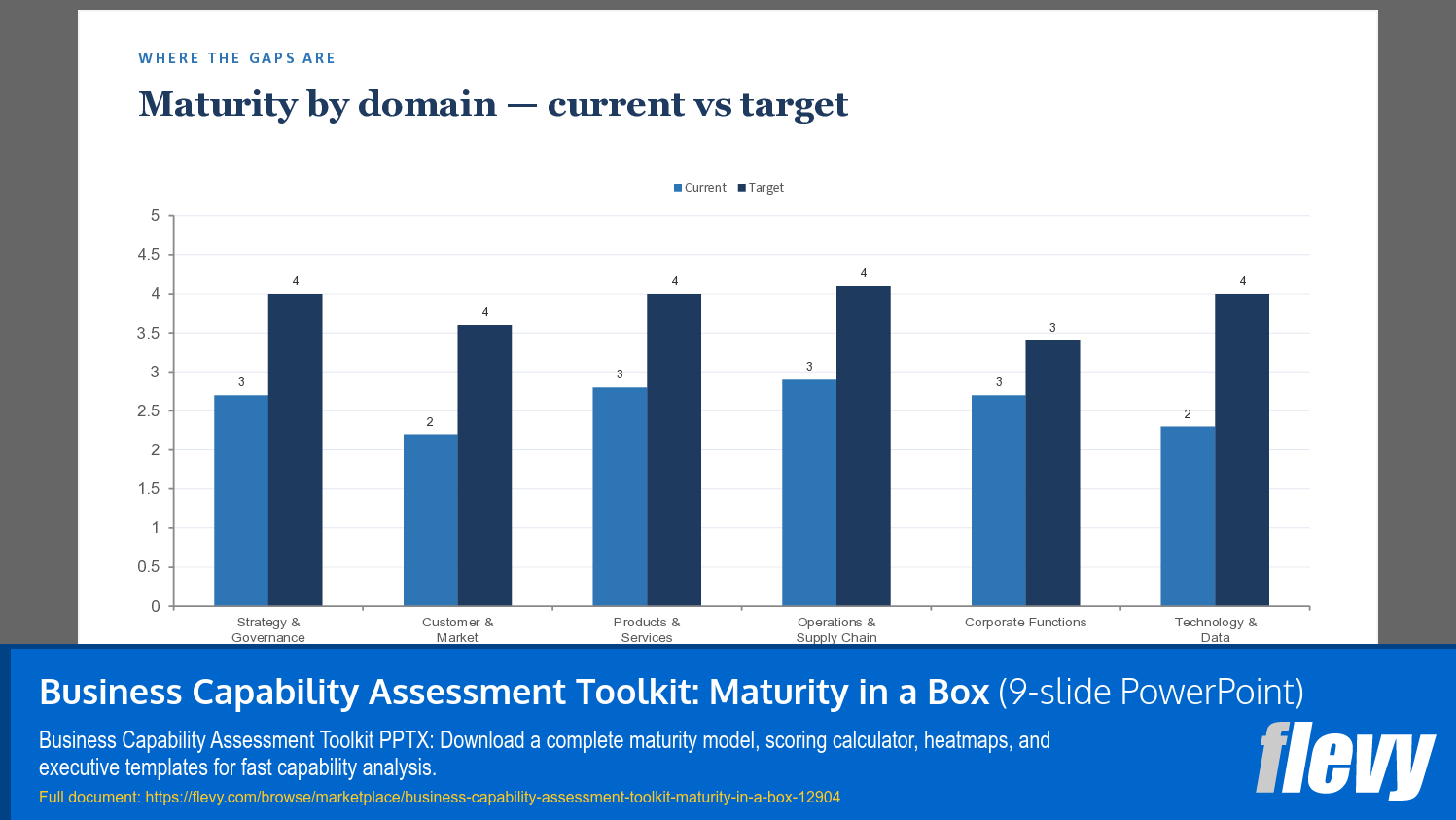
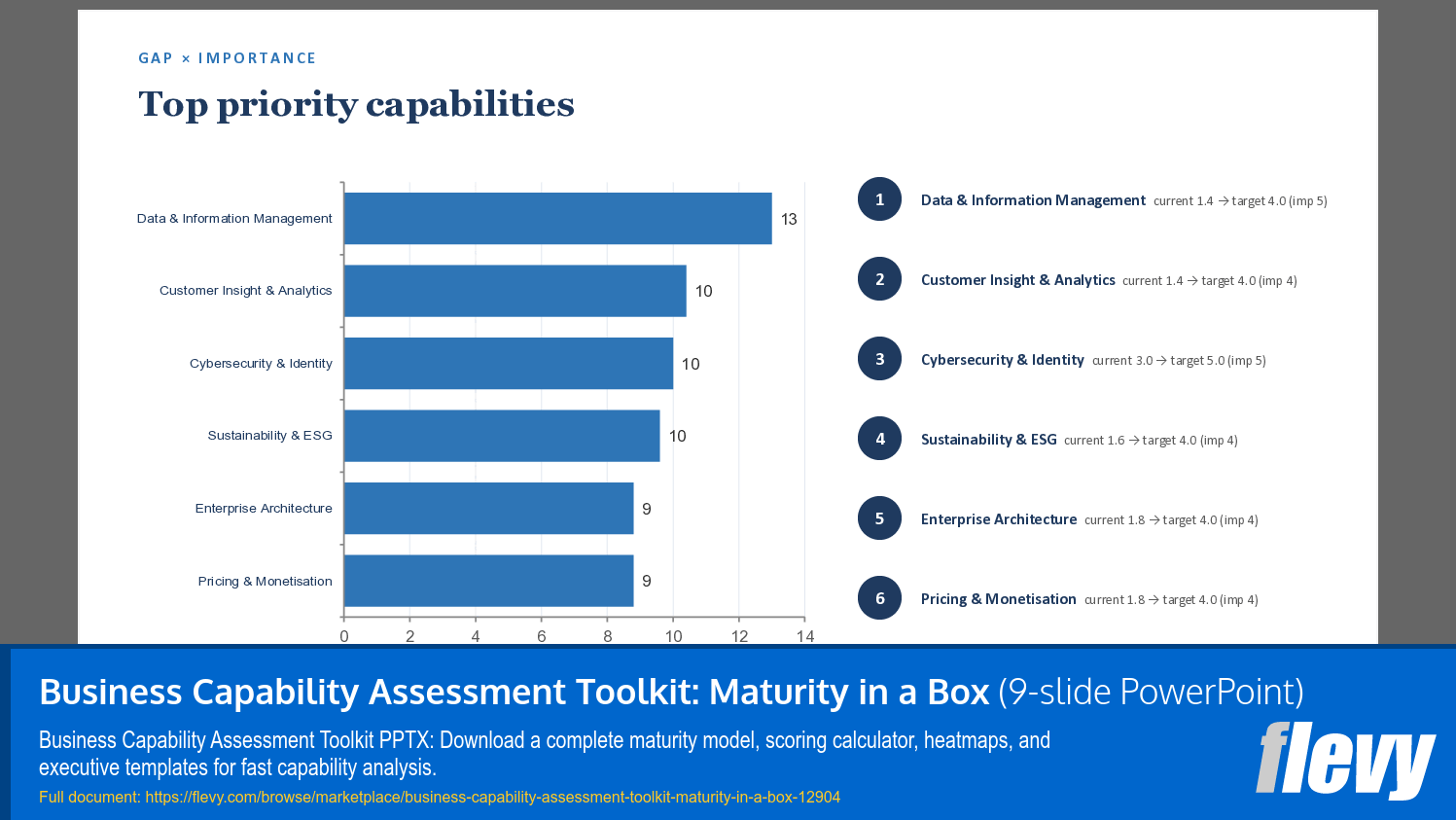
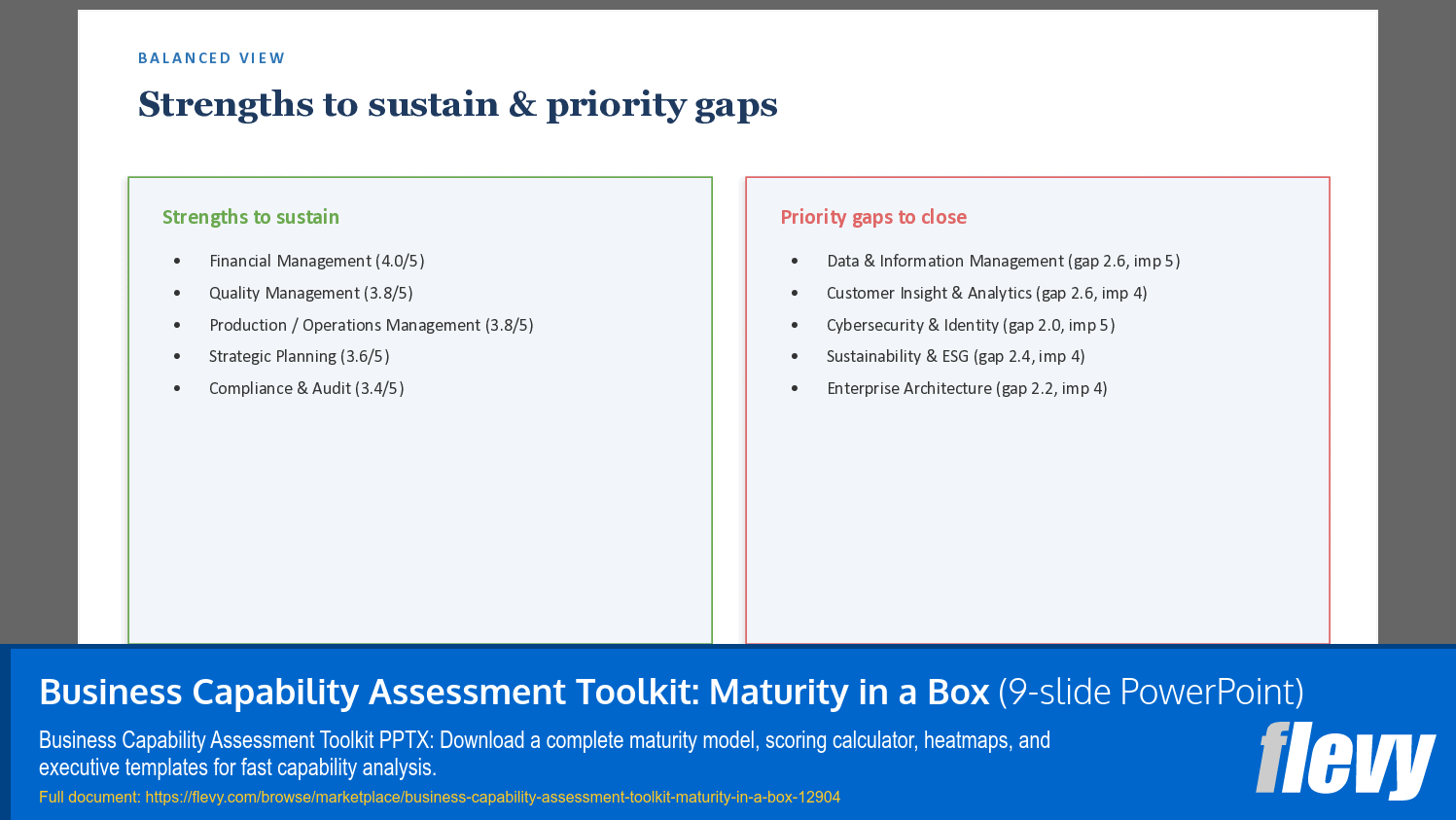
- Generate heatmaps, gap analysis and prioritisation automatically from a working Excel scoring engine
- Two fully worked examples show exactly what a completed assessment looks like before you start
MATURITY MODEL PPT TEMPLATE DESCRIPTION
Run a professional business capability assessment without building the method from scratch.
Capability and maturity assessments are among the most valuable pieces of work an architect, consultant or transformation lead can deliver – and among the most time-consuming to set up. This toolkit provides the complete system: methodology, scoring engine, reference model, facilitation materials, outputs and worked examples.
WHAT MAKES THIS DIFFERENT
Most capability assessment material available online is a collection of unconnected files – a maturity model from one source, a heatmap template from another, a reference model from a third. Assembling them costs days of reconciliation before any analysis can begin, and the pieces frequently use incompatible scales and capability names.
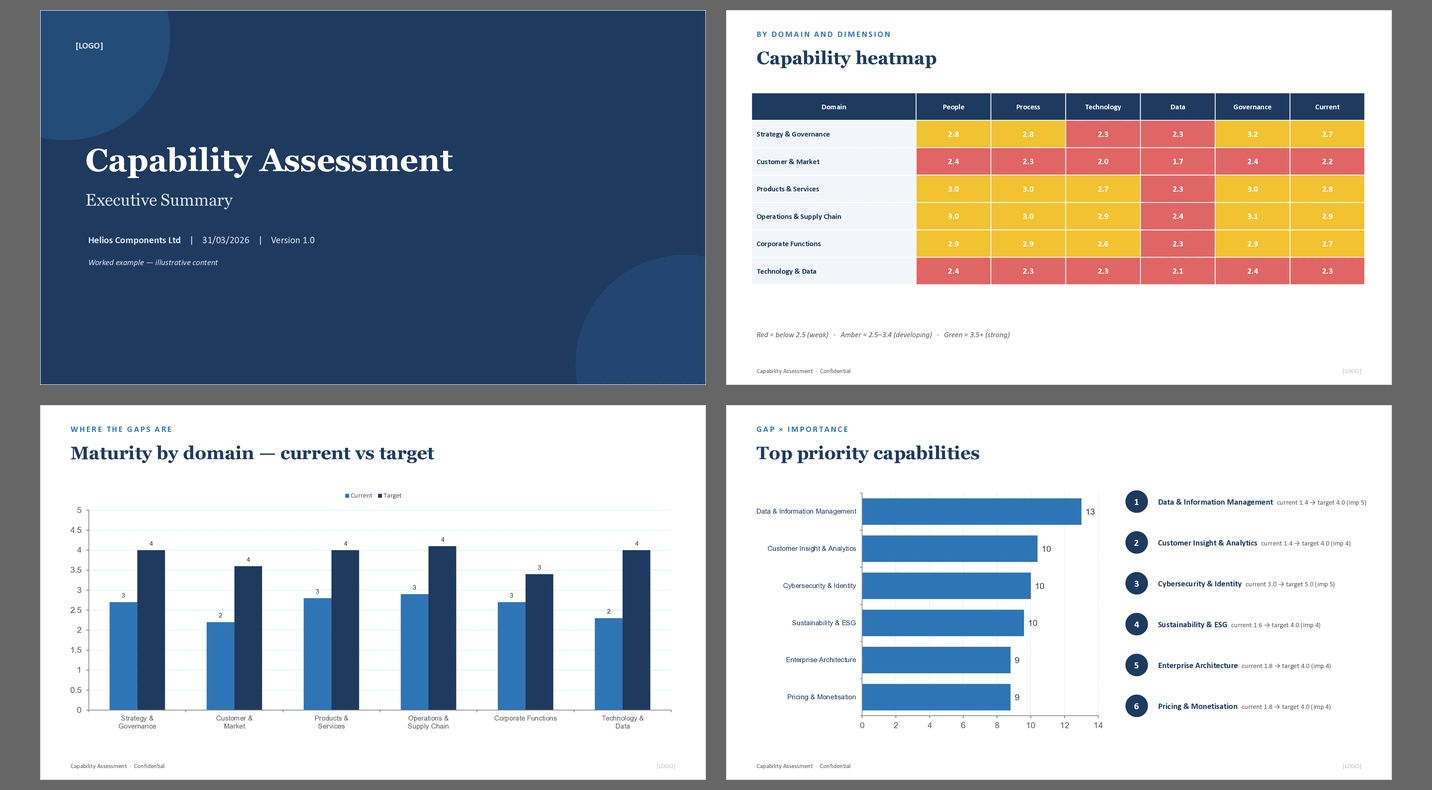
This toolkit is built as a connected system. The 40-capability reference model populates the calculator. The calculator produces current-state scores, gap analysis, prioritisation and heatmaps automatically. Those outputs feed the report template and the executive deck. Change a capability in one place and it carries through.
It also includes two fully worked examples – a 40-capability enterprise baseline and a focused HR function assessment – with every template completed end to end. A blank template tells you what fields exist. A completed one tells you the standard of answer expected, which is what determines whether your assessment survives challenge from a sceptical executive.
WHAT IS INCLUDED
Assessment methodology. Maturity model and scoring guide covering five levels across five dimensions – people, process, technology, data and governance. A 40-capability reference model spanning six domains. The capability assessment calculator, which generates current state, gap, priority, heatmaps and a dashboard automatically. Stakeholder questionnaire. Interview and workshop facilitation guide. A five-day assessment playbook with RACI. Capability question bank in both Word and Excel. Industry variants guide. Assessment report template. Executive output deck. An AI companion and prompt library aligned to the workflow. Two fully worked examples. A start-here guide and licence.
WHY SCORE ACROSS DIMENSIONS
A capability reduced to one number hides where the problem is. A capability scoring People 4, Process 4, Technology 1 needs tooling. One scoring People 1, Process 2, Technology 4 needs organisational work. A single averaged score of 2.5 tells you neither. This toolkit scores every capability across five dimensions so the diagnosis falls out of the data rather than requiring interpretation.
WHO IT IS FOR
Management consultants and advisors, enterprise and business architects, transformation and PMO leads, and internal strategy teams.
FORMATS AND LICENCE
Supplied in editable Microsoft Word, Excel and PowerPoint. Fully white-label – apply your own branding and run it as your own method.
The accompanying ZIP file contains the complete toolkit: all templates, both worked examples, the AI companion and the licence.
LICENCE NOTE: This document is supplied under a single-user commercial licence. One purchase covers one named individual, who may edit and rebrand the materials and use them in internal work and in paid client engagements, and may provide clients with completed deliverables. Redistribution of the blank templates, resale, publication, or use by additional users each require a separate licence. Full terms are in the LICENCE file included in the ZIP, and take precedence over the platform default terms.
Got a question about the product? Email us at support@flevy.com or ask the author directly by using the "Ask the Author a Question" form. If you cannot view the preview above this document description, go here to view the large preview instead.
Source: Best Practices in Maturity Model, Business Capability Model PowerPoint Slides: Business Capability Assessment Toolkit: Maturity in a Box PowerPoint (PPTX) Presentation Slide Deck, MethodVault
ABOUT THE AUTHOR

MethodVault produces complete, ready-to-run enterprise architecture toolkits -- not collections of loose templates.
Every toolkit is built by practising enterprise and solution architects and packages a method that has been used on real engagements: establishing an architecture function across six domains for a national energy organisation, capability-led transformation blueprints in financial
... [read more]
Ask the Author a Question
You must be logged in to contact the author.




























