
 Click main image to view in full screen. Unlock all 19 preview images:
BluteliQ™ Water Governance Architecture – PDF
PDF document + PowerPoint (PPTX) 22 Pages


BENEFITS OF THIS DOWNLOADABLE PDF DOCUMENT
- Provides a structured seven-gate framework to organize commissioning water decisions, evidence, responsibilities, and operational handover.
- Helps project teams distinguish internal technical evidence from applicable permit conditions, utility acceptance, and external authorization.
- Translates interconnected water-quality, discharge-routing, treatment, and boundary risks into a practical executive decision workflow.
GOVERNANCE PDF DESCRIPTION
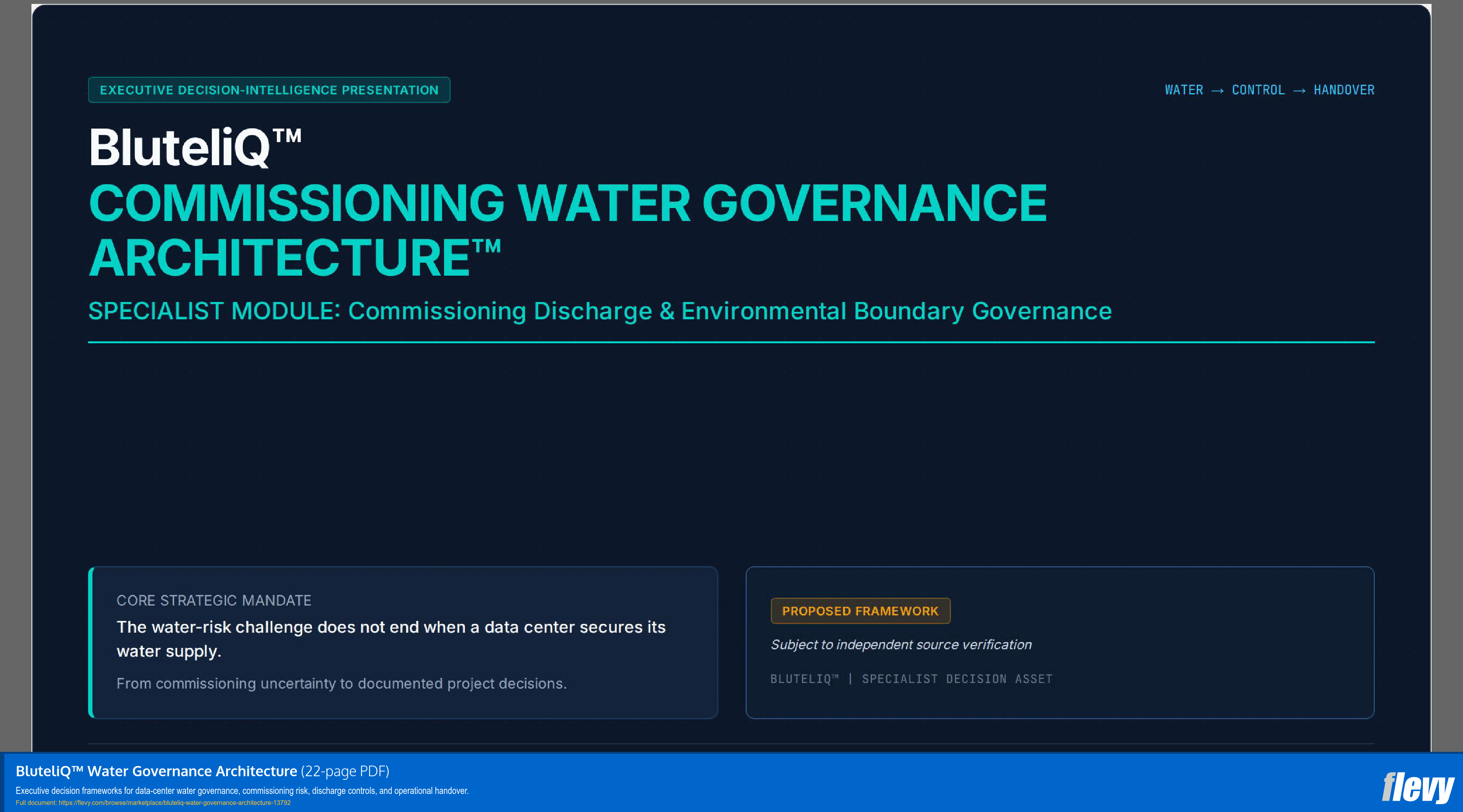
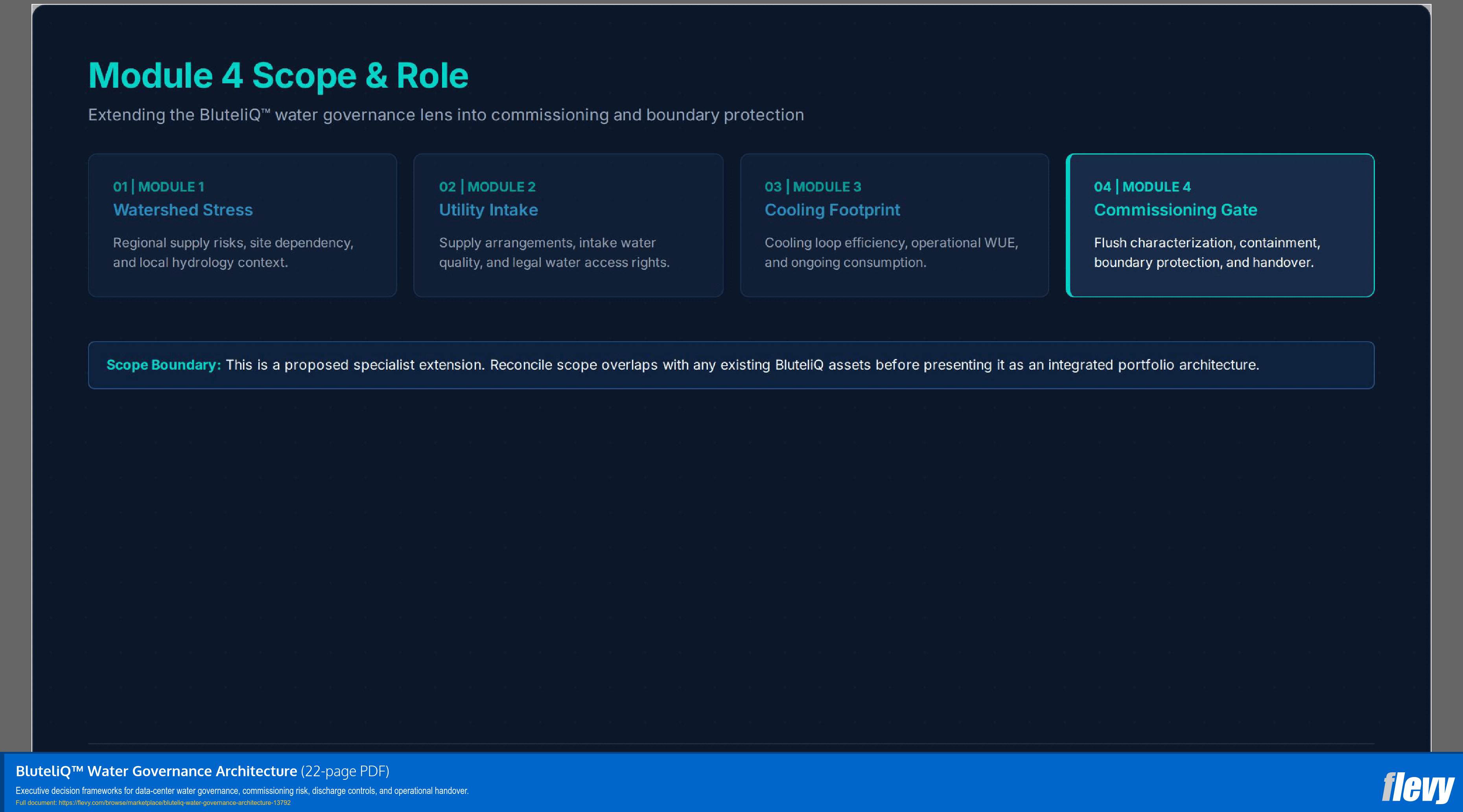
BluteliQ™ Water Governance Architecture™ is a proposed executive decision-intelligence playbook designed to help data-center owners, developers, engineering teams, and operational leaders structure water-governance decisions during commissioning and the transition to ongoing operations.
Water governance extends beyond long-term water availability. During commissioning, temporary fill-and-flush activities, chemical passivation, treatment arrangements, discharge routing, utility acceptance, and environmental boundaries can create interconnected operational and approval challenges. Decisions may involve multiple organizations, technical interfaces, and distinct authorization responsibilities.
This playbook introduces a structured governance architecture for making those decision points visible, documenting evidence, clarifying responsibilities, and determining when a proposed action should proceed, be held, or require further investigation.
Inside, you will find:
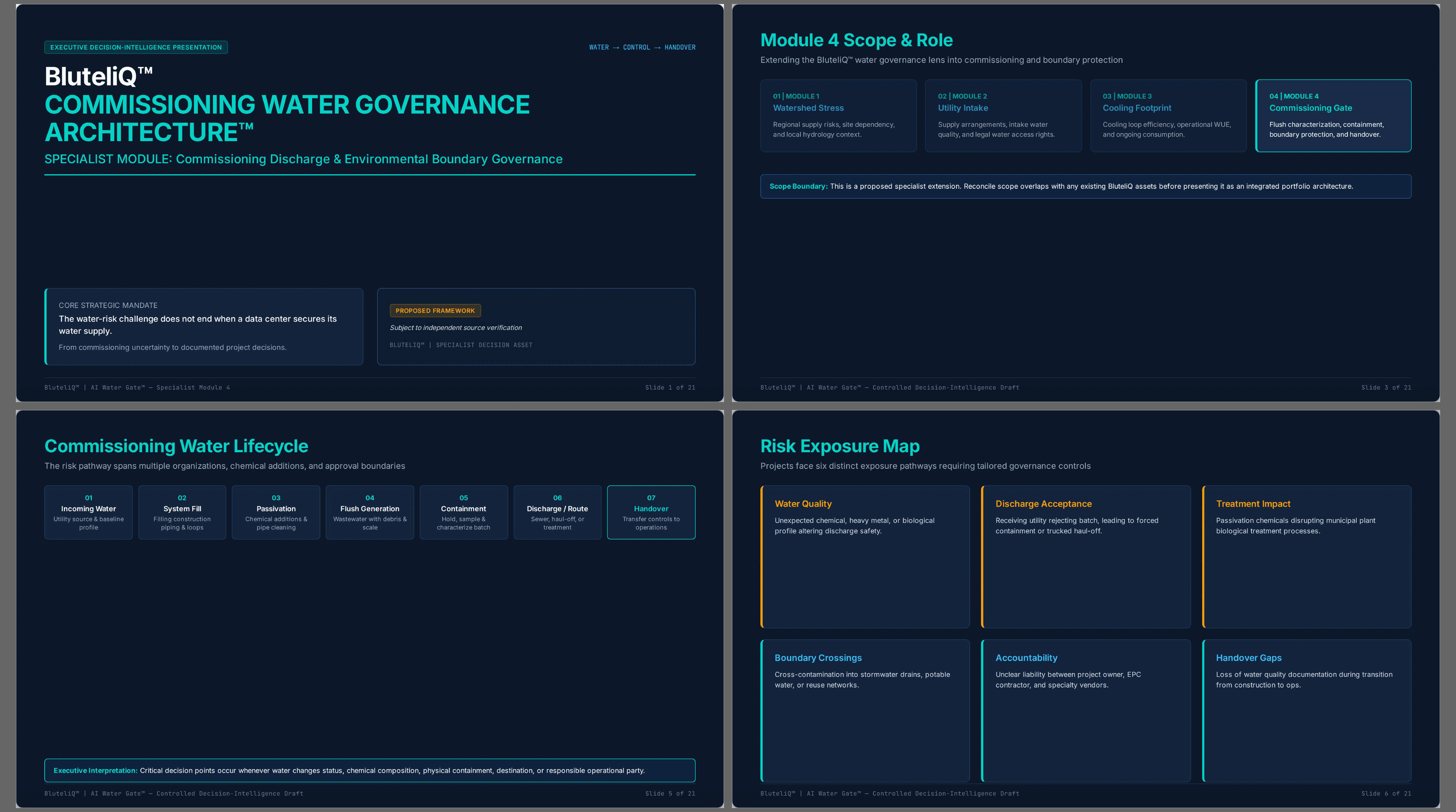
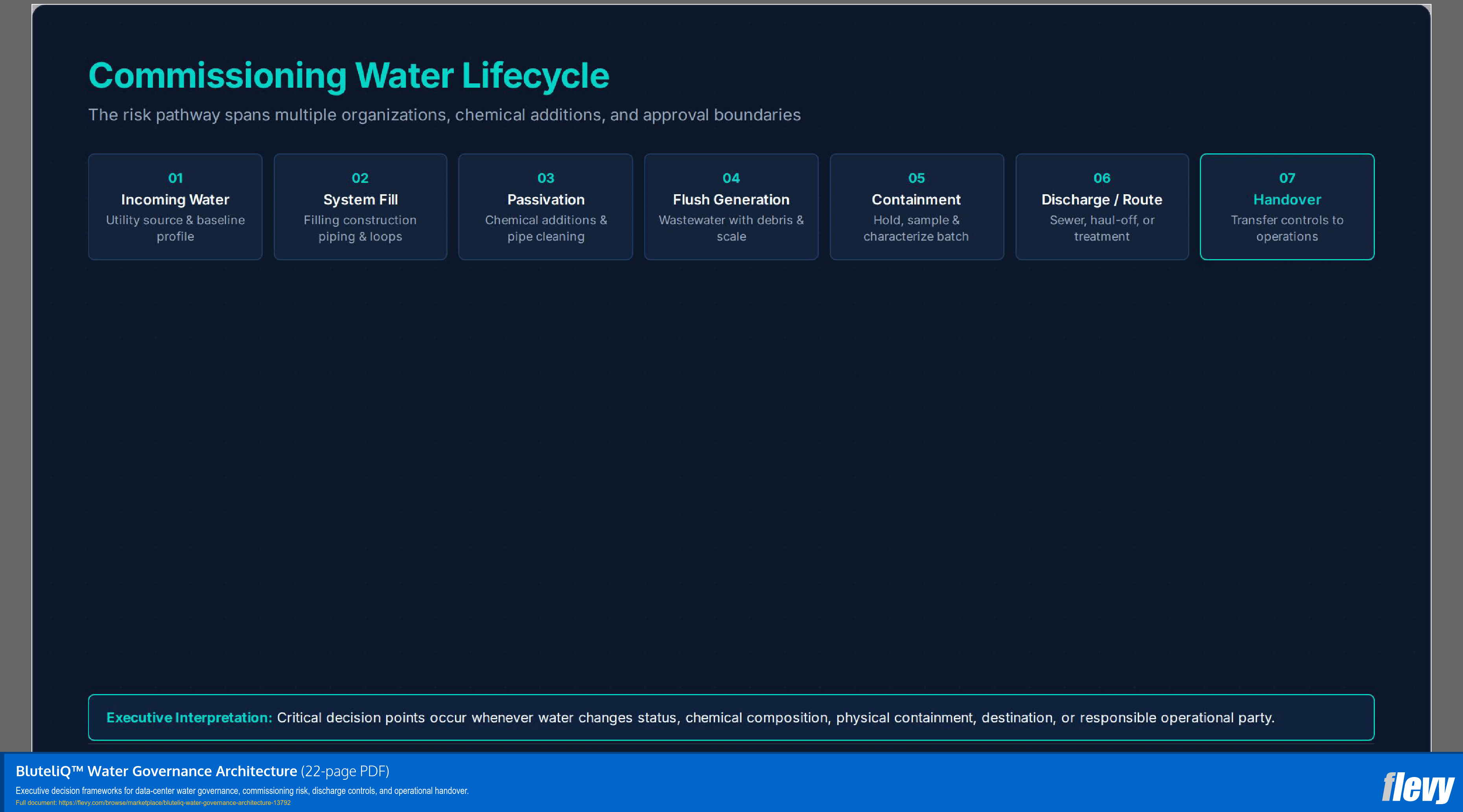
• The Commissioning Water Lifecycle – a seven-stage view connecting incoming water baselines, system fill, passivation, flush generation, containment, discharge or treatment routing, and operational handover.
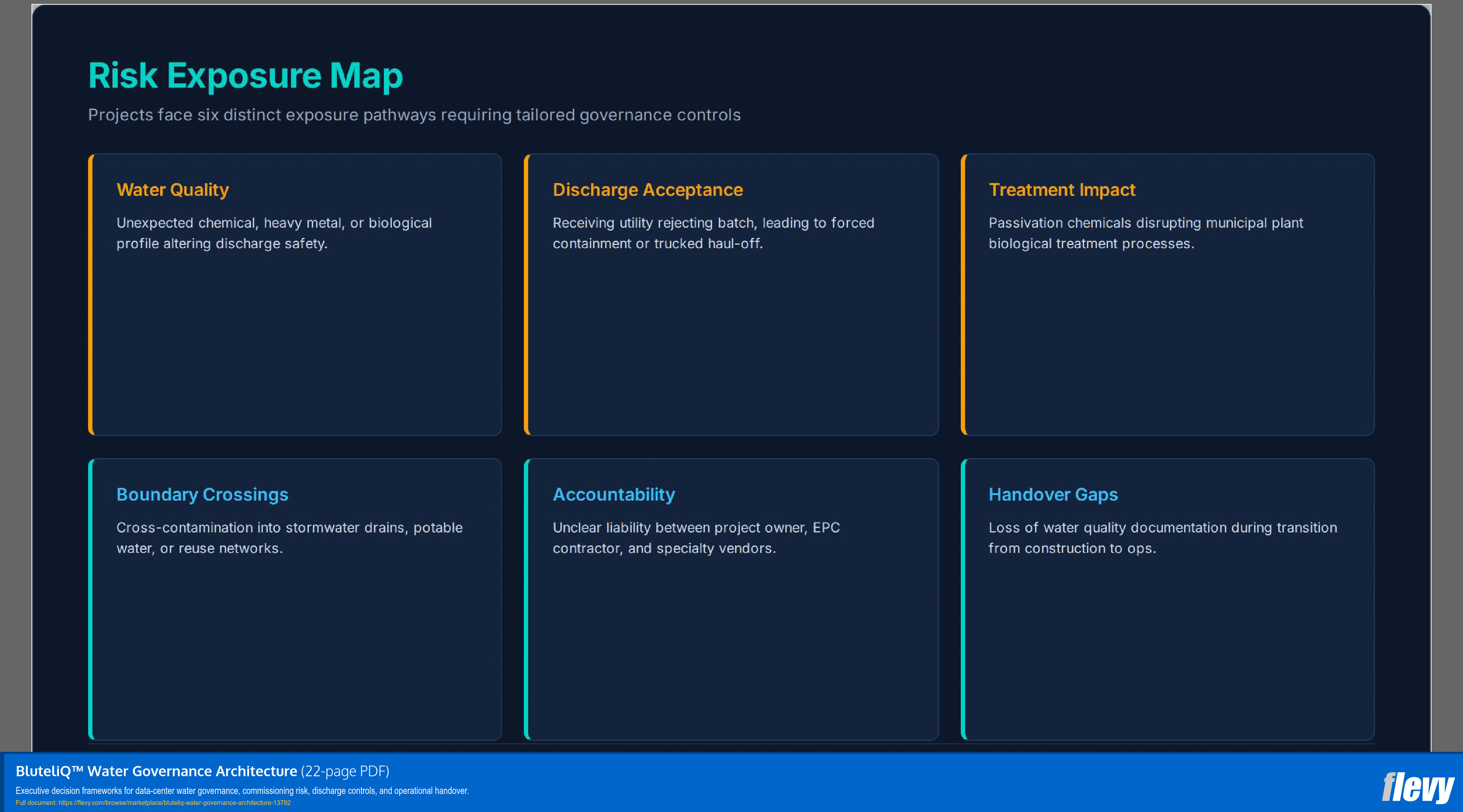
• Risk Exposure Map – a structured view of water-quality, discharge-acceptance, treatment-impact, boundary-crossing, accountability, and handover risks.
• Decision Architecture – a proposed Controlled Release versus Hold & Investigate decision logic, emphasizing that internal test results or sign-offs do not independently establish external discharge authorization.
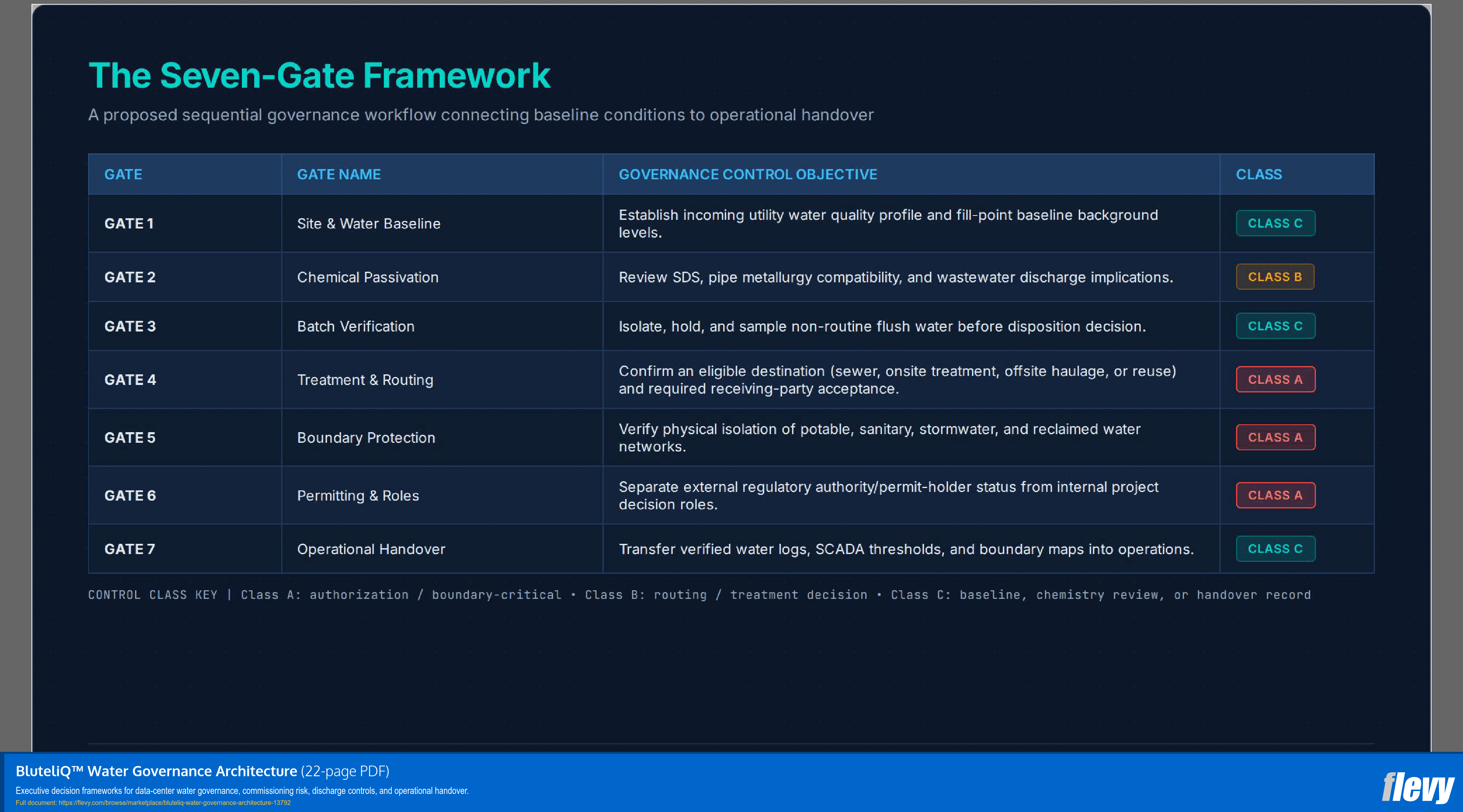
• The Seven-Gate Framework – a sequential governance workflow covering site and water baseline, chemical passivation, batch verification, treatment and routing, boundary protection, permitting and roles, and operational handover.
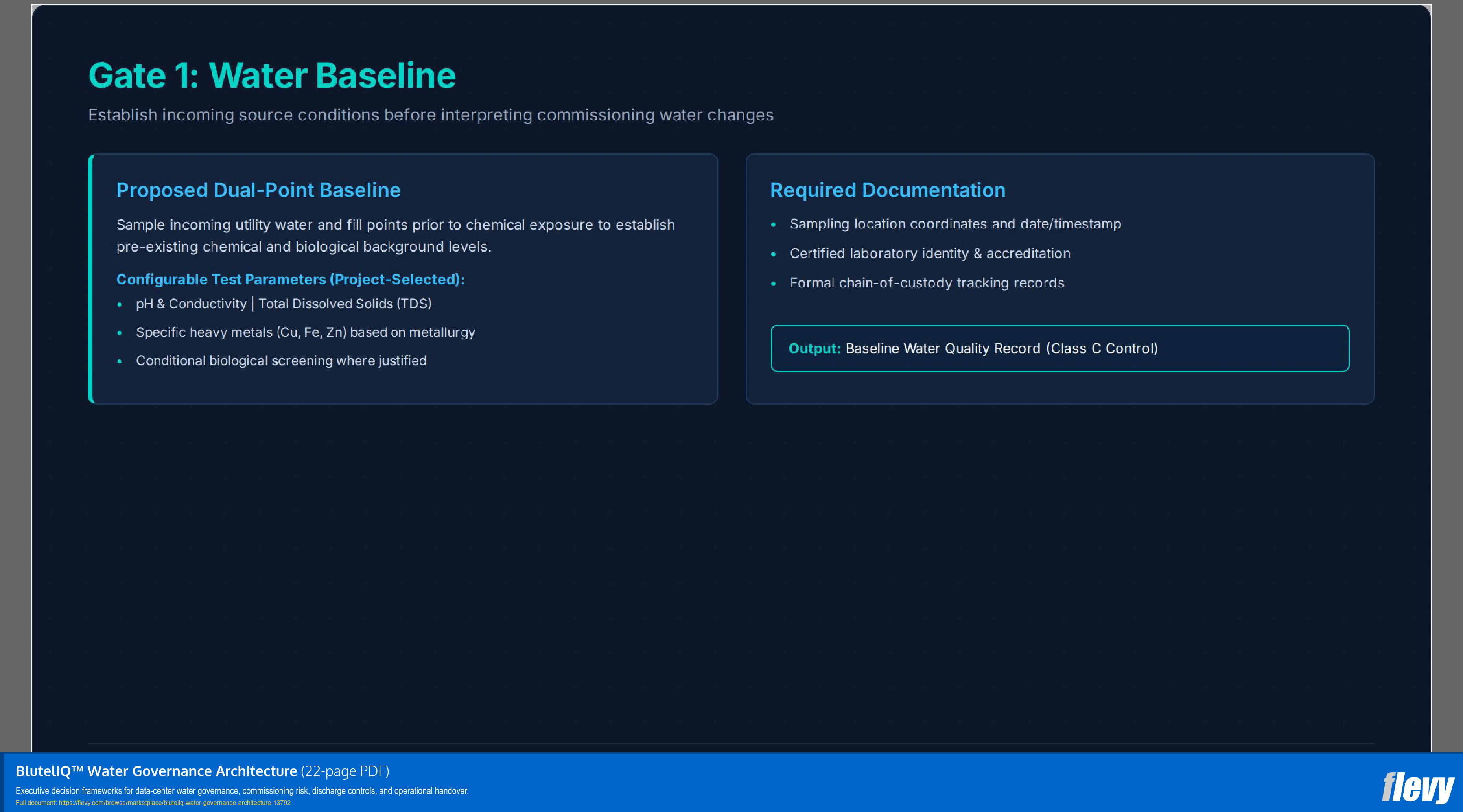
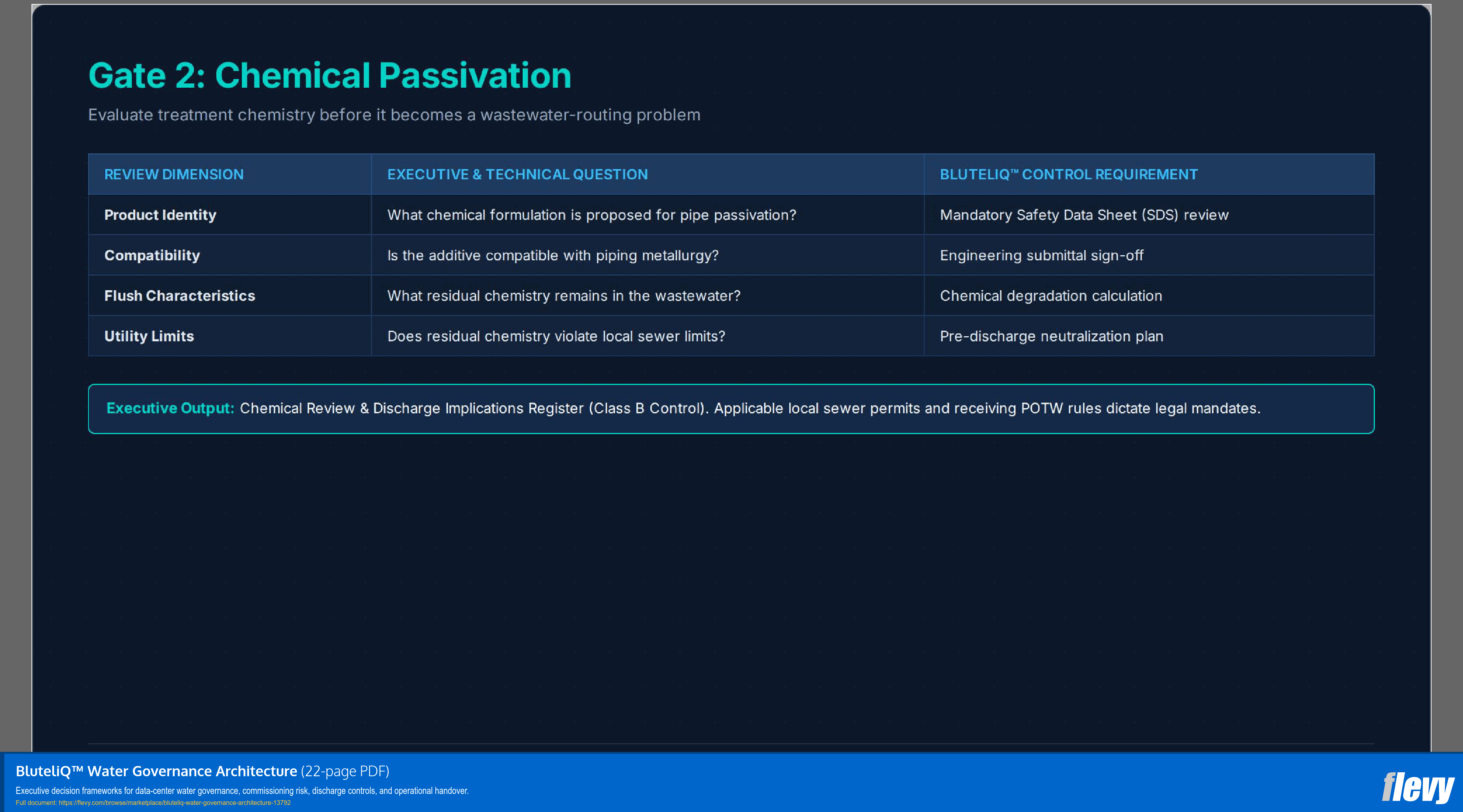
• Gate-Level Decision Questions – practical prompts and documentation considerations for reviewing water conditions, chemical compatibility, batch characterization, authorized destinations, system boundaries, regulatory roles, and handover readiness.
• Cheyenne Case Discussion – a bounded case illustration showing how reported commissioning-discharge events can raise questions about utility interfaces, evidence quality, and authorization. Case details are presented as reported in supplied materials and are not independently verified in this playbook.
• Operable Decision Tools – illustrative registers and decision-record examples intended to help teams structure internal review and documentation. They are not external permits or regulatory approvals.
• Implementation Roadmap – a phased approach for establishing baselines, verifying applicable requirements, assigning internal roles, applying gate reviews, and transferring controls into operations.
The framework is intended to support executive discussion and project-level governance design. It does not replace site-specific engineering, laboratory analysis, applicable permits, utility requirements, legal advice, or decisions by authorized regulators and receiving utilities.
Regulatory references are provided for review and context, not as a universal compliance checklist. Applicability depends on the jurisdiction, facility, discharge route, permit conditions, and relevant authority.
The Cheyenne material is treated with explicit evidence limitations: supplied summaries are not equivalent to a complete primary-source record, and reported claims should not be interpreted as independently established findings.
Who may benefit: data-center developers and operators, project executives, engineering and commissioning leaders, environmental and water-management teams, and professionals involved in infrastructure risk and operational readiness.
BluteliQ™ provides a proposed decision architecture for turning complex commissioning-water interfaces into visible, documented, and reviewable project decisions.
Got a question about the product? Email us at support@flevy.com or ask the author directly by using the "Ask the Author a Question" form. If you cannot view the preview above this document description, go here to view the large preview instead.
Source: Best Practices in Governance, Data Center PDF: BluteliQ™ Water Governance Architecture PDF (PDF) Document, Wisnu Pandega Wardana
ABOUT THE AUTHOR

I am an independent Industrial Intelligence and Strategic Innovation Publisher focused on developing structured business intelligence, innovation frameworks, and opportunity-oriented research for decision-makers.
My work focuses on translating emerging technologies, industrial transformation, sustainability, resource efficiency, and market shifts into structured intelligence assets that
... [read more]
Ask the Author a Question
You must be logged in to contact the author.




























