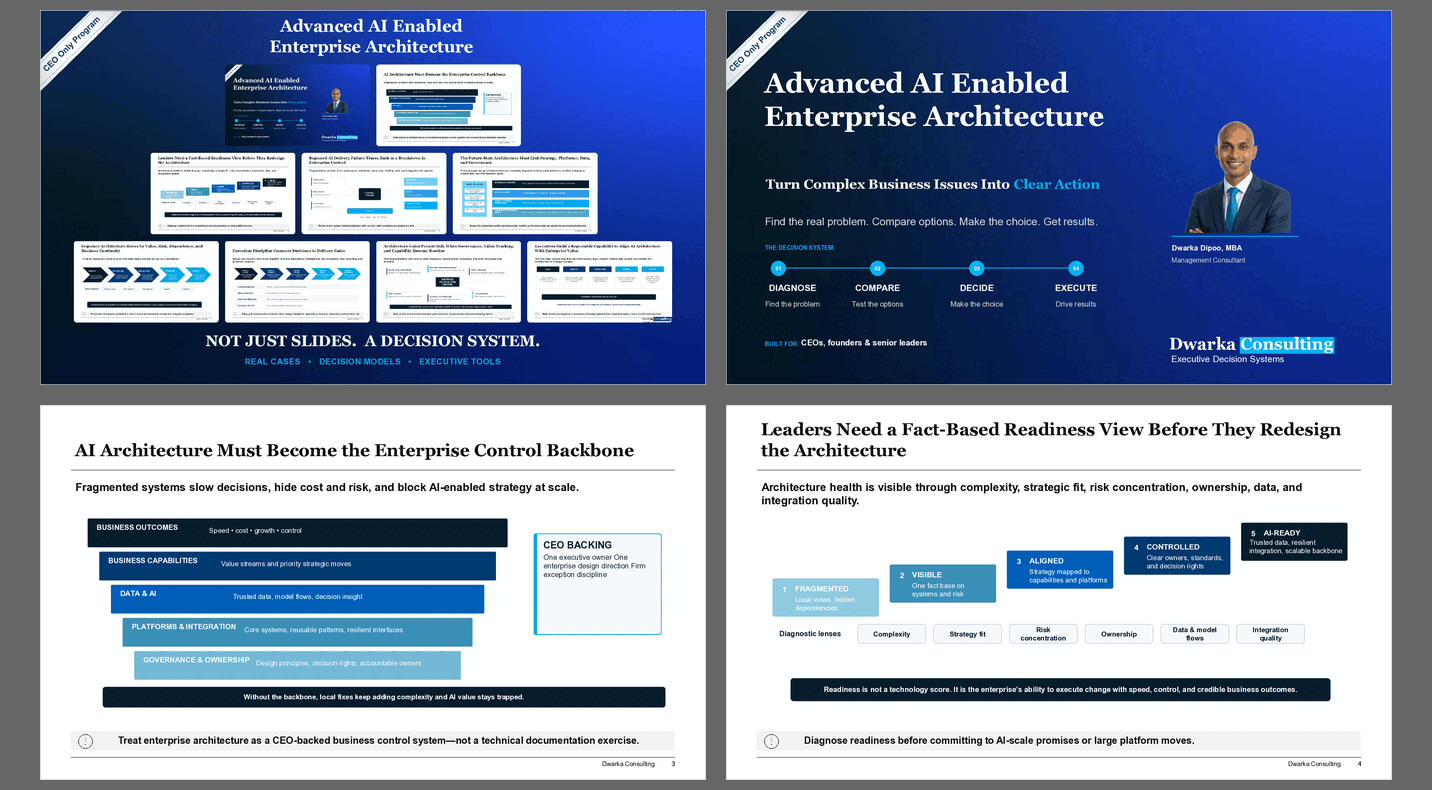
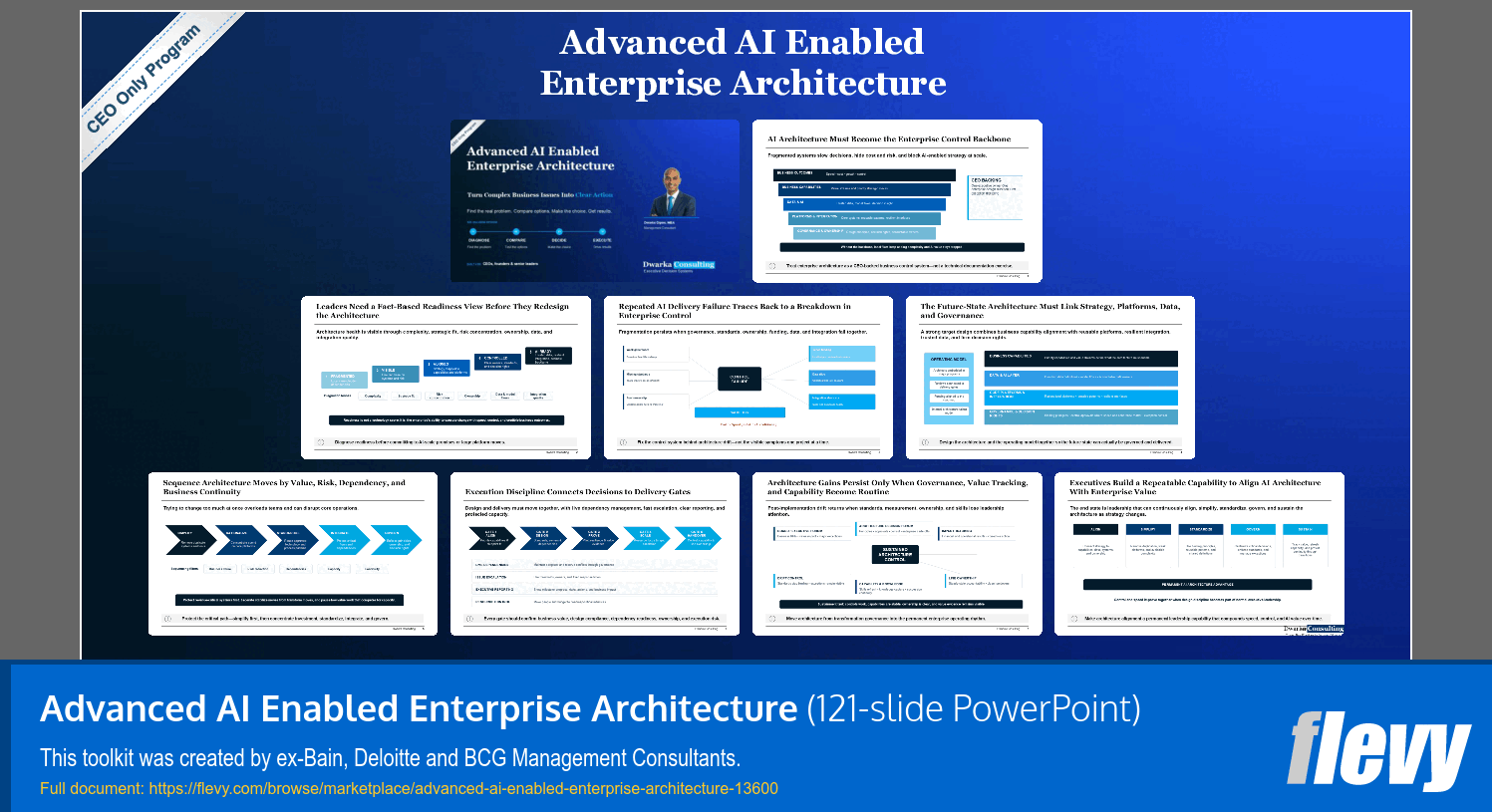

 Click main image to view in full screen. Unlock all 20 preview images:
Advanced AI Enabled Enterprise Architecture – PowerPoint PPTX Template
PowerPoint (PPTX) + supplemental PDF 121 Slides


VIDEO DEMO
BENEFITS OF THIS DOWNLOADABLE POWERPOINT DOCUMENT
- Faster AI execution -- Align strategy, capabilities, data, and platforms so initiatives move with fewer architecture bottlenecks and less rework.
- Lower complexity and cost -- Remove duplicate systems, rationalize platforms, and concentrate technology spending on the capabilities that matter most.
- Stronger enterprise control -- Establish binding standards, clear decision rights, visible exceptions, accountable ownership, and ongoing value tracking.
ARTIFICIAL INTELLIGENCE PPT TEMPLATE DESCRIPTION
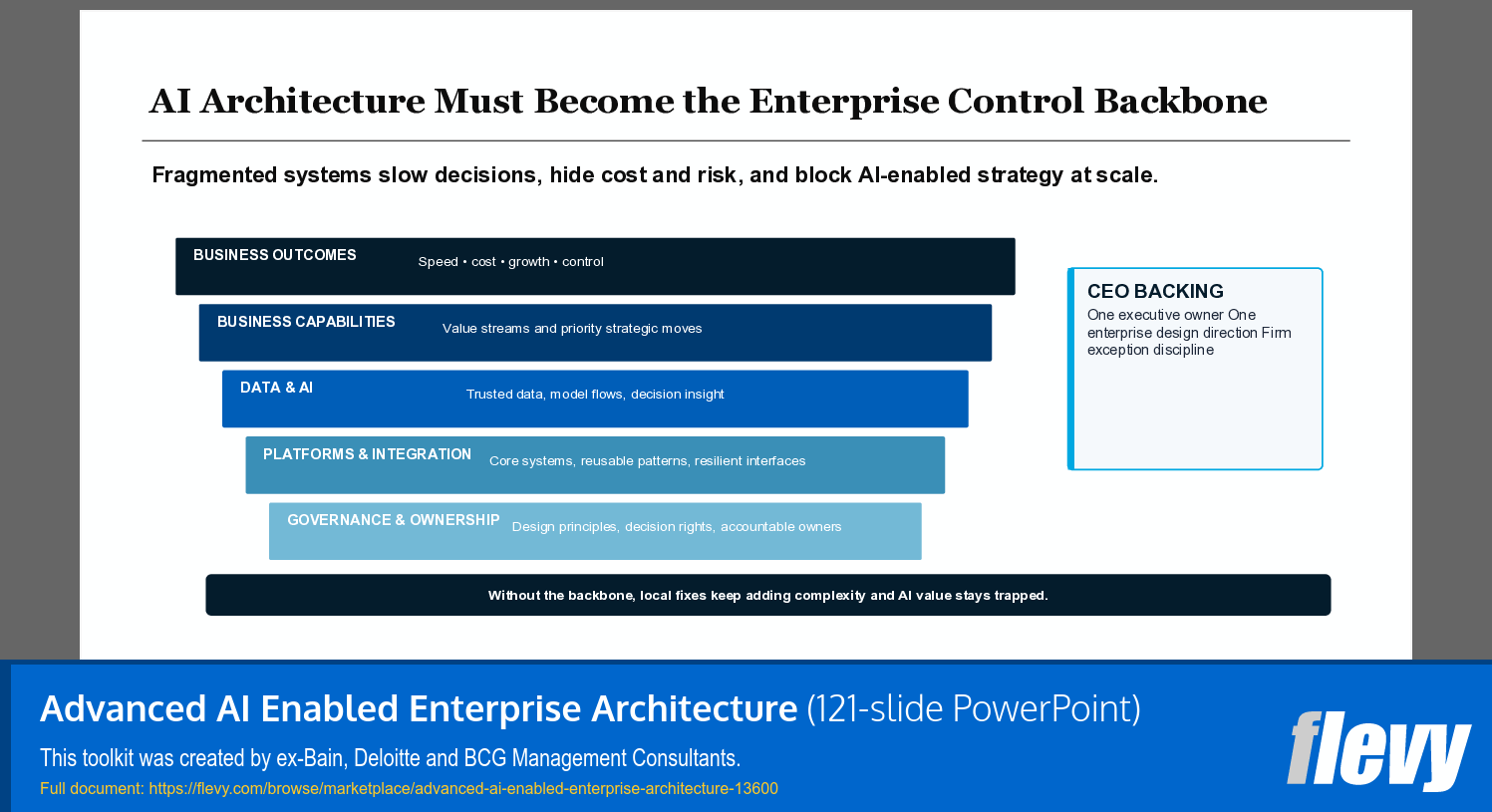
Turn enterprise architecture into an AI-ready control backbone that connects strategy, data, platforms, governance, risk, and execution across the business.
Why This Matters
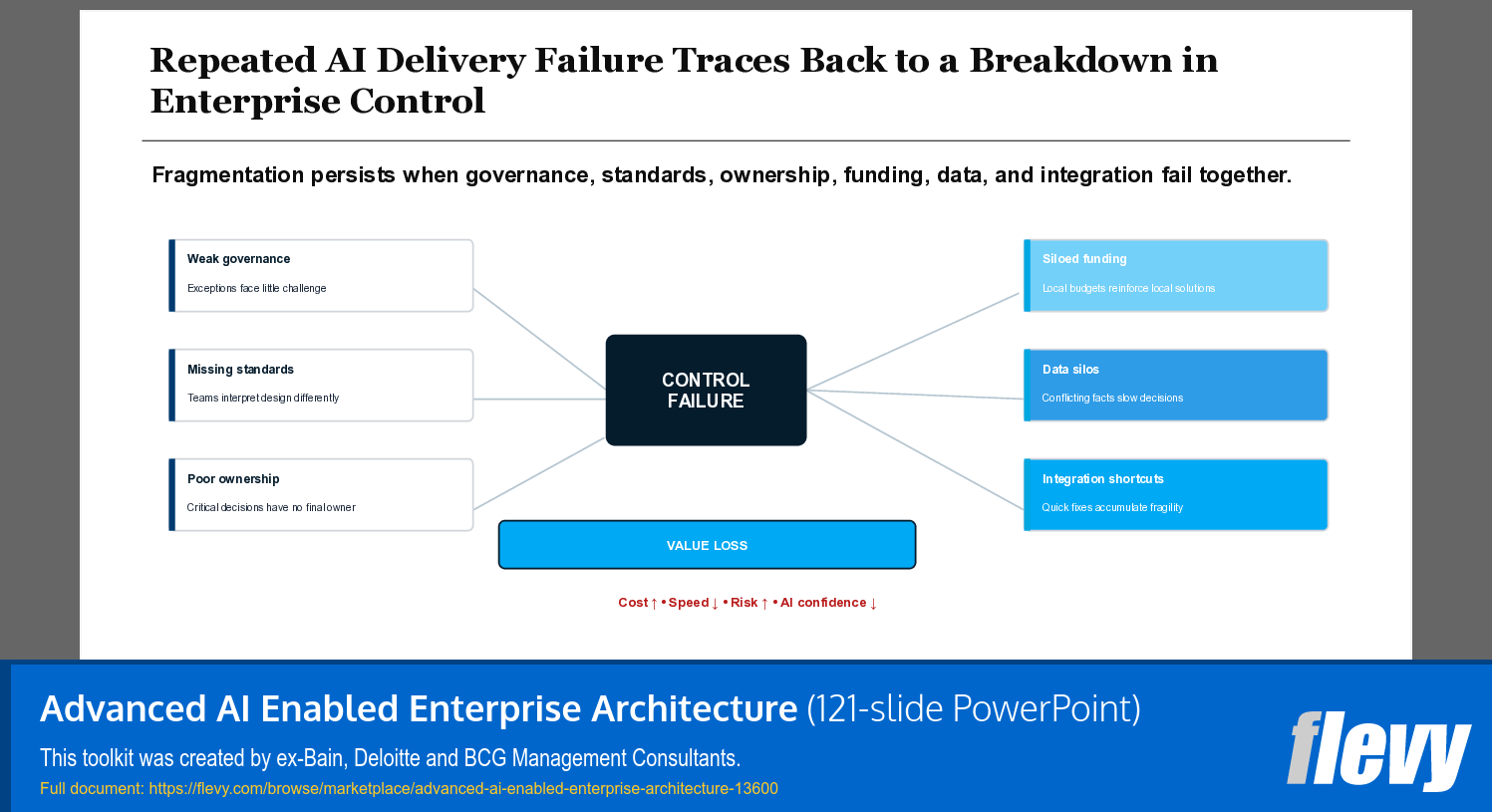
AI initiatives stall when fragmented systems, data silos, weak ownership, inconsistent standards, and integration shortcuts accumulate across the enterprise. Leaders need more than technical diagrams. They need an architecture system that exposes complexity, aligns platforms to strategic priorities, controls risk, concentrates investment, and enables AI to scale with speed and confidence.
What Leaders Will Learn to Do
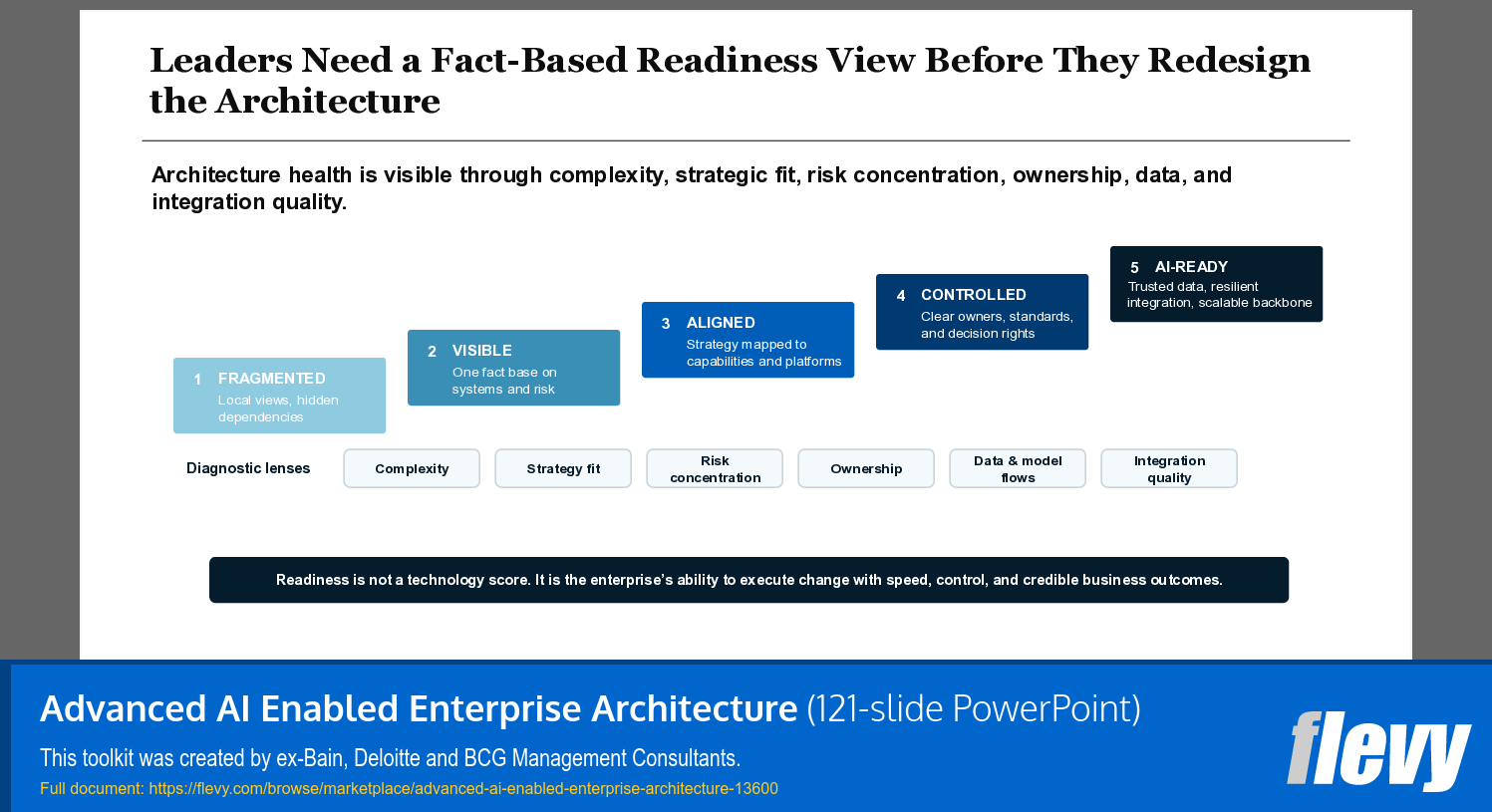
• Diagnose AI readiness – Assess complexity, strategic fit, risk concentration, ownership, data and model flows, and integration quality before making major technology commitments.
• Expose architecture value leaks – Identify fragmentation, duplicated systems, data silos, over-customization, unclear ownership, and integration shortcuts that increase cost and slow execution.
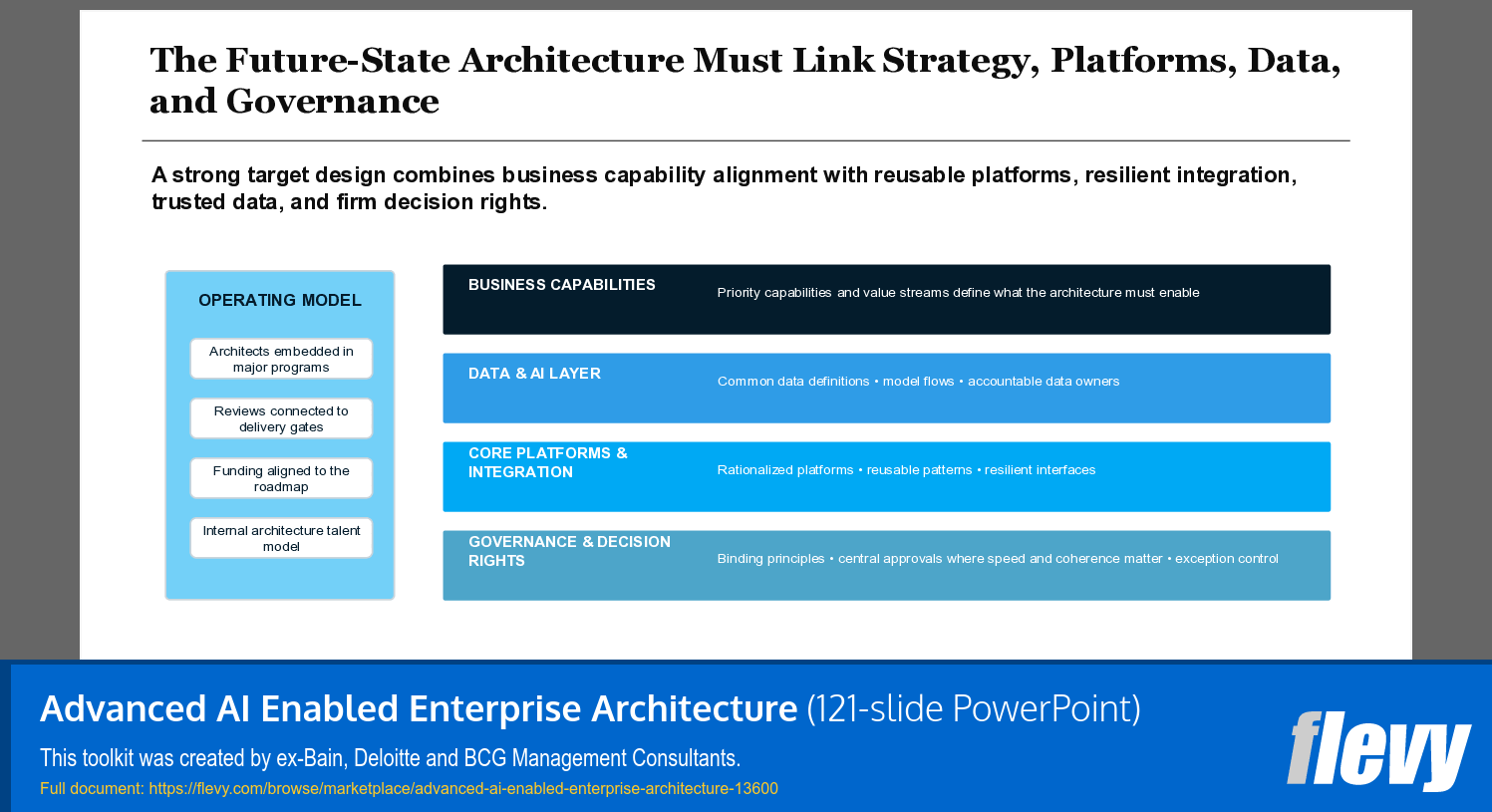
• Design the future-state architecture – Connect business capabilities with trusted data, AI flows, core platforms, resilient integration, governance, and clear decision rights.
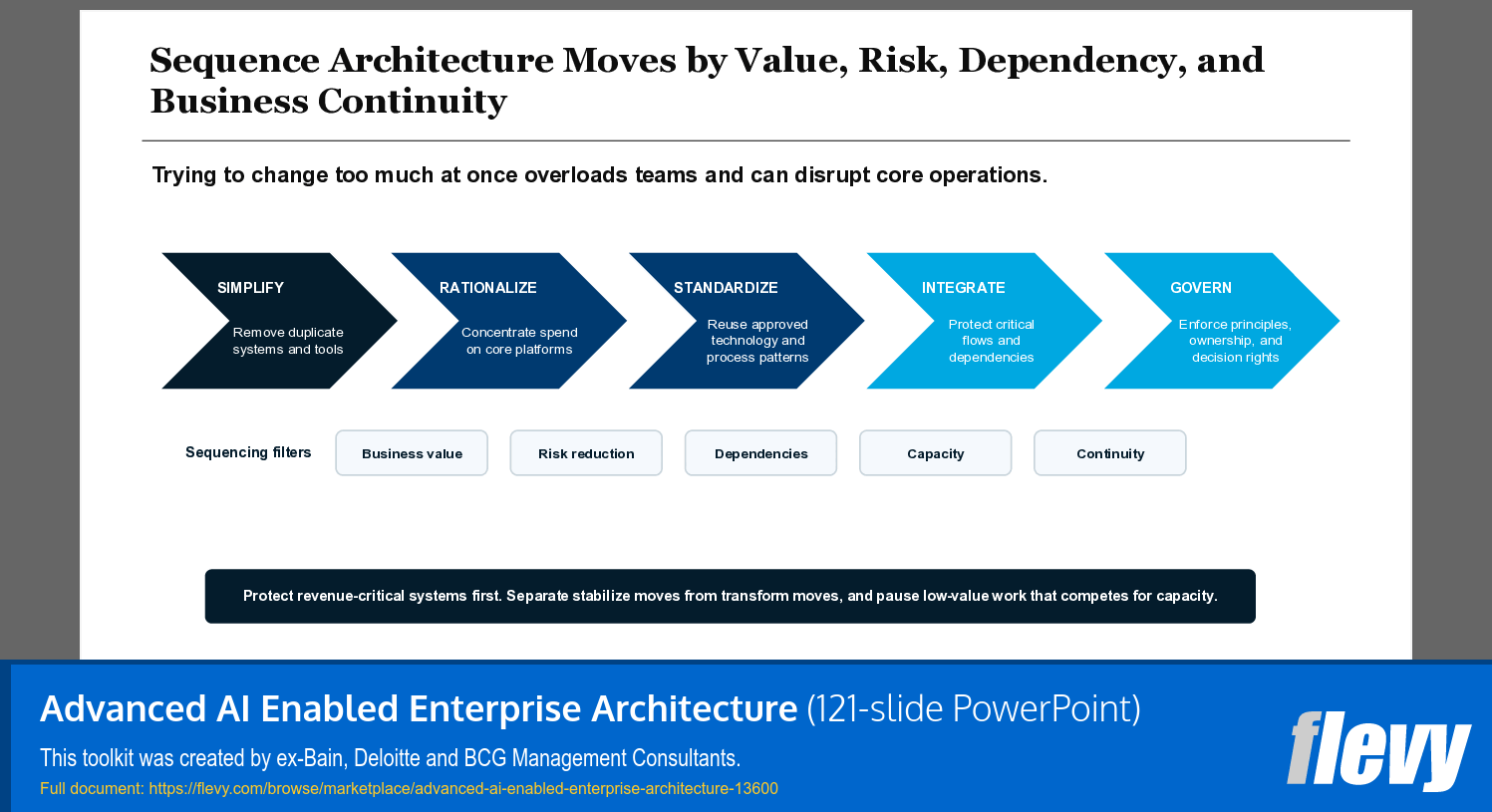
• Sequence and govern transformation – Prioritize architecture moves by value, risk, dependency, capacity, and continuity while linking delivery to explicit decision gates.
Learn by Doing
• Video Case Studies – Practise judgment through real-company architecture and AI decisions, trade-offs, and turning points, then transfer the decision logic to your own enterprise.
• Models & Interactive Tools – Pressure-test assumptions, compare scenarios, expose performance gaps, and translate signals into accountable resource and technology decisions.
• Executive Materials & Frameworks – Apply architecture frameworks and playbooks to a live business issue, clarify ownership, set proof gates, align resources, and build a practical execution path.
Executive Outcome
Leaders are better equipped to continuously align, simplify, standardize, govern, and sustain enterprise architecture as strategy changes—improving AI scalability, decision speed, cost control, resilience, and long-term value realization.
Got a question about the product? Email us at support@flevy.com or ask the author directly by using the "Ask the Author a Question" form. If you cannot view the preview above this document description, go here to view the large preview instead.
Source: Best Practices in Artificial Intelligence, Enterprise Architecture PowerPoint Slides: Advanced AI Enabled Enterprise Architecture PowerPoint (PPTX) Presentation Slide Deck, Dwarka Consulting
ABOUT THE AUTHOR

Help your organization grow, work smarter, and become the expert everyone looks to.
Dwarka Consulting is a global management consulting firm dedicated to helping organizations achieve rapid and sustainable growth.
Founded by Dwarka Dipoo, MBA -- a respected consultant with over 15 years of experience spanning both the private and public sectors in the USA & Canada.
Our unique approach
... [read more]
Ask the Author a Question
You must be logged in to contact the author.




























