
ISO 55001:2014 is the latest Asset Management (AM) international standard. The ISO 55001 management system provides a framework to establish asset management policies, objectives, processes and governance, and facilitates an organization's achievement of its strategic goals. ISO 55001 utilizes a structured, effective and efficient process that drives continual improvement and ongoing value creation by managing asset-related cost, risk and performance.

The benefits of implementing the ISO 55001 framework include the realization of increased value from assets, improved financial performance and improved organizational sustainability.
This presentation can be used to brief staff, new hires and potential auditees so as to create awareness of the ISO 55001:2014 standard. Alternatively, the presentation may be used to supplement your materials for the training of Asset Management professionals and internal auditors.
This presentation includes the what and benefits of ISO 55001, the AM structure, the certification process and offers practical tips on how to handle an audit session.
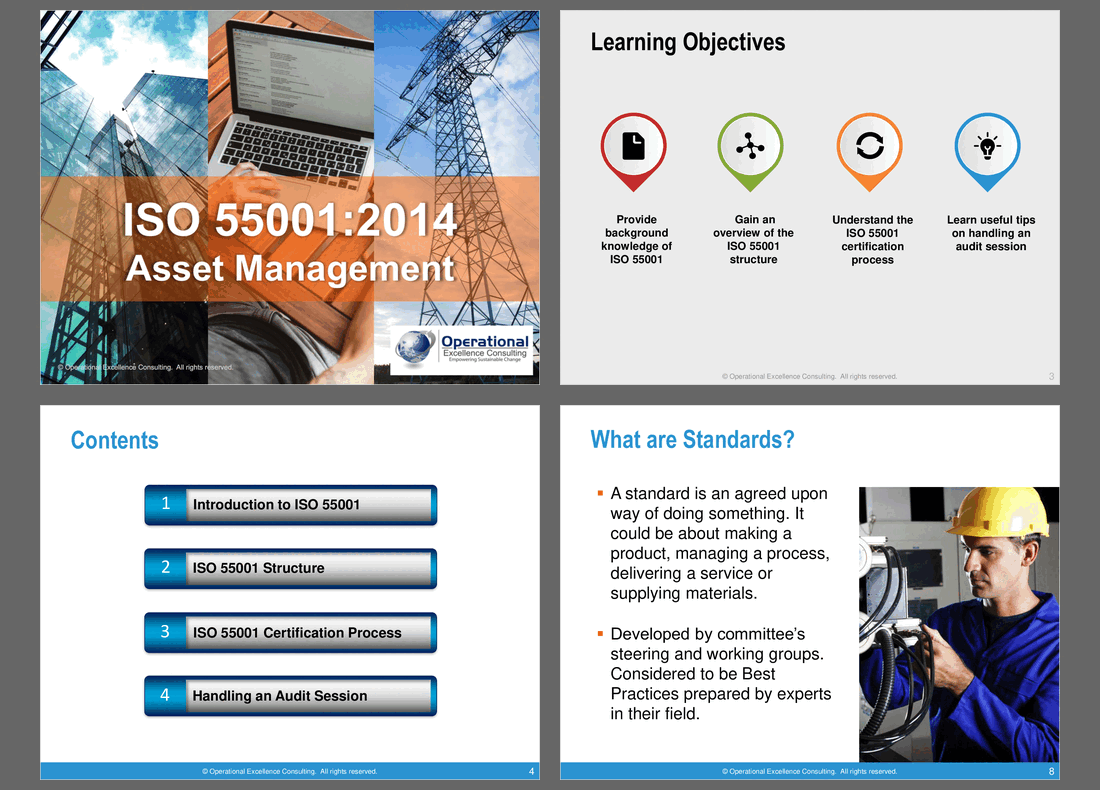
LEARNING OBJECTIVES
1. Provide background knowledge on ISO 55001.
2. Gain an overview of ISO 55001 structure and the certification process.
3. Gather useful tips on handling an audit session.
CONTENTS
1. Introduction to ISO 55001
• About ISO
• What are Standards?
• What Standards are Not
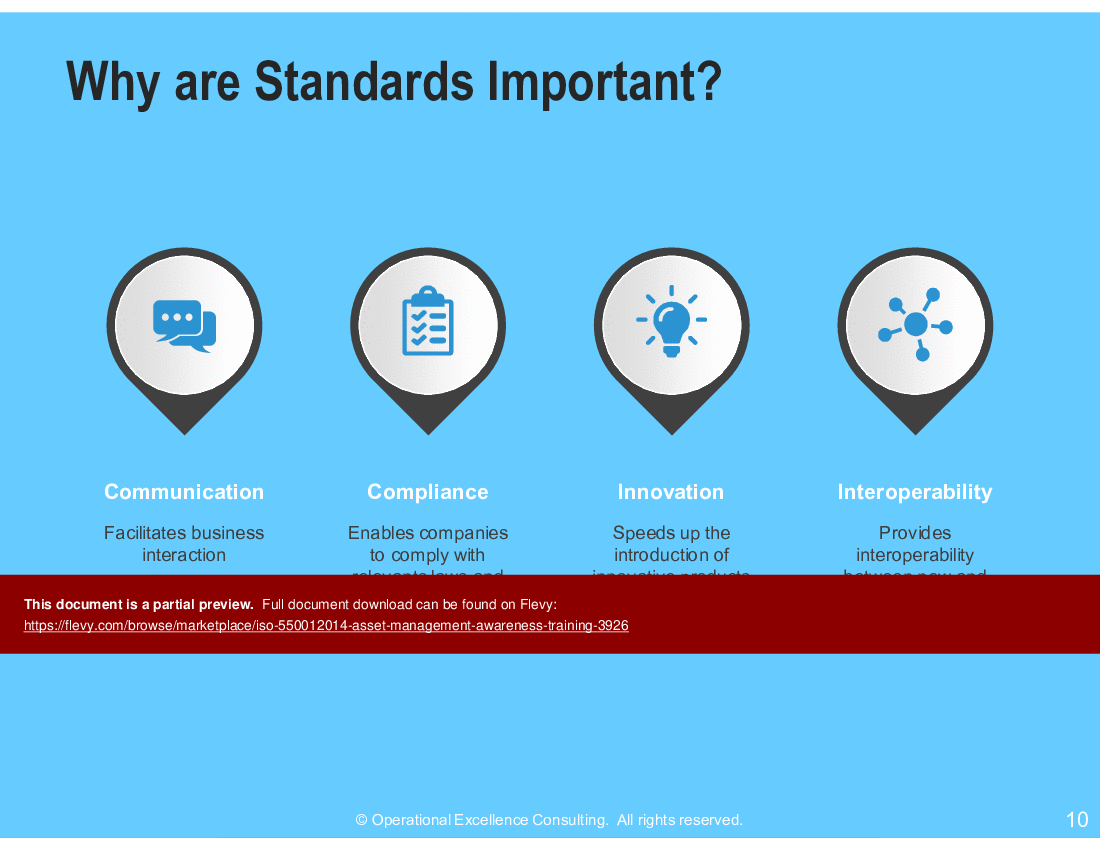
• Why are Standards Important?
• What is ISO 55000?
• The Journey to AM Maturity
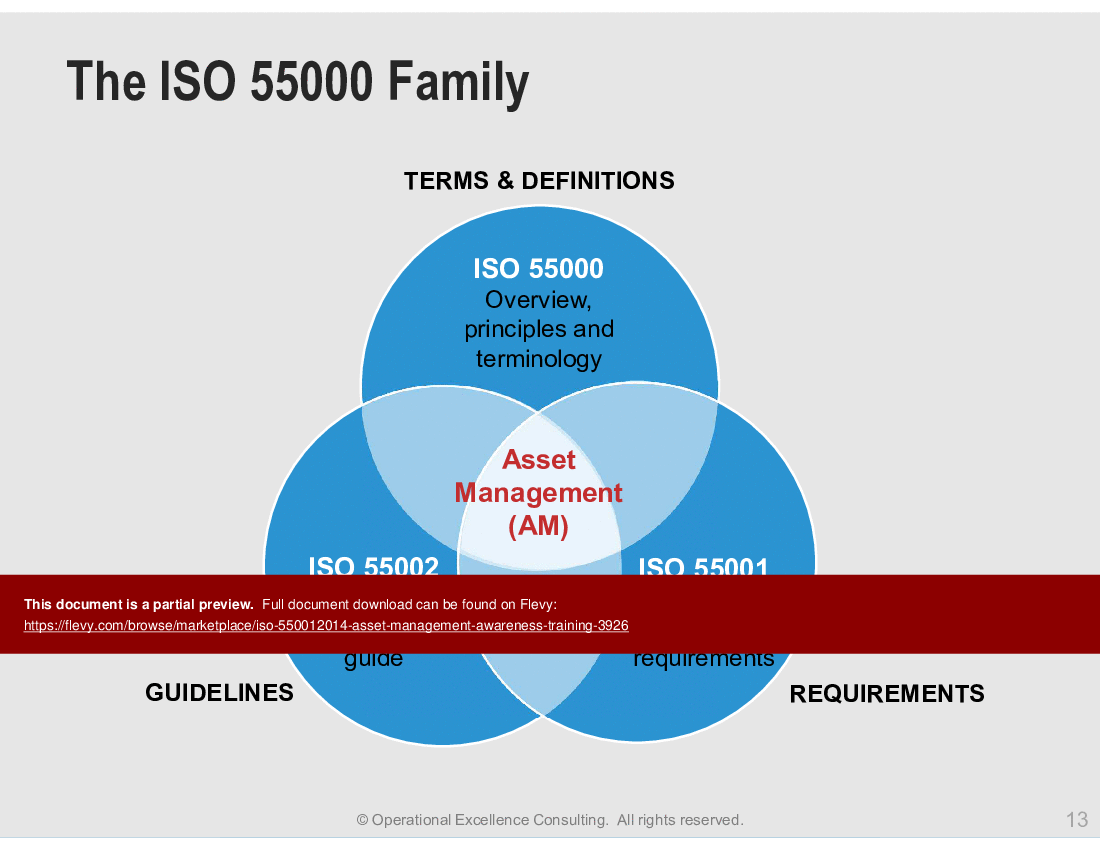
• The ISO 55000 Family
• Objectives of ISO 55001
• What is an Asset?
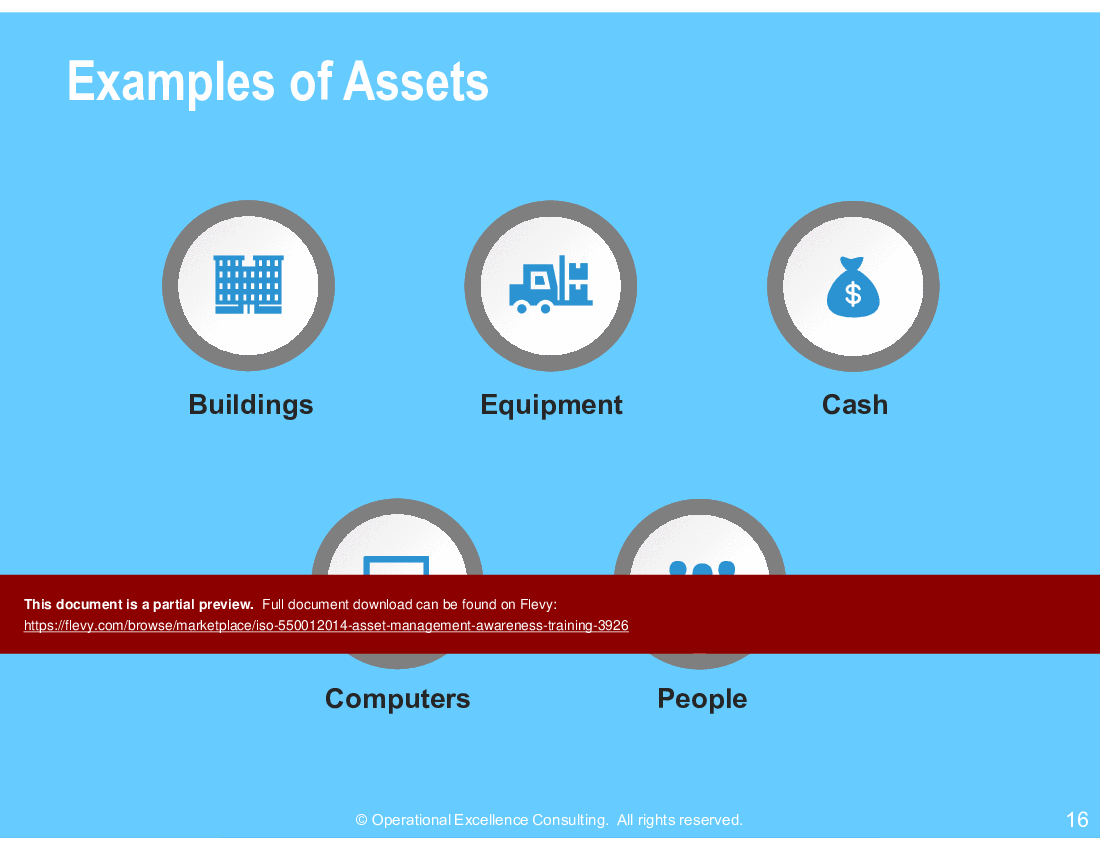
• Examples of Assets
• Value Destruction is Caused by Poor Asset Management Practices
• What is Asset Management?
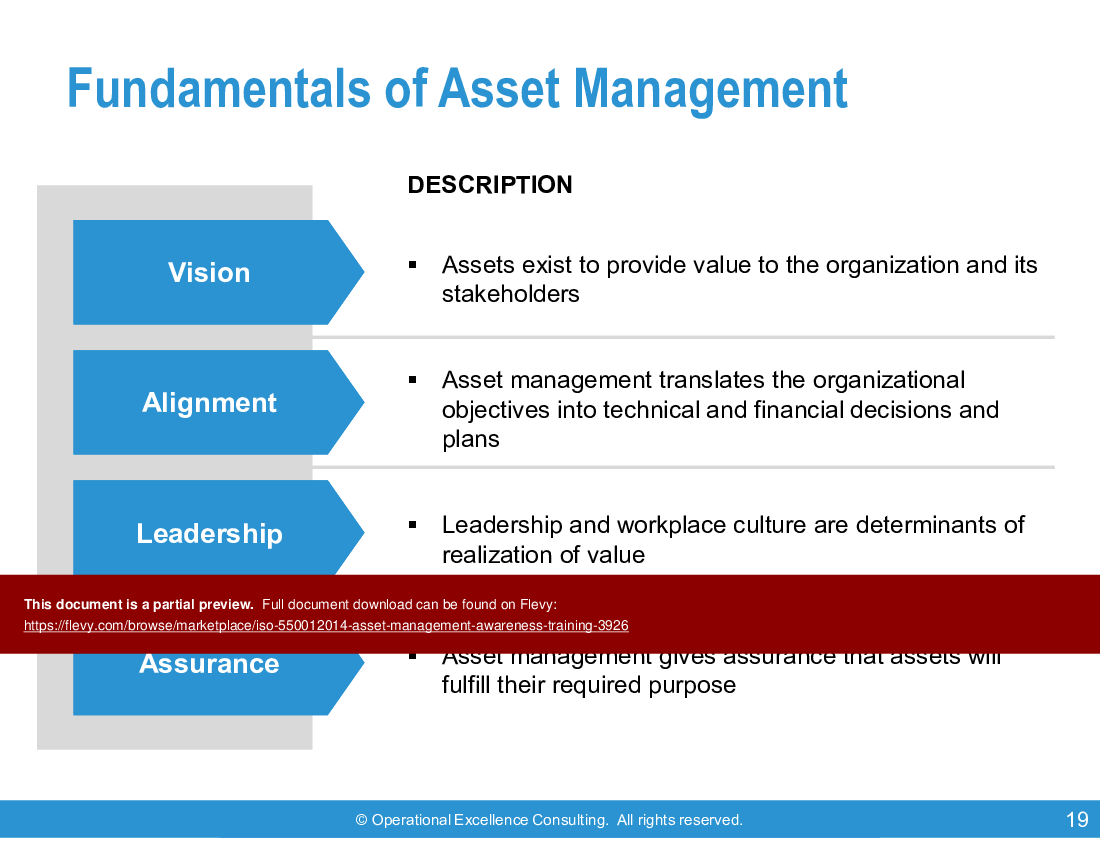
• Fundamentals of Asset Management
• Relationship Between Asset Management & Asset Management System
• 3 Principles of Asset Management
• Asset Management Principles
• Some Core Concepts of ISO 55001
• Relationship Between ISO 55001 & International Infrastructure Management Manual (IIMM)
• Benefits of Adopting ISO 55001
• Advantages of Certification
2. ISO 55001 Structure
• Annex L – Implications
• Overview of Annex L
• The ISO 55001 High-Level Structure (HLS)
• The Plan-Do-Check-Act (PDCA) Process Model
• ISO 55001 Approach is Based on the PDCA Cycle
• PDCA and ISO 55001 Clause Structure
• ISO 55001 Key Clause Structure (4-10)
• Context of the Organization
• Leadership
• Planning
• Support
• Operation
• Performance Evaluation
• Improvement
3. ISO 55001 Certification
• ISO 55001:2014 Certification Timeline
• Becoming ISO 55001 Registered
• The ISO 55001 Certification Process
• Audit Findings
4. Handling the Audit Session
• Rights of Auditee
• Rights of Auditor
• How to Handle the Audit Session?
• Auditee's Conduct
• Do's
• Don'ts
This training material delves into the fundamentals of asset management, emphasizing the importance of aligning asset management with organizational objectives. It also provides a comprehensive overview of audit findings and how to effectively interact with auditors during the certification process.
Got a question about the product? Email us at support@flevy.com or ask the author directly by using the "Ask the Author a Question" form. If you cannot view the preview above this document description, go here to view the large preview instead.
Executive Summary
The ISO 55001:2014 Asset Management Awareness Training presentation is designed to equip organizations with essential knowledge about the ISO 55001 standard. Created by an experienced ISO Management System Lead Auditor, this training deck provides a structured approach to understanding asset management principles, the certification process, and effective audit strategies. By utilizing this presentation, organizations can enhance their asset management practices, optimize asset value, and ensure compliance with international standards.
Who This Is For and When to Use
• Asset Managers and Coordinators responsible for implementing asset management systems
• Quality Assurance and Compliance Officers overseeing adherence to ISO standards
• Executives and Senior Management involved in strategic asset decision-making
• Internal Auditors conducting assessments of asset management practices
Best-fit moments to use this deck:
• During onboarding sessions for new employees in asset management roles
• As part of continuous professional development for teams involved in asset management
• When preparing for ISO 55001 certification audits
Learning Objectives
• Provide background knowledge of ISO 55001
• Gain an overview of the ISO 55001 structure
• Understand the ISO 55001 certification process
• Learn useful tips on handling an audit session
• Identify key asset management principles and practices
• Develop strategies for optimizing asset lifecycle value
Table of Contents
• Introduction to ISO 55001 (page 5)
• ISO 55001 Structure (page 28)
• ISO 55001 Certification Process (page 37)
• Handling an Audit Session (page 44)
Primary Topics Covered
• ISO 55001 Overview - Introduction to the ISO 55001 standard, focusing on asset management principles and lifecycle value optimization.
• ISO 55001 Structure - Detailed examination of the standard's framework, including its high-level structure and core components.
• Certification Process - Step-by-step guide on achieving ISO 55001 certification, including internal audits and compliance checks.
• Audit Session Management - Best practices for conducting and managing audit sessions, including rights of auditees and auditors.
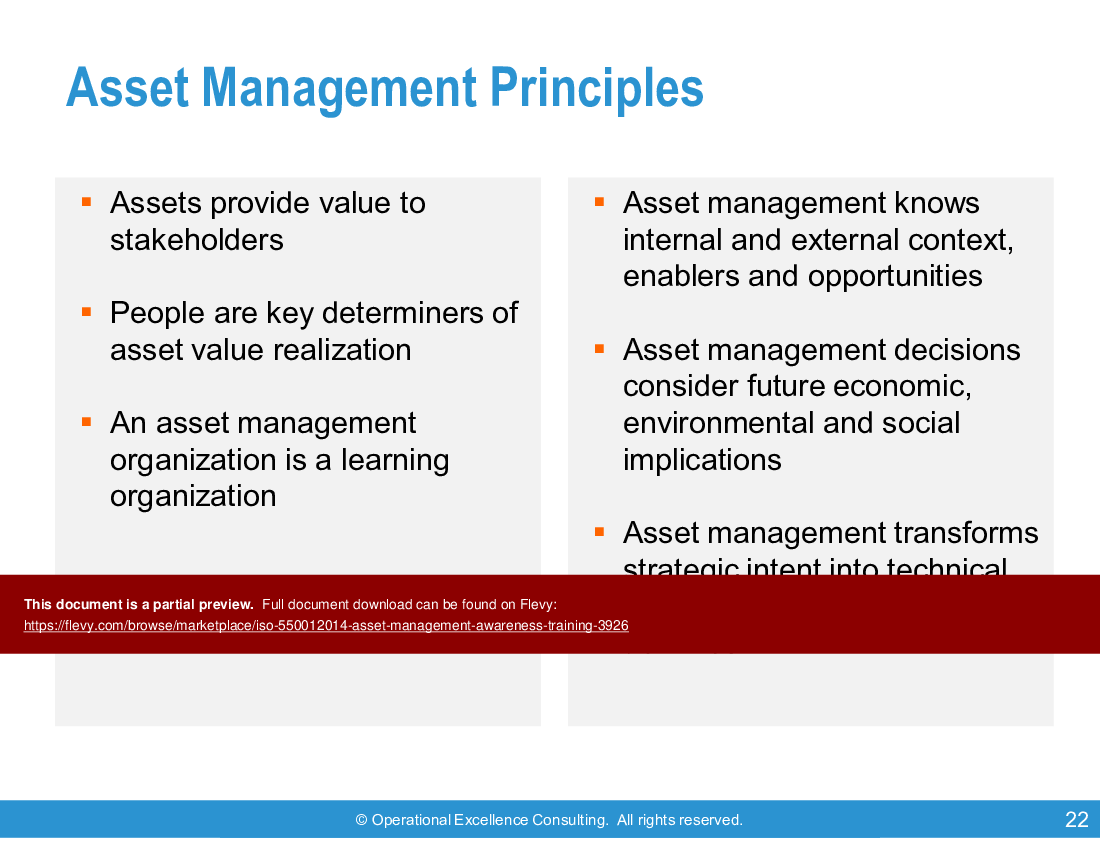
• Asset Management Principles - Key principles that guide effective asset management, emphasizing stakeholder value and organizational alignment.
• Benefits of ISO 55001 Adoption - Overview of the advantages organizations gain from implementing ISO 55001, including improved financial performance and risk management.
Deliverables, Templates, and Tools
• ISO 55001 implementation checklist
• Internal audit report template
• Audit session preparation guide
• Asset management policy framework
• Stakeholder engagement plan template
• Continuous improvement action plan
Slide Highlights
• Overview of ISO 55001 and its significance in asset management
• Detailed breakdown of the certification process and audit findings
• Visual representation of the Plan-Do-Check-Act (PDCA) model in asset management
• Key asset management principles and their implications for organizational success
• Rights and responsibilities of auditees and auditors during an audit session
Potential Workshop Agenda
Introduction to ISO 55001 (60 minutes)
• Overview of ISO 55001 and its importance
• Discussion on asset management principles
ISO 55001 Certification Process (90 minutes)
• Step-by-step guide to certification
• Internal audit preparation and execution
Handling an Audit Session (60 minutes)
• Best practices for managing audit sessions
• Rights of auditees and auditors
Customization Guidance
• Tailor the presentation to reflect specific organizational asset management practices
• Update examples and case studies to align with industry-specific contexts
• Modify templates to include organizational branding and terminology
Secondary Topics Covered
• The role of leadership in asset management
• Stakeholder engagement strategies
• Risk management in asset management systems
• Continuous improvement in asset management practices
FAQ
What is ISO 55001?
ISO 55001 is the international standard for asset management, aimed at enabling organizations to obtain lifetime value from their assets through a structured approach.
How can this training help my organization?
This training provides essential knowledge and tools for implementing effective asset management practices, ensuring compliance with ISO standards, and optimizing asset value.
What are the benefits of ISO 55001 certification?
Benefits include improved financial performance, informed decision-making, better risk management, and enhanced organizational sustainability.
What is the certification process for ISO 55001?
The certification process involves implementing an asset management system, conducting internal audits, selecting a certification body, and undergoing compliance audits.
What should I do if a non-conformity is identified during an audit?
Address the non-conformity promptly, provide evidence of corrective actions, and ensure that it is resolved before the final audit recommendation.
How can I prepare for an audit session?
Review relevant documentation, understand the audit scope, and ensure that all necessary personnel are available to answer questions during the audit.
What rights do auditees have during an audit?
Auditees can adjust the audit schedule, provide evidence later if necessary, and confirm findings at the end of each session.
How should I interact with auditors?
Be honest and open, listen carefully to questions, and provide clear and concise answers based on your knowledge and expertise.
Glossary
• Asset Management (AM) - Coordinated activities to realize value from assets.
• Asset Management System (AMS) - Set of interrelated elements to establish asset management policy, objectives, and processes.
• ISO 55001 - Standard specifying requirements for an asset management system.
• Certification - Independent verification of conformity to the ISO 55001 standard.
• Audit - Systematic examination of a management system to determine its conformity.
• Non-conformity - Failure to meet a requirement of the standard or internal procedures.
• Stakeholders - Individuals or organizations that can affect or be affected by asset management decisions.
• Plan-Do-Check-Act (PDCA) - A model for continuous improvement in management systems.
• Internal Audit - An independent assessment of an organization's asset management system.
• Continuous Improvement - Ongoing efforts to enhance asset management practices and performance.
• Leadership Commitment - The active support and involvement of top management in asset management.
• Performance Evaluation - Measurement and analysis of the effectiveness of the asset management system.
• Risk Management - Process of identifying, assessing, and mitigating risks associated with asset management.
• Stakeholder Engagement - Strategies for involving stakeholders in asset management decisions.
• Documented Information - Information required to be controlled and maintained by an organization.
• Audit Findings - Results of an audit, including non-conformities and opportunities for improvement.
• Management Review - Periodic evaluation of the asset management system by top management.
• Corrective Action - Action taken to eliminate the cause of a detected non-conformity.
• Asset Lifecycle - The stages an asset goes through from creation to disposal.
• Value Realization - Achieving the expected benefits from assets through effective management.
Source: Best Practices in Asset Management PowerPoint Slides: ISO 55001:2014 (Asset Management) Awareness Training PowerPoint (PPTX) Presentation Slide Deck, Operational Excellence Consulting
|
Receive our FREE Primer on Lean Management
This 32-page presentation from Operational Excellence Consulting explains the Lean Management philosophy, based on the Toyota Production System (TPS). Learn to eliminate waste. |