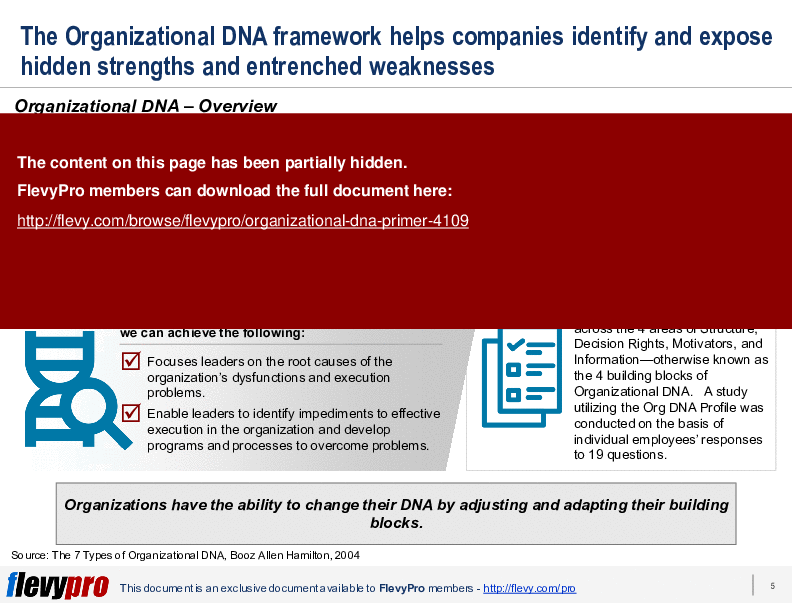

Execution has become the new watchword in Boardrooms. As organizations fail to effectively implement strategies, the importance of execution has come to a fore. Essentially, the first step in resolving these dysfunctions is to understand how the inherent traits of an organization influence and even determine each individual's behavior. Organizations must also understand how the collective behavior affects company performance.
The idiosyncratic characteristics of an organization can be codified using the DNA. When the DNA of an organization is purely configured, unhealthy symptoms and counterproductive behaviors are demonstrated. A good understanding of the Organizational DNA can also guide organizations to improve strategy development and execution.
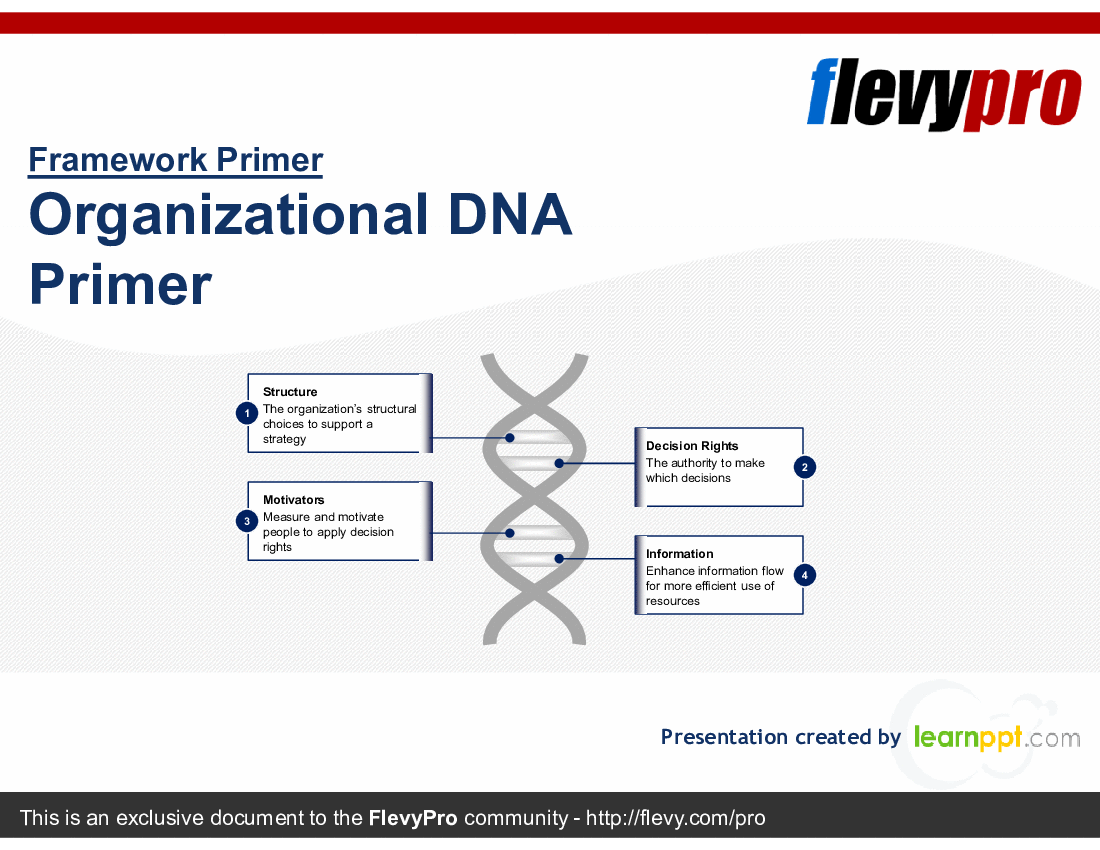
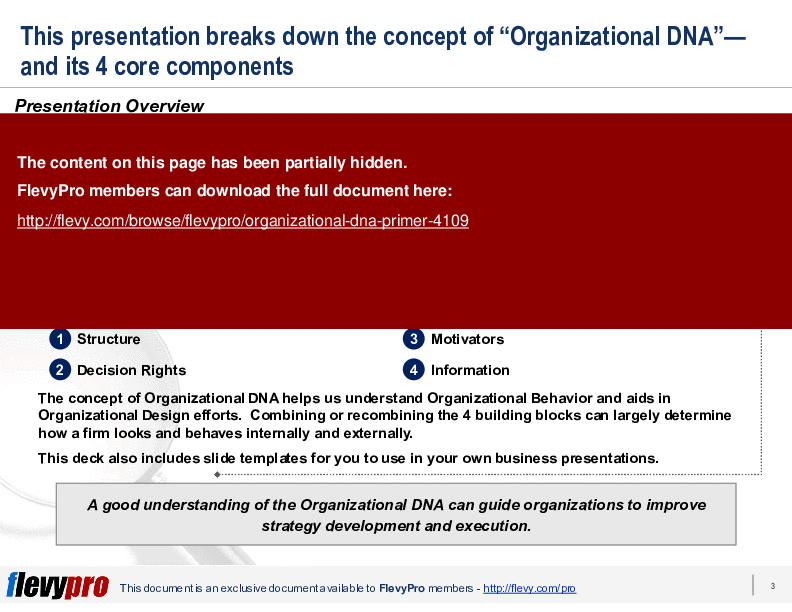
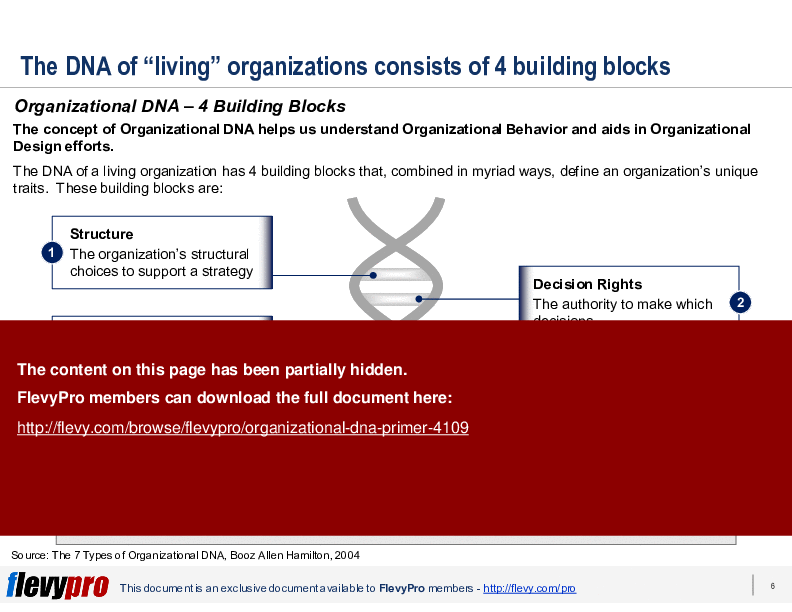
This presentation provides a clear understanding of the Organizational DNA. Like the DNA of a living organism, the DNA of "living" organizations comprise of 4 building blocks.
1. Structure
2. Decision Rights
3. Motivators
4. Information
The concept of Organizational DNA helps us understand Organizational Behavior and aids in Organizational Design efforts. Combining or recombining the 4 building blocks can largely determine how a firm looks and behaves internally and externally.
This deck also includes slide templates for you to use in your own business presentations.
This PPT delves into the intricacies of Organizational DNA, providing a comprehensive framework to diagnose and address organizational dysfunctions. It categorizes organizations into seven types, each with distinct characteristics and challenges. By understanding these types, leaders can pinpoint specific areas for improvement and tailor their strategies accordingly.
The presentation also highlights the importance of decision rights and information flow in effective execution. It underscores how unclear decision rights and poor information dissemination can hinder performance. This deck equips you with actionable insights and customizable templates to drive meaningful organizational change.
Got a question about this document? Email us at flevypro@flevy.com.
Executive Summary
The Organizational DNA Primer is a strategic presentation designed for corporate executives, integration leaders, and consultants seeking to enhance organizational performance through a deep understanding of structural choices, decision rights, motivators, and information flow. This framework, developed by ex-McKinsey and Big 4 consultants, provides insights into how an organization’s unique traits influence behavior and performance. By leveraging this primer, leaders can identify dysfunctions, improve execution, and align their teams effectively to achieve strategic goals.
Who This Is For and When to Use
• Corporate executives aiming to drive organizational change and improve performance.
• Integration leaders managing mergers, acquisitions, or organizational restructuring.
• Consultants facilitating workshops on organizational design and behavior.
• HR professionals focused on aligning motivators and decision rights with corporate strategy.
Best-fit moments to use this deck:
• During strategic planning sessions to align organizational structure with business goals.
• In workshops aimed at diagnosing and addressing execution challenges.
• When conducting assessments of organizational health and effectiveness.
Learning Objectives
• Define the concept of Organizational DNA and its importance in organizational behavior.
• Identify the 4 building blocks of Organizational DNA: Structure, Decision Rights, Motivators, and Information.
• Analyze how each building block influences organizational performance and employee behavior.
• Develop strategies to modify organizational DNA for improved execution and alignment.
• Utilize templates for assessing and presenting organizational DNA findings.
• Facilitate discussions on the implications of different organizational types on performance.
Table of Contents
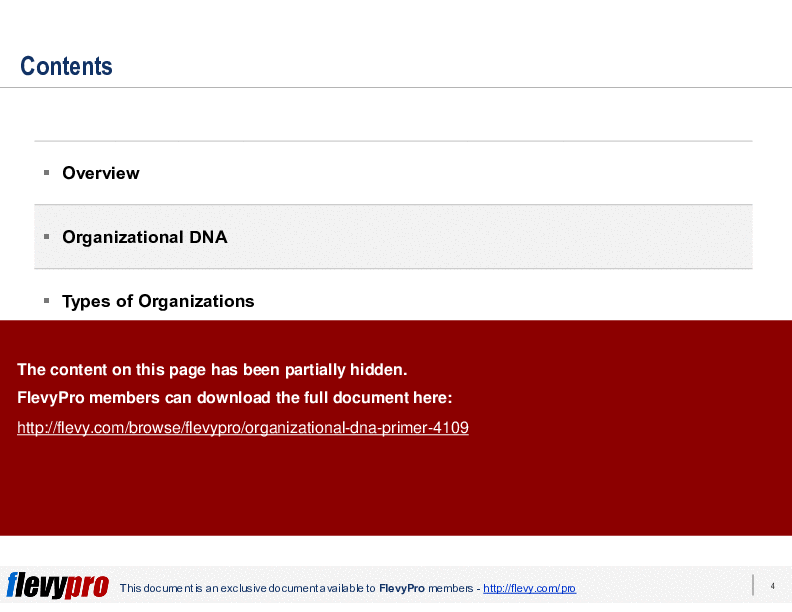
• Overview (page 3)
• Organizational DNA (page 5)
• Types of Organizations (page 8)
• Management Perception (page 15)
• Decision Rights (page 18)
• Templates (page 21)
Primary Topics Covered
• Organizational DNA - A framework that examines the unique characteristics of an organization, focusing on how these traits affect behavior and performance.
• Four Building Blocks - The essential components of Organizational DNA: Structure, Decision Rights, Motivators, and Information, which together define an organization’s internal and external behavior.
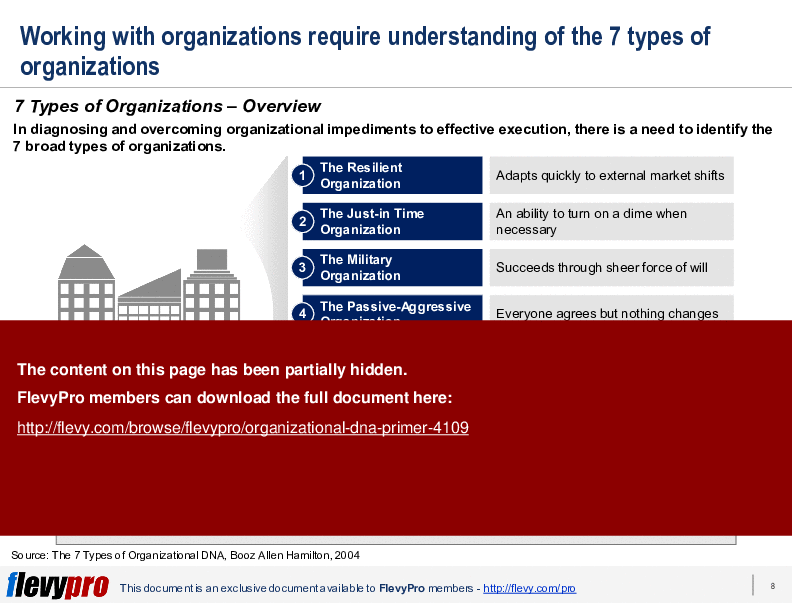
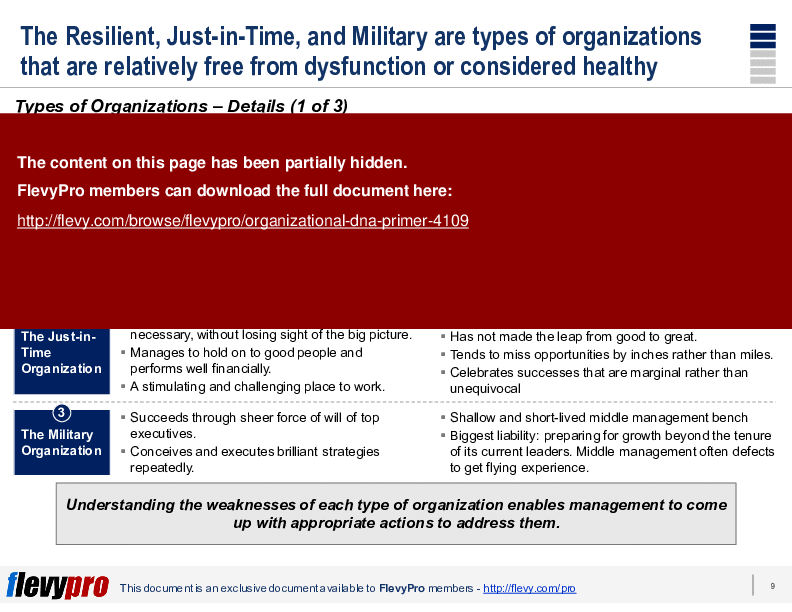
• Types of Organizations - An exploration of 7 distinct organizational types, including Resilient, Just-in-Time, Military, Passive-Aggressive, Fits-and-Starts, Outgrown, and Over-managed, each with unique advantages and disadvantages.
• Management Perception - Insights into how different levels of management perceive organizational effectiveness and the implications of these perceptions on performance.
• Decision Rights - An analysis of how unclear decision rights can hinder effective execution and the importance of clear accountability.
• Templates - Practical templates for assessing organizational DNA and facilitating discussions on improvement strategies.
Deliverables, Templates, and Tools
• Organizational DNA assessment templates for evaluating structural choices and decision rights.
• Frameworks for identifying motivators and enhancing information flow within the organization.
• Slide templates for presenting findings on organizational DNA to stakeholders.
• Tools for diagnosing organizational types and their impact on performance.
• Guidelines for developing action plans based on assessment results.
• Resources for facilitating workshops on organizational design and behavior.
Slide Highlights
• Overview of the Organizational DNA framework and its 4 building blocks.
• Comparative analysis of the 7 types of organizations, highlighting their strengths and weaknesses.
• Insights into management perception differences across organizational levels.
• Visual representation of decision rights and their impact on execution.
• Templates for assessing organizational health and effectiveness.
Potential Workshop Agenda
Understanding Organizational DNA (90 minutes)
• Introduction to the concept of Organizational DNA and its significance.
• Discussion on the 4 building blocks and their interrelationships.
• Group activity to assess current organizational structure and decision rights.
Types of Organizations Deep Dive (60 minutes)
• Presentation on the 7 types of organizations and their characteristics.
• Breakout sessions to identify organizational types within participants' organizations.
• Strategies for addressing identified weaknesses in organizational types.
Decision Rights and Management Perception (60 minutes)
• Exploration of decision rights and their implications for execution.
• Discussion on management perception and its impact on organizational effectiveness.
• Action planning to enhance clarity in decision rights across teams.
Customization Guidance
• Tailor the presentation templates to reflect your organization’s specific structural choices and strategic goals.
• Modify the assessment tools to align with your organization’s unique characteristics and challenges.
• Adapt the workshop agenda to focus on the most relevant topics for your audience.
Secondary Topics Covered
• The role of organizational culture in shaping behavior and performance.
• Strategies for enhancing communication and information flow.
• The impact of external market shifts on organizational structure and decision-making.
• Best practices for aligning motivators with organizational goals.
• Techniques for fostering resilience and adaptability within organizations.
Topic FAQ
Document FAQ
These are questions addressed within this presentation.
What is Organizational DNA?
Organizational DNA refers to the unique characteristics and traits of an organization that influence behavior and performance. It encompasses 4 building blocks: Structure, Decision Rights, Motivators, and Information.
How can this framework help improve execution?
By understanding and modifying the components of Organizational DNA, leaders can identify dysfunctions, enhance alignment, and drive effective execution across teams.
What are the 7 types of organizations?
The 7 types include Resilient, Just-in-Time, Military, Passive-Aggressive, Fits-and-Starts, Outgrown, and Over-managed, each with specific advantages and challenges.
How do management perceptions affect organizational effectiveness?
Differences in perception between upper management and lower-level employees can lead to significant organizational dysfunction, impacting decision-making and execution.
What tools are included in the presentation?
The presentation includes assessment templates, frameworks for analyzing organizational types, and guidelines for facilitating workshops.
How can I customize the templates for my organization?
You can tailor the templates by incorporating your organization’s specific structural choices, strategic goals, and unique challenges.
What are the implications of unclear decision rights?
Unclear decision rights can lead to confusion, inefficiencies, and hindered execution, making it essential to establish clear accountability.
How can I assess my organization’s DNA?
Utilize the provided assessment templates to evaluate your organization’s structural choices, decision rights, motivators, and information flow.
Glossary
• Organizational DNA - The unique traits and characteristics of an organization that influence behavior and performance.
• Building Blocks - The 4 components of Organizational DNA: Structure, Decision Rights, Motivators, and Information.
• Types of Organizations - Seven distinct organizational types that exhibit unique characteristics and behaviors.
• Management Perception - The varying views of organizational effectiveness across different management levels.
• Decision Rights - The clarity and accountability surrounding who has the authority to make decisions within an organization.
• Assessment Templates - Tools designed to evaluate and present findings on organizational DNA.
• Organizational Culture - The shared values, beliefs, and practices that shape behavior within an organization.
• Resilience - The ability of an organization to adapt and thrive in changing environments.
• Motivators - Factors that drive individuals to apply decision rights and contribute to organizational goals.
• Information Flow - The processes and systems that facilitate communication and data sharing within an organization.
• Execution - The implementation of strategies and plans to achieve organizational objectives.
• Dysfunction - Behaviors or characteristics that hinder effective performance and execution within an organization.
• Alignment - The degree to which organizational structure, strategy, and behavior are coordinated and consistent.
• Strategic Goals - The long-term objectives that guide an organization’s direction and decision-making.
• Workshops - Structured sessions designed to facilitate discussion, learning, and action planning on specific topics.
• Customization - The process of tailoring frameworks and templates to meet the specific needs of an organization.
• Organizational Design - The process of structuring an organization to align with its strategy and goals.
• Performance - The effectiveness and efficiency with which an organization achieves its objectives.
• Accountability - The responsibility individuals have for their decisions and actions within an organization.
• Behavior - The actions and reactions of individuals within an organizational context.
• External Market Shifts - Changes in the business environment that impact organizational strategy and operations.
Source: Best Practices in Organizational Design, Organizational Behavior PowerPoint Slides: Organizational DNA Primer PowerPoint (PPTX) Presentation Slide Deck, LearnPPT Consulting
Did you need more documents?
Consider a FlevyPro subscription from $39/month. View plans here.
For $10.00 more, you can download this document plus 2 more FlevyPro documents. That's just $13 each.
|
Download our FREE Organization, Change, & Culture, Templates
Download our free compilation of 50+ slides and templates on Organizational Design, Change Management, and Corporate Culture. Methodologies include ADKAR, Burke-Litwin Change Model, McKinsey 7-S, Competing Values Framework, etc. |