
 Click main image to view in full screen.
Impact of Robotic Process Automation (RPA) (PowerPoint PPTX Slide Deck)
PowerPoint (PPTX) 21 Slides FlevyPro Document


RPA PPT DESCRIPTION
In the past several years, organizations across all industries have begun embracing emerging technologies to drive Digital Transformation programs. Of these technologies, among the most prevalent are Robotic Process Automation (RPA) and Artificial intelligence (AI).
Likewise, RPA and AI are taking up jobs which were in the past earmarked only for smart humans. Driverless cars, automated check-in kiosks at airports, and autopilots steering the aircrafts are just few examples of how automation is transforming our world.
The main question is how automation will impact our work in future. Should we anticipate benefits—e.g. efficiency gains, quality of life improvements—or dread further disruption of established business and job cuts?
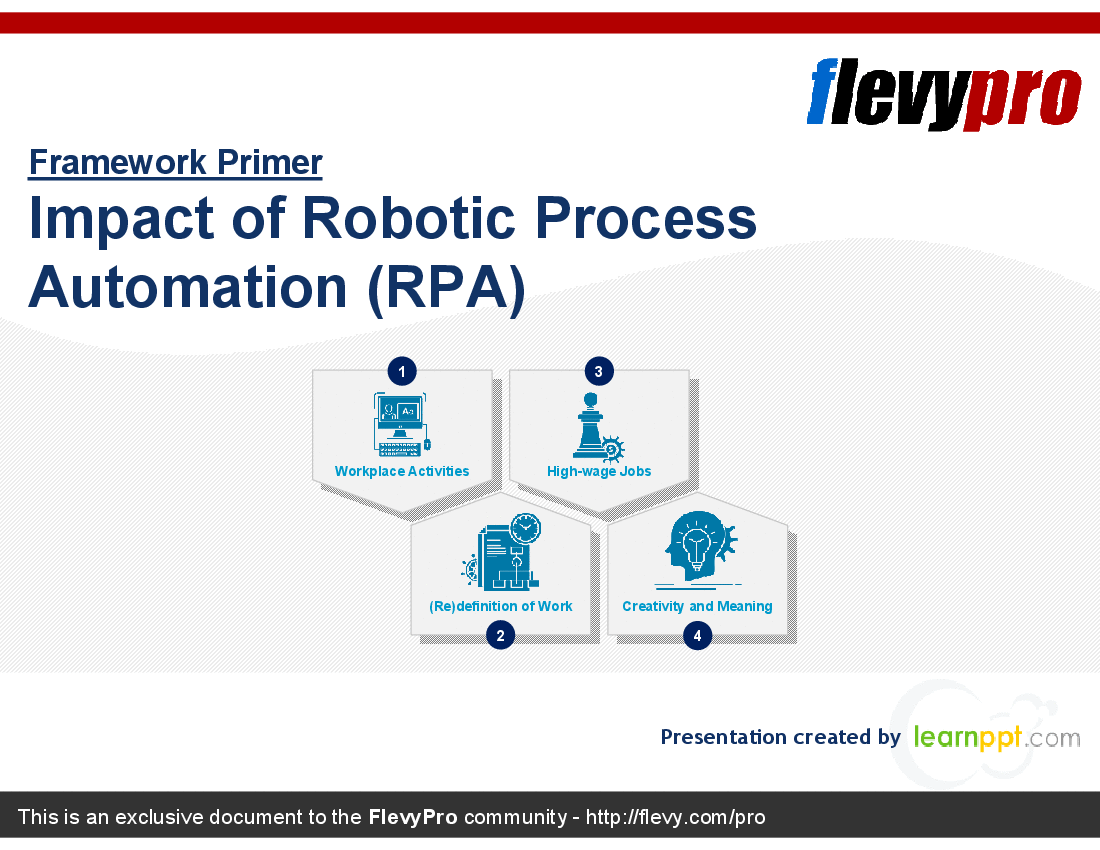
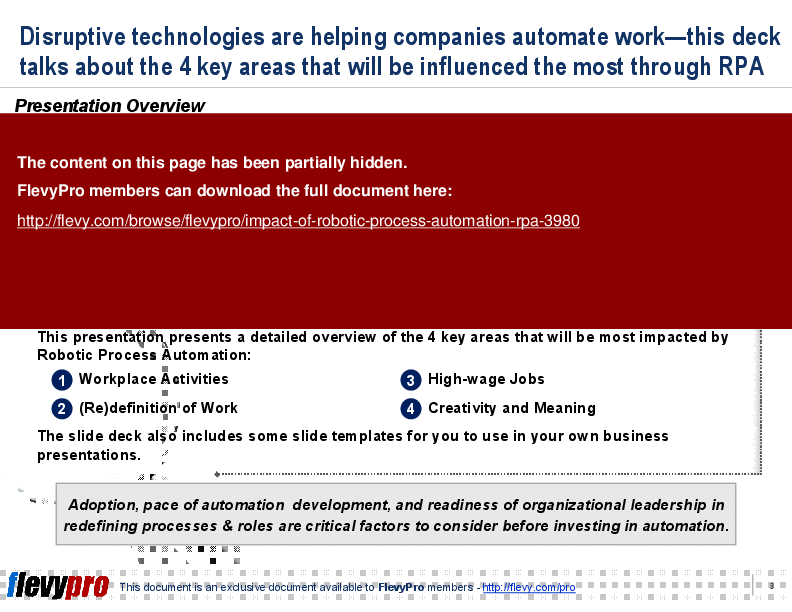
This presentation presents a detailed overview of the 4 key areas that will be most impacted by Robotic Process Automation:
1. Workplace Activities
2. (Re)definition of Work
3. High-wage Jobs
4. Creativity and Meaning
Adoption, pace of automation development, and readiness of organizational leadership in redefining processes & roles are critical factors to consider before investing in automation.
The slide deck also includes some slide templates for you to use in your own business presentations.
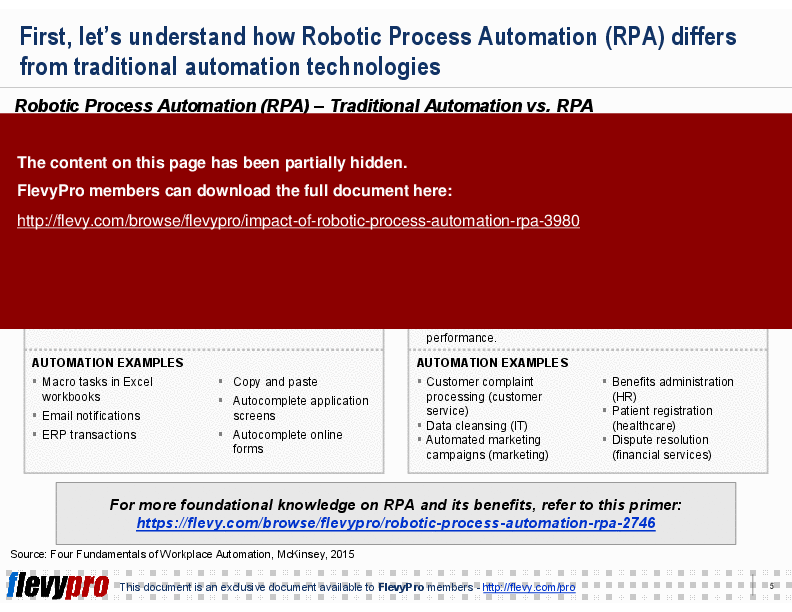
This PPT delves into the nuanced differences between traditional automation and RPA, highlighting how RPA can handle more complex, rule-based tasks previously reserved for human intervention. It provides concrete examples of automation applications across various sectors, such as customer service, IT, and healthcare, demonstrating the broad applicability and transformative potential of RPA.
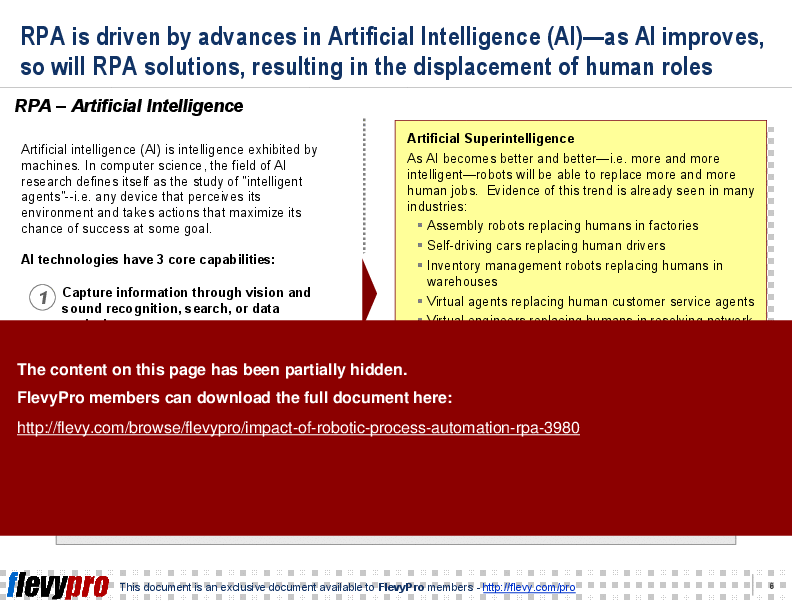
The presentation also explores the symbiotic relationship between RPA and AI, emphasizing how advancements in AI will further enhance RPA capabilities. This synergy is expected to lead to significant shifts in job roles and the displacement of certain human functions. This comprehensive guide is essential for executives looking to understand the strategic implications of RPA and how to leverage it for competitive advantage.
Got a question about this document? Email us at flevypro@flevy.com.
MARCUS OVERVIEW
This synopsis was written by Marcus [?] based on the analysis of the full 21-slide presentation.
Executive Summary
The "Impact of Robotic Process Automation (RPA)" presentation provides a comprehensive overview of RPA, its differences from traditional automation, and its implications across various sectors. This presentation is designed to equip corporate executives and integration leaders with insights into how RPA can transform workplace activities, redefine job roles, and influence high-wage jobs. By understanding these impacts, organizations can strategically implement RPA to enhance efficiency and drive digital transformation.
Who This Is For and When to Use
• Corporate executives looking to understand the implications of RPA on their organizations
• Integration leaders responsible for implementing automation technologies
• HR professionals assessing the impact of automation on job roles
• Consultants advising clients on digital transformation strategies
Best-fit moments to use this deck:
• During strategic planning sessions focused on digital transformation
• In workshops aimed at redefining job roles and responsibilities
• When evaluating the adoption of automation technologies in business processes
Learning Objectives
• Define Robotic Process Automation (RPA) and its key characteristics
• Differentiate between traditional automation and RPA
• Identify the 4 key impacts of RPA on workplace activities
• Analyze the implications of RPA on high-wage jobs
• Assess the need for (re)definition of work in the context of automation
• Explore how RPA can enhance creativity and meaningful work
Table of Contents
• Overview (page 3)
• Robotic Process Automation (RPA) (page 5)
• 4 Key Impacts of RPA (page 8)
• Templates (page 15)
Primary Topics Covered
• Robotic Process Automation (RPA) - RPA represents a shift from traditional automation, where tasks are fully outsourced to robots, minimizing human involvement.
• Workplace Activities - RPA can automate approximately 45% of work activities, transforming specific tasks within various occupations.
• (Re)definition of Work - Automation necessitates a reevaluation of job roles, allowing employees to focus on high-value tasks rather than routine activities.
• High-wage Jobs - RPA can automate tasks associated with high-wage jobs, impacting roles traditionally thought to be immune to automation.
• Creativity and Meaning - While RPA can handle repetitive tasks, it allows individuals to engage more in creative and meaningful work, which is not easily automated.
Deliverables, Templates, and Tools
• RPA implementation framework template for assessing automation potential
• Job role reevaluation template to redefine responsibilities in light of RPA
• Impact analysis template for evaluating RPA on workplace activities
• Presentation slides for internal workshops on RPA adoption
• Case study examples showcasing successful RPA implementations
Slide Highlights
• Overview of RPA's evolution and its distinction from traditional automation
• Visual representation of the 4 key impacts of RPA on the workforce
• Data-driven insights into the automation potential across various occupations
• Examples of how RPA can enhance productivity and redefine job roles
Potential Workshop Agenda
Introduction to RPA (30 minutes)
• Overview of RPA and its significance
• Discussion on traditional automation vs. RPA
Impact Analysis (60 minutes)
• Explore the 4 key impacts of RPA
• Group activity to assess RPA implications on specific roles
Job Redefinition Workshop (60 minutes)
• Identify tasks suitable for automation
• Develop a plan for redefining job roles
Customization Guidance
• Tailor the presentation to reflect specific organizational goals and industry context
• Update examples and case studies to align with current business challenges
• Modify templates to fit the unique needs of different departments
Secondary Topics Covered
• The role of Artificial Intelligence in enhancing RPA capabilities
• Challenges and risks associated with RPA implementation
• Regulatory considerations for automation in various sectors
• Future trends in automation and workforce implications
Topic FAQ
What is Robotic Process Automation and how does it differ from traditional automation?
Robotic Process Automation (RPA) is technology that automates routine tasks by mimicking human actions. Unlike traditional automation, which often requires human intervention for many steps, RPA can fully automate end-to-end processes with minimal human involvement, enabling automation of rule-based tasks across workflows.What are the main ways RPA impacts workplace activities and jobs?
RPA affects work by automating specific workplace activities, prompting the (re)definition of job roles, impacting tasks within high-wage jobs, and shifting employees toward creativity and meaningful work. The presentation cites that RPA can automate approximately 45% of work activities across occupations.How do I assess which tasks to automate first in my organization?
Begin with a process assessment to identify routine, rule-based tasks and measure automation potential. Use an impact analysis to quantify effects on roles, then apply an RPA implementation framework to prioritize pilots and scale-up. The slide deck includes an RPA implementation framework template and an impact analysis template.Will RPA cause job losses in high-wage roles or just change jobs?
The material explains that RPA can automate certain tasks associated with high-wage jobs and may affect roles previously seen as immune. The emphasis in the presentation is on transforming and redefining roles rather than universal outright replacement of positions.What should I look for when choosing an RPA slide deck or toolkit for executive workshops?
Seek clear distinctions between RPA and traditional automation, diagnostic tools for impact assessment, templates for job reevaluation and implementation planning, a practical workshop agenda, and case studies across industries. Practical attributes include slide coverage and templates such as a job role reevaluation template and impact analysis tools within 21 slides.Do templates and slide packs provide usable value for short timelines or small teams?
Templates offer ready-made slides, a proposed workshop agenda, and diagnostic templates that teams can tailor to organizational context and timelines. They are designed for strategic planning and workshops and typically include tools like the impact analysis template to expedite preparation.Which industries are most affected by RPA adoption according to current analyses?
The presentation highlights sectors where routine and rule-based tasks are common, naming financial services, healthcare, customer service, and IT as industries experiencing significant RPA impact and automation applications.How should organizations prepare for the combined impact of RPA and AI on their workforce?
Organizations should assess current processes, evaluate automation potential, plan job redefinitions, and address regulatory and data-security challenges. The overview stresses that adoption, the pace of automation development, and leadership readiness are critical factors to consider during planning.Document FAQ
These are questions addressed within this presentation.
What is Robotic Process Automation (RPA)?
RPA is a technology that automates routine tasks by mimicking human actions, allowing organizations to improve efficiency and reduce errors.
How does RPA differ from traditional automation?
Traditional automation requires human intervention for many tasks, while RPA can fully automate end-to-end processes with minimal human involvement.
What are the 4 key impacts of RPA?
The 4 key impacts are on workplace activities, the (re)definition of work, high-wage jobs, and creativity and meaning in the workplace.
Can RPA replace high-wage jobs?
While RPA can automate certain tasks associated with high-wage jobs, it is more about transforming roles rather than outright replacement.
How can organizations prepare for RPA implementation?
Organizations should assess their current processes, identify tasks suitable for automation, and redefine job roles to maximize the benefits of RPA.
What industries are most affected by RPA?
Industries such as financial services, healthcare, and customer service are experiencing significant impacts due to the automation of routine tasks.
What challenges might organizations face with RPA?
Challenges include job displacement concerns, data security issues, and the need for regulatory compliance.
How can RPA enhance creativity in the workplace?
By automating routine tasks, RPA frees up employees to focus on creative and strategic activities that require human insight and emotional intelligence.
Glossary
• Robotic Process Automation (RPA) - A technology that automates routine tasks by mimicking human actions.
• Traditional Automation - Automation that requires human intervention for many tasks.
• Workplace Activities - Specific tasks performed within various occupations that can be automated.
• (Re)definition of Work - The process of reevaluating job roles and responsibilities in light of automation.
• High-wage Jobs - Occupations that typically offer higher salaries and may be impacted by automation.
• Creativity and Meaning - Skills and tasks that involve human insight and emotional intelligence, which are difficult to automate.
• Automation Potential - The likelihood that specific tasks or roles can be automated using current technology.
• Job Reevaluation - The process of assessing and redefining job roles in response to automation.
• Digital Transformation - The integration of digital technology into all areas of a business, fundamentally changing how it operates.
• Artificial Intelligence (AI) - The simulation of human intelligence processes by machines, particularly computer systems.
• Efficiency Gains - Improvements in productivity and performance resulting from automation.
• Regulatory Compliance - Adhering to laws and regulations relevant to automation and data handling.
RPA PPT SLIDES
Source: Best Practices in Digital Transformation, Robotic Process Automation, Automation PowerPoint Slides: Impact of Robotic Process Automation (RPA) PowerPoint (PPTX) Presentation Slide Deck, LearnPPT Consulting
Did you need more documents?
Consider a FlevyPro subscription from $39/month. View plans here.
For $10.00 more, you can download this document plus 2 more FlevyPro documents. That's just $13 each.




























