
This framework is developed by a team of former McKinsey and Big 4 consultants. The presentation follows the headline-body-bumper slide format used by global consulting firms.
Explore the Dynamic Capabilities Framework, crafted by ex-McKinsey and Big 4 consultants. Enhance your strategic agility with proven methodologies for competitive advantage. Dynamic Capabilities Framework is a 30-slide PPT PowerPoint presentation slide deck (PPTX) available for immediate download upon purchase.
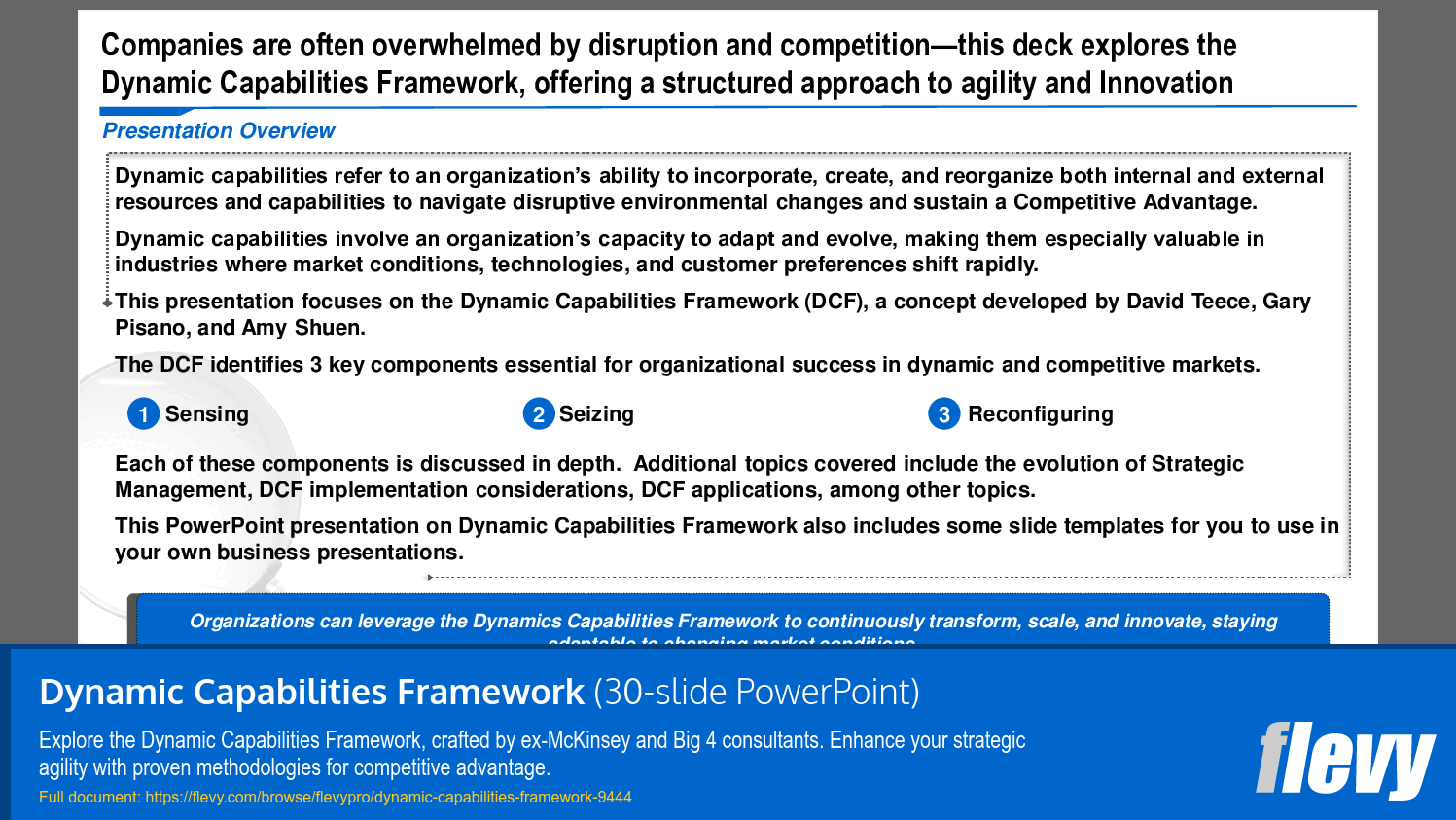
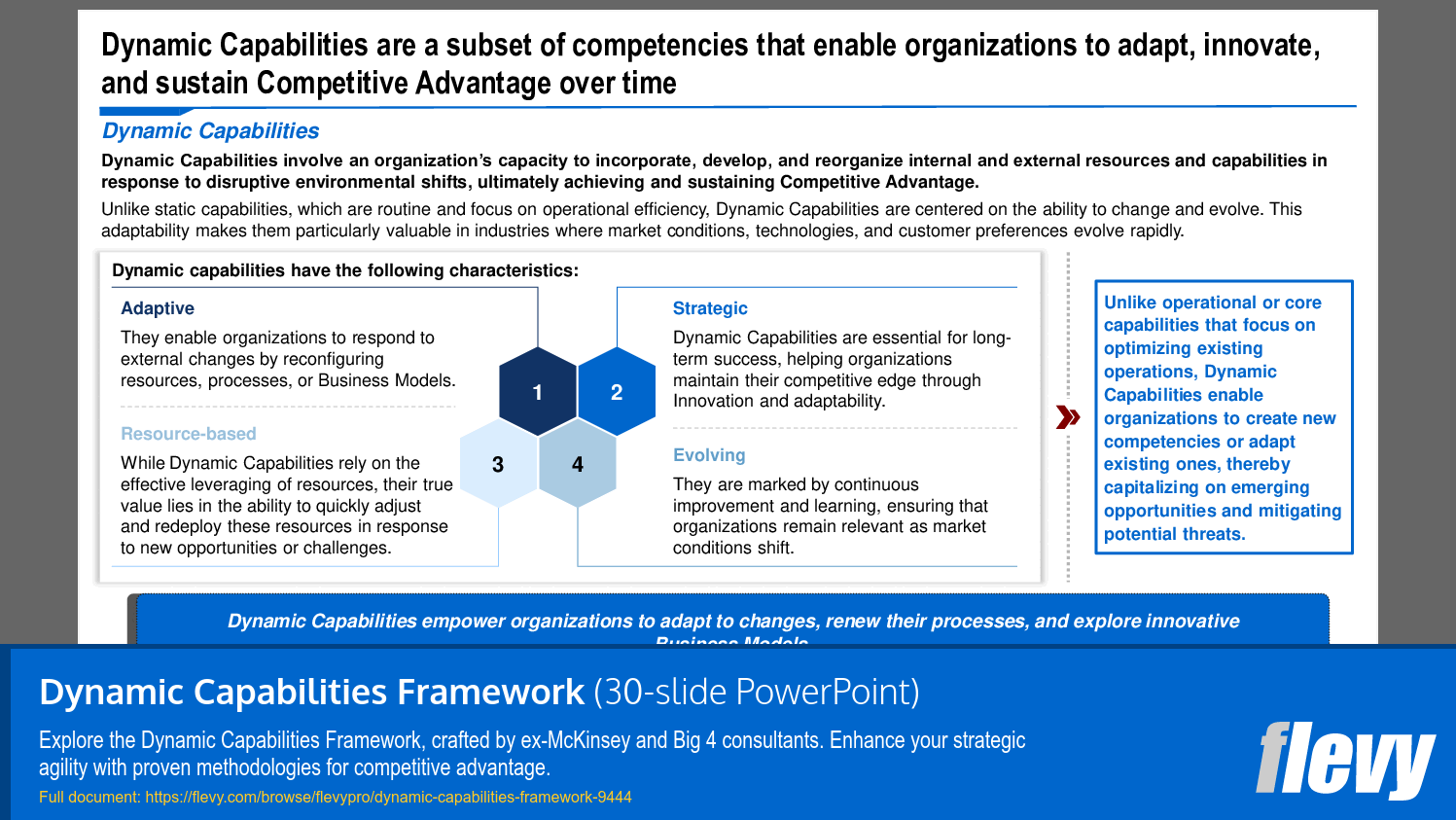
Dynamic capabilities refer to an organization's ability to incorporate, create, and reorganize both internal and external resources and capabilities to navigate disruptive environmental changes and sustain a Competitive Advantage.
Dynamic capabilities involve an organization's capacity to adapt and evolve, making them especially valuable in industries where market conditions, technologies, and customer preferences shift rapidly.
This PPT presentation focuses on the Dynamic Capabilities Framework (DCF), a concept developed by David Teece, Gary Pisano, and Amy Shuen. Organizations can leverage the DCF to continuously transform, scale, and innovate, staying adaptable to changing market conditions.
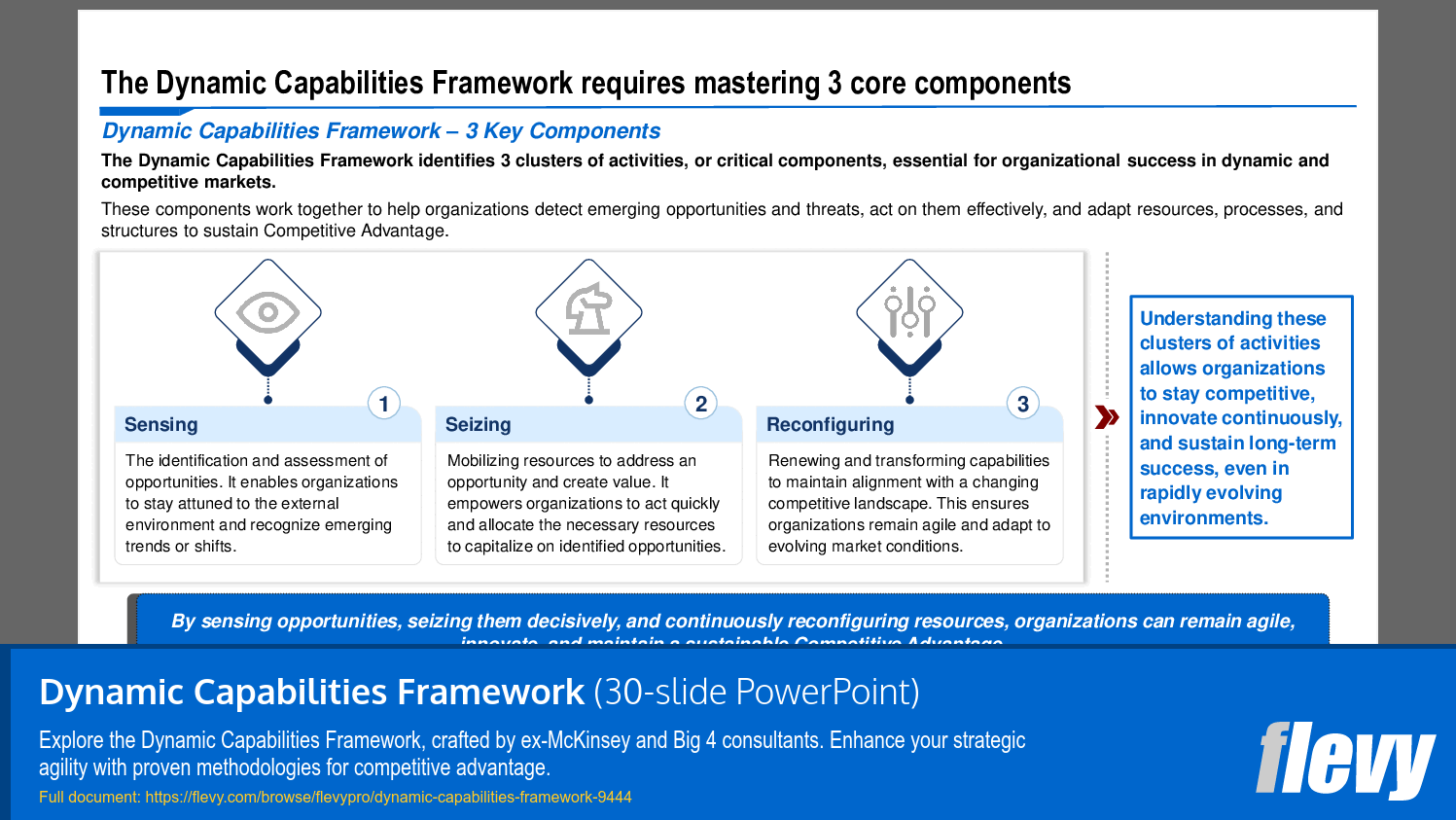
The DCF identifies 3 key components essential for organizational success in dynamic and competitive markets.
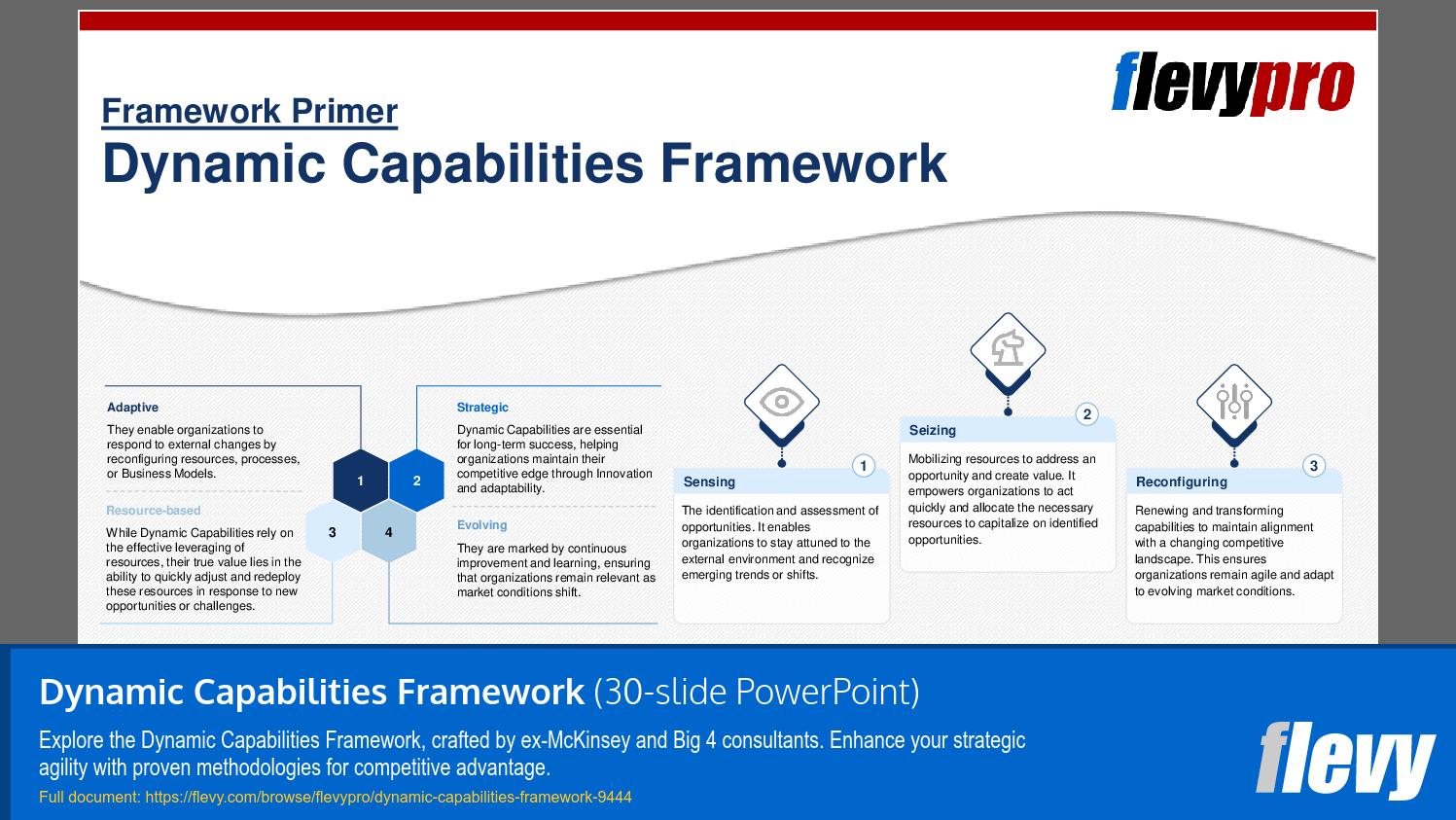
1. Sensing – The identification and assessment of opportunities. It enables organizations to stay attuned to the external environment and recognize emerging trends or shifts.
2. Seizing – Mobilizing resources to address an opportunity and create value. It empowers organizations to act quickly and allocate the necessary resources to capitalize on identified opportunities.
3. Reconfiguring – Renewing and transforming capabilities to maintain alignment with a changing competitive landscape. This ensures organizations remain agile and adapt to evolving market conditions.
Each of these components is discussed in depth. Additional topics covered include the evolution of Strategic Management, DCF implementation considerations, DCF applications, among other topics.
This PowerPoint presentation on Dynamic Capabilities Framework also includes some slide templates for you to use in your own business presentations.
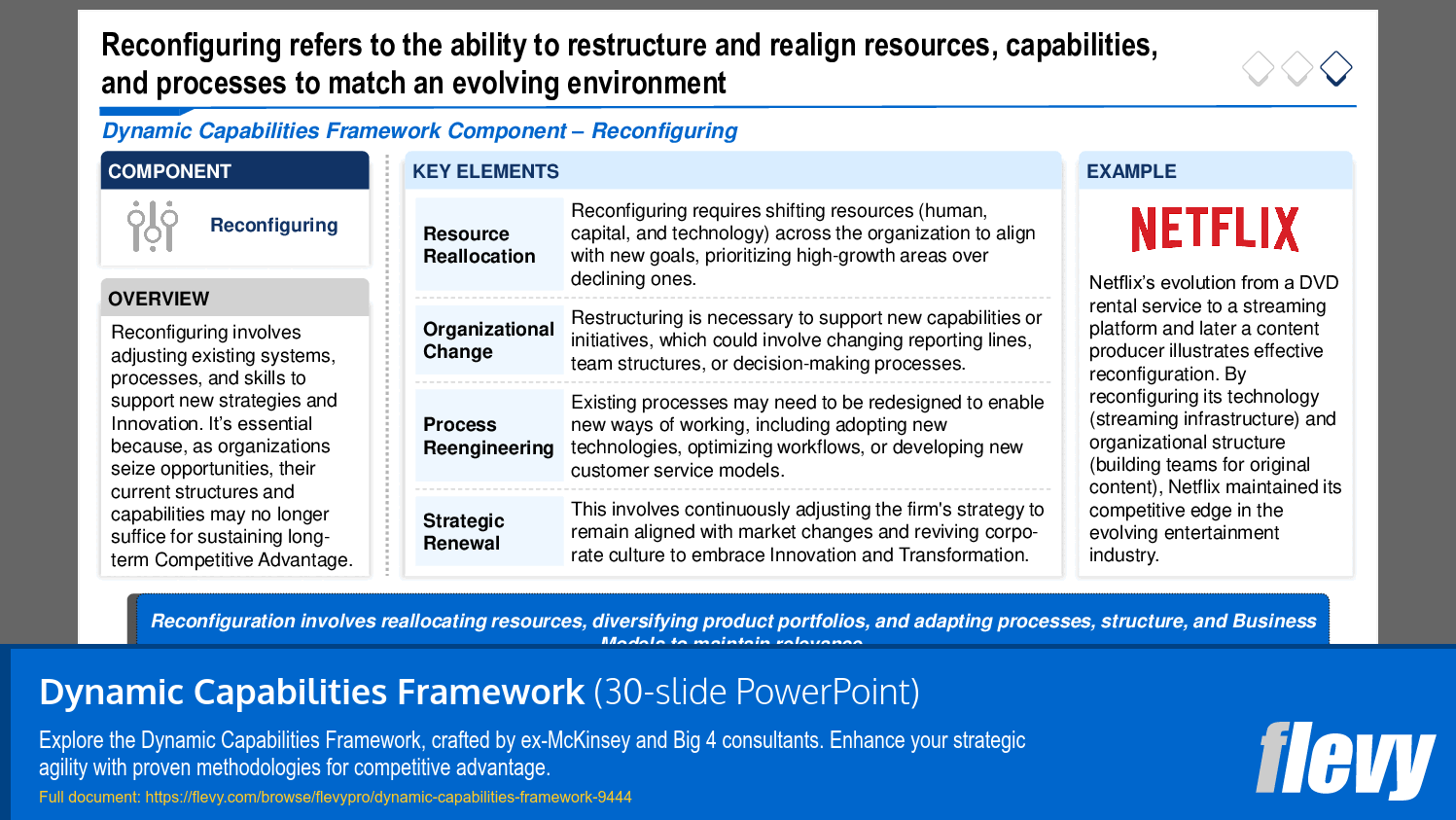
Reconfiguring within the Dynamic Capabilities Framework requires organizations to adapt resources, processes, and structures to remain relevant. Key elements include resource reallocation, which shifts human, capital, and technological resources to align with new goals, focusing on high-growth areas while moving away from declining ones. Organizational change may involve restructuring reporting lines and decision-making processes to support new initiatives. Process reengineering suggests redesigning workflows to incorporate new technologies or optimize customer service. Strategic renewal emphasizes continuously adjusting the firm's strategy to align with market changes and fostering a culture of innovation. The Netflix case study exemplifies effective reconfiguration, showcasing its transition from a DVD rental service to a streaming platform and content producer by adapting technology and organizational structure to meet market demands.
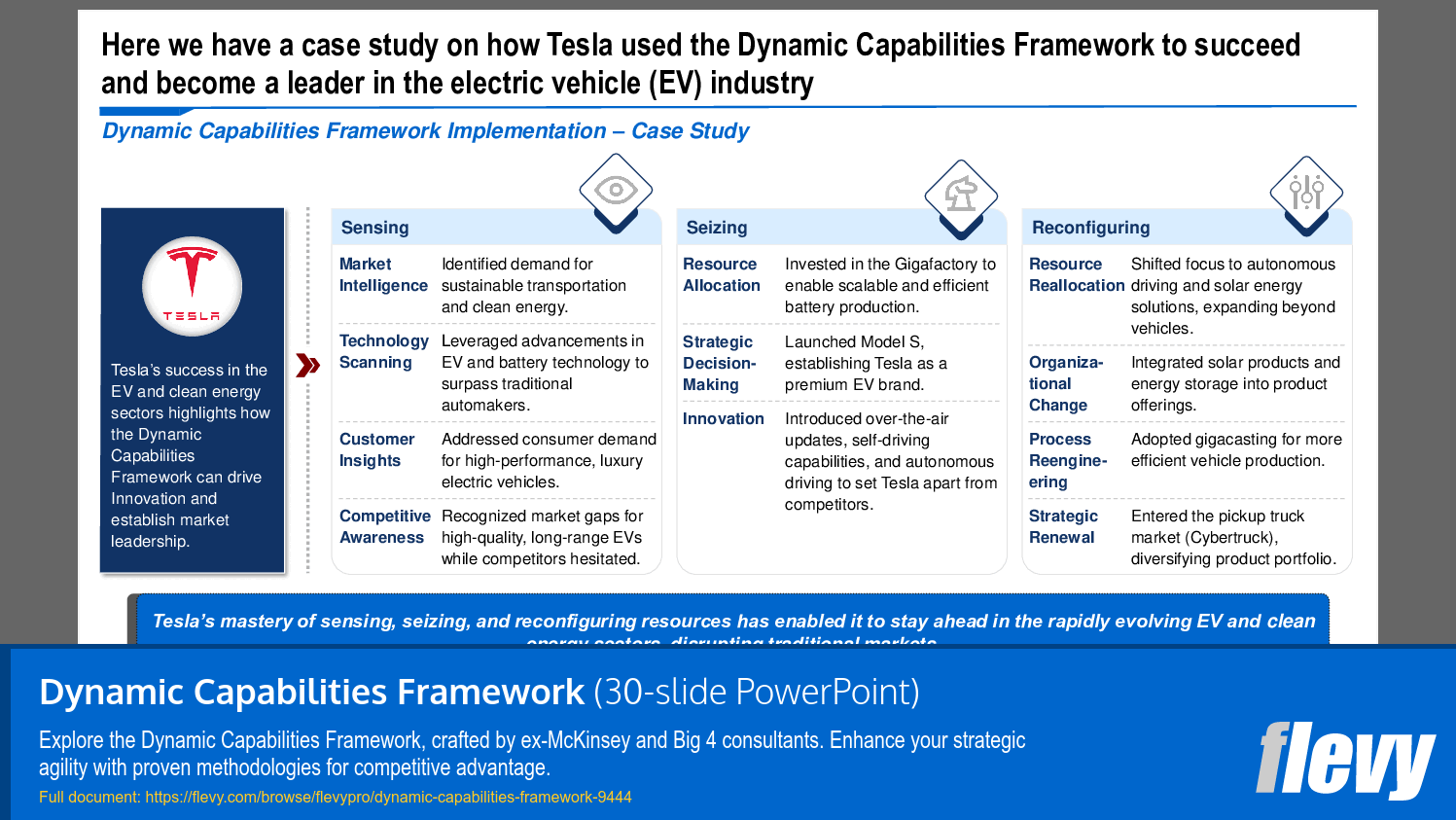
This PPT slide presents a case study on Tesla's application of the Dynamic Capabilities Framework in the electric vehicle (EV) sector. The framework is divided into 3 sections: Sensing, Seizing, and Reconfiguring. In Sensing, Tesla identified market intelligence on sustainable transportation and clean energy, leveraging advancements in EV and battery technology while recognizing gaps for high-quality, long-range EVs. The Seizing section highlights strategic resource allocation, including investment in the Gigafactory for scalable battery production and the launch of the Model S, establishing Tesla as a premium EV brand. Reconfiguring focuses on Tesla's adaptation toward autonomous driving and solar energy solutions, including organizational changes and process reengineering, exemplified by the Cybertruck's market entry. Tesla's proactive approach enables it to maintain leadership in the EV industry.
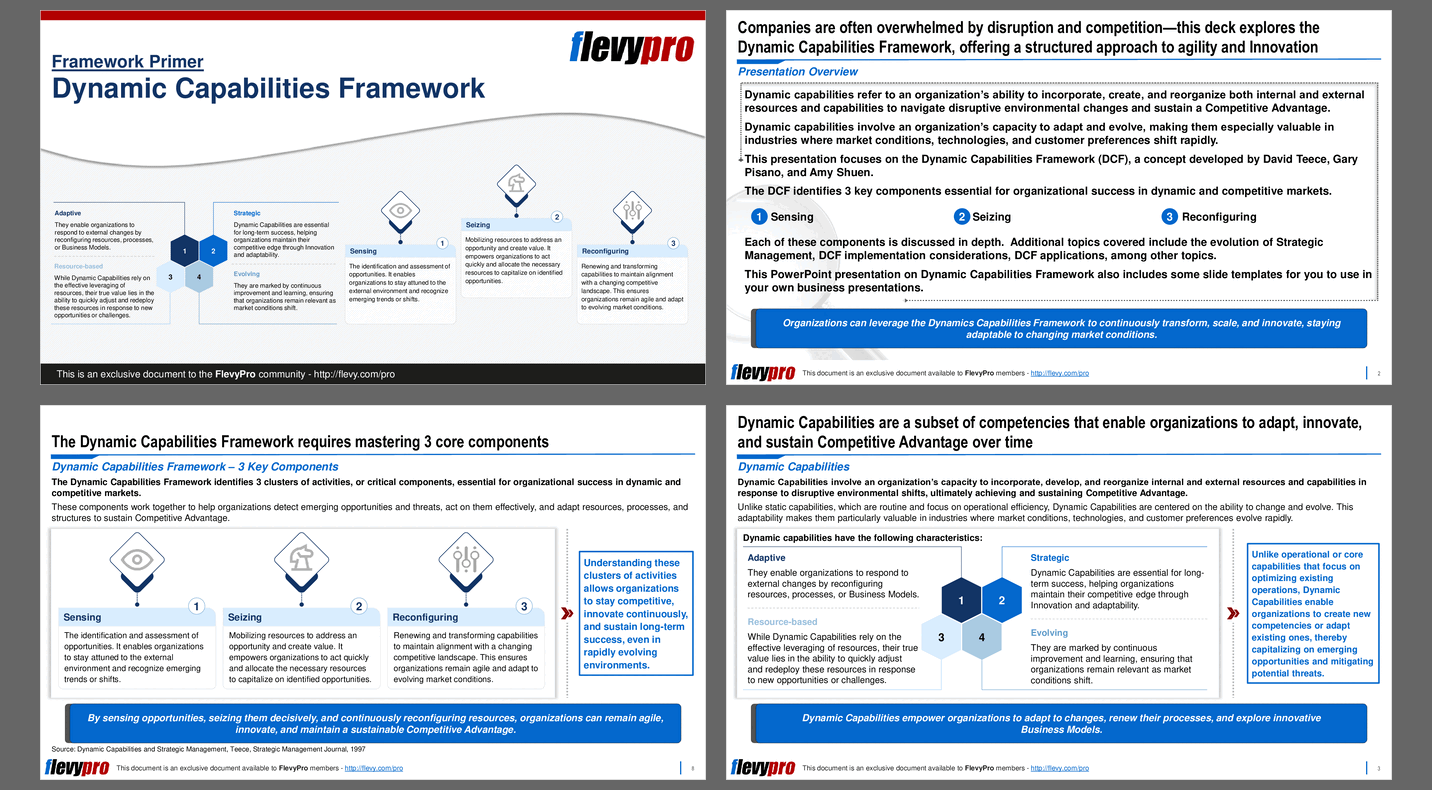
Dynamic Capabilities are essential for organizations to adapt in changing environments, contrasting with static capabilities that prioritize operational efficiency. These capabilities are characterized by adaptability, allowing firms to reconfigure resources and pivot quickly in response to external changes. The resource-based aspect emphasizes the importance of adjusting and redeploying resources effectively. Strategic Dynamic Capabilities enable long-term success through innovation and adaptability, positioning companies to navigate uncertainties and capitalize on trends. Their evolving nature, marked by continuous improvement and learning, ensures relevance as market conditions shift. This distinction highlights the need to foster new competencies alongside optimizing core capabilities to mitigate threats and seize opportunities.
The Dynamic Capabilities Framework consists of 3 key components for organizations in dynamic markets: Sensing, Seizing, and Reconfiguring. Sensing involves identifying and assessing opportunities, enabling organizations to stay aware of external environments and emerging trends. Seizing focuses on mobilizing resources to address these opportunities, translating insights into actionable strategies. Reconfiguring emphasizes renewing and transforming organizational capabilities to align with changing market conditions, ensuring agility and relevance. Mastery of these interconnected components is essential for organizations to remain competitive, innovate continuously, and sustain their market position.
This framework is developed by a team of former McKinsey and Big 4 consultants. The presentation follows the headline-body-bumper slide format used by global consulting firms.
For $10.00 more, you can download this document plus 2 more FlevyPro documents. That's just $13 each.
ABOUT FLEVYPRO
This document is part of the FlevyPro Library, a curated knowledge base of documents for our FlevyPro subscribers.

FlevyPro is a subscription service for on-demand business frameworks and analysis tools. FlevyPro subscribers receive access to an exclusive library of curated business documents—business framework primers, presentation templates, Lean Six Sigma tools, and more—among other exclusive benefits.
The average daily rate of a McKinsey consultant is $6,625 (not including expenses). The average price of a Flevy document is $65.
Trusted by over 10,000+ Client Organizations
Since 2012, we have provided business templates to over 10,000 businesses and organizations of all sizes, from startups and small businesses to the Fortune 100, in over 130 countries.
"I am extremely grateful for the proactiveness and eagerness to help and I would gladly recommend the Flevy team if you are looking for data and toolkits to help you work through business solutions."
– Trevor Booth, Partner, Fast Forward Consulting
"As a consulting firm, we had been creating subject matter training materials for our people and found the excellent materials on Flevy, which saved us 100's of hours of re-creating what already exists on the Flevy materials we purchased."
– Michael Evans, Managing Director at Newport LLC
"I have found Flevy to be an amazing resource and library of useful presentations for lean sigma, change management and so many other topics. This has reduced the time I need to spend on preparing for my performance consultation. The library is easily accessible and updates are regularly provided. A wealth of great information."
– Cynthia Howard RN, PhD, Executive Coach at Ei Leadership
"Flevy is our 'go to' resource for management material, at an affordable cost. The Flevy library is comprehensive and the content deep, and typically provides a great foundation for us to further develop and tailor our own service offer."
– Chris McCann, Founder at Resilient.World
"One of the great discoveries that I have made for my business is the Flevy library of training materials.
As a Lean Transformation Expert, I am always making presentations to clients on a variety of topics: Training, Transformation, Total Productive Maintenance, Culture, Coaching, Tools, Leadership Behavior, etc. Flevy
It is well worth the money to purchase these presentations. Sure, I have the knowledge and information to make my point. It is another thing to create a presentation that captures what I want to say. Flevy has saved me countless hours of preparation time that is much better spent with implementation that will actually save money for my clients.
"
– Ed Kemmerling, Senior Lean Transformation Expert at PMG
"The wide selection of frameworks is very useful to me as an independent consultant. In fact, it rivals what I had at my disposal at Big 4 Consulting firms in terms of efficacy and organization."
– Julia T., Consulting Firm Owner (Former Manager at Deloitte and Capgemini)
"FlevyPro has been a brilliant resource for me, as an independent growth consultant, to access a vast knowledge bank of presentations to support my work with clients. In terms of RoI, the value I received from the very first presentation I downloaded paid for my subscription many times over! The
quality of the decks available allows me to punch way above my weight – it's like having the resources of a Big 4 consultancy at your fingertips at a microscopic fraction of the overhead.
"
– Roderick Cameron, Founding Partner at SGFE Ltd
"As a young consulting firm, requests for input from clients vary and it's sometimes impossible to provide expert solutions across a broad spectrum of requirements. That was before I discovered Flevy.com.
Through subscription to this invaluable site of a plethora of topics that are key and crucial to consulting, I
have been able to exceed expectations and deliver quality advice and solutions to my clients. The quality and expertise of the authors are exemplary and gives me great confidence to use as part of my service offerings.
I highly recommend this company for any consultant wanting to apply international best practice standards in their service offerings.
"
– Nishi Singh, Strategist and MD at NSP Consultants
Download our free compilation of 50+ Strategy & Transformation slides and templates. Frameworks include McKinsey 7-S, Balanced Scorecard, Disruptive Innovation, BCG Curve, and many more.