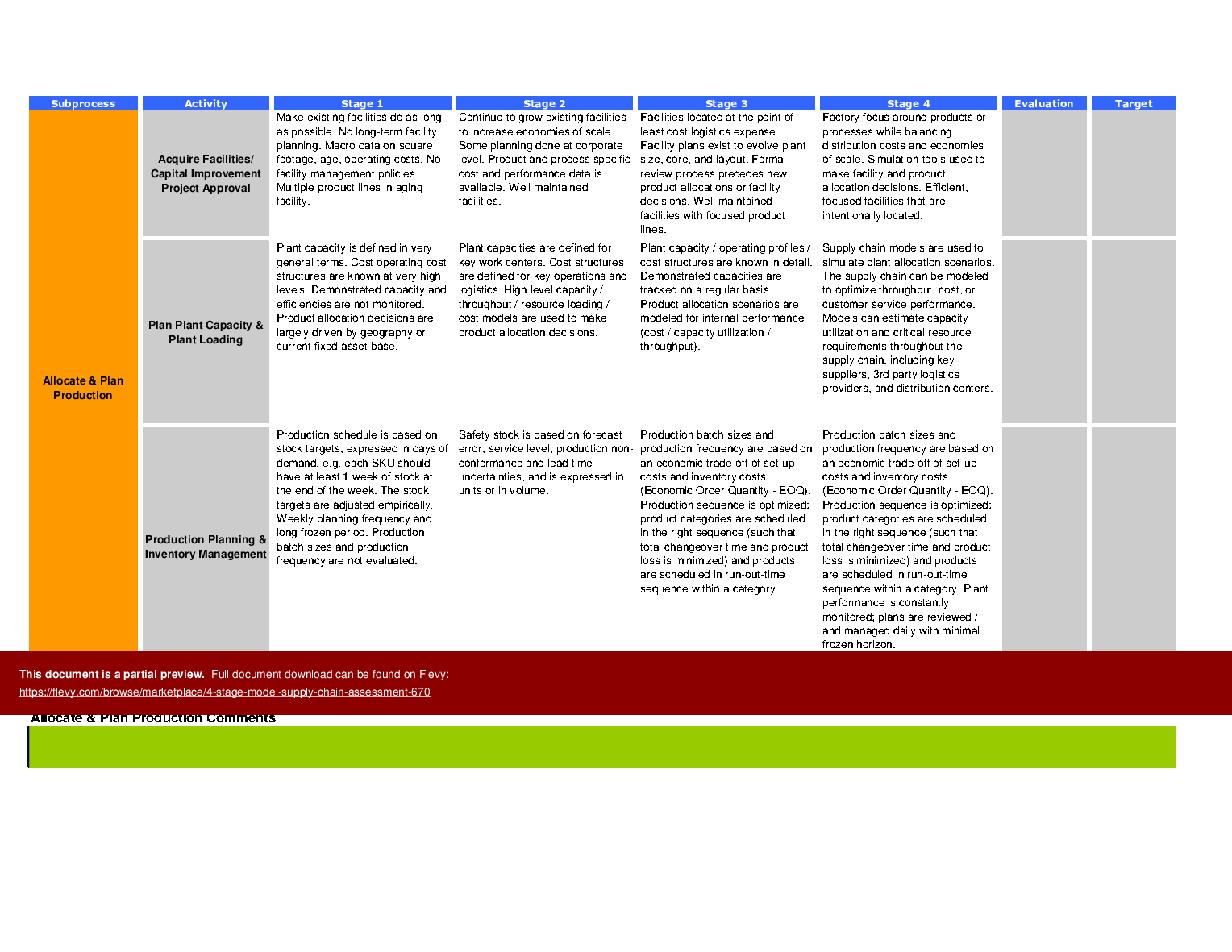
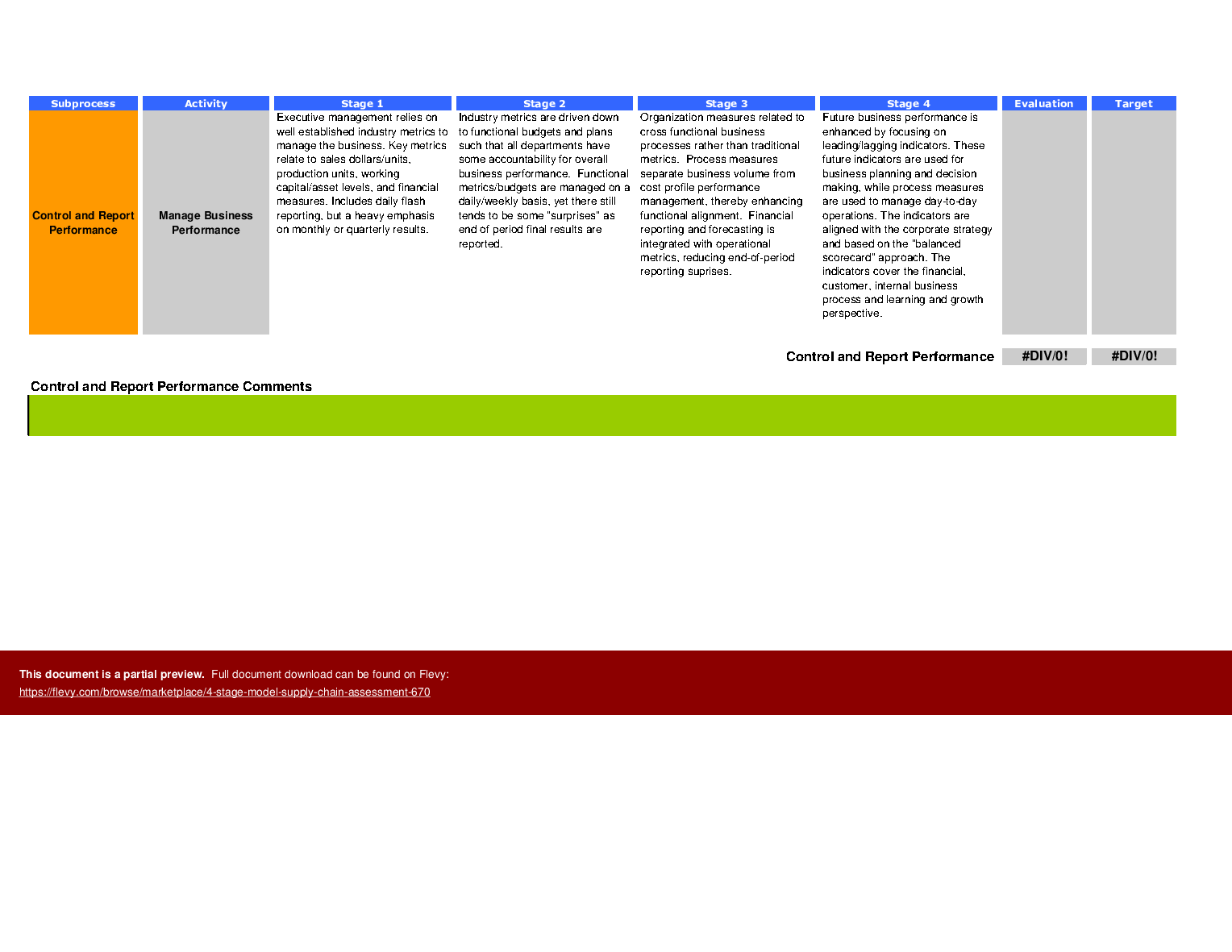
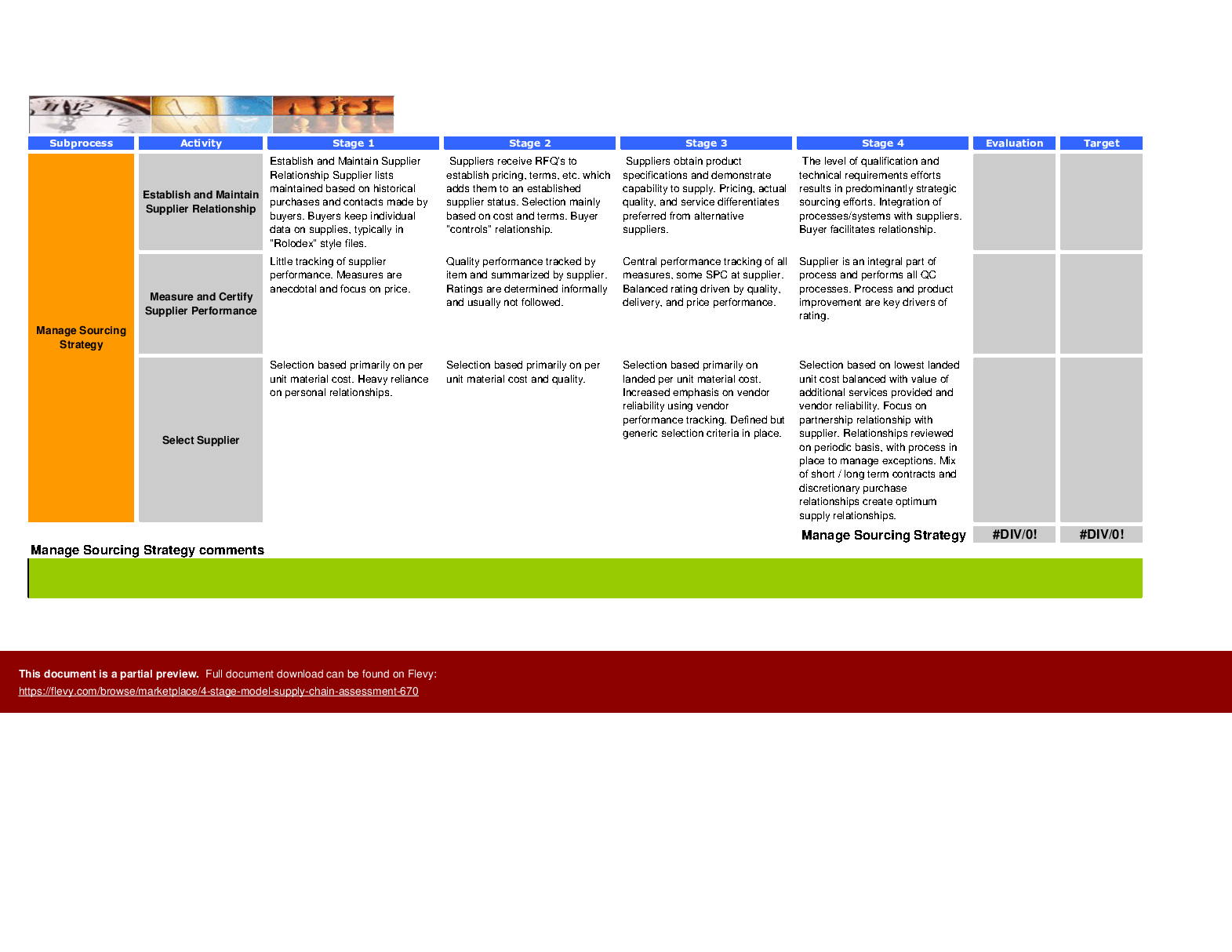
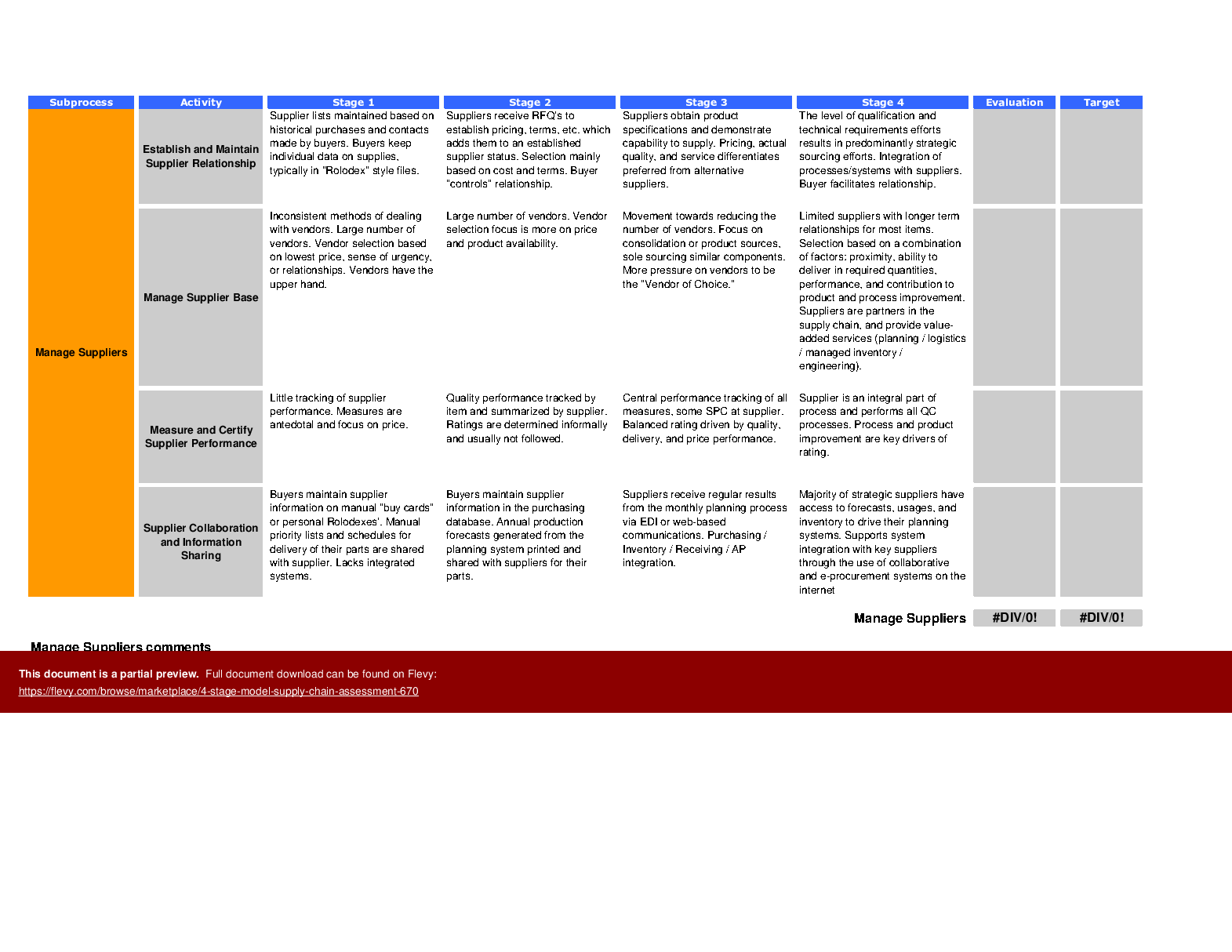
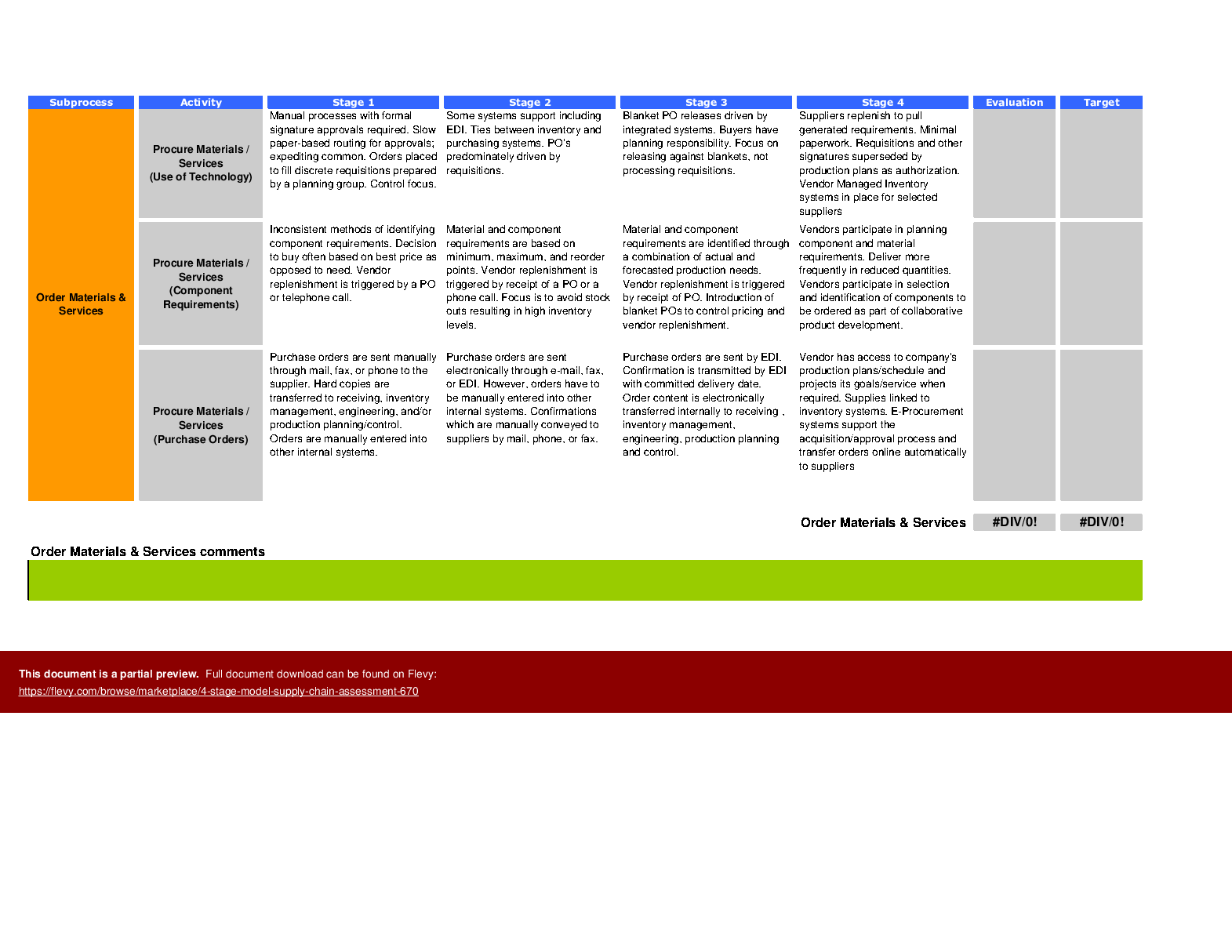

 Click main image to view in full screen.
4 Stage Model Supply Chain Assessment – Excel XLSX
Excel (XLSX)


SUPPLY CHAIN MANAGEMENT EXCEL DESCRIPTION
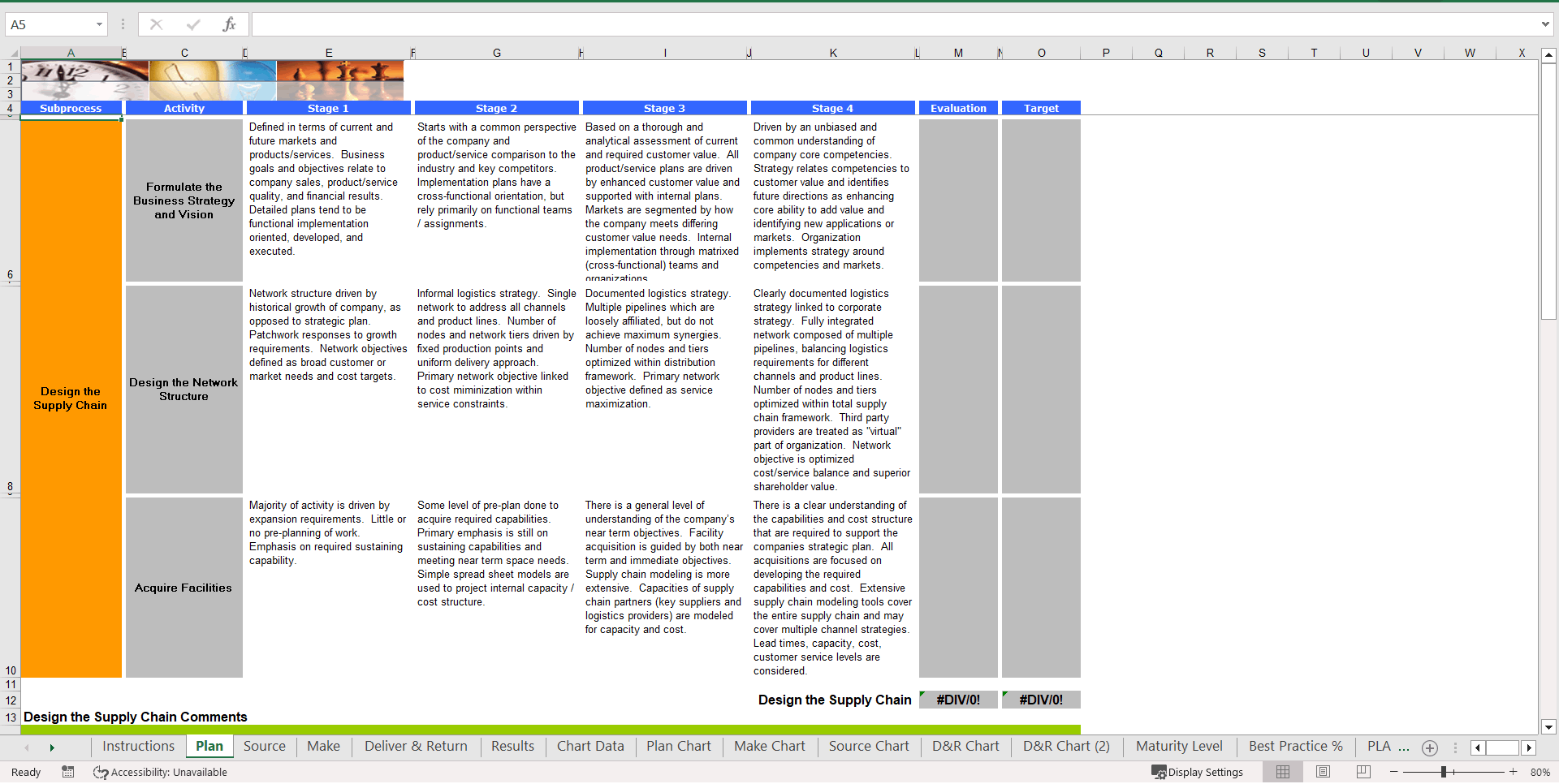
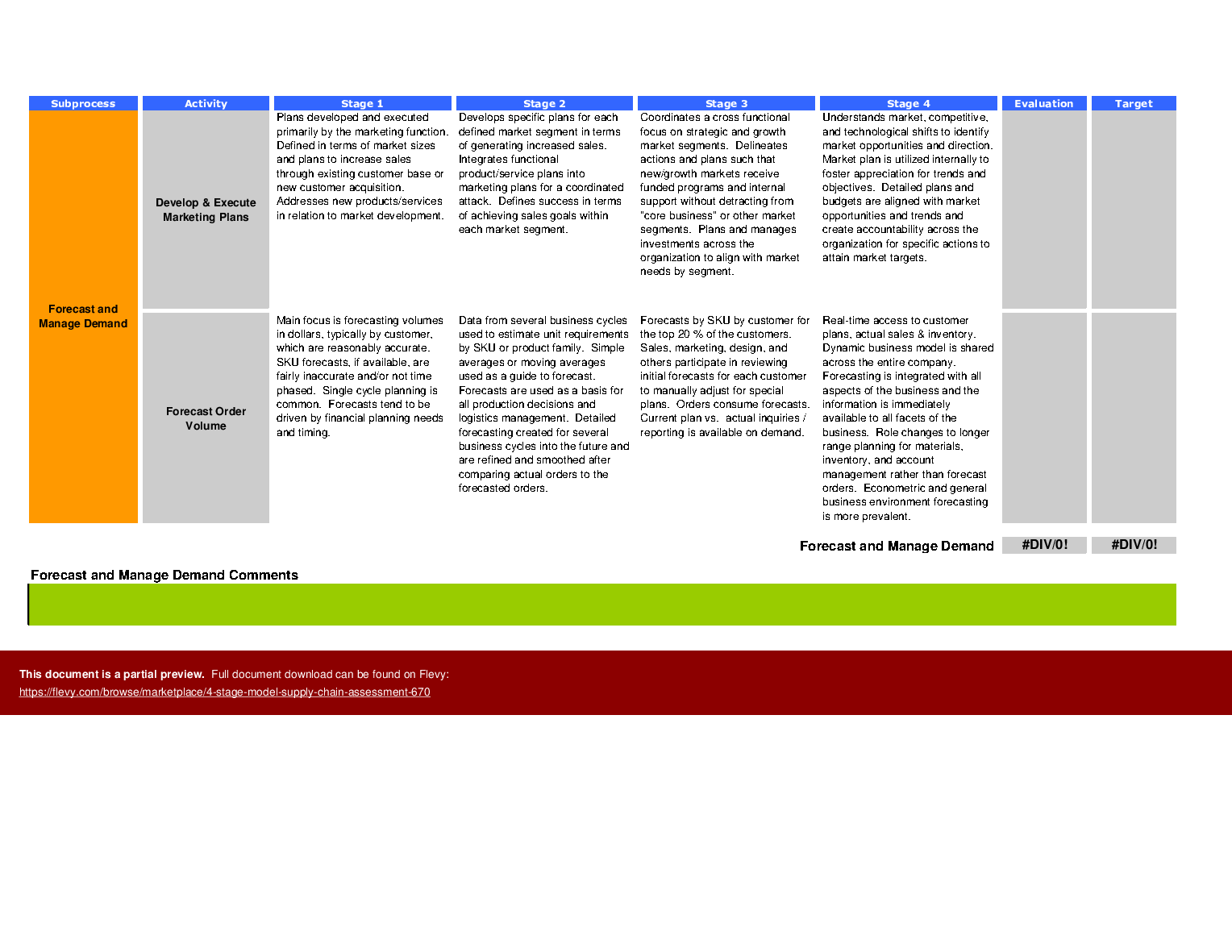
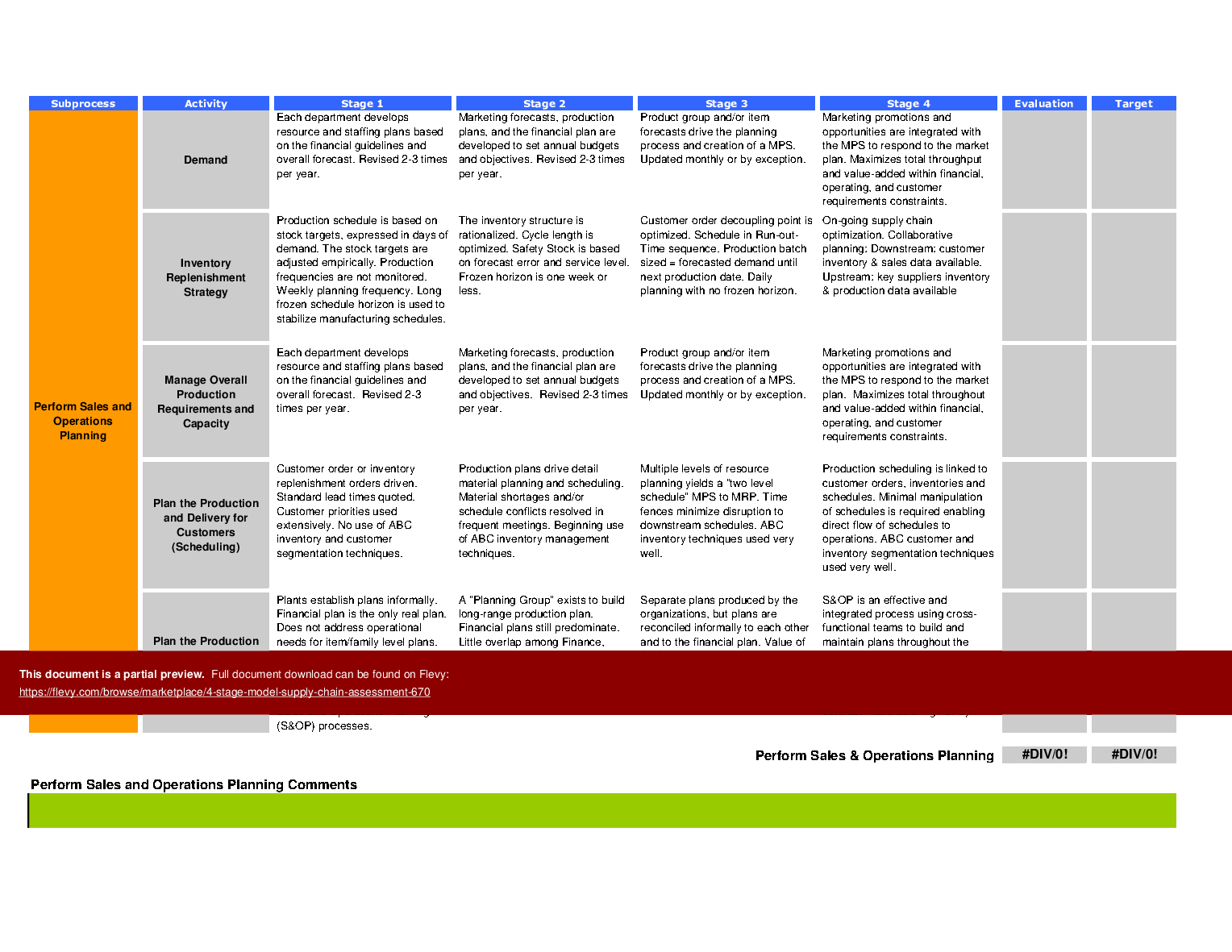
The purpose of the 4 Stage Model is to provide a high-level qualitative assessment of an organizations practices and processes. The model aligns with the Supply Chain Council's SCOR model and is broken down into Plan, Source, Make and Deliver. Within each of these major processes are a series of threads. Threads are then broken down into specific sub-processes.
The 4 Stage Model asks participants to provide a self-assessment of each of these sub-processes across a spectrum of of stages. Stage I represents basic practices while Stage IV would be considered to be leading or best practices. These sub-process self-assessments can then be averaged at both the Process and Thread level to help organizations prioritize focus and initiatives.
See also "Supply Chain Strategy Tools & Techniques"
See also "Supply Chain Performance and Metrics"
This comprehensive Excel template covers all critical subprocesses within the supply chain, from forecasting and managing demand to post-sales support. Each subprocess is meticulously broken down into specific activities, providing a clear roadmap for assessment and improvement. The template's structure ensures that every aspect of your supply chain is scrutinized, enabling you to identify gaps and areas for enhancement.
Moreover, the 4 Stage Model Supply Chain Assessment facilitates a detailed evaluation of your current practices against industry best practices. By categorizing activities into stages, it allows for a nuanced understanding of where your organization stands and what steps are necessary to reach the next level. This approach not only highlights immediate areas for improvement, but also helps in strategic planning for long-term growth.
The visual layout of the template is designed for ease of use, with clear demarcations for each stage and subprocess. This ensures that even complex supply chain processes can be assessed efficiently. The inclusion of evaluation and target columns further aids in setting realistic goals and tracking progress over time. This tool is indispensable for any organization aiming to optimize its supply chain operations and achieve operational excellence.
Got a question about the product? Email us at support@flevy.com or ask the author directly by using the "Ask the Author a Question" form. If you cannot view the preview above this document description, go here to view the large preview instead.
TOPIC FAQ
What are the stages used in a SCOR-aligned supply chain maturity assessment?
A SCOR-aligned maturity assessment typically maps subprocesses into the 4 supply chain processes: Plan, Source, Make, and Deliver, and uses staged maturity scoring (in this model Stage I–Stage IV) where Stage I denotes basic practices and Stage IV denotes leading practices, with scores applied at the sub-process level.How does breaking a supply chain into threads and sub-processes help assessment?
Breaking into threads and sub-processes lets participants self-assess discrete activities rather than whole functions, enabling aggregation and prioritization. Averaging self-assessments at the thread and process level highlights where improvements should focus, using process and thread level averages as the organizing metric.How should I run a self-assessment using a spreadsheet template?
Facilitate participants to score each listed sub-process across the maturity stages, record scores in the template’s evaluation fields, set target values in the target columns, and then use built-in averages to roll up results to thread and process levels; the template supports Stage I–Stage IV scoring.What features matter when choosing a supply chain assessment template?
Prefer templates that map to a recognized model (SCOR), list sub-processes by thread, enable participant self-scoring across maturity stages, and provide evaluation and target columns plus roll-ups to thread and process averages; Flevy’s 4 Stage Model Supply Chain Assessment includes these attributes.How much time or resources are typically needed to complete this type of assessment?
Time depends on scope and participant availability,, but the XLSX template structure supports workshop-style scoring by participants and automated roll-ups to thread/process averages, enabling paced assessments using the template’s evaluation and target columns.Can this approach show how our practices compare to industry best practices?
Yes. The model categorizes sub-processes into stages where Stage IV is considered leading or best practices, allowing organizations to evaluate current practices against higher-stage criteria and the SCOR-aligned Plan/Source/Make/Deliver framework, with Stage IV as the benchmark.After collecting self-assessments, how do I prioritize improvement initiatives?
Use the template’s averages at the sub-process, thread, and process levels to identify low-scoring areas and focus resources where gaps are largest; the model’s process and thread level averages provide the prioritization view for initiatives.Is the 4 Stage Model Supply Chain Assessment available for immediate use and what format is it?
The 4 Stage Model Supply Chain Assessment is provided as an XLSX Excel template and is sold as a digital download on Flevy, enabling immediate use upon purchase.Source: Best Practices in Supply Chain Management, SCOR Model Excel: 4 Stage Model Supply Chain Assessment Excel (XLSX) Spreadsheet, Documents & Files