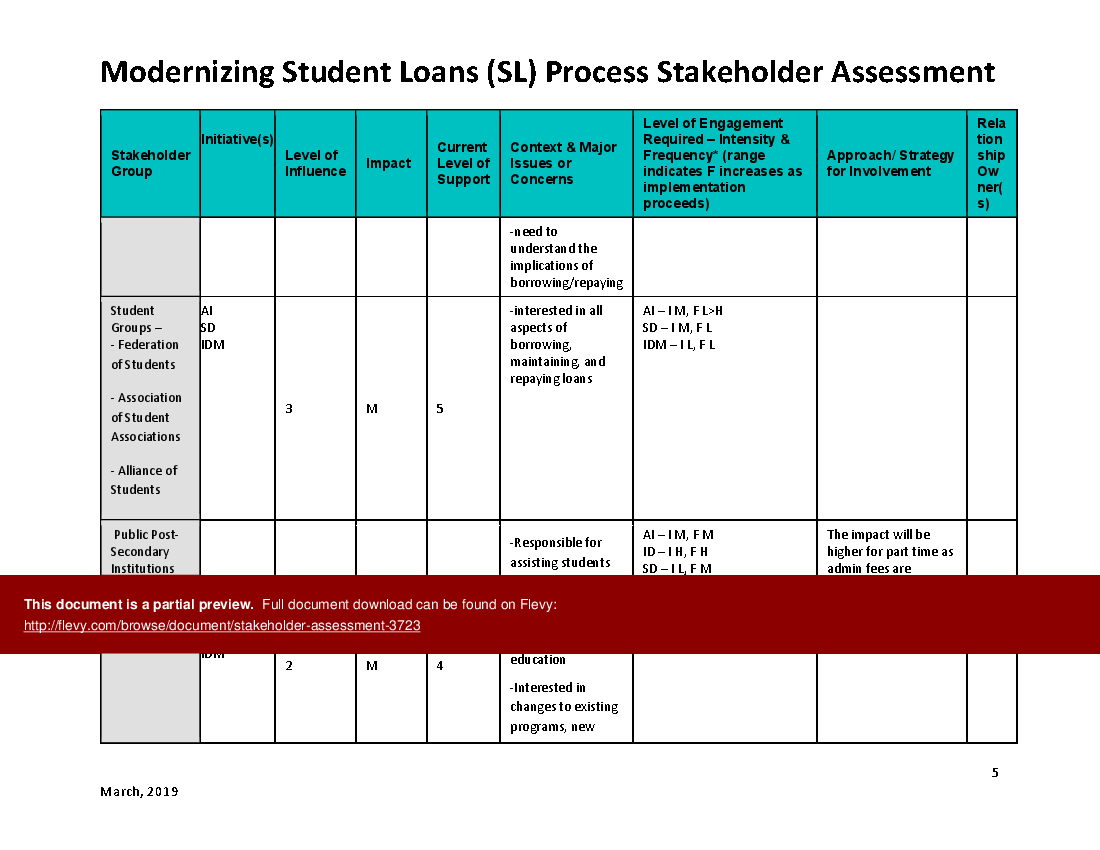
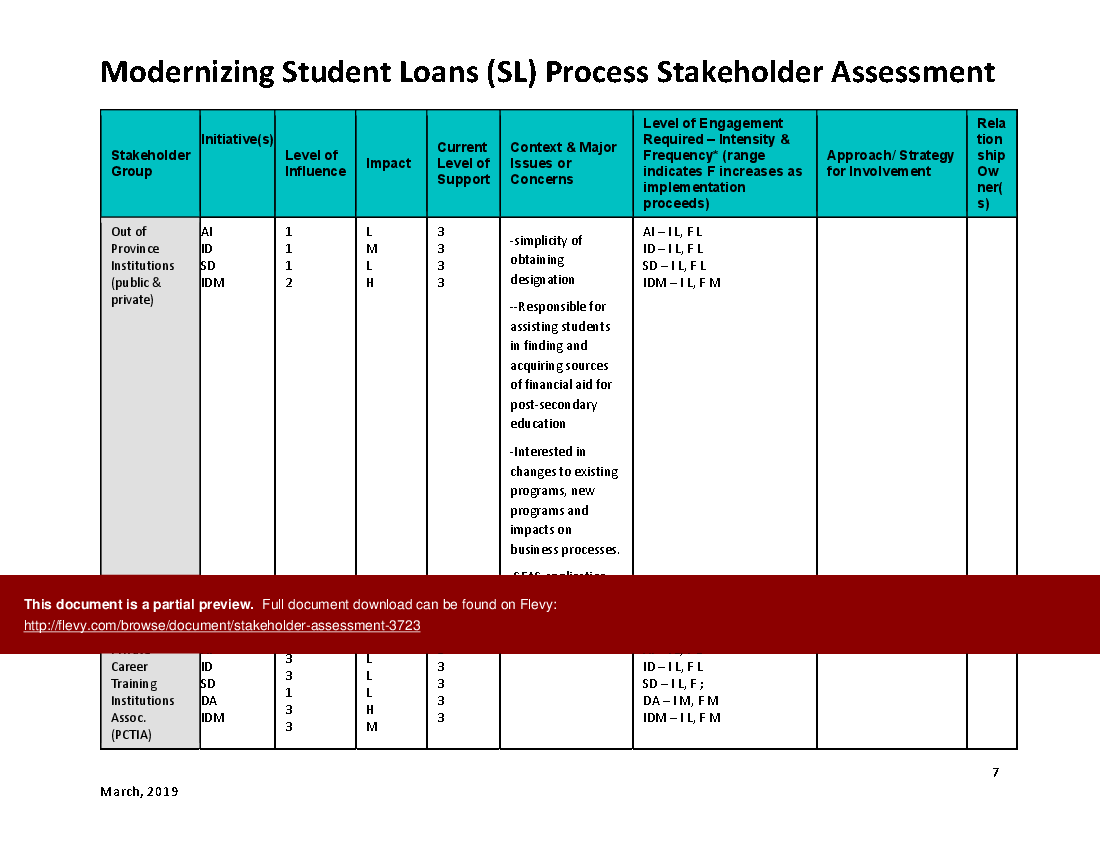
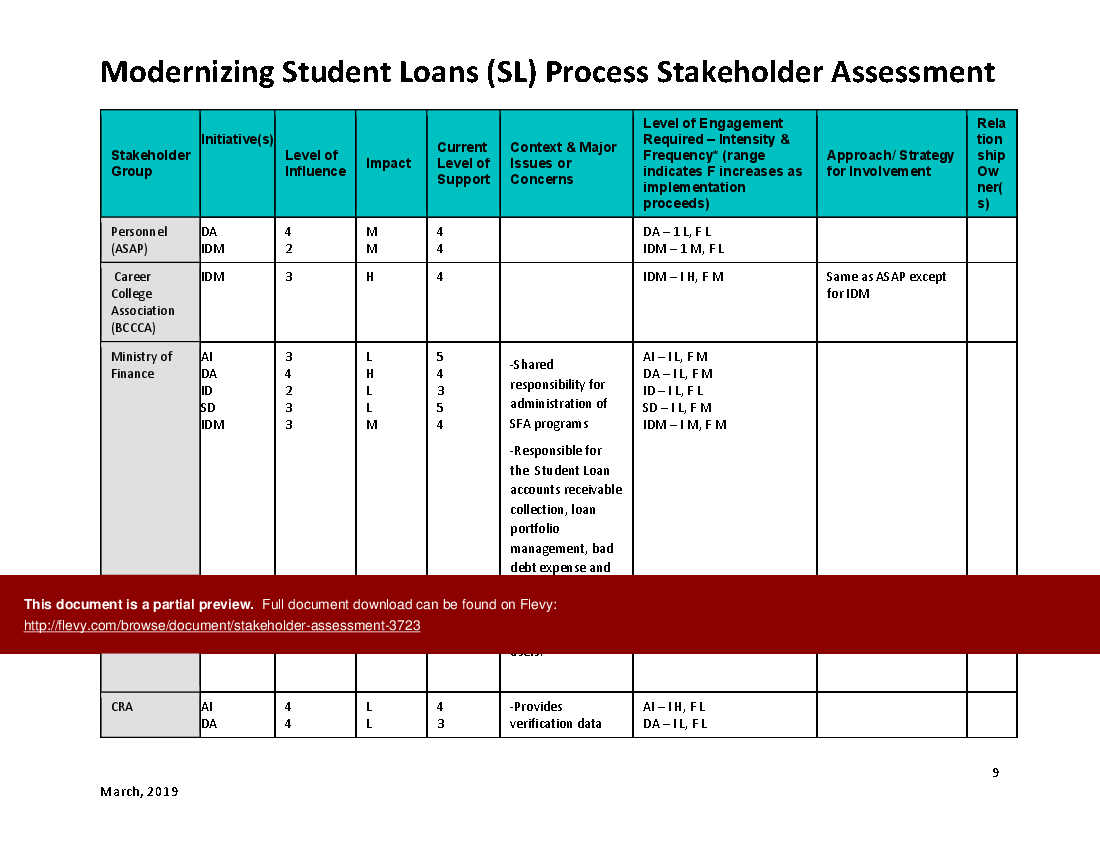
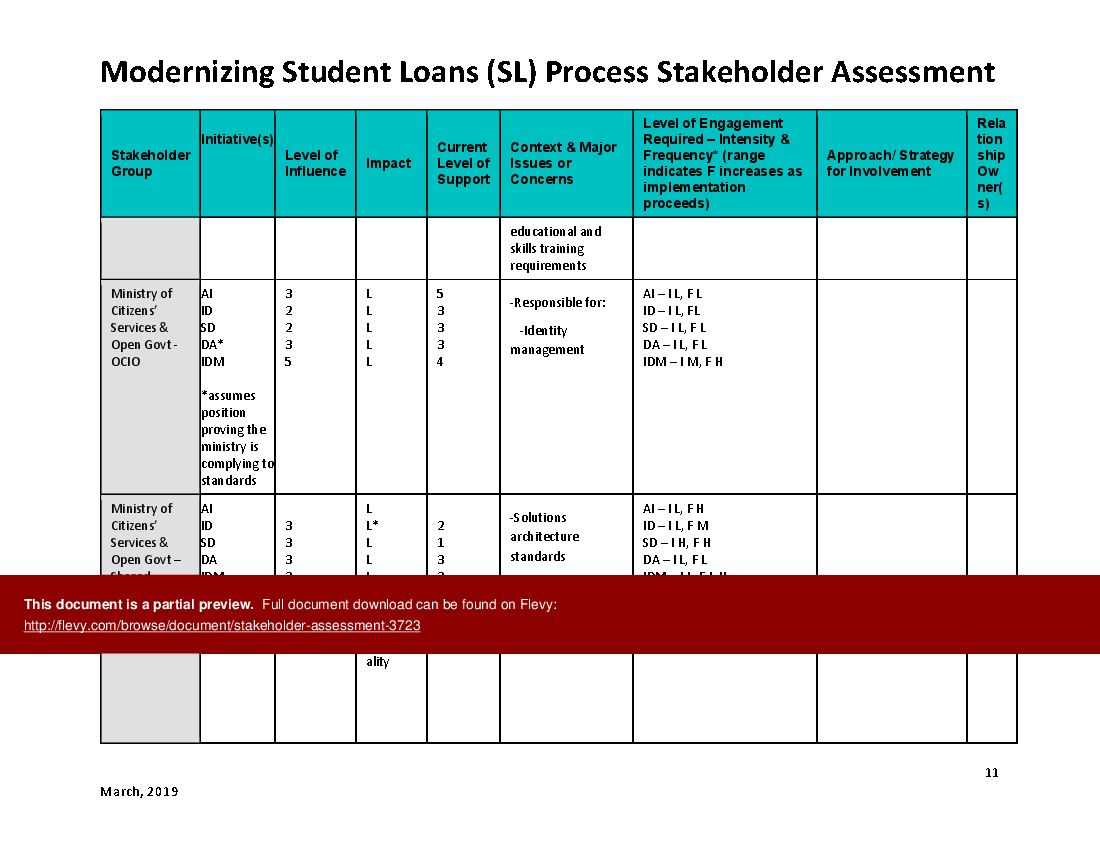
Stakeholder Assessment   14-page Word document
$22.00

Stakeholder Assessment (14-page Word document) Preview Image
Flevy is the marketplace for business best practices.
Stakeholder Assessment (14-page Word document) Preview Image
Arrow   Click main image to view in full screen.

Stakeholder Assessment (Word DOCM)

Word (DOCM) 14 Pages

$22.00

Add to Cart


Immediate download
Fully editable Word
Free lifetime updates

BENEFITS OF THIS WORD DOCUMENT

  1. Provides an example of an easy to use assessment tool
  2. Provides an example of a completed assessment
  3. Provides a summary of tools and techniques for engaging stakeholders

STAKEHOLDER MANAGEMENT WORD DESCRIPTION

Editor Summary The Stakeholder Assessment is a 14-page DOCM stakeholder assessment template for modernizing student loans, authored by Ulis Transformation Solutions Inc., sold as a digital download on Flevy. Read more

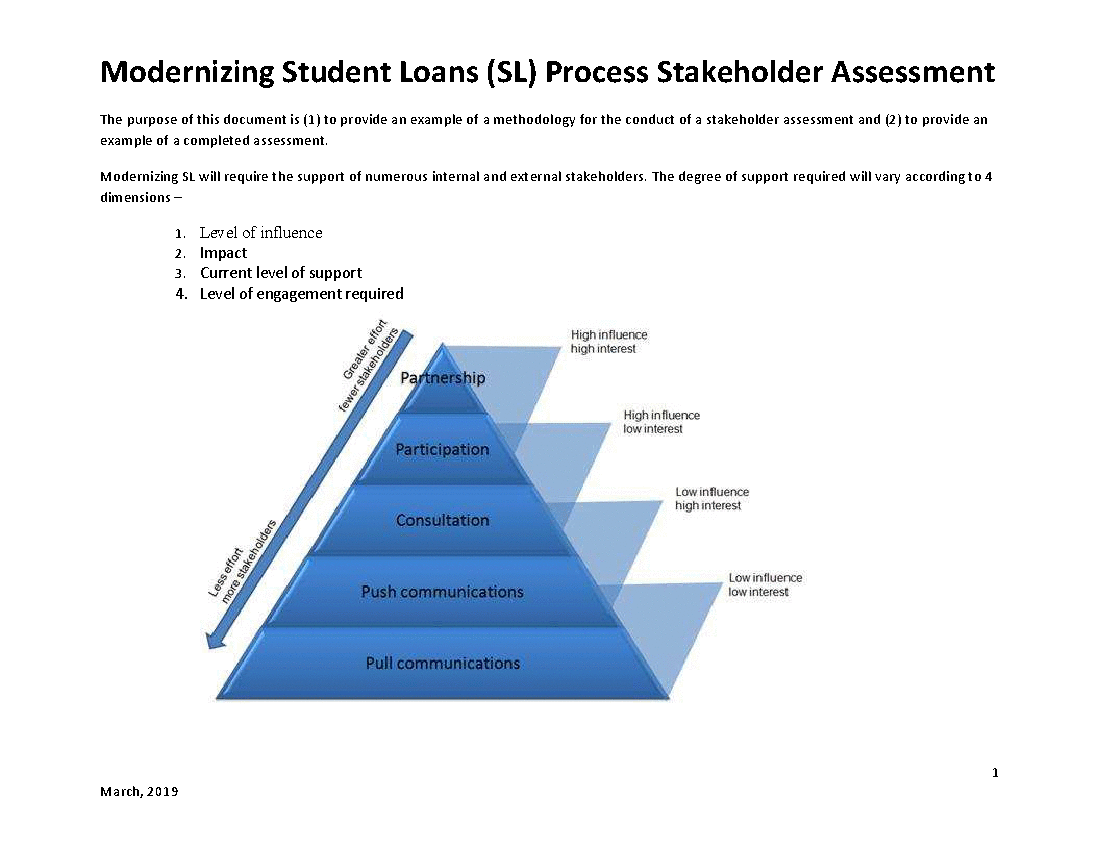
The purpose of this document is provide an example of an analytical methodology for undertaking a stakeholder assessment. It also provides an example of a completed assessment.

Got a question about the product? Email us at support@flevy.com or ask the author directly by using the "Ask the Author a Question" form. If you cannot view the preview above this document description, go here to view the large preview instead.

MARCUS OVERVIEW

This synopsis was written by Marcus [?] based on the analysis of the full 14-slide presentation.


Executive Summary
The Stakeholder Assessment Template for Modernizing Student Loans (SL) serves as a comprehensive tool for conducting stakeholder analysis and management. This document outlines a structured methodology to evaluate the influence, impact, support, and engagement levels of various stakeholders involved in the student loan modernization process. By utilizing this template, project leaders can effectively identify and address potential barriers and enablers, ensuring that the necessary support is garnered for successful project execution.

Who This Is For and When to Use
•  Project Managers overseeing student loan modernization initiatives
•  Change Management Teams responsible for stakeholder engagement
•  Corporate Executives involved in strategic planning for educational finance
•  Consultants specializing in educational reform and stakeholder analysis

Best-fit moments to use this deck:
•  During the initial phases of project planning to assess stakeholder readiness
•  When developing change management strategies to enhance stakeholder engagement
•  Prior to project implementation to identify potential resistance and support

Learning Objectives
•  Define the methodology for conducting a stakeholder assessment in educational projects
•  Identify key stakeholders and assess their levels of influence and impact
•  Analyze current levels of support and engagement required for successful project execution
•  Develop strategies for addressing stakeholder concerns and enhancing buy-in
•  Create a comprehensive stakeholder engagement plan tailored to project needs
•  Utilize assessment findings to inform change management initiatives

Table of Contents
•  Introduction to Stakeholder Assessment (page 1)
•  Methodology Overview (page 2)
•  Stakeholder Dimensions (page 3)
•  Stakeholder Assessment Template (page 4)
•  Modernizing SL Initiatives Overview (page 5)
•  Stakeholder Engagement Strategies (page 6)
•  Tools and Techniques for Engagement (page 13)
•  Conclusion and Next Steps (page 14)

Primary Topics Covered
•  Stakeholder Assessment Methodology - A structured approach for evaluating stakeholders involved in the student loan modernization process, focusing on their influence and engagement levels.
•  Dimensions of Stakeholder Influence - Key factors such as level of influence, impact, current support, and engagement requirements that determine stakeholder involvement.
•  Stakeholder Engagement Strategies - Techniques and tools for effectively engaging stakeholders throughout the project lifecycle to ensure their support and commitment.
•  Change Management Considerations - Important factors to address, including change management deployment, technical skills, and senior management buy-in.
•  Initiatives Overview - A breakdown of the specific initiatives within the student loan modernization project and their implications for stakeholders.
•  Assessment Template Utilization - Guidance on how to use the stakeholder assessment template to evaluate and categorize stakeholders effectively.

Deliverables, Templates, and Tools
•  Stakeholder Assessment Template for evaluating influence, impact, and support
•  Engagement strategy framework for addressing stakeholder concerns
•  Change management plan template tailored for educational finance projects
•  Example stakeholder analysis report for reference
•  Communication plan template to facilitate stakeholder interactions
•  Risk assessment tool for identifying potential barriers to stakeholder support

Slide Highlights
•  Overview of stakeholder dimensions and their significance in project planning
•  Visual representation of stakeholder influence and engagement strategies
•  Detailed breakdown of stakeholder groups and their respective initiatives
•  Graphical tools for assessing engagement techniques and methodologies
•  Summary of key considerations for effective stakeholder management

Potential Workshop Agenda
Stakeholder Assessment Workshop (90 minutes)
•  Introduce the stakeholder assessment methodology and its importance
•  Review the stakeholder dimensions and their implications for the project
•  Conduct a group exercise to categorize stakeholders using the assessment template

Engagement Strategy Development Session (60 minutes)
•  Discuss common barriers to stakeholder support and strategies to address them
•  Develop tailored engagement plans for key stakeholder groups
•  Share best practices for maintaining ongoing stakeholder communication

Customization Guidance
•  Tailor the stakeholder assessment template to reflect specific project initiatives and stakeholder groups
•  Adjust engagement strategies based on the unique needs and concerns of stakeholders
•  Incorporate project-specific metrics and timelines into the assessment framework

Secondary Topics Covered
•  Change management best practices in educational reform
•  Techniques for measuring stakeholder engagement effectiveness
•  Strategies for aligning stakeholder expectations with project goals
•  Communication frameworks for stakeholder updates and feedback

Topic FAQ

What core dimensions should I assess for stakeholders in a student loan modernization project?

Key dimensions are level of influence, degree of impact, current level of support, and required level of engagement. Assessing stakeholders on these 4 dimensions helps prioritize outreach and mitigation activities and is the basis of the provided Stakeholder Assessment Template.

When in the project lifecycle is a stakeholder assessment most useful for modernization programs?

A stakeholder assessment is most useful during the initial phases of project planning and again prior to implementation to identify potential resistance, enablers, and required engagement approaches. The document recommends conducting the assessment in initial planning and before implementation.

What methods can be used to measure stakeholder support and engagement over time?

Measure engagement through regular surveys, structured feedback sessions, and progress tracking against established metrics. The template and guidance suggest using these techniques to monitor changes in support and engagement throughout the project lifecycle, including comparative progress tracking metrics.

What should I look for when choosing a stakeholder-assessment template for educational finance projects?

Look for a template that enables influence/impact scoring, captures current support and engagement needs, provides an engagement-strategy framework, includes change-management planning, offers communication plan components, and supplies example reports for reference, such as a stakeholder assessment template and engagement strategy framework.

How can I judge the value of a stakeholder-assessment package for a limited-budget project?

Value is driven by the number and applicability of included artifacts (assessment template, engagement framework, change-management plan), customization guidance, and example outputs that accelerate delivery. The package described provides multiple artifacts including an example stakeholder analysis report.

How should I classify and address resistance from university administrators during modernization?

Classify administrators by influence and impact, document their current support level, and design targeted engagement strategies and communications to address their concerns. Use risk assessment tools and a communication plan to mitigate barriers; the Stakeholder Assessment Template supports this approach.

How do I adapt a generic stakeholder-assessment template to specific initiatives like student dashboards or identity management?

Tailor the stakeholder groups and initiative mappings, adjust engagement strategies to initiative-specific concerns, and incorporate project-specific metrics and timelines into the assessment framework. The document explicitly recommends customizing templates for initiatives such as Application Intake, Data Analytics, Institutional Dashboard, Student Dashboard, and Identity Management.

What does a practical stakeholder-assessment workshop agenda look like for a modernization program?

A practical agenda includes a 90-minute session introducing the methodology, reviewing stakeholder dimensions, and conducting a group exercise to categorize stakeholders, followed by a 60-minute engagement strategy development session to address barriers and build tailored plans, matching the provided 90-minute and 60-minute sessions.
Document FAQ
These are questions addressed within this presentation.

What is the purpose of the Stakeholder Assessment Template?
The template provides a structured approach to evaluate stakeholders' influence, impact, and engagement levels, facilitating effective project planning and execution.

How can I customize the stakeholder assessment for my project?
You can tailor the template by adjusting the stakeholder groups, initiatives, and engagement strategies to align with your specific project needs.

What dimensions are used to assess stakeholders?
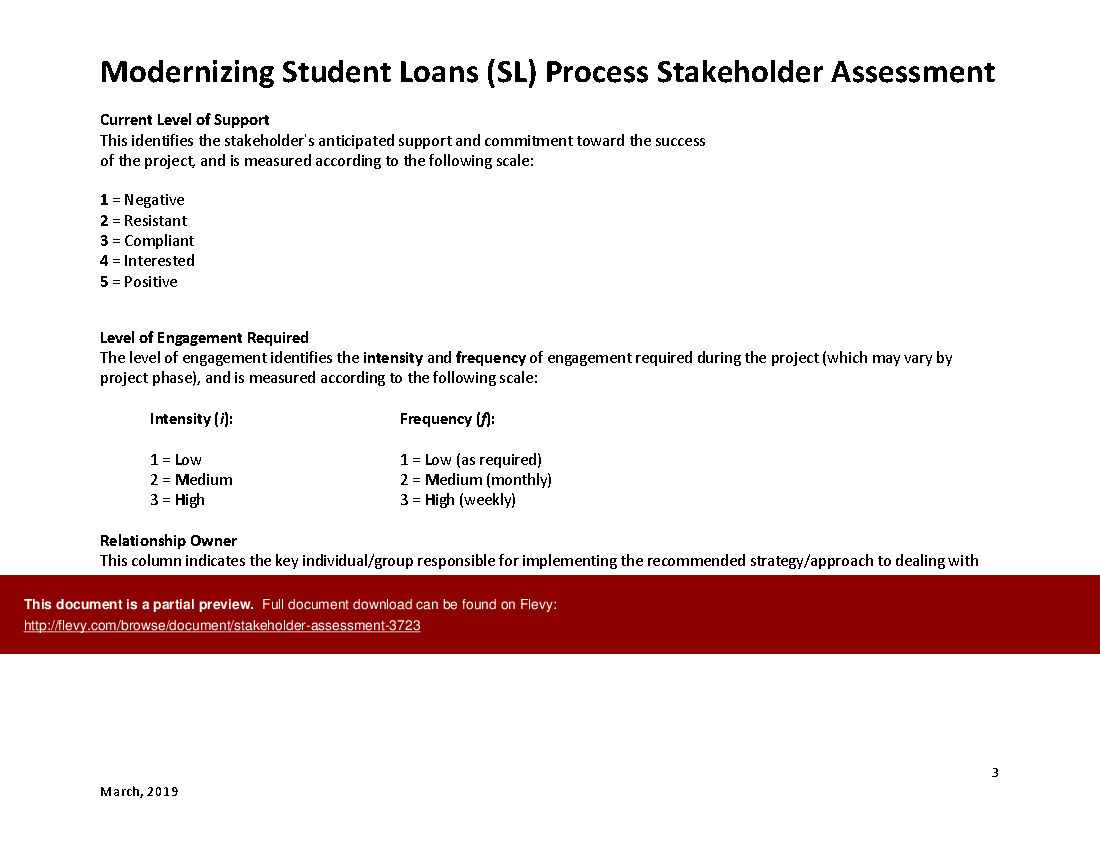
Stakeholders are assessed based on their level of influence, impact, current level of support, and the level of engagement required.

When should I conduct a stakeholder assessment?
It is best to conduct the assessment during the initial phases of project planning and before implementation to identify potential challenges and support.

What tools can I use for stakeholder engagement?
Various tools, including communication plans, engagement strategies, and risk assessment frameworks, can be utilized to enhance stakeholder involvement.

How do I address stakeholder concerns effectively?
Identify common barriers and develop tailored strategies that directly address their concerns while promoting project benefits.

What are the key initiatives in the student loan modernization project?
The key initiatives include Application Intake, Data Analytics, Institutional Dashboard, Student Dashboard, and Identity Management.

How can I measure stakeholder support over time?
Regularly assess stakeholder engagement through surveys, feedback sessions, and progress tracking against established metrics.

Glossary
•  Stakeholder - An individual or group with an interest in the outcome of a project.
•  Engagement - The process of involving stakeholders in project activities and decision-making.
•  Change Management - The approach to transitioning individuals, teams, and organizations to a desired future state.
•  Influence - The capacity of a stakeholder to affect project outcomes.
•  Impact - The degree to which a stakeholder is affected by project changes.
•  Support Level - The anticipated commitment of a stakeholder towards project success.
•  Engagement Strategy - A plan for how to interact with stakeholders to ensure their involvement and support.
•  Assessment Template - A structured tool for evaluating stakeholder characteristics and needs.
•  Initiative - A specific project or program aimed at achieving a defined goal.
•  Barriers - Challenges or obstacles that may hinder stakeholder support or engagement.
•  Enablers - Factors that facilitate stakeholder involvement and commitment.
•  Feedback - Information provided by stakeholders regarding their perceptions and concerns.
•  Metrics - Standards or measures used to assess stakeholder engagement and project success.
•  Communication Plan - A strategy for disseminating information to stakeholders throughout the project lifecycle.
•  Risk Assessment - The process of identifying and evaluating potential risks to stakeholder support.
•  Buy-in - The acceptance and support of stakeholders for a project or initiative.
•  Stakeholder Group - A category of stakeholders with similar interests or characteristics.
•  Project Lifecycle - The series of phases that a project goes through from initiation to completion.
•  Technical Skills - The specific abilities required to perform tasks related to the project.
•  Senior Management - High-level executives responsible for strategic decision-making within an organization.
•  Expectations - The beliefs or assumptions stakeholders have regarding project outcomes.

Source: Best Practices in Stakeholder Management Word: Stakeholder Assessment Word (DOCM) Document, Ulis Transformation Solutions Inc.


$22.00

Add to Cart
  

ABOUT THE AUTHOR

Additional documents from author: 2

David Ulis has a long and significant record of leading enterprise transformations, business process engineering teams, technology implementations, management consulting initiatives, and in program and portfolio management of large complex organizational initiatives. David has over 40 years of private and public sector experience at the local, national and international levels. Thirty of these ... [read more]

Ask the Author a Question

You must be logged in to contact the author.

Click here to log in Click here register

Did you know?
The average daily rate of a McKinsey consultant is $6,625 (not including expenses). The average price of a Flevy document is $65.


Trusted by over 10,000+ Client Organizations
Since 2012, we have provided business templates to over 10,000 businesses and organizations of all sizes, from startups and small businesses to the Fortune 100, in over 130 countries.
AT&T GE Cisco Intel IBM Coke Dell Toyota HP Nike Samsung Microsoft Astrazeneca JP Morgan KPMG Walgreens Walmart 3M Kaiser Oracle SAP Google E&Y Volvo Bosch Merck Fedex Shell Amgen Eli Lilly Roche AIG Abbott Amazon PwC T-Mobile Broadcom Bayer Pearson Titleist ConEd Pfizer NTT Data Schwab


Read Customer Testimonials

 
"One of the great discoveries that I have made for my business is the Flevy library of training materials.

As a Lean Transformation Expert, I am always making presentations to clients on a variety of topics: Training, Transformation, Total Productive Maintenance, Culture, Coaching, Tools, Leadership Behavior, etc. Flevy "

– Ed Kemmerling, Senior Lean Transformation Expert at PMG
 
"FlevyPro provides business frameworks from many of the global giants in management consulting that allow you to provide best in class solutions for your clients."

– David Harris, Managing Director at Futures Strategy
 
"As a consulting firm, we had been creating subject matter training materials for our people and found the excellent materials on Flevy, which saved us 100's of hours of re-creating what already exists on the Flevy materials we purchased."

– Michael Evans, Managing Director at Newport LLC
 
"I have used FlevyPro for several business applications. It is a great complement to working with expensive consultants. The quality and effectiveness of the tools are of the highest standards."

– Moritz Bernhoerster, Global Sourcing Director at Fortune 500
 
"I have found Flevy to be an amazing resource and library of useful presentations for lean sigma, change management and so many other topics. This has reduced the time I need to spend on preparing for my performance consultation. The library is easily accessible and updates are regularly provided. A wealth of great information."

– Cynthia Howard RN, PhD, Executive Coach at Ei Leadership
 
"As a small business owner, the resource material available from FlevyPro has proven to be invaluable. The ability to search for material on demand based our project events and client requirements was great for me and proved very beneficial to my clients. Importantly, being able to easily edit and tailor "

– Michael Duff, Managing Director at Change Strategy (UK)
 
"As a young consulting firm, requests for input from clients vary and it's sometimes impossible to provide expert solutions across a broad spectrum of requirements. That was before I discovered Flevy.com.

Through subscription to this invaluable site of a plethora of topics that are key and crucial to consulting, I "

– Nishi Singh, Strategist and MD at NSP Consultants
 
"If you are looking for great resources to save time with your business presentations, Flevy is truly a value-added resource. Flevy has done all the work for you and we will continue to utilize Flevy as a source to extract up-to-date information and data for our virtual and onsite presentations!"

– Debbi Saffo, President at The NiKhar Group


Customers Also Like These Documents

Explore Templates on Related Management Topics


Your Recently Viewed Documents
Download our FREE Organization, Change, & Culture, Templates

Download our free compilation of 50+ slides and templates on Organizational Design, Change Management, and Corporate Culture. Methodologies include ADKAR, Burke-Litwin Change Model, McKinsey 7-S, Competing Values Framework, etc.