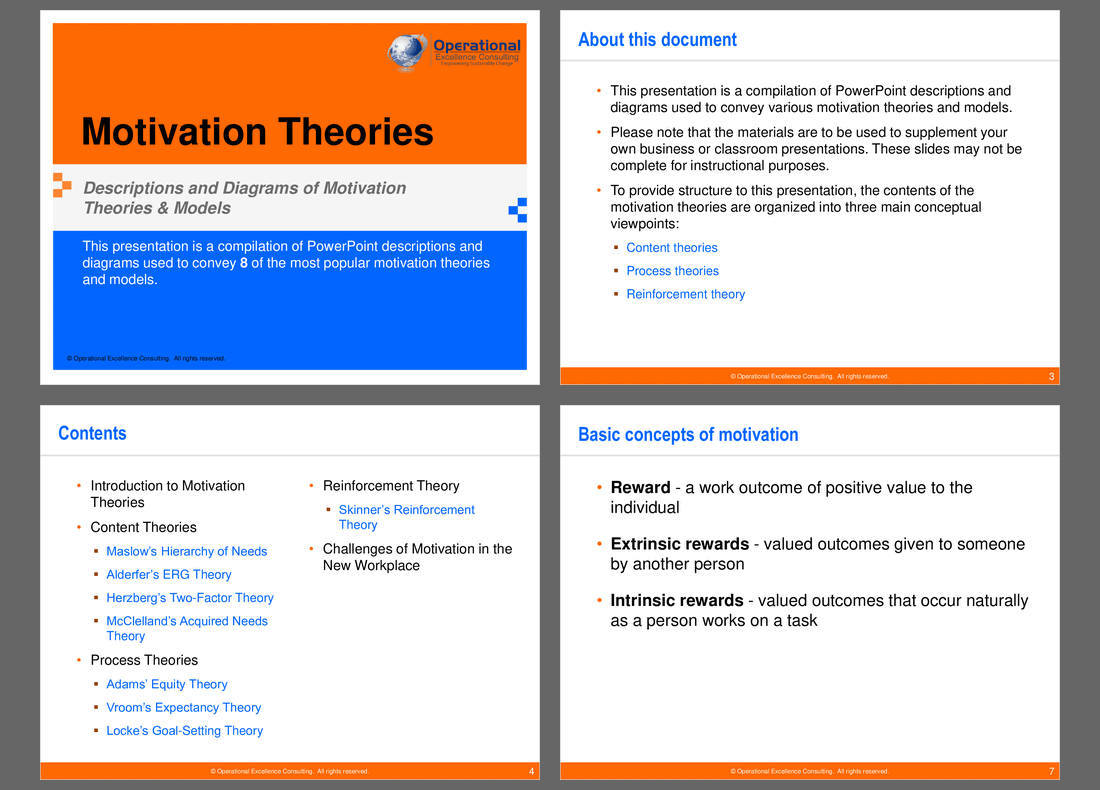

This presentation is a compilation of PowerPoint descriptions and diagrams used to convey eight of the most popular motivation theories and models.
Motivational strategies can help improve employee performance, reduce the chances of low employee morale, encourage teamwork and instill a positive attitude during challenging times.
Employees with a high level of motivation typically work harder and smarter and can overcome common workplace challenges with ease; this helps the organization reach its objectives and improve operations overall.
CONTENTS
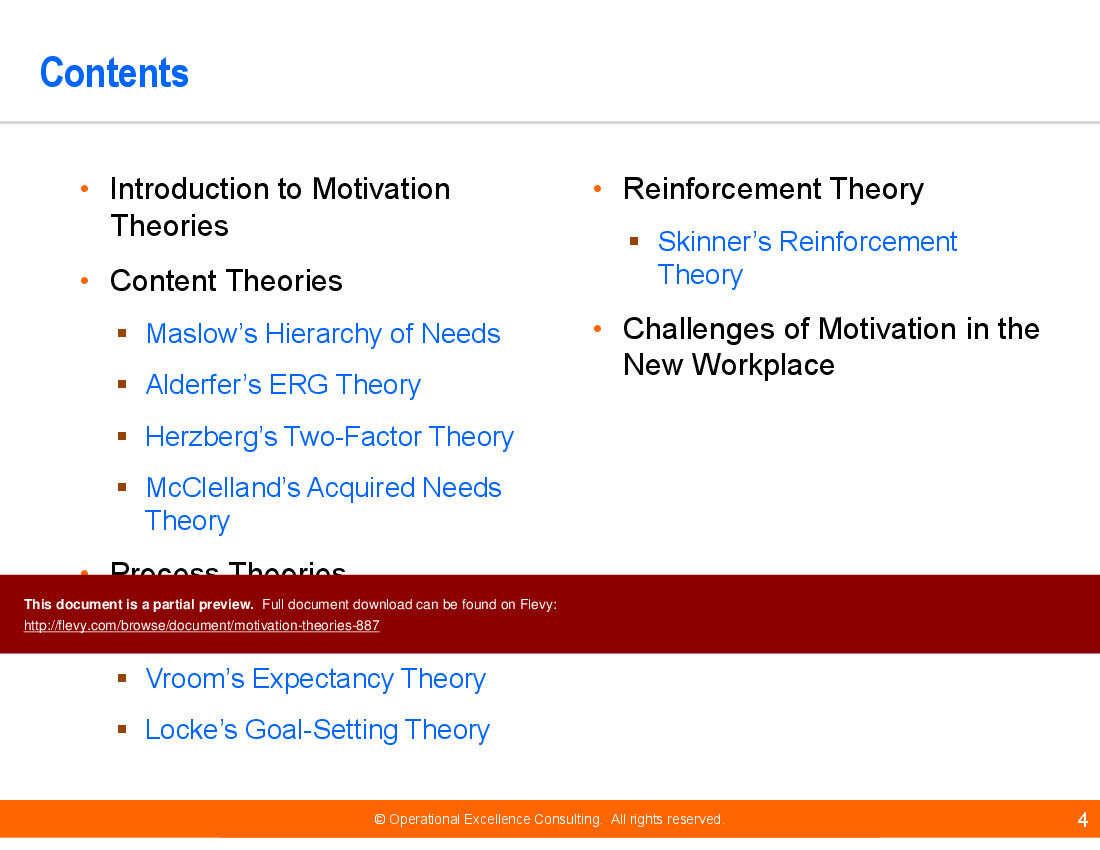
1. Introduction to Motivation Theories
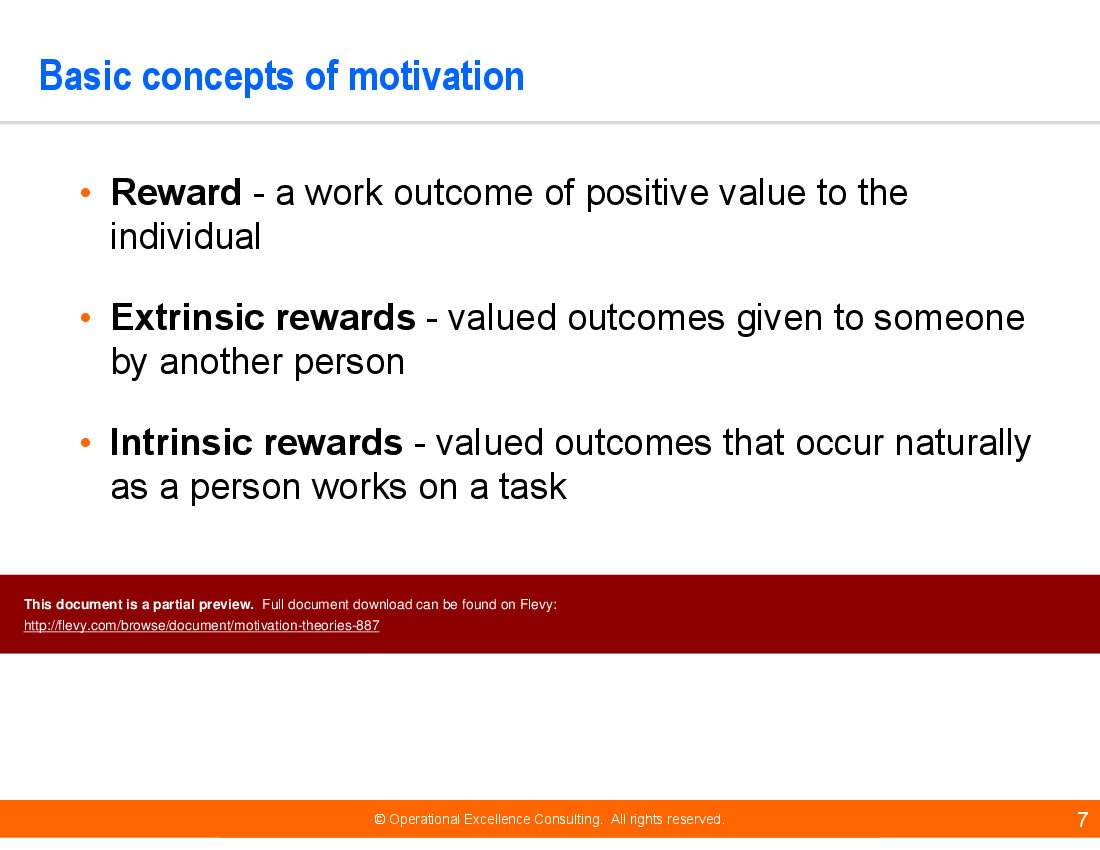
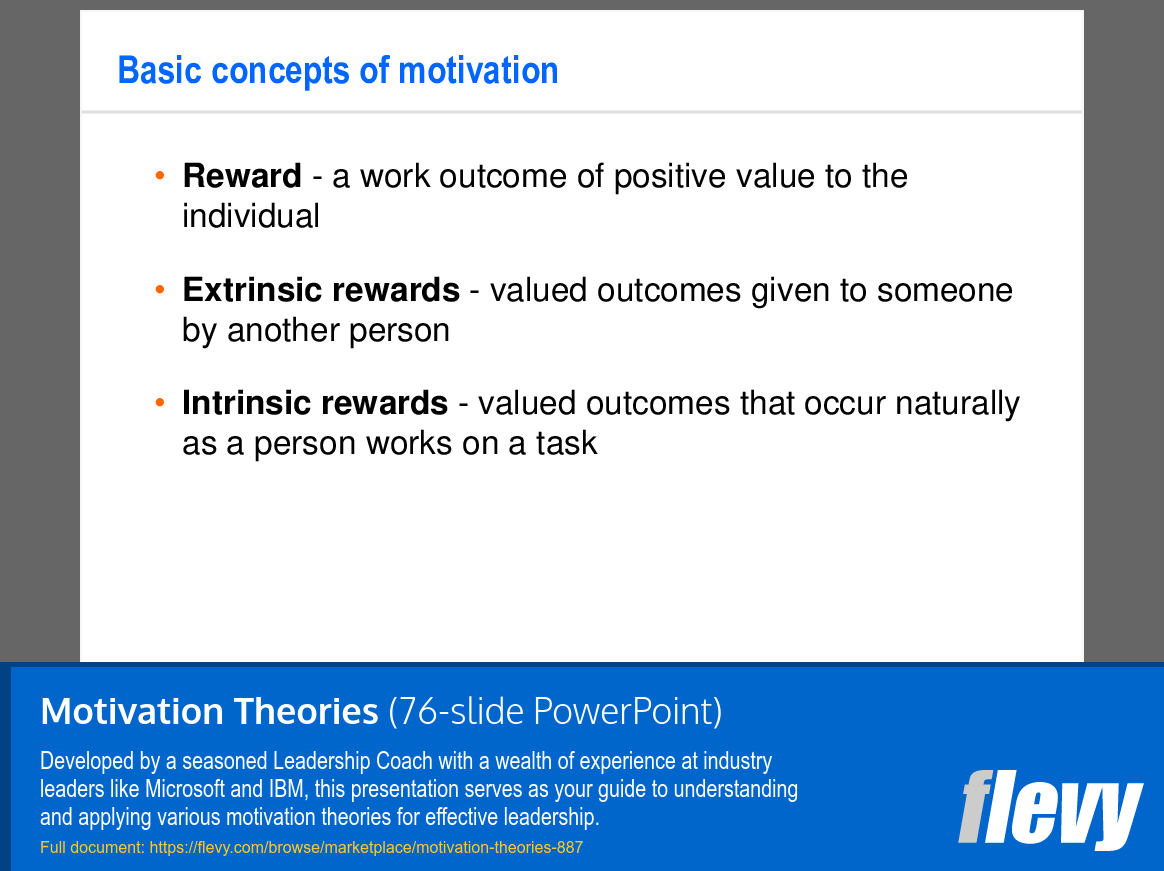
1.1 Basic concepts of motivation
1.2 Why is motivation important?
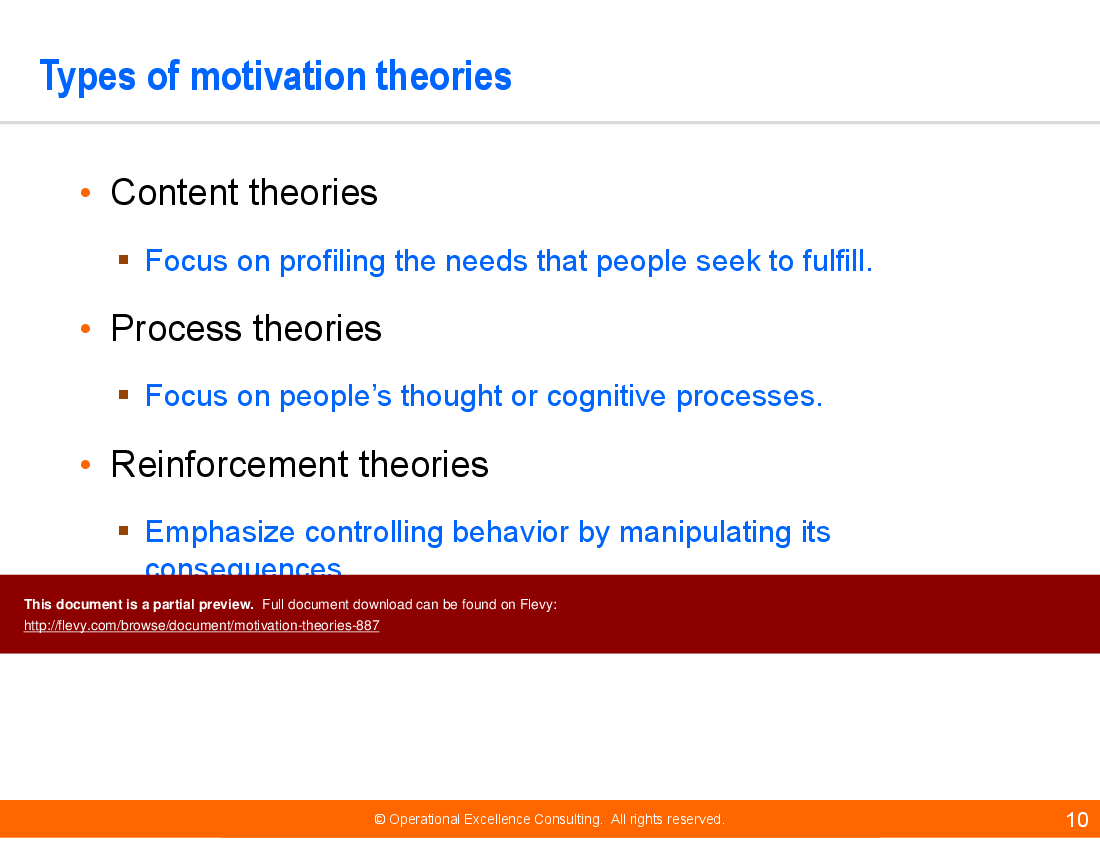
1.3 Types of motivation theories
2. Content Theories of Motivation
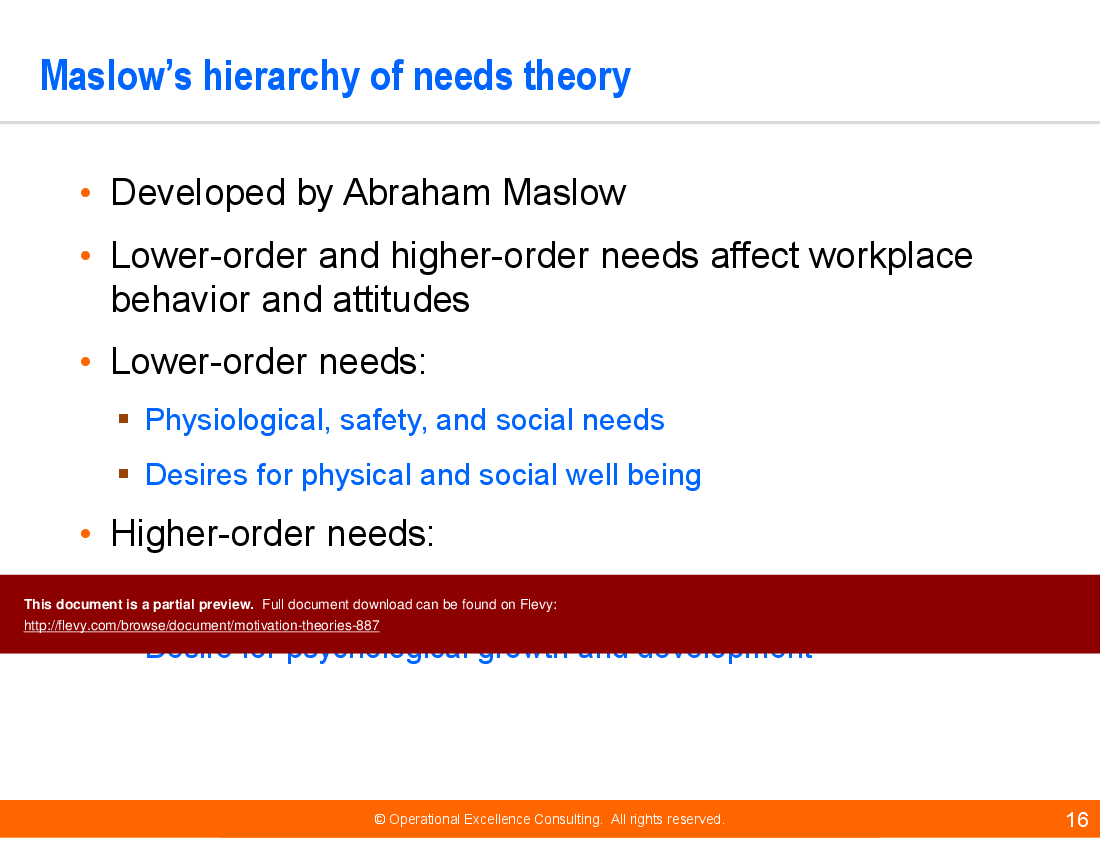
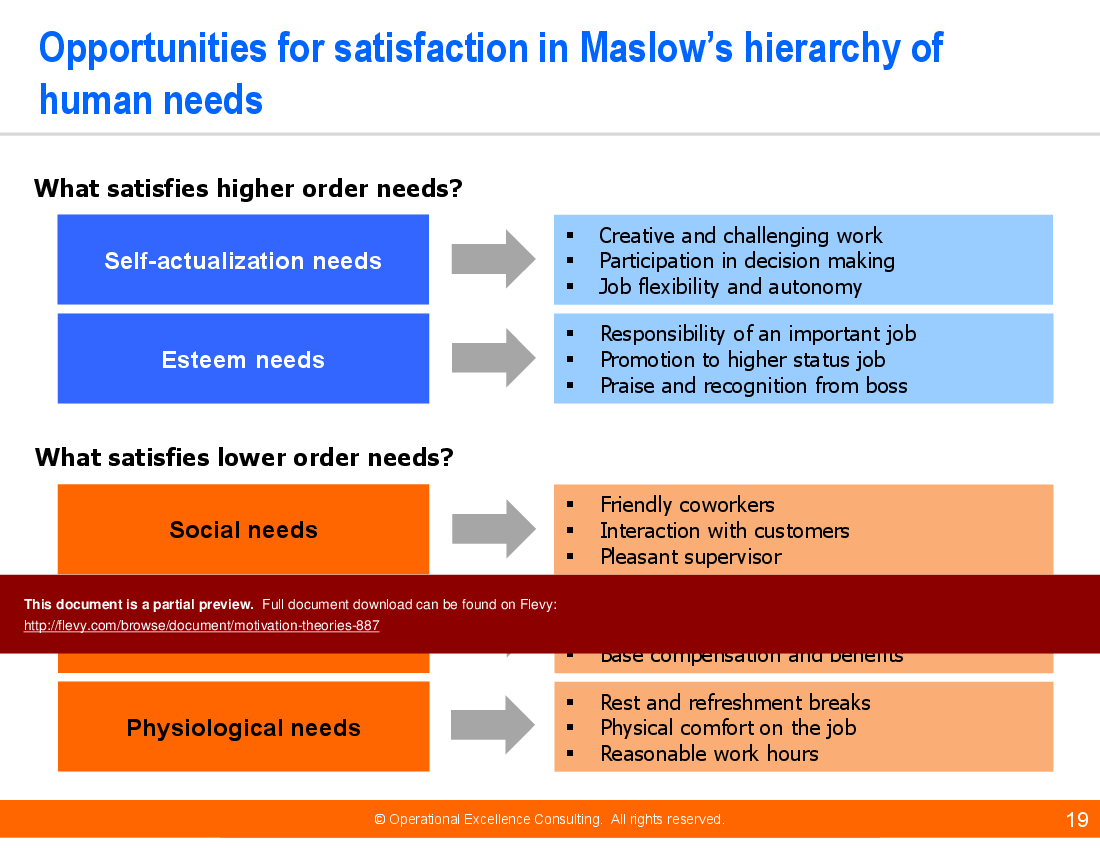
2.1 Maslow's Hierarchy of Needs
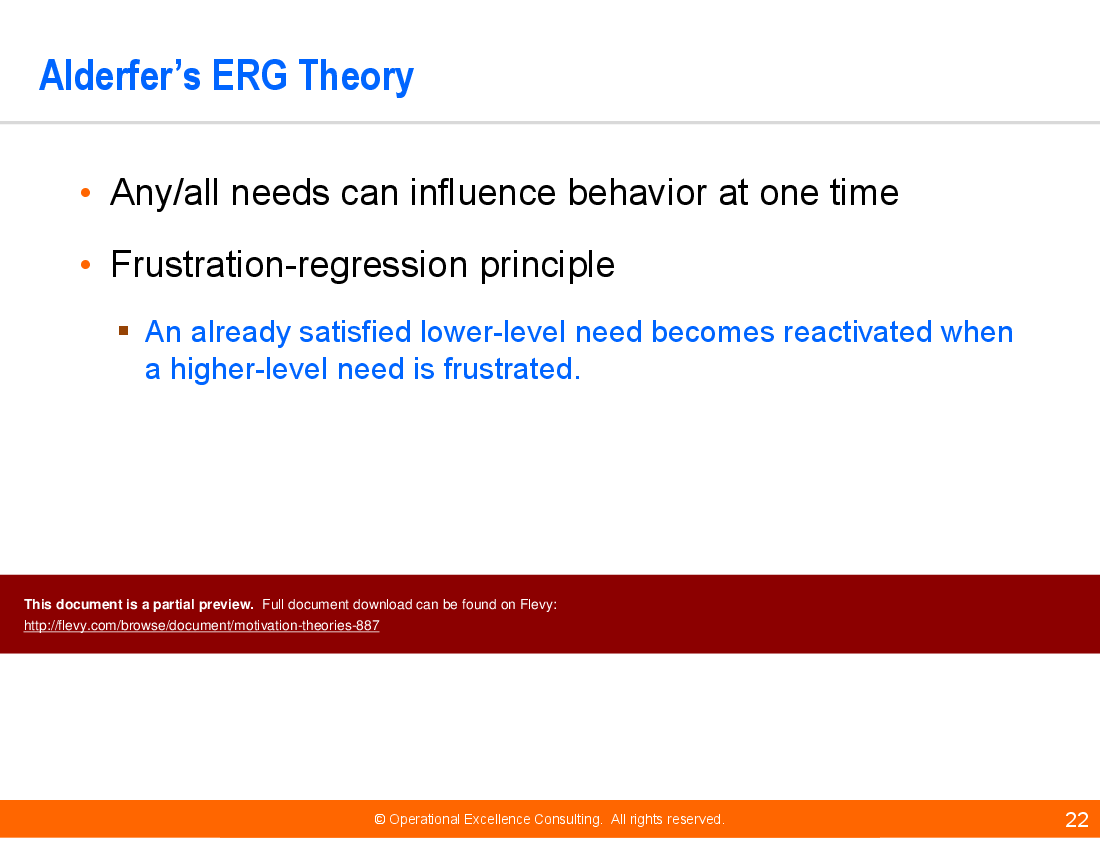
2.2 Alderfer's ERG Theory
2.3 Herzberg's Two-Factor Theory
2.4 McClelland's Acquired Needs Theory
3. Process Theories of Motivation
2.5 Adams' Equity Theory
2.6 Vroom's Expectancy Theory
2.7 Locke's Goal-Setting Theory
4. Reinforcement Theory of Motivation
4.1 Skinner's Reinforcement Theory
5. Challenges of Motivation in the New Workplace
This presentation includes motivation theories and models covering: Introduction to Motivation Theories, Content Theories, Process Theories, Reinforcement Theory, Abraham Maslow's Hierarchy of Needs, Clayton Alderfer's ERG Theory, Frederick Herzberg's Two-Factor Theory, David McClelland's Acquired Needs Theory, J. Stacy Adams' Equity Theory, Victor Vroom's Expectancy Theory, Edwin Locke's Goal-Setting Theory, B. F. Skinner's Reinforcement Theory and a final session that includes the challenges of motivation in today's workplaces.
This PPT delves into the core concepts of motivation, including intrinsic and extrinsic rewards, and explores various types of motivation theories such as content, process, and reinforcement theories. It also highlights the importance of understanding individual needs and how they influence workplace behavior. The presentation provides actionable insights into managerial implications of these theories, offering practical strategies for enhancing employee motivation and performance.


Got a question about the product? Email us at support@flevy.com or ask the author directly by using the "Ask the Author a Question" form. If you cannot view the preview above this document description, go here to view the large preview instead.
Executive Summary
This presentation on Motivation Theories offers a comprehensive exploration of eight prominent motivation models, designed to enhance understanding and application in leadership contexts. Developed by Operational Excellence Consulting, it provides structured insights into content theories, process theories, and reinforcement theory. The deck equips leaders and managers with the tools necessary to foster motivation within their teams, ultimately driving improved performance and organizational success.
Who This Is For and When to Use
• Corporate executives seeking to enhance team motivation and performance
• HR professionals focused on employee engagement strategies
• Team leaders aiming to implement motivational frameworks in their management practices
• Consultants advising organizations on motivation and performance improvement
Best-fit moments to use this deck:
• During leadership training sessions focused on employee motivation
• In workshops aimed at developing effective management strategies
• When designing performance improvement initiatives within teams
Learning Objectives
• Define key motivation theories and their relevance to workplace dynamics
• Analyze the differences between content, process, and reinforcement theories
• Apply various motivation models to real-world leadership scenarios
• Develop strategies to enhance employee motivation and satisfaction
• Identify challenges in motivating employees in contemporary work environments
• Create actionable plans for implementing motivational strategies within teams
Table of Contents
• Introduction to Motivation Theories (page 1)
• Content Theories (page 2)
• Process Theories (page 3)
• Reinforcement Theory (page 4)
• Challenges of Motivation in the New Workplace (page 5)
Primary Topics Covered
• Content Theories - Focus on the needs individuals seek to fulfill, including Maslow’s Hierarchy of Needs and Herzberg’s Two-Factor Theory.
• Process Theories - Examine cognitive processes influencing motivation, such as Adams’ Equity Theory and Vroom’s Expectancy Theory.
• Reinforcement Theory - Discusses how external consequences affect behavior, emphasizing B.F. Skinner's operant conditioning.
• Motivation Challenges - Addresses contemporary issues in motivating employees, including pay-for-performance and incentive compensation systems.
Deliverables, Templates, and Tools
• Diagrams illustrating key motivation theories for easy reference
• Frameworks for applying motivation theories in organizational contexts
• Templates for assessing employee motivation and satisfaction levels
• Guidelines for implementing motivational strategies effectively
Slide Highlights
• Overview of Maslow’s Hierarchy of Needs with practical applications
• Visual representation of Alderfer’s ERG Theory emphasizing need levels
• Key components of Herzberg’s Two-Factor Theory and their implications for job satisfaction
• Summary of Vroom’s Expectancy Theory showcasing the relationship between effort and outcomes
Potential Workshop Agenda
Understanding Motivation Theories (60 minutes)
• Introduce key motivation theories and their significance
• Discuss application of theories in leadership
Applying Theories to Practice (90 minutes)
• Breakout sessions to develop strategies using motivation theories
• Group presentations on proposed strategies
Challenges in Motivation (60 minutes)
• Explore contemporary challenges in motivating employees
• Discuss solutions and best practices
Customization Guidance
• Tailor examples and case studies to reflect your organization’s specific context
• Adjust terminology to align with your company’s culture and values
• Incorporate internal metrics and KPIs relevant to your team’s performance
Secondary Topics Covered
• The impact of intrinsic and extrinsic rewards on motivation
• The role of job design in enhancing employee engagement
• Strategies for addressing inequities in employee treatmentDocument FAQ
What are the main types of motivation theories?
There are 3 main types: content theories, which focus on individual needs; process theories, which examine cognitive processes; and reinforcement theories, which emphasize behavior control through consequences.
How can I apply these theories in my organization?
Utilize the frameworks provided in the presentation to assess your team's motivation levels and implement strategies tailored to their needs.
What challenges might I face when implementing motivational strategies?
Common challenges include resistance to change, varying employee needs, and inconsistencies in reward systems.
How do I measure the effectiveness of motivational strategies?
Track employee performance metrics, conduct satisfaction surveys, and assess engagement levels to evaluate the impact of implemented strategies.
Can these theories be integrated into existing training programs?
Yes, the theories can be seamlessly incorporated into leadership and employee training programs to enhance overall effectiveness.
What role does leadership play in employee motivation?
Leaders are crucial in fostering a motivational environment by recognizing individual needs, providing feedback, and aligning rewards with performance.
How can I ensure equity in motivation practices?
Communicate transparently about reward systems, involve employees in goal-setting, and regularly assess perceptions of fairness.
What is the significance of intrinsic vs. extrinsic rewards?
Intrinsic rewards foster personal satisfaction and engagement, while extrinsic rewards can incentivize performance, but may not sustain long-term motivation.
Glossary
• Motivation - Forces within an individual that influence effort and persistence at work.
• Content Theories - Theories focusing on the needs individuals seek to fulfill.
• Process Theories - Theories examining cognitive processes influencing motivation.
• Reinforcement Theory - Theory emphasizing behavior control through external consequences.
• Maslow’s Hierarchy of Needs - A model outlining the progression of human needs from basic to self-actualization.
• Herzberg’s Two-Factor Theory - A theory distinguishing between hygiene factors and motivators affecting job satisfaction.
• Equity Theory - A theory focusing on fairness in work outcomes relative to inputs.
• Expectancy Theory - A theory that links effort, performance, and outcomes.
• Goal-Setting Theory - A theory emphasizing the motivational power of setting specific and challenging goals.
• Intrinsic Rewards - Rewards that occur naturally as a person engages in a task.
• Extrinsic Rewards - Rewards given by others, such as bonuses or recognition.
• Operant Conditioning - A method of learning that employs rewards and punishments for behavior modification.
• Job Design - The process of structuring work to enhance motivation and satisfaction.
• Pay-for-Performance - A compensation strategy that rewards employees based on their performance.
• Incentive Compensation - Payment systems designed to motivate employees to achieve specific performance targets.
• Skill-Based Pay - Compensation linked to the number of job-relevant skills an employee masters.
• Gain-Sharing Plans - Compensation plans where employees share in the savings from improved productivity.
• Employee Stock Ownership Plans - Programs that provide employees with ownership interest in the company.
• Merit Pay - Pay increases awarded based on individual performance contributions.
Source: Best Practices in Business Framework PowerPoint Diagrams, Motivation PowerPoint Slides: Motivation Theories PowerPoint (PPTX) Presentation Slide Deck, Operational Excellence Consulting
|
Receive our FREE Primer on Lean Management
This 32-page presentation from Operational Excellence Consulting explains the Lean Management philosophy, based on the Toyota Production System (TPS). Learn to eliminate waste. |