 Click main image to view in full screen.
Water Operational Continuity Shift – PDF
PDF document 17 Pages


BENEFITS OF THIS DOWNLOADABLE PDF DOCUMENT
- Provides a structured framework for assessing whether essential water services can continue when digital control, SCADA, connectivity, or other critical digital capabilities are degraded or unavailable.
- Helps executives identify critical digital dependencies, continuity gaps, and priority areas for redundancy, localization, fallback capability, and operational resilience investment.
- Provides reusable diagnostic and decision frameworks that can support executive workshops, resilience assessments, strategic planning, and continuity improvement programs.
ENERGY INDUSTRY PDF DESCRIPTION
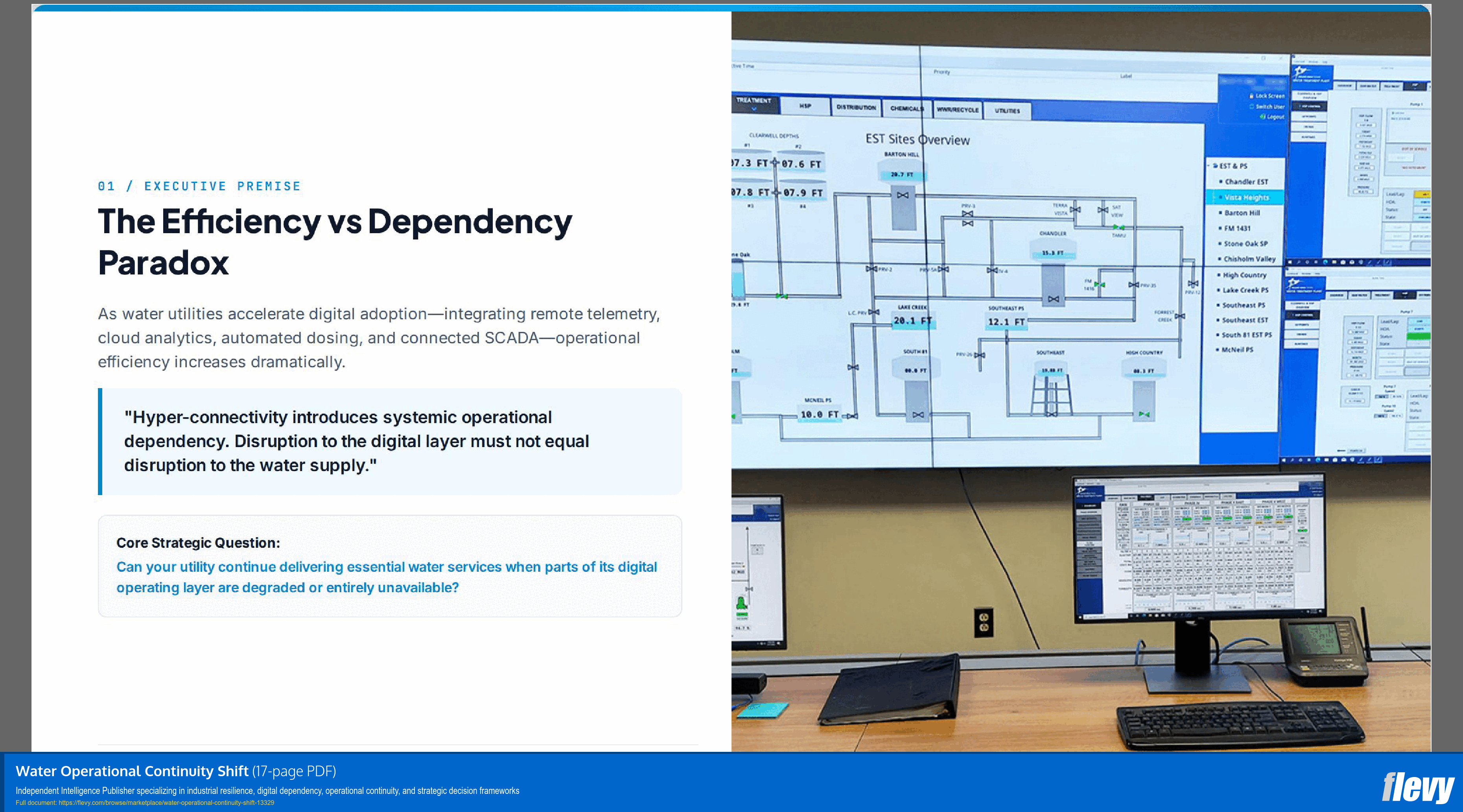
Water infrastructure is becoming increasingly dependent on digital control systems, remote connectivity, automated processes, cloud services, and connected operational technologies. This creates a strategic question that conventional cybersecurity assessments often fail to answer: what happens to essential water service when the digital operating layer becomes unavailable?
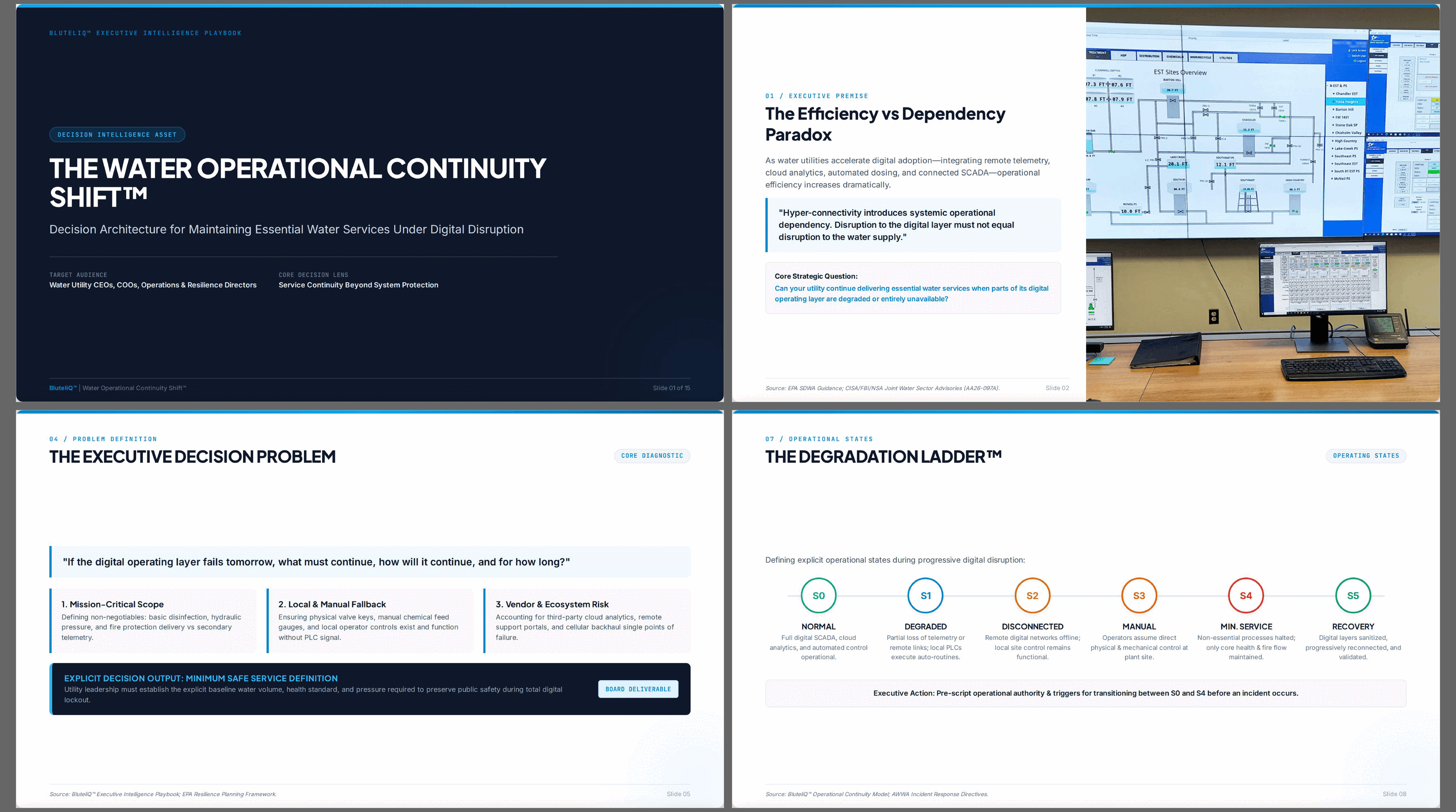
The Water Operational Continuity Shift is an Executive Intelligence Playbook designed to help water utilities, infrastructure operators, technology leaders, and risk decision-makers assess and strengthen operational continuity when digital capabilities are degraded, disconnected, or unavailable.
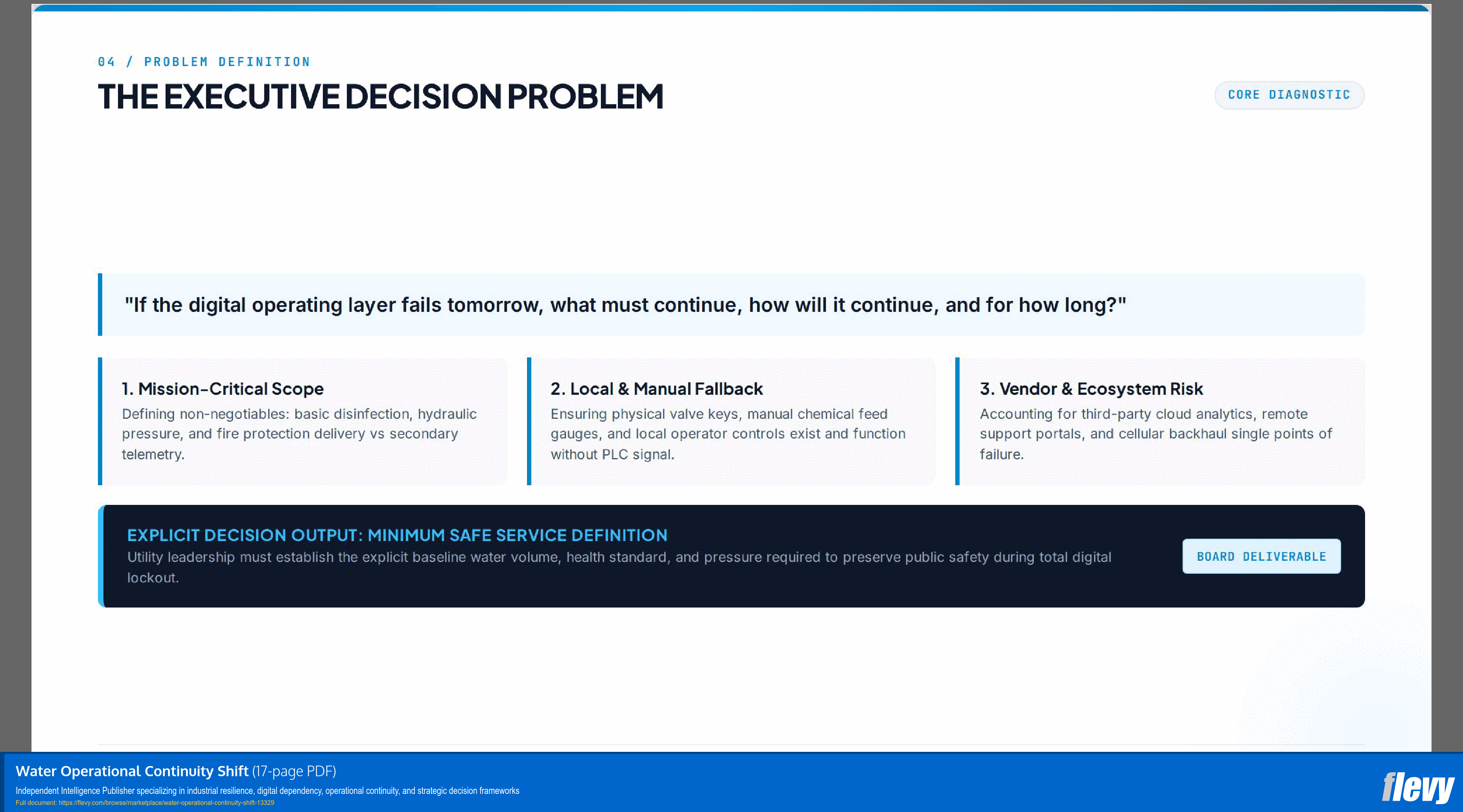
The playbook shifts the discussion from cybersecurity protection alone toward operational continuity under digital disruption. Instead of asking only how systems can be secured, it asks what essential services must continue, which digital dependencies can become single points of failure, what fallback capabilities exist, and whether those capabilities have actually been tested.
The playbook introduces a structured decision architecture covering:
Water Continuity Architecture™ – SENSE → CONTROL → OPERATE → COMMUNICATE → RECOVER.
Digital Dependency Map™ – classification of operational dependence from independent capability through critical digital dependency.
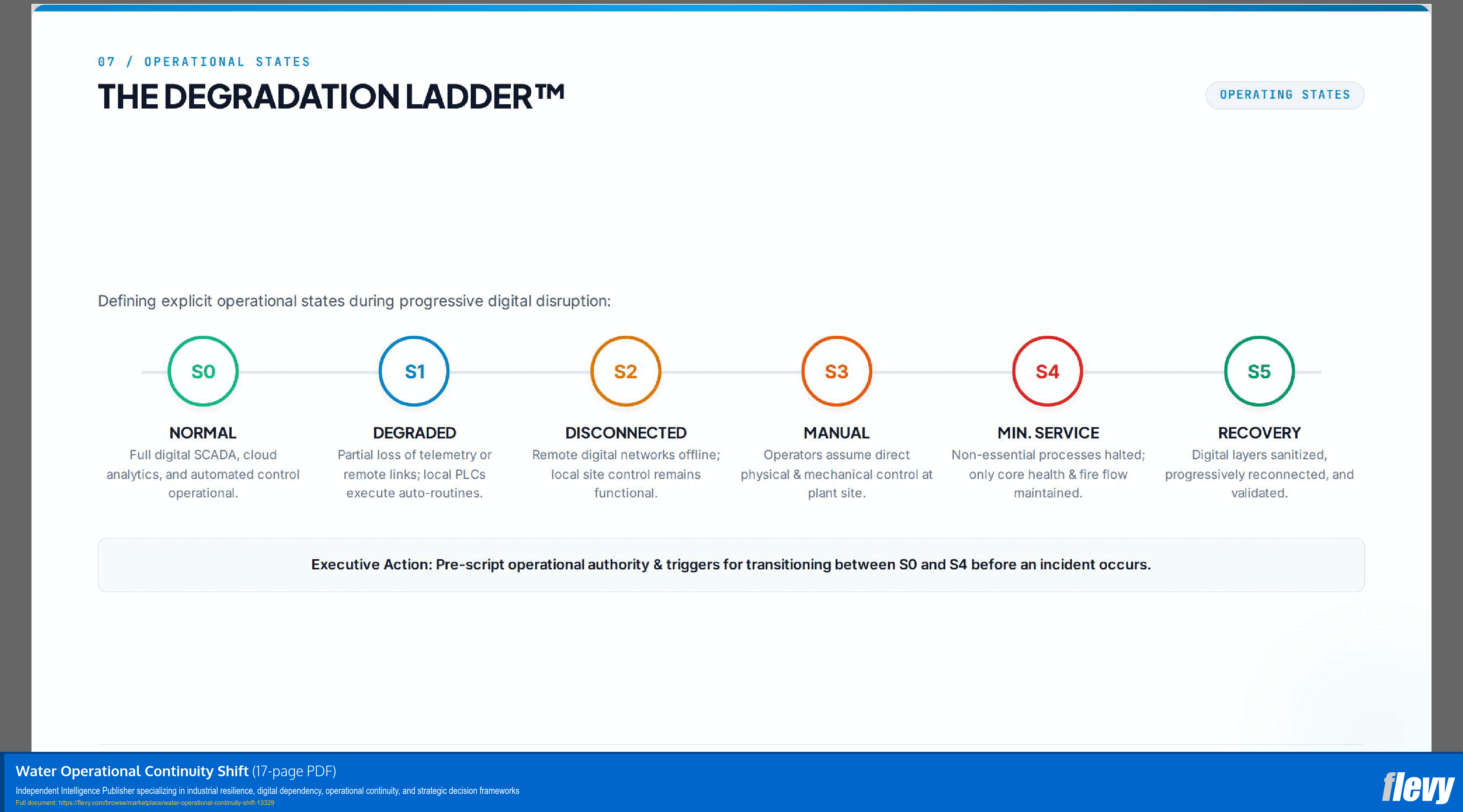
Degradation Ladder™ – a structured view of how operational capability can deteriorate as digital systems become unavailable.
Continuity Gap™ – a method for identifying the difference between required minimum service and actual degraded-mode capability.
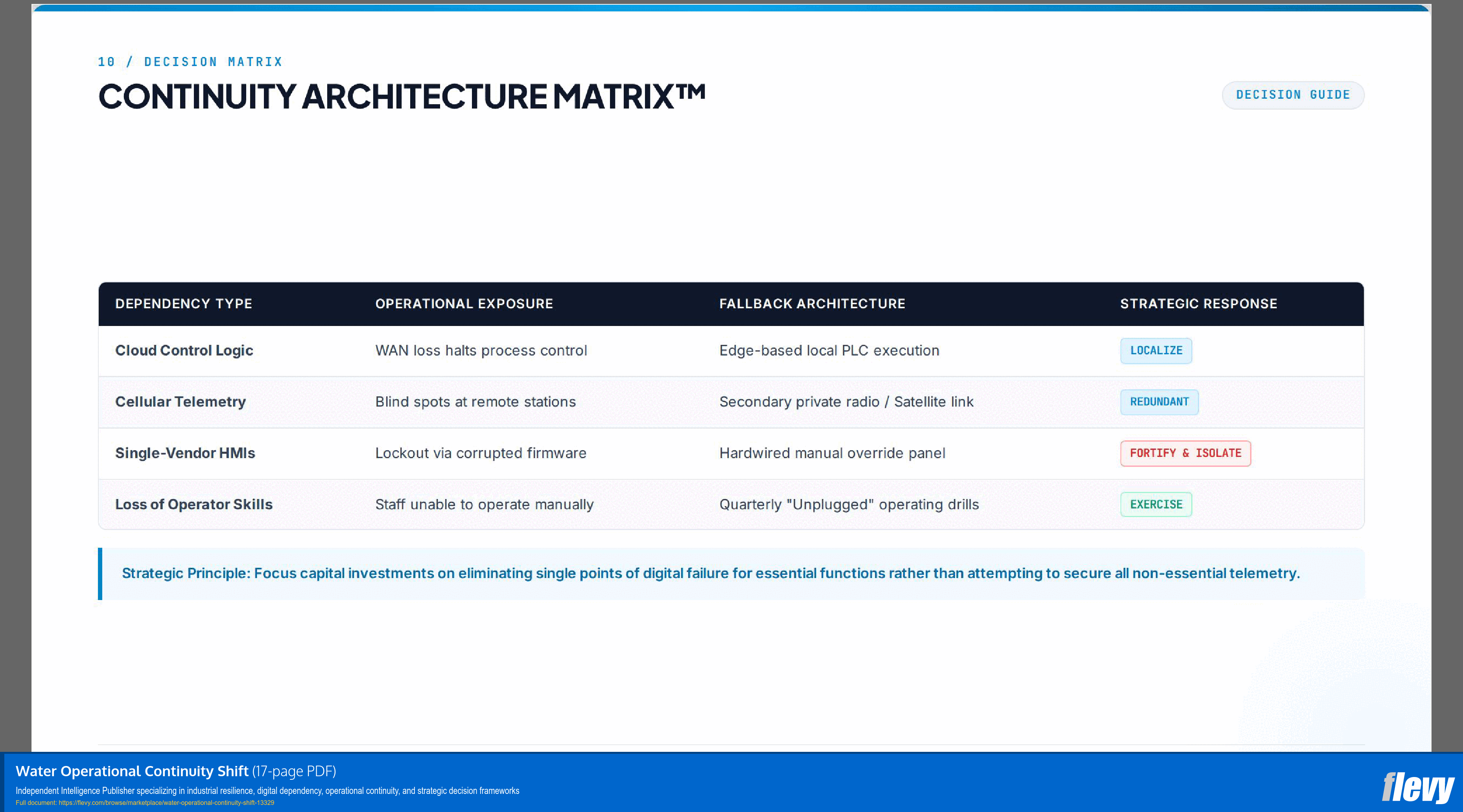
Continuity Architecture Matrix™ – translates operational dependencies into strategic responses including Fortify, Redundant, Localize, and Exercise.
Water Continuity Scorecard™ – provides a structured diagnostic for evaluating continuity vulnerability across critical operational dimensions.
The playbook is designed around practical executive questions:
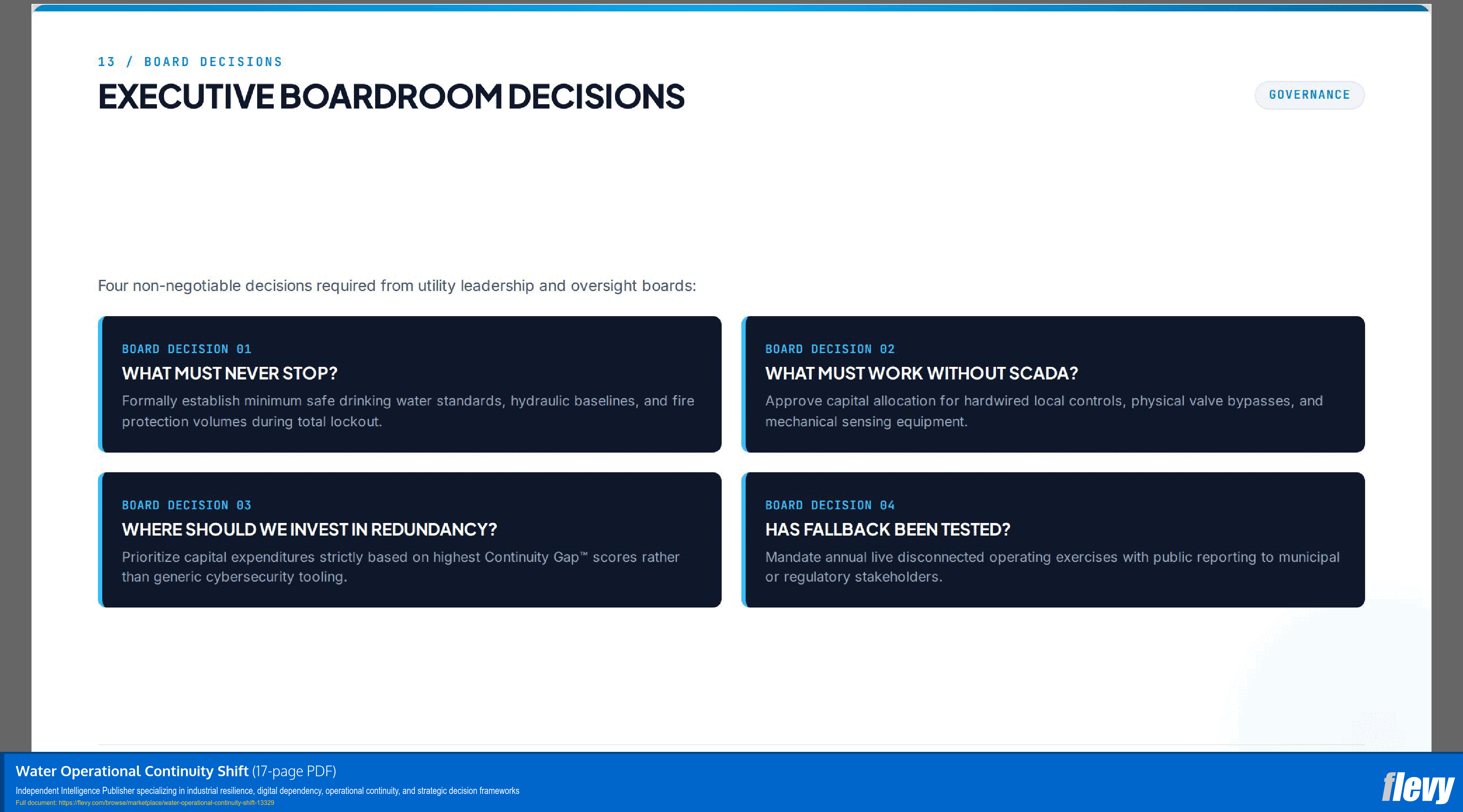
What essential water services must never stop?
What must continue if SCADA or remote digital control becomes unavailable?
Which digital dependencies represent critical operational exposure?
Where should redundancy, localization, or fallback capability be prioritized?
Has degraded-mode operation actually been tested?
What should management address in the next 30, 90, 180, and 24 months?
The analysis connects digital dependency, operational technology, automation, communications, human capability, infrastructure resilience, and emergency operating capability into a single decision framework.
The Water Operational Continuity Shift is particularly relevant to water and wastewater utilities, infrastructure operators, engineering and operations leaders, CIO/CTO organizations, risk and resilience functions, cybersecurity leaders, and executives responsible for continuity of essential services.
This PowerPoint-based Executive Intelligence Playbook can be used as a management discussion tool, operational resilience assessment framework, executive workshop foundation, strategic planning input, or starting point for developing a utility-specific continuity program.
The central principle is straightforward: a resilient water utility is not one that never loses digital control; it is one that can lose digital control without losing essential water service.
Got a question about the product? Email us at support@flevy.com or ask the author directly by using the "Ask the Author a Question" form. If you cannot view the preview above this document description, go here to view the large preview instead.
Source: Best Practices in Energy Industry PDF: Water Operational Continuity Shift PDF (PDF) Document, Wisnu Pandega Wardana
ABOUT THE AUTHOR

I am an independent Industrial Intelligence and Strategic Innovation Publisher focused on developing structured business intelligence, innovation frameworks, and opportunity-oriented research for decision-makers.
My work focuses on translating emerging technologies, industrial transformation, sustainability, resource efficiency, and market shifts into structured intelligence assets that
... [read more]
Ask the Author a Question
You must be logged in to contact the author.




























