
 Click main image to view in full screen. Unlock all 15 preview images:
Water as a Service (WaaS) – 10 Year Financial Model – Excel XLSX
Excel (XLSX)


BENEFITS OF THIS DOWNLOADABLE EXCEL DOCUMENT
- Provides a robust financial framework to assess viability, optimize returns, and guide sustainable infrastructure development
UTILITIES INDUSTRY EXCEL DESCRIPTION
A Water as a Service (WaaS) project is a delivery model where a provider designs, finances, installs, and operates water infrastructure—such as treatment systems, recycling plants, desalination units, or smart metering—for a customer or municipality, typically with little or no upfront capital required from the end user. Instead of purchasing equipment, the customer pays an ongoing service fee based on performance metrics like water volume supplied, quality standards achieved, uptime, or cost savings. This structure shifts operational and technology risk to the service provider while enabling reliable, compliant water access and long-term efficiency improvements.
This 10-year Water as a Service (WaaS) financial model is designed to evaluate the commercial viability of supplying treated water through a long-term service contract rather than a one-time equipment sale. The model incorporates technical production volumes, take-or-pay revenue mechanics, KPI-based performance adjustments, detailed operating costs, capex and development budget assumptions, financing structure, and investor return metrics, providing a practical tool for feasibility analysis, funding discussions, and project decision-making.
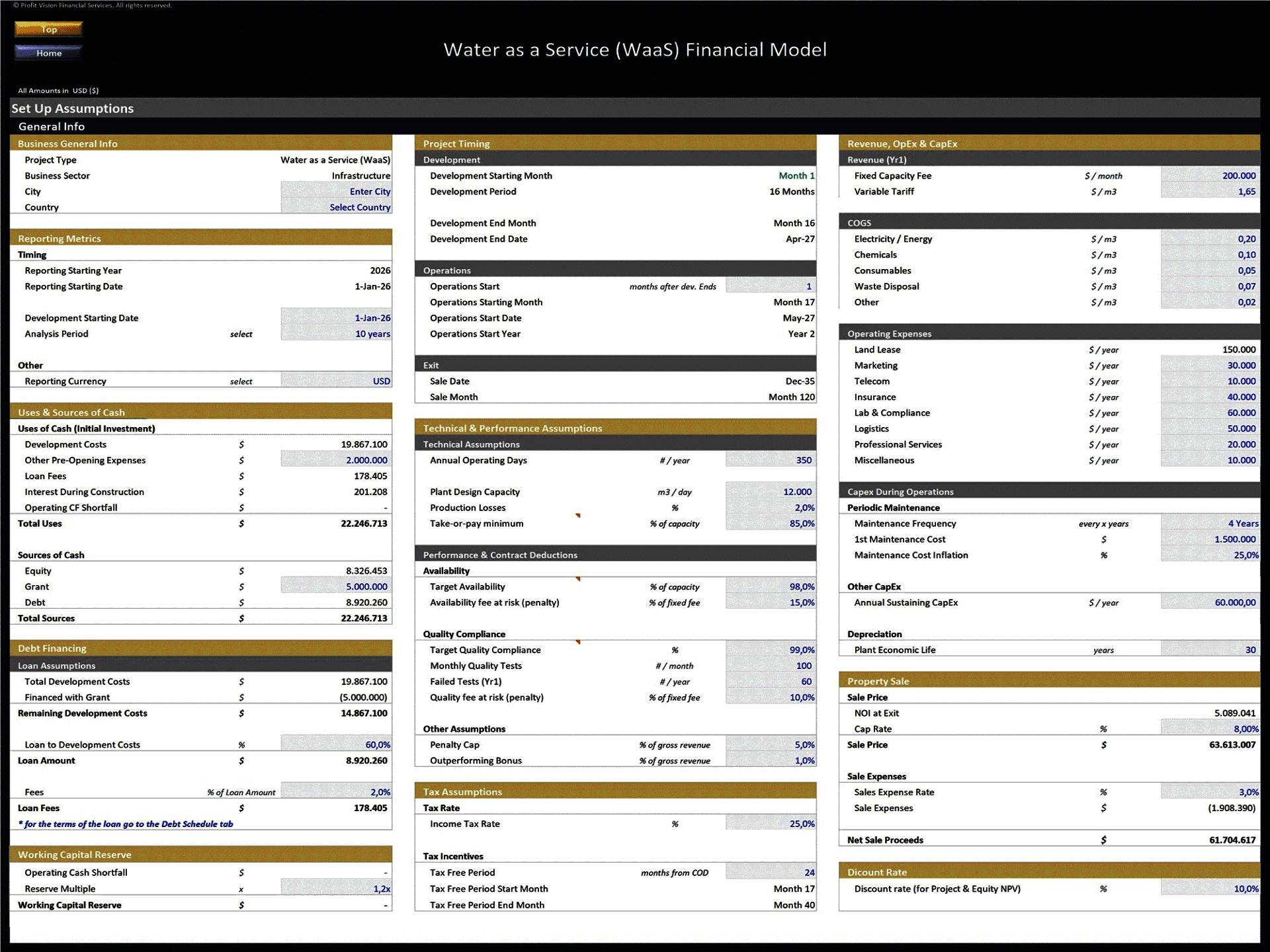
The model includes assumptions and calculations of Startup Costs, Plant Techincal Assumptions (Design Capacity, Production Losses, Utilization rates, Take-or-Pay revenue), Availability and Quality Compliance Performance Adjustments, Revenue (Fixed Capacity Fee, Variable Tariff), Cost of Sales, Payroll, Operating Expenses, CapEx during Operations & Depreciation, Financing through Debt, Equity & Government Grant and Exit Valuation assumptions in case of a potential sale of the business.
The model follows Financial Modeling Best Practices principles and is fully customizable.
Detailed instructions for the functionality of the model are included in the Excel file.
Model Inputs and Setup Reports:
• Plant Technical & Performance Assumptions
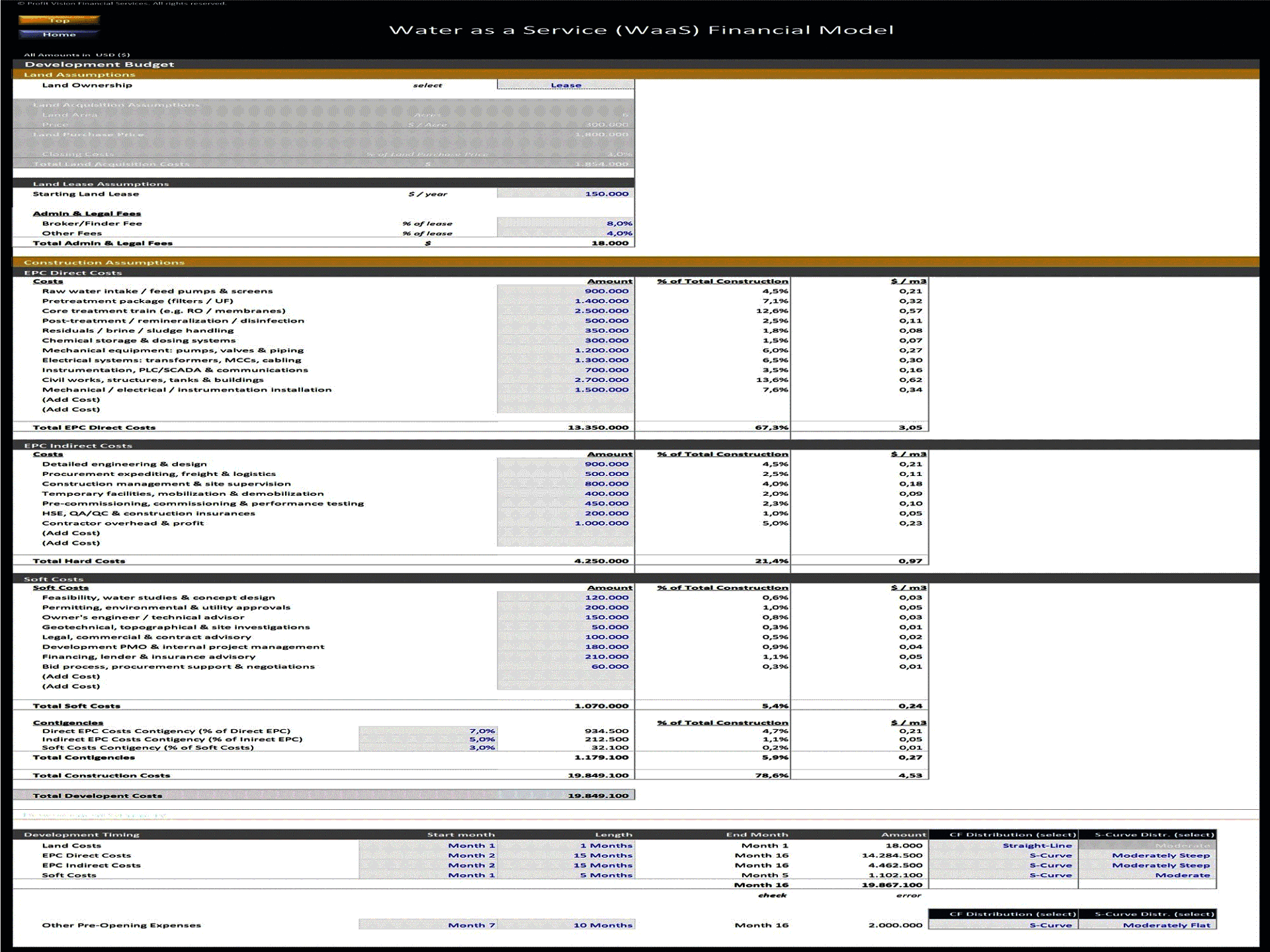
• Development Budget including Land Costs, EPC Direct & Indirect Costs, Soft Costs and Development timing assumptions
• Revenue from Fixed Capacity Fees and Varable Tariff
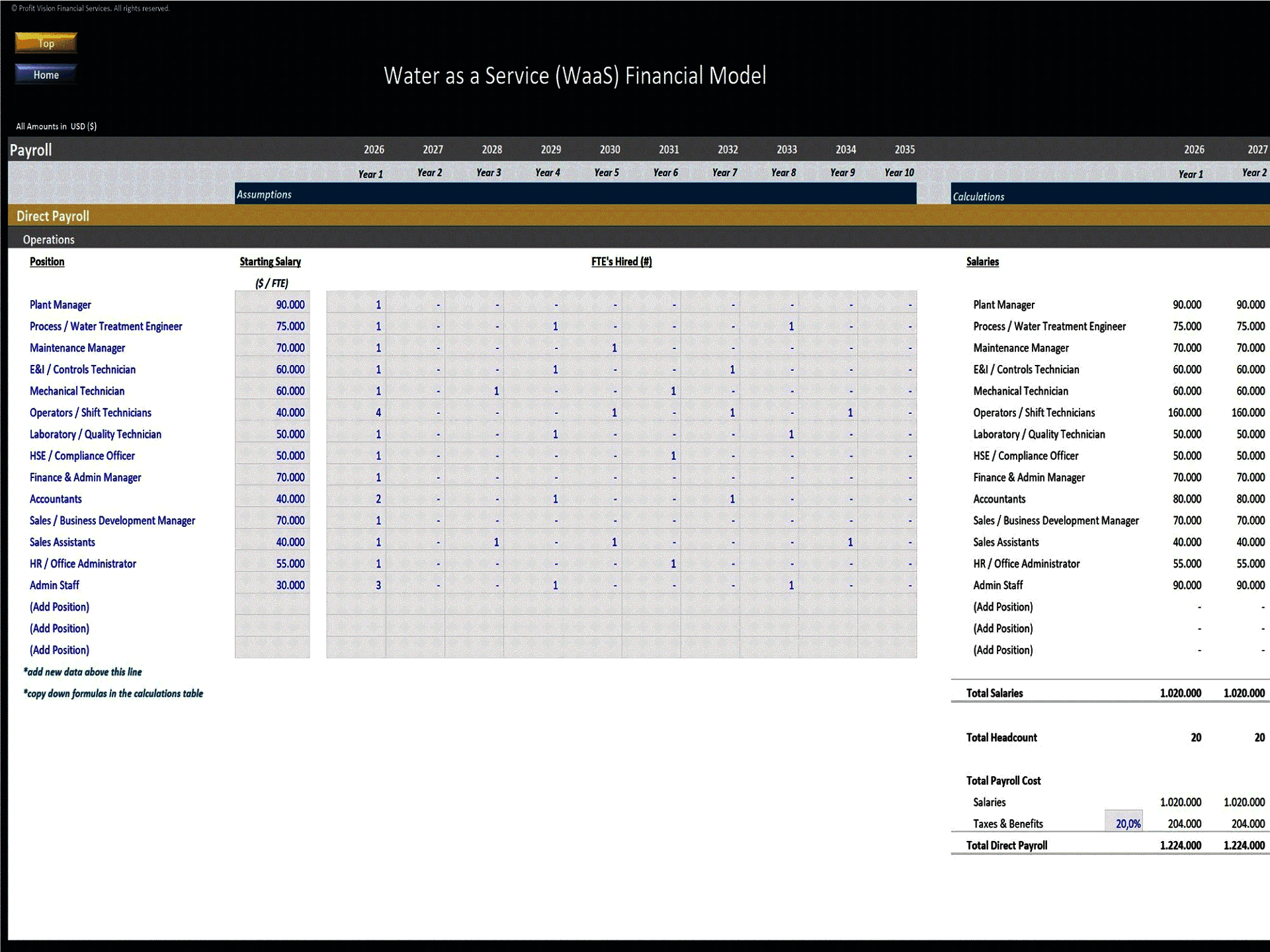
• Payroll, OpEx & CapEx during operations Assumptions
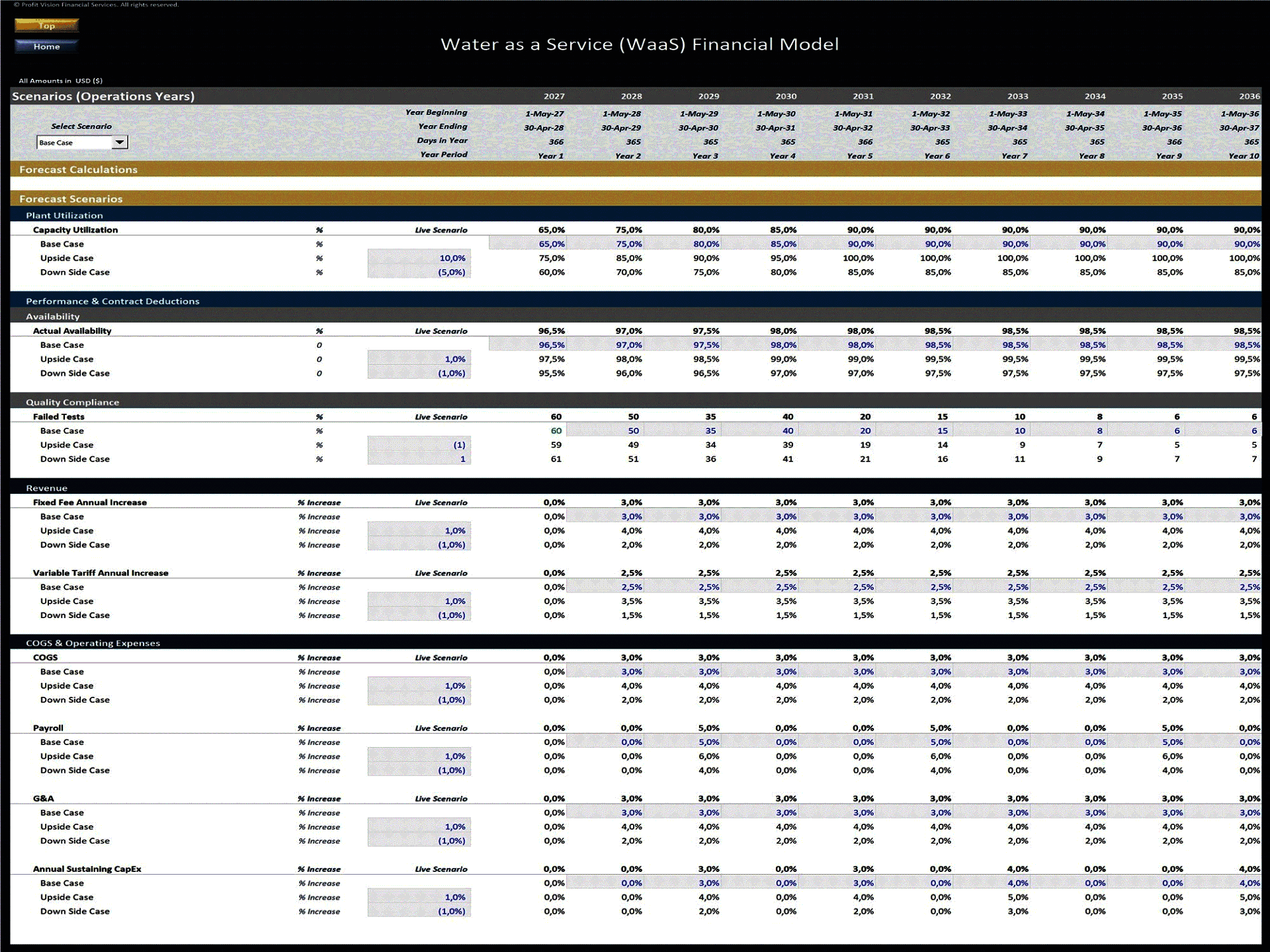
• Forecast Scenarios
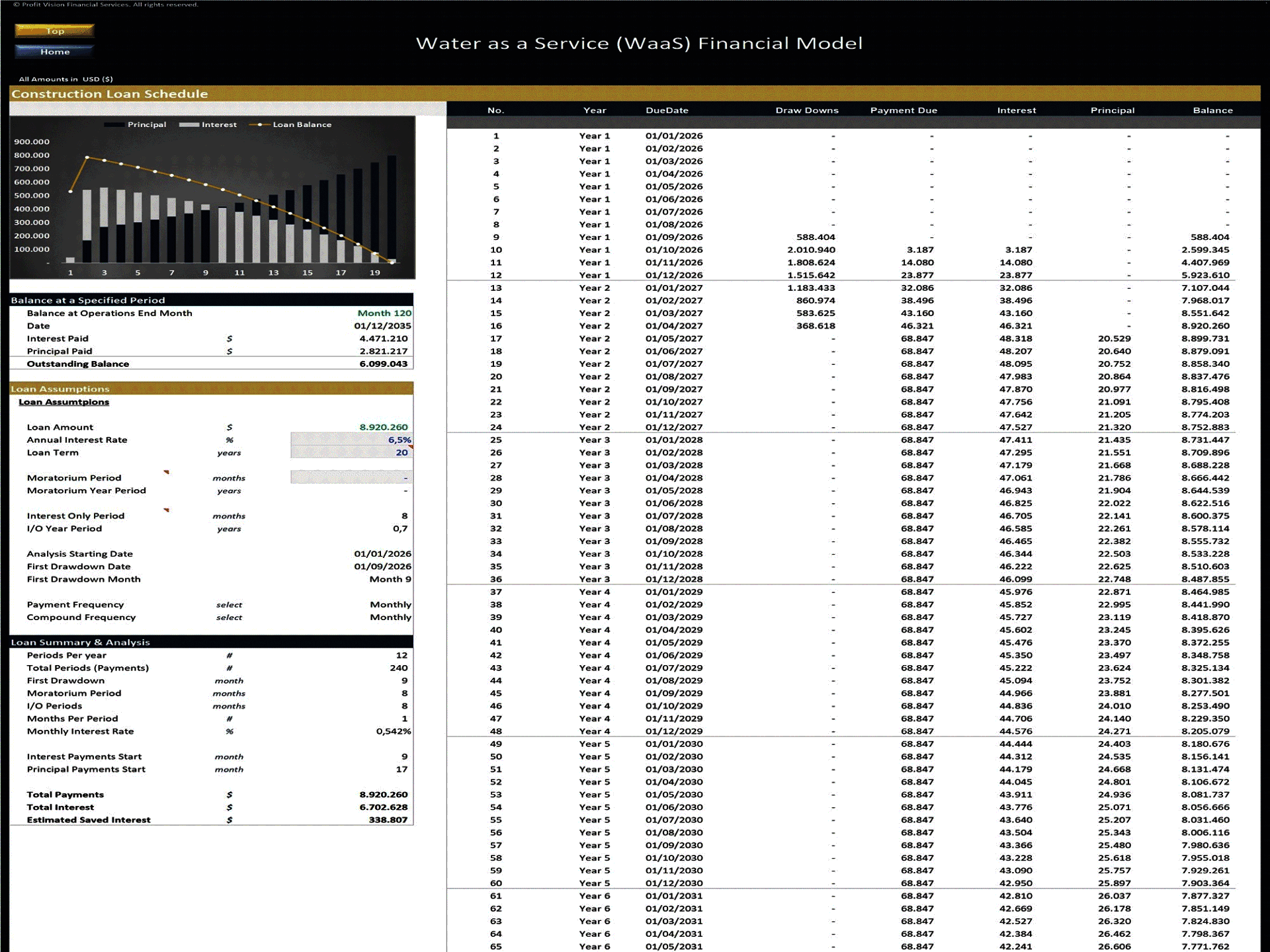
• Financing & Capital Structure – Uses & Sources of Cash analysis (Financing through Debt, Equity & Government Grant)
• Valuation & Exit Assumptions (Exit Multiple, Discount Rate)
Output Reports:
• Monthly Cash Flow & Monthly CF summary per Year
• Quarterly CF summary per Year
• Annual Cash Flow
• Key Performance Indicators
• Performance Dashboard
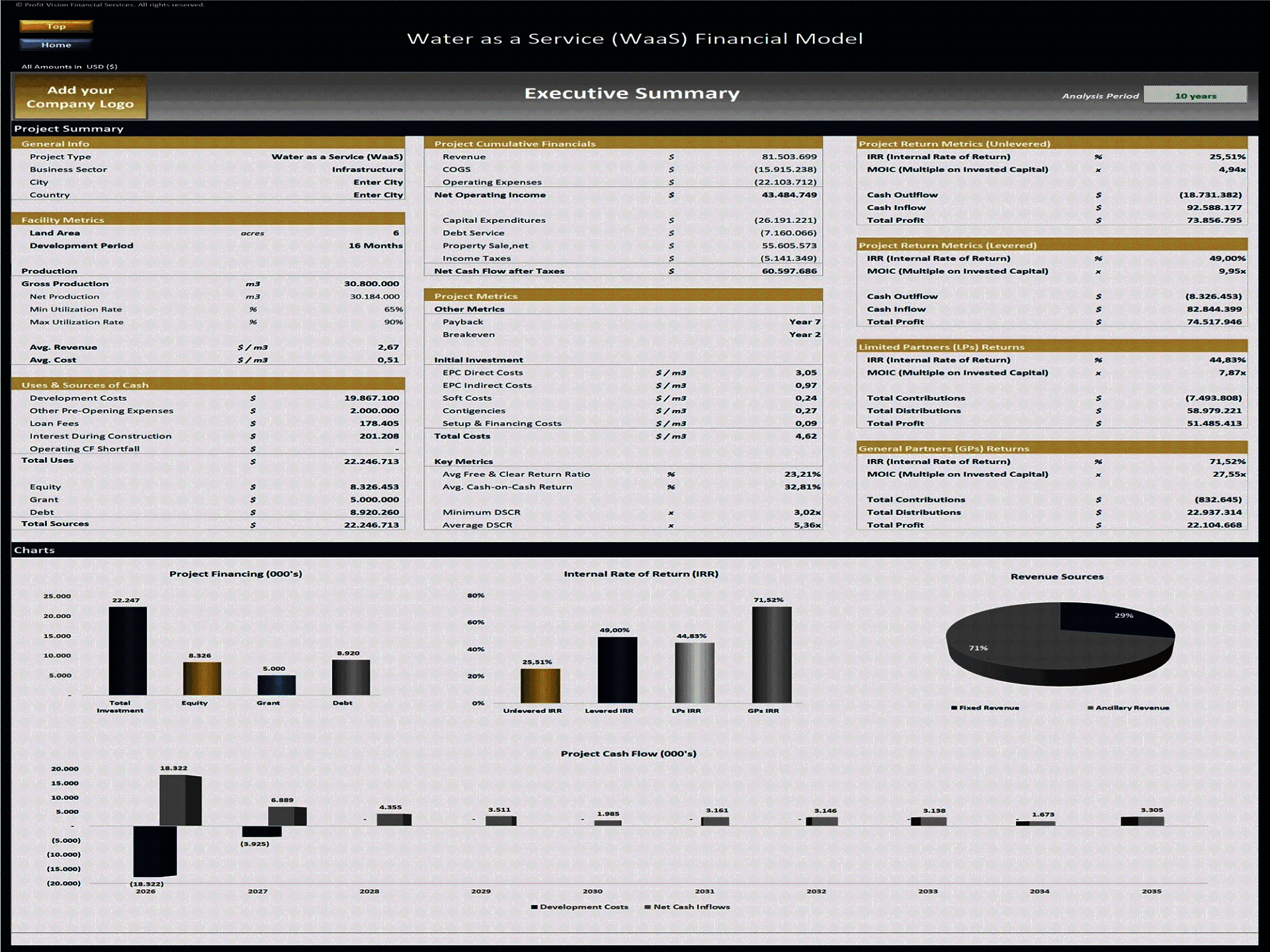
• Unlevered & Levered Project Return Metrics (IRR, MOIC, Payback, NPV)
• Investors Distribution Waterfall Model
• Professional Executive Summary
Help & Support
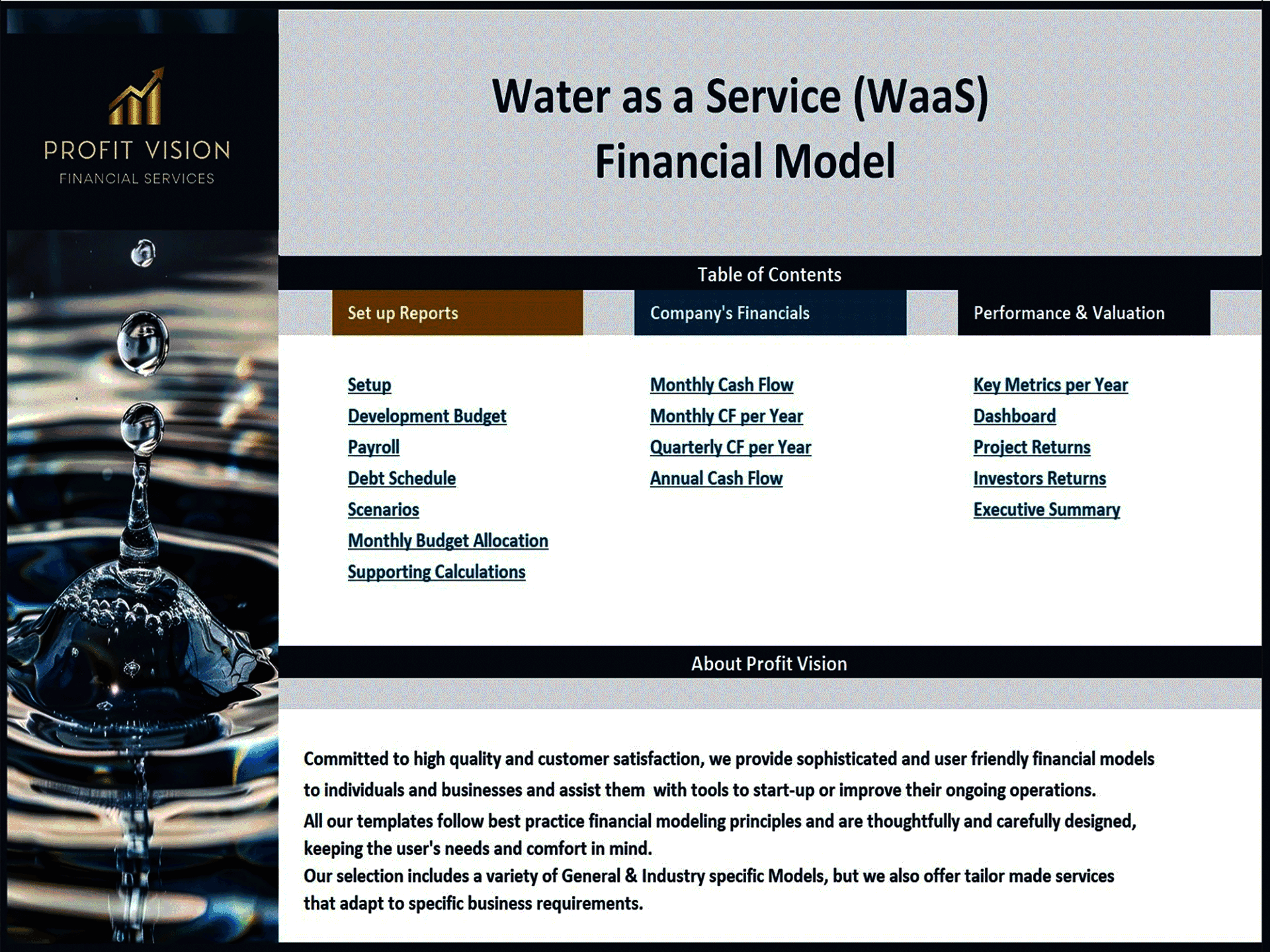
Committed to high quality and customer satisfaction, all our templates follow best-practice financial modeling principles and are thoughtfully and carefully designed, keeping the user's needs and comfort in mind.
No matter if you have no experience or are well versed in finance, accounting, and the use of Microsoft Excel, our professional financial models are the right tools to boost your business operations!
If you, however, experience any difficulty while using this template and you are not able to find the appropriate guidance in the provided instructions, please feel free to contact us for assistance.
If you need a template customized for your business requirements, please e-mail us and provide a brief explanation of your specific needs.
Got a question about the product? Email us at support@flevy.com or ask the author directly by using the "Ask the Author a Question" form. If you cannot view the preview above this document description, go here to view the large preview instead.
Source: Best Practices in Utilities Industry, Integrated Financial Model Excel: Water as a Service (WaaS) – 10 Year Financial Model Excel (XLSX) Spreadsheet, Profit Vision
ABOUT THE AUTHOR

Profit Vision provides Consulting & Outsourced Financial Services as well as Financial Planning & Performance analysis to small and mid-size businesses by implementing efficient and effective tools to assist them with start-up business plans or improve their ongoing operations.
Our range of services include Financial & Operational Analysis, Business Planning, Budgeting & Forecasting, Cash Flow
... [read more]
Ask the Author a Question
You must be logged in to contact the author.




























