
 Click main image to view in full screen. Unlock all 28 preview images:
Warehouse Fulfillment Center - Unit Economics Modeling – Excel XLSX
Excel (XLSX)


VIDEO DEMO
BENEFITS OF THIS DOWNLOADABLE EXCEL DOCUMENT
- It translates real warehouse operations--capacity, occupancy, and activity drivers--into a defensible bottom-up 10-year financial projection with monthly and annual views.
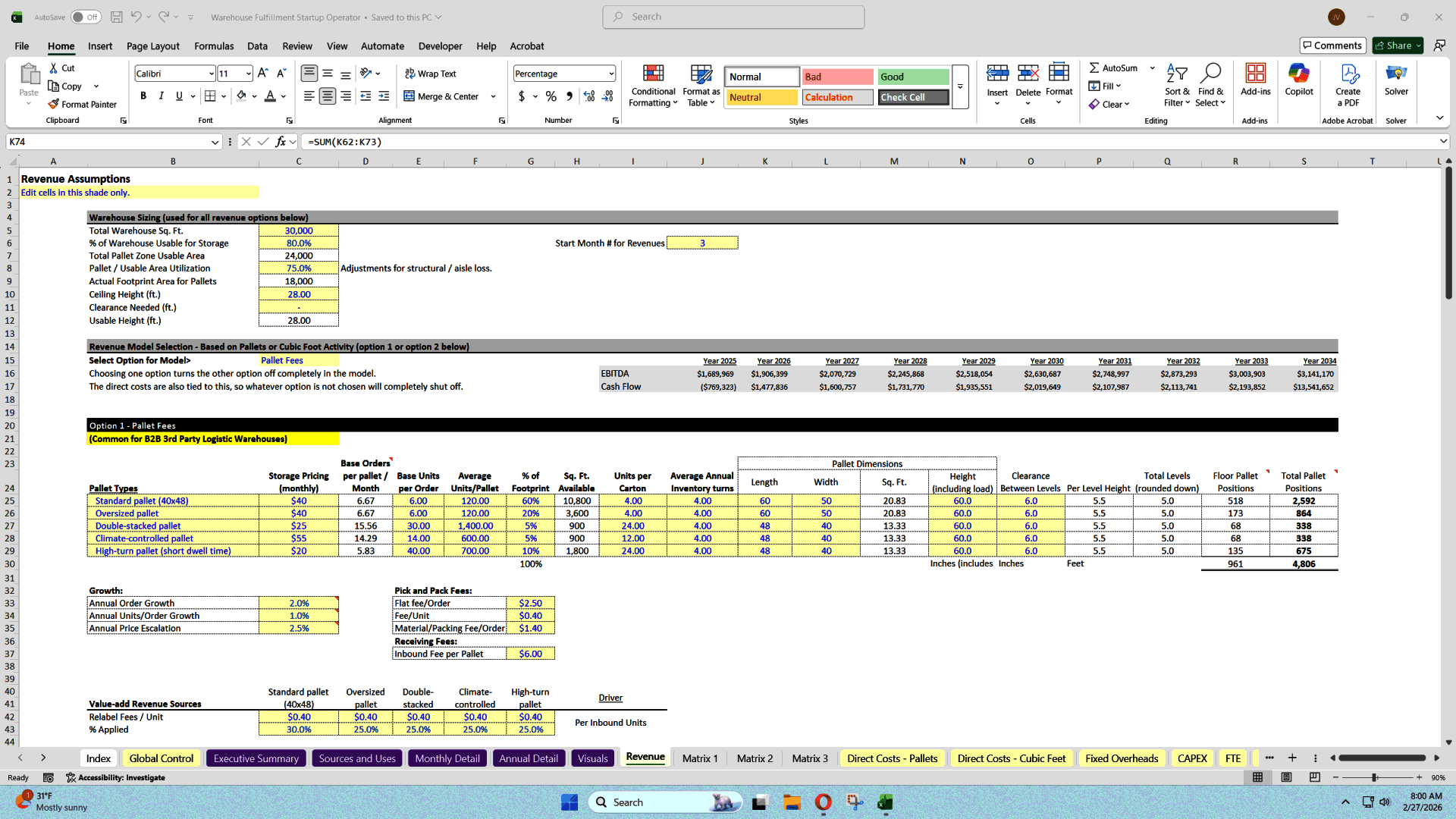
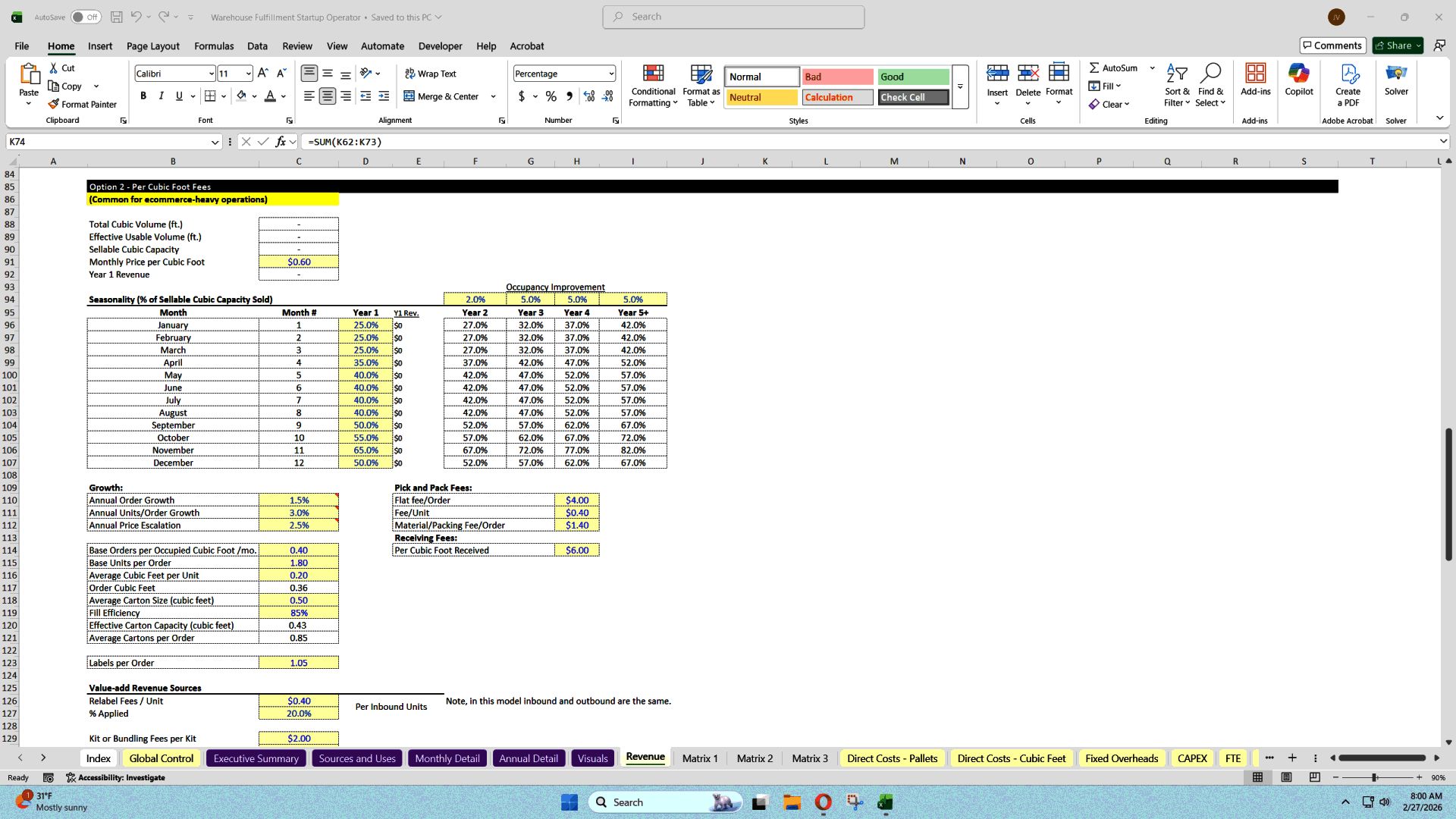
- It lets you model the business in the structure that matches your contract economics (pallet-based or cubic-foot/volume-based) using a simple toggle with separate, purpose-built assumption sections.
- It delivers a complete decision-ready output package, including 3-statement financials, cash flow forecasting, and DCF/IRR valuation to support pricing, expansion, or underwriting.
WAREHOUSE MANAGEMENT EXCEL DESCRIPTION
This 3PL Warehouse Financial Model Template is a bottom-up forecasting tool built for warehouse operators who pay rent and need a realistic view of how storage and fulfillment activity translate into financial performance. Instead of relying on high-level percentages, it uses real operating drivers—like occupancy, inventory turnover, orders, and units per order—to build a projection that behaves like an actual warehouse. The core benefit is a model you can defend operationally: inputs reflect what happens on the floor, and outputs show what that means for revenue, margins, and cash flow.
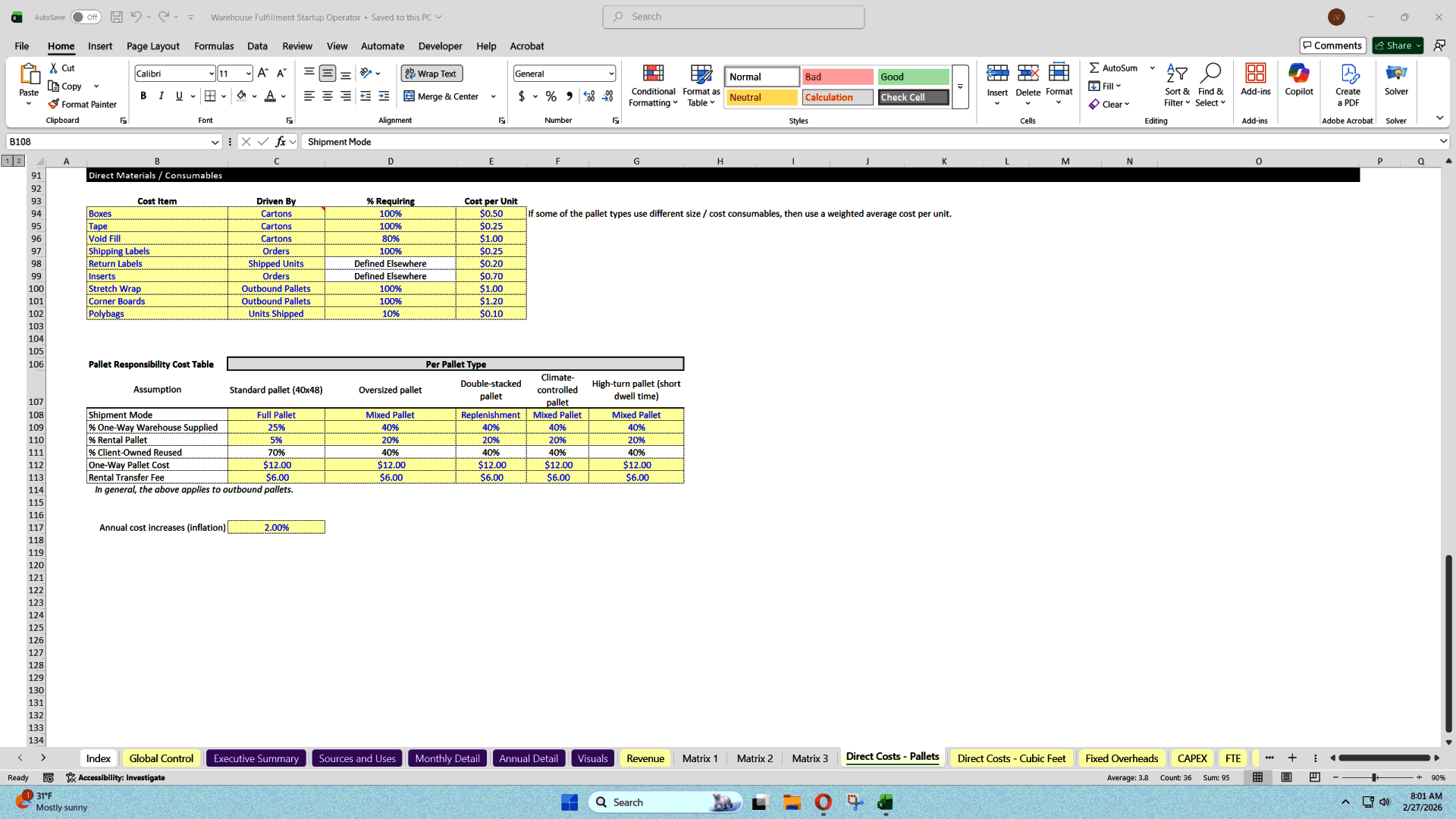
A major strength is the two mutually exclusive projection frameworks supported by a simple toggle: you can model the business either pallet-based (up to five pallet types) or volume-based (occupied cubic feet/meters). Each option has its own tailored revenue and direct cost assumption sections, so users don't have to force their business into the wrong structure. This makes it useful across different 3PL contract styles—whether pricing and capacity are best expressed in pallet positions or sellable volume.
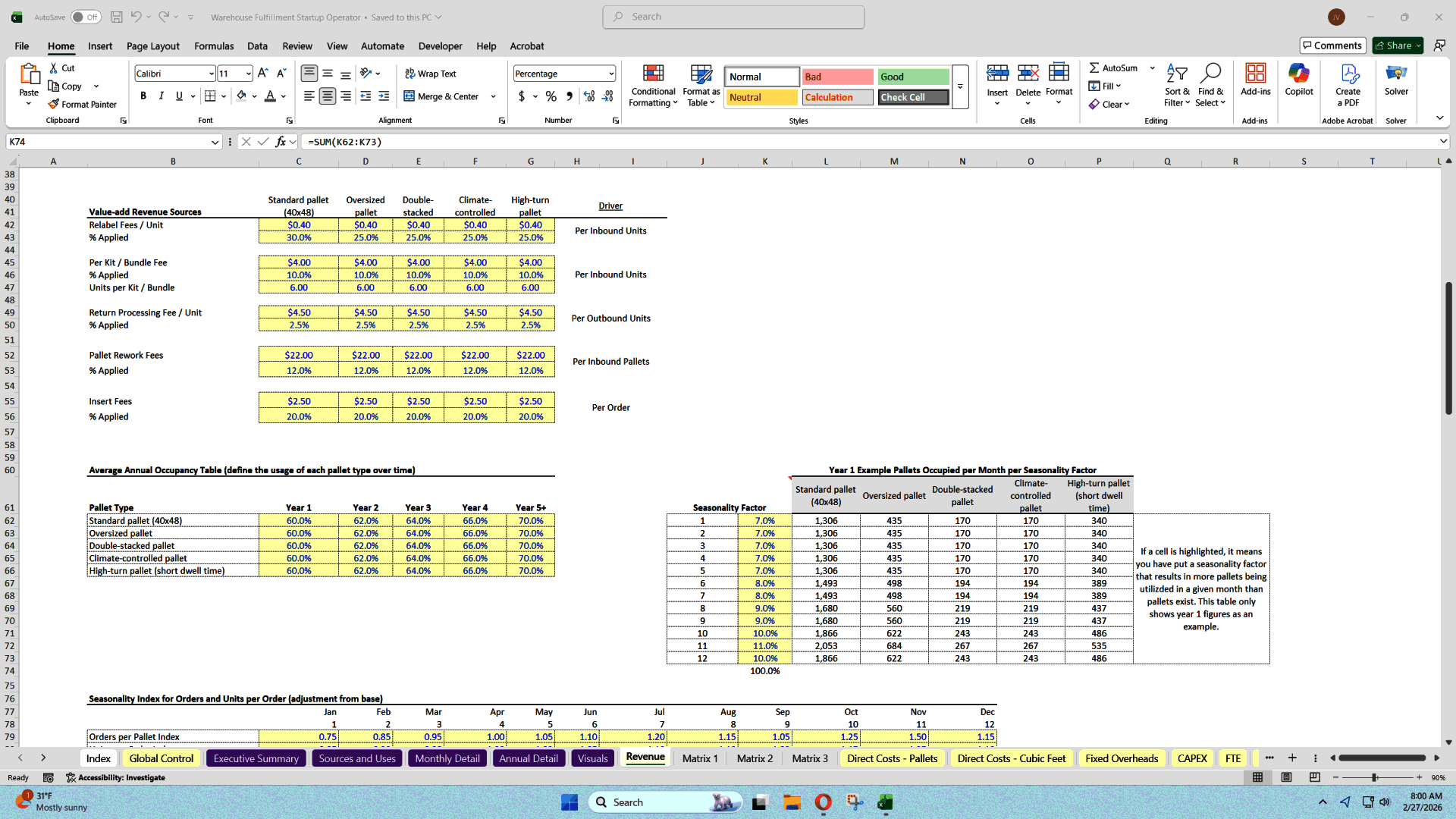
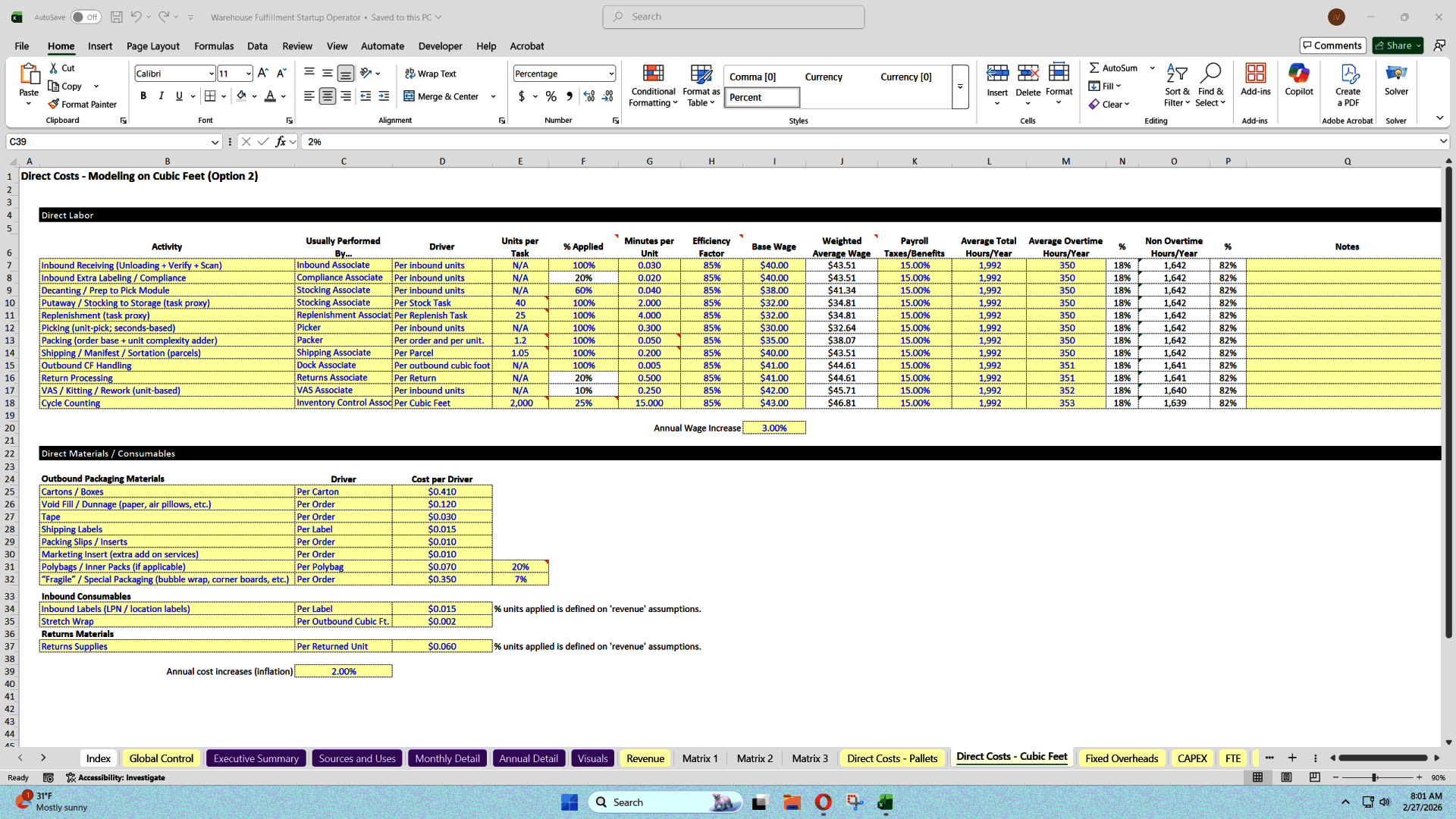
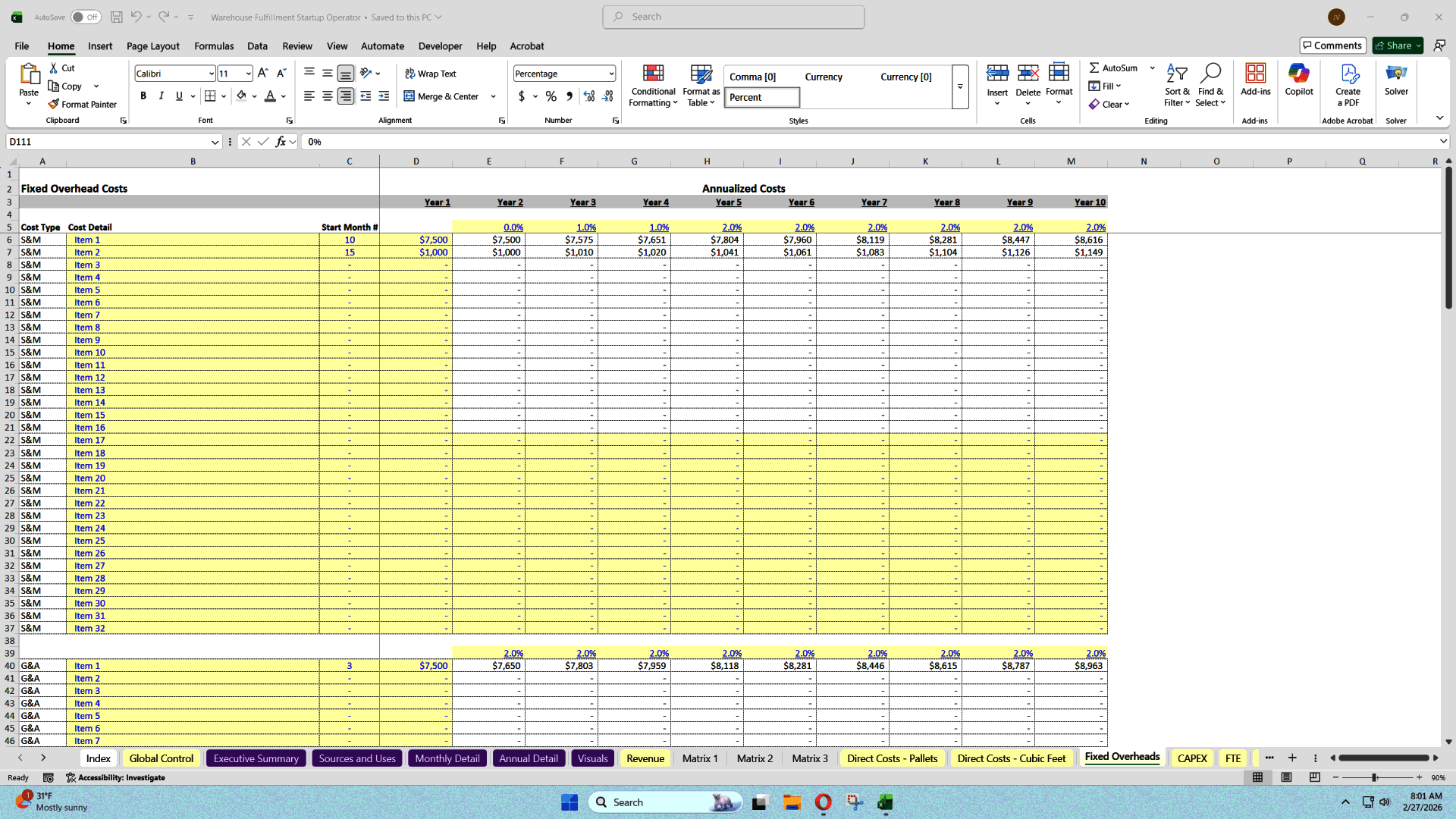
The template is built to capture the "warehouse physics" that drive profitability, including seasonality (occupancy, order volume, units per order), warehouse sizing economics (square footage, usable space, height/clearance), and capacity constraints (you can't exceed available pallet positions or sellable volume). It calculates up to seven revenue streams tied to storage and activity (pick/pack, receiving, value-added services, and other fees), then matches them with dynamic direct labor (task minutes × wages/overtime) and direct consumables/materials tied to orders/units and replenishment. Everything is editable and unlocked, with clear assumption vs. formula structure and notes where calculations are less obvious—so it's both robust and easy to customize.
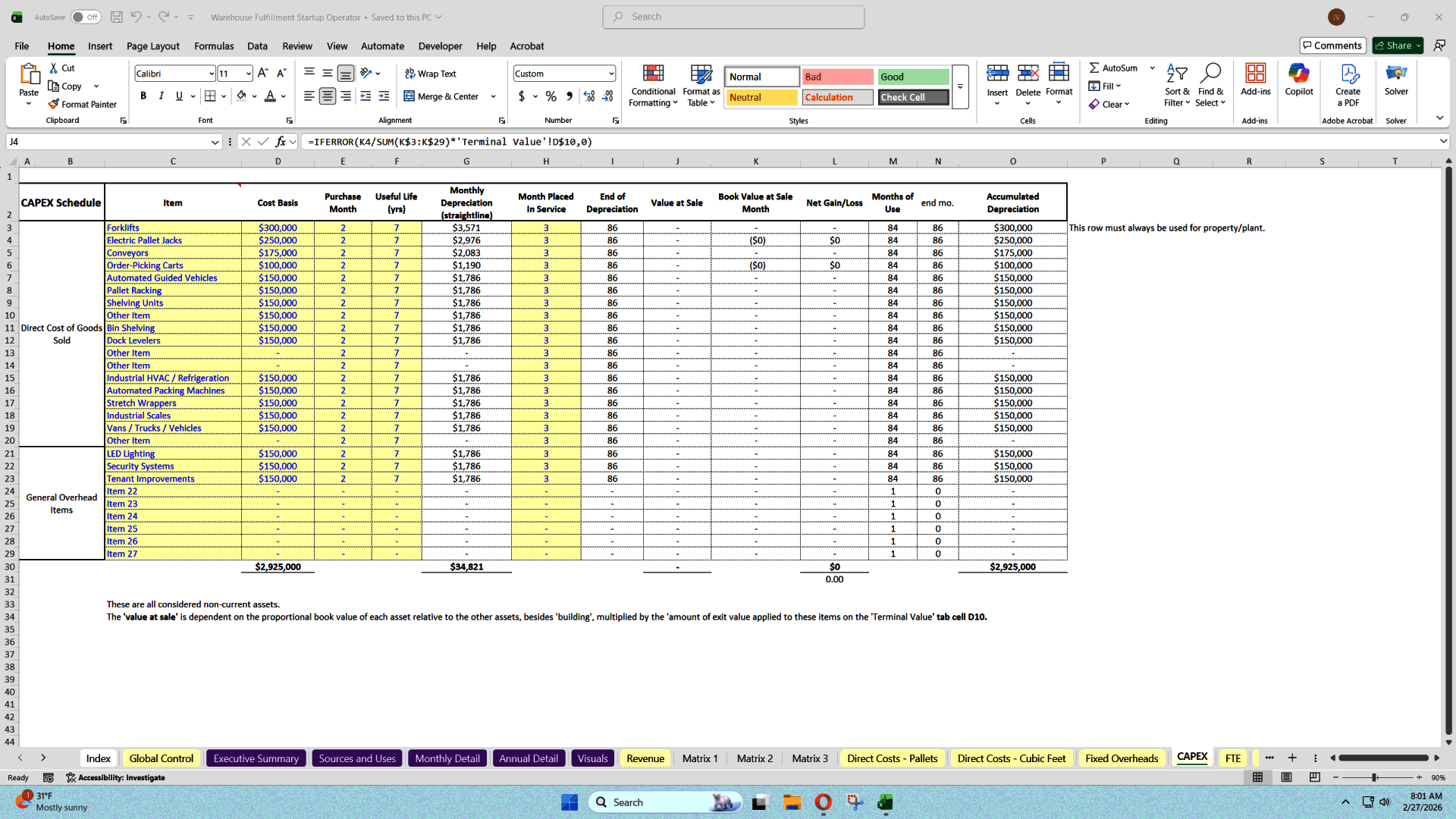
What you get out of it is a complete decision-support package: up to 10 years of monthly and annual forecasts, a full 3-statement model (income statement, balance sheet, cash flow), an executive summary, and valuation outputs like DCF and IRR, plus CAPEX and debt options (LOC and term loans). It's ideal for 3PL operators planning a new facility, expanding capacity, or pricing customer deals; finance teams building operationally grounded budgets; investors and lenders underwriting warehouse cash flows; and consultants who need a fast, credible model that ties warehouse activity to returns.
Got a question about the product? Email us at support@flevy.com or ask the author directly by using the "Ask the Author a Question" form. If you cannot view the preview above this document description, go here to view the large preview instead.
TOPIC FAQ
What are the primary operating drivers to include when modeling warehouse unit economics?
Key drivers are occupancy, inventory turnover, orders, and units per order, plus seasonality in those metrics. Operational labor should be modeled as task minutes × wages/overtime and consumables tied to orders and replenishment, ensuring forecasts reflect floor-level activity like occupancy, inventory turnover, orders, and units per order.How do pallet-based and volume-based projection frameworks differ for warehouse modeling?
Pallet-based frameworks price and size capacity by pallet positions and can include multiple pallet types (the referenced model supports up to 5 pallet types). Volume-based frameworks size and price by occupied cubic feet/meters and treat sellable volume as the capacity constraint, reflecting 2 mutually exclusive approaches.Which revenue and cost streams are most important in a 3PL financial model?
Important revenue streams include storage, pick/pack, receiving, value-added services, and other fees; direct costs include labor (task minutes × wages/overtime), consumables tied to orders, and replenishment materials. The template calculates up to 7 revenue streams and matches them to task-minute-based direct labor and consumables.How should I model capacity constraints and seasonality in a warehouse forecast?
Model capacity as hard limits (cannot exceed pallet positions or sellable volume) and apply seasonality to occupancy, order volume, and units per order so forecasts reflect peak and trough periods; the referenced approach enforces capacity constraints by pallet positions or sellable volume and seasonal occupancy patterns.What features should I prioritize when choosing a 3PL financial model template?
Prioritize driver-based inputs that map to on-floor activity, editable unlocked formulas with clear assumptions, support for the appropriate projection framework (pallet vs volume), full 3-statement outputs, and valuation capabilities like DCF and IRR; these features include dual projection frameworks and 3-statement plus valuation outputs.How does a prebuilt warehouse model deliver value compared with building from scratch?
A template can reduce build time and increase defensibility by using operational drivers (occupancy, turnover, orders), providing editable unlocked structure and notes where calculations are nonobvious, and delivering forecasting and valuation outputs—such as up to 10 years of monthly and annual forecasts.I need to price a customer contract billed by pallet positions—what modeling approach should I use?
Use a pallet-based modeling approach that captures pallet position counts, utilization, and any different pallet types; the Warehouse Fulfillment Center - Unit Economics Modeling template supports a pallet-based framework with up to 5 pallet types for pallet-position pricing scenarios.We’re planning a new facility and must size square footage and capacity—what should the financial model capture?
The model should capture warehouse sizing economics (square footage, usable space, height/clearance), capacity limits (pallet positions or sellable volume), seasonality in occupancy and orders, and resulting labor and consumables to estimate revenues and cash flow across planning horizons like up to 10 years.Source: Best Practices in Warehouse Management Excel: Warehouse Fulfillment Center - Unit Economics Modeling Excel (XLSX) Spreadsheet, Jason Varner | SmartHelping
ABOUT THE AUTHOR

I graduated in 2011 with a Bachelor's degree in Accounting and began my career as a financial analyst at a small chain of auto repair shops. After gaining valuable experience, I launched my own practice specializing in real estate underwriting, later expanding into general business modeling.
I honed my spreadsheet modeling expertise by completing over 400 projects on Upwork with a 100% success
... [read more]
Ask the Author a Question
You must be logged in to contact the author.