 Click main image to view in full screen.
Veterinary Practice Acquisition & SBA Underwriting Model – Excel XLSX
Excel (XLSX) + supplemental PDF


BENEFITS OF THIS DOWNLOADABLE EXCEL DOCUMENT
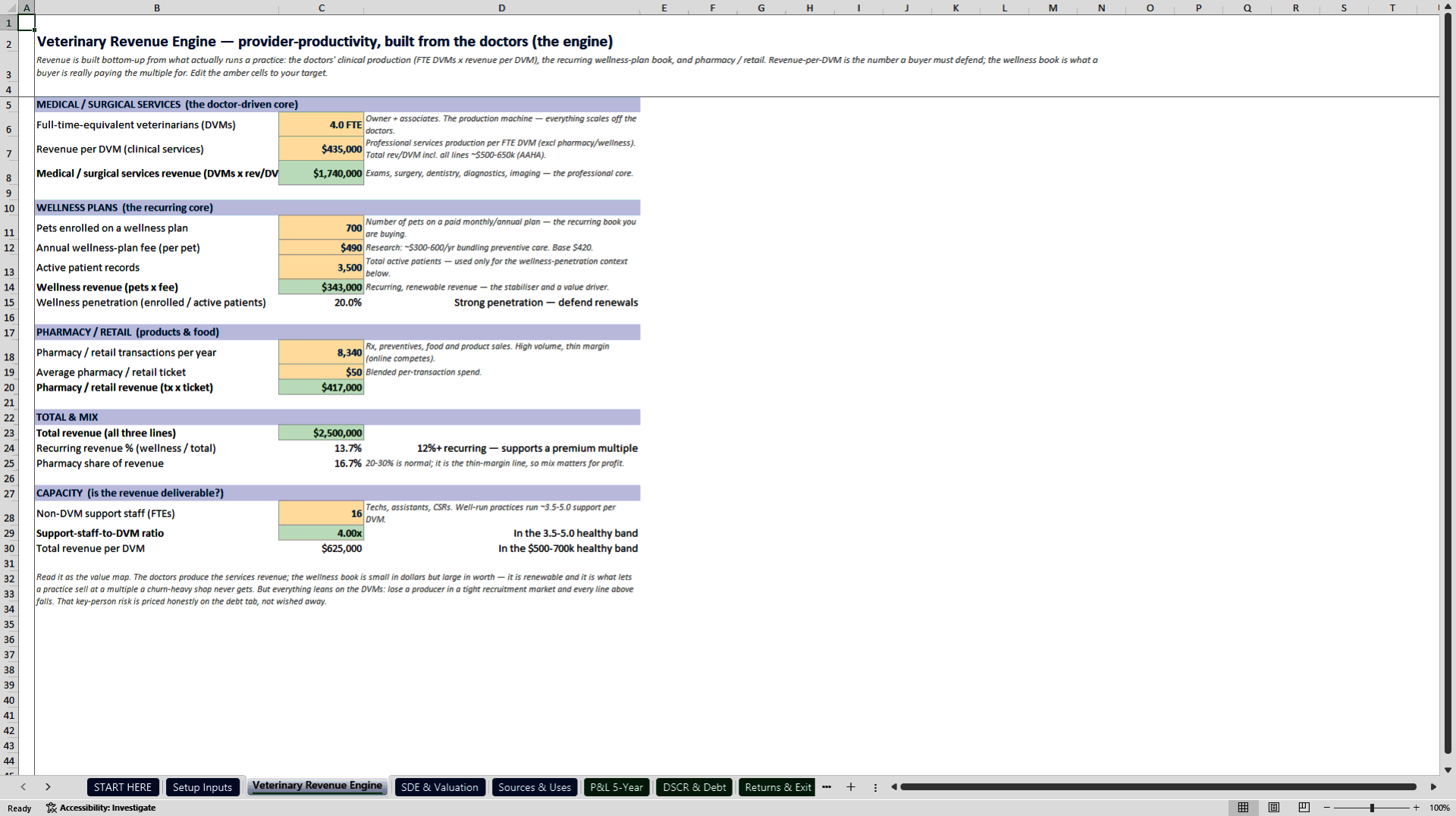
- Build revenue from the doctors themselves, FTE veterinarians times revenue per DVM, with a support-staff ratio and a revenue-per-DVM capacity check that flags a build the practice cannot staff.
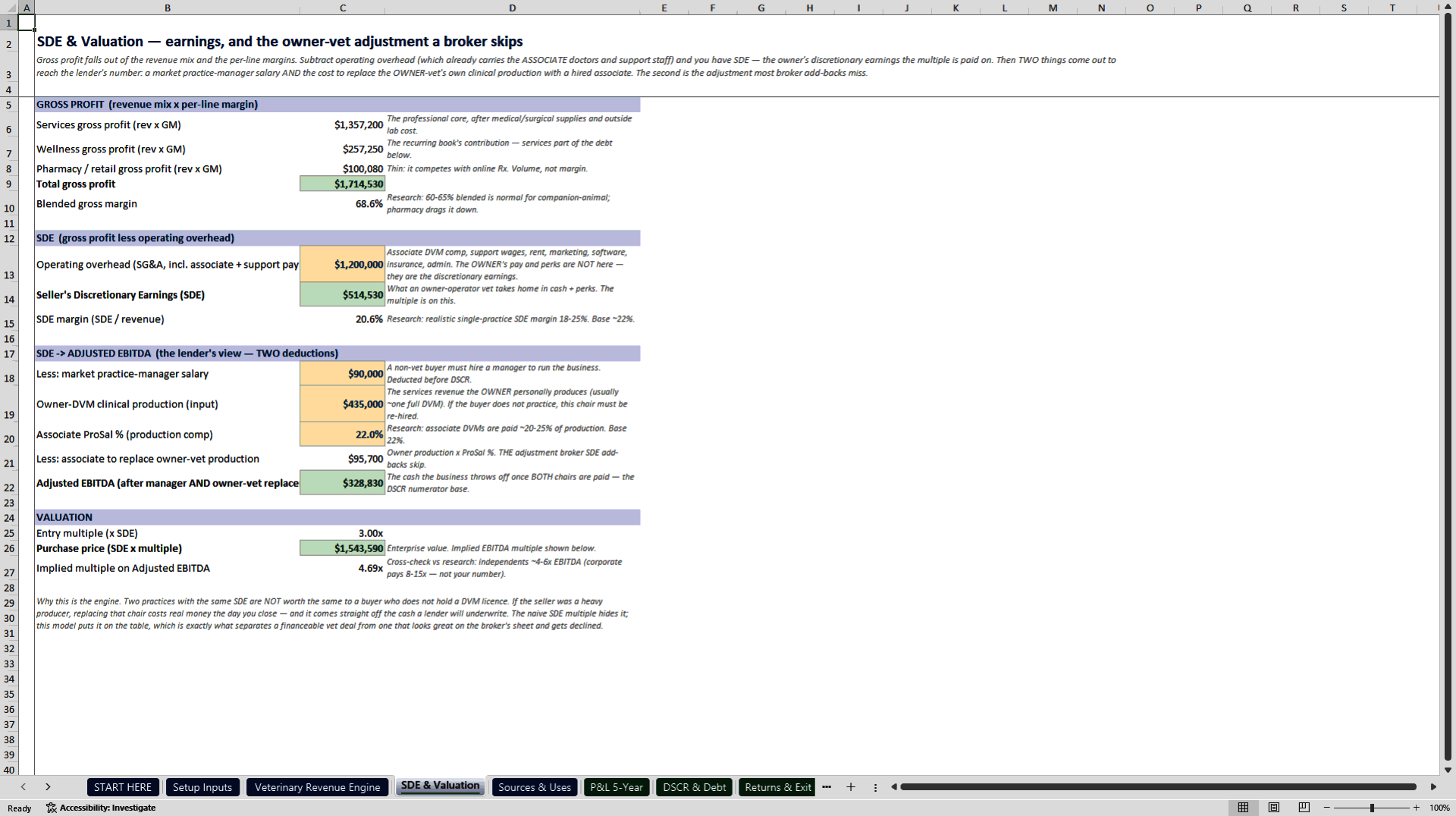
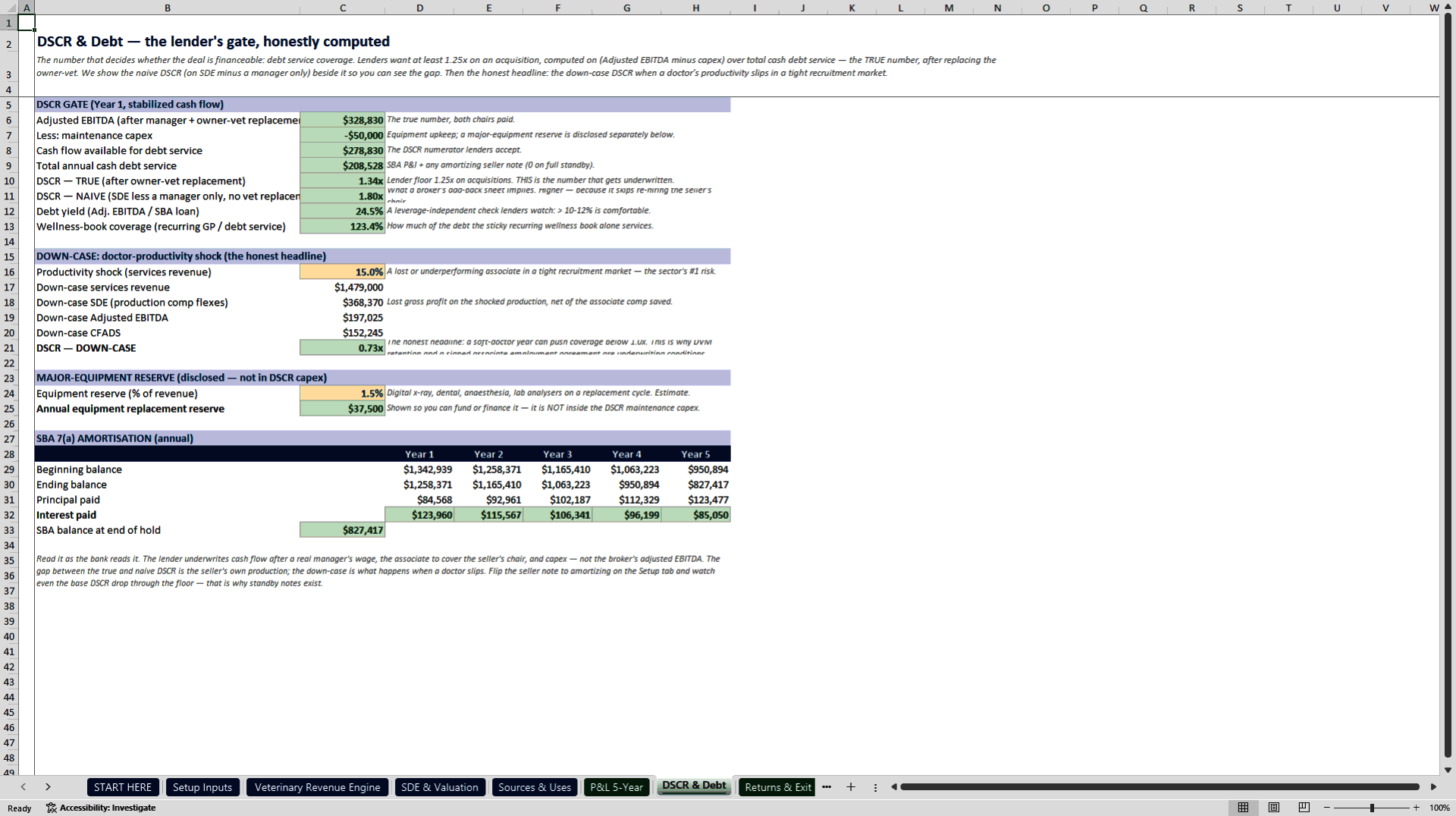
- Deduct both a practice manager and the associate who replaces the owner-vet's production, then compare the resulting 1.34x true DSCR with the 1.80x a broker's add-back sheet produces.
- Price the sector's own risk with a 15% doctor-productivity shock that takes the DSCR to 0.73x, and use the seller-note standby toggle to see what moves the deal back above the floor.
VETERINARY PRACTICE EXCEL DESCRIPTION
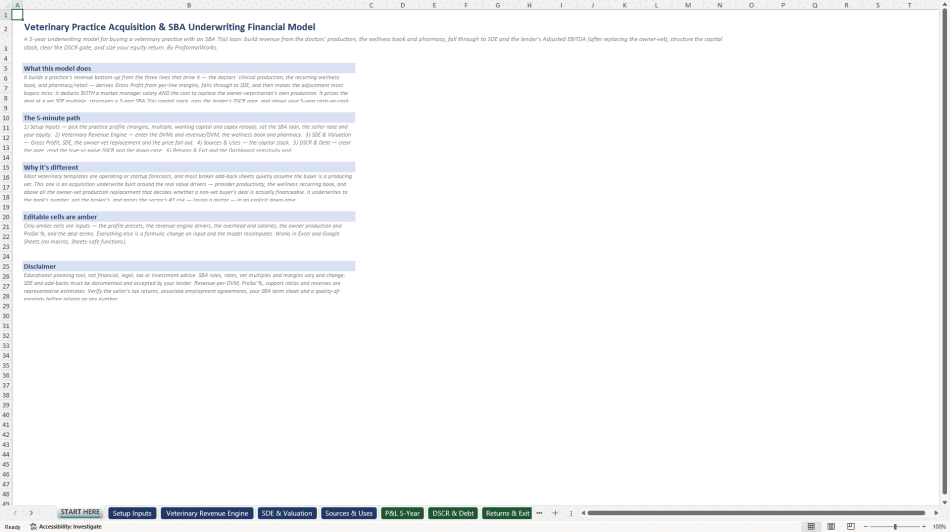
This is a lender-ready acquisition model for a single companion-animal veterinary practice, written for a buyer using an SBA 7(a) loan and for the lender who has to approve it. It underwrites the deal the way a bank will, not the way a broker's add-back sheet wants it read.
The engine most templates skip is provider productivity. Revenue is built bottom-up from the doctors, FTE veterinarians times revenue per DVM, plus the recurring wellness-plan book, enrolled pets times annual fee, plus pharmacy and retail, each carried at its own gross margin. Gross profit and SDE fall out of that mix instead of being guessed, and a support-staff-to-DVM ratio and a total-revenue-per-DVM capacity check keep the build honest.
The valuation error it intercepts is the owner's own chair. The seller is usually a producing doctor. If you or your buyer do not hold a DVM licence, that production has to be re-hired with an associate on a production-based wage, on top of a practice-manager salary. The model deducts both to reach Adjusted EBITDA and prints the true DSCR of 1.34x directly next to the naive broker-style 1.80x. The gap is the seller's own production, and it is what separates a financeable vet deal from one that looks strong on paper and gets declined.
The down-case is the sector's own risk rather than a generic recession. A 15% doctor-productivity shock, which is what a lost or unreplaceable associate looks like in a small practice, takes the DSCR to 0.73x.
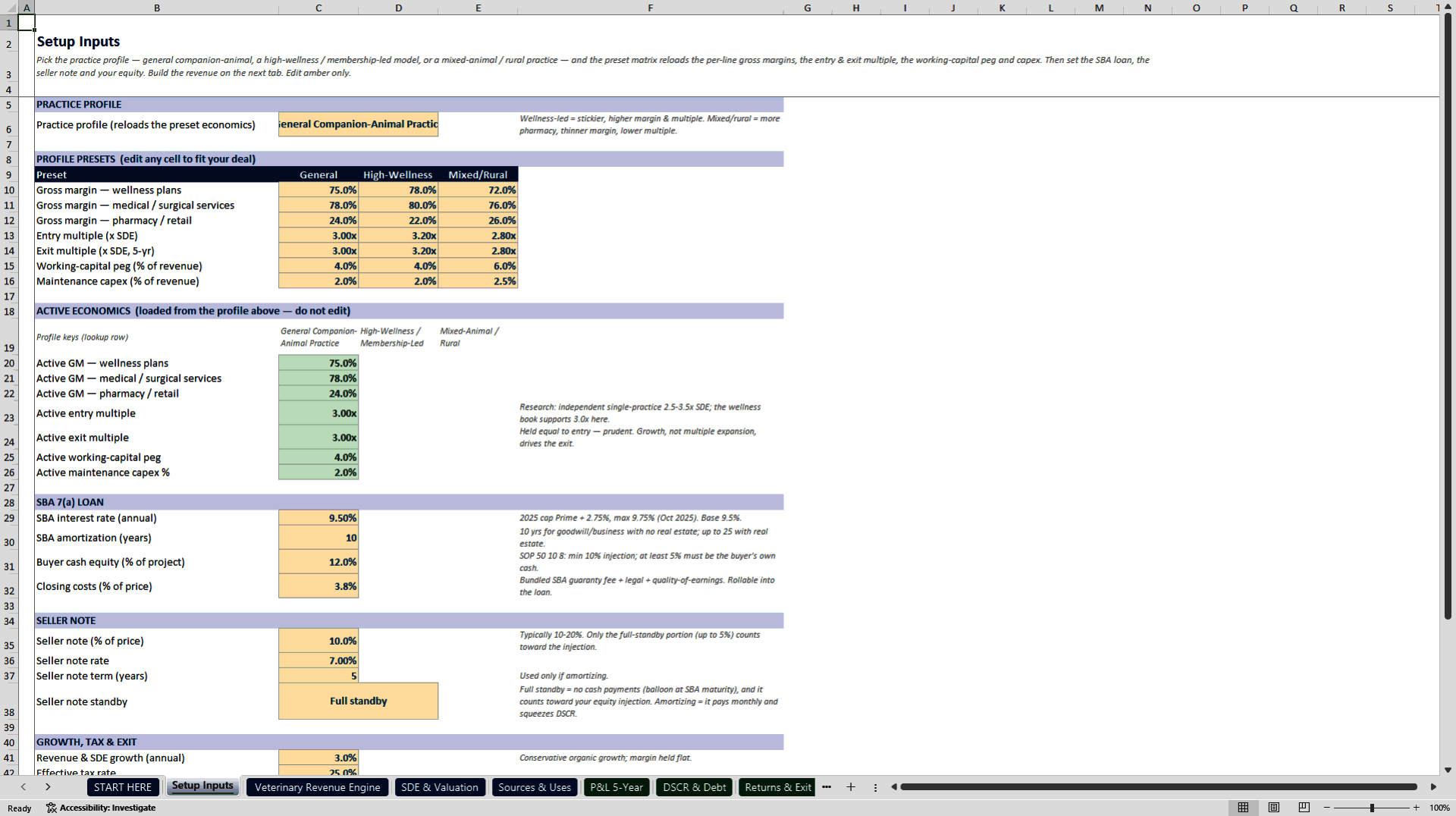
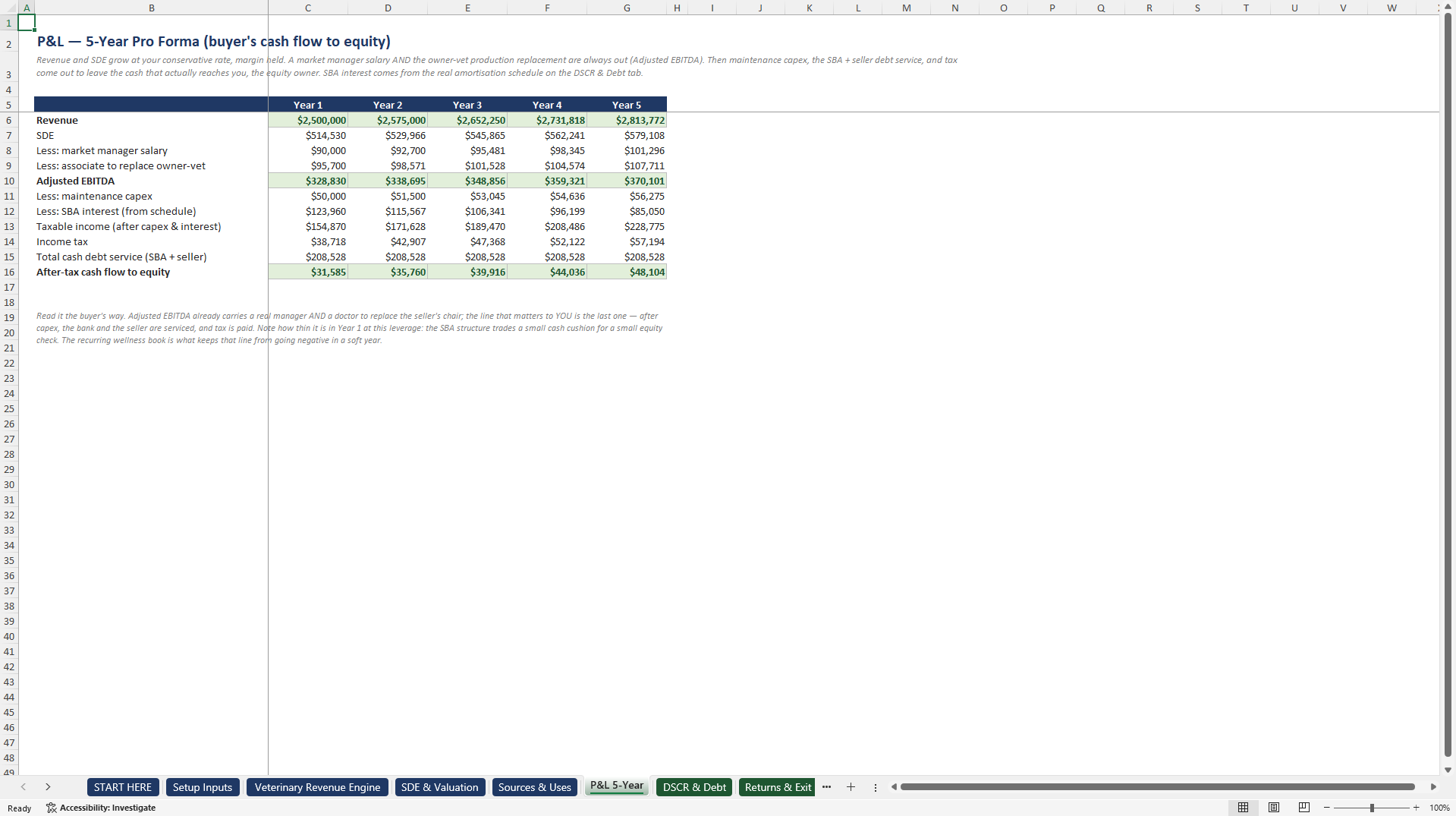
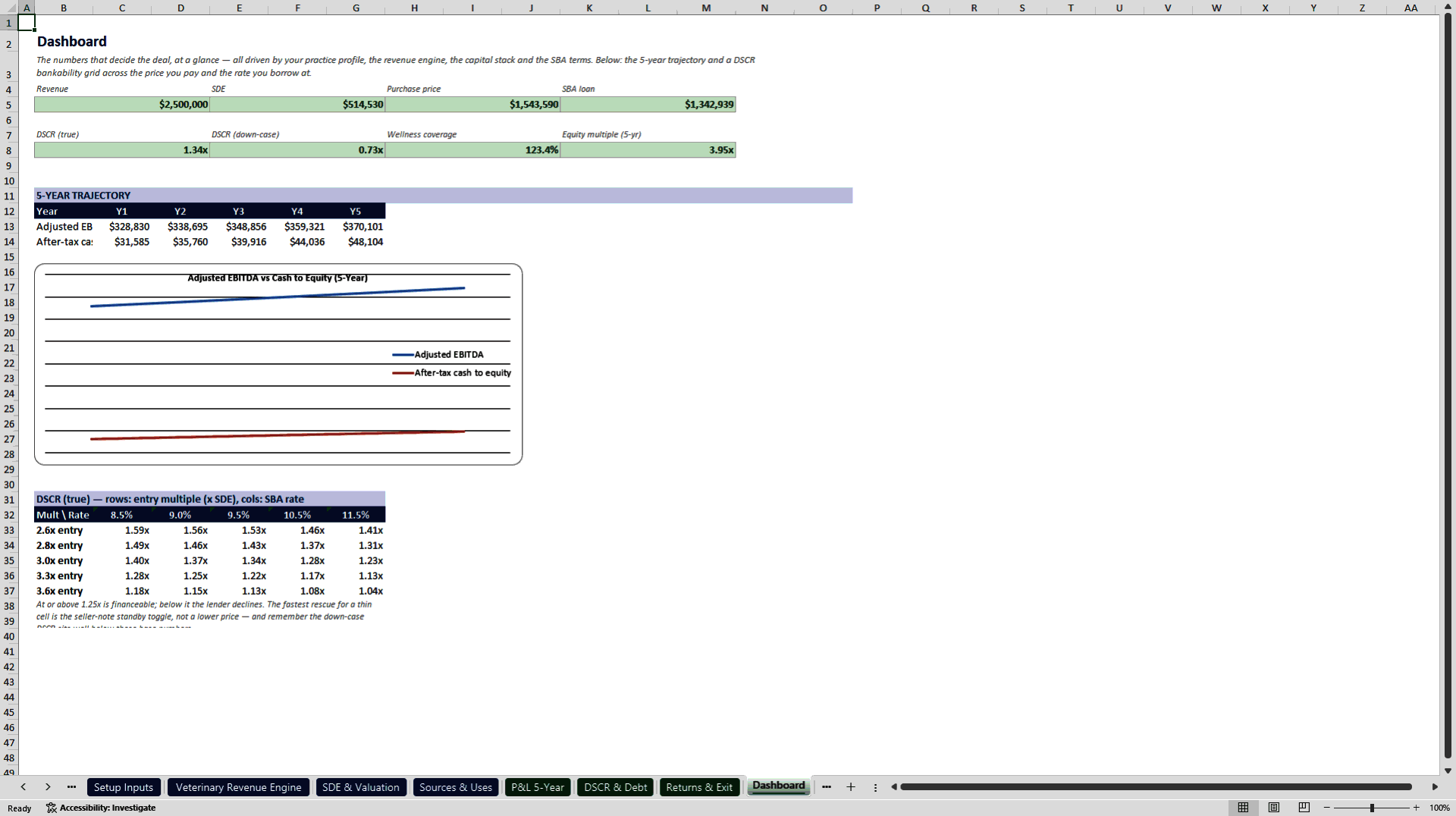
What you get is a 10-sheet Excel workbook over a five-year horizon: the veterinary revenue engine with a wellness penetration lever; SDE and valuation with the owner-vet production replacement and the price at your SDE multiple; an SBA 7(a) capital stack with a full-standby versus amortising seller-note toggle that moves coverage from declined to bankable; a DSCR and debt gate carrying debt yield and wellness-book coverage at about 123% of debt service; five-year P&L, returns and exit with cash-on-cash, equity multiple and a DSCR bankability grid across price and rate; a three-way profile toggle for general companion-animal, high-wellness membership-led and mixed-animal rural practices that reloads margins, multiple, working capital and capex; a benchmarks and sources tab; and a 24-page PDF guide. There are no macros, so it also works in Google Sheets, and 62 automated checks across three engines run clean.
What it does not claim. The SDE margin is held near 21% rather than above 30%. Independents are priced at about 3x SDE, roughly 4-6x EBITDA, and the corporate consolidator's 11-15x is explicitly not offered as your return. A solo or two-DVM owner-heavy practice is shown not to pencil for a non-veterinarian buyer. No IRR is headlined, because on one small deal it is hostage to the exit multiple. It is an educational planning tool, not financial, legal, tax or investment advice.
Got a question about the product? Email us at support@flevy.com or ask the author directly by using the "Ask the Author a Question" form. If you cannot view the preview above this document description, go here to view the large preview instead.
Source: Best Practices in Veterinary Practice, Integrated Financial Model Excel: Veterinary Practice Acquisition & SBA Underwriting Model Excel (XLSX) Spreadsheet, ProformaWorks
ABOUT THE AUTHOR

ProformaWorks builds acquisition-grade financial models for Main Street and lower-middle-market businesses - the kind of deal financed with an SBA 7(a) loan or a small commercial facility.
Every model answers one question: does this deal pencil at the bank? That means SDE or NOI rebuilt from the seller's own numbers, the add-backs a lender will and will not accept, a debt-service
... [read more]
Ask the Author a Question
You must be logged in to contact the author.




























