
Value Stream Mapping (VSM) is a powerful lean management tool that visually represents the entire process from start to finish, highlighting activities and resources used in delivering a product or service. The primary goal of VSM is to identify waste and inefficiencies within the process and devise strategies to eliminate or reduce them.
By utilizing a VSM project template, you can benefit from a structured approach to mapping both the current and future states of the process. This template facilitates the development of an action plan and enhances communication and collaboration among team members. Moreover, it saves time and minimizes errors by providing a clear framework for the VSM process.
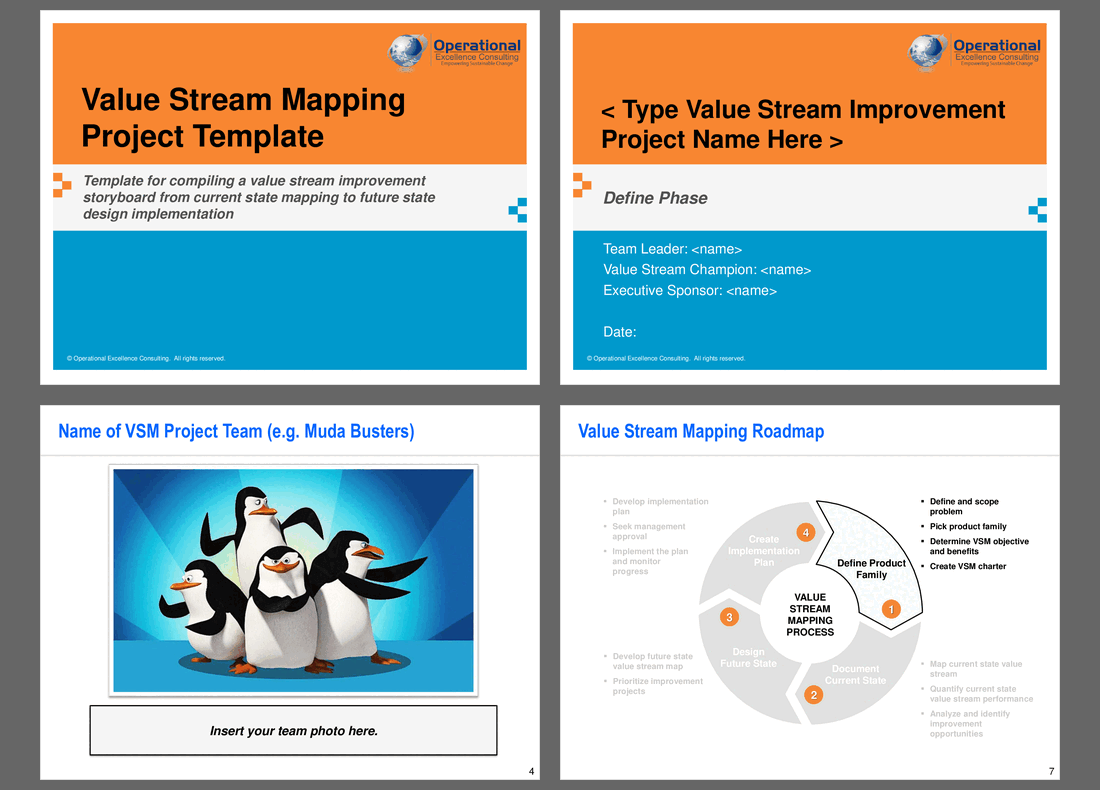
The VSM project template consists of four key phases:
1. Define and Pick Product/Service Family
2. Create a Current State Map
3. Develop a Future State Map
4. Develop an Implementation Plan
Additionally, the template includes the following appendices:
• Appendix 1: Value Stream Mapping Icons
• Appendix 2: Value Stream Mapping Template
• Appendix 3: Common Current State Findings
Simply follow the guidelines in the slides and insert your content. The template offers illustrations that quickly outline the requirements for each phase of the value stream improvement process. Each step concludes with a list of deliverables, aiding you in preparing your report effectively.
||||||||||||||||||||||||||||||||||||||||||||||||||||||||||||||||||||||||||||||||||||||||||||||||||||||||||||||||||||||||||||||||||||||||||||||||||||||
This package includes:
1. VSM Project Template (PowerPoint format)
2. VSM Templates comprising VSM charter, Results table, Implementation plan and common VSM icons (Excel format)
3. VSM Poster (PDF format, in color and monochrome, printable in A3 size)
||||||||||||||||||||||||||||||||||||||||||||||||||||||||||||||||||||||||||||||||||||||||||||||||||||||||||||||||||||||||||||||||||||||||||||||||||||||
Start using the VSM project template now and create an impactful presentation for your management team!
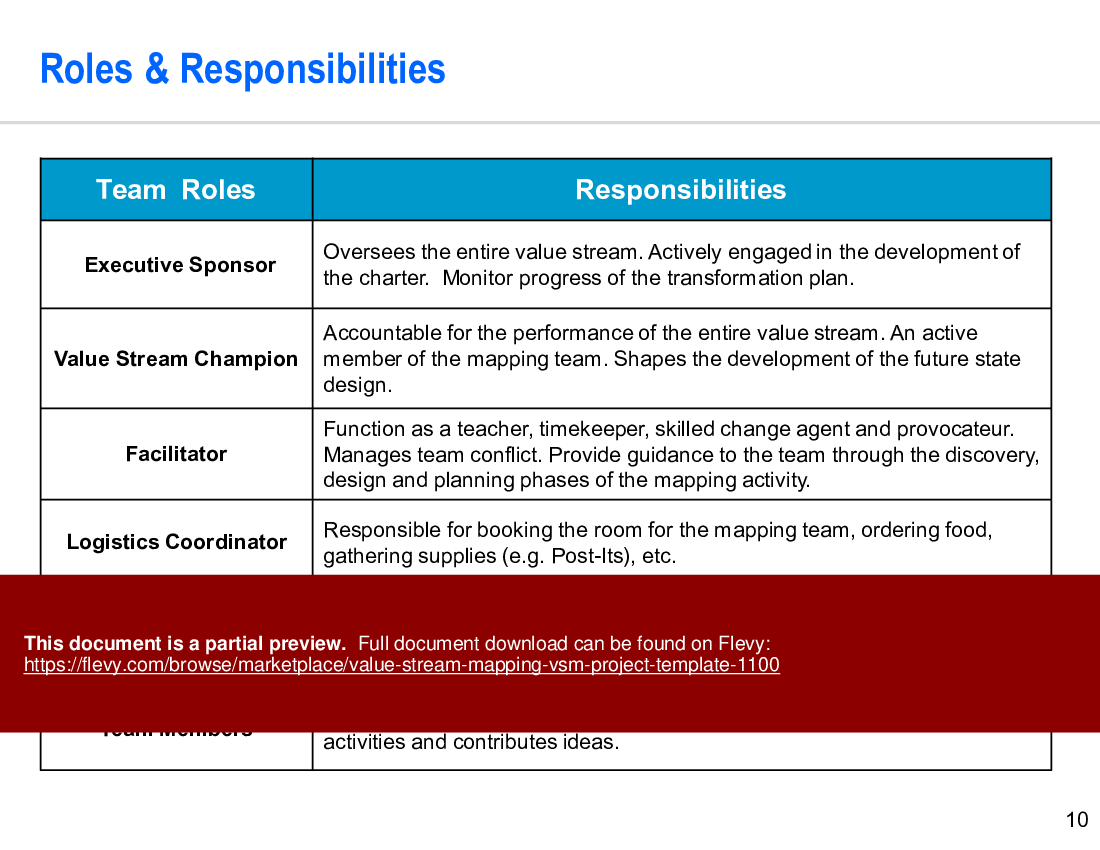
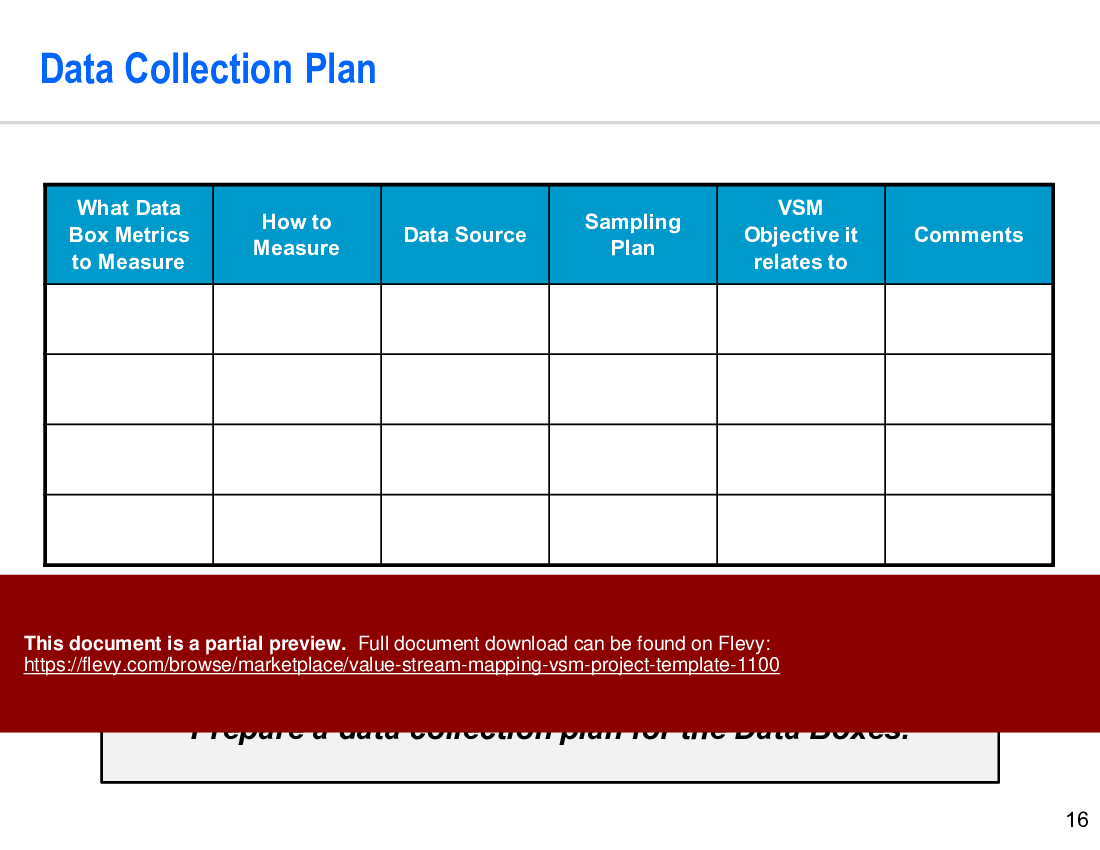
The template also provides detailed roles and responsibilities for each team member, ensuring accountability and clarity throughout the project. Additionally, a comprehensive data collection plan is included to guide the measurement and analysis of key metrics.
Got a question about the product? Email us at support@flevy.com or ask the author directly by using the "Ask the Author a Question" form. If you cannot view the preview above this document description, go here to view the large preview instead.
Executive Summary
The Value Stream Mapping (VSM) Project Template is a comprehensive tool designed to facilitate the visualization and improvement of processes within organizations. Developed by experts in Lean methodologies, this template guides users through the stages of defining, mapping, and implementing value stream improvements. By following the structured phases—from current state mapping to future state design—users can effectively identify waste, streamline processes, and enhance operational efficiency. This editable PowerPoint file serves as a roadmap for organizations aiming to achieve operational excellence through Lean practices.
Who This Is For and When to Use
• Process Improvement Teams focused on enhancing operational efficiency
• Lean Six Sigma Practitioners implementing value stream mapping initiatives
• Project Managers overseeing process improvement projects
• Executives seeking to drive organizational change and operational excellence
Best-fit moments to use this deck:
• During initial project scoping to define objectives and benefits
• In workshops aimed at current state mapping and future state design
• When developing implementation plans for process improvements
Learning Objectives
• Define the scope and objectives of the value stream improvement project
• Map the current state of processes to identify inefficiencies
• Analyze current state findings to uncover waste and improvement opportunities
• Develop a future state value stream map that aligns with organizational goals
• Prioritize improvement projects based on anticipated benefits and ease of implementation
• Create a detailed implementation plan to monitor progress and ensure success
Table of Contents
• Team Organization (page 3)
• Value Stream Mapping Roadmap (page 4)
• Phase 1: Define & Pick Product/Service Family (page 5)
• Phase 2: Current State Mapping (page 12)
• Phase 3: Future State Mapping (page 32)
• Phase 4: Implementation Plan (page 41)
• Appendix 1 – Value Stream Mapping Icons (page 52)
• Appendix 2 – Value Stream Mapping Template (page 61)
• Appendix 3 – Common Current State Findings (page 63)
Primary Topics Covered
• Team Organization - Structure and roles necessary for effective value stream mapping, including responsibilities of team members and sponsors.
• Value Stream Mapping Roadmap - A visual guide outlining the phases of the VSM process from defining the product family to implementation.
• Current State Mapping - Techniques for mapping existing processes, identifying waste, and quantifying performance metrics.
• Future State Mapping - Strategies for designing an improved process flow and establishing measurable goals for performance enhancement.
• Implementation Plan - Steps to develop and execute a plan for implementing identified improvements and monitoring progress.
Deliverables, Templates, and Tools
• VSM Charter template for defining project scope and objectives
• Current state value stream map to visualize existing processes
• Future state value stream map highlighting proposed improvements
• Implementation plan template for tracking project activities and milestones
• Communication plan for stakeholder engagement and updates
Slide Highlights
• Overview of the Value Stream Mapping Roadmap illustrating the process phases
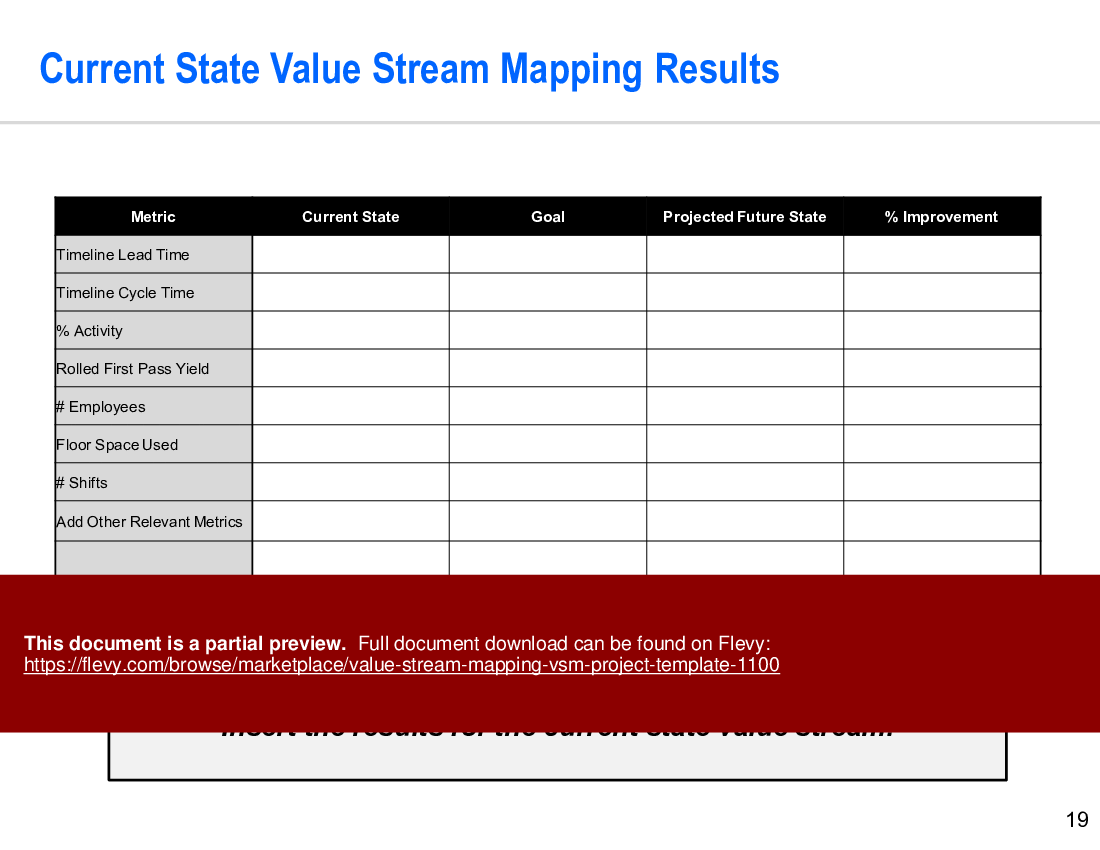
• Current State Mapping slide detailing metrics and analysis of existing processes
• Future State Mapping slide showcasing proposed improvements and Kaizen bursts
• Implementation Plan slide outlining key activities and timelines for execution
Potential Workshop Agenda
Define Phase Workshop (90 minutes)
• Discuss project objectives and scope
• Identify product family and define measurable targets
• Create VSM charter and assign roles
Current State Mapping Session (120 minutes)
• Map current state processes and identify waste
• Analyze findings and discuss improvement opportunities
• Develop a preliminary current state value stream map
Future State Design Session (90 minutes)
• Create future state value stream map
• Prioritize improvement projects using the PACE matrix
• Develop implementation plan and assign responsibilities
Customization Guidance
• Tailor the VSM Charter to reflect specific project goals and team roles
• Adjust the current state mapping metrics based on organizational needs
• Modify the future state design to align with strategic objectives and operational capabilities
Secondary Topics Covered
• Lean principles and their application in value stream mapping
• Common pitfalls in current state mapping and how to avoid them
• Techniques for engaging stakeholders throughout the VSM process
• Methods for sustaining improvements post-implementation
Topic FAQ
Document FAQ
These are questions addressed within this presentation.
What is Value Stream Mapping?
Value Stream Mapping is a Lean management technique used to visualize and analyze the flow of materials and information required to bring a product or service to the customer.
How do I define the product family for my VSM project?
A product family consists of products that share similar processes and flow through the same steps in the value stream. Identify these based on process similarities and customer demand.

What metrics should I include in my current state mapping?
Key metrics include lead time, cycle time, first pass yield, and resource utilization. These metrics help quantify performance and identify areas for improvement.
How can I prioritize improvement projects?
Use tools like the PACE prioritization matrix to evaluate projects based on anticipated benefits and ease of implementation, allowing for focused resource allocation.
What is the expected timeline for implementing improvements?
Implementation timelines vary based on project complexity, but typically range from 90 to 120 days. Adjust timelines based on specific project needs and organizational capacity.
How do I ensure stakeholder engagement throughout the VSM process?
Develop a communication plan that includes regular updates, feedback sessions, and involvement in key decision-making processes to keep stakeholders informed and engaged.
What are common current state findings in VSM?
Common findings include loopbacks, unnecessary handoffs, rework due to errors, and excessive inspection, which highlight areas for potential improvement.
How can I measure the success of my VSM project?
Success can be measured through improvements in key performance metrics, stakeholder satisfaction, and the successful implementation of identified changes.
Glossary
• Value Stream - The series of steps that occur to deliver a product or service to the customer.
• Kaizen - A Japanese term meaning "continuous improvement," often used in Lean practices.
• Lead Time - The total time taken from the initiation of a process to its completion.
• Cycle Time - The time taken to complete one cycle of a process.
• First Pass Yield - The percentage of products that meet quality standards without rework.
• Takt Time - The maximum allowable time to produce a product to meet customer demand.
• Waste - Any activity that consumes resources, but does not add value to the product or service.
• Process Mapping - The visual representation of the steps in a process.
• Continuous Improvement - Ongoing efforts to improve products, services, or processes.
• Lean - A methodology focused on minimizing waste while maximizing productivity.
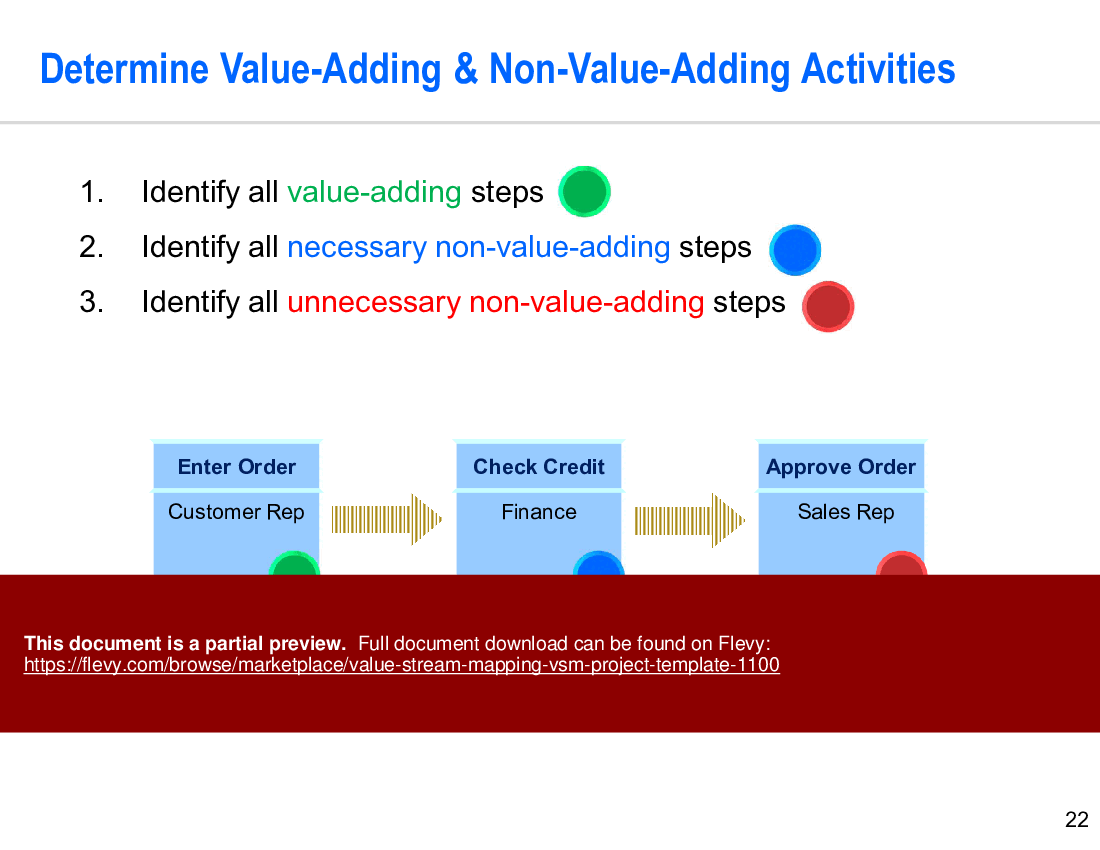
• Value-Adding Activities - Steps in a process that directly contribute to meeting customer needs.
• Non-Value-Adding Activities - Steps that do not add value to the product or service and should be minimized or eliminated.
• Stakeholder - Any individual or group that has an interest in the outcome of a project.
• Implementation Plan - A detailed plan outlining how improvements will be executed and monitored.
• VSM Charter - A document that outlines the scope, objectives, and team roles for a value stream mapping project.
• Current State Map - A visual representation of the existing process flow and performance metrics.
• Future State Map - A proposed visual representation of an improved process flow.
• Metrics - Quantitative measures used to assess performance and progress.
• Facilitator - The individual responsible for guiding the VSM process and managing team dynamics.
• Executive Sponsor - A senior leader who supports and champions the VSM project within the organization.
Source: Best Practices in Value Stream Mapping PowerPoint Slides: Value Stream Mapping (VSM) Project Template PowerPoint (PPTX) Presentation Slide Deck, Operational Excellence Consulting
|
Receive our FREE presentation on Operational Excellence
This 50-slide presentation provides a high-level introduction to the 4 Building Blocks of Operational Excellence. Achieving OpEx requires the implementation of a Business Execution System that integrates these 4 building blocks. |