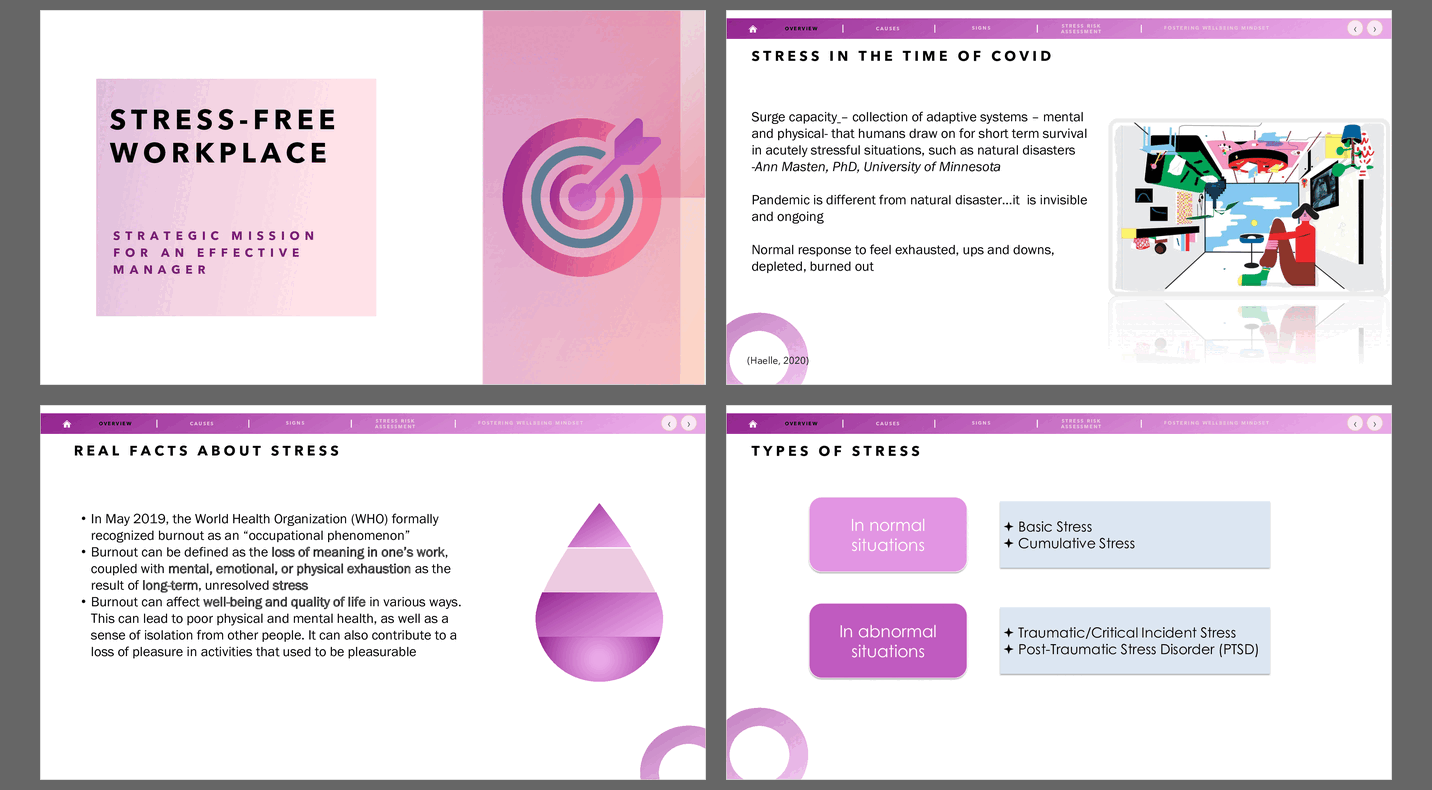

Stress-Free Workplace - The Mission for an Effective Manager   98-slide PPT PowerPoint presentation slide deck (PPTX)
$45.00

Stress-Free Workplace - The Mission for an Effective Manager (98-slide PPT PowerPoint presentation slide deck (PPTX)) Preview Image
Log in to unlock full preview.
Stress-Free Workplace - The Mission for an Effective Manager (98-slide PPT PowerPoint presentation slide deck (PPTX)) Preview Image
Arrow   Click main image to view in full screen.

Stress-Free Workplace - The Mission for an Effective Manager (PowerPoint PPTX Slide Deck)

PowerPoint (PPTX) 98 Slides

$45.00
Developed by a team of experts with global consulting experience at McKinsey, Deloitte, and Capgemini.
Add to Cart


Immediate download
Fully editable PowerPoint
Free lifetime updates

STRESS MANAGEMENT PPT DESCRIPTION

Editor Summary A 98-slide PowerPoint titled "Stress-Free Workplace - The Mission for an Effective Manager" provides a managerial framework for recognizing and managing workplace stress, developed by a team with global consulting experience at McKinsey, Deloitte, and Capgemini. Read more

Healthier employees operating under manageable levels of stress will be happier and more positive, helping to maintain a strong, healthy workplace culture that's conducive to creativity and productivity. Less sick days: Stress is one of the leading causes of absenteeism in the workplace.
The importance for a stress management strategy inside the team or all the organization seems to be obvious for every one.
This presentation contains :
An introduction Stress Theory
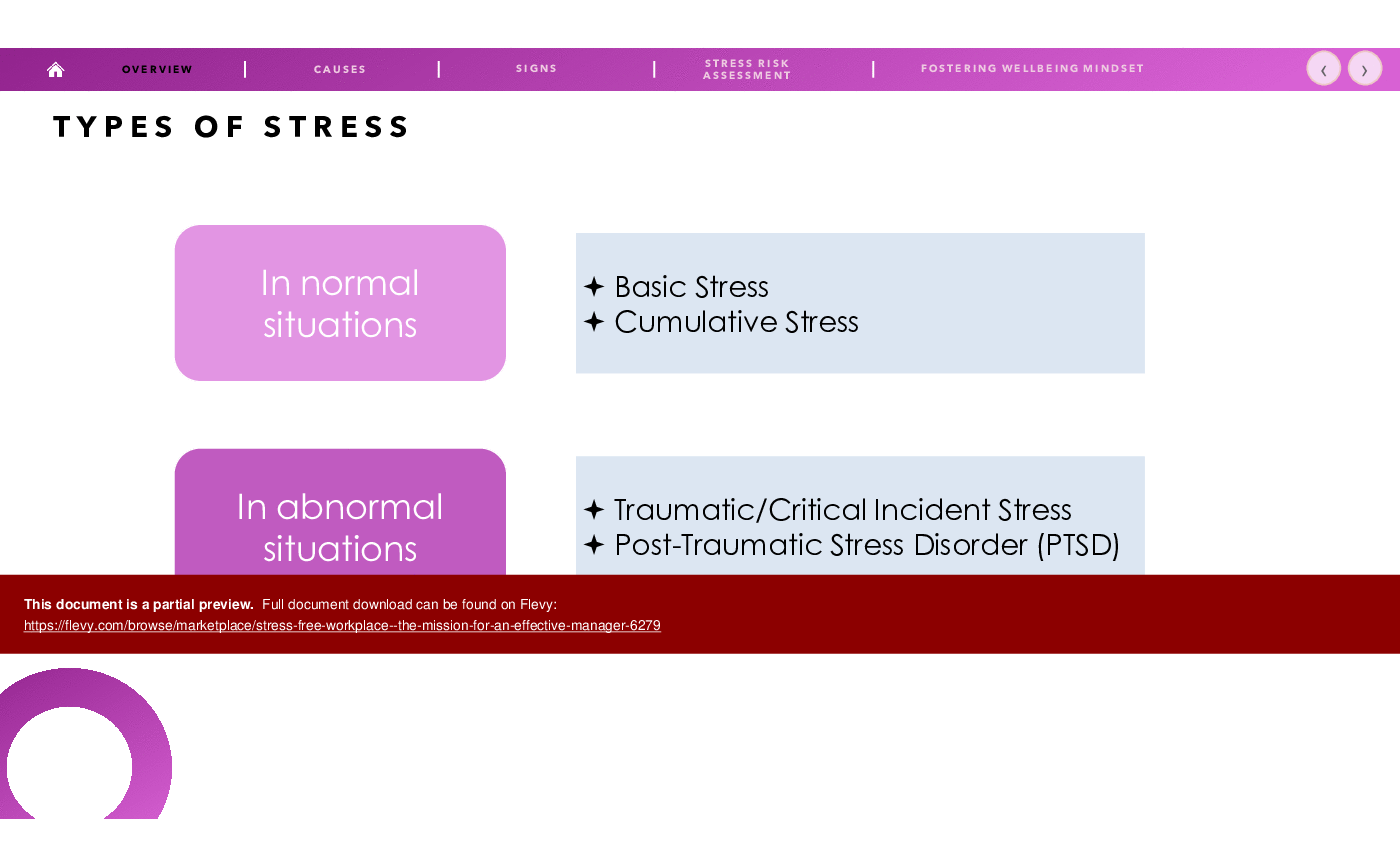
•  Kinds of Stress 
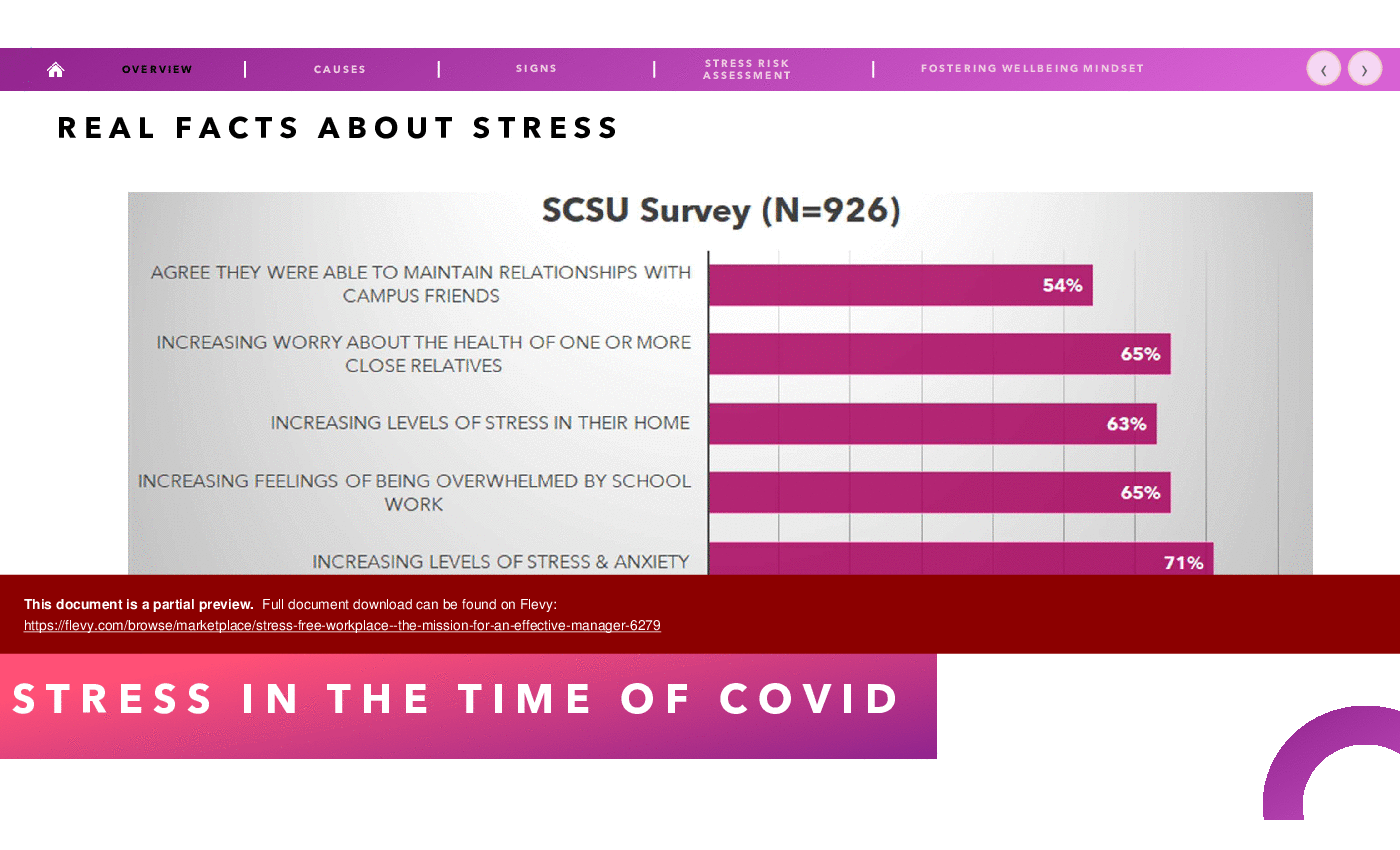
•  Stress in the Time of COVID 
•  Signs, Symptoms, Responses
Stress in the workplace
•  Why work places should look at stress 
•  How work impacts stress & stress impacts work 
•  Ways to recognize stress at work
Understanding the stress response
 - Recognizing stress is a normal & healthy response
 - Understanding how stress works and why it can be harmful
•  Introducing how to reduce the harm bad stress can cause
Reducing the impact of stress 
 - Our personal and environmental resources affect how we respond to stress
 - Learning how to foster a wellbeing mindset.
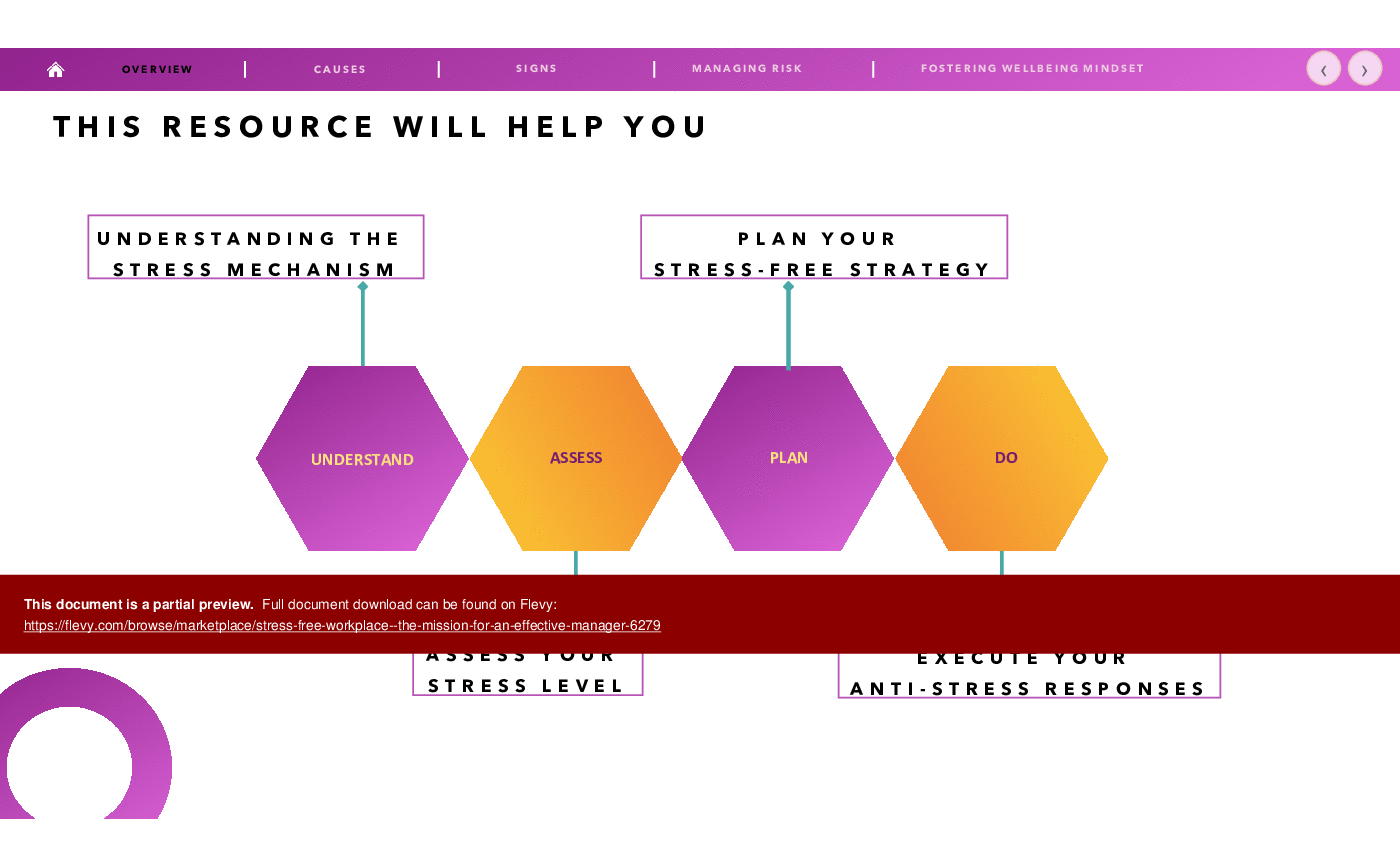
This document is easily customizable, content can be removed (or skipped over during presentation). Plenty of graphics are included in order to get the holistic vision of the stress mechanism and anti-stress strategies. Good Luck.

Got a question about the product? Email us at support@flevy.com or ask the author directly by using the "Ask the Author a Question" form. If you cannot view the preview above this document description, go here to view the large preview instead.

MARCUS OVERVIEW

This synopsis was written by Marcus [?] based on the analysis of the full 98-slide presentation.


Executive Summary
The "Stress-Free Workplace - The Mission for an Effective Manager" presentation provides a comprehensive framework for understanding and managing workplace stress. Designed for corporate executives and managers, this resource empowers leaders to recognize stressors, assess their impact, and implement effective strategies to foster a healthier work environment. By leveraging insights from psychological research and practical coping mechanisms, managers can enhance employee well-being and productivity, ultimately leading to a more engaged workforce.

Who This Is For and When to Use
•  Corporate executives focused on employee well-being and organizational health
•  HR leaders responsible for implementing stress management initiatives
•  Managers seeking to improve team dynamics and reduce burnout
•  Wellness coordinators aiming to foster a culture of resilience

Best-fit moments to use this deck:
•  During leadership training sessions on stress management
•  In workshops aimed at enhancing team well-being
•  When developing organizational policies around mental health

Learning Objectives
•  Define the concept of workplace stress and its implications for employee health
•  Identify common stressors and their signs within the workplace
•  Develop strategies to assess and manage stress levels effectively
•  Foster a well-being mindset among team members
•  Implement coping mechanisms that promote resilience and productivity
•  Create a culture of wellness that prioritizes mental health

Table of Contents
•  Introduction to Stress Theory (page 3)
•  Understanding Workplace Stress (page 5)
•  Recognizing Stress Responses (page 10)
•  Coping Mechanisms (page 15)
•  Stress Risk Assessment Process (page 20)
•  Strategies for Reducing Workplace Stress (page 25)
•  Fostering a Well-Being Mindset (page 30)

Primary Topics Covered
•  Workplace Stress - An exploration of how workplace dynamics contribute to stress and its effects on employee performance.
•  Stress Responses - Insight into the physiological and psychological responses to stress, including the fight-or-flight mechanism.
•  Coping Mechanisms - Strategies for individuals to manage stress effectively, including healthy and unhealthy coping methods.
•  Stress Risk Assessment - A structured approach to identifying and evaluating stressors within the workplace.
•  Well-Being Mindset - Techniques for fostering a culture of wellness that promotes resilience and employee engagement.
•  Burnout Recognition - Understanding the signs of burnout and its impact on organizational health.

Deliverables, Templates, and Tools
•  Stress Risk Assessment template to evaluate workplace stressors
•  Coping strategy worksheets for individual and team use
•  Guidelines for implementing a well-being program within the organization
•  Resources for training sessions on stress management and resilience
•  Assessment tools for measuring employee stress levels and well-being

Slide Highlights
•  Overview of stress theory and its relevance to workplace dynamics
•  Visual representation of the stress response cycle and its implications
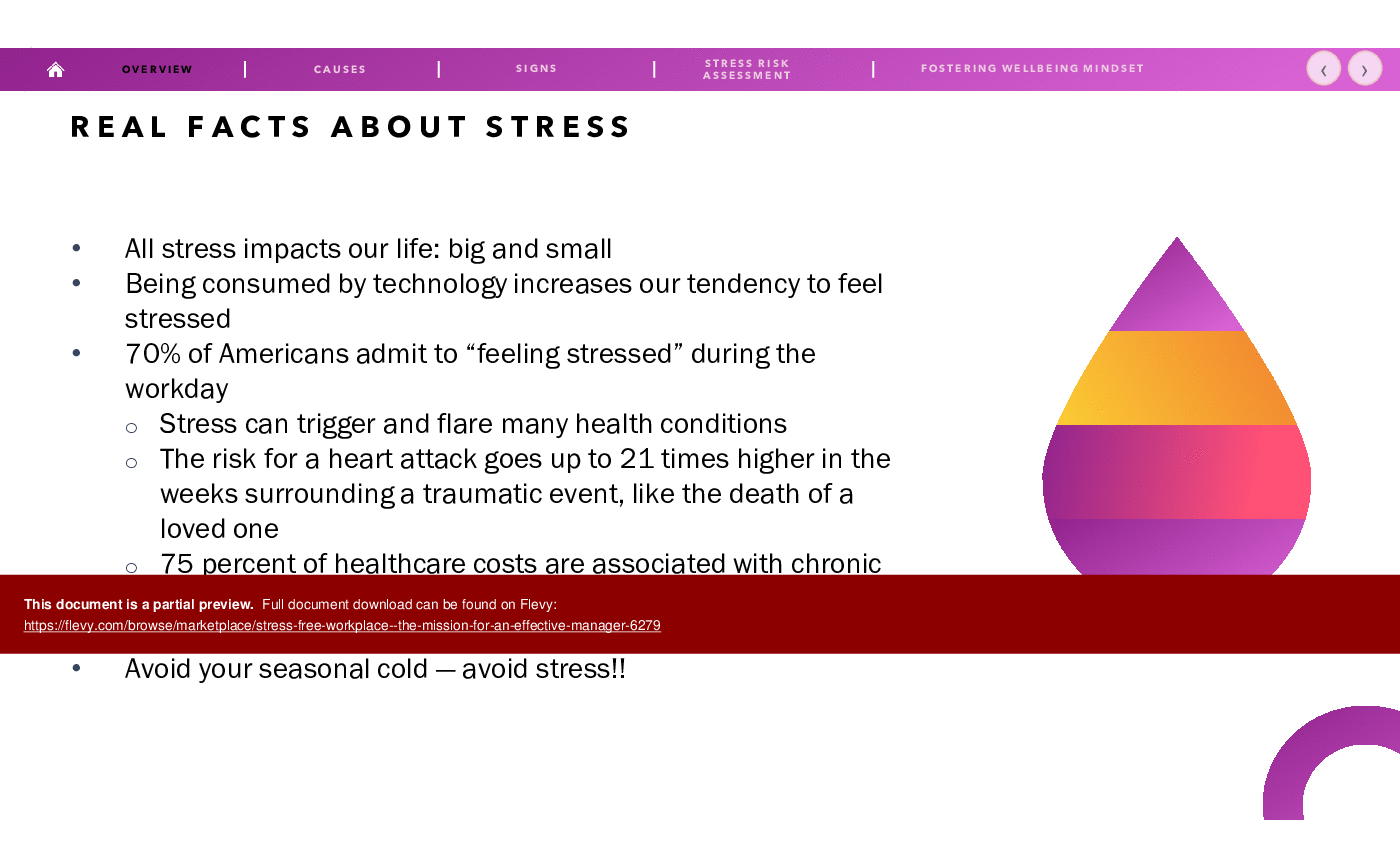
•  Key statistics on workplace stress and its impact on health
•  Framework for conducting a stress risk assessment
•  Strategies for fostering a culture of wellness within the organization

Potential Workshop Agenda
Understanding Workplace Stress (90 minutes)
•  Discuss the nature of workplace stress and its impact on employees
•  Identify common stressors and their signs

Coping Mechanisms Workshop (60 minutes)
•  Explore healthy vs. unhealthy coping strategies
•  Develop personalized coping plans

Stress Risk Assessment Training (90 minutes)
•  Learn how to conduct a stress risk assessment
•  Analyze results and develop action plans

Customization Guidance
•  Tailor the stress risk assessment tools to fit your organization's specific context and culture
•  Adjust coping strategies based on team dynamics and individual needs
•  Incorporate organizational values into the well-being initiatives

Secondary Topics Covered
•  The role of leadership in managing workplace stress
•  Techniques for enhancing employee engagement and satisfaction
•  The impact of organizational culture on stress levels
•  Strategies for promoting work-life balance

Topic FAQ

What core topics should a workplace stress management program cover?

A workplace stress program should cover how work contributes to stress, physiological and psychological stress responses, coping mechanisms, structured stress risk assessment, fostering a well-being mindset, and burnout recognition. These align with the deck’s primary topics covering workplace stress, stress responses, coping, assessment, well-being mindset, and burnout recognition.

What is a stress risk assessment and how is it used in practice?

A stress risk assessment is a systematic process to identify potential workplace stressors, evaluate their impact, and prioritize mitigation measures. The Flevy product provides a Stress Risk Assessment template and a framework for conducting assessments, with a dedicated "Stress Risk Assessment Process" section located on page 20.

How can managers recognize signs of stress or burnout in their teams?

Managers can watch for behavioral changes, increased absenteeism, drops in productivity, heightened irritability, anxiety, and emotional exhaustion. The product’s guidance and glossary list these typical indicators and explain how prolonged stress can lead to burnout, with examples such as increased absenteeism and irritability.

Which coping mechanisms are typically recommended for employees under stress?

Recommended coping methods include mindfulness practices, physical activity, open communication, seeking peer or professional support, and personalized action plans. The deck includes coping strategy worksheets and a "Coping Mechanisms" section designed for individual and team use, along with healthy versus unhealthy coping comparisons.

What should I look for when choosing a workplace stress-management slide deck?

Look for coverage of stress theory, recognition of stress responses, practical assessment tools, ready-to-use worksheets, customization guidance, and suggested workshop agendas. The product lists those elements and provides 98 slides that combine theory, tools, and workshop resources.

How much time do typical workshops based on this deck require to run?

The deck includes a sample workshop agenda with time estimates: a 90-minute "Understanding Workplace Stress" session, a 60-minute "Coping Mechanisms Workshop," and a 90-minute "Stress Risk Assessment Training," which can guide planning and resource allocation for facilitator-led sessions.

I need to create a team-level stress policy after high turnover—how can a deck help?

Use the deck’s Stress Risk Assessment template to identify team-specific stressors, apply the well-being program guidelines to draft policy components, and customize coping strategy worksheets for affected employees. The presentation’s customization guidance supports tailoring those materials for team-level policy development.

Are templates and worksheets in these decks practical for small HR teams working on limited budgets?

The document is described as easily customizable, allowing small HR teams to adapt slides and worksheets without building materials from scratch; it supplies coping strategy worksheets, a Stress Risk Assessment template, and training resources across 98 slides to reduce preparation time.

Document FAQ
These are questions addressed within this presentation.

What is workplace stress?
Workplace stress arises when individuals perceive an imbalance between the demands placed on them and the resources they have to cope with those demands.

How can I identify stress in my team?
Look for signs such as changes in behavior, increased absenteeism, and decreased productivity, as well as emotional symptoms like irritability or anxiety.

What are effective coping strategies?
Effective coping strategies include mindfulness practices, physical activity, open communication, and seeking support from colleagues or professionals.

How do I conduct a stress risk assessment?
A stress risk assessment involves identifying potential stressors, evaluating their impact, and implementing measures to mitigate them.

What is burnout, and how can it be prevented?
Burnout is a state of emotional, physical, and mental exhaustion caused by prolonged stress. Prevention strategies include promoting work-life balance, providing support, and fostering a positive workplace culture.

How can I foster a well-being mindset in my team?
Encourage open discussions about mental health, provide resources for stress management, and model healthy coping behaviors as a leader.

What role does leadership play in managing stress?
Leadership is crucial in setting the tone for workplace culture, promoting well-being initiatives, and supporting employees in managing stress.

How can I measure the effectiveness of stress management initiatives?
Use employee surveys, feedback sessions, and performance metrics to assess the impact of stress management programs on employee well-being and productivity.

Glossary
•  Burnout - A state of emotional, physical, and mental exhaustion caused by prolonged stress.
•  Coping Mechanisms - Strategies used to manage stress and emotional responses.
•  Stress Risk Assessment - A systematic process for identifying and evaluating workplace stressors.
•  Well-Being Mindset - An organizational culture that prioritizes mental health and resilience.
•  Fight-or-Flight Response - The body's physiological reaction to perceived threats or stressors.
•  Resilience - The ability to adapt and recover from stress or adversity.
•  Workplace Stress - The harmful physical and emotional responses that occur when job demands exceed an individual's capacity to cope.
•  Stressors - Events or conditions that trigger stress responses in individuals.
•  Mindfulness - A mental practice that involves focusing on the present moment to reduce stress.
•  Employee Engagement - The level of commitment and involvement an employee has towards their organization.
•  Organizational Culture - The shared values, beliefs, and practices that shape the behavior of individuals within an organization.
•  Mental Health - A person's emotional, psychological, and social well-being.
•  Work-Life Balance - The equilibrium between personal life and work responsibilities.
•  Physical Activity - Any movement that engages muscles and expends energy, which can help reduce stress.
•  Emotional Intelligence - The ability to recognize and manage one's own emotions and the emotions of others.
•  Stress Management - Techniques and therapies aimed at controlling a person's level of stress.
•  Support Systems - Networks of people who provide emotional and practical support.
•  Self-Care - Activities and practices that individuals engage in to maintain and enhance their health and well-being.
•  Positive Psychology - The study of strengths and virtues that enable individuals and communities to thrive.

Source: Best Practices in Stress Management PowerPoint Slides: Stress-Free Workplace - The Mission for an Effective Manager PowerPoint (PPTX) Presentation Slide Deck, RadVector Consulting


$45.00
Developed by a team of experts with global consulting experience at McKinsey, Deloitte, and Capgemini.
Add to Cart
  

ABOUT THE AUTHOR

Additional documents from author: 183

We are a group of aviation experts & specialists (PhDs, Engineers, Pilots, Navigators, ...), leaders in helping organizations to transform their business performance using Methodologies and Principles of Lean, Agile, Six Sigma, and Innovation.

Ask the Author a Question

You must be logged in to contact the author.

Click here to log in Click here register

Did you know?
The average daily rate of a McKinsey consultant is $6,625 (not including expenses). The average price of a Flevy document is $65.


Trusted by over 10,000+ Client Organizations
Since 2012, we have provided business templates to over 10,000 businesses and organizations of all sizes, from startups and small businesses to the Fortune 100, in over 130 countries.
AT&T GE Cisco Intel IBM Coke Dell Toyota HP Nike Samsung Microsoft Astrazeneca JP Morgan KPMG Walgreens Walmart 3M Kaiser Oracle SAP Google E&Y Volvo Bosch Merck Fedex Shell Amgen Eli Lilly Roche AIG Abbott Amazon PwC T-Mobile Broadcom Bayer Pearson Titleist ConEd Pfizer NTT Data Schwab


Read Customer Testimonials

 
"The wide selection of frameworks is very useful to me as an independent consultant. In fact, it rivals what I had at my disposal at Big 4 Consulting firms in terms of efficacy and organization."

– Julia T., Consulting Firm Owner (Former Manager at Deloitte and Capgemini)
 
"As a niche strategic consulting firm, Flevy and FlevyPro frameworks and documents are an on-going reference to help us structure our findings and recommendations to our clients as well as improve their clarity, strength, and visual power. For us, it is an invaluable resource to increase our impact and value."

– David Coloma, Consulting Area Manager at Cynertia Consulting
 
"Flevy.com has proven to be an invaluable resource library to our Independent Management Consultancy, supporting and enabling us to better serve our enterprise clients.

The value derived from our [FlevyPro] subscription in terms of the business it has helped to gain far exceeds the investment made, making a subscription a no-brainer for any growing consultancy – or in-house strategy team."

– Dean Carlton, Chief Transformation Officer, Global Village Transformations Pty Ltd.
 
"As a consultant requiring up to date and professional material that will be of value and use to my clients, I find Flevy a very reliable resource.

The variety and quality of material available through Flevy offers a very useful and commanding source for information. Using Flevy saves me time, enhances my expertise and ends up being a good decision."

– Dennis Gershowitz, Principal at DG Associates
 
"Last Sunday morning, I was diligently working on an important presentation for a client and found myself in need of additional content and suitable templates for various types of graphics. Flevy.com proved to be a treasure trove for both content and design at a reasonable price, considering the time I "

– M. E., Chief Commercial Officer, International Logistics Service Provider
 
"FlevyPro provides business frameworks from many of the global giants in management consulting that allow you to provide best in class solutions for your clients."

– David Harris, Managing Director at Futures Strategy
 
"Flevy is now a part of my business routine. I visit Flevy at least 3 times each month.

Flevy has become my preferred learning source, because what it provides is practical, current, and useful in this era where the business world is being rewritten.

In today's environment where there are so "

– Omar Hernán Montes Parra, CEO at Quantum SFE
 
"As a consulting firm, we had been creating subject matter training materials for our people and found the excellent materials on Flevy, which saved us 100's of hours of re-creating what already exists on the Flevy materials we purchased."

– Michael Evans, Managing Director at Newport LLC



Customers Also Like These Documents

Explore Related Management Topics


Your Recently Viewed Documents
Download our FREE Organization, Change, & Culture, Templates

Download our free compilation of 50+ slides and templates on Organizational Design, Change Management, and Corporate Culture. Methodologies include ADKAR, Burke-Litwin Change Model, McKinsey 7-S, Competing Values Framework, etc.








