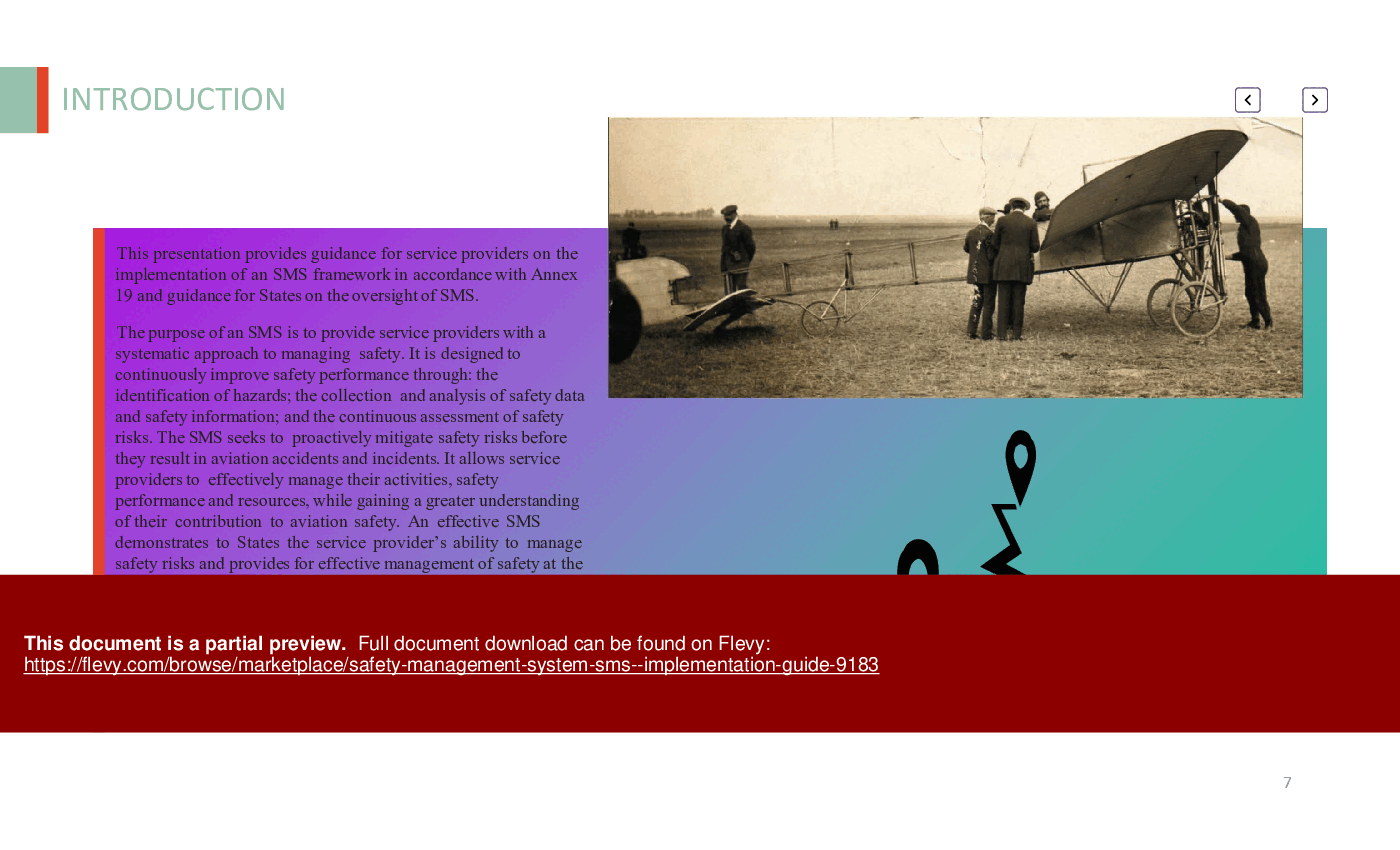

This presentation provides detailed guidance for service providers on implementing a Safety Management System (SMS) framework, as outlined in ICAO Annex 19, along with guidance for States overseeing SMS implementations.
The purpose of an SMS is to provide service providers with a structured, proactive approach to managing safety, focused on continuous safety performance improvement. By identifying hazards, collecting and analyzing safety data, and continuously assessing safety risks, an SMS framework enables service providers to take preemptive actions to address safety risks before they lead to aviation accidents and incidents. The SMS is intended not just to improve individual organizational safety but to enhance overall aviation safety at a systemic level. Through SMS, service providers can effectively manage safety performance, streamline resources, and gain a comprehensive understanding of how their operations contribute to aviation safety outcomes.
For a service provider, an SMS serves as a demonstrable commitment to safety for regulatory authorities, which can increase trust and cooperation between the service provider and the State. A well-implemented SMS assures regulators of the provider's capability to manage safety risks responsibly, paving the way for effective safety management both at the organizational and State levels. The SMS framework also allows for flexible, risk-based decision-making, helping service providers to balance operational needs with regulatory compliance and risk mitigation.
For international general aviation operators, understanding the SMS requirements for their specific aircraft and ensuring compliance with the State of Registry is essential. The regulatory context may vary by jurisdiction, so operators should confirm with the State of Registry if adopting an industry code of practice is permissible. This flexibility can simplify compliance and align SMS practices with broader industry standards, while still meeting regulatory expectations.
Operators of large aircraft or those operating turbojet aeroplanes across multiple States of Registry under an Air Operator Certificate (AOC), as required by ICAO Annex 6, Part I, are also classified as service providers. In these cases, the SMS must be structured to meet the safety requirements set by the State of the Operator, which may have additional oversight responsibilities. This requirement highlights the importance of a robust SMS framework that not only complies with home-state regulations but is adaptable to meet the varying demands of international operations.
In summary, an SMS provides a comprehensive, risk-based approach to managing aviation safety, benefiting both service providers and regulatory bodies. For service providers, SMS helps maintain safety, optimize resources, and meet compliance, while supporting a culture of proactive safety management. For States, SMS oversight ensures that providers adhere to safety standards and that risk management practices are effectively implemented across the industry. Through this coordinated effort, the SMS contributes to a safer global aviation landscape, fostering a more resilient, responsive, and collaborative approach to managing safety risks in aviation.
Got a question about the product? Email us at support@flevy.com or ask the author directly by using the "Ask the Author a Question" form. If you cannot view the preview above this document description, go here to view the large preview instead.
Executive Summary
The Safety Management System (SMS) Implementation Guide is a comprehensive presentation designed for service providers in the aviation sector. It outlines a structured approach to managing safety in accordance with ICAO Annex 19. This guide enables organizations to identify hazards, assess risks, and implement effective safety measures to enhance aviation safety. By following the framework presented, organizations can continuously improve their safety performance and demonstrate their commitment to safety to regulatory authorities.
Who This Is For and When to Use
• Aviation safety managers responsible for implementing and maintaining SMS frameworks.
• Compliance officers ensuring adherence to safety regulations and standards.
• Executive leadership aiming to foster a safety culture within their organization.
• Training coordinators developing safety training programs for personnel.
Best-fit moments to use this deck:
• During the initial setup of an SMS framework in compliance with regulatory requirements.
• When conducting safety audits and performance evaluations.
• For training sessions aimed at enhancing safety awareness among staff.
Learning Objectives
• Define the components of an effective Safety Management System (SMS).
• Establish safety policies and objectives aligned with organizational goals.
• Identify and assess safety hazards using systematic risk management processes.
• Implement safety performance monitoring and measurement techniques.
• Develop and execute effective emergency response plans.
• Foster a culture of safety through training and communication initiatives.
Table of Contents
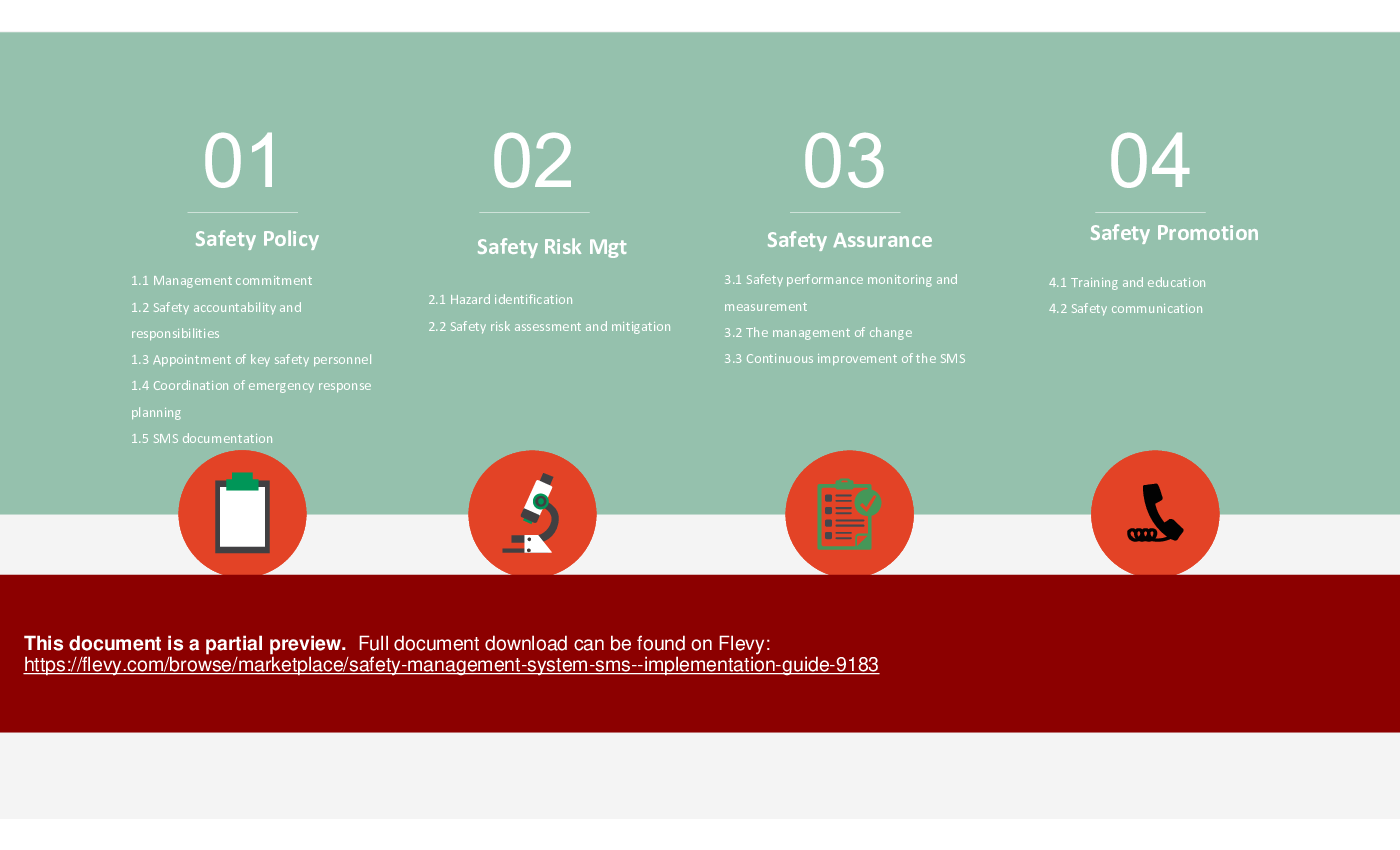
• Safety Policy (page 1)
• Safety Risk Management (page 2)
• Safety Assurance (page 3)
• Safety Promotion (page 4)
• Implementation Planning (page 5)
Primary Topics Covered
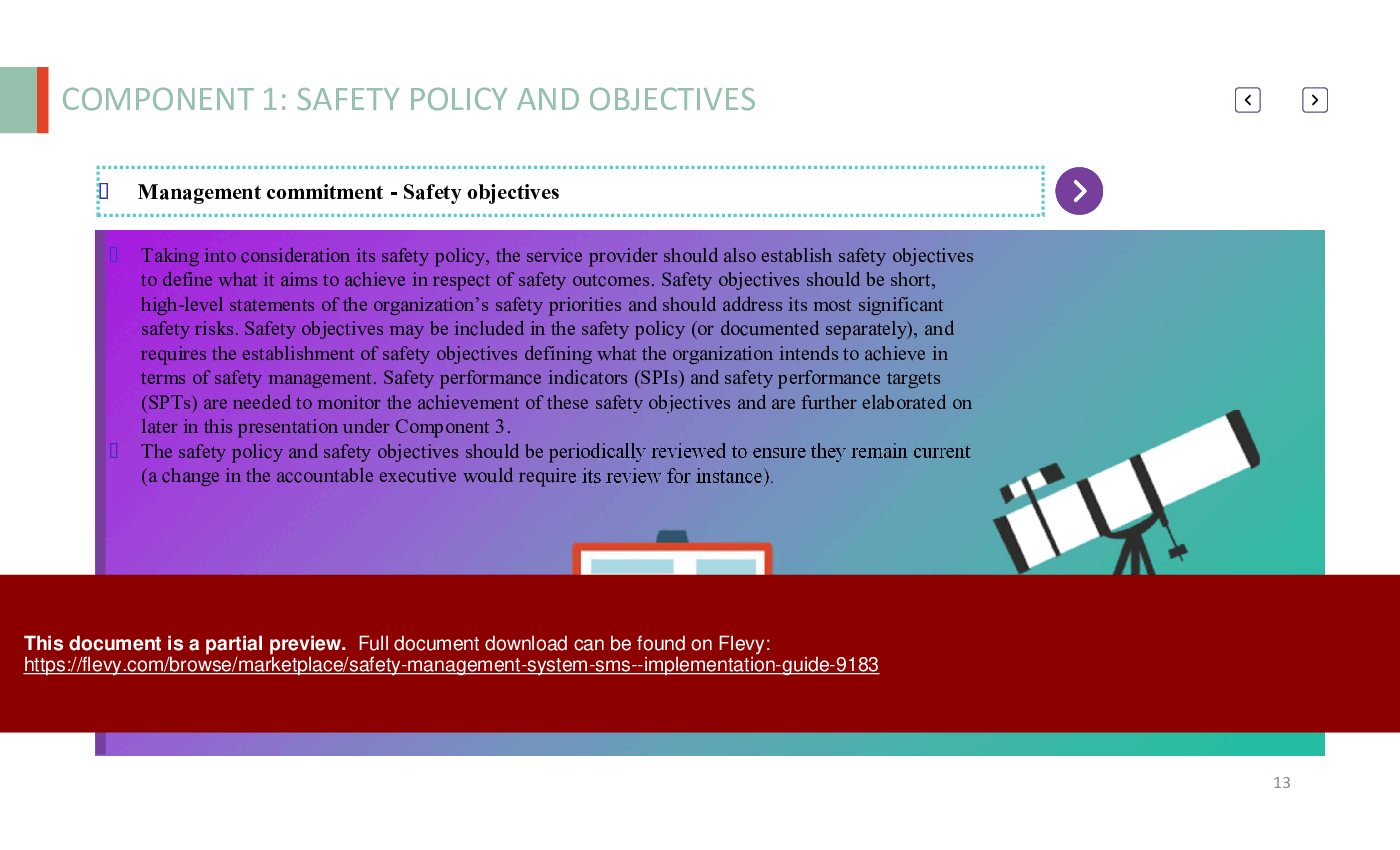
• Safety Policy - Outlines the commitment of senior management to safety and the establishment of safety objectives.
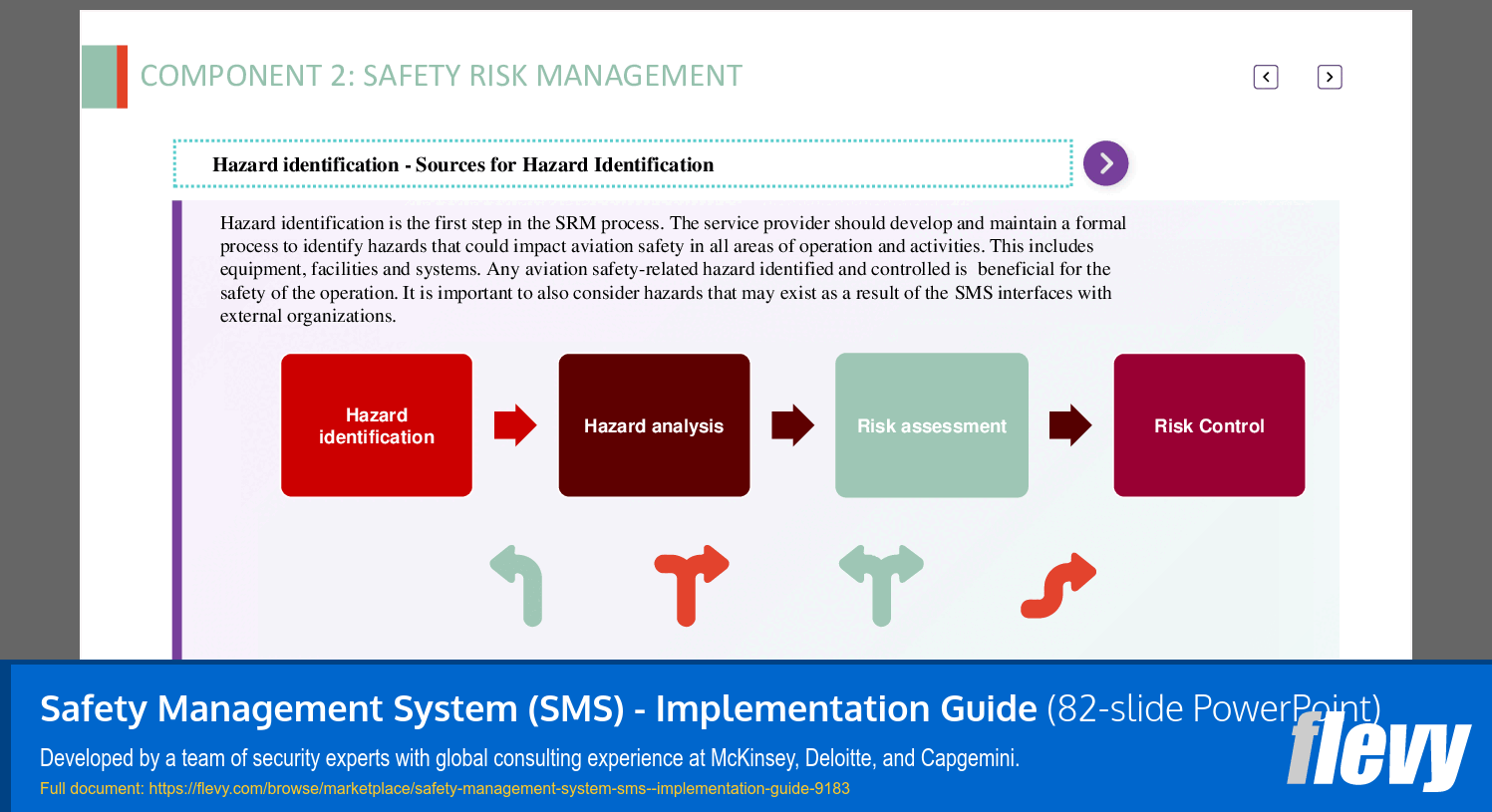
• Safety Risk Management - Details the process of identifying hazards, assessing risks, and implementing controls.
• Safety Assurance - Focuses on monitoring safety performance and ensuring the effectiveness of safety risk controls.
• Safety Promotion - Discusses training and communication strategies to foster a positive safety culture.
• Implementation Planning - Provides guidance on how to effectively implement and integrate the SMS within an organization.
Deliverables, Templates, and Tools
• Safety policy and objectives template for organizational alignment.
• Hazard identification and risk assessment forms for systematic evaluation.
• Safety performance indicators (SPIs) and targets (SPTs) tracking tools.
• Emergency response plan templates for crisis management.
• Training program outlines tailored to various roles within the organization.
Slide Highlights
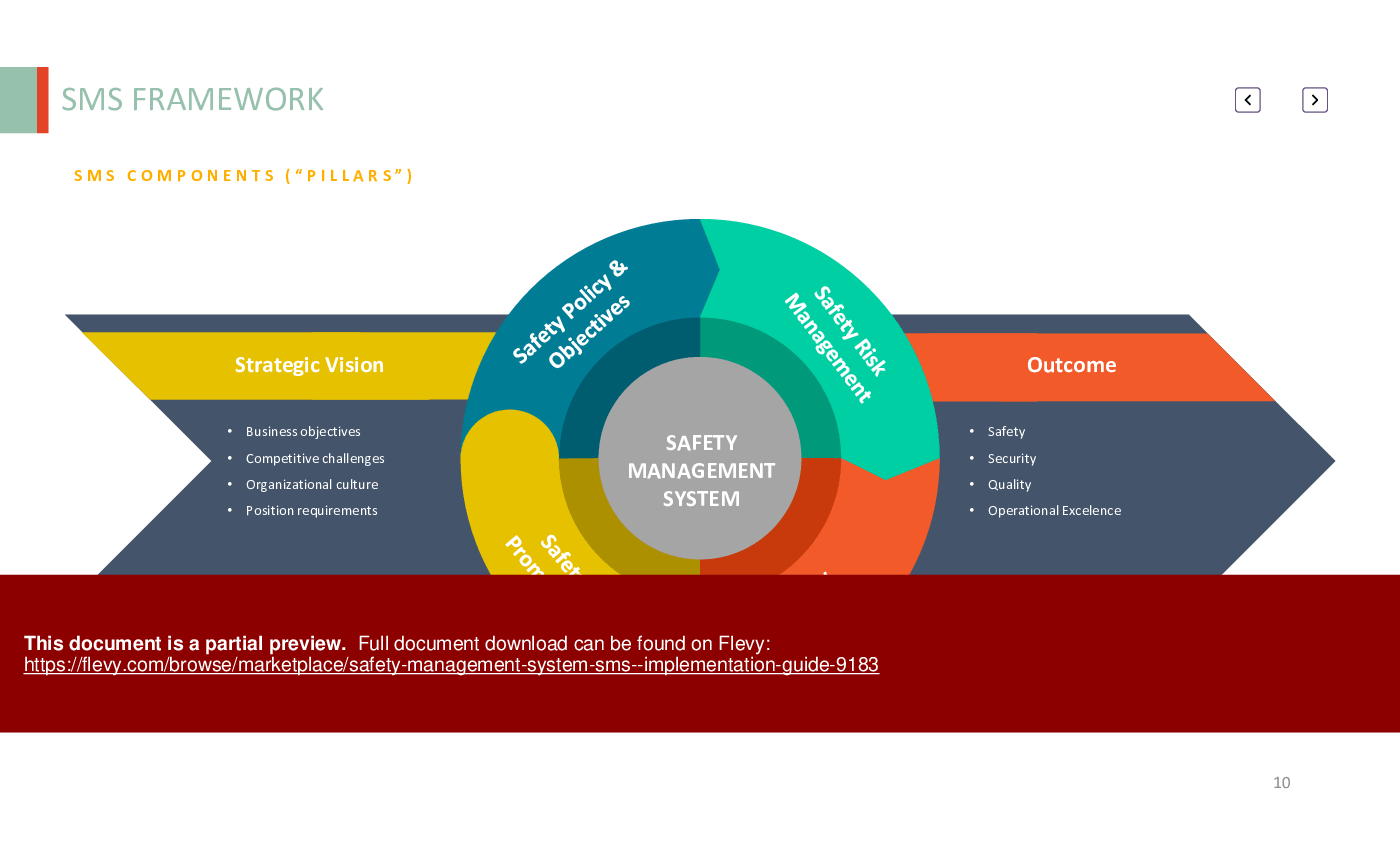
• Overview of the SMS framework emphasizing its 4 key components.
• Detailed process flow for hazard identification and risk management.
• Visual representation of safety performance monitoring and measurement metrics.
• Emergency response planning framework illustrating roles and responsibilities.
• Integration strategies for aligning SMS with existing management systems.
Potential Workshop Agenda
SMS Overview and Framework (60 minutes)
• Introduction to SMS components and their importance.
• Discussion on organizational commitment to safety.
Hazard Identification and Risk Management (90 minutes)
• Interactive session on identifying hazards in operations.
• Group activity to assess risks and develop mitigation strategies.
Safety Performance Monitoring (60 minutes)
• Overview of safety performance indicators and targets.
• Workshop on developing a safety performance monitoring plan.
Customization Guidance
• Tailor the safety policy and objectives to reflect organizational values and operational context.
• Adapt hazard identification processes to fit specific operational environments and activities.
• Modify training programs to align with the roles and responsibilities of personnel.
Secondary Topics Covered
• Emergency response planning and coordination with external organizations.
• Continuous improvement processes for the SMS.
• Integration of SMS with other management systems (e.g., QMS, EMS).
• Safety communication strategies for effective information dissemination.
FAQ
What is the purpose of an SMS?
An SMS provides a systematic approach to managing safety, enabling organizations to identify hazards and mitigate risks proactively.
Who is responsible for the SMS within an organization?
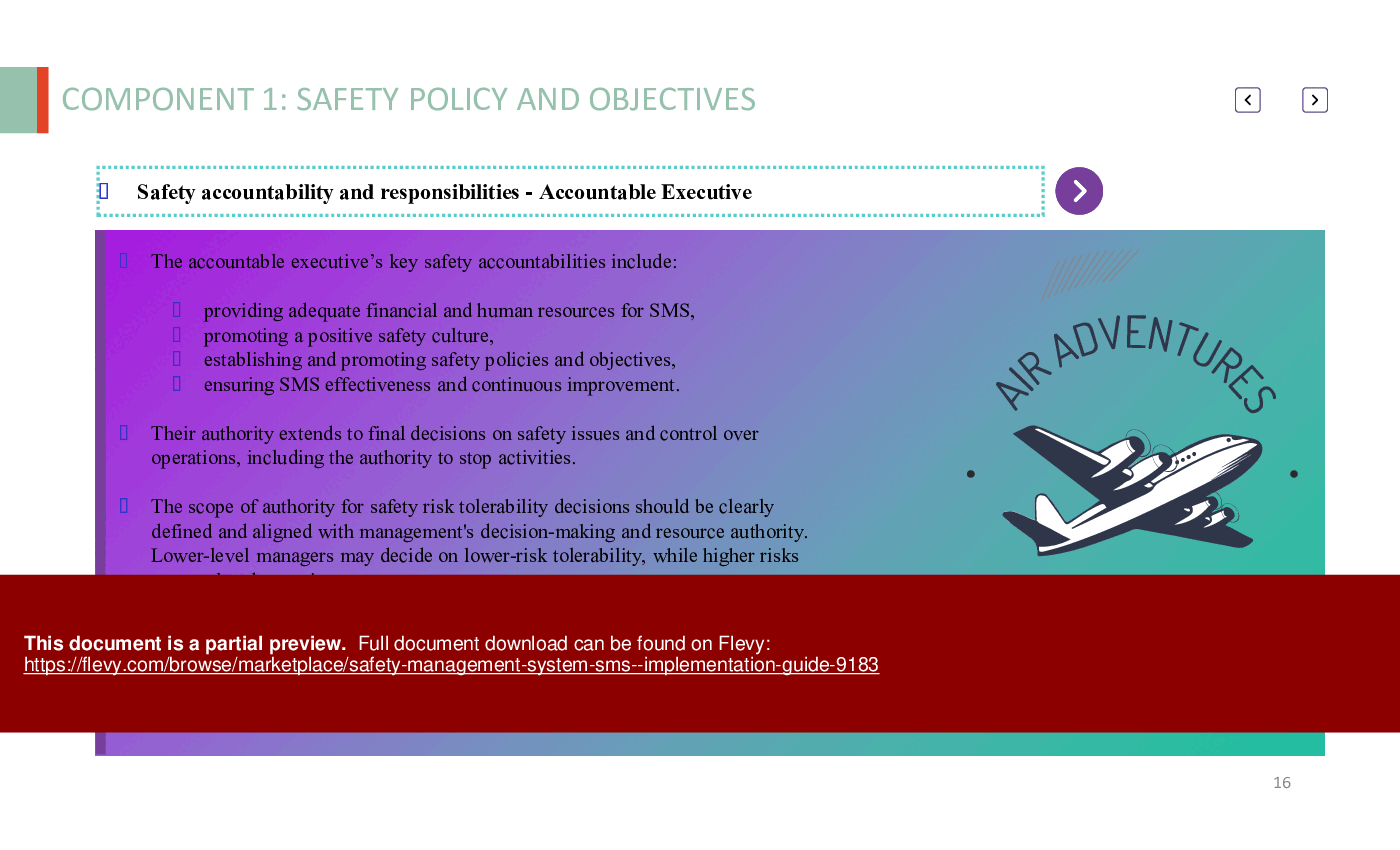
The accountable executive, typically the CEO, holds ultimate responsibility for the SMS and its effectiveness.
How often should safety performance be monitored?
Safety performance should be continuously monitored through regular audits and assessments to ensure compliance and effectiveness.
What are safety performance indicators (SPIs)?
SPIs are metrics used to measure the safety performance of an organization, helping to track progress toward safety objectives.
How can organizations foster a positive safety culture?
Organizations can promote a positive safety culture through effective training, open communication, and by encouraging reporting of safety issues without fear of retribution.
What is the role of training in SMS?
Training ensures that personnel are competent to perform their SMS duties and understand the organization’s safety policies and objectives.
How should changes in operations be managed?
Changes should be assessed for their impact on safety, with a formal management of change process in place to identify and mitigate new hazards.
What documentation is required for an SMS?
An SMS requires documentation of policies, procedures, hazard identification processes, risk assessments, and safety performance monitoring activities.
Glossary
• SMS - Safety Management System, a systematic approach to managing safety.
• SPIs - Safety Performance Indicators, metrics to measure safety performance.
• SPTs - Safety Performance Targets, goals for safety performance outcomes.
• Hazard - A condition that could lead to an accident or incident.
• Risk Assessment - The process of evaluating the potential risks that may be involved in a projected activity or undertaking.
• Emergency Response Plan (ERP) - A plan for responding to emergencies to ensure safety and continuity of operations.
• Safety Culture - The shared values, beliefs, and norms about safety within an organization.
• Management of Change - A systematic approach to managing changes in operations that could impact safety.
• Training Needs Analysis (TNA) - A process to determine the training requirements for personnel involved in the SMS.
• Continuous Improvement - Ongoing efforts to improve products, services, or processes.
• Safety Assurance - Processes to ensure that the SMS is operating effectively and meeting safety objectives.
• Safety Reporting System - A system that allows personnel to report safety issues and hazards.
• Accountable Executive - The individual with ultimate responsibility for safety within an organization.
• ICAO - International Civil Aviation Organization, a specialized agency of the United Nations that sets global standards for aviation safety.
• Annex 19 - A document by ICAO that outlines the requirements for Safety Management Systems in aviation.
Source: Best Practices in Risk Management, Workplace Safety PowerPoint Slides: Safety Management System (SMS) - Implementation Guide PowerPoint (PPTX) Presentation Slide Deck, RadVector Consulting
|
Receive our FREE presentation on Operational Excellence
This 50-slide presentation provides a high-level introduction to the 4 Building Blocks of Operational Excellence. Achieving OpEx requires the implementation of a Business Execution System that integrates these 4 building blocks. |