
Introduction:
In an era where digital transformation sweeps across industries at an unprecedented pace, organizations must adapt swiftly to harness the power of technology. This paradigm shift, ushered in by digitalization, not only unlocks new opportunities but also redefines operations, business models, and strategies. Amidst this whirlwind of change, the aviation industry stands as a trailblazer, having embraced digital transformation in all facets of its existence.
1. The Accelerated Journey of Digital Transformation:
• Unprecedented Momentum: Unveiling the rapid pace of digital transformation across diverse industries.
• Aviation's Stalwart Role: Recognizing aviation's stature as both a mature sector and a pioneer in digital transformation.
2. Unraveling the Power of Data:
• The Digital Jungle: Navigating the data-rich landscape of contemporary business.
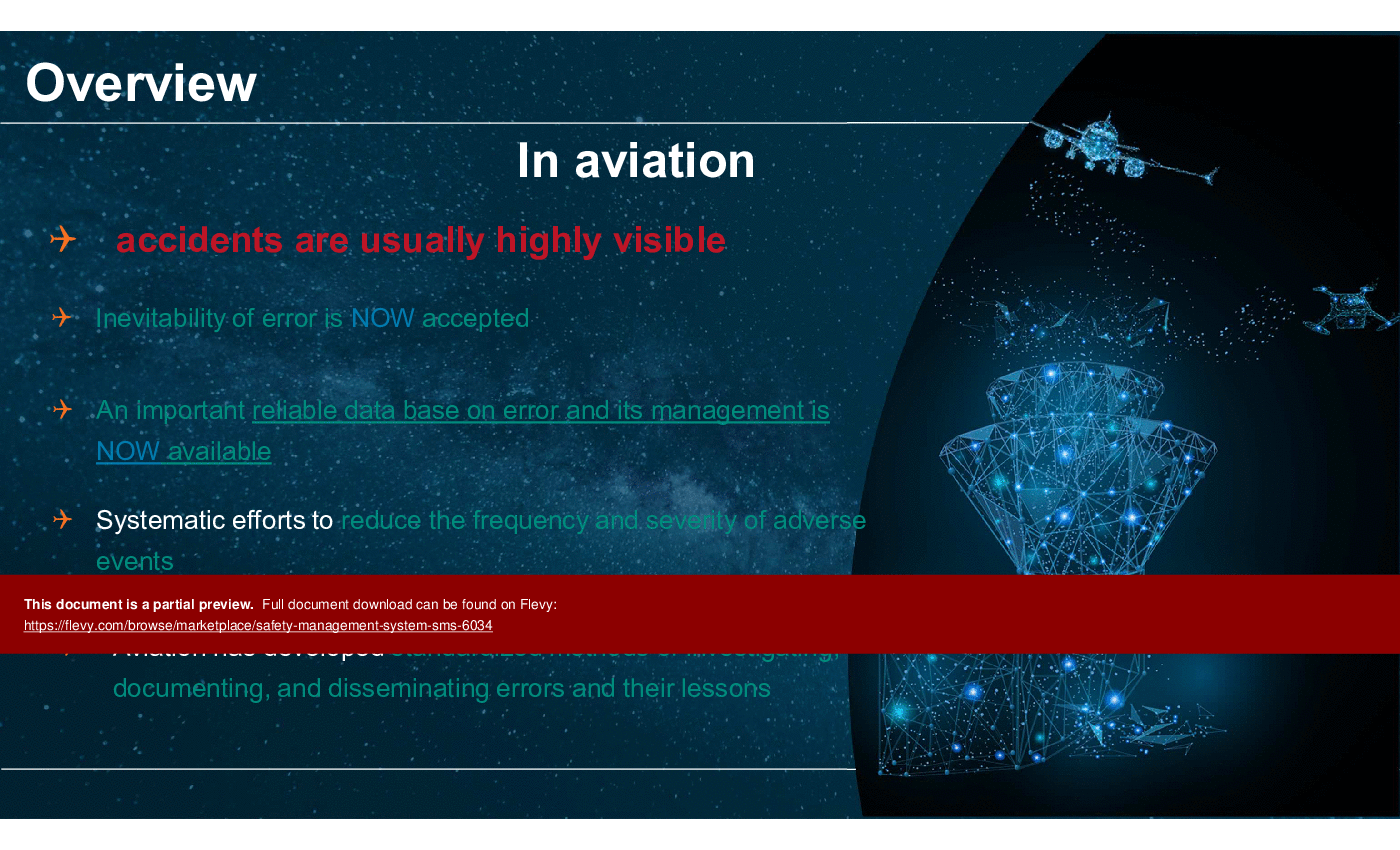
• Learning from the Aviators: Embracing the aviation industry's wealth of insights gleaned from past experiences, incidents, and accidents.
• Safe Patterns in Big Data: The art of identifying secure data patterns in the age of immense information.
3. Co-Piloting Transformation: An Aviator's Initiative:
• Aviation's Gift: Exploring the mission of Co-Piloting Transformation—an initiative led by seasoned aviators.
• Aviation Know-How: Leveraging aviation's treasure trove of knowledge, including standards, best practices, and strategies.
4. The Adapt And Adopt Transformation Process:
• Guiding Your Business Objectives: Unveiling a comprehensive process that equips organizations with the tools to meet their objectives.
• *Embracing Trusted Methodologies*: Emulating aviation's time-tested methodologies, spanning all facets of business.
5. A World of Possibilities:
• Digital Transformation Unleashed: Harnessing the potential of cutting-edge technologies such as virtual design and simulation, Internet of Things, Manufacturing as a Service, and Big Data analytics.
• Transforming Knowledge into Action: Exploring the dynamic library of frameworks and their application in functional areas.
In essence, "Co-Piloting Transformation" extends an invitation to organizations, urging them to embrace aviation's reservoir of wisdom. By adapting and adopting aviation's proven standards, best practices, and strategies, businesses can navigate the tumultuous waters of digital transformation with poise and confidence.
Envision a future where the convergence of modern innovations melds seamlessly with the age-old expertise of aviation—a future where businesses thrive amidst the challenges of digital transformation.
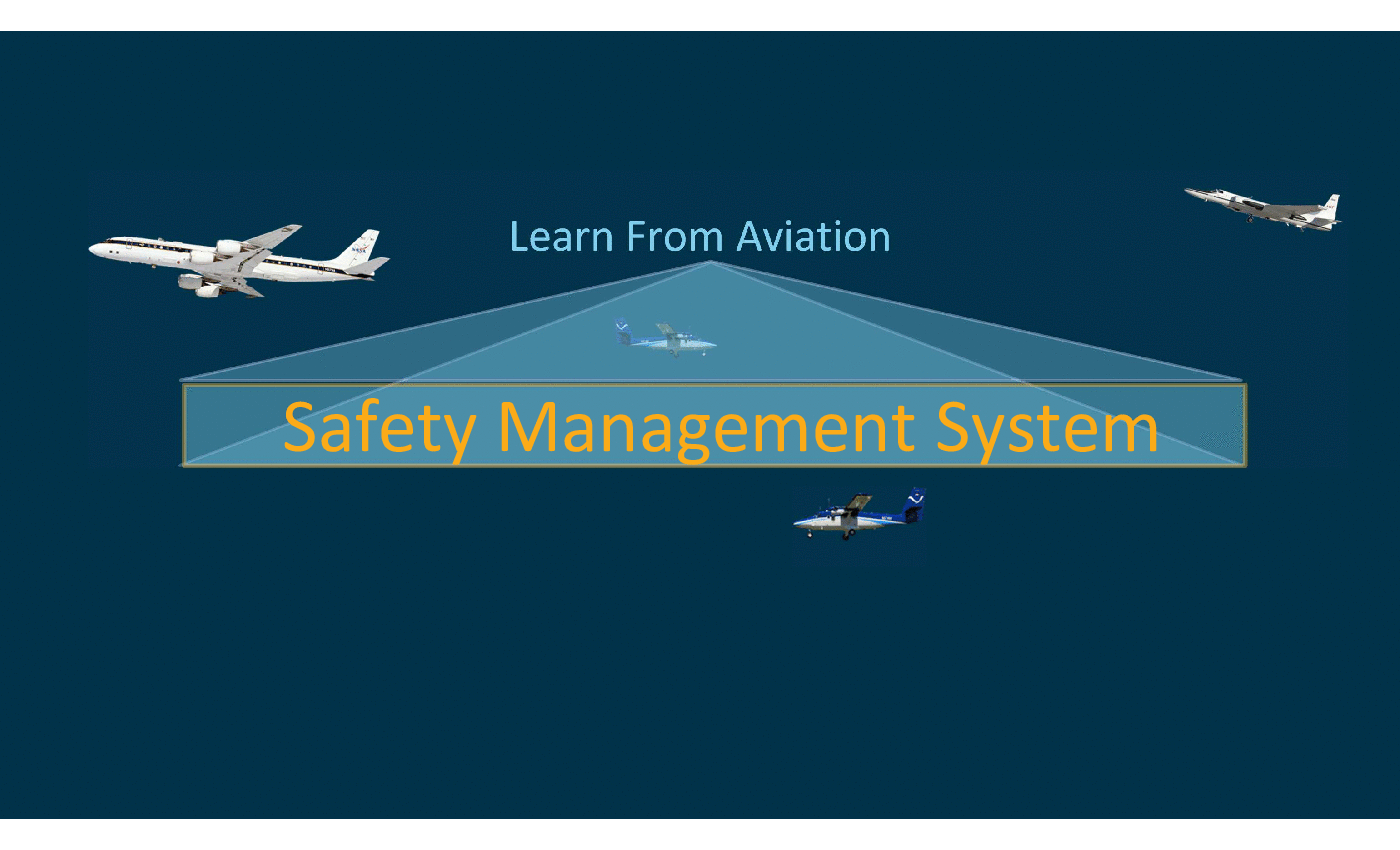
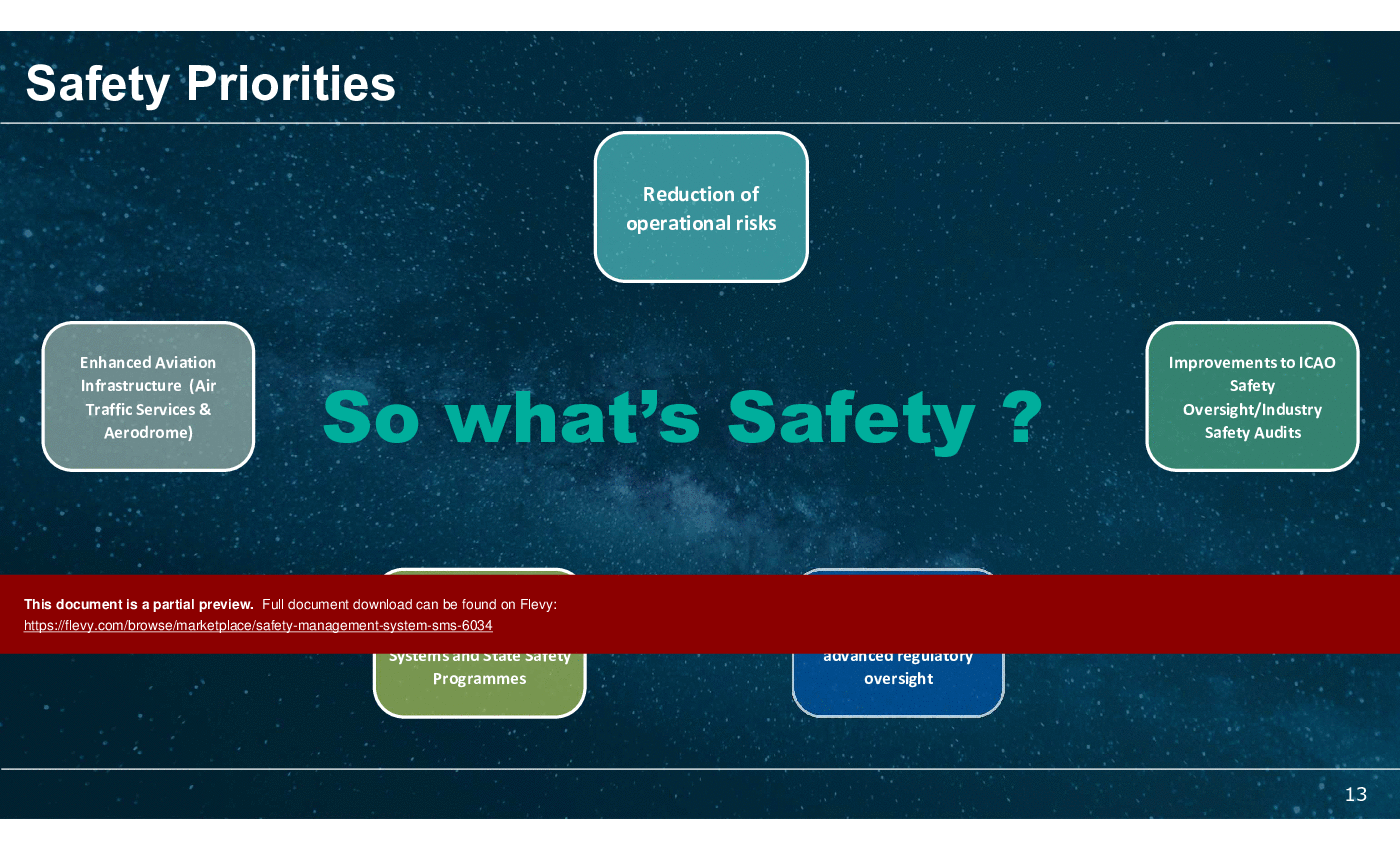
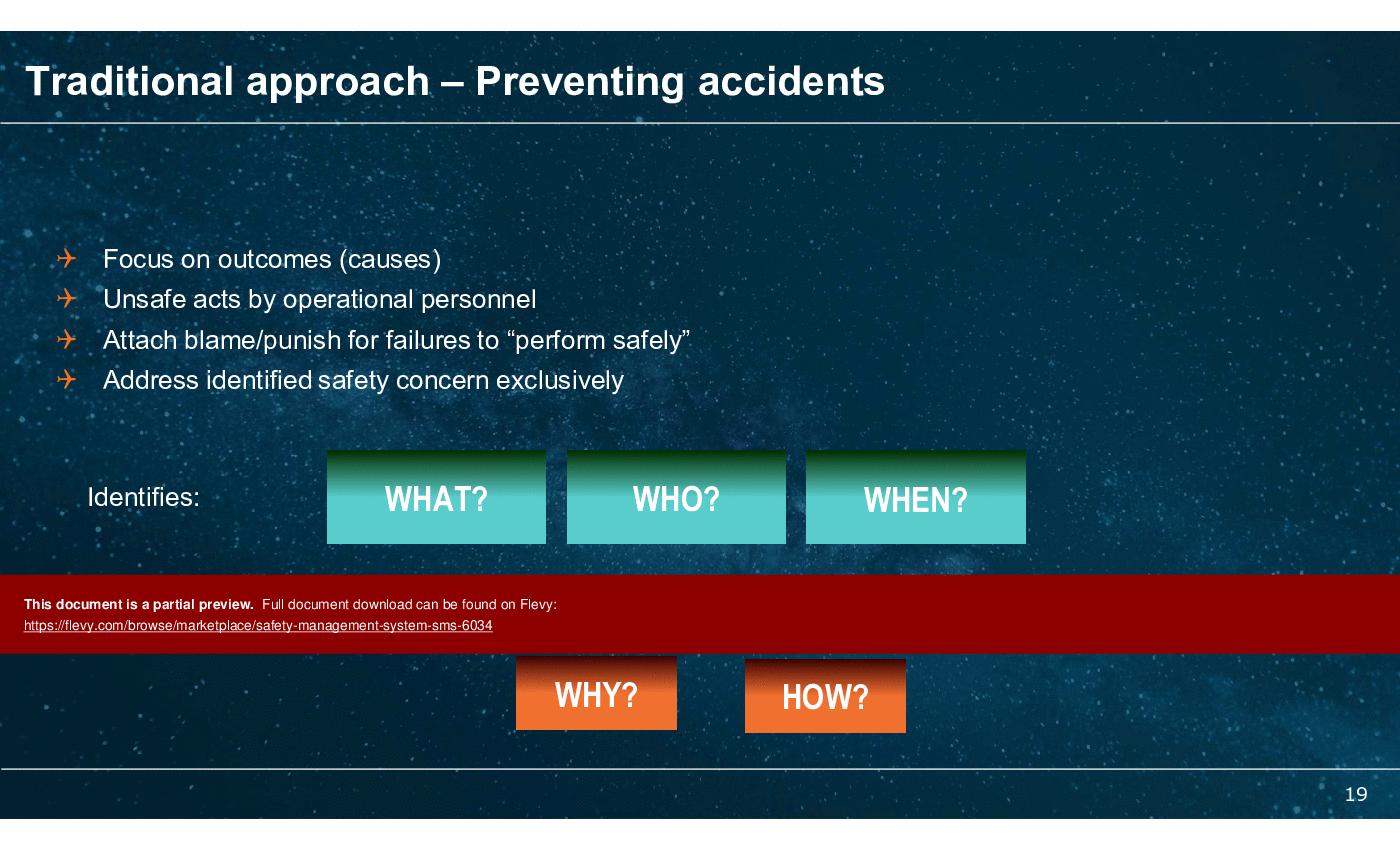
A robust Safety Management System (SMS) is critical for reducing operational risks and ensuring compliance with industry standards. This PPT provides a comprehensive framework for hazard identification, risk management, and continuous safety assurance.
Got a question about the product? Email us at support@flevy.com or ask the author directly by using the "Ask the Author a Question" form. If you cannot view the preview above this document description, go here to view the large preview instead.
Executive Summary
The Safety Management System (SMS) presentation is designed to equip organizations with the knowledge and tools necessary to implement effective safety management practices inspired by the aviation industry. Developed by a team of experts with extensive consulting backgrounds, this presentation provides a comprehensive overview of SMS fundamentals, risk management, and the importance of safety culture. By utilizing this ready-to-use PowerPoint deck, corporate executives and safety leaders can enhance their understanding of safety protocols, improve operational risk management, and foster a culture of safety within their organizations.
Who This Is For and When to Use
• Safety managers and compliance officers responsible for implementing safety protocols.
• Corporate executives seeking to enhance organizational safety standards.
• Risk management professionals focused on identifying and mitigating operational risks.
• Training and development teams tasked with educating staff on safety practices.
Best-fit moments to use this deck:
• During safety training sessions to educate staff on SMS principles and practices.
• In strategic planning meetings to integrate safety management into organizational goals.
• When conducting safety audits or assessments to evaluate current practices and identify areas for improvement.
Learning Objectives
• Define the key components of a Safety Management System and their relevance to organizational safety.
• Build a robust safety culture that encourages reporting and learning from errors.
• Establish effective risk management processes to identify, assess, and mitigate hazards.
• Implement continuous improvement practices to enhance safety performance over time.
• Develop a comprehensive safety policy that aligns with organizational objectives.
• Foster collaboration across departments to ensure a unified approach to safety management.
Table of Contents
• Overview of Safety Management Systems (page 3)
• Importance of Safety Culture (page 10)
• Components of Safety Management Systems (page 22)
• Risk Management Strategies (page 30)
• Safety Assurance Processes (page 40)
• Continuous Improvement in Safety (page 50)
• Case Studies and Lessons Learned (page 60)
Primary Topics Covered
• Safety Management System Overview - An introduction to the principles and importance of SMS in ensuring safety across organizations.
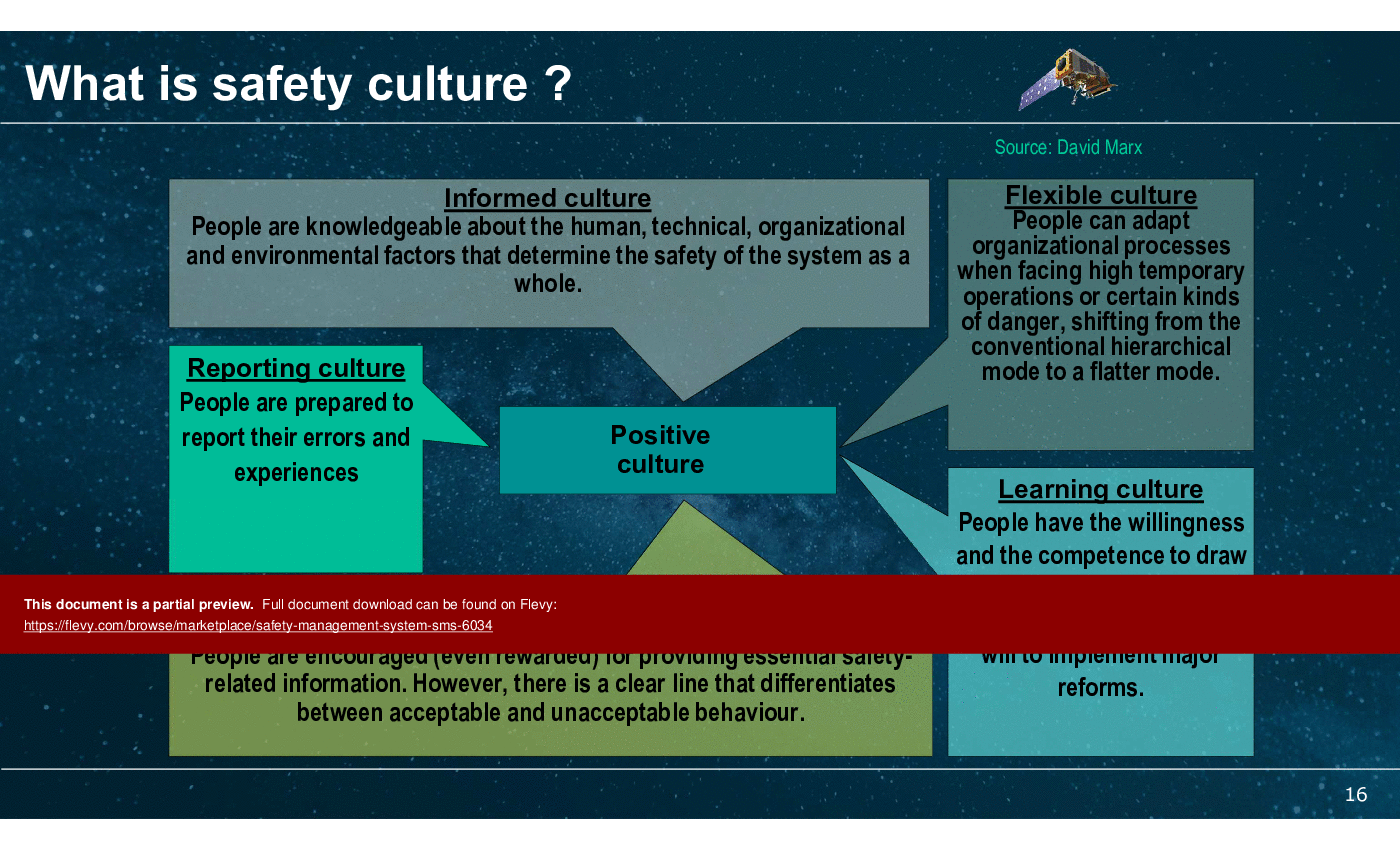
• Safety Culture - Exploration of the elements that contribute to a positive safety culture, including reporting and learning from errors.
• Risk Management - Strategies for identifying, assessing, and controlling risks to maintain safety standards.
• Safety Assurance - Processes for monitoring and evaluating safety performance to ensure compliance and effectiveness.
• Continuous Improvement - Techniques for fostering ongoing enhancements in safety practices and organizational culture.
• Lessons Learned - Insights from aviation that can be applied to improve safety management in various industries.
Deliverables, Templates, and Tools
• Safety policy template to guide the development of organizational safety commitments.
• Risk assessment framework to systematically identify and evaluate hazards.
• Safety performance monitoring checklist to track compliance and effectiveness.
• Training materials for staff education on SMS principles and practices.
• Continuous improvement action plan template to outline steps for enhancing safety.
• Case study examples illustrating successful SMS implementation in aviation.
Slide Highlights
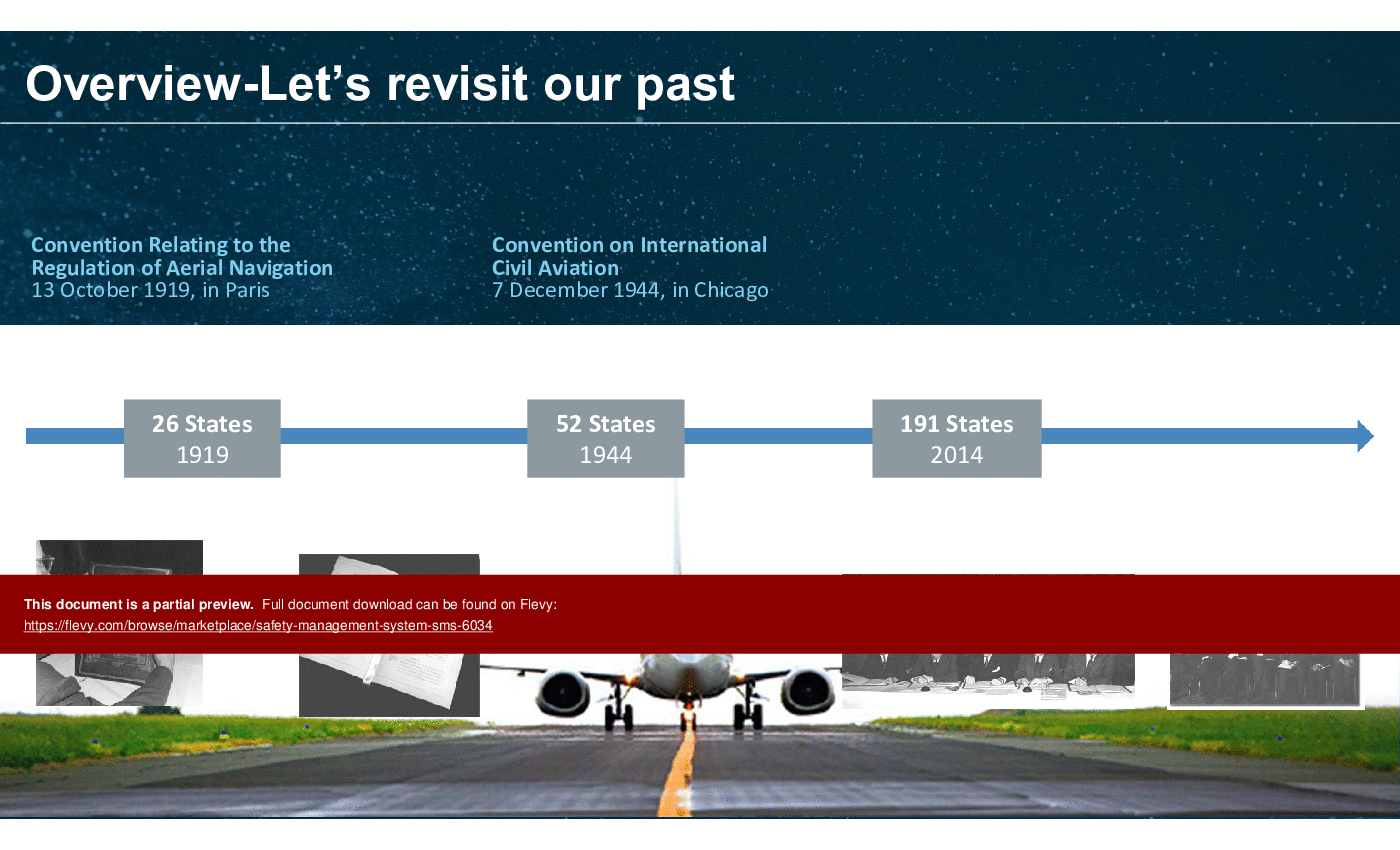
• Overview slide detailing the evolution of safety management practices in aviation.
• Safety culture slide emphasizing the importance of reporting and learning from errors.
• Risk management strategies slide outlining key processes for hazard identification and mitigation.
• Continuous improvement slide showcasing techniques for enhancing safety performance.
• Lessons learned slide summarizing insights from aviation applicable to other industries.
Potential Workshop Agenda
Introduction to Safety Management Systems (60 minutes)
• Overview of SMS principles and importance.
• Discussion on the role of safety culture in organizations.
Risk Management Strategies (90 minutes)
• Identifying and assessing operational risks.
• Developing effective risk control measures.
Continuous Improvement Practices (60 minutes)
• Techniques for fostering a culture of safety.
• Action planning for ongoing safety enhancements.
Customization Guidance
• Tailor the safety policy template to align with your organization’s specific safety goals and objectives.
• Adapt the risk assessment framework to reflect industry-specific hazards and regulatory requirements.
• Modify training materials to incorporate organizational terminology and procedures.
Secondary Topics Covered
• The role of leadership in promoting safety culture.
• Regulatory requirements for safety management in various industries.
• The impact of technology on safety management practices.
• Strategies for engaging employees in safety initiatives.
Topic FAQ
Document FAQ
These are questions addressed within this presentation.
What is a Safety Management System (SMS)?
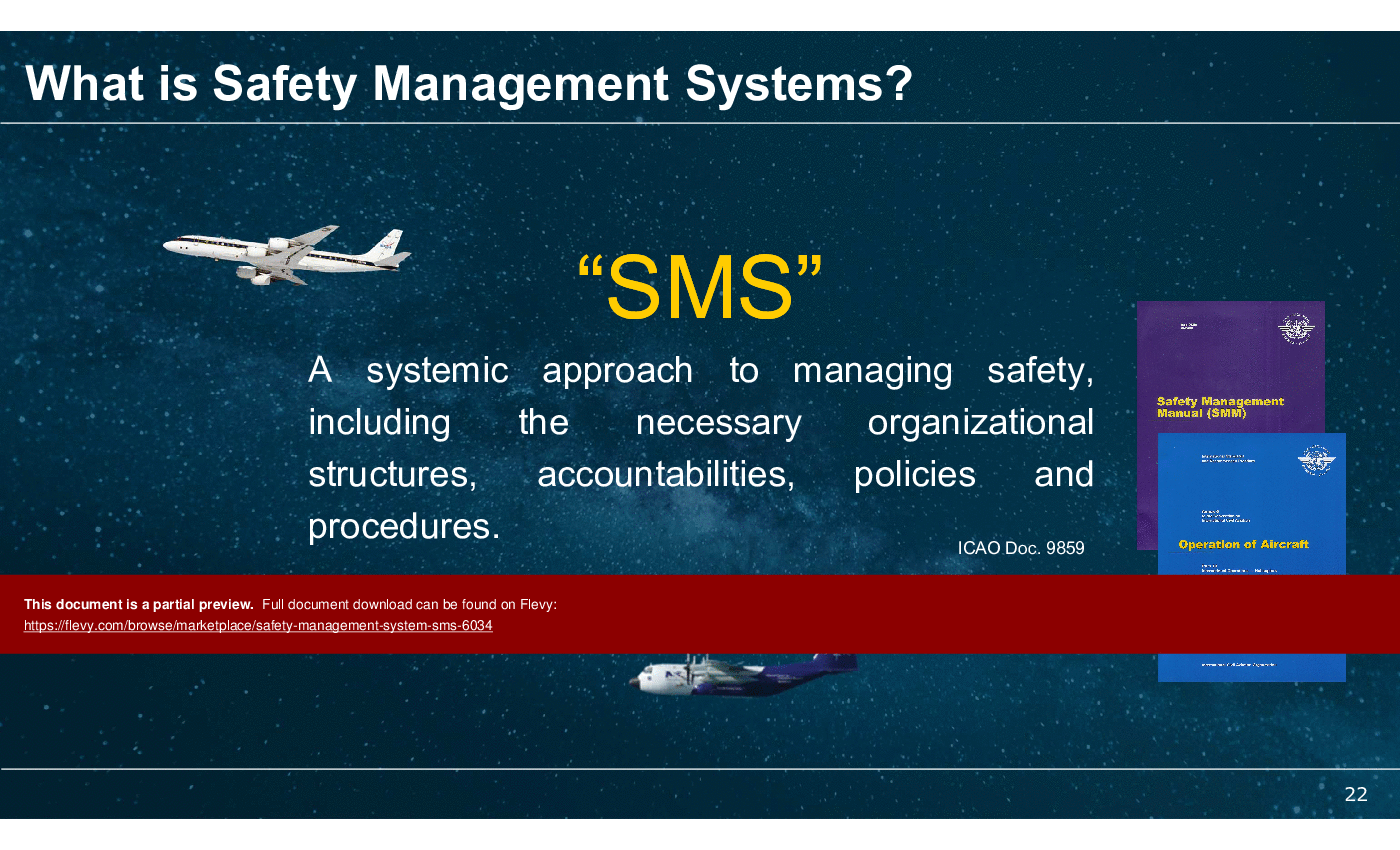
An SMS is a systematic approach to managing safety, including organizational structures, accountabilities, policies, and procedures designed to control risk and ensure safety.
Why is safety culture important?
A positive safety culture encourages employees to report errors and near misses, fostering an environment of continuous learning and improvement.
How can organizations implement effective risk management?
Organizations can implement risk management by identifying hazards, assessing risks, and applying control measures to mitigate potential incidents.
What are the key components of an SMS?
The key components include safety policy, safety risk management, safety assurance, and safety promotion.
How does continuous improvement contribute to safety?
Continuous improvement allows organizations to regularly evaluate and enhance their safety practices, ensuring they remain effective and relevant.
What role does leadership play in safety management?
Leadership is crucial in promoting a safety culture, setting safety expectations, and ensuring that safety is prioritized within organizational objectives.
How can training enhance safety management?
Training equips employees with the knowledge and skills necessary to identify hazards, understand safety protocols, and contribute to a culture of safety.
What are some common challenges in implementing SMS?
Common challenges include resistance to change, lack of resources, and insufficient training or awareness among staff.
Glossary
• Safety Management System (SMS) - A systematic approach to managing safety, including necessary organizational structures and procedures.
• Safety Culture - The shared values, beliefs, and attitudes that shape safety-related behaviors within an organization.
• Risk Management - The process of identifying, assessing, and controlling risks to maintain safety standards.
• Safety Assurance - The processes for monitoring and evaluating safety performance to ensure compliance and effectiveness.
• Continuous Improvement - Ongoing efforts to enhance safety practices and organizational culture.
• Hazard Identification - The process of recognizing potential sources of harm or danger.
• Risk Assessment - The evaluation of risks associated with identified hazards.
• Safety Policy - A formal statement outlining an organization’s commitment to safety.
• Training and Education - Programs designed to enhance employee knowledge and skills related to safety management.
• Incident Reporting - The process of documenting and analyzing safety incidents to prevent recurrence.
• Compliance - Adherence to safety regulations and standards.
• Safety Performance Monitoring - The ongoing evaluation of safety practices and outcomes.
• Lessons Learned - Insights gained from past experiences that inform future safety practices.
Source: Best Practices in Risk Management, Workplace Safety PowerPoint Slides: Safety Management System (SMS) PowerPoint (PPTX) Presentation Slide Deck, RadVector Consulting
|
Receive our FREE presentation on Operational Excellence
This 50-slide presentation provides a high-level introduction to the 4 Building Blocks of Operational Excellence. Achieving OpEx requires the implementation of a Business Execution System that integrates these 4 building blocks. |










