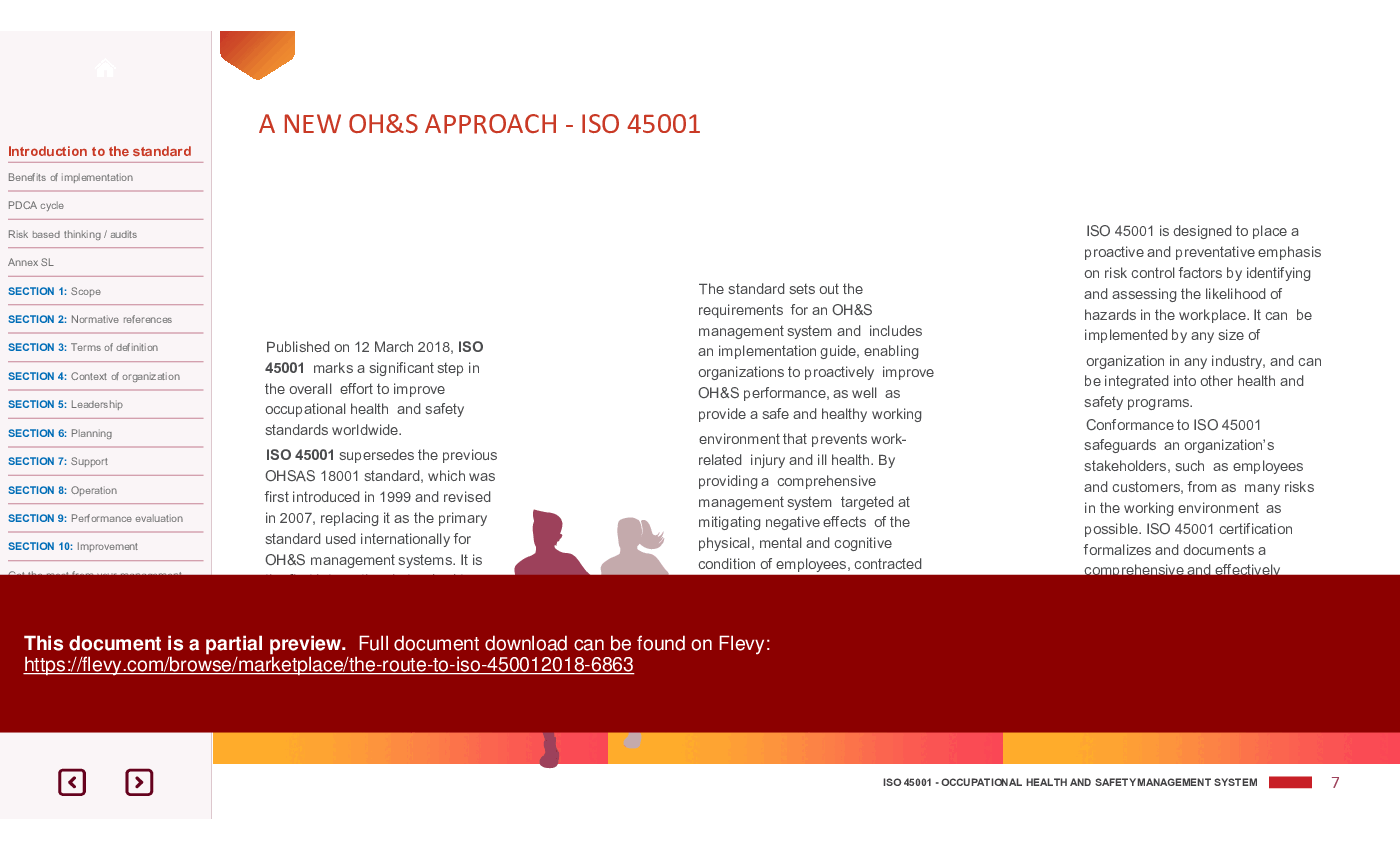

Published on 12 March 2018, ISO 45001 marks a significant step in the overall effort to improve occupational health and safety standards worldwide.
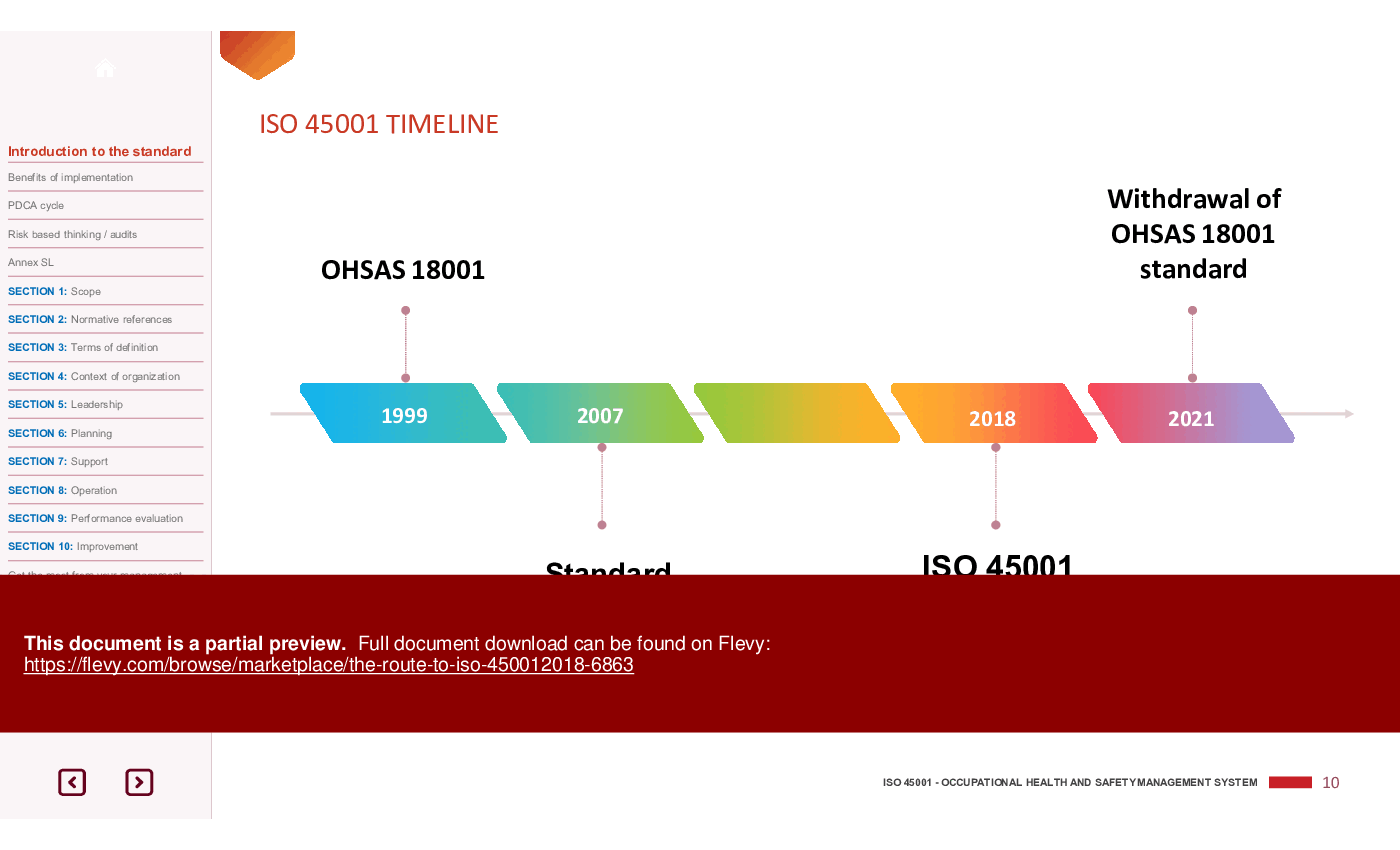
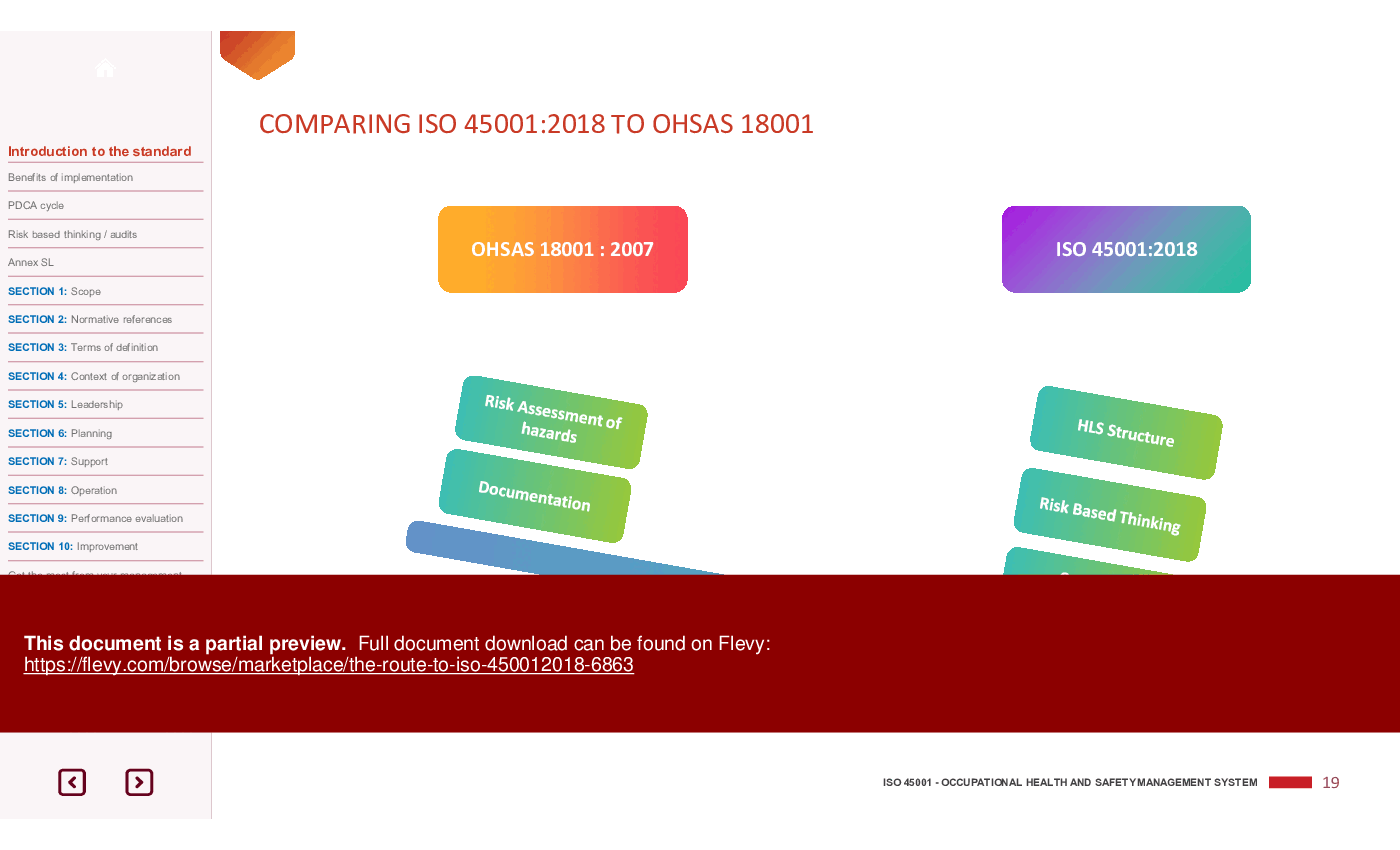
ISO 45001 supersedes the previous OHSAS 18001 standard, which was first introduced in 1999 and revised in 2007, replacing it as the primary standard used internationally for OH&S management systems. It is the first international standard to provide a comprehensive framework for management systems addressing OH&S issues.
ISO 45001 is designed to place a proactive and preventative emphasis on risk control factors by identifying and assessing the likelihood of hazards in the workplace. It can be implemented by any size of organization in any industry, and can be integrated into other health and safety programs.
By adopting a systematic approach including worker participation, the organization can integrate OH&S within its business processes which will contribute to prevention of accidents and long and short term ill health effects. The standard provides a platform to develop a positive safety culture leading to worker wellbeing.
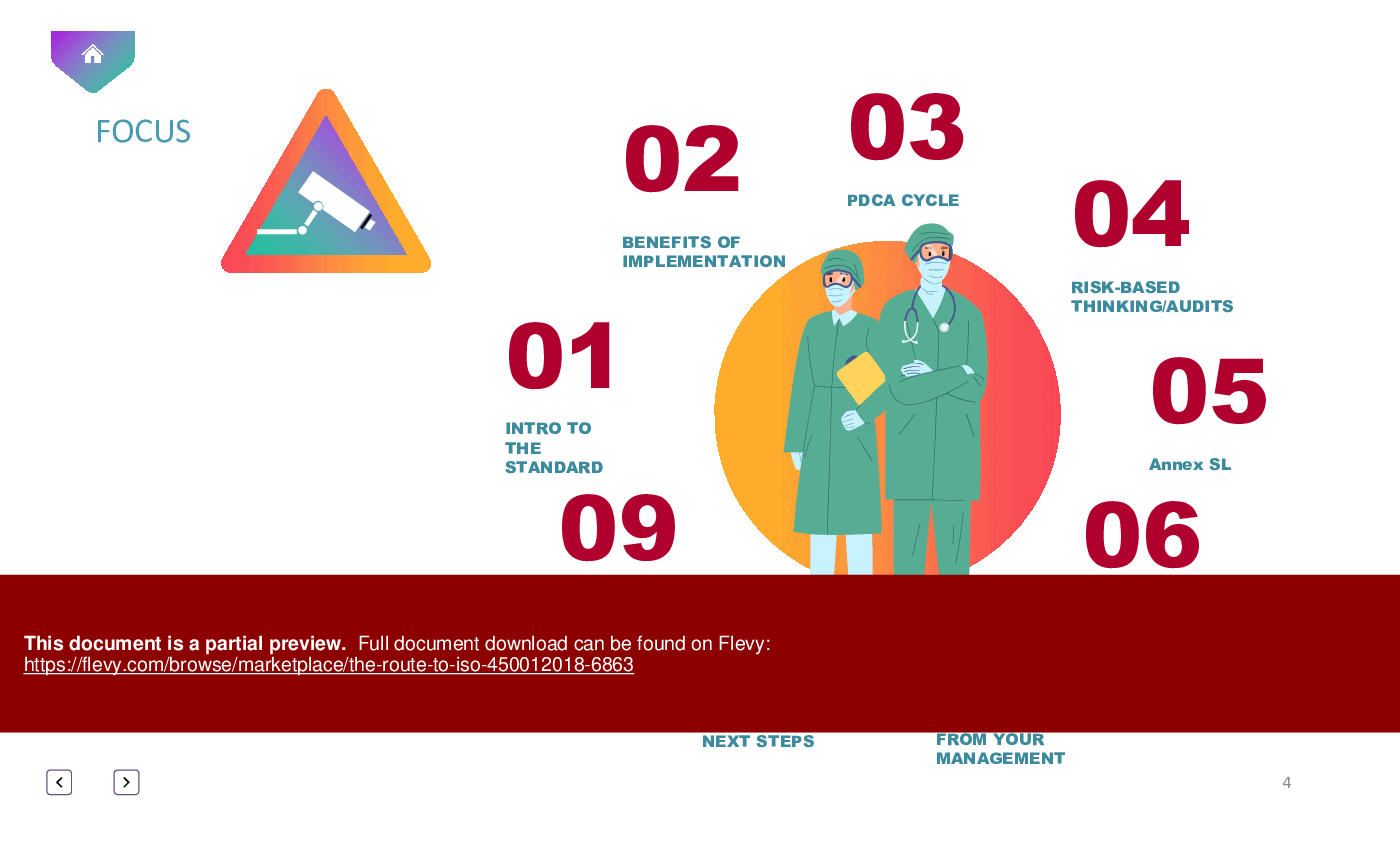
CONTENTS:
• Introduction to the standard
• Benefits of implementation
• PDCA cycle
• Risk based thinking / audits
• Annex SL
• SECTION 1: Scope
• SECTION 2: Normative references
• SECTION 3: Terms of definition
• SECTION 4: Context of organization
• SECTION 5: Leadership
• SECTION 6: Planning
• SECTION 7: Support
• SECTION 8: Operation
• SECTION 9: Performance evaluation
• SECTION 10: Improvement
• Get the most from your management
• Next steps once implemented
• The migration process steps?
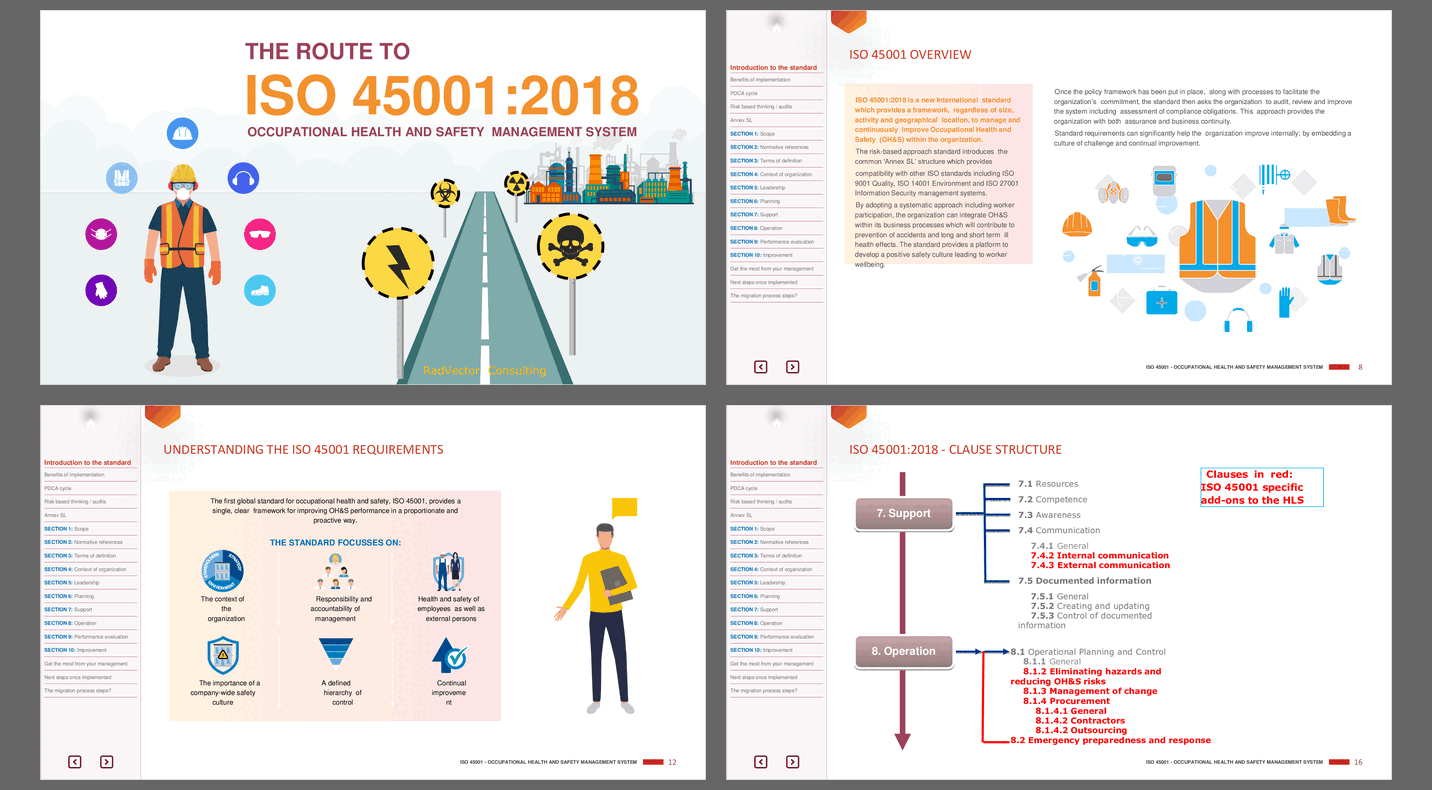
This 89-Slide PowerPoint document explains in details OCCUPATIONAL HEALTH AND SAFETY MANAGEMENT SYSTEM (ISO 45001:2018), (you will find some redundancies, on purpose, in order to grasp and gain more insights on all relevant concepts of the system).
The document is easily customizable and contains many powerful figures, diagrams, ice-breakers, pictures, ... to get the holistic view of concepts OH&SMS.
Got a question about the product? Email us at support@flevy.com or ask the author directly by using the "Ask the Author a Question" form. If you cannot view the preview above this document description, go here to view the large preview instead.
Executive Summary
The "Route to ISO 45001:2018" presentation provides a comprehensive guide for organizations seeking to implement an Occupational Health and Safety Management System (OHSMS) compliant with ISO 45001:2018 standards. It outlines the core requirements of the standard, emphasizing a proactive approach to managing health and safety risks in the workplace. By following the structured methodology presented, organizations can enhance their safety culture, reduce workplace incidents, and fulfill legal obligations, ultimately leading to improved employee well-being and organizational performance.
Who This Is For and When to Use
• Health and Safety Managers responsible for implementing OHSMS.
• Senior Executives aiming to foster a culture of safety within their organization.
• Compliance Officers ensuring adherence to health and safety regulations.
• Consultants guiding organizations through ISO certification processes.
Best-fit moments to use this deck:
• During the planning phase of ISO 45001 implementation.
• For training sessions aimed at raising awareness about occupational health and safety.
• When conducting internal audits or management reviews of the OHSMS.
Learning Objectives
• Define the key components of ISO 45001:2018 and its benefits.
• Develop a comprehensive OHSMS tailored to organizational needs.
• Implement the PDCA (Plan-Do-Check-Act) cycle for continual improvement.
• Identify and assess workplace hazards and risks effectively.
• Engage employees in the OHSMS to enhance participation and compliance.
• Evaluate performance metrics to ensure ongoing improvement in health and safety practices.
Table of Contents
• Introduction to the Standard (page 0)
• Benefits of Implementation (page 0)
• PDCA Cycle (page 0)
• Risk-Based Thinking / Audits (page 0)
• Annex SL (page 0)
• Section 1: Scope (page 0)
• Section 2: Normative References (page 0)
• Section 3: Terms of Definition (page 0)
• Section 4: Context of Organization (page 0)
• Section 5: Leadership (page 0)
• Section 6: Planning (page 0)
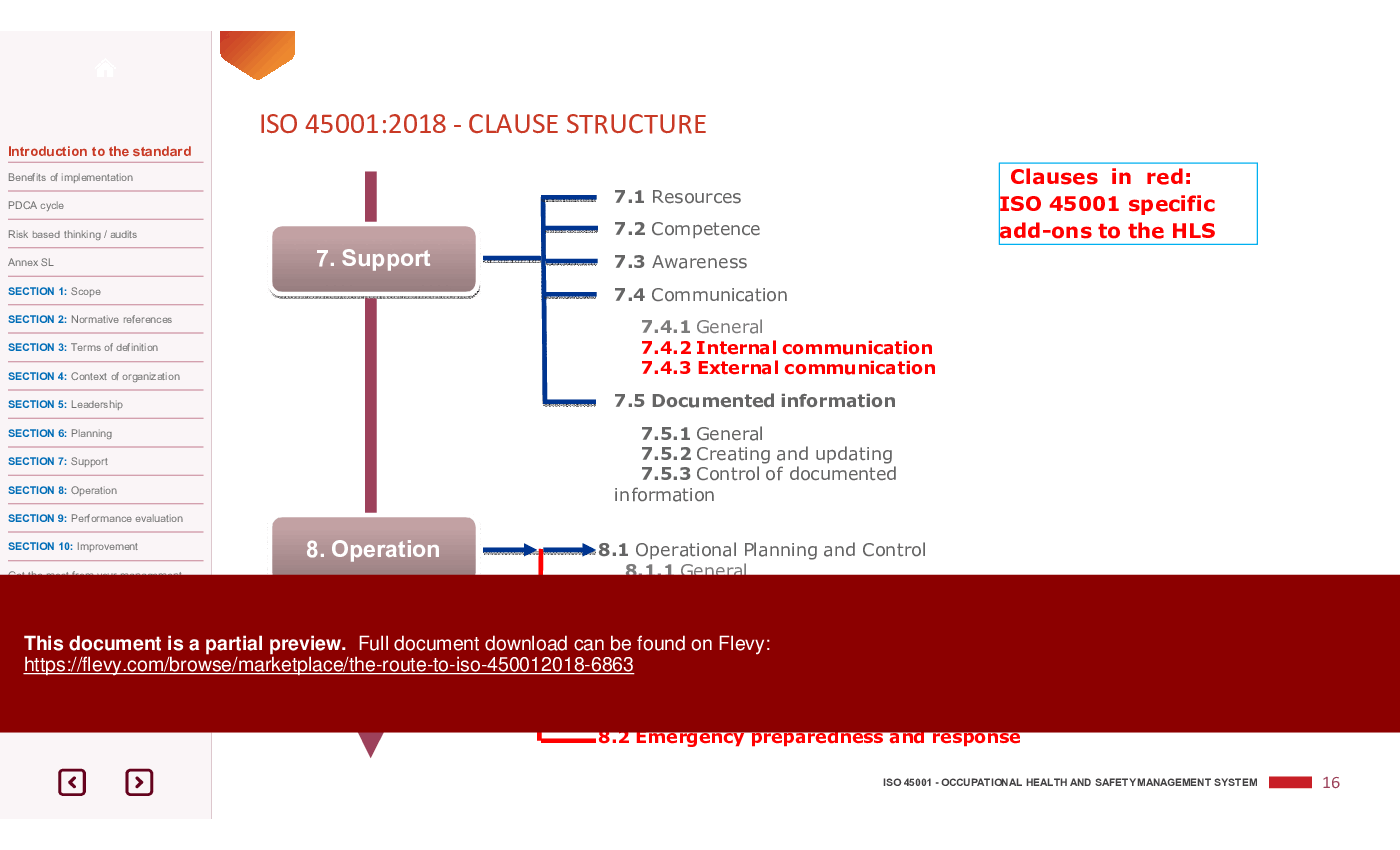
• Section 7: Support (page 0)
• Section 8: Operation (page 0)
• Section 9: Performance Evaluation (page 0)
• Section 10: Improvement (page 0)
• Get the Most from Your Management (page 0)
• Next Steps Once Implemented (page 0)
• The Migration Process Steps (page 0)
Primary Topics Covered
• ISO 45001 Overview - An introduction to the ISO 45001:2018 standard and its significance in enhancing occupational health and safety management.
• Benefits of Implementation - Key advantages of adopting ISO 45001, including reduced workplace injuries and improved organizational reputation.
• PDCA Cycle - Explanation of the Plan-Do-Check-Act methodology for continual improvement in health and safety management.
• Risk-Based Thinking - The importance of identifying and managing risks to improve workplace safety and compliance.
• Leadership Commitment - The role of top management in fostering a culture of safety and compliance within the organization.
• Performance Evaluation - Methods for monitoring and evaluating the effectiveness of the OHSMS to ensure continuous improvement.
Deliverables, Templates, and Tools
• OHSMS implementation roadmap template.
• Risk assessment and management plan template.
• Internal audit checklist for ISO 45001 compliance.
• Communication plan for engaging employees in safety initiatives.
• Performance metrics dashboard for tracking OHSMS effectiveness.
• Training materials for staff on ISO 45001 requirements.
Slide Highlights
• Overview of ISO 45001:2018 and its significance in occupational health and safety.
• The PDCA cycle illustrated with clear steps for implementation.
• Key benefits of ISO 45001, emphasizing employee well-being and organizational performance.
• Risk-based thinking framework for identifying and mitigating workplace hazards.
• Leadership roles and responsibilities in promoting a safety culture.
Potential Workshop Agenda
ISO 45001 Implementation Kickoff (2 hours)
• Introduction to ISO 45001 and its importance.
• Overview of the PDCA cycle and its application.
• Identifying key stakeholders and their roles in implementation.
Risk Assessment Workshop (3 hours)
• Conducting a risk assessment using the hierarchy of controls.
• Engaging employees in identifying workplace hazards.
• Developing action plans for risk mitigation.
OHSMS Performance Review Meeting (1.5 hours)
• Reviewing performance metrics and compliance status.
• Discussing incident reports and corrective actions.
• Setting new objectives for continuous improvement.
Customization Guidance
• Tailor the implementation roadmap to align with your organization's specific context and needs.
• Modify risk assessment templates to reflect industry-specific hazards and compliance requirements.
• Adapt training materials to incorporate organizational policies and procedures.
Secondary Topics Covered
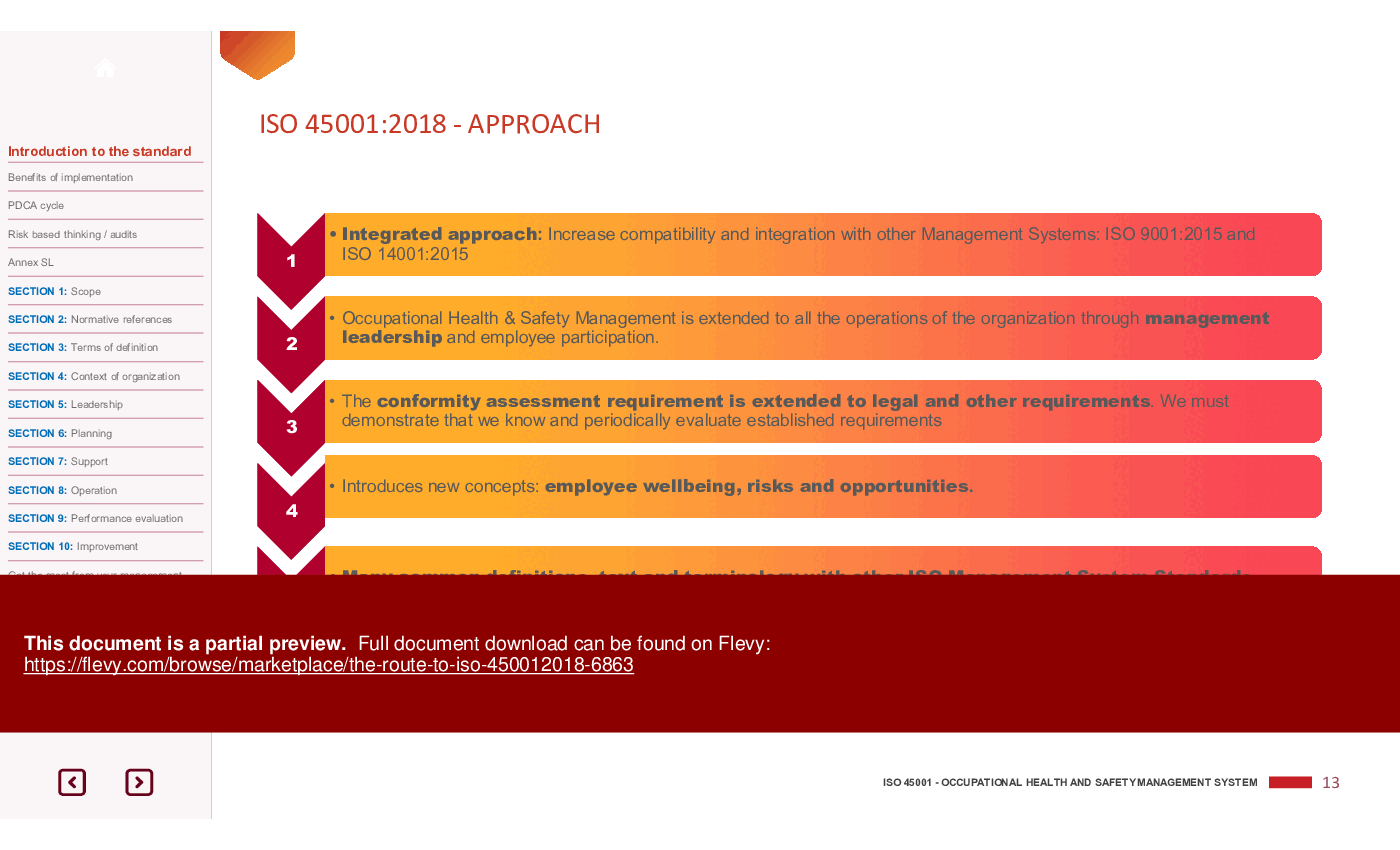
• The role of employee participation in OHSMS effectiveness.
• Legal compliance obligations related to occupational health and safety.
• Integration of ISO 45001 with other management systems (ISO 9001, ISO 14001).
• Strategies for fostering a positive safety culture within the organization.
Topic FAQ
Document FAQ
These are questions addressed within this presentation.
What is ISO 45001:2018?
ISO 45001:2018 is an international standard for occupational health and safety management systems, providing a framework for organizations to improve employee safety, reduce workplace risks, and create better working conditions.
Why should my organization implement ISO 45001?
Implementing ISO 45001 can lead to reduced workplace injuries, improved employee morale, and enhanced compliance with legal requirements, ultimately benefiting the organization’s reputation and bottom line.
How does the PDCA cycle work in ISO 45001?
The PDCA cycle involves planning (setting objectives), doing (implementing processes), checking (monitoring performance), and acting (making improvements), ensuring a systematic approach to continual improvement in health and safety management.
What are the key benefits of adopting ISO 45001?
Key benefits include reduced injury rates, improved employee engagement, legal compliance, and enhanced organizational reputation.
How can we engage employees in the OHSMS?
Engagement can be fostered through regular communication, training, and involving employees in risk assessments and decision-making processes related to health and safety.
What is risk-based thinking in ISO 45001?
Risk-based thinking involves identifying and assessing risks to proactively manage workplace hazards, ensuring that appropriate controls are in place to protect employees.
How often should we conduct internal audits?
Internal audits should be conducted regularly, typically annually or bi-annually, focusing on compliance with the OHSMS and identifying areas for improvement.
What should be included in the management review process?
The management review should cover performance metrics, compliance status, incident reports, and opportunities for improvement, ensuring that top management is informed and engaged in the OHSMS.
Glossary
• OHSMS - Occupational Health and Safety Management System.
• PDCA - Plan-Do-Check-Act, a cyclical model for continual improvement.
• Risk Assessment - The process of identifying and evaluating risks associated with workplace hazards.
• Hierarchy of Controls - A system for minimizing or eliminating exposure to hazards.
• Stakeholders - Individuals or groups with an interest in the organization's health and safety performance.
• Incident - An occurrence that does not result in injury, but has the potential to cause harm.
• Compliance Obligations - Legal and other requirements that organizations must adhere to regarding health and safety.
• Management Review - A systematic evaluation of the OHSMS by top management to ensure its effectiveness.
• Continuous Improvement - Ongoing efforts to enhance the OHSMS and its performance.
• Employee Engagement - The involvement of employees in health and safety initiatives and decision-making processes.
• Legal Requirements - Regulations and laws that organizations must comply with to ensure workplace safety.
• Training - Programs designed to educate employees about health and safety practices and procedures.
Source: Best Practices in ISO 45001 PowerPoint Slides: Route to ISO 45001:2018 PowerPoint (PPTX) Presentation Slide Deck, RadVector Consulting
|
Download our FREE Organization, Change, & Culture, Templates
Download our free compilation of 50+ slides and templates on Organizational Design, Change Management, and Corporate Culture. Methodologies include ADKAR, Burke-Litwin Change Model, McKinsey 7-S, Competing Values Framework, etc. |










