
 Click main image to view in full screen. Unlock all 10 preview images:
ISO 45001:2018 OH&S Management System Toolkit for SMEs – Word DOCX
Word (DOCX) + Zip archive file (ZIP) 22 Pages


BENEFITS OF THIS DOWNLOADABLE WORD DOCUMENT
- Deploy an ISO 45001 compliant OH&S management system in weeks instead of months with a 100% editable, ready-to-use framework.
- Achieve full normative traceability thanks to a clause-by-clause matrix covering §4 to §10 of ISO 45001:2018.
- Move faster toward certification with 17 procedures, IPER, work permits and one flowchart per process, all audit-ready.
ISO 45001 WORD DESCRIPTION
ISO 45001:2018 documentation system delivers a complete, ready-to-deploy Occupational Health and Safety Management System (OH&S / SMSST) for organizations that want to structure or certify their safety management without starting from a blank page. Delivered in French and 100% editable, this toolkit is calibrated for a small and medium enterprise core of 50 to 250 employees, with extension modules for micro-businesses and large groups. The concrete examples – hazard identification and risk assessment (IPER), work permits, dangerous situations – are anchored in the Construction / BTP sector while remaining transposable to any industry.
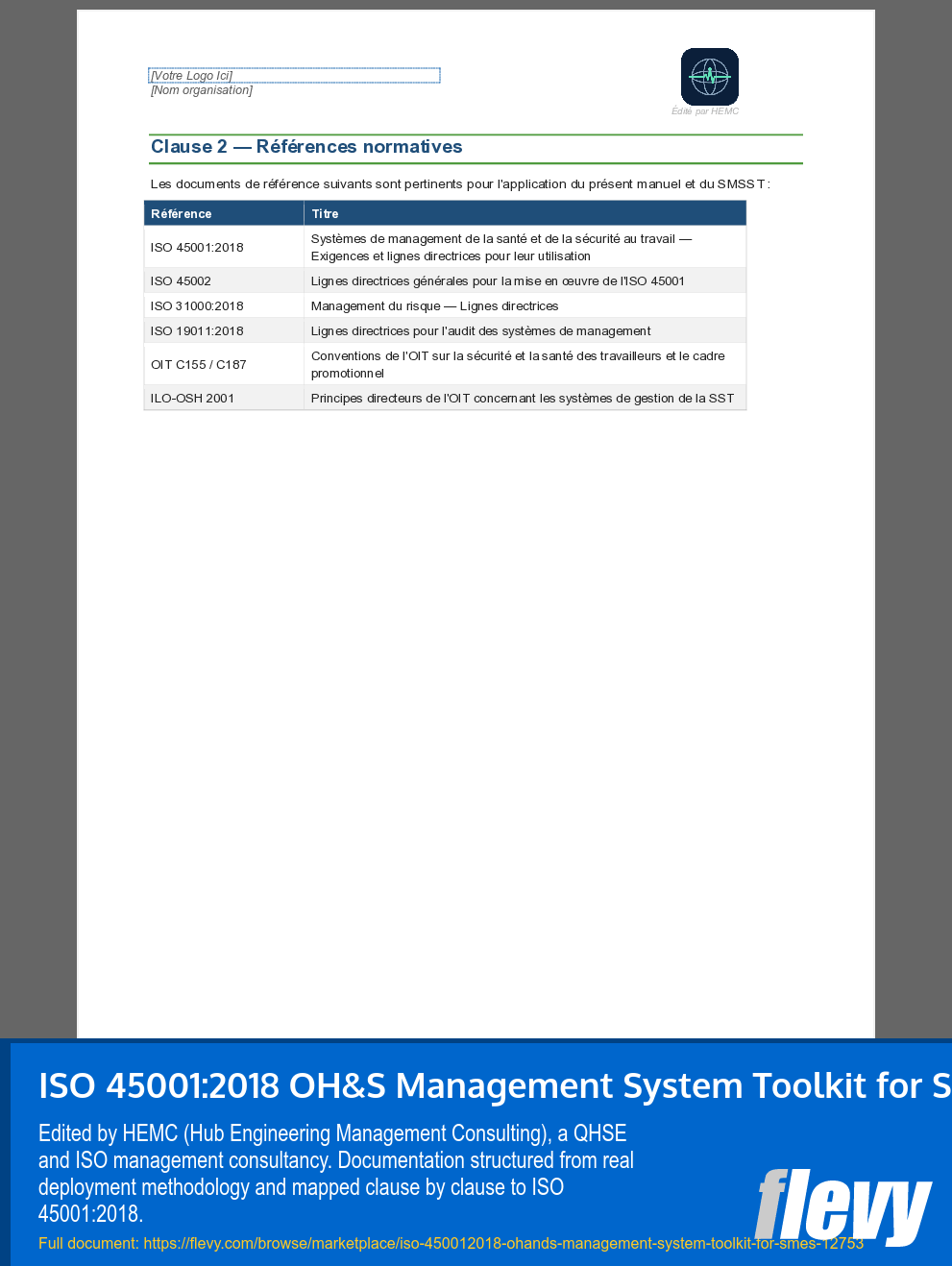
Building an ISO 45001 compliant OH&S management system from scratch consumes months of internal effort and consulting fees. This toolkit solves that problem by providing a coherent, traceable, audit-ready framework mapped directly to clauses 4 to 10 of ISO 45001:2018. The regulatory foundation is built on the ILO conventions C155 and C187 and the ILO-OSH 2001 guidelines, with clearly marked placeholders to complete your local legislation. Documentation follows a stable coding system across the safety leadership, hazards and risks, legal compliance, operational control, emergencies, incidents, competence-consultation-communication, and monitoring-audit-review domains.
The pack contains 136 files organized across 10 folders:
• Root files: 2 files, including the README overview of the system
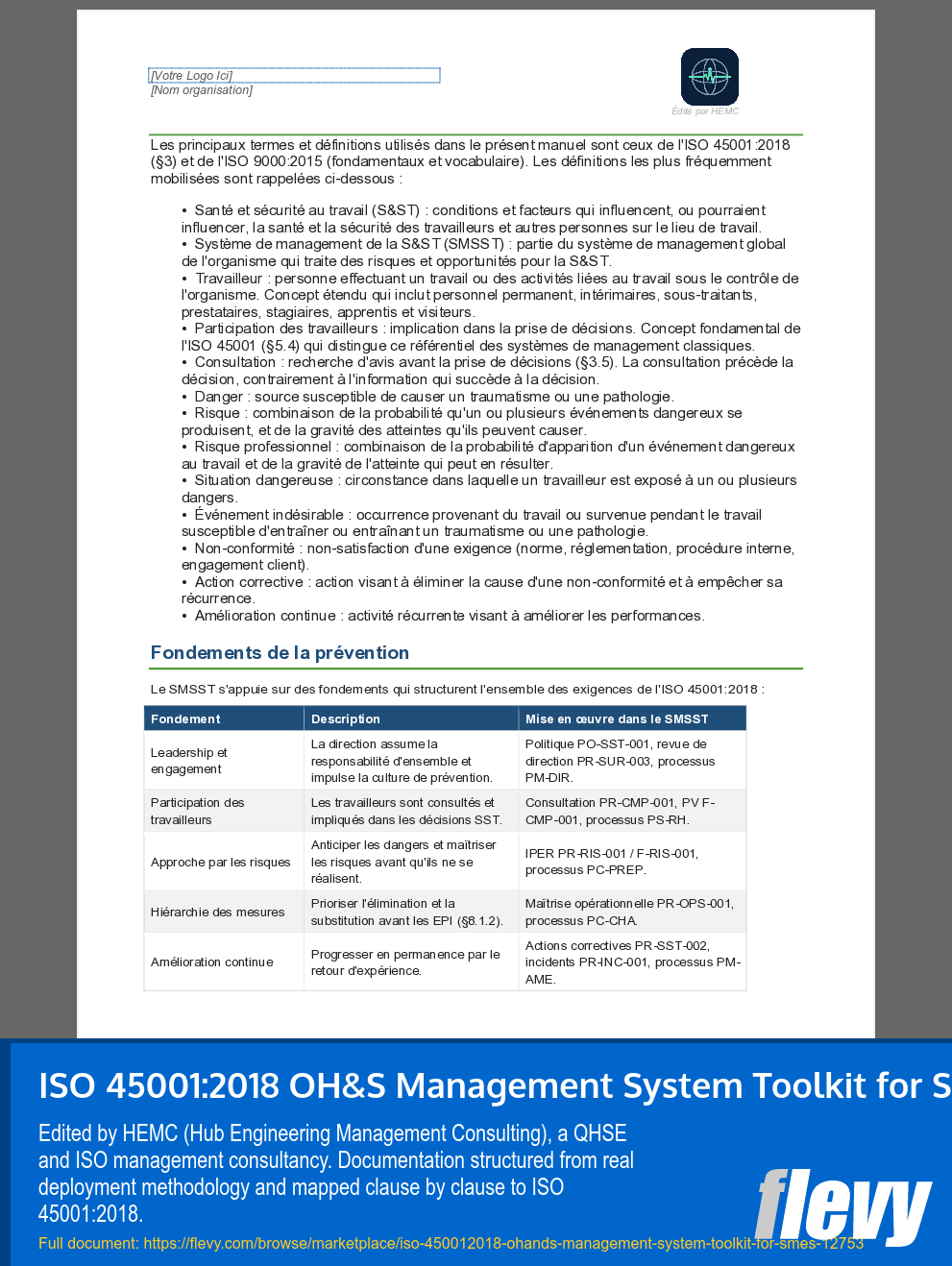
• 00_Guides: 4 documents for onboarding – user guide, customization guide, flowcharts guide and abbreviations/lexicon
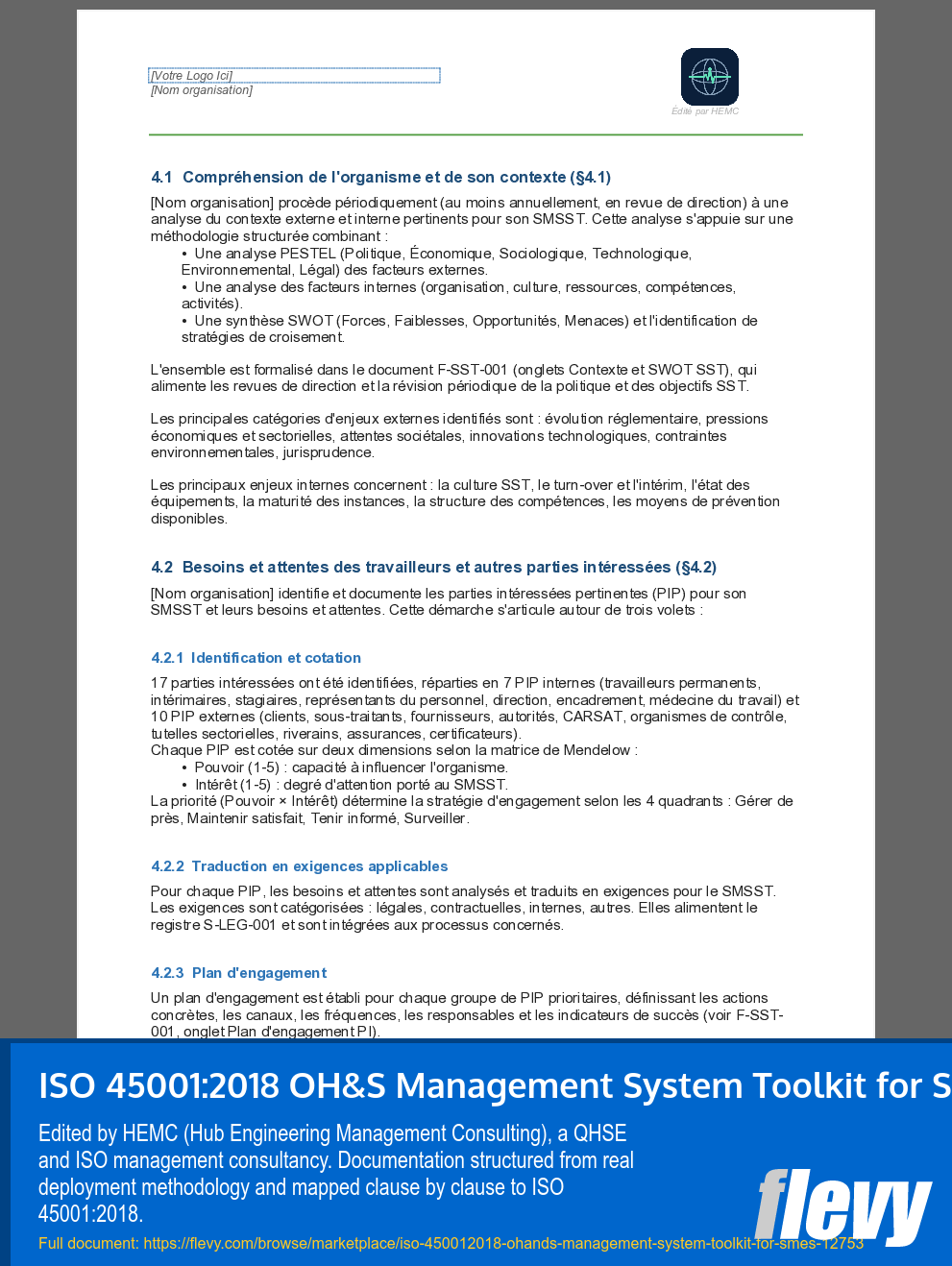
• 01_Gouvernance: 3 files – OH&S policy, context and interested parties, process mapping (clauses 4 and 5)
• 02_Fiches_Processus: 10 process sheets covering steering, risks, compliance, operations, emergencies, incidents, competence and monitoring
• 03_Procedures: 17 detailed procedures – legal watch, operational control, management of change, work permits, contractors, emergencies, incident investigation, corrective actions, internal audit, management review, communication, consultation-participation, IPER, objectives and documented information control
• 04_Formulaires_Registres: 16 forms and registers including IPER, work permit and OH&S dashboards
• 05_Logigrammes: 81 files, one flowchart per procedure and per process, supplied in three formats (editable , vector SVG, PNG 300 dpi)
• 06_Matrice: 1 correspondence matrix mapping each ISO 45001 clause (§4 to §10) to the relevant document
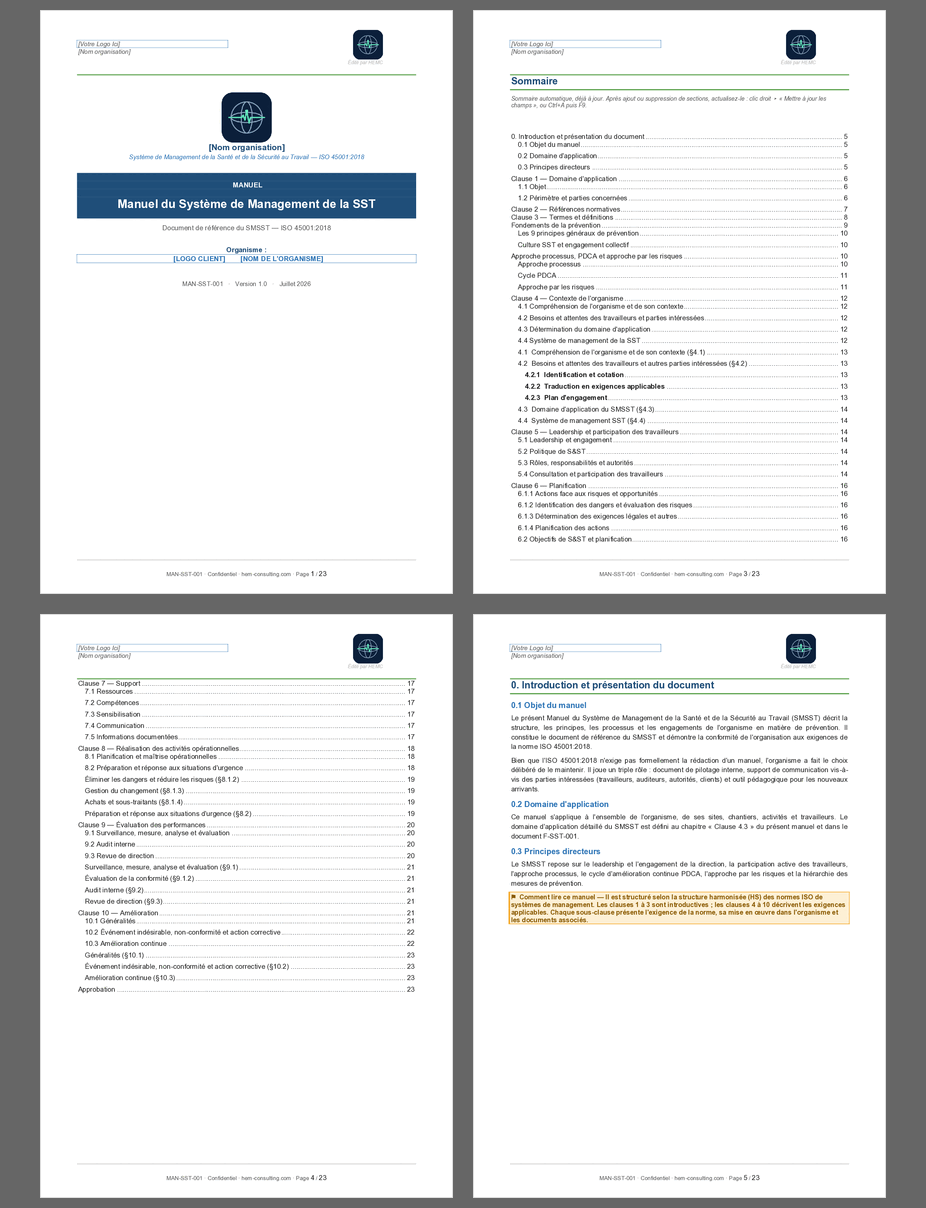
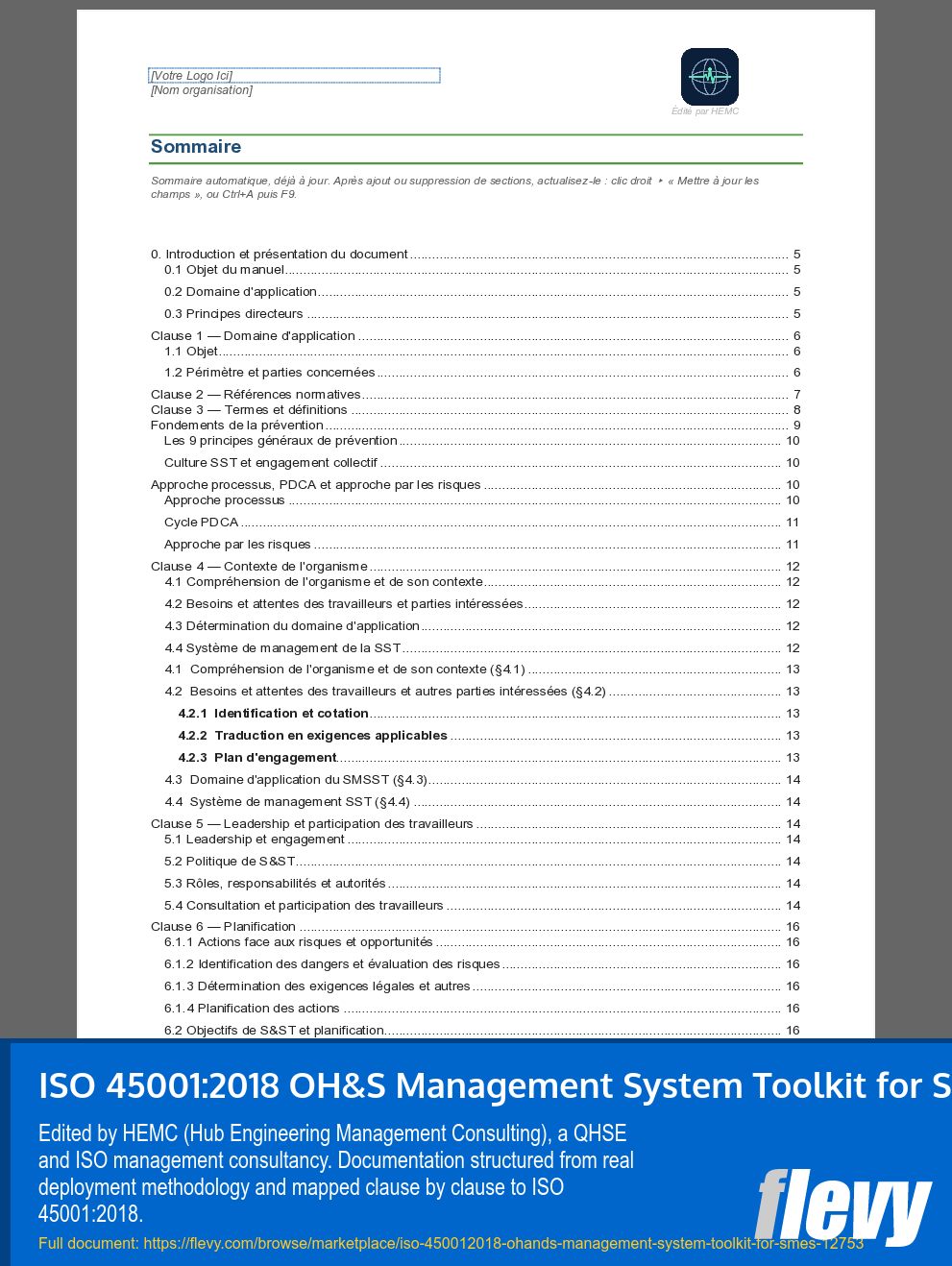
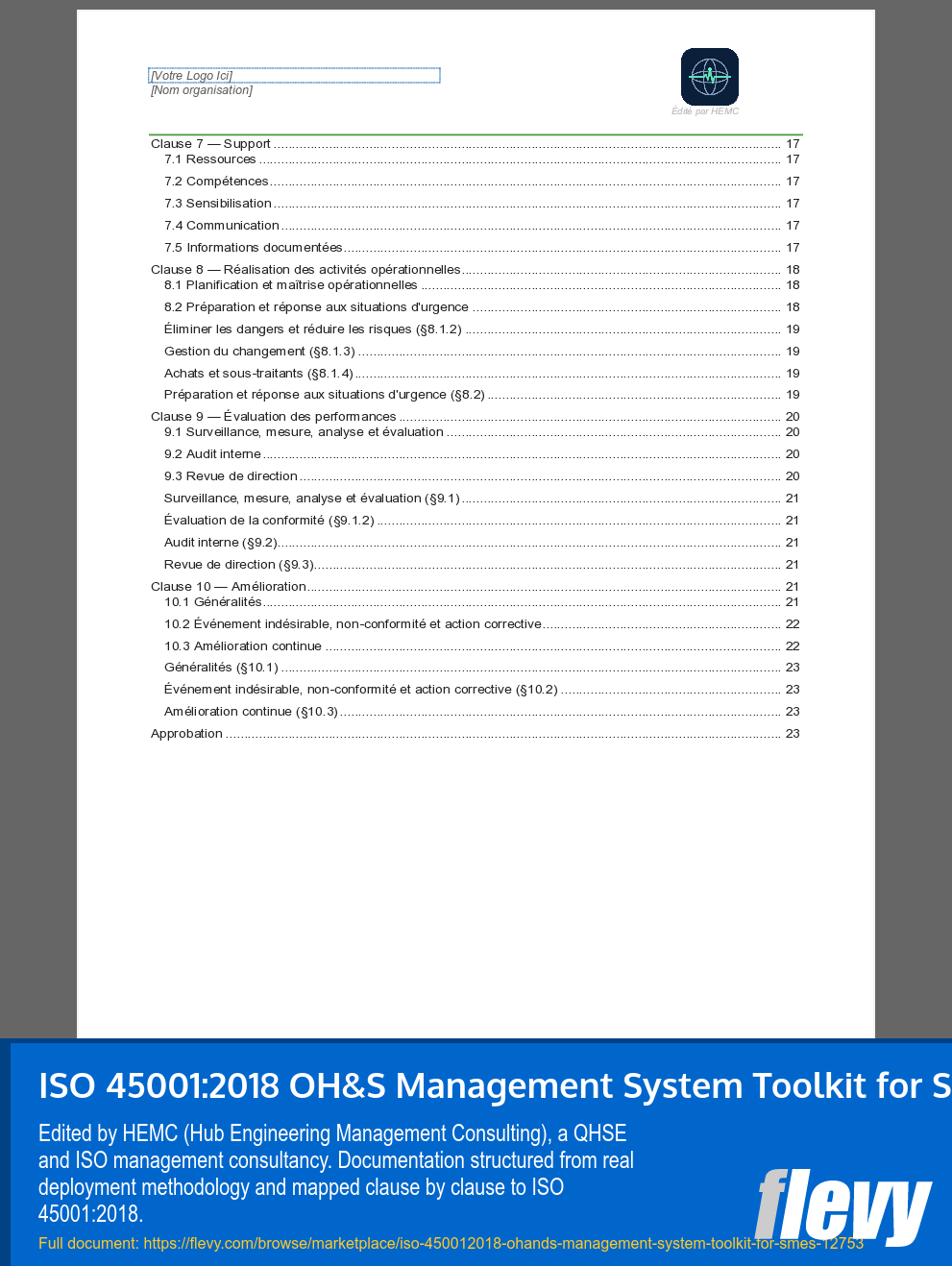
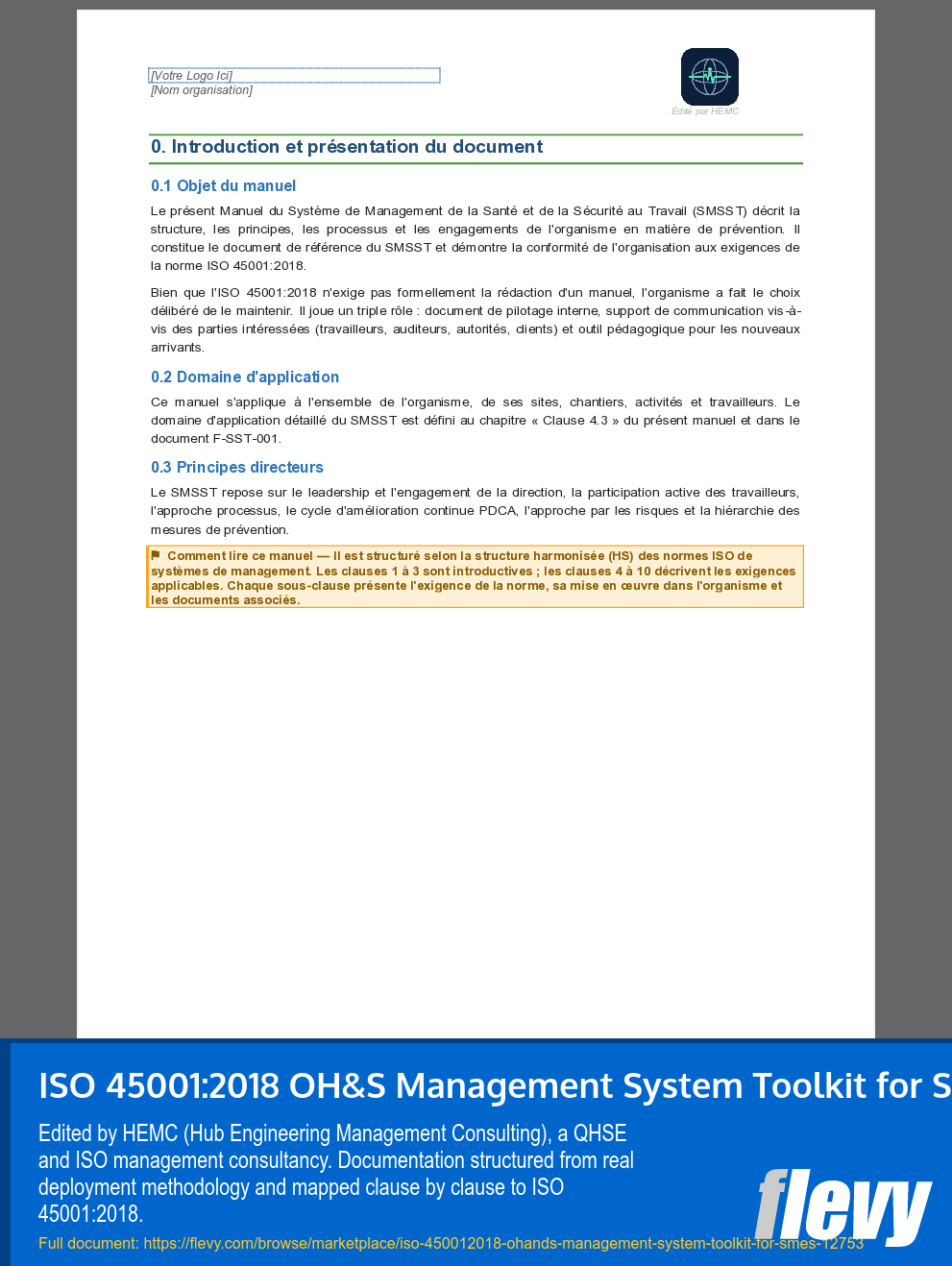
• 07_Manuel: 1 synthesis OH&S management manual
• 08_Guide_Mise_en_Oeuvre: 1 phased PDCA deployment roadmap
This toolkit is designed for OH&S managers, QHSE and HSE professionals, safety consultants and SME directors who need to structure, upgrade or certify their occupational health and safety management system efficiently. It suits both organizations targeting certification and those simply seeking a robust, professional safety framework.
By starting from a proven, editable structure, you save weeks of drafting and reduce the risk of gaps against the standard. Every procedure ships with its own flowchart, so responsibilities and workflows are visible from day one. The clause-by-clause matrix gives you full normative traceability, making internal audits and certification audits far smoother. Deploy following the built-in PDCA roadmap, set up the OH&S dashboard and registers early, and you build the 12-month history of indicators and records that certification auditors expect. The result is a consistent, traceable OH&S management system ready for a mock audit.
Got a question about the product? Email us at support@flevy.com or ask the author directly by using the "Ask the Author a Question" form. If you cannot view the preview above this document description, go here to view the large preview instead.
Source: Best Practices in ISO 45001 Word: ISO 45001:2018 OH&S Management System Toolkit for SMEs Word (DOCX) Document, Smail Imzourh
ABOUT THE AUTHOR

Professional consultant specialized in Management Systems and organizational performance improvement.
With over 15 years of experience in ISO standards and process optimization, I support organizations in moving beyond compliance toward measurable and sustainable operational excellence.
Master's degree in Quality, Health, Safety and Environment (QHSE Management) – Université
... [read more]
Ask the Author a Question
You must be logged in to contact the author.




























