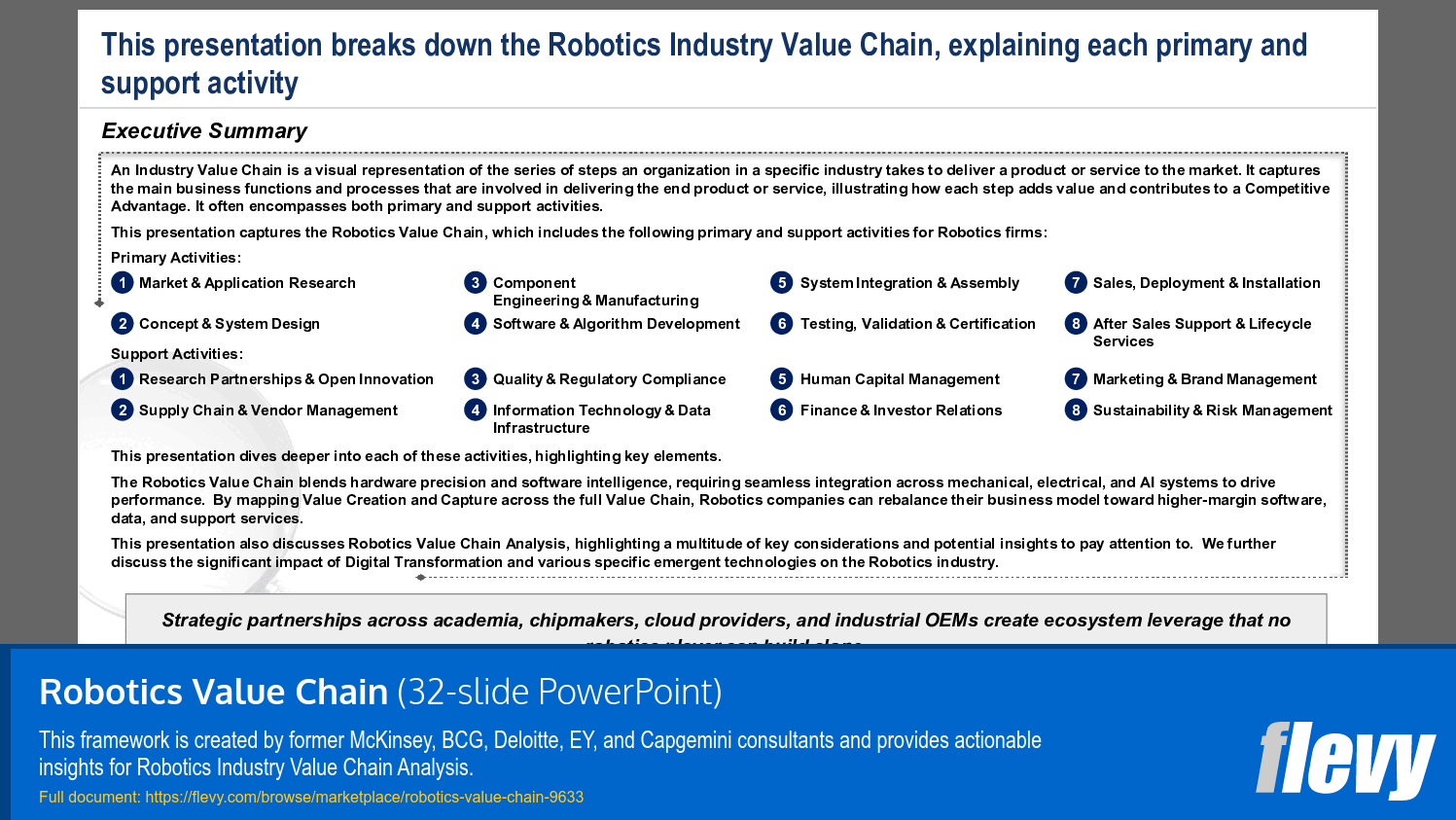

An Industry Value Chain is a visual representation of the series of steps an organization in a specific industry takes to deliver a product or service to the market. It captures the main business functions and processes that are involved in delivering the end product or service, illustrating how each step adds value and contributes to a Competitive Advantage. It often encompasses both primary and support activities.
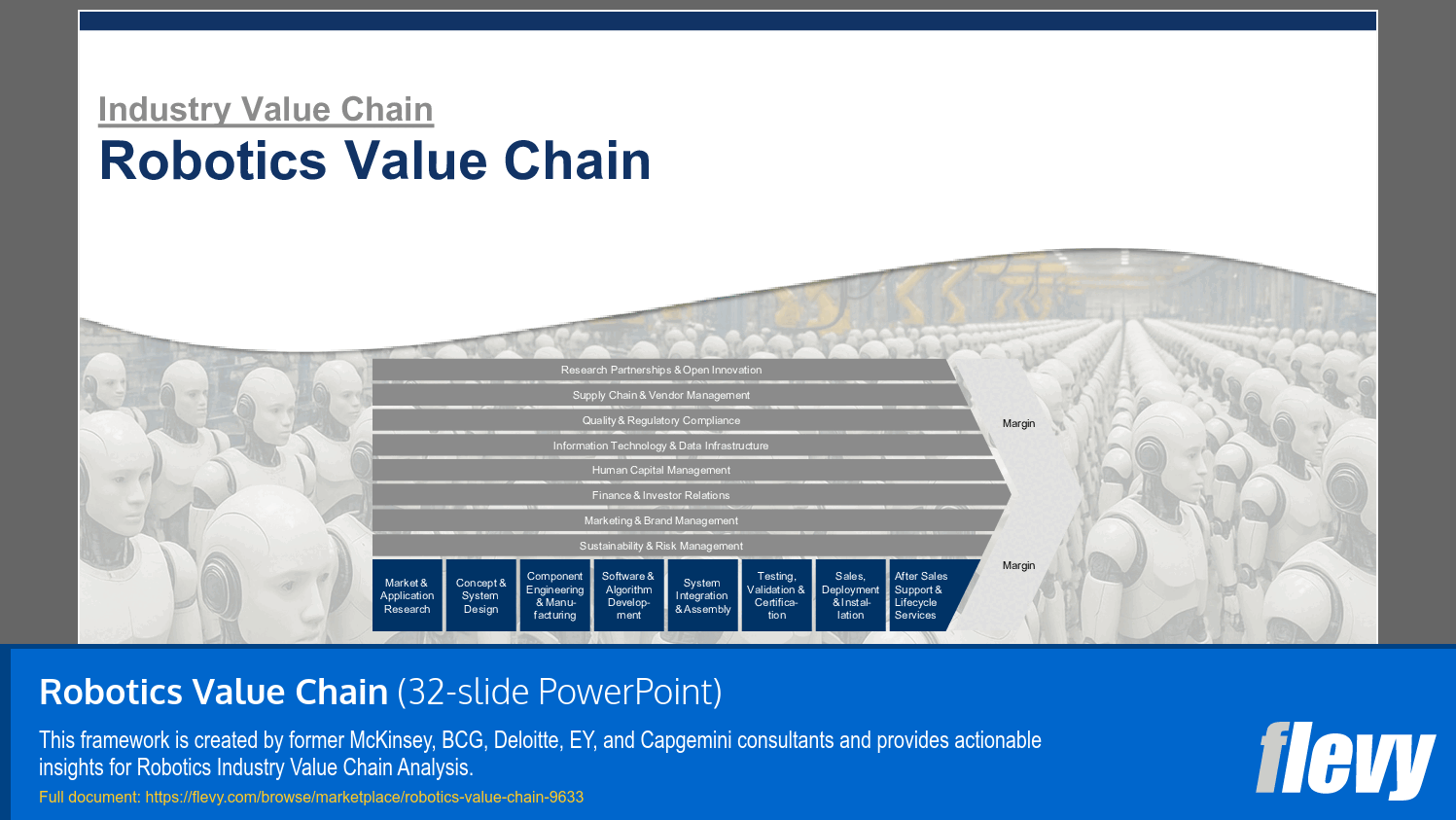
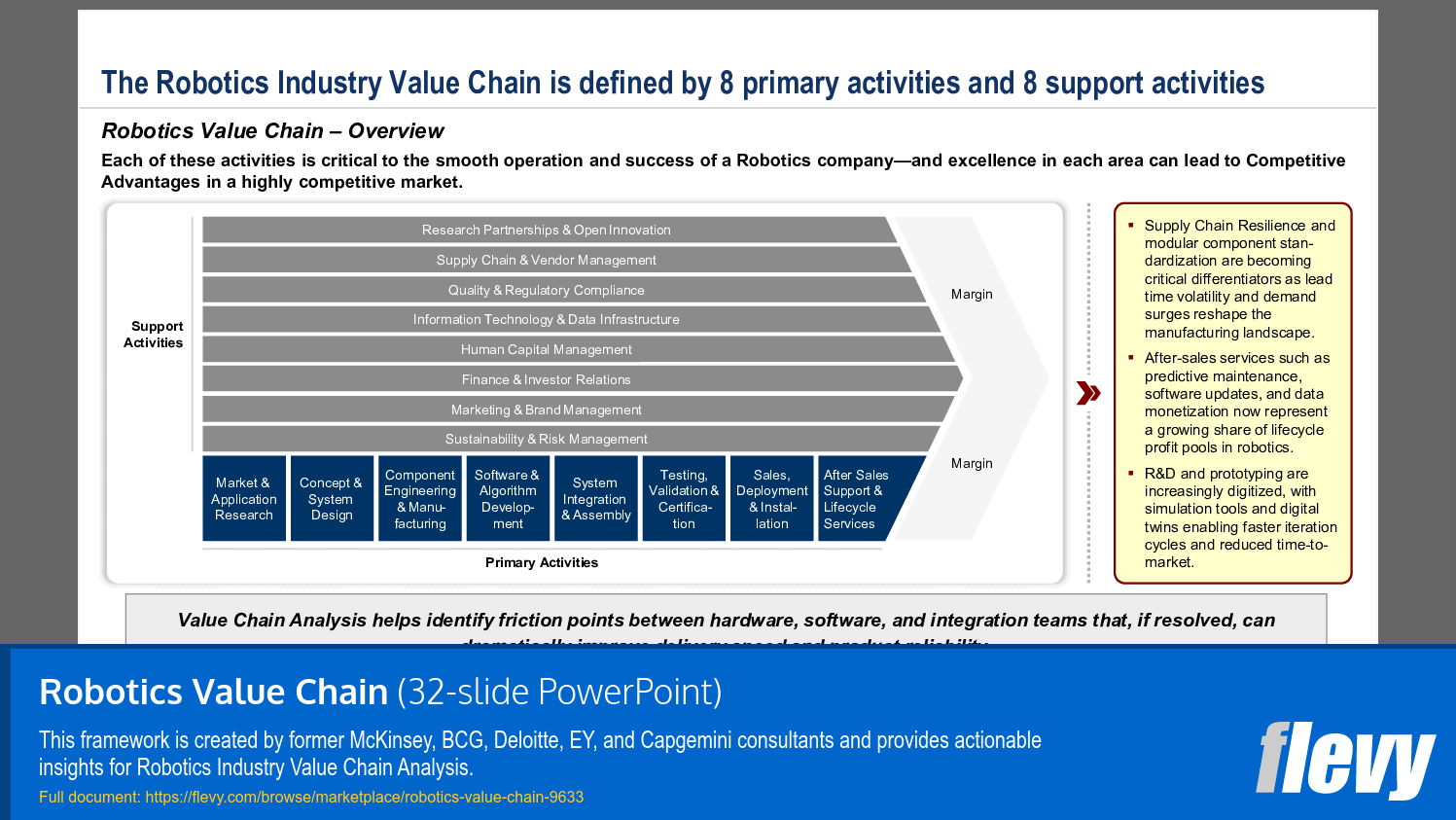
This presentation captures the Robotics Value Chain, which includes the following primary and support activities for Robotics firms:
Primary Activities
1. Market & Application Research
2. Concept & System Design
3. Component Engineering & Manufacturing
4. Software & Algorithm Development
5. System Integration & Assembly
6. Testing, Validation & Certification
7. Sales, Deployment & Installation
8. After Sales Support & Lifecycle Services
Support Activities
1. Research Partnerships & Open Innovation
2. Supply Chain & Vendor Management
3. Quality & Regulatory Compliance
4. Information Technology & Data Infrastructure
5. Human Capital Management
6. Finance & Investor Relations
7. Marketing & Brand Management
8. Sustainability & Risk Management
This presentation dives deeper into each of these activities, highlighting key elements.
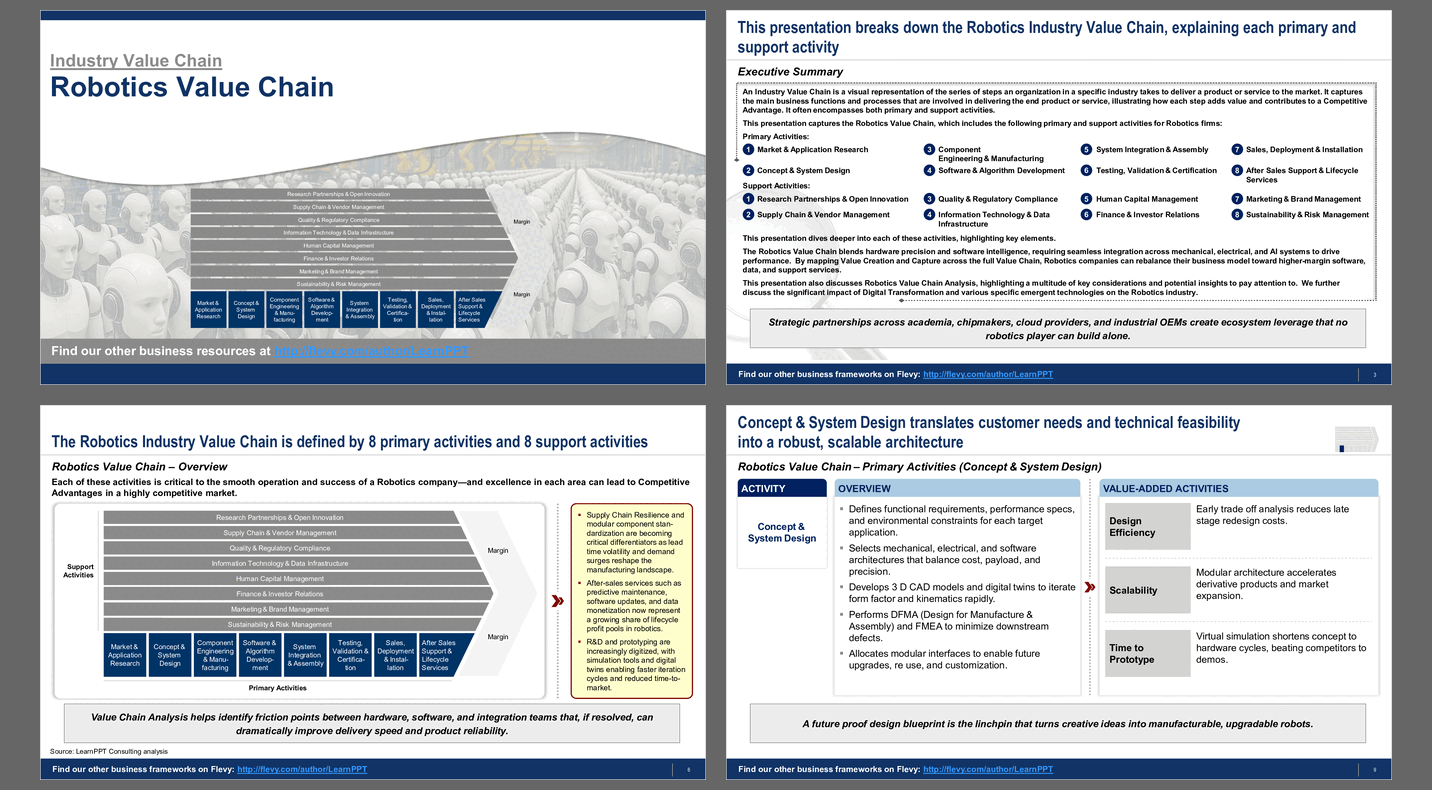
Value Chain Analysis helps identify friction points between hardware, software, and integration teams that, if resolved, can dramatically improve delivery speed and product reliability. Supply Chain Resilience and modular component standardization are becoming critical differentiators as lead time volatility and demand surges reshape the manufacturing landscape. After-sales services such as predictive maintenance, software updates, and data monetization now represent a growing share of lifecycle profit pools in robotics. R&D and prototyping are increasingly digitized, with simulation tools and digital twins enabling faster iteration cycles and reduced time-to-market.
The Robotics Value Chain blends hardware precision and software intelligence, requiring seamless integration across mechanical, electrical, and AI systems to drive performance. By mapping Value Creation and Capture across the full Value Chain, Robotics companies can rebalance their business model toward higher-margin software, data, and support services.
This presentation also discusses Robotics Value Chain Analysis, highlighting a multitude of key considerations and potential insights to pay attention to. We further discuss the significant impact of Digital Transformation and various specific emergent technologies on the Robotics industry.
Got a question about the product? Email us at support@flevy.com or ask the author directly by using the "Ask the Author a Question" form. If you cannot view the preview above this document description, go here to view the large preview instead.
Executive Summary
The Robotics Value Chain presentation provides a comprehensive framework for understanding the series of steps involved in delivering robotic products and services to the market. It captures the essential business functions and processes that contribute to value creation and competitive advantage in the robotics industry. This framework highlights both primary and support activities, enabling organizations to identify opportunities for efficiency and innovation. By mapping the value creation and capture processes, companies can enhance their business models towards higher-margin software, data, and support services. Additionally, the presentation discusses the impact of digital transformation and emergent technologies on the robotics sector.

Who This Is For and When to Use
• Robotics industry executives seeking to optimize operational efficiency
• Product managers focused on integrating hardware and software solutions
• Business strategists analyzing market opportunities and competitive positioning
• Consultants advising robotics firms on value chain enhancements
Best-fit moments to use this deck:
• During strategic planning sessions to identify key value chain improvements
• In workshops aimed at aligning product development with market needs
• For training sessions on integrating digital transformation into robotics operations
Learning Objectives
• Define the Robotics Value Chain and its significance in the industry
• Analyze primary and support activities that contribute to value creation
• Identify friction points between hardware, software, and integration teams
• Evaluate the impact of digital transformation on innovation cycles
• Develop strategies for enhancing customer satisfaction through lifecycle services
• Assess the role of strategic partnerships in driving competitive advantage
Table of Contents
• Executive Summary (page 3)
• Robotics Value Chain Overview (page 6)
• Primary Activities (page 8)
• Support Activities (page 17)
• Robotics Value Chain Analysis (page 26)
Primary Topics Covered
• Market & Application Research - Profiles industry pain points and analyzes technology readiness to validate commercial potential.

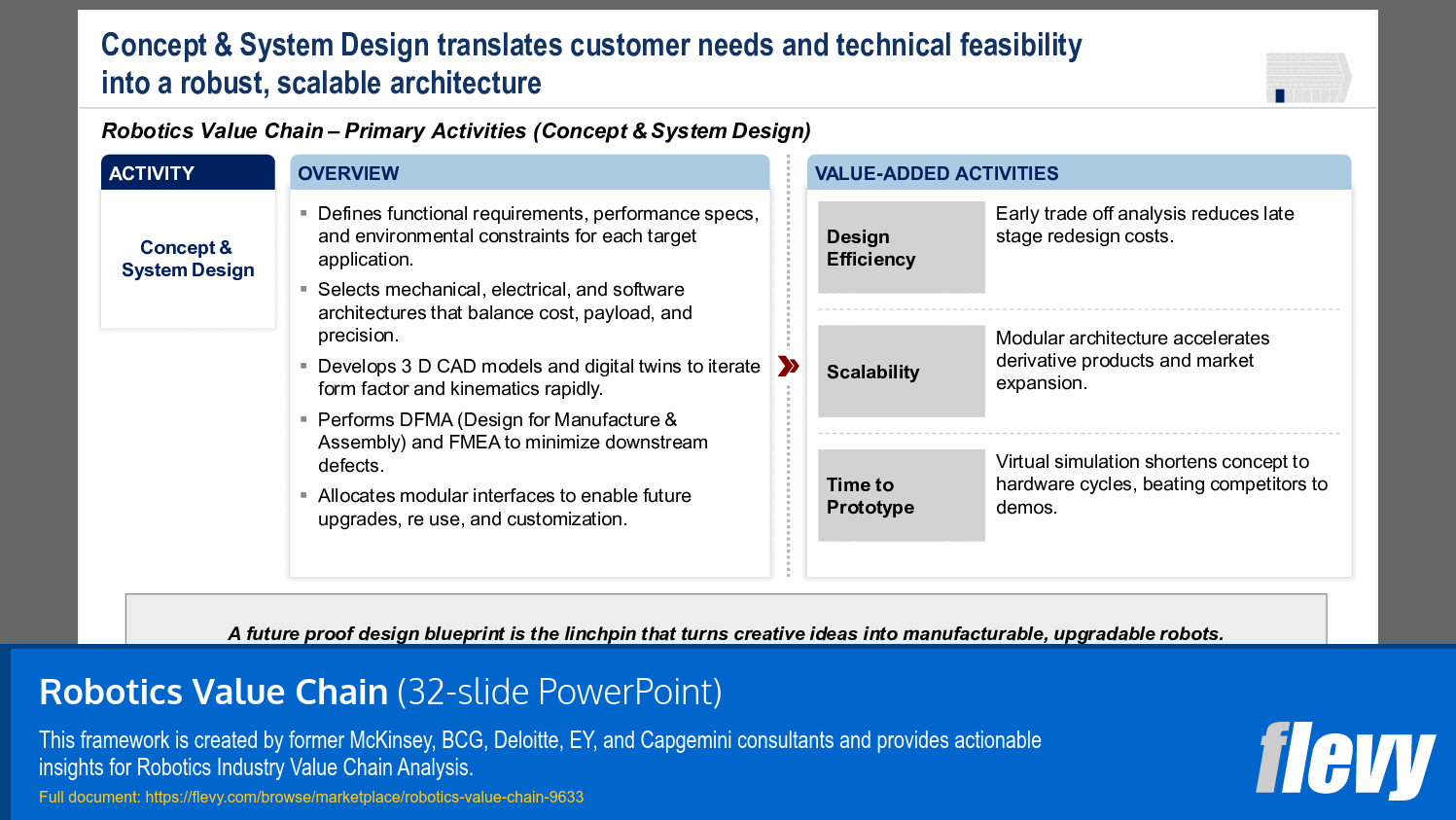
• Concept & System Design - Defines functional requirements and selects architectures to balance cost and precision.
• Component Engineering & Manufacturing - Engineers critical components to meet performance and reliability targets.
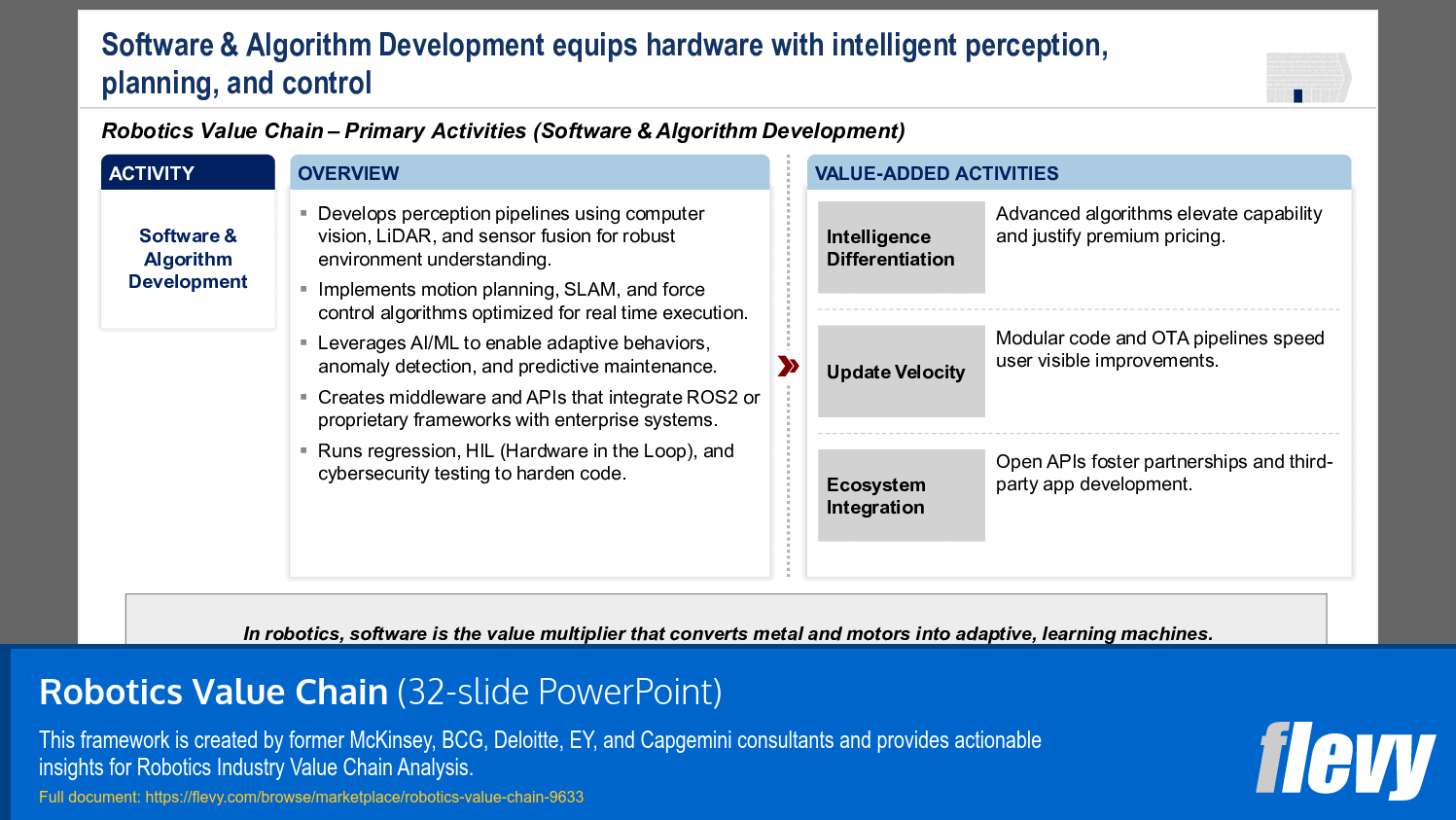
• Software & Algorithm Development - Develops intelligent algorithms that enhance robotic capabilities.
• System Integration & Assembly - Combines hardware and software into operational solutions ready for deployment.
• Testing, Validation & Certification - Confirms safety and compliance through rigorous testing protocols.
• Sales, Deployment & Installation - Translates engineered systems into operational value on customer sites.
• After Sales Support & Lifecycle Services - Provides ongoing support to enhance product performance and customer loyalty.
Deliverables, Templates, and Tools
• Value chain analysis framework for identifying operational efficiencies
• Market research templates for assessing application opportunities
• System design specifications for aligning customer needs with technical feasibility
• Testing protocols for validating product safety and compliance
• Sales enablement tools for mapping ROI and integration pathways
• After-sales support models for enhancing customer engagement
Slide Highlights
• Overview of the Robotics Value Chain, illustrating primary and support activities
• Detailed breakdown of Market & Application Research, emphasizing opportunity identification
• Insights into Component Engineering & Manufacturing, focusing on performance reliability
• Framework for Software & Algorithm Development, highlighting intelligence differentiation
• Visual representation of System Integration & Assembly processes and quality assurance measures
Potential Workshop Agenda
Robotics Value Chain Overview (60 minutes)
• Introduction to the Robotics Value Chain
• Discussion on primary and support activities
• Group analysis of current operational efficiencies
Market & Application Research Session (90 minutes)
• Identify industry pain points and attractive use cases
• Evaluate technology readiness and market potential
• Develop action plans for targeted R&D initiatives
Digital Transformation Impact Workshop (90 minutes)
• Explore emerging technologies influencing the value chain
• Discuss strategies for integrating digital tools into operations
• Create a roadmap for enhancing innovation cycles and lifecycle profitability
Customization Guidance
• Tailor the value chain framework to specific organizational contexts and operational needs
• Adjust market research templates to reflect unique industry challenges and opportunities
• Modify testing protocols to align with regulatory requirements in different markets
• Incorporate company-specific metrics and KPIs into after-sales support models
Secondary Topics Covered
• Supply Chain & Vendor Management strategies for securing high-tech inputs
• Quality & Regulatory Compliance measures to ensure safety and standards adherence
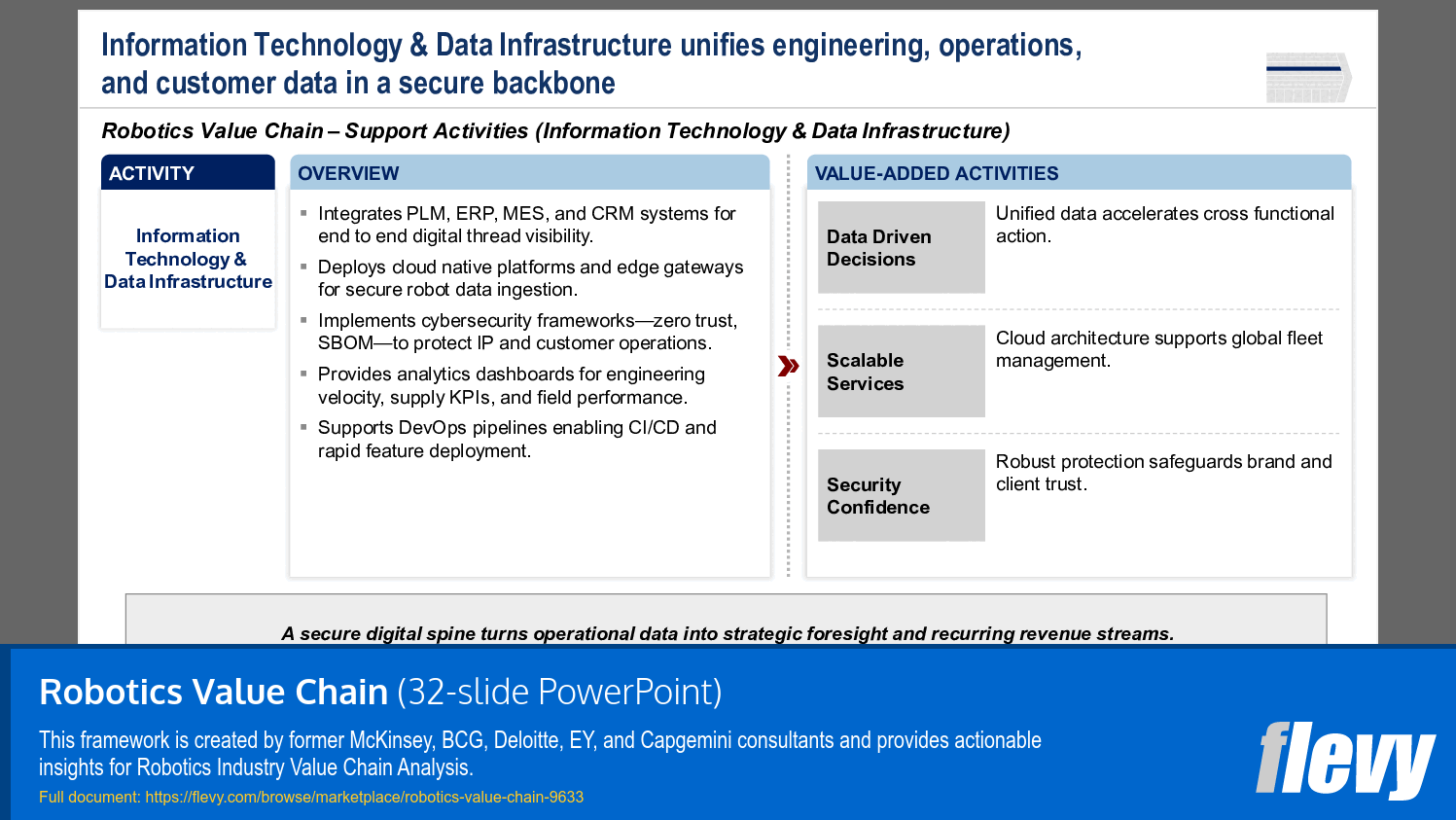
• Information Technology & Data Infrastructure for unified data management
• Human Capital Management practices for developing multidisciplinary talent
• Finance & Investor Relations strategies for funding innovation and growth
Topic FAQ
Document FAQ
These are questions addressed within this presentation.
What is the Robotics Value Chain?
The Robotics Value Chain is a framework that outlines the series of steps organizations take to deliver robotic products and services, highlighting both primary and support activities that add value.
How can this presentation help my organization?
This presentation provides insights into optimizing operational efficiencies, enhancing customer satisfaction, and leveraging digital transformation within the robotics industry.
What are the primary activities in the Robotics Value Chain?
The primary activities include Market & Application Research, Concept & System Design, Component Engineering & Manufacturing, Software & Algorithm Development, System Integration & Assembly, Testing, Validation & Certification, Sales, Deployment & Installation, and After Sales Support & Lifecycle Services.
What role does digital transformation play in the Robotics Value Chain?
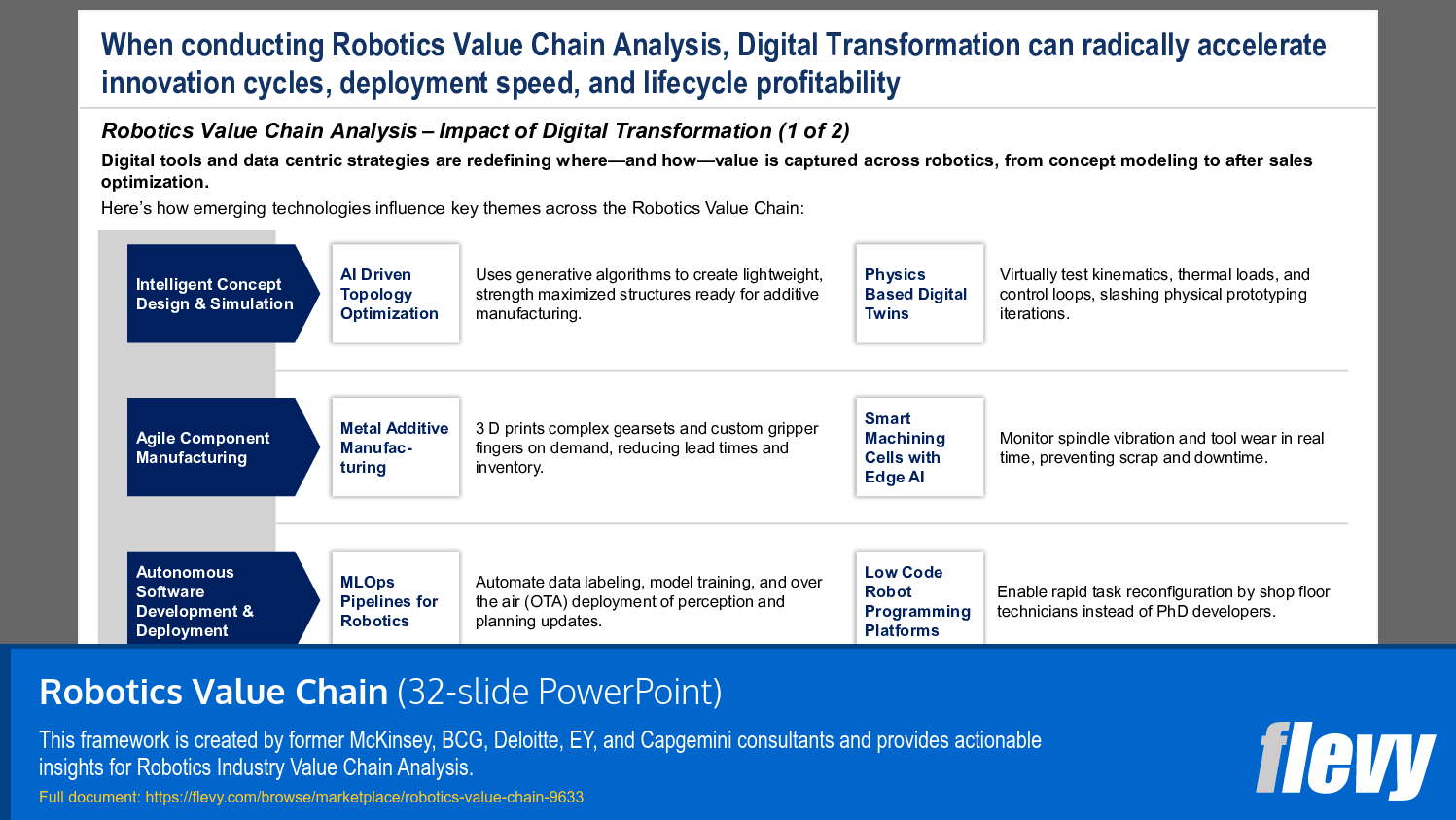
Digital transformation accelerates innovation cycles, enhances deployment speed, and improves lifecycle profitability by integrating advanced technologies and data-driven strategies.
How can I customize the frameworks presented?
Frameworks can be tailored by adjusting metrics, aligning them with specific operational contexts, and incorporating unique organizational needs and goals.
What are the benefits of after-sales support in the Robotics Value Chain?
After-sales support enhances customer loyalty, provides ongoing performance upgrades, and stabilizes cash flow through service contracts and subscriptions.
How does market research influence R&D in robotics?
Market research identifies high-value problems and attractive use cases, guiding R&D efforts toward profitable niches and aligning product portfolios with market demands.
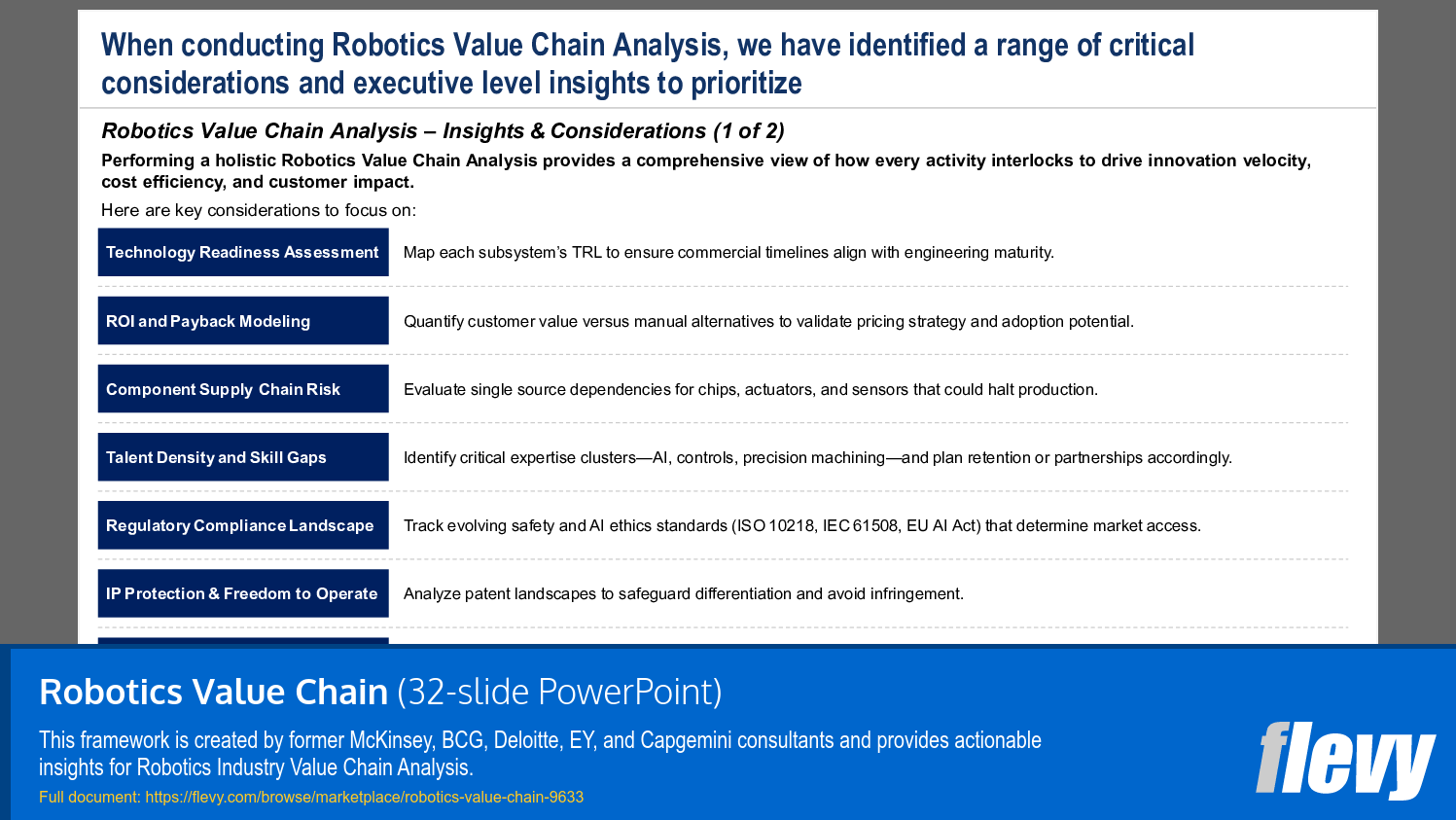
What are the key considerations for Robotics Value Chain Analysis?
Key considerations include technology readiness, ROI modeling, supply chain risks, talent density, regulatory compliance, and intellectual property protection.
Glossary
• Robotics Value Chain - A framework outlining the steps in delivering robotic products and services.
• Market Research - The process of analyzing market needs and opportunities.
• System Integration - The process of combining hardware and software into a cohesive solution.
• Lifecycle Services - Ongoing support and upgrades provided after the initial sale.
• Digital Transformation - The integration of digital technology into all areas of business operations.
• Quality Compliance - Adherence to safety and regulatory standards in product development.
• Human Capital Management - Strategies for recruiting, developing, and retaining talent.
• Supply Chain Management - The oversight of materials and components from suppliers to production.
• After Sales Support - Services provided to customers after the purchase of a product.
• Testing & Validation - Processes to ensure products meet safety and performance standards.
• Software Development - The creation of programs and algorithms that enhance robotic functionality.
• Component Engineering - The design and manufacturing of parts essential for robotic systems.
• Investor Relations - The management of communication between a company and its investors.
• Sustainability - Practices aimed at reducing environmental impact and ensuring long-term viability.
• Risk Management - Strategies to identify and mitigate potential risks in operations.
• Data Infrastructure - The systems and processes that manage data flow and analysis.
• Innovation Velocity - The speed at which new ideas and technologies are developed and implemented.
• Strategic Partnerships - Collaborations with external organizations to enhance capabilities and market reach.
• Customer Satisfaction - The measure of how products and services meet or exceed customer expectations.
• Competitive Advantage - The attributes that allow an organization to outperform its competitors.
Source: Best Practices in Manufacturing, Value Chain Analysis, Robotics Industry PowerPoint Slides: Robotics Value Chain PowerPoint (PPTX) Presentation Slide Deck, LearnPPT Consulting
|
Receive our FREE presentation on Operational Excellence
This 50-slide presentation provides a high-level introduction to the 4 Building Blocks of Operational Excellence. Achieving OpEx requires the implementation of a Business Execution System that integrates these 4 building blocks. |