
 Click main image to view in full screen. Unlock all 9 preview images:
Residential Assisted Living Acquisition & SBA Model – Excel XLSX
Excel (XLSX) + supplemental PDF


BENEFITS OF THIS DOWNLOADABLE EXCEL DOCUMENT
- Build revenue from census rather than a flat rate: beds, occupancy and an editable private/Medicaid split blend to a net rate per occupied bed, so a heavier Medicaid mix lowers the price the model supports.
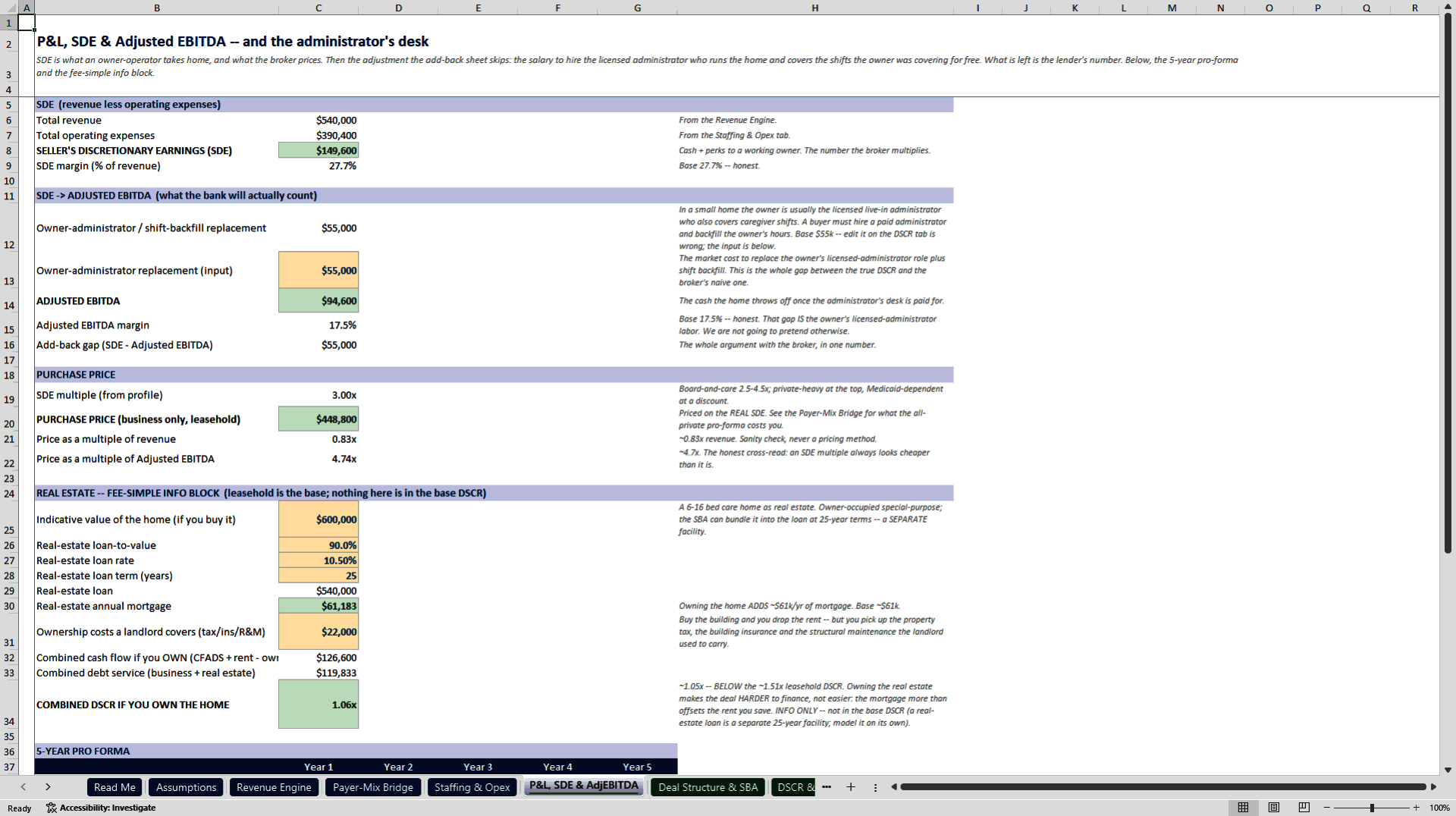
- Read the true DSCR of 1.51x next to the naive 2.55x, because the true figure hires a $55,000 administrator to replace an owner who runs the home and covers shifts.
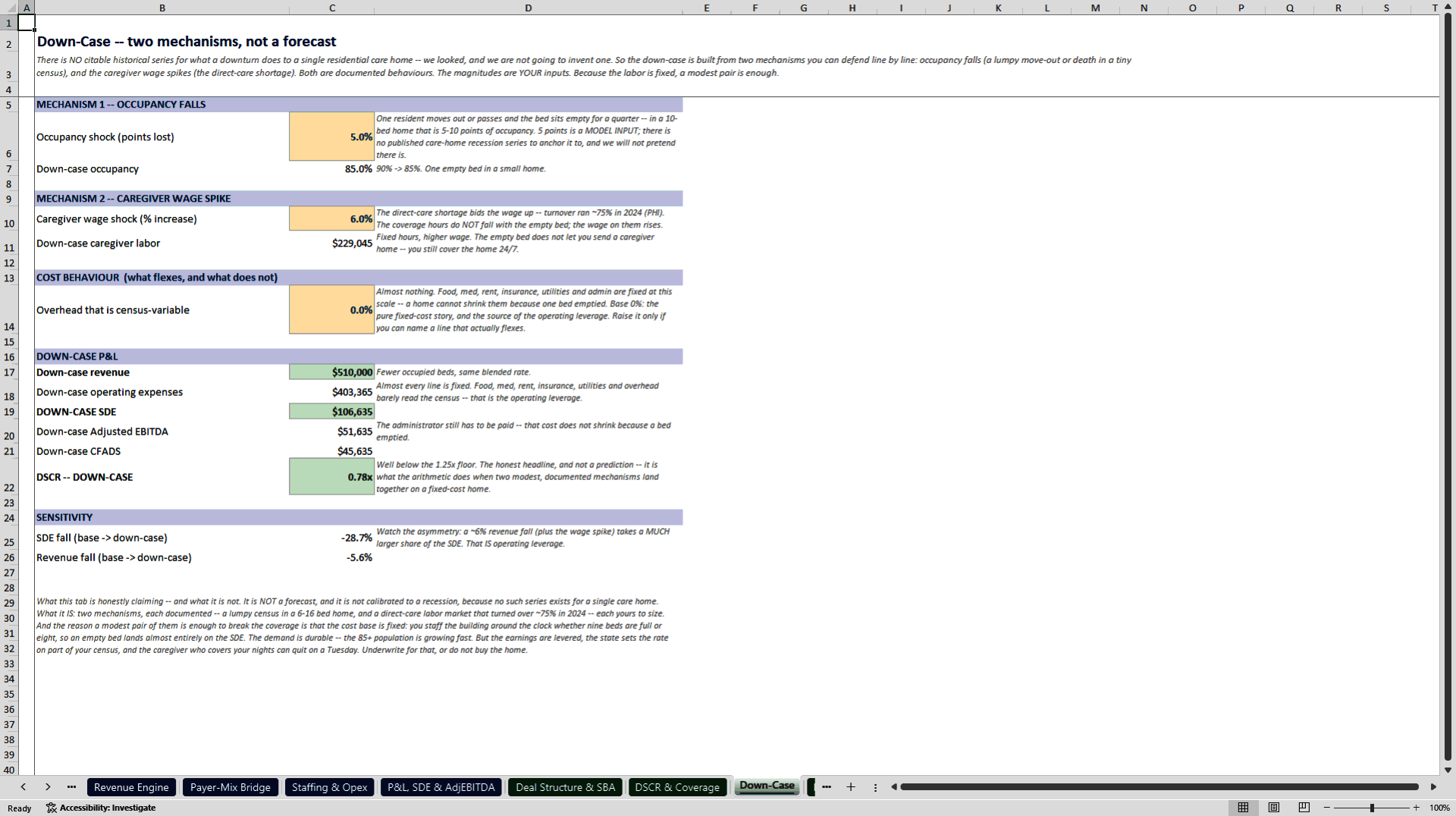
- Stress the two things that actually break a small care home: occupancy falling from 90% to 85% alongside a 6% caregiver wage rise takes the DSCR to 0.78x, well under a 1.25x lender floor.
INTEGRATED FINANCIAL MODEL EXCEL DESCRIPTION
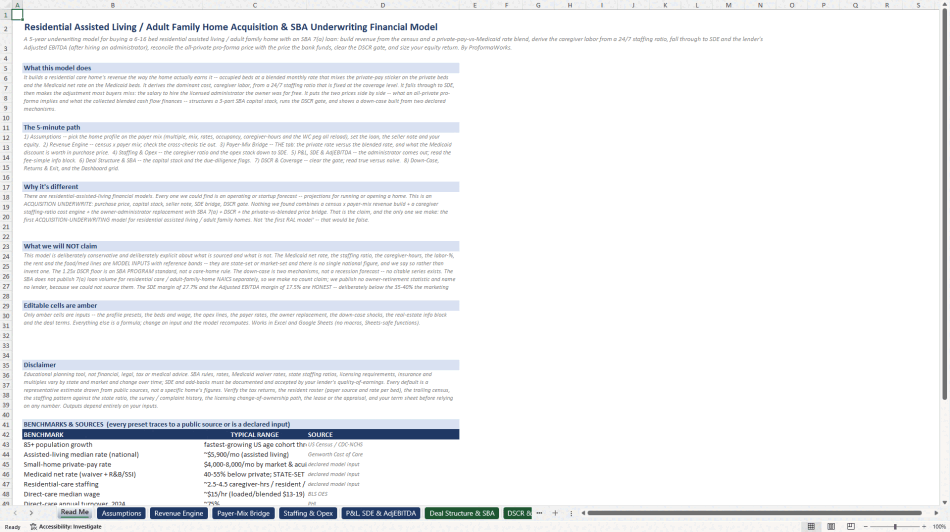
This is an acquisition underwrite for a searcher, ETA buyer or operator purchasing a residential assisted living home or adult family home, and for the lender who has to approve the deal. It is built the way a bank underwrites, not as a startup forecast.
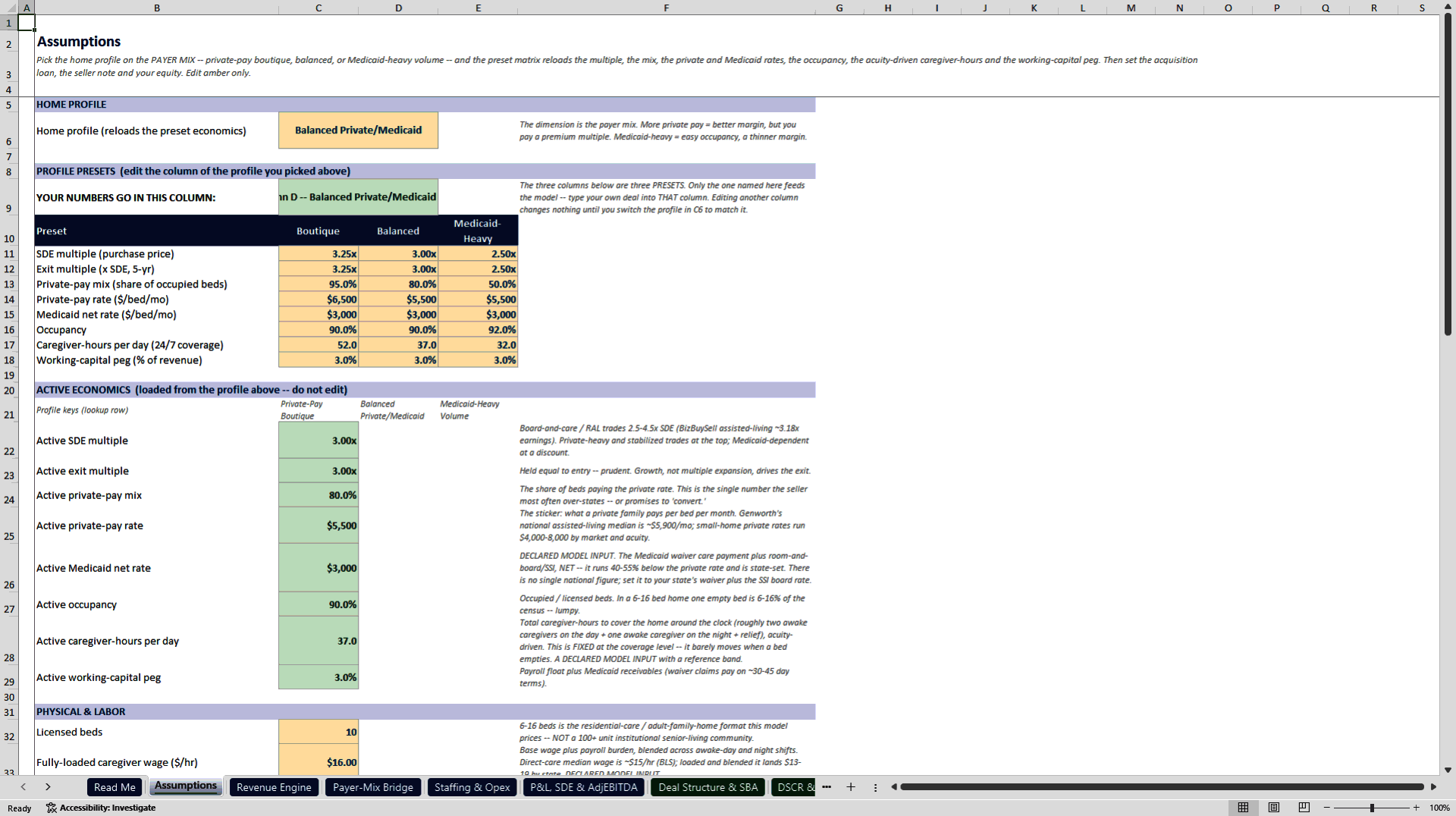
The valuation error it intercepts is the payer mix. A private-pay bed and a Medicaid-waiver bed look identical on a tour and pay roughly 45% apart, while the staffing behind them does not change. Present the home as if every bed were private and the price inflates. The model puts the all-private pro forma price of $610,800 next to the blended-rate price of $448,800, with the DSCR at each: 1.12x, which is a decline, against 1.51x. The gap is $162,000, or 26.5% of the price.
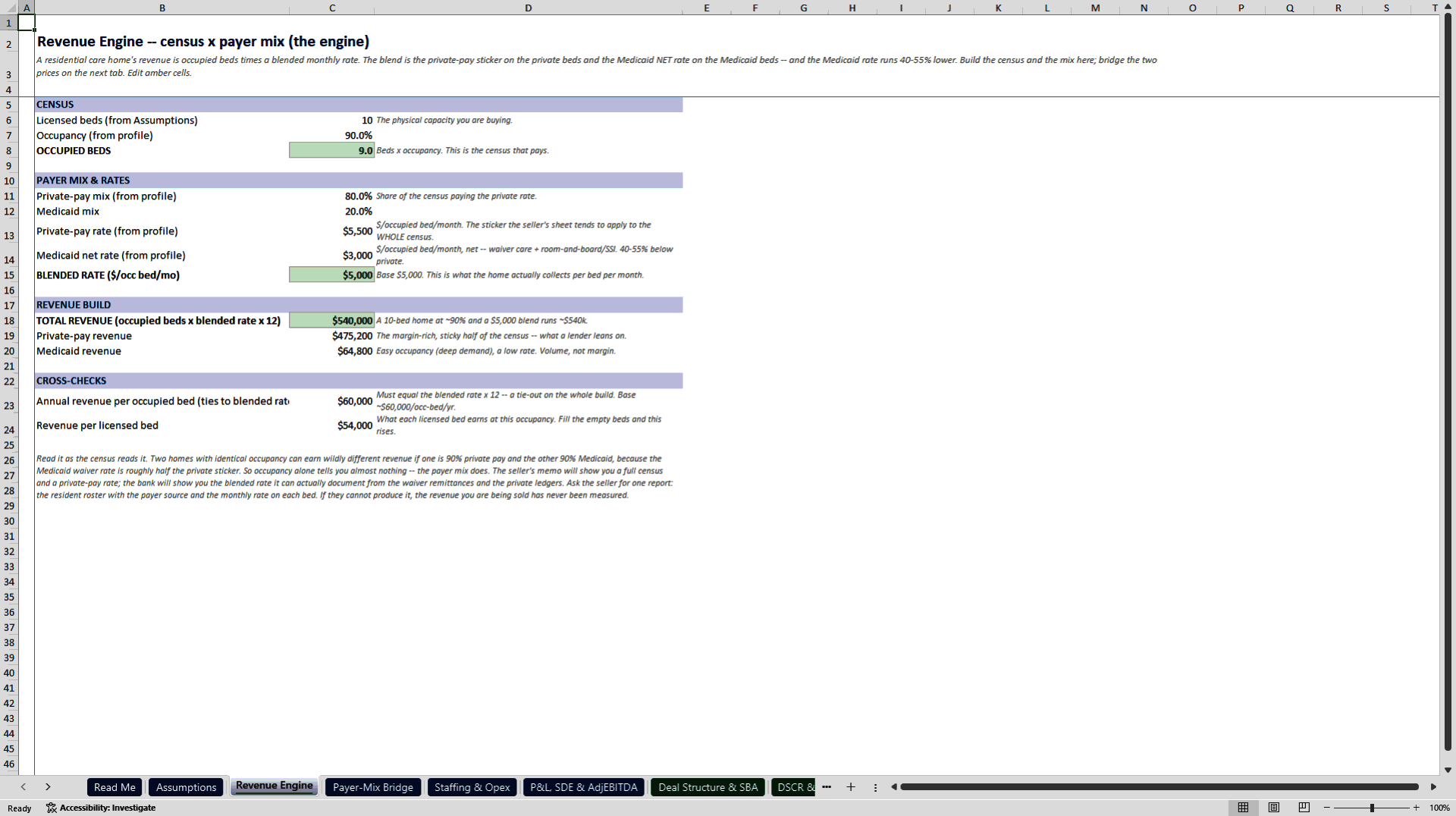
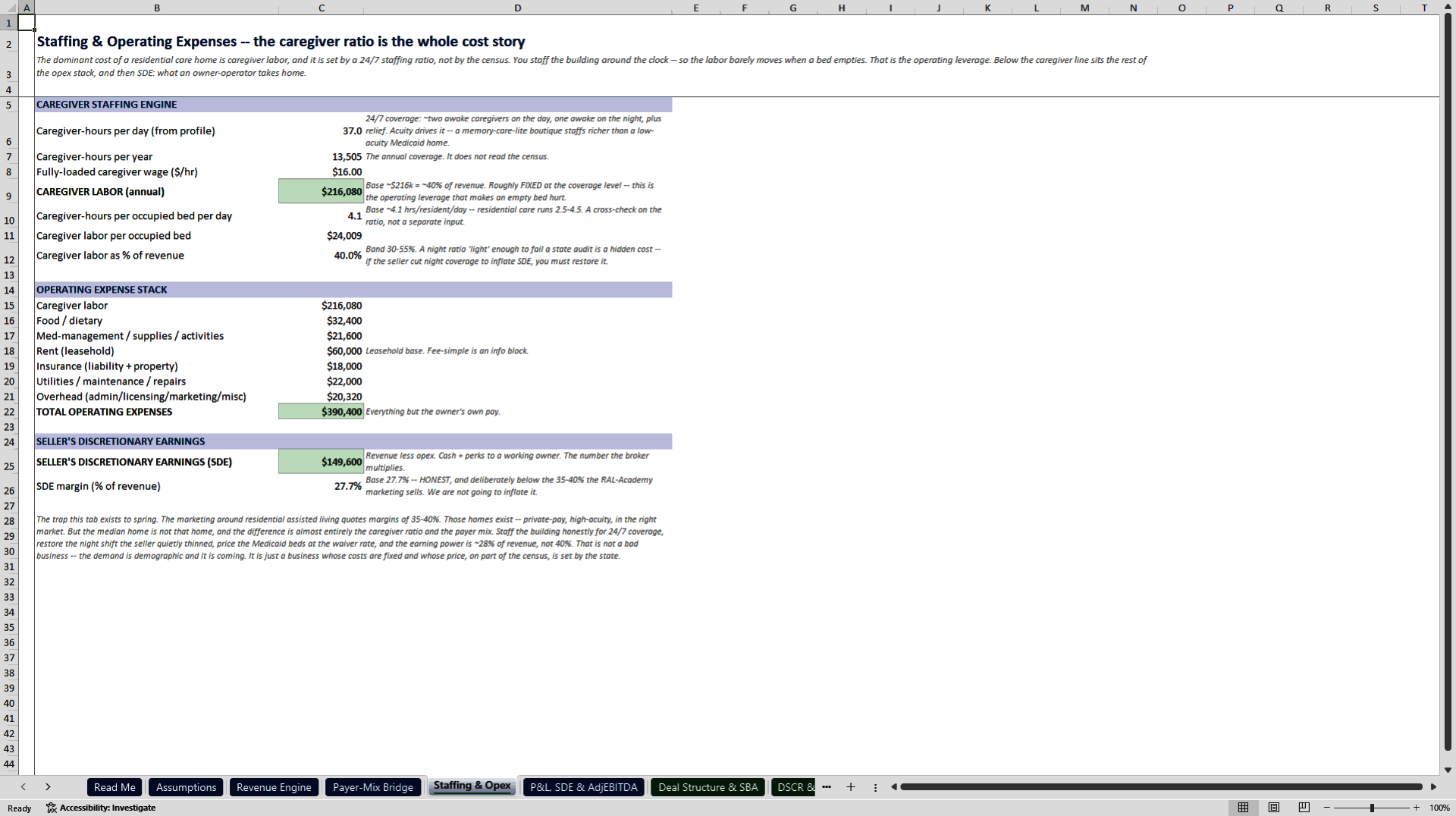
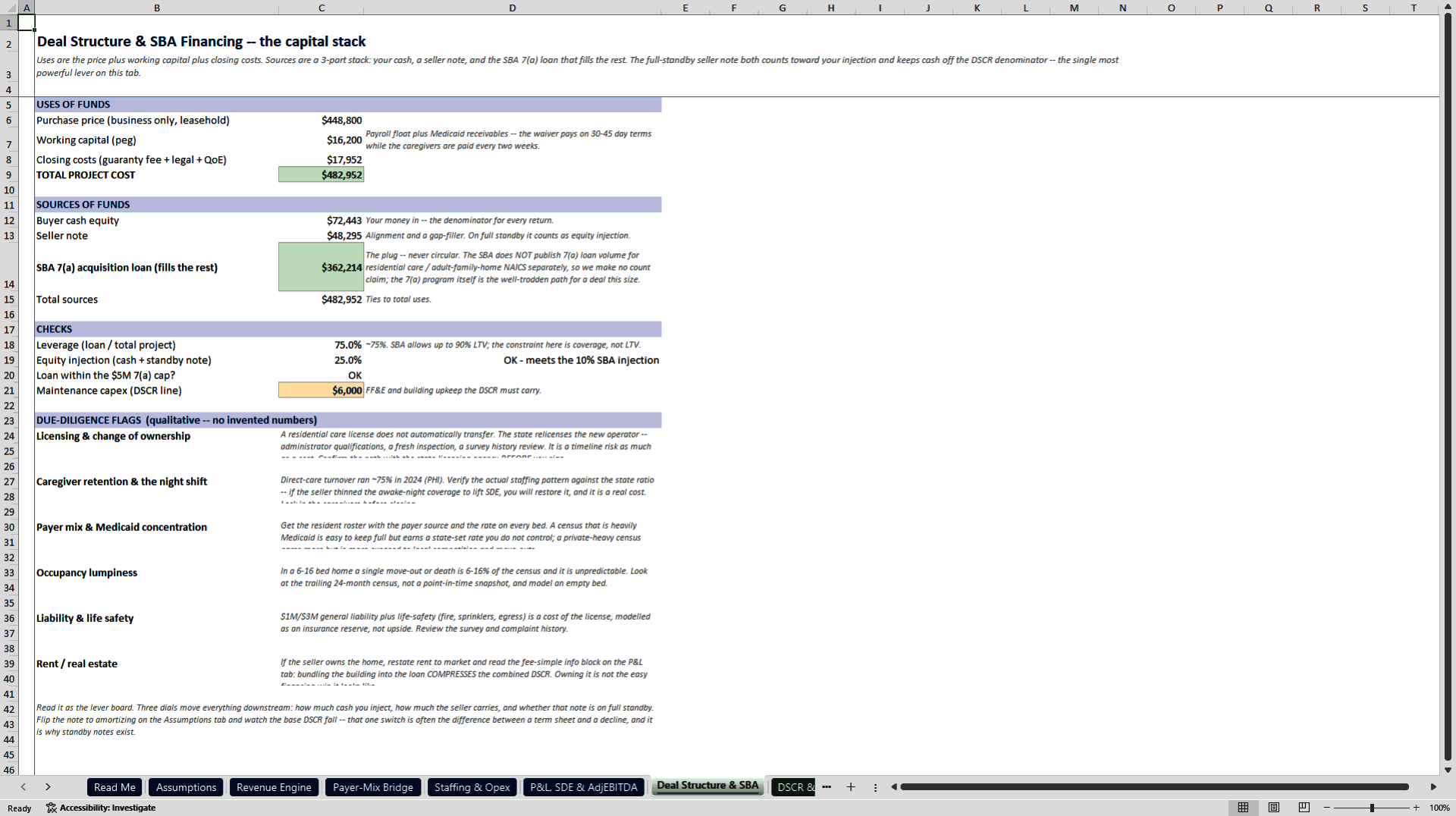
How the engine works. Revenue starts from census: 10 beds at 90% occupancy with an 80/20 private-to-Medicaid mix, at $5,500 private and $3,000 Medicaid-net, blends to $5,000 per occupied bed per month and $540,000 a year. Caregiver labor, the dominant cost at about 40% of revenue ($216,080), is derived from a day and awake-night staffing ratio rather than a percentage, so it stays close to fixed at 24/7 coverage: when a bed empties, the labor barely drops. SDE lands at $149,600 (27.7%) and Adjusted EBITDA at $94,600 (17.5%). The true DSCR of 1.51x is struck after hiring a $55,000 administrator to replace the owner who runs the home and covers shifts; the naive broker-style figure is 2.55x, and the difference is the owner's own labor. A down-case combining occupancy falling from 90% to 85% with a 6% wage rise reaches 0.78x. A fee-simple toggle shows that bundling the roughly $600,000 house into the SBA loan adds about $65,000 a year of mortgage and compresses the combined DSCR to about 1.06x.
Inside the workbook are 11 tabs over a five-year horizon: census and payer-mix revenue, the caregiver staffing-ratio engine, SDE and valuation, an SBA 7(a) capital stack with a seller-note standby lever and real amortisation, DSCR and debt with a 26.1% debt yield, three break-even occupancies (74.8% where SDE covers the loan with the owner still unpaid, 86.2% where your own after-tax cash flow is zero, 87.5% at the 1.25x floor) and a break-even blended rate of $4,858, returns, three operating profiles and a dashboard. Every assumption is editable and highlighted, and there are no macros or add-ins, so it also opens in Google Sheets. A PDF guide documents the sources.
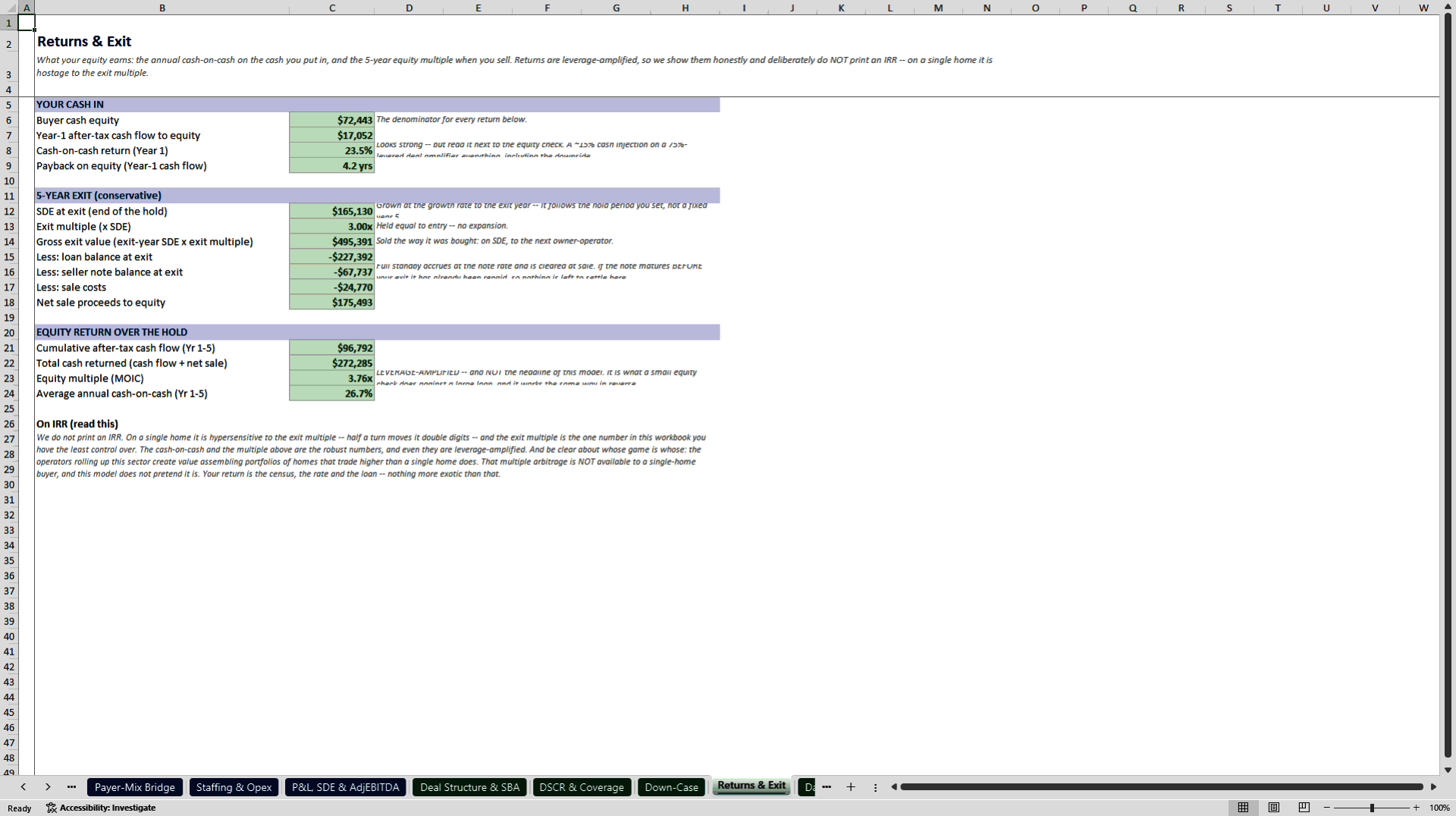
What the model does not claim. There is no live IRR by design, and the five-year MOIC of 3.76x is flagged as leverage-amplified rather than headlined. SDE and Adjusted EBITDA margins are held deliberately conservative. It is an educational planning tool, not financial, lending, legal or medical advice.
Got a question about the product? Email us at support@flevy.com or ask the author directly by using the "Ask the Author a Question" form. If you cannot view the preview above this document description, go here to view the large preview instead.
Source: Best Practices in Integrated Financial Model Excel: Residential Assisted Living Acquisition & SBA Model Excel (XLSX) Spreadsheet, ProformaWorks
ABOUT THE AUTHOR
ProformaWorks builds acquisition-grade financial models for Main Street and lower-middle-market businesses - the kind of deal financed with an SBA 7(a) loan or a small commercial facility.
Every model answers one question: does this deal pencil at the bank? That means SDE or NOI rebuilt from the seller's own numbers, the add-backs a lender will and will not accept, a debt-service
... [read more]
Ask the Author a Question
You must be logged in to contact the author.




























