
The launch of The PMBOK® Guide – Seventh Edition brought with it some big changes.
With a shift from being process-led to becoming more principle based, the focus of The PMBOK® Guide – Seventh Edition is now much more about the whats than the hows of successful project management.
With this change also comes the incorporation of agile, iterative, and hybrid workflows that span the multiple industries that project managers work across.
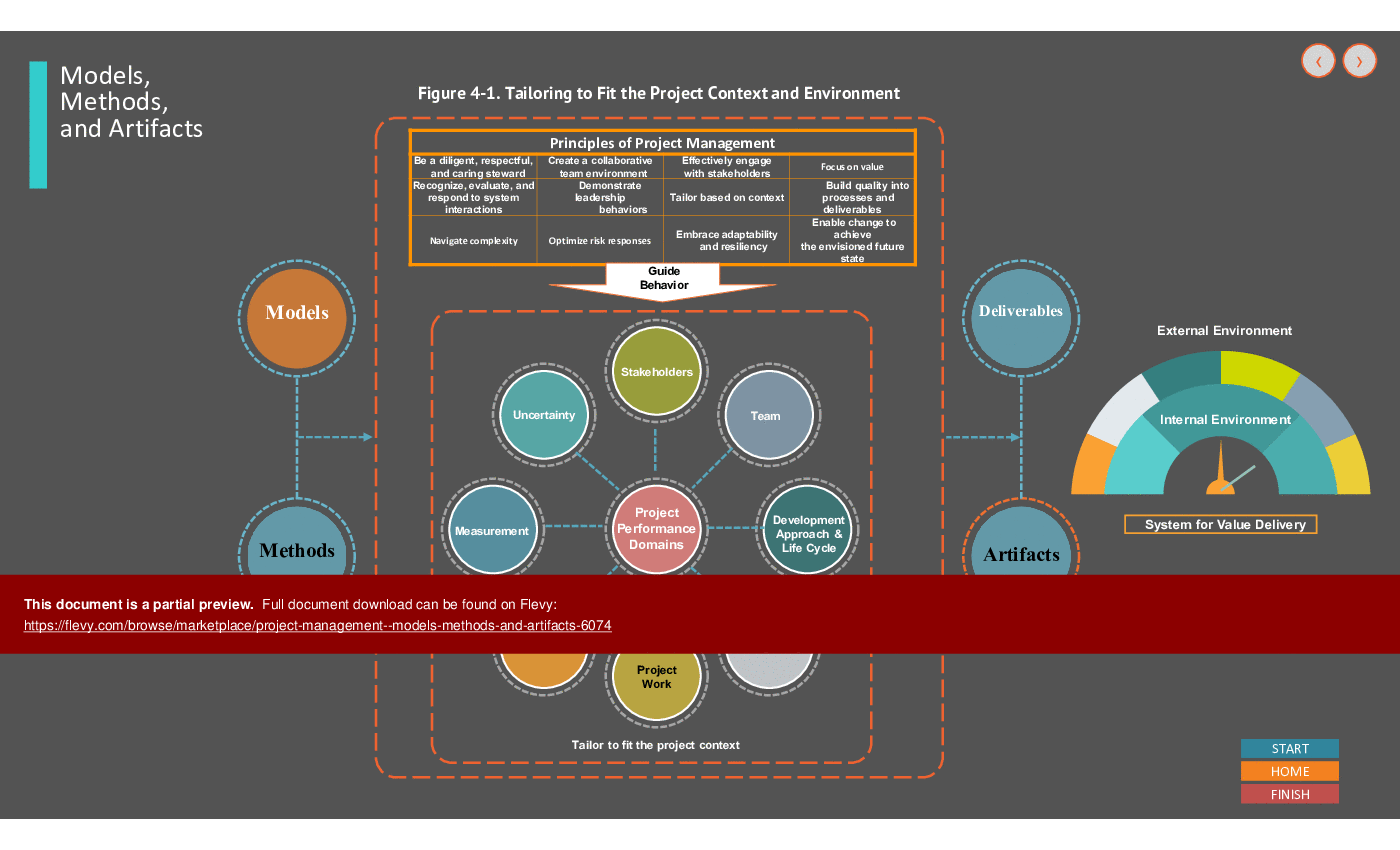
Along with the 12 project delivery principles that guide how to execute a project – the 8 project performance domains further guide behaviors and best practices.
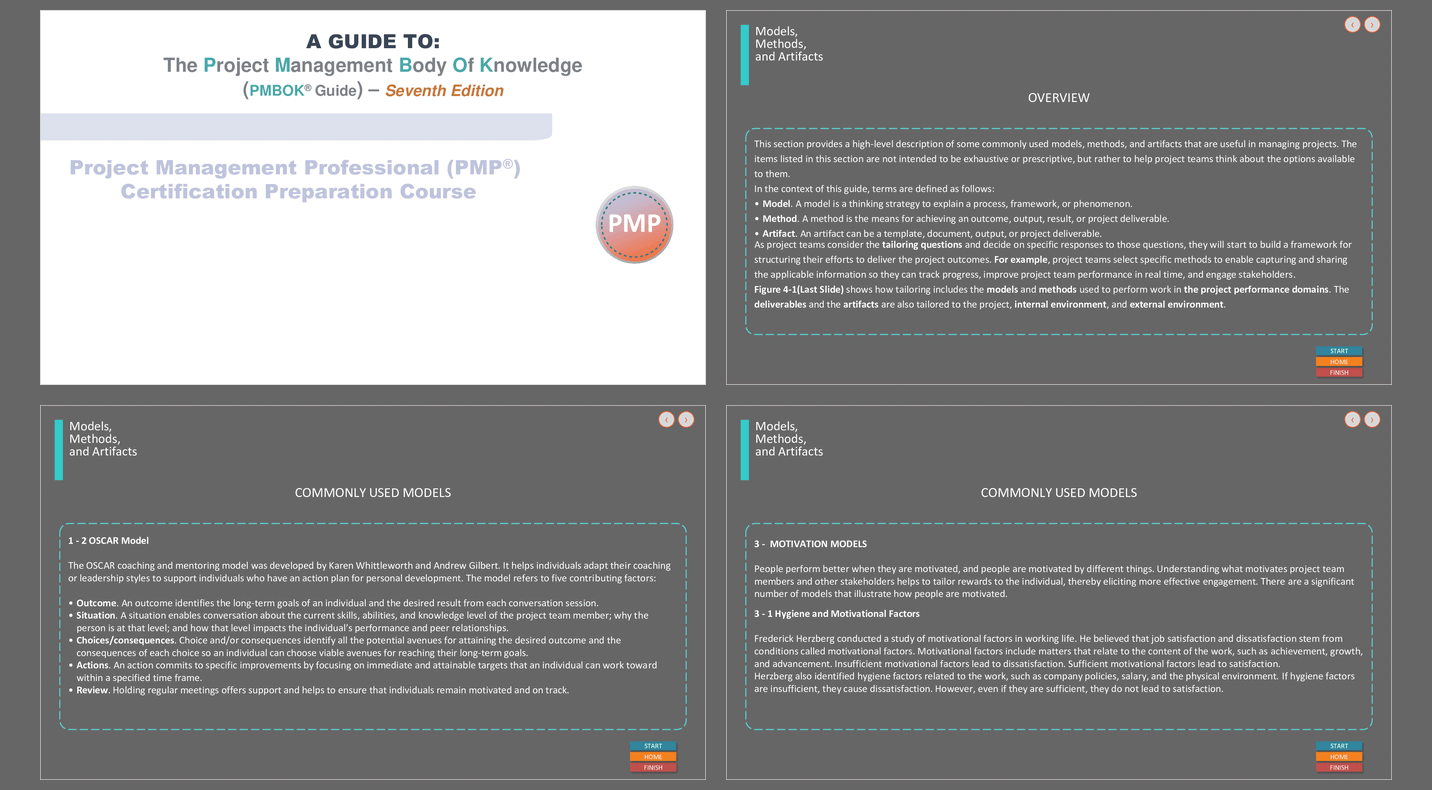
This document is a 84-slide PowerPoint presentation that provides an in-depth understanding to the Project Management – Models Methods and Artifacts according to PMI PMBOK
This document is easily customizable, content can be removed (or skipped over during presentation). Plenty of graphics are included in order to get the holistic vision of the interrelated systems.
Got a question about the product? Email us at support@flevy.com or ask the author directly by using the "Ask the Author a Question" form. If you cannot view the preview above this document description, go here to view the large preview instead.
Executive Summary
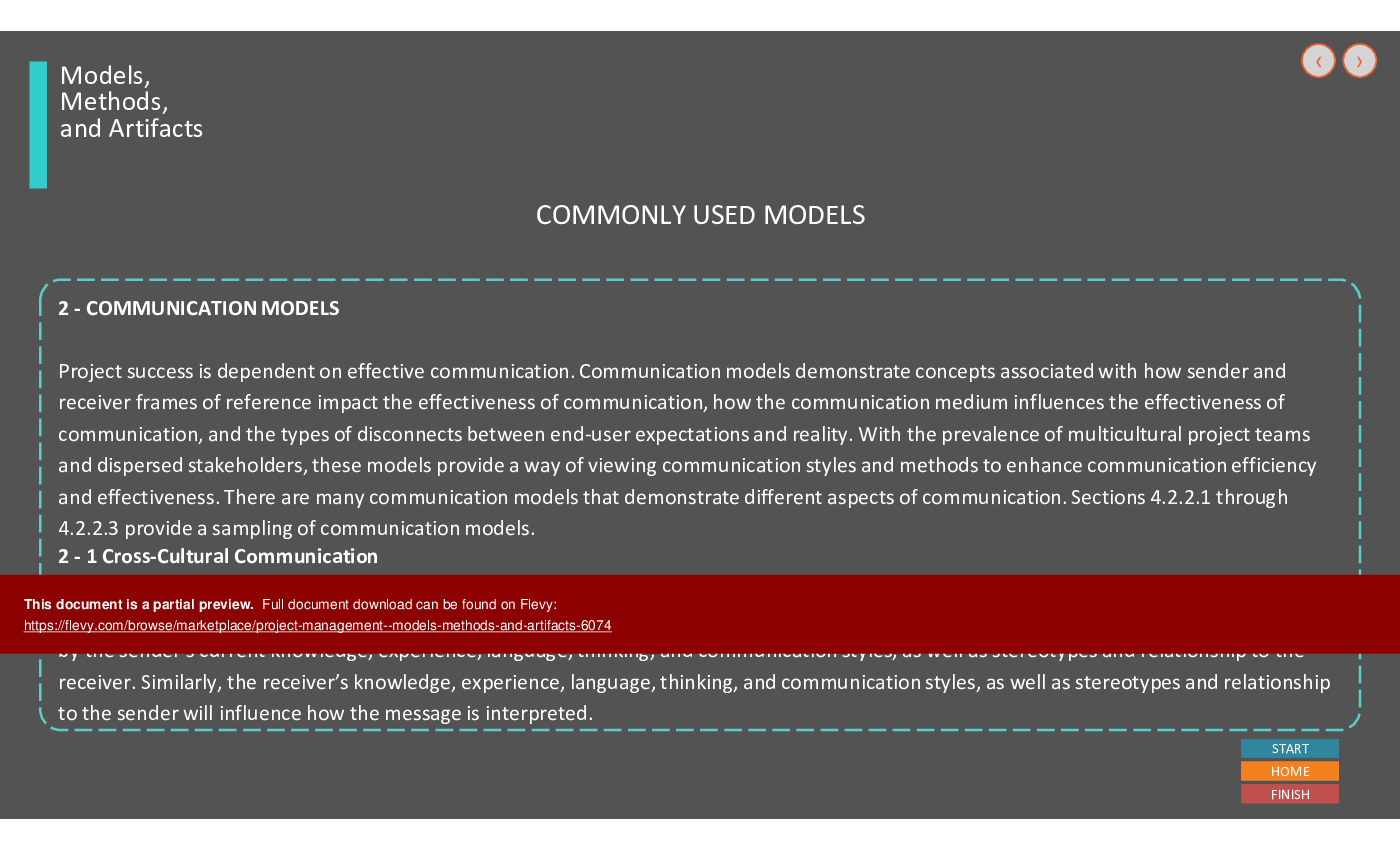
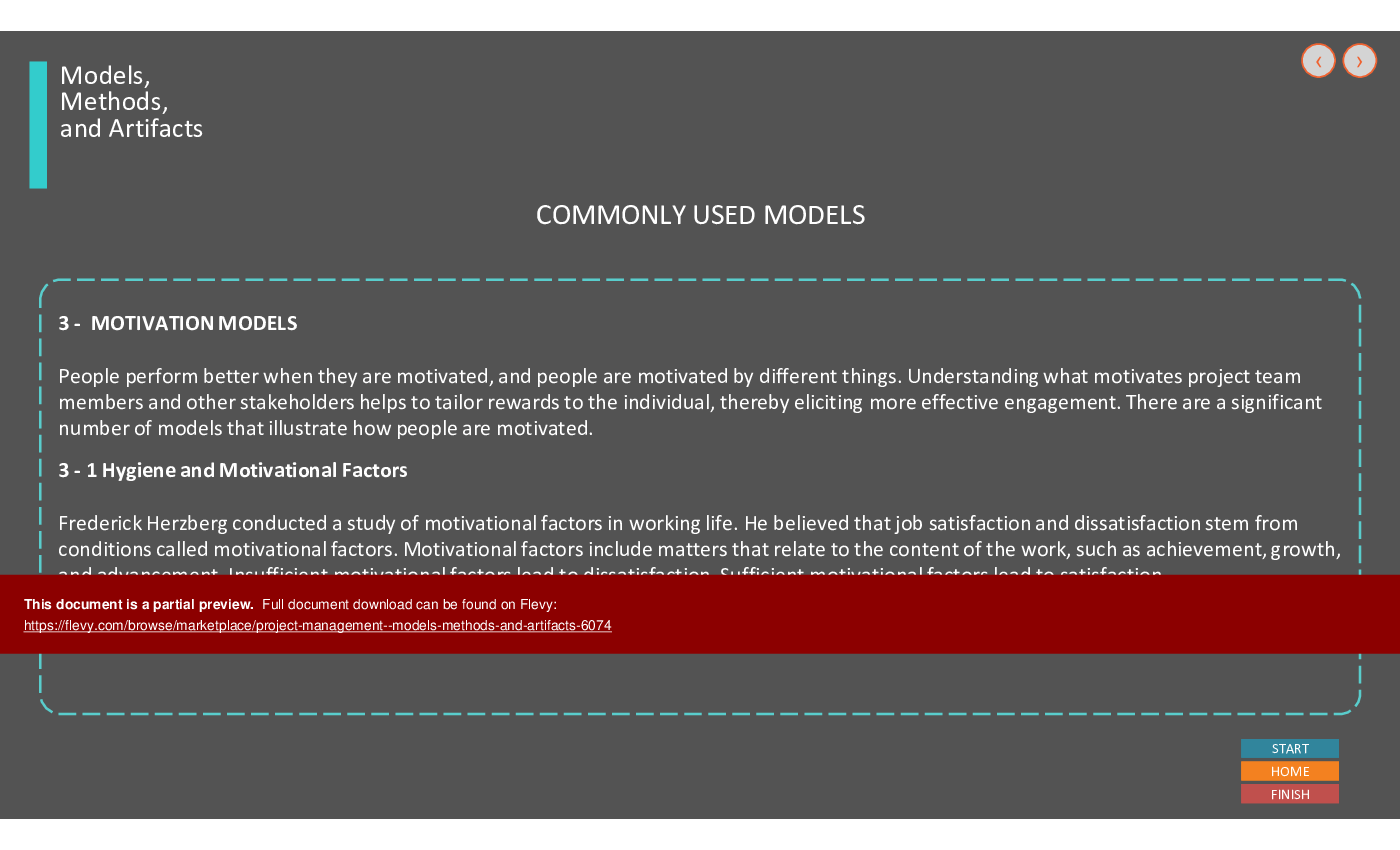
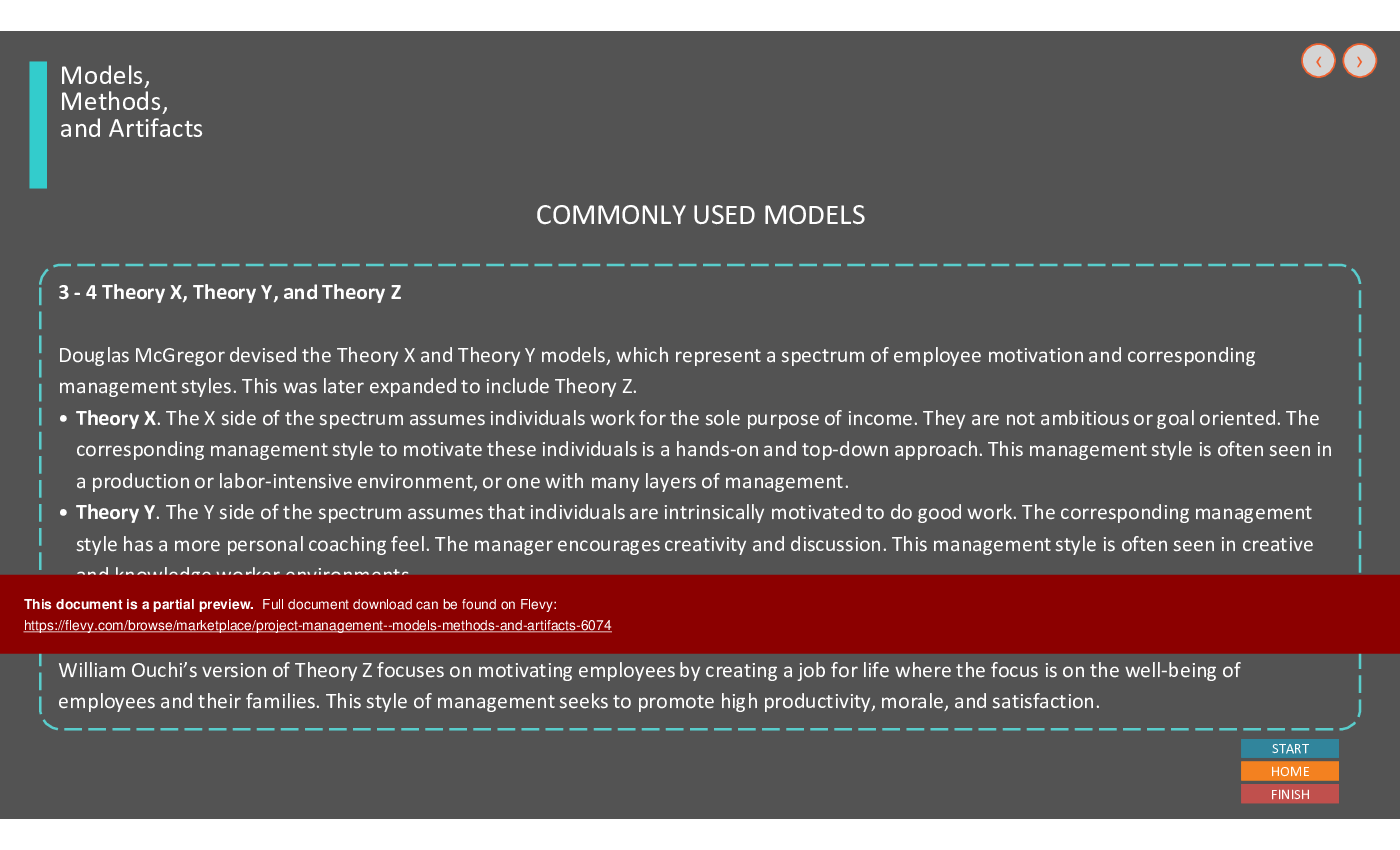
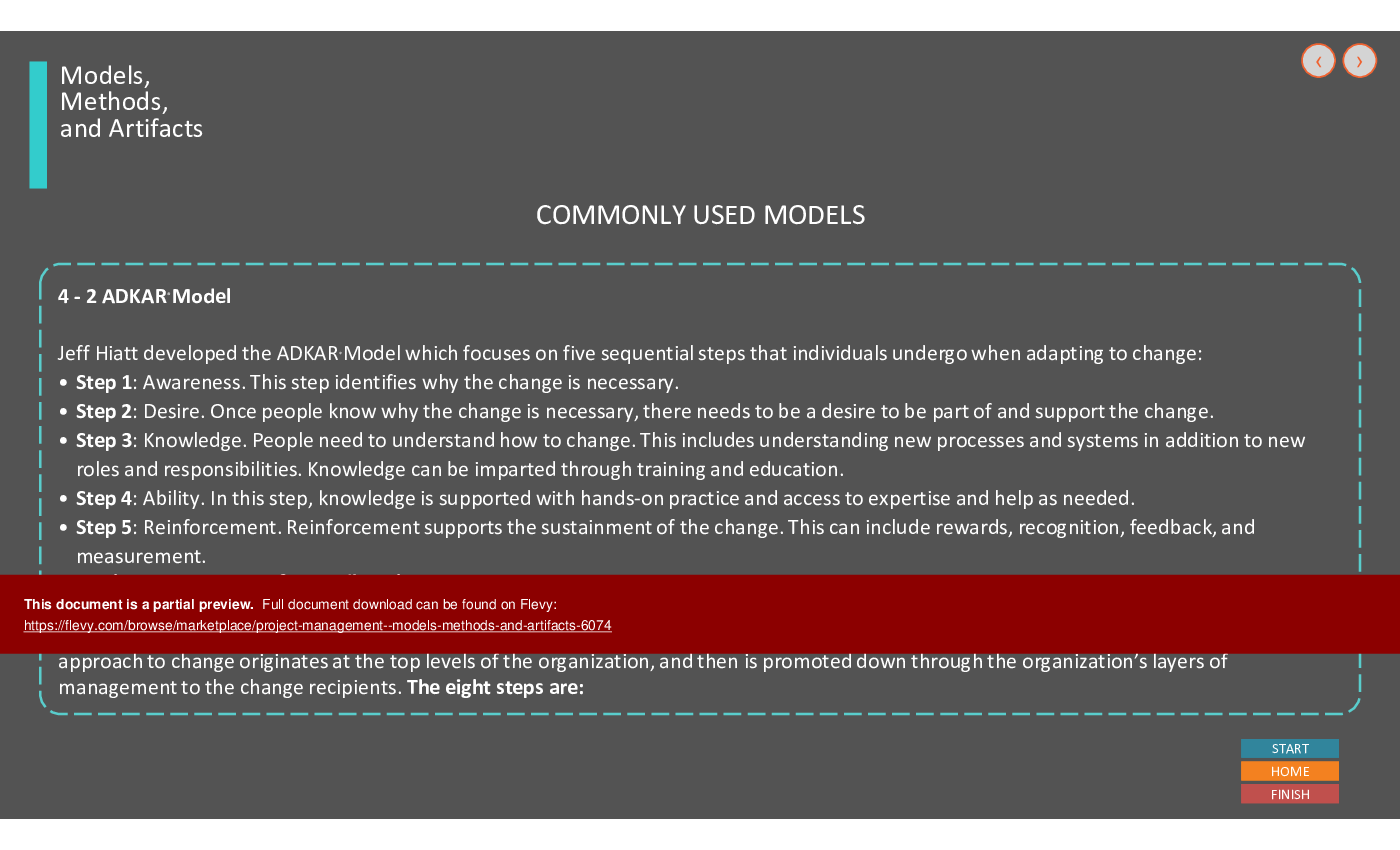
The "Project Management - Models, Methods, and Artifacts" presentation is designed to provide a comprehensive overview of the Project Management Body of Knowledge (PMBOK® Guide) - Seventh Edition. Developed by experts with extensive consulting experience, this presentation equips project managers and teams with essential models, methods, and artifacts to enhance project delivery. It focuses on tailoring project management approaches to fit specific contexts, ensuring that teams can effectively navigate complexities and uncertainties in their projects.
Who This Is For and When to Use
• Project Managers overseeing diverse project teams and initiatives
• Team Leaders responsible for project execution and stakeholder engagement
• Consultants providing project management training and support
• Organizational leaders aiming to improve project governance and outcomes
Best-fit moments to use this deck:
• During project kickoff meetings to align teams on methodologies
• In training sessions for project management professionals preparing for certification
• When developing or refining project management processes and frameworks
• For workshops focused on stakeholder engagement and communication strategies
Learning Objectives
• Define key project management models and their applications in real-world scenarios
• Build a tailored project management approach that aligns with organizational goals
• Establish effective communication strategies that enhance stakeholder engagement
• Identify and utilize relevant artifacts to support project planning and execution
• Analyze project complexities and adapt methods accordingly for optimal outcomes
• Implement best practices for measuring project performance and managing risks
Table of Contents
• Overview of PMBOK® Guide (page 3)
• Project Management Principles (page 5)
• Tailoring Project Management Approaches (page 10)
• Commonly Used Models (page 15)
• Commonly Used Methods (page 25)
• Commonly Used Artifacts (page 40)
• Artifacts Applied Across Performance Domains (page 60)
Primary Topics Covered
• PMBOK® Guide Overview - An introduction to the structure and key updates in the PMBOK® Guide - Seventh Edition, including the shift to principles and performance domains.
• Project Management Principles - Core principles that guide project management practices, emphasizing value delivery and stakeholder engagement.
• Tailoring Project Management Approaches - Strategies for adapting project management methods to fit specific project contexts and environments.
• Commonly Used Models - A collection of models that support project management, including leadership and communication models.
• Commonly Used Methods - An overview of methods for data gathering, analysis, and project estimation that enhance decision-making.
• Commonly Used Artifacts - Essential templates and documents that facilitate project planning, execution, and monitoring.
Deliverables, Templates, and Tools
• Project charter template for initiating projects
• Risk register template for tracking project risks
• Communication management plan template for stakeholder engagement
• Change log template for managing project changes
• Lessons learned register for capturing project insights
• Work breakdown structure (WBS) template for project scope definition
Slide Highlights
• Overview of PMBOK® Guide changes and historical context
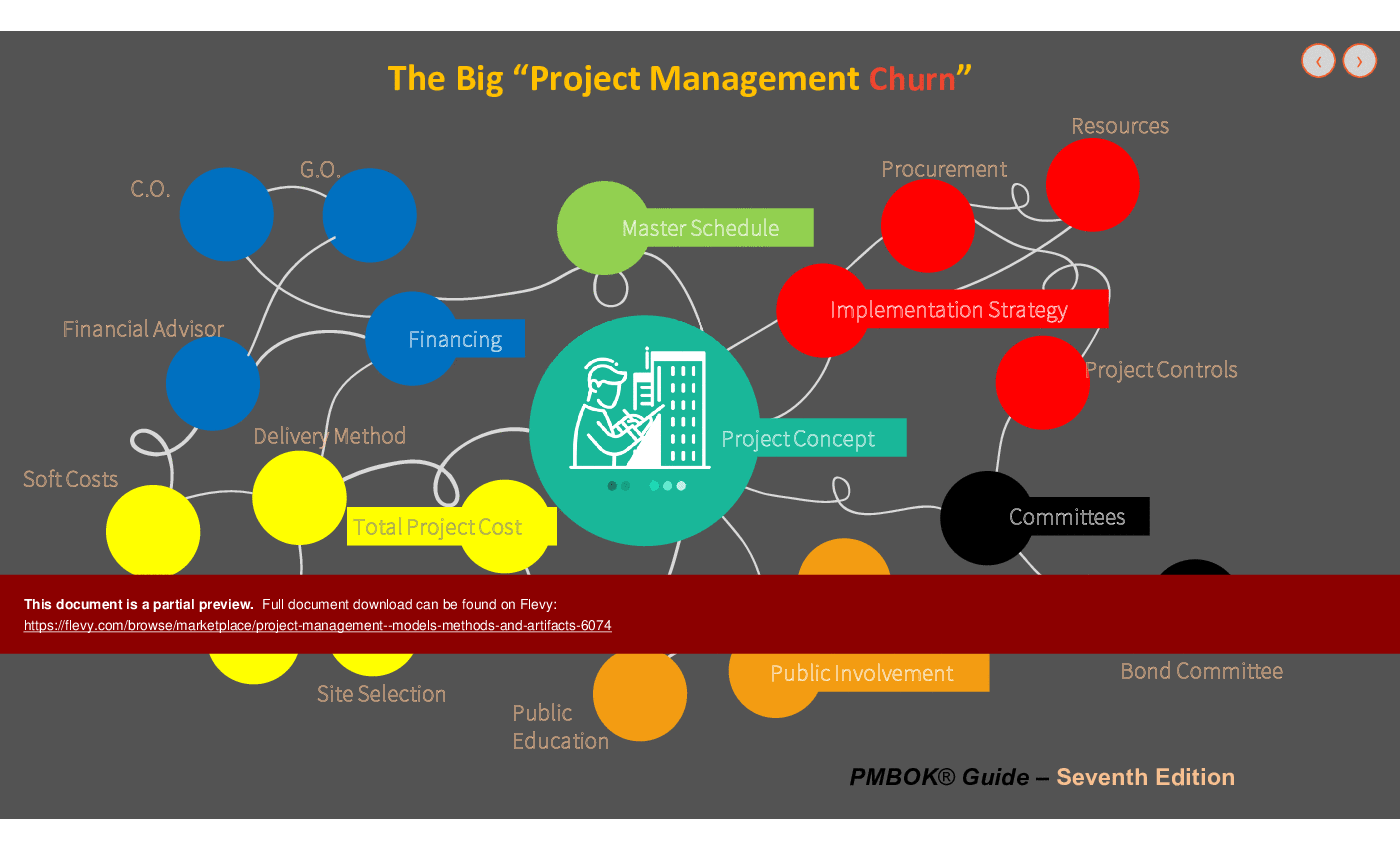
• Visual representation of the project management big picture
• Tailoring process and its importance in project management
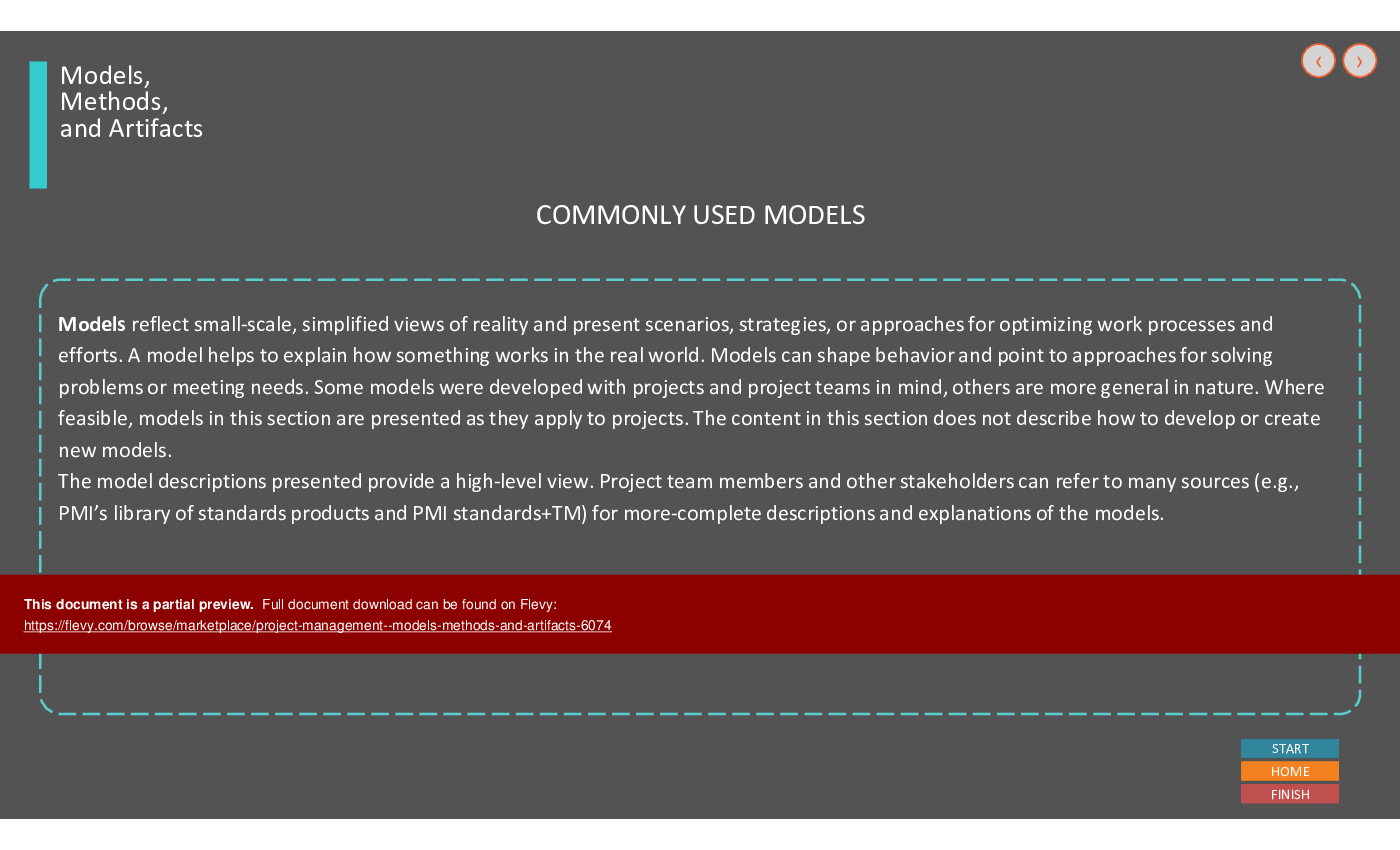
• Key models and their applications in project environments
• Methods for effective stakeholder engagement and communication
Potential Workshop Agenda
Introduction to PMBOK® Guide (30 minutes)
• Overview of the PMBOK® Guide and its significance
• Discussion on the evolution of project management principles
Tailoring Project Management Approaches (60 minutes)
• Interactive session on adapting methodologies to project contexts
• Group activity to identify tailoring opportunities in current projects
Commonly Used Models and Methods (90 minutes)
• Presentation on key models and their applications
• Hands-on exercises to practice methods for data gathering and analysis
Customization Guidance
• Adjust project management templates to reflect organizational branding and terminology
• Incorporate specific project goals and objectives into the project charter
• Tailor communication plans to align with stakeholder preferences and engagement strategies
• Modify risk management processes to fit the unique challenges of each project
Secondary Topics Covered
• Change management strategies and their relevance in project contexts
• Conflict resolution techniques for project teams
• The role of leadership in fostering high-performing project teams
• Stakeholder analysis and its impact on project success
FAQ
What is the PMBOK® Guide?
The PMBOK® Guide is a comprehensive framework that outlines standard project management practices and methodologies recognized by the Project Management Institute (PMI).
How can I tailor project management approaches?
Tailoring involves adapting project management processes, governance, and methodologies to fit the specific context and requirements of a project.
What are the key models discussed in this presentation?
The presentation covers various models, including situational leadership, communication models, and change management frameworks that aid in project execution.
What artifacts are essential for project management?
Key artifacts include project charters, risk registers, communication plans, and lessons learned registers, which facilitate effective project management.
How does stakeholder engagement impact project success?
Effective stakeholder engagement ensures that project requirements are understood and met, fostering collaboration and support throughout the project lifecycle.
What methods are used for data gathering in projects?
Common methods include surveys, interviews, focus groups, and benchmarking, which help in collecting and analyzing relevant project data.
How do I measure project performance?
Project performance can be measured using key performance indicators (KPIs), earned value analysis, and regular status reporting to track progress against objectives.
What is the importance of lessons learned in project management?
Capturing lessons learned helps project teams identify successes and areas for improvement, enhancing future project performance and decision-making.
Glossary
• PMBOK® Guide - A standard framework for project management practices established by PMI.
• Stakeholder - An individual or group with an interest in the project's outcome.
• Artifact - A document or deliverable produced during the project lifecycle.
• Tailoring - The adaptation of project management processes to fit specific project contexts.
• Risk Register - A tool for tracking identified risks and their management strategies.
• Work Breakdown Structure (WBS) - A hierarchical decomposition of project deliverables.
• Change Log - A record of changes made during the project and their status.
• Lessons Learned Register - A document capturing insights gained from project experiences.
• Communication Management Plan - A plan outlining how project information will be shared with stakeholders.
• Project Charter - A document that formally authorizes a project and outlines its objectives.
• Earned Value Analysis - A method for measuring project performance in terms of scope, schedule, and cost.
• Key Performance Indicators (KPIs) - Metrics used to evaluate the success of a project against its objectives.
Source: Best Practices in Project Management, PMP PowerPoint Slides: Project Management - Models Methods and Artifacts PowerPoint (PPTX) Presentation Slide Deck, RadVector Consulting
This document is available as part of the following discounted bundle(s):

Save %!
Project Management - Efficiently & effectively
This bundle contains 5 total documents. See all the documents to the right.
|
Receive our FREE presentation on Operational Excellence
This 50-slide presentation provides a high-level introduction to the 4 Building Blocks of Operational Excellence. Achieving OpEx requires the implementation of a Business Execution System that integrates these 4 building blocks. |









