
Efficiency in Learning, Mastery in Project Management
Embrace PMP Excellence:
In the dynamic realm of project management, the Project Management Professional (PMP) certification stands tall as the symbol of expertise. For aspiring project managers seeking streamlined learning, this comprehensive guide is your beacon. It distills the core principles, techniques, and strategies essential for PMP success without the overwhelming deluge of materials.
Key Features to Illuminate Your Path:
1. Compact Knowledge Base: Extracting and synthesizing quintessential concepts, this guide offers a concise roadmap through the vast project management landscape.
2. Core Concepts Highlighted: Essential topics, from initiation to closure, are presented with precision, ensuring foundational principles are grasped without unnecessary details.
3. Strategic Focus: Emphasizing critical areas impacting project success, it delves into methodologies, best practices, risk management, communication, and stakeholder engagement.
4. Real-World Application: Bridging theory with practice, practical examples and case studies illustrate how concepts manifest in actual projects.
5. Exam-Centric Guidance: Aligned with PMP certification objectives, the guide provides insights into specific areas and knowledge domains crucial for exam success.
6. Visual Aids and Summaries: Visual elements enhance comprehension, while summaries and key takeaways consolidate learning and aid revision.
7. Cross-Referencing: Recommendations for further exploration empower deeper understanding.
Your Expedition to PMP Proficiency:
This 163-slide presentation is your compass in mastering project management and conquering the PMP exam. It's not just a reference; it's a strategic tool designed for efficient learning while upholding knowledge integrity. Whether you're a seasoned professional seeking a refresher or a newcomer embarking on the project management journey, this guide leads you to PMP proficiency's heart.
Got a question about the product? Email us at support@flevy.com or ask the author directly by using the "Ask the Author a Question" form. If you cannot view the preview above this document description, go here to view the large preview instead.
Executive Summary
The "PMP - Unlocking Project Management Mastery" presentation is a comprehensive training resource designed for professionals preparing for the PMP certification exam. Developed by a team of experts with extensive consulting backgrounds from firms like McKinsey, Deloitte, and Capgemini, this presentation aligns with the PMBOK Guide (7th Edition) and incorporates insights from the Agile Practice Guide. It covers essential project management concepts, including the People, Process, and Business Environment domains, while providing practical tools, techniques, and real-world case studies to enhance understanding and application. This resource aims to simplify complex project management principles, making them accessible and actionable for aspiring PMPs.
Who This Is For and When to Use
• Project Managers seeking PMP certification
• Team Leaders and Integration Managers in corporate settings
• Consultants and Business Analysts involved in project management
• Stakeholders engaged in project governance and oversight
Best-fit moments to use this deck:
• During PMP exam preparation to reinforce key concepts
• As a training tool for project management workshops
• For onboarding new project managers within organizations
• In team meetings to discuss project management best practices
Learning Objectives
• Define key project management concepts and terminology
• Build a comprehensive understanding of the PMBOK Guide's domains
• Establish effective stakeholder engagement strategies
• Analyze and manage project risks using various techniques
• Implement quality management practices to ensure project success
• Develop a tailored project management approach based on specific project needs
Table of Contents
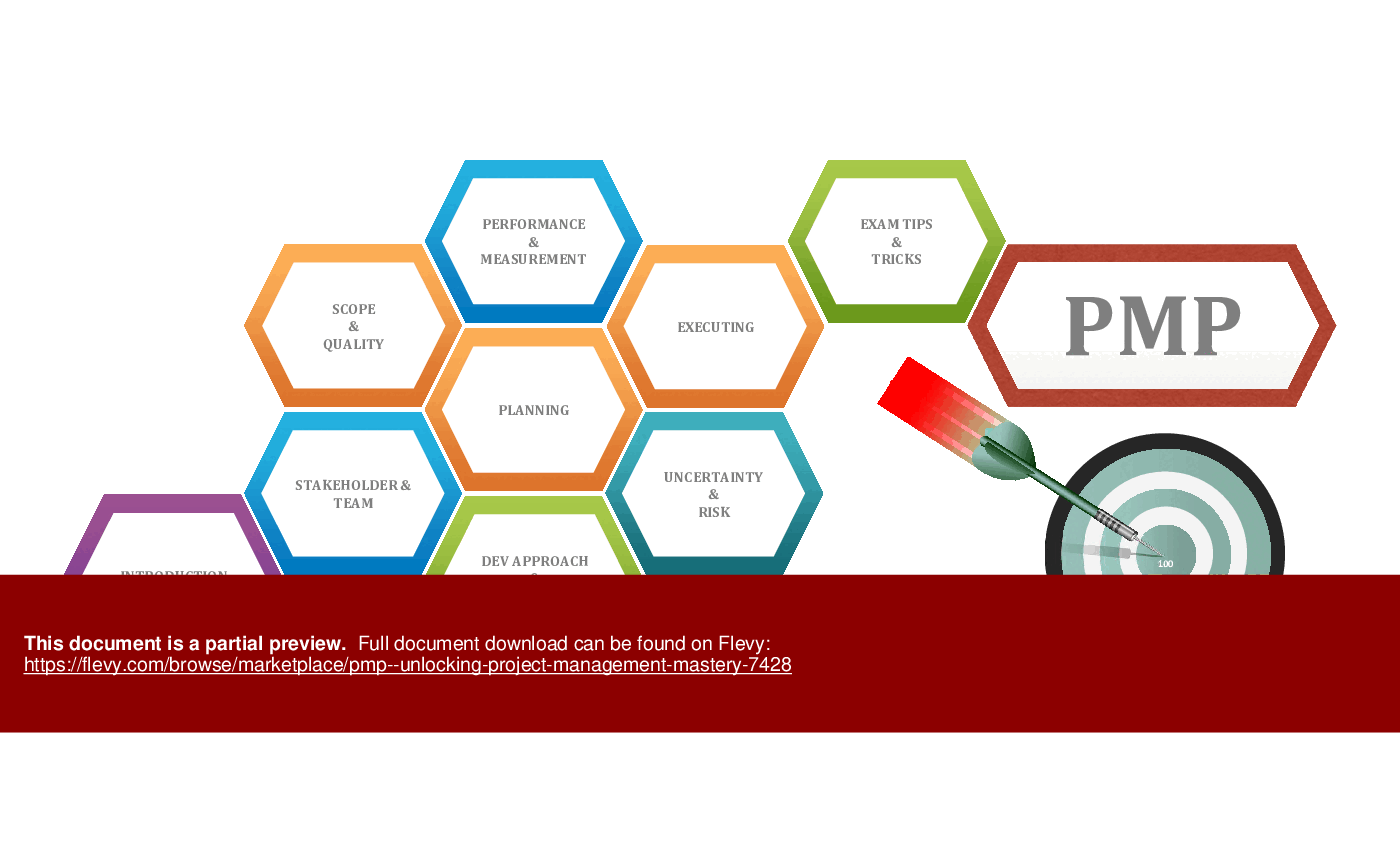
• Introduction to Project Management (page 3)
• Stakeholder and Team Dynamics (page 10)
• Planning and Scope Management (page 29)
• Performance Measurement Techniques (page 37)
• Uncertainty and Risk Management (page 44)
• Agile Development Approaches (page 50)
• Exam Tips and Tricks (page 60)
• Conclusion and Next Steps (page 70)
Primary Topics Covered
• People Domain - Focuses on leadership, team building, and stakeholder engagement, emphasizing the importance of soft skills in project management.
• Process Domain - Covers the technical skills required for effective project execution, including scope, schedule, cost, and quality management.
• Business Environment Domain - Discusses the broader organizational context in which projects operate, highlighting the need for alignment with business objectives.
• Agile Frameworks - Explores various agile methodologies, including Scrum and Kanban, and their application in project management.
• Risk Management - Provides techniques for identifying, analyzing, and responding to project risks, ensuring proactive management.
• Performance Measurement - Introduces key performance indicators (KPIs) and metrics for assessing project success and stakeholder satisfaction.
Deliverables, Templates, and Tools
• Project Charter Template for defining project scope and objectives
• Stakeholder Engagement Plan Template for managing stakeholder relationships
• Risk Register Template for tracking identified risks and responses
• Work Breakdown Structure (WBS) Template for organizing project tasks
• Gantt Chart Template for visualizing project timelines and milestones
• Quality Management Plan Template for ensuring deliverables meet standards
Slide Highlights
• Overview of the PMBOK Guide and its relevance to PMP certification
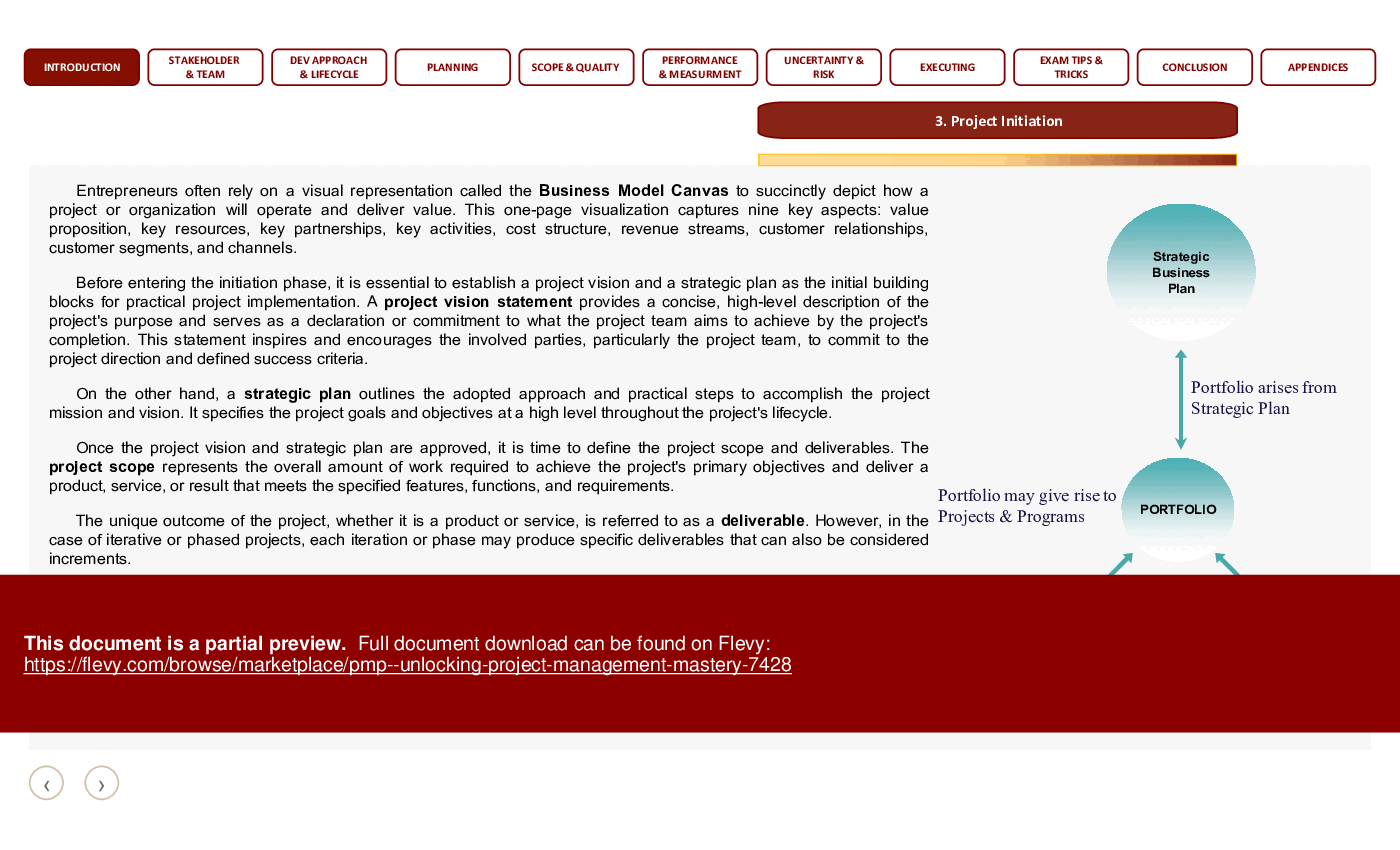
• Visual representation of the project life cycle phases
• Key performance metrics and their significance in project management
• Agile methodologies and their impact on project delivery
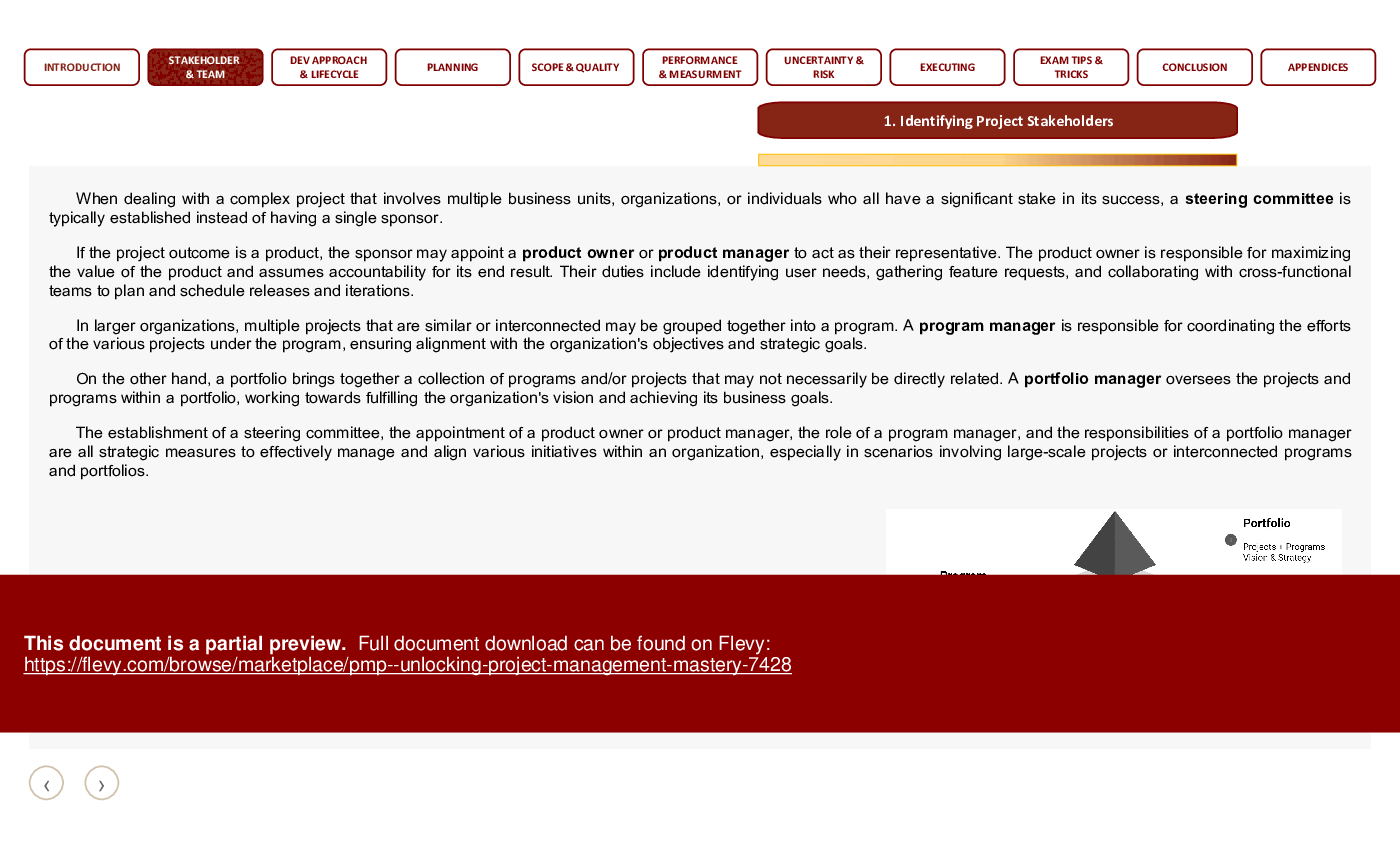
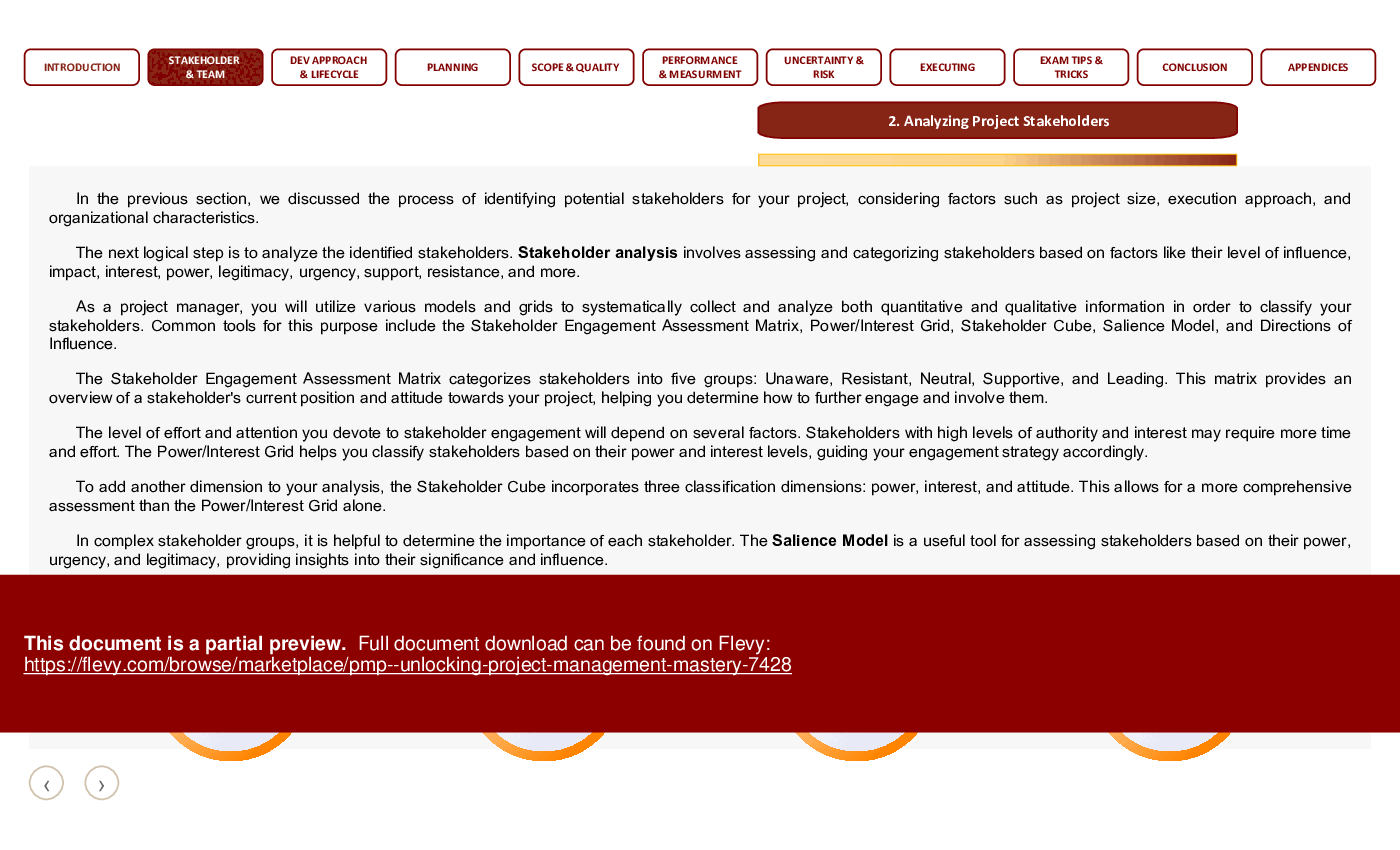
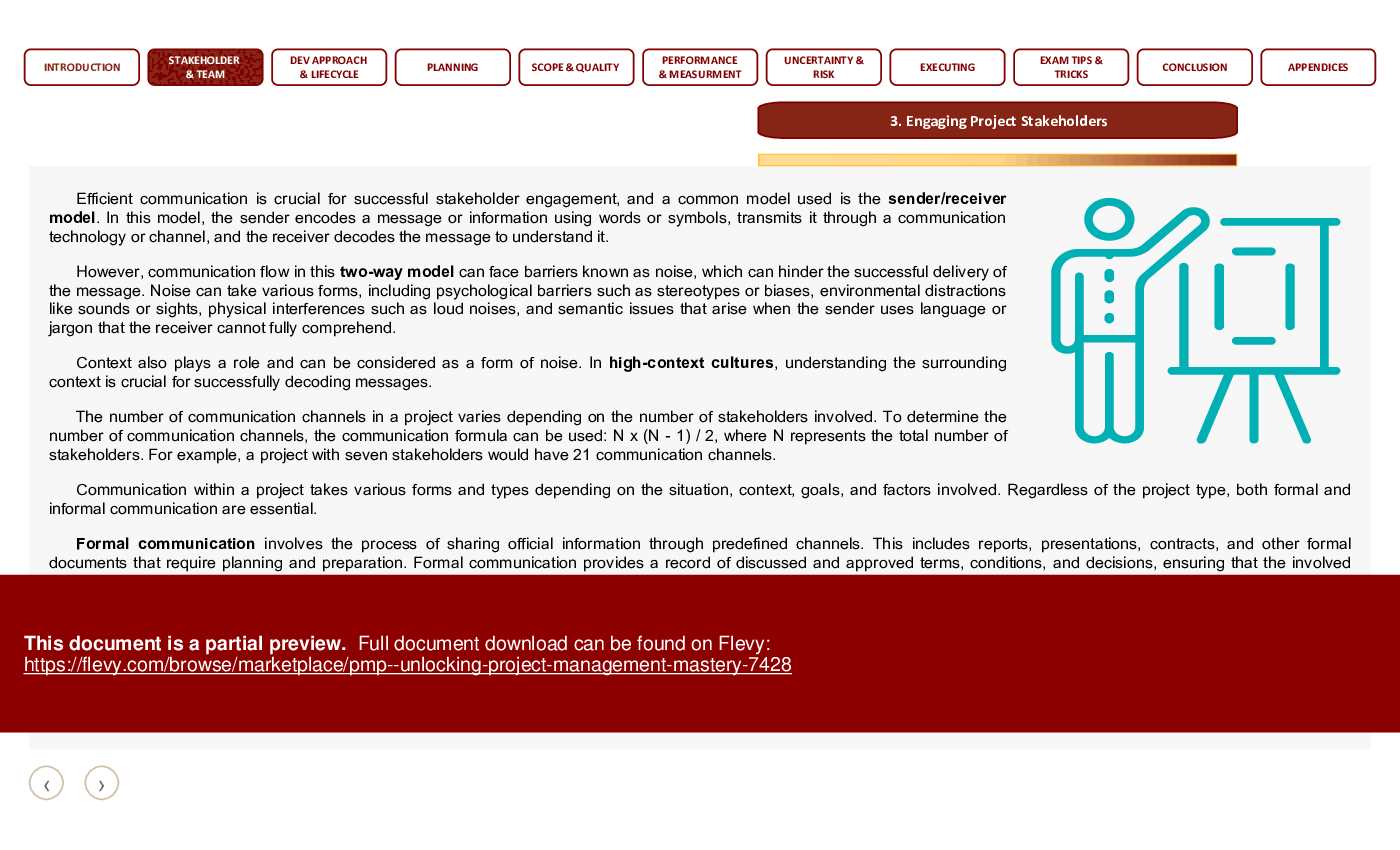
• Techniques for effective stakeholder engagement and communication
Potential Workshop Agenda
Introduction to Project Management (60 minutes)
• Overview of project management principles
• Discussion on the importance of the PMBOK Guide
Stakeholder Engagement Strategies (90 minutes)
• Identifying and analyzing stakeholders
• Developing a stakeholder engagement plan
Risk Management Techniques (60 minutes)
• Identifying and analyzing project risks
• Planning risk responses and monitoring strategies
Agile Methodologies Overview (60 minutes)
• Introduction to Agile frameworks
• Practical applications of Scrum and Kanban
Customization Guidance
• Tailor the presentation to include specific organizational processes and terminology
• Adjust case studies and examples to reflect industry-specific scenarios
• Incorporate company-specific tools and templates for practical application
Secondary Topics Covered
• Communication strategies for project managers
• Conflict resolution techniques within project teams
• The role of the Project Management Office (PMO) in project governance
• Best practices for quality assurance in project management
• Techniques for effective team collaboration and performance evaluation
Topic FAQ
Document FAQ
These are questions addressed within this presentation.
What is the PMBOK Guide?
The PMBOK Guide is a comprehensive framework outlining best practices, guidelines, and standards for project management as defined by the Project Management Institute (PMI).
How can this presentation help me prepare for the PMP exam?
This presentation provides a structured approach to understanding key project management concepts, along with practical tools and techniques to enhance your exam readiness.
What are the main domains covered in the PMP exam?
The PMP exam covers 3 primary domains: People, Process, and Business Environment, each addressing different aspects of project management.
Is this presentation suitable for beginners in project management?
Yes, the content is designed to be accessible for both beginners and experienced project managers, providing foundational knowledge and advanced concepts.
How many practice questions are included in the presentation?
The presentation includes 300 practice questions to help reinforce learning and assess understanding of key concepts.
What are the key benefits of obtaining a PMP certification?
PMP certification enhances career opportunities, validates project management expertise, and demonstrates a commitment to professional development.
How often should I review the material before the exam?
Regular review is recommended, with a focus on understanding concepts rather than rote memorization. Aim for consistent study sessions leading up to the exam.
What resources are recommended for further study?
In addition to this presentation, consider utilizing the PMBOK Guide, Agile Practice Guide, and other PMI-recommended resources for comprehensive exam preparation.
Glossary
• PMBOK - Project Management Body of Knowledge
• PMP - Project Management Professional
• Stakeholder - An individual or group affected by or having an interest in a project
• Risk Management - The process of identifying, assessing, and responding to project risks
• Agile - A project management methodology emphasizing flexibility and iterative progress
• WBS - Work Breakdown Structure, a hierarchical decomposition of project tasks
• EVM - Earned Value Management, a technique for measuring project performance
• KPI - Key Performance Indicator, a measurable value demonstrating project success
• SLA - Service Level Agreement, a commitment between a service provider and client regarding service quality
• RACI - Responsible, Accountable, Consulted, Informed; a matrix for defining roles in project tasks
• Quality Assurance - The process of ensuring that project deliverables meet defined quality standards
• Change Control - A systematic approach to managing changes in project scope, schedule, or budget
• Lessons Learned - Insights gained from project experiences, used to improve future projects
Source: Best Practices in Project Management, PMP PowerPoint Slides: PMP - Unlocking Project Management Mastery PowerPoint (PPTX) Presentation Slide Deck, RadVector Consulting
|
Receive our FREE presentation on Operational Excellence
This 50-slide presentation provides a high-level introduction to the 4 Building Blocks of Operational Excellence. Achieving OpEx requires the implementation of a Business Execution System that integrates these 4 building blocks. |










