
 Click main image to view in full screen.
Optometry Practice Acquisition and SBA Underwriting Model – Excel XLSX
Excel (XLSX) + supplemental PDF


BENEFITS OF THIS DOWNLOADABLE EXCEL DOCUMENT
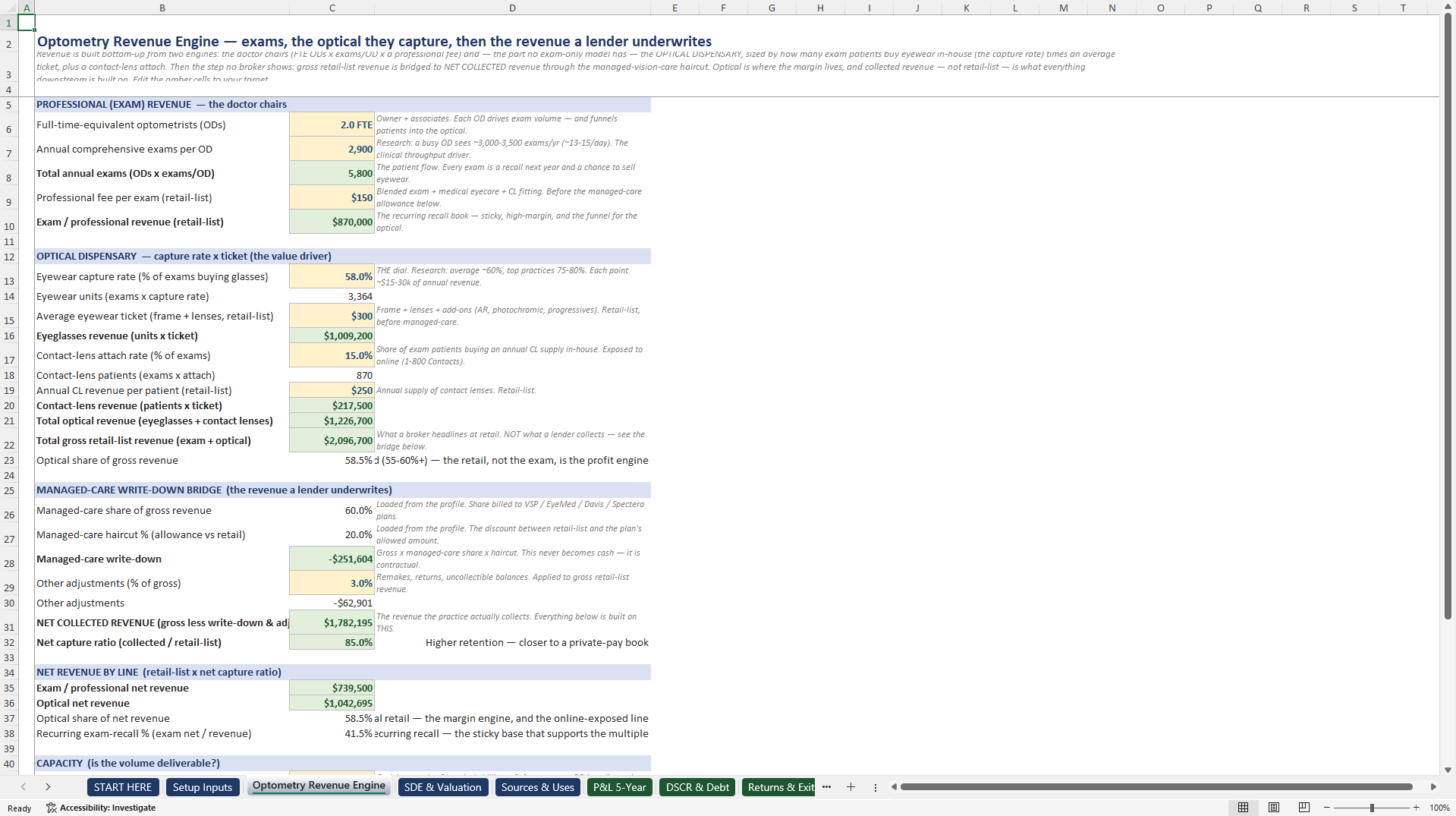
- The optical dispensary is sized by capture rate times average ticket plus a contact-lens attach, which puts a number on the roughly 58% of revenue that exam-only templates leave out entirely.
- A managed-care write-down bridges retail-list revenue to collected revenue with a live net capture ratio, showing $1.78M collected against $2.10M listed before any multiple is applied.
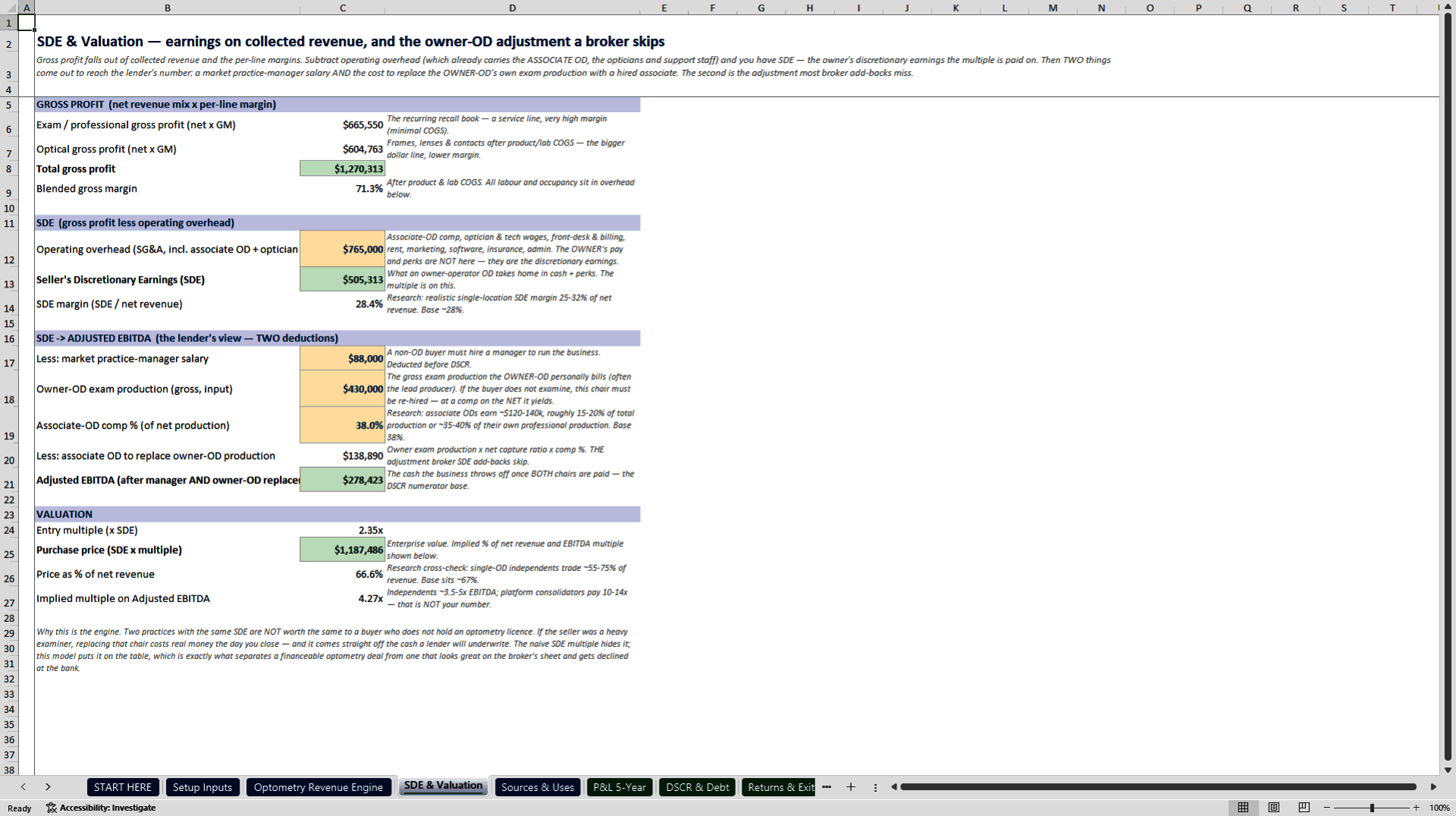
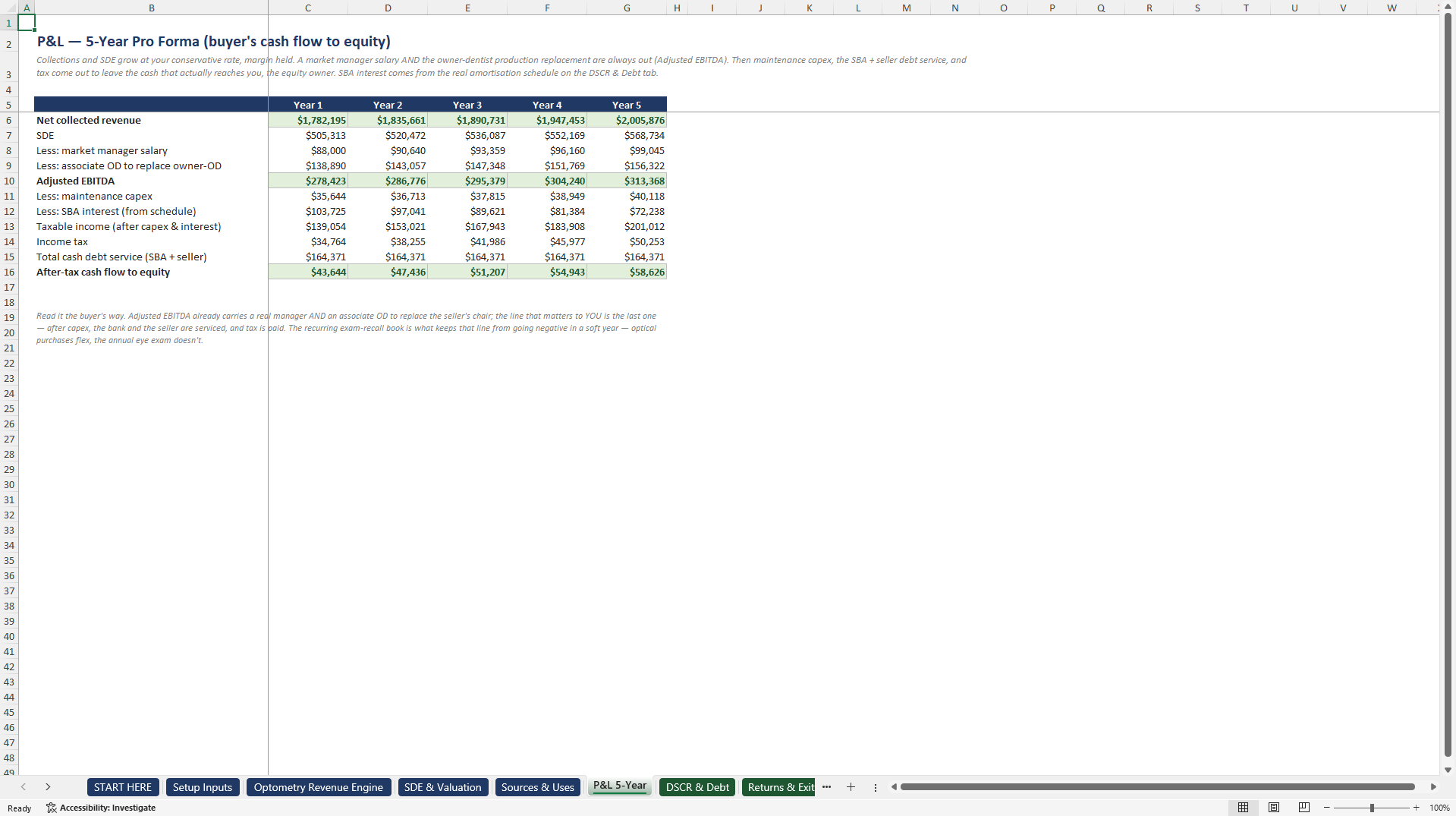
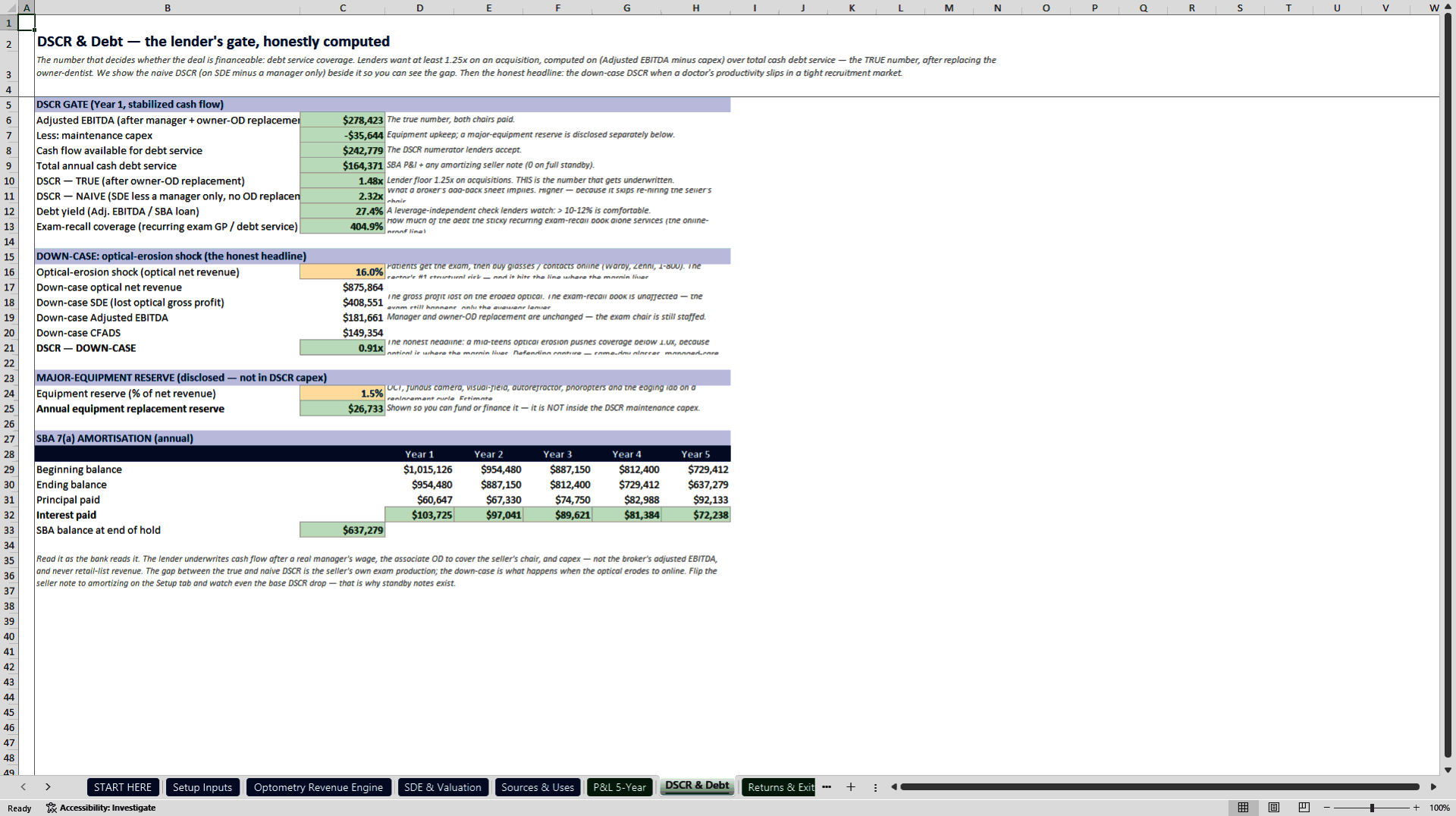
- Adjusted EBITDA is struck after both a practice manager and the associate OD who replaces the owner's exam production, which is why true DSCR reads 1.48x where the broker-style calculation reads 2.32x.
INTEGRATED FINANCIAL MODEL EXCEL DESCRIPTION
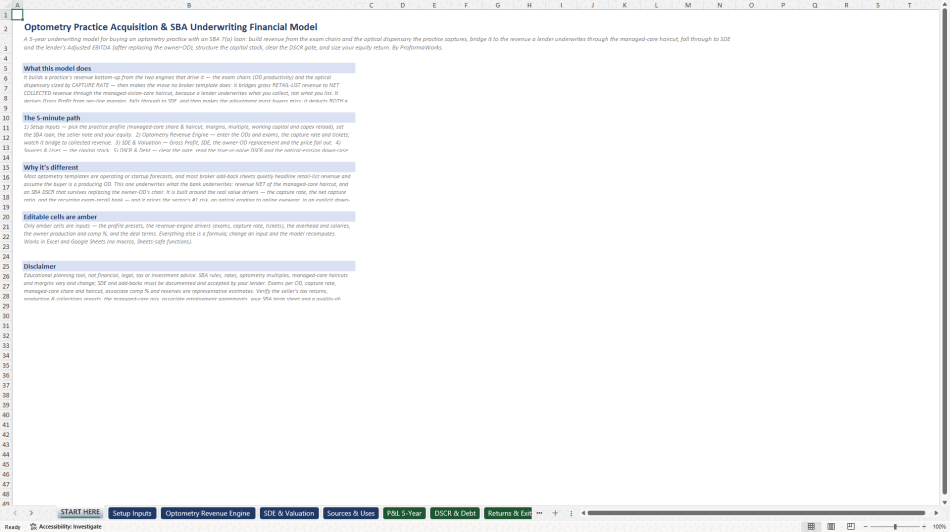
This is a lender-ready acquisition model for a single-location optometry practice, built for a buyer financing the purchase with an SBA 7(a) loan.
The valuation error it intercepts is retail-list revenue. Managed vision care plans reimburse materials and exams well below retail, so a $400 frame can be allowed at around $170. A broker quoting the retail-list number is quoting revenue the practice never collects. On the base case the practice lists $2.10M and collects $1.78M, an 85% net capture ratio; underwrite the list price and you pay a multiple on the entire managed-care haircut. The second missing cost is the seller's own exam chair: the owner is usually a producing optometrist, and a buyer who does not examine must hire an associate OD on top of a practice manager.
The engine builds revenue from two sources. The exam chairs come from FTE optometrists times exams per OD times a professional fee. The optical dispensary, which most exam-only templates omit entirely, is sized by the capture rate, the share of exam patients who buy eyewear in-house, times an average ticket, plus a contact-lens attach. Optical is about 58% of revenue on the base case and it is where the margin lives. Gross retail-list revenue is then bridged to net collected revenue through the managed-care write-down, with a live net capture ratio, an optical-share and recurring-exam-recall split, and a support-to-OD capacity check.
Valuation runs off net collected revenue: gross profit from per-line margins, SDE, the owner-OD production replacement, Adjusted EBITDA and the price at your SDE multiple, with the implied percentage of revenue and EBITDA multiple shown. The true DSCR of 1.48x is printed next to the naive broker-style DSCR of 2.32x, and the gap is the seller's own exam production. The SBA 7(a) capital stack combines buyer equity, a seller note with a full-standby versus amortizing toggle, and the loan. The DSCR and debt tab adds debt yield, exam-recall coverage of about 405% of debt service, and a down-case DSCR of 0.91x under a mid-teens optical-erosion shock, since patients increasingly buy glasses and contacts online.
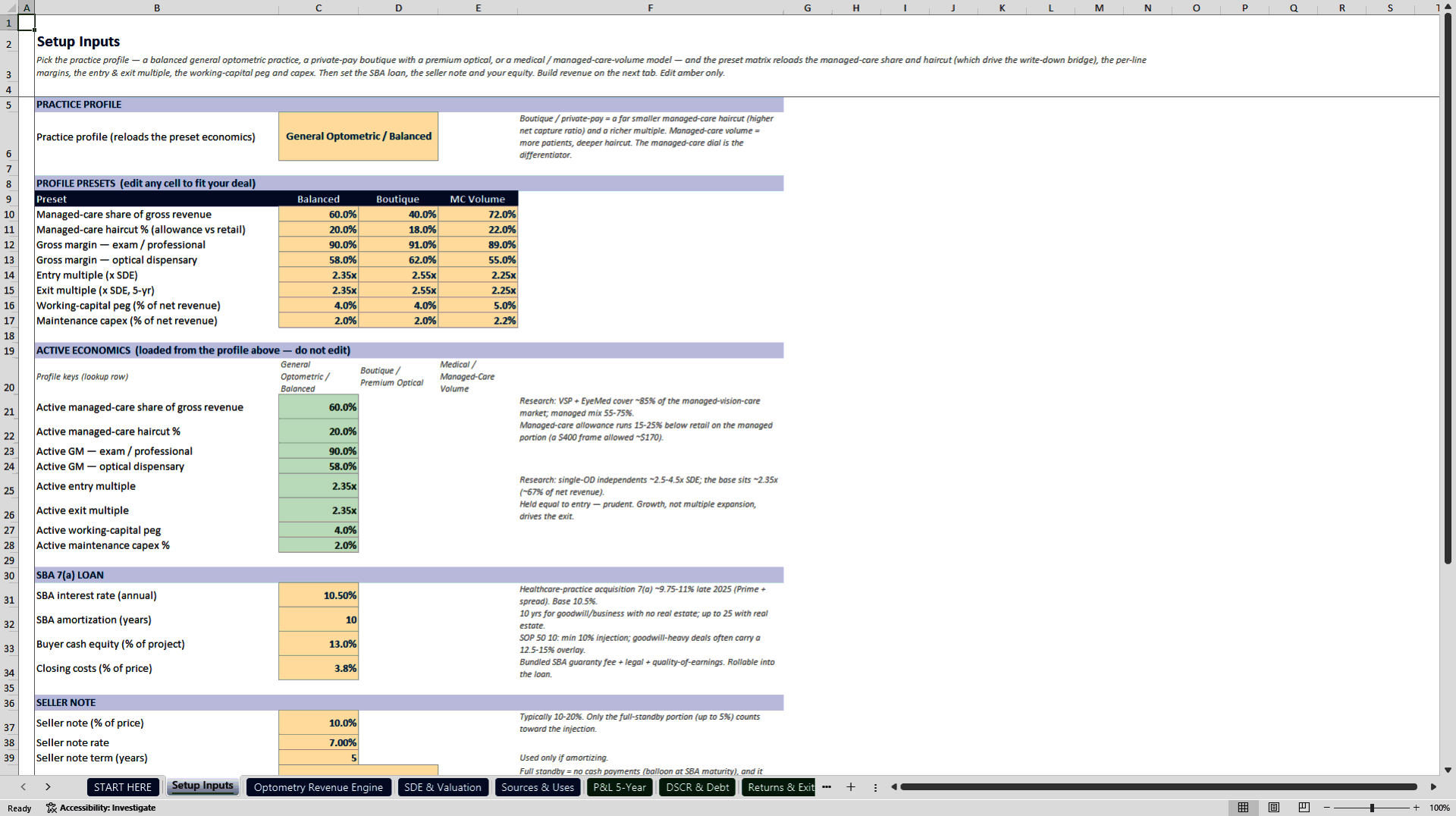
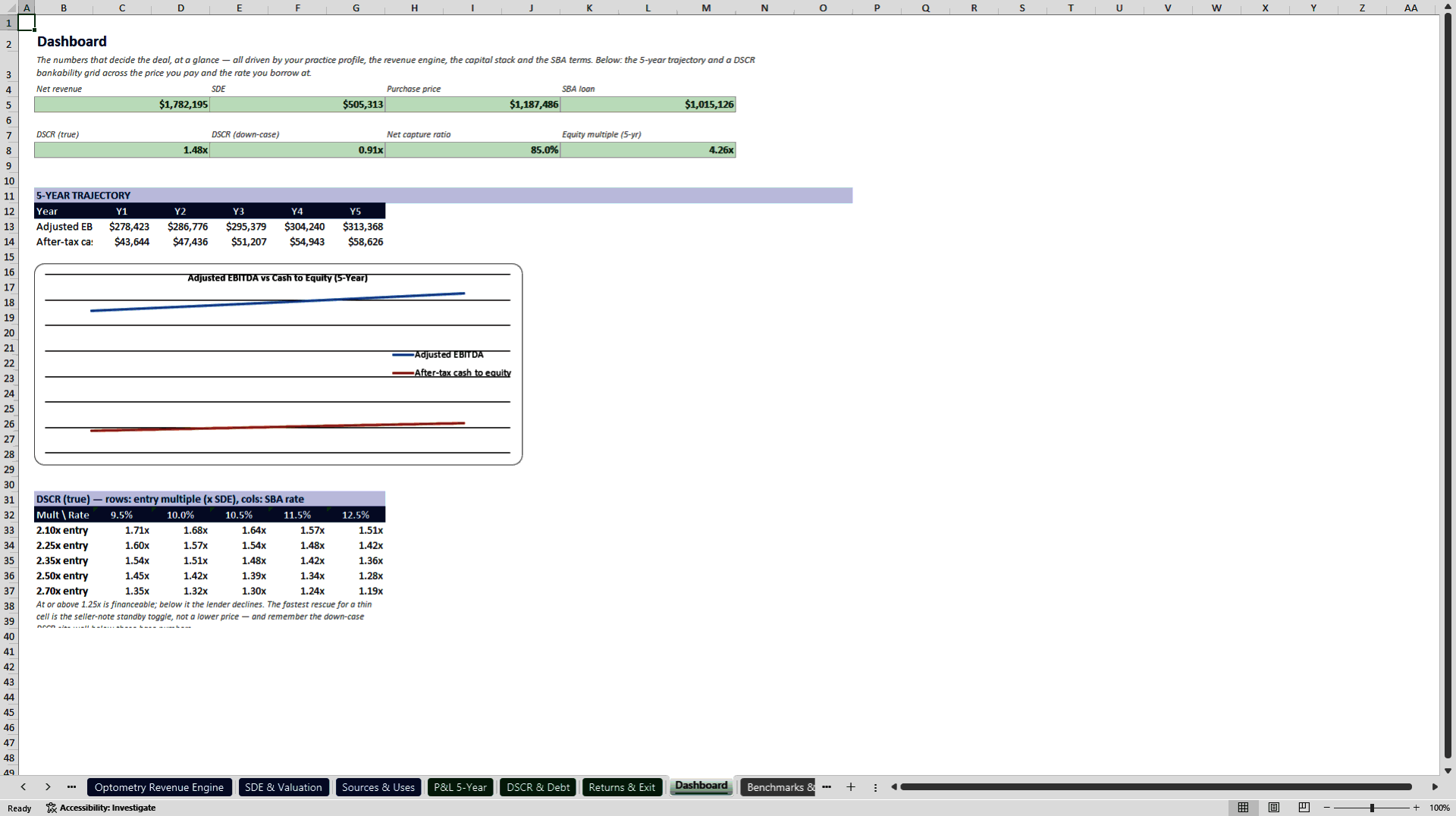
Inside: a 10-sheet Excel workbook that runs in Excel and Google Sheets with no macros, a 23-page PDF guide, a five-year P&L, returns and exit, a dashboard with a DSCR bankability grid across price and rate, and a benchmarks and sources tab carrying the range and source behind every assumption. A three-way profile toggle (General Optometric/Balanced, Boutique/Premium Optical with a higher net capture ratio, and Medical/Managed-Care Volume) reloads the managed-care share and haircut, margins, multiple, working capital and capex.
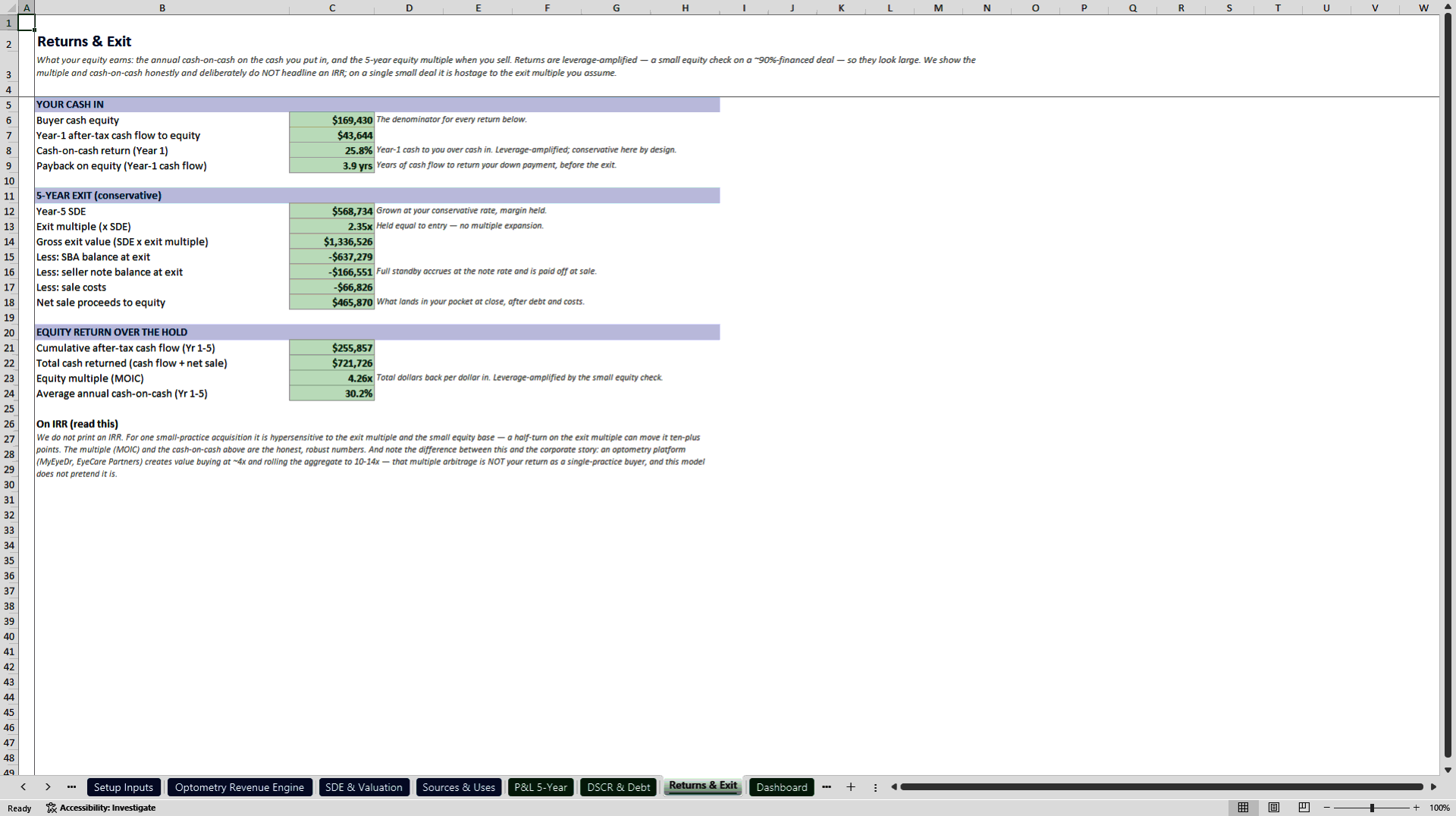
What the model does not claim: SDE margin is held at about 28% of net revenue and independents are priced at roughly 2.35x SDE, about 67% of revenue; the platform consolidator's 10x to 14x EBITDA is not presented as your return. The optical line that drives the profit is also flagged as the line most exposed to online eyewear. No IRR is headlined. Machine-verified by 65 automated checks across three engines. Educational planning tool, not financial, legal, tax or investment advice.
Got a question about the product? Email us at support@flevy.com or ask the author directly by using the "Ask the Author a Question" form. If you cannot view the preview above this document description, go here to view the large preview instead.
Source: Best Practices in Integrated Financial Model Excel: Optometry Practice Acquisition and SBA Underwriting Model Excel (XLSX) Spreadsheet, ProformaWorks
ABOUT THE AUTHOR

ProformaWorks builds acquisition-grade financial models for Main Street and lower-middle-market businesses - the kind of deal financed with an SBA 7(a) loan or a small commercial facility.
Every model answers one question: does this deal pencil at the bank? That means SDE or NOI rebuilt from the seller's own numbers, the add-backs a lender will and will not accept, a debt-service
... [read more]
Ask the Author a Question
You must be logged in to contact the author.




























