
 Click main image to view in full screen.
Marina and Boat Storage Acquisition Underwriting Model – Excel XLSX
Excel (XLSX) + supplemental PDF


BENEFITS OF THIS DOWNLOADABLE EXCEL DOCUMENT
- Slip revenue is built from four wet-slip length bands priced per linear foot per month plus dry stack, each run through its own 12-month occupancy curve, so the winter trough is a number instead of an average.
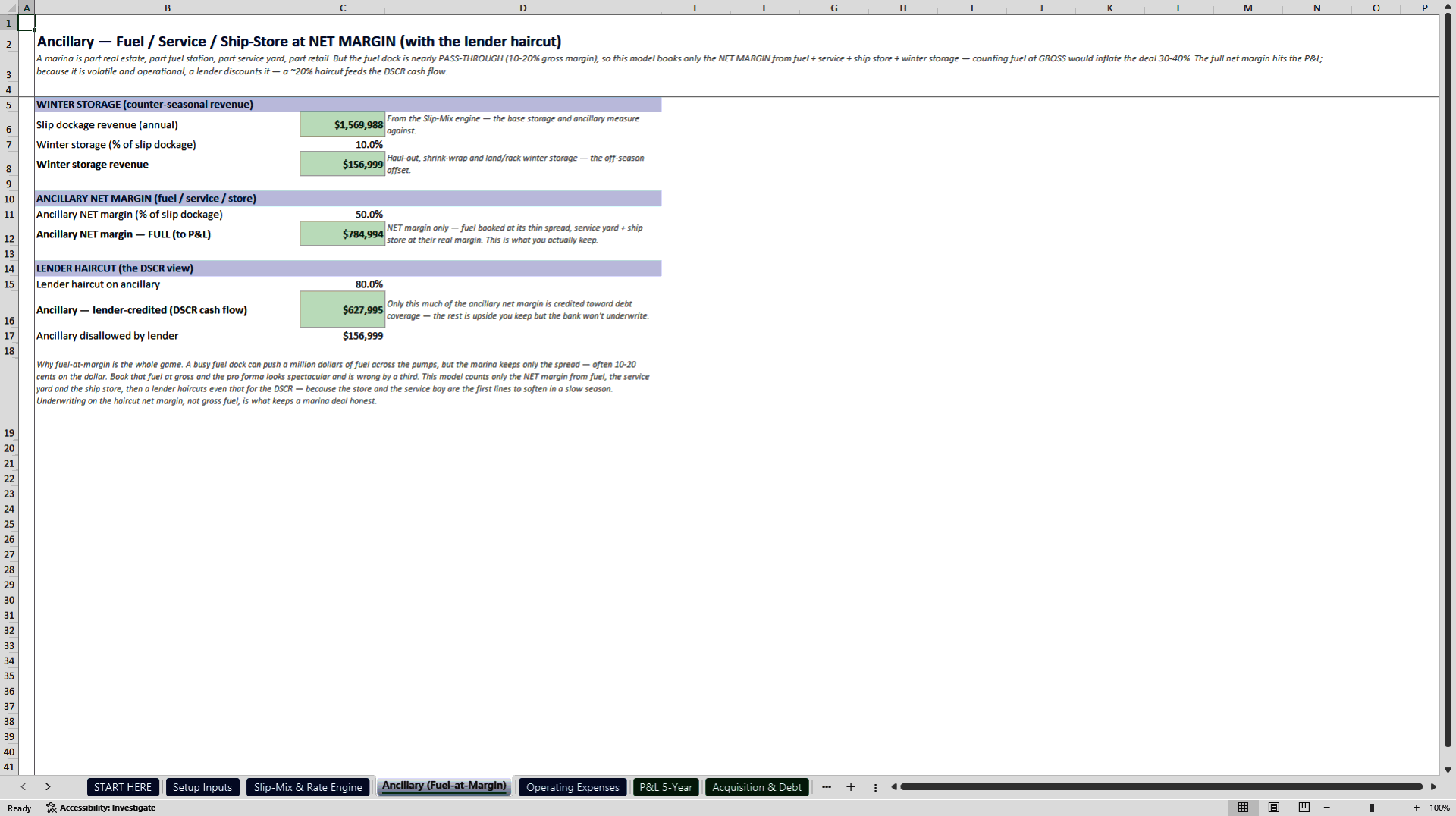
- Fuel, service and store income is booked at net margin and then shown again at the lender haircut ($784,994 net, $627,995 credited, $156,999 disallowed), so the DSCR the bank computes is the one you read.
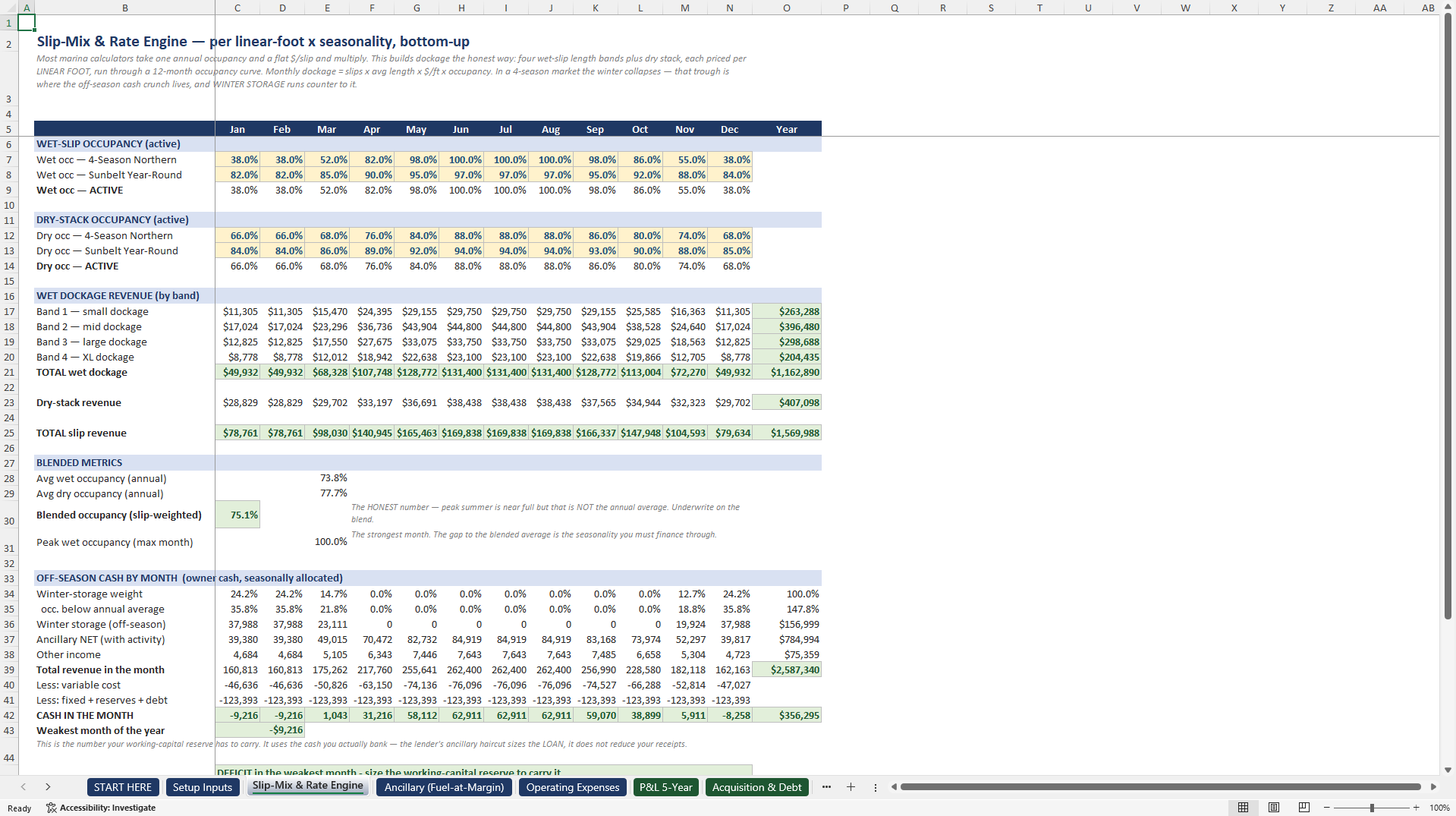
- A dredging and seawall reserve of $25,000 a year sits above the per-slip reserve, and the weakest winter month is printed as a $2,057 deficit so you can size the working-capital reserve to it.
MARINE & BOATING EXCEL DESCRIPTION
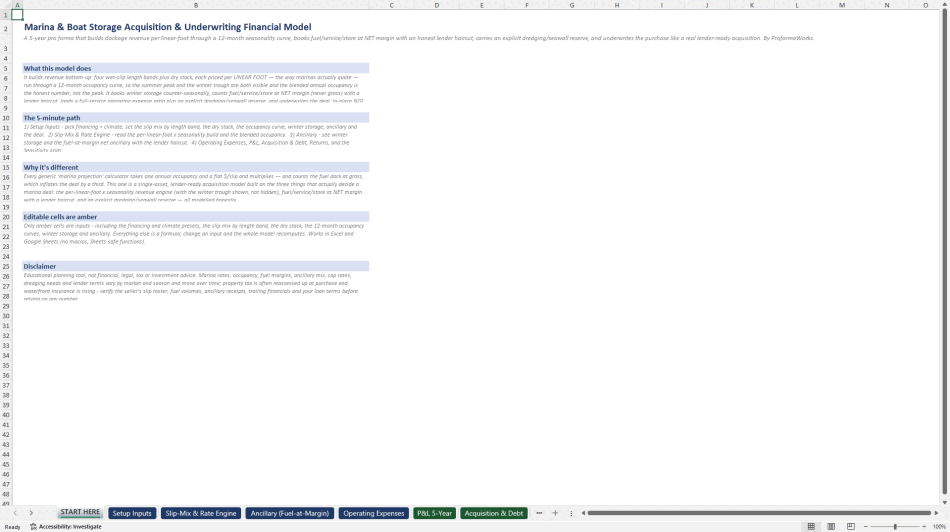
This model underwrites the purchase of a single marina or boat-storage facility, at single-asset level, for a buyer who needs to know whether the deal covers its debt through the winter.
The valuation error it intercepts is the two-line marina pro forma: one annual occupancy figure times one flat slip price, with the fuel dock counted at gross. Both flatter the deal. A slip is priced by the foot, not by the unit, and a busy fuel dock pushes large gross dollars at a thin spread; counting fuel at gross can inflate the DSCR by 30 to 40%.
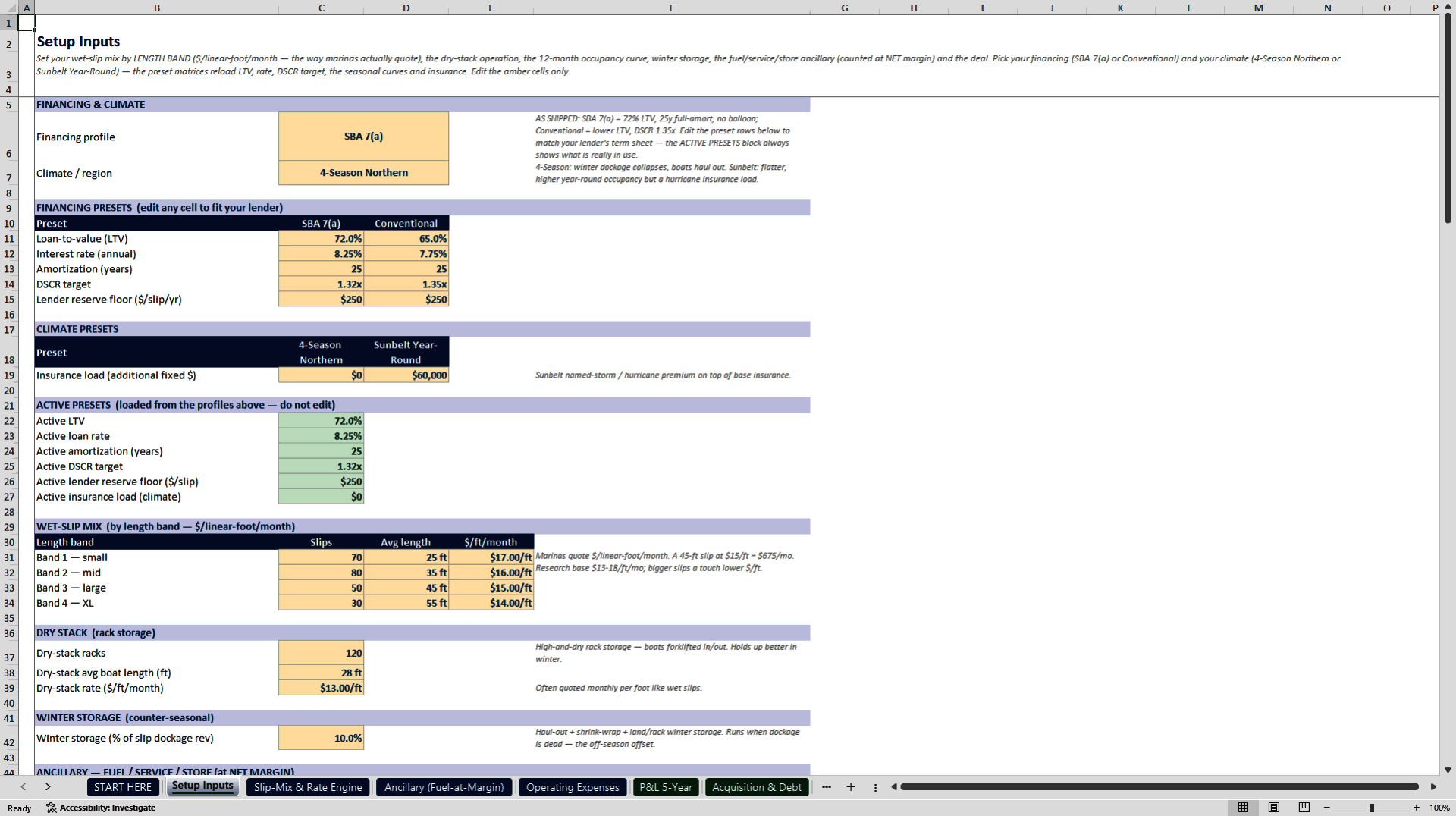
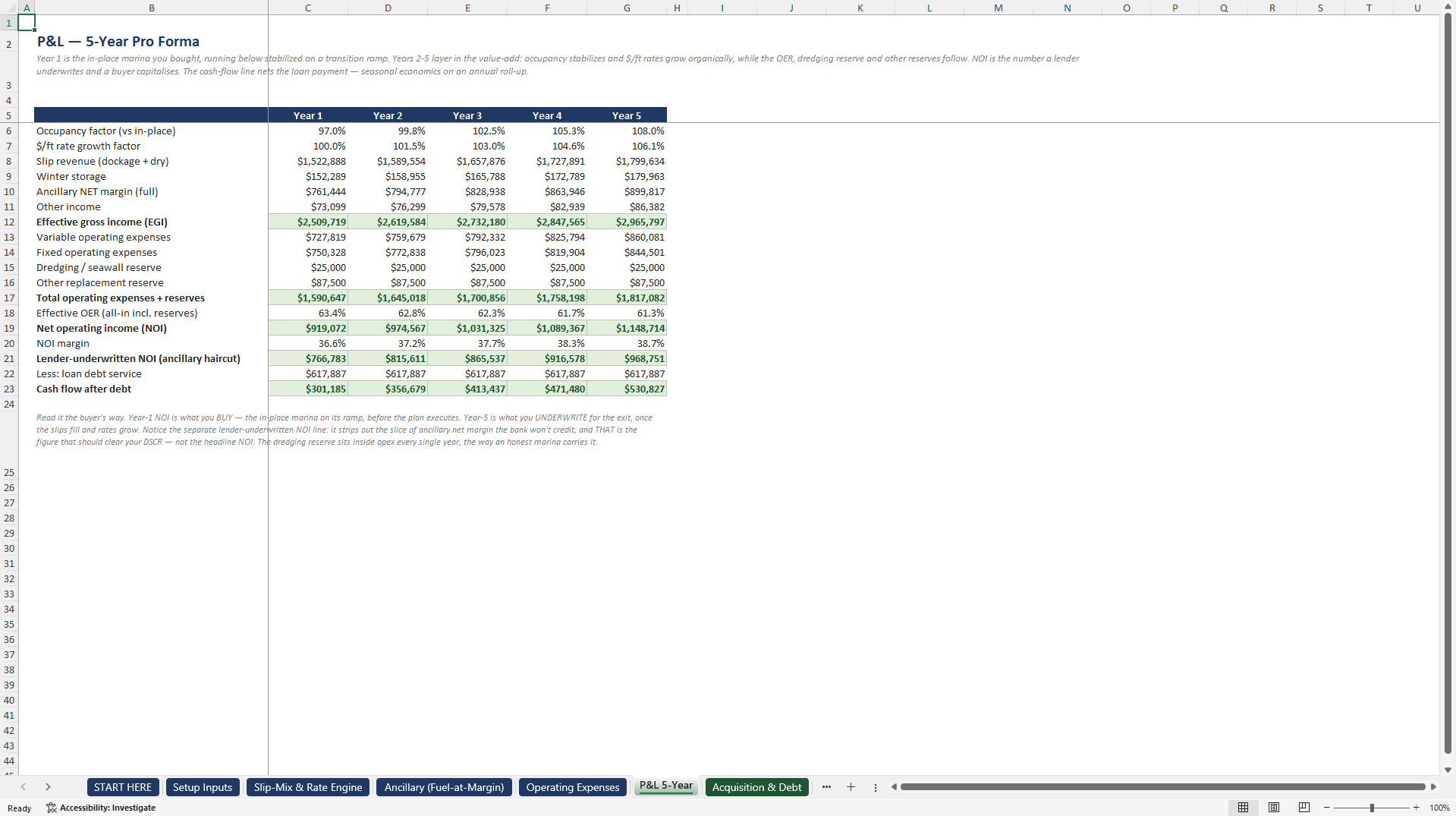
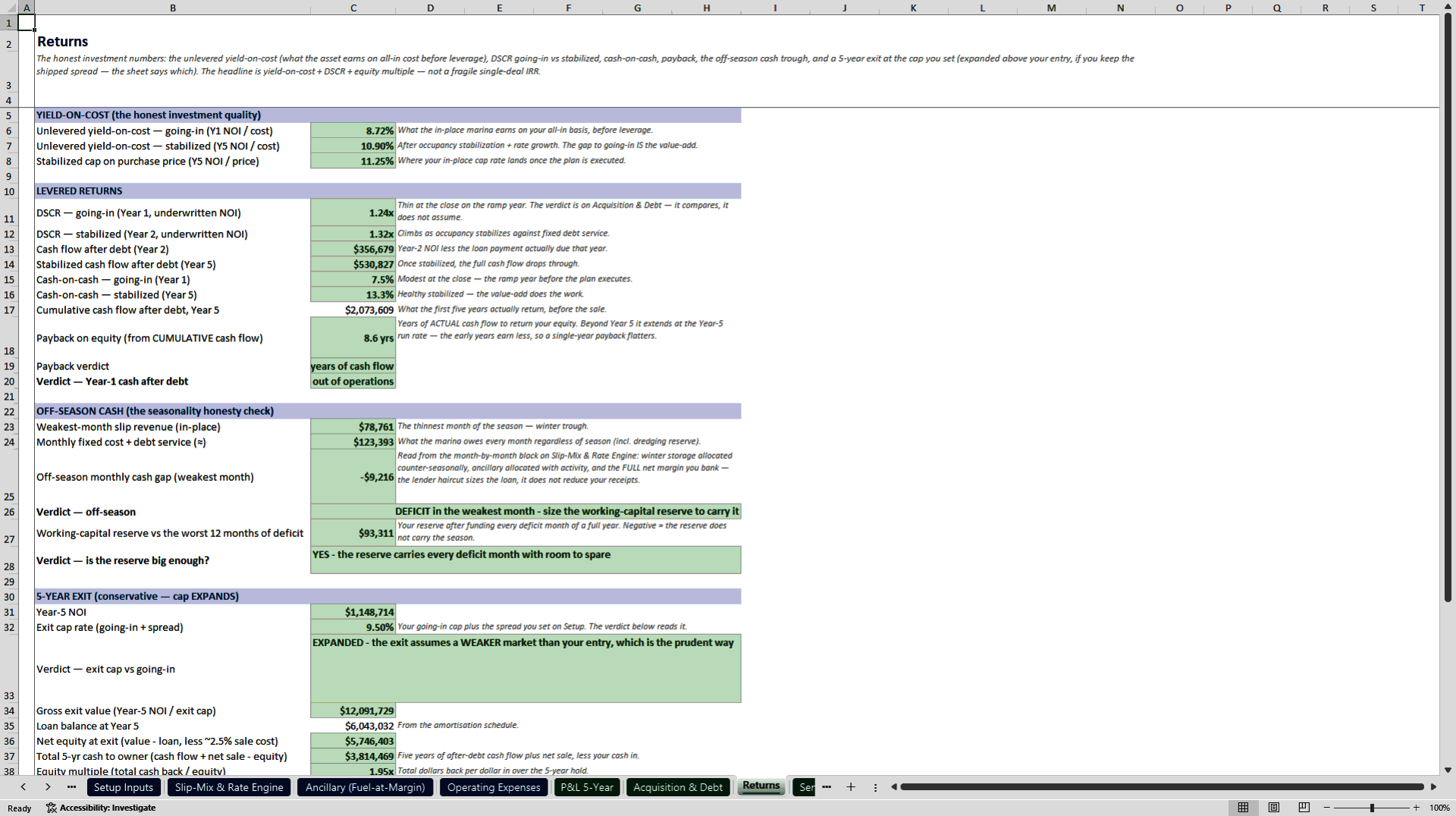
The engine builds slip revenue bottom-up from four wet-slip length bands priced per linear foot per month, plus a dry-stack rack line, each run through its own 12-month occupancy curve, so the summer peak and the winter trough are both visible. On the default the model settles at 230 wet slips and 120 dry-stack racks producing $1,569,988 of slip revenue (wet dockage $1,162,890, dry stack $407,098) at a blended annual occupancy of 75.1% while the peak month runs at 100%. Fuel, service and the ship store are booked at net margin only, $784,994 on the default, shown twice: at full value in the P&L and at the lender haircut in the DSCR, where an 80% credit means $627,995 counted and $156,999 disallowed. A dredging and seawall reserve sits above the per-slip replacement reserve, $200,000 over an eight-year cycle, or $25,000 a year. A counter-seasonal winter-storage line of $156,999 earns when the slips cannot, and the weakest winter month still runs a monthly deficit of $9,216 at the default, so you can size the working-capital reserve to it.
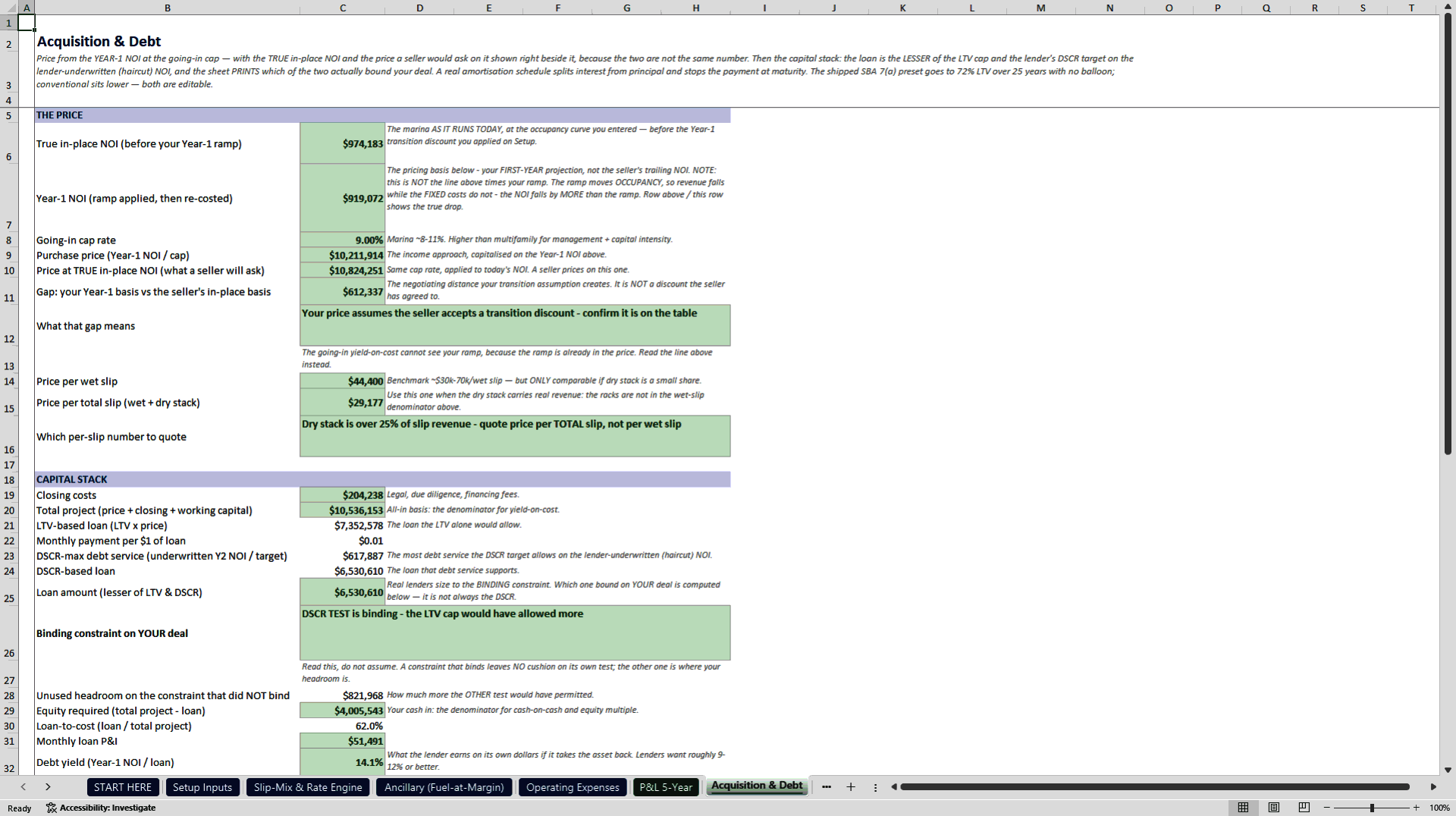
The deal is then underwritten as an acquisition: price from Year-1 NOI divided by the going-in cap ($10,211,914 at the default 9.0% cap, or $44,400 per wet slip), a capital stack sized on the lesser of the LTV cap and the DSCR constraint using the haircut NOI, DSCR 1.32x stabilized and 1.24x going-in, a 14.1% debt yield, an 8.72% going-in yield-on-cost stabilizing at 10.90%, and a 1.95x equity multiple over a conservative five-year exit. Year-1 NOI is $919,072 rising to $1,148,714 by Year 5. SBA 7(a) and conventional toggles swap the LTV, rate, amortization and DSCR target, and a Northern or Sunbelt toggle swaps the whole occupancy curve.
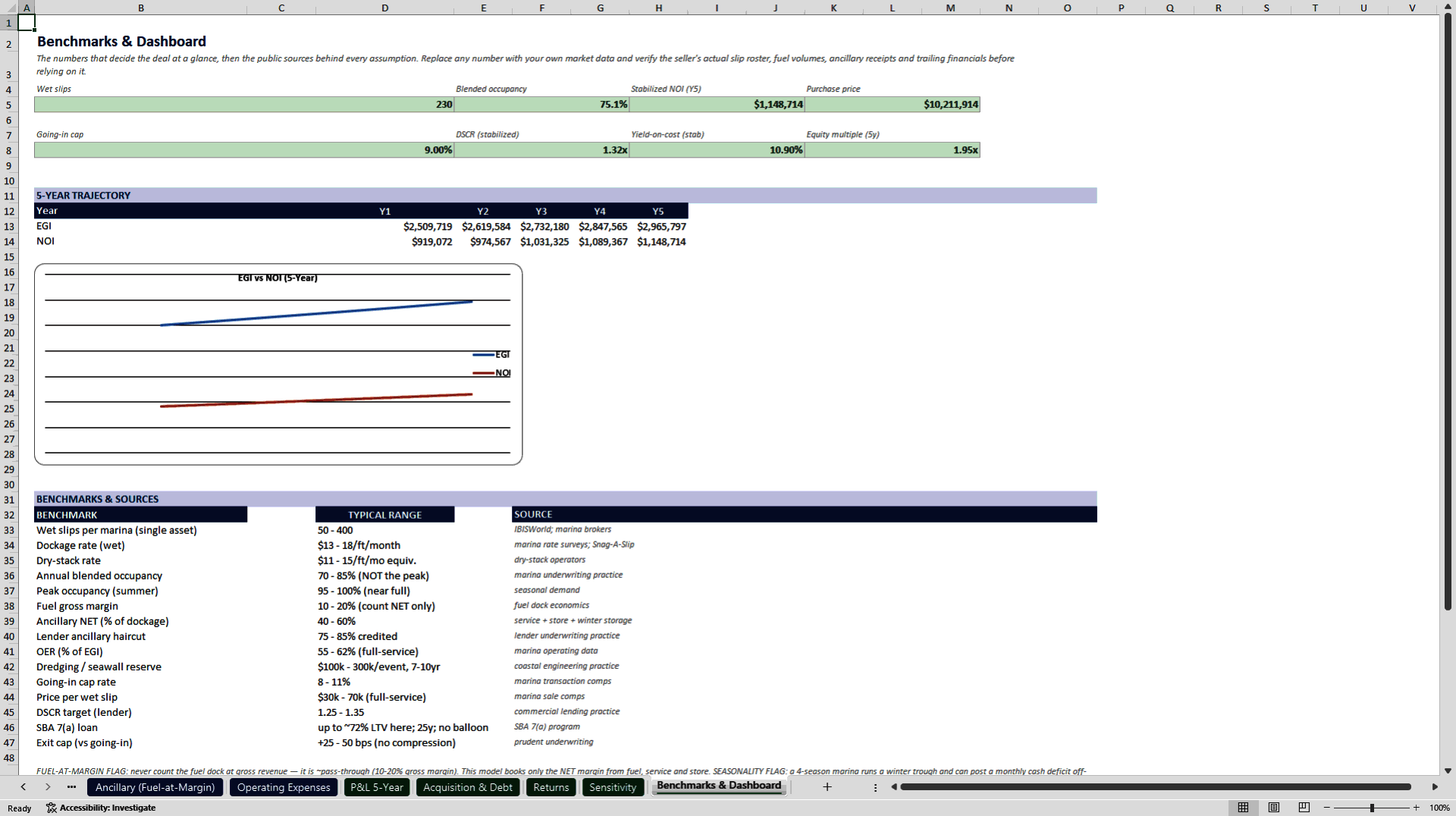
Inside: a 10-sheet Excel workbook with no macros or external links, a 22-page PDF guide, a START HERE sheet with only amber input cells, the slip-mix and rate engine, the ancillary fuel-at-margin sheet, editable preset matrices and a benchmarks and dashboard tab.
What it does not claim: dockage rates, occupancy curves, fuel revenue, dredging costs, cap rates and lender terms vary by market and season; property tax is commonly reassessed on a change of ownership and the water bottom may be leased from the state. The levered return is leverage-amplified and stated as such. Educational planning tool, not financial, legal, tax or investment advice.
Got a question about the product? Email us at support@flevy.com or ask the author directly by using the "Ask the Author a Question" form. If you cannot view the preview above this document description, go here to view the large preview instead.
Source: Best Practices in Marine & Boating, Integrated Financial Model Excel: Marina and Boat Storage Acquisition Underwriting Model Excel (XLSX) Spreadsheet, ProformaWorks
ABOUT THE AUTHOR

ProformaWorks builds acquisition-grade financial models for Main Street and lower-middle-market businesses - the kind of deal financed with an SBA 7(a) loan or a small commercial facility.
Every model answers one question: does this deal pencil at the bank? That means SDE or NOI rebuilt from the seller's own numbers, the add-backs a lender will and will not accept, a debt-service
... [read more]
Ask the Author a Question
You must be logged in to contact the author.




























