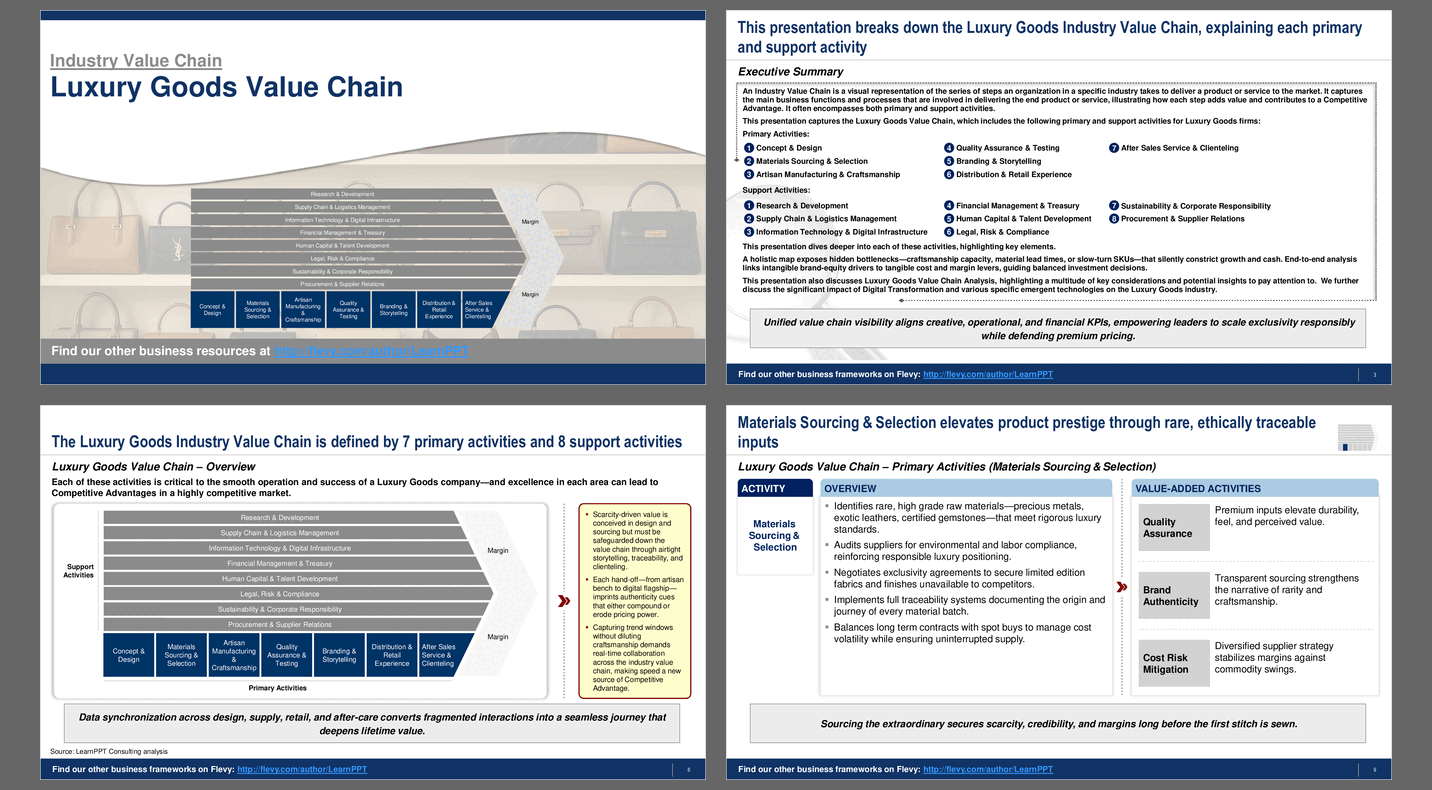
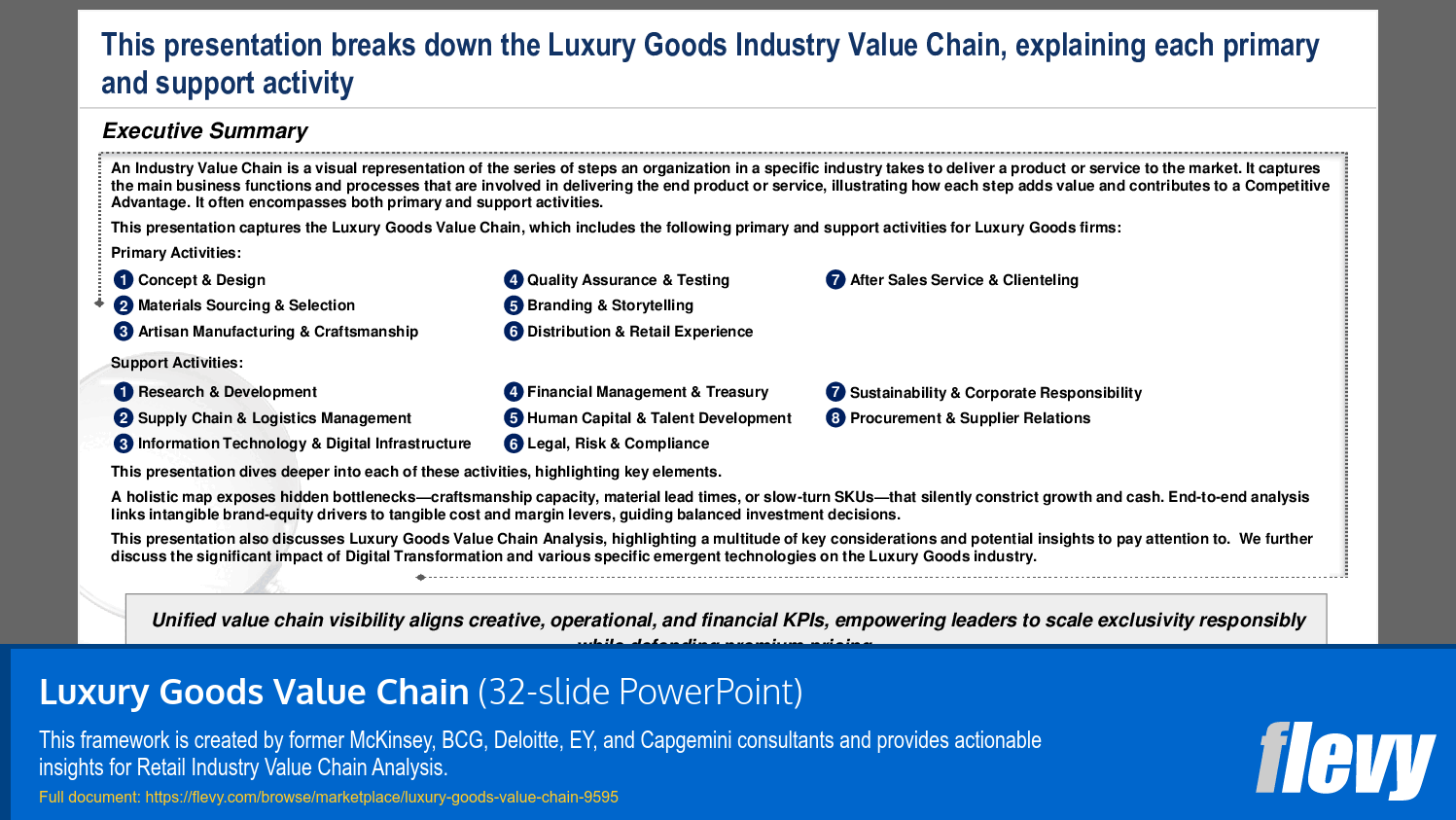
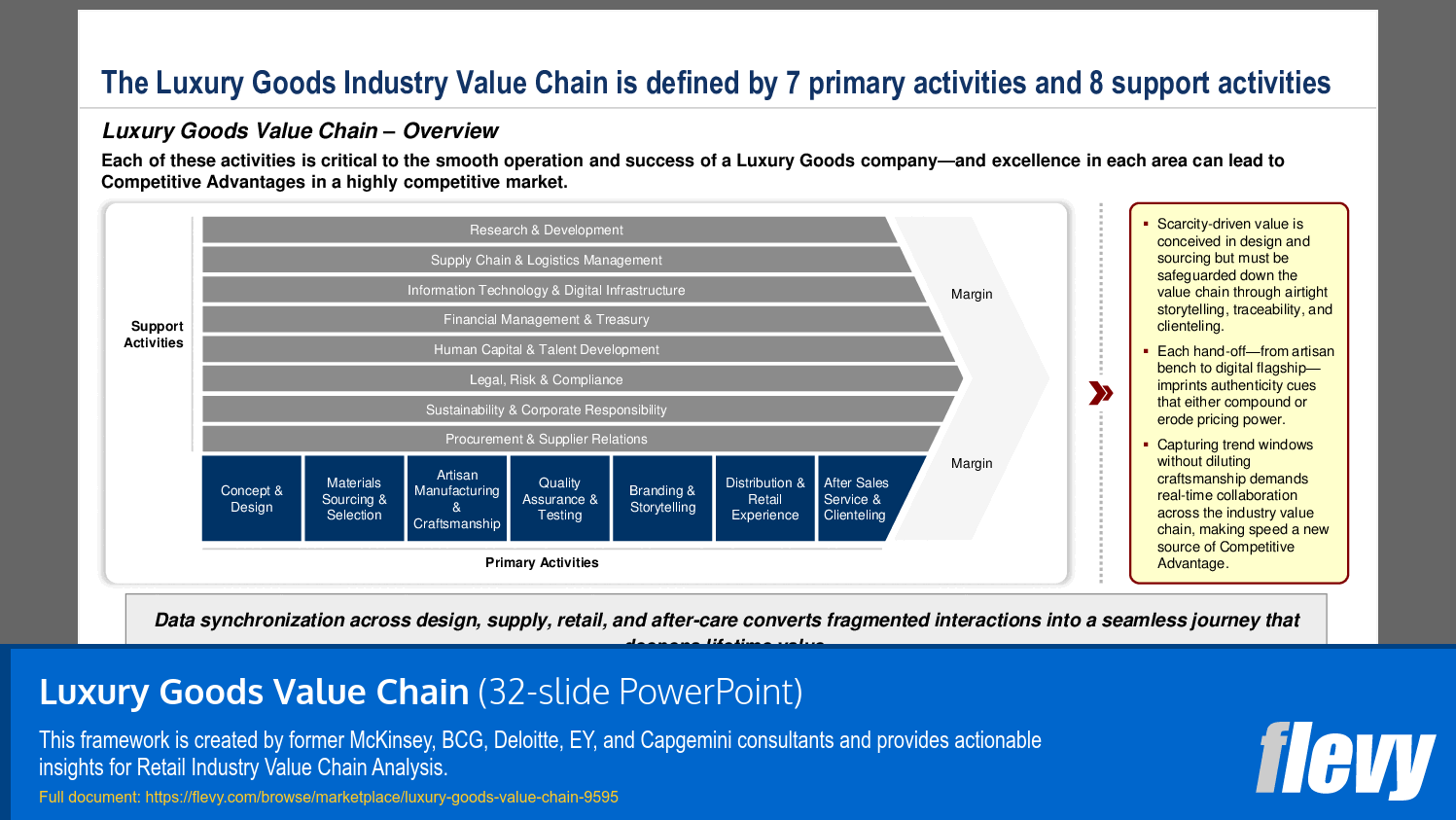

An Industry Value Chain is a visual representation of the series of steps an organization in a specific industry takes to deliver a product or service to the market. It captures the main business functions and processes that are involved in delivering the end product or service, illustrating how each step adds value and contributes to a Competitive Advantage. It often encompasses both primary and support activities.
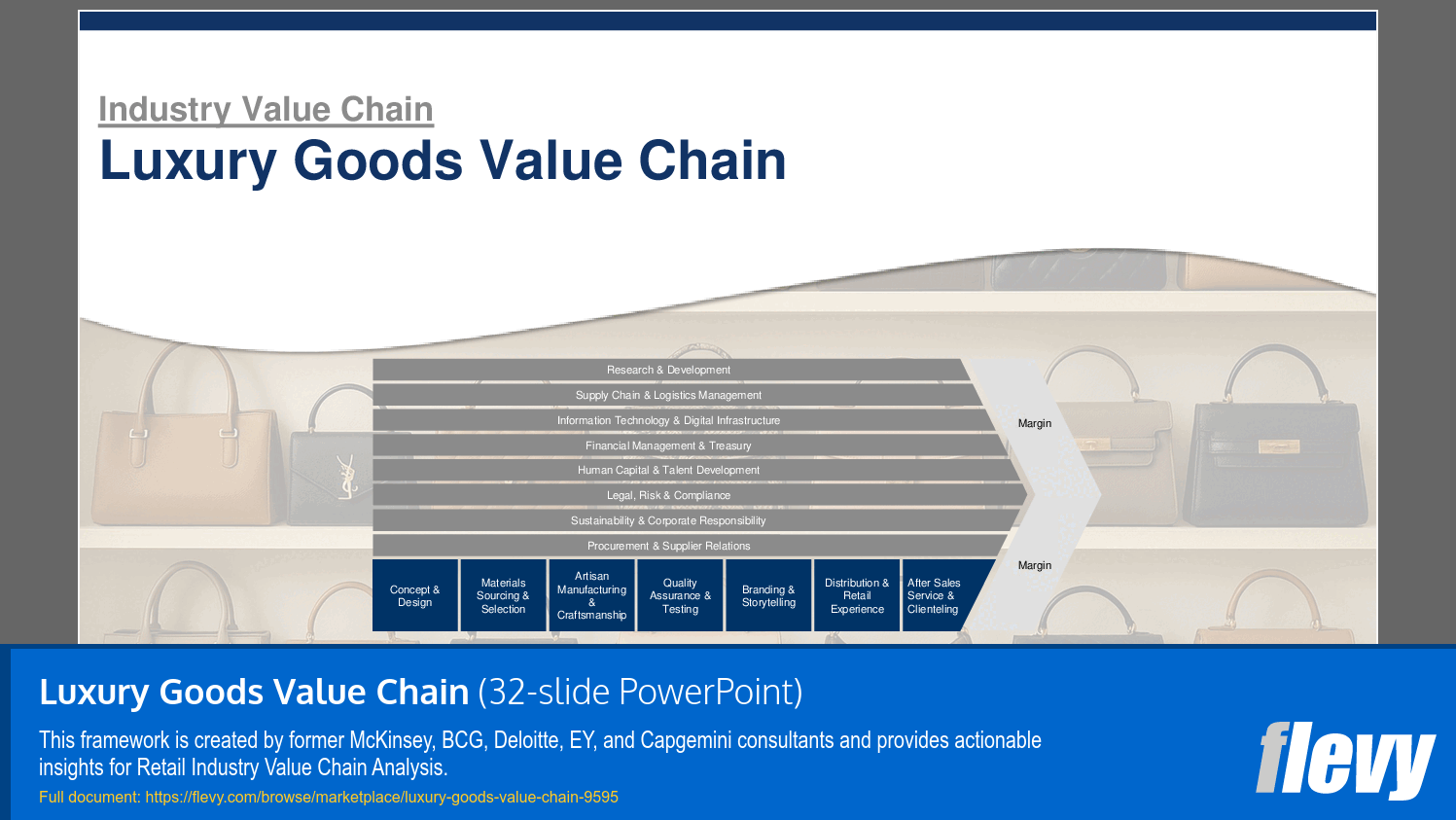
This presentation captures the Luxury Goods Value Chain, which includes the following primary and support activities for Luxury Goods firms:
Primary Activities
1. Concept & Design
2. Materials Sourcing & Selection
3. Artisan Manufacturing & Craftsmanship
4. Quality Assurance & Testing
5. Branding & Storytelling
6. Distribution & Retail Experience
7. After Sales Service & Clienteling
Support Activities
1. Research & Development
2. Supply Chain & Logistics Management
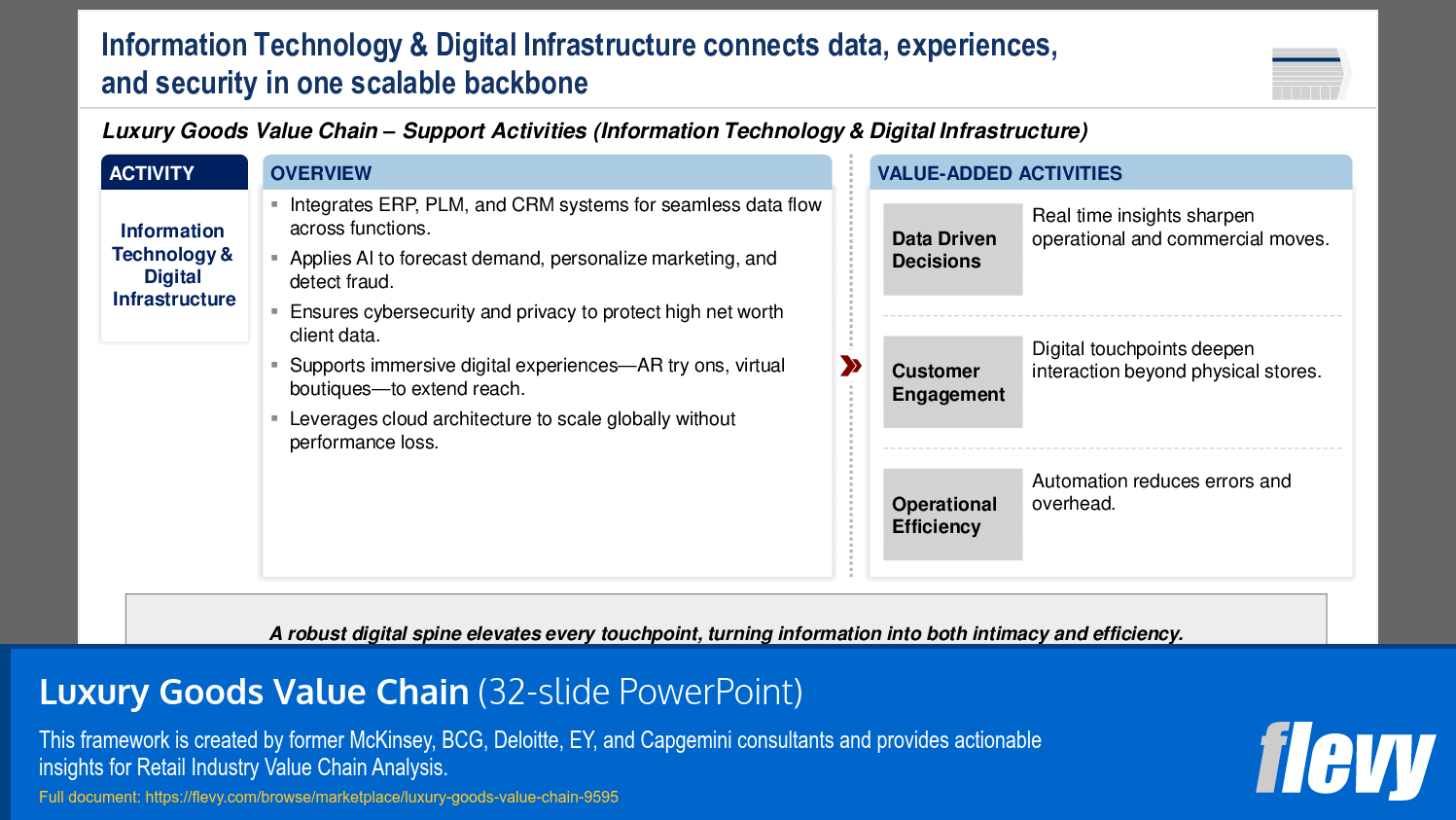
3. Information Technology & Digital Infrastructure
4. Financial Management & Treasury
5. Human Capital & Talent Development
6. Legal, Risk & Compliance
7. Sustainability & Corporate Responsibility
8. Procurement & Supplier Relations
This presentation dives deeper into each of these activities, highlighting key elements.
A holistic map exposes hidden bottlenecks—craftsmanship capacity, material lead times, or slow‑turn SKUs—that silently constrict growth and cash. End‑to‑end analysis links intangible brand‑equity drivers to tangible cost and margin levers, guiding balanced investment decisions. Unified value chain visibility aligns creative, operational, and financial KPIs, empowering leaders to scale exclusivity responsibly while defending premium pricing.
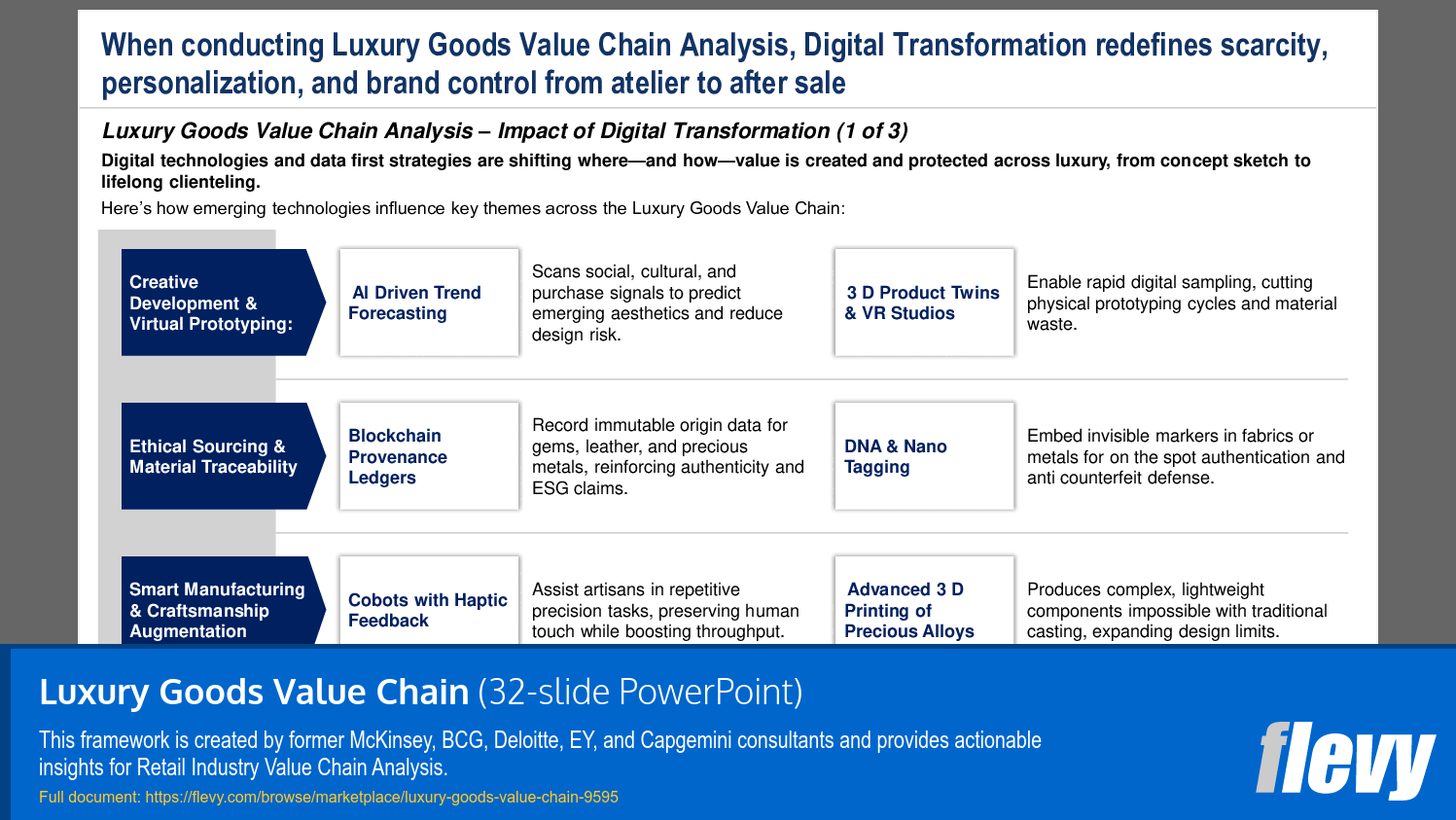
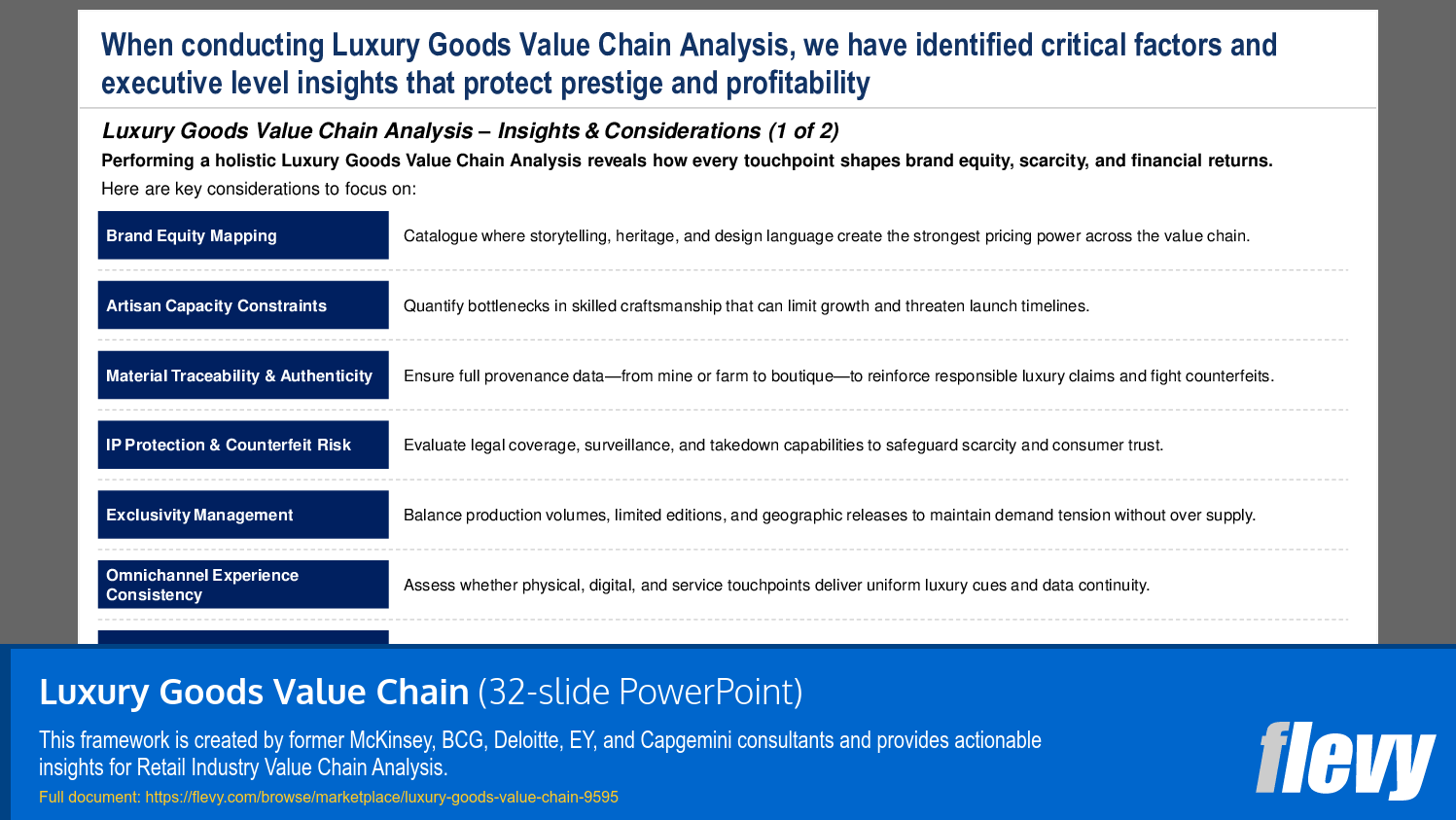
This presentation also discusses Luxury Goods Value Chain Analysis, highlighting a multitude of key considerations and potential insights to pay attention to. We further discuss the significant impact of Digital Transformation and various specific emergent technologies on the Luxury Goods industry.
Got a question about the product? Email us at support@flevy.com or ask the author directly by using the "Ask the Author a Question" form. If you cannot view the preview above this document description, go here to view the large preview instead.
Executive Summary
The Luxury Goods Value Chain presentation offers a comprehensive framework for analyzing the intricate processes that luxury goods companies employ to deliver their products to market. This consulting-grade resource, developed by former McKinsey, BCG, and Deloitte consultants, illustrates both primary and support activities that contribute to competitive advantage. By utilizing this framework, executives can identify bottlenecks, optimize operations, and enhance brand equity, ultimately leading to improved profitability and customer loyalty.
Who This Is For and When to Use
• Executives in luxury goods firms seeking to refine operational strategies
• Consultants specializing in retail and luxury markets
• Supply chain managers aiming to enhance logistics and distribution
• Marketing leaders focused on brand storytelling and customer engagement
Best-fit moments to use this deck:
• During strategic planning sessions to align on value chain optimization
• When conducting operational audits to identify inefficiencies
• In workshops aimed at enhancing customer experience and brand loyalty
• For training sessions on luxury market dynamics and best practices
Learning Objectives
• Define the components of the Luxury Goods Value Chain and their interdependencies
• Analyze how each activity contributes to competitive advantage
• Identify bottlenecks and inefficiencies within the value chain
• Develop strategies for enhancing brand equity through operational excellence
• Explore the impact of digital transformation on luxury goods operations
• Implement best practices for sustainability and corporate responsibility
Table of Contents
• Executive Summary (page 1)
• Luxury Goods Value Chain (page 2)
• Primary Activities (page 3)
• Support Activities (page 4)
• Luxury Goods Value Chain Analysis (page 5)
Primary Topics Covered
• Concept & Design - Establishes the creative vision that transforms brand heritage into premium collections through collaboration and innovation.
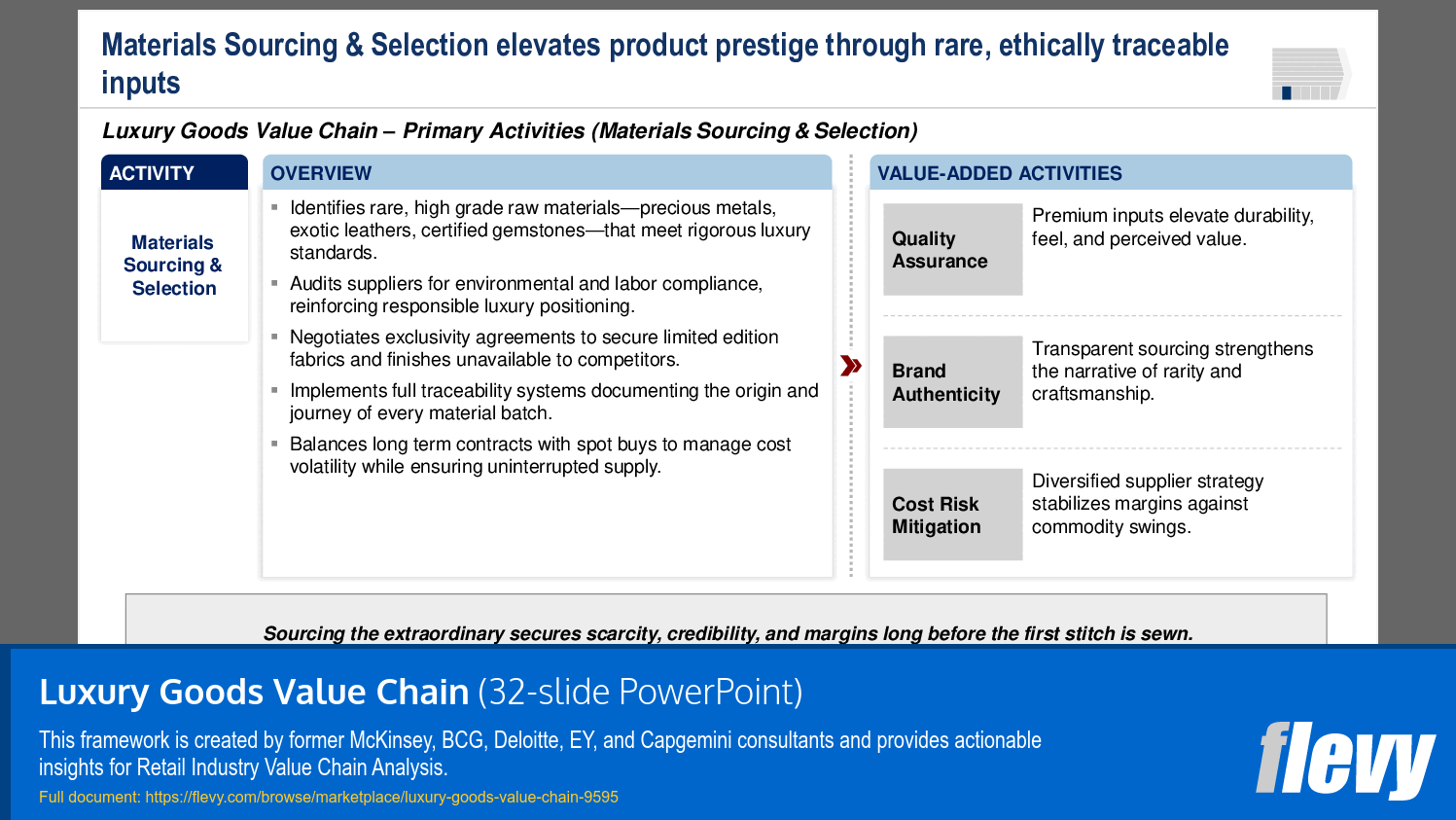
• Materials Sourcing & Selection - Focuses on acquiring rare, high-quality materials while ensuring ethical sourcing and traceability.
• Artisan Manufacturing & Craftsmanship - Highlights the importance of skilled craftsmanship in creating luxury products that justify premium pricing.
• Quality Assurance & Testing - Ensures products meet luxury standards through rigorous testing and compliance with regulations.
• Branding & Storytelling - Develops compelling narratives that enhance brand loyalty and emotional connections with consumers.
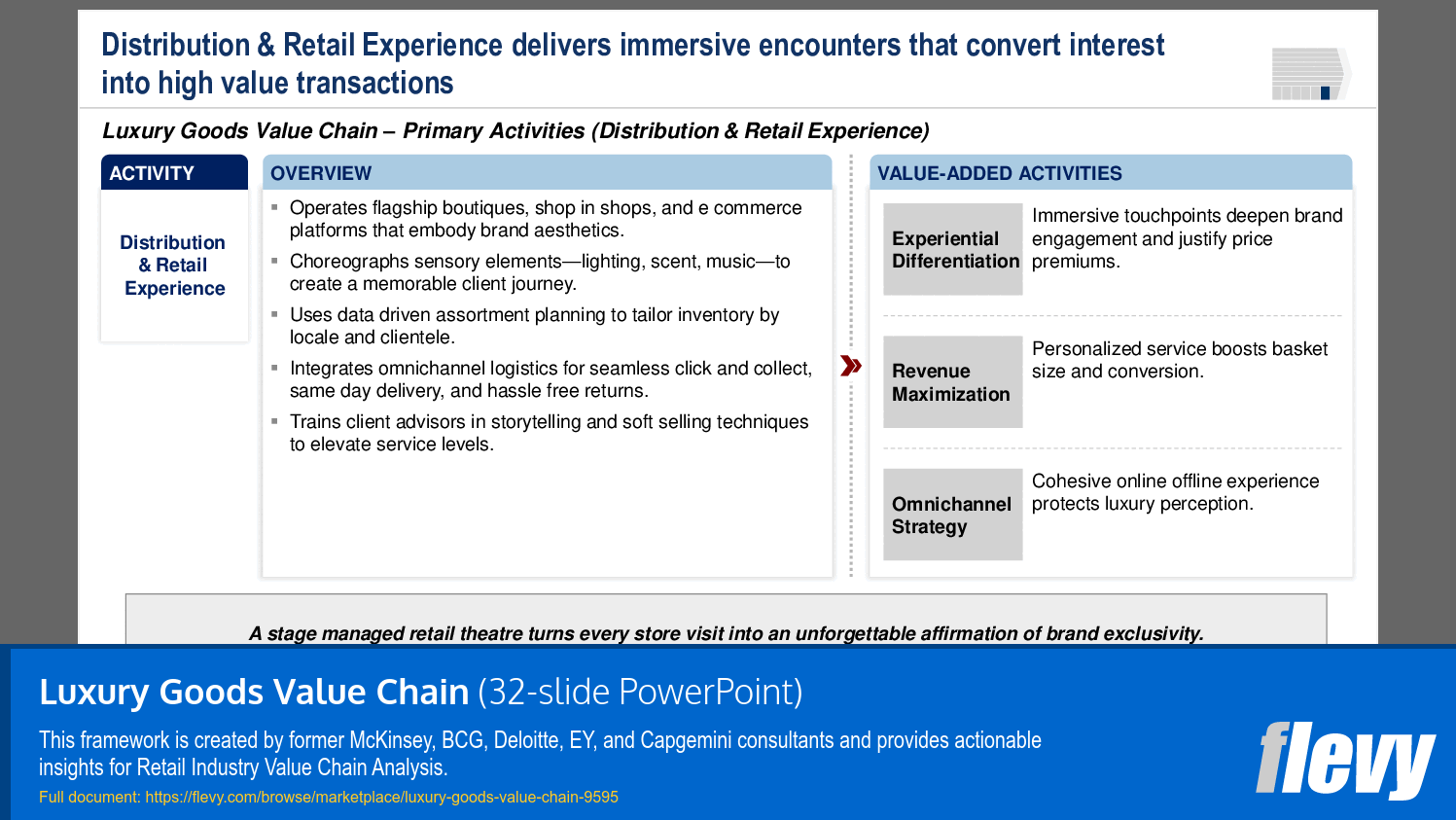
• Distribution & Retail Experience - Delivers immersive retail encounters that convert interest into high-value transactions.
• After Sales Service & Clienteling - Extends customer relationships through exceptional service and personalized experiences.
Deliverables, Templates, and Tools
• Value chain mapping template to visualize primary and support activities
• Checklist for assessing materials sourcing and supplier compliance
• Framework for evaluating customer experience touchpoints
• Guidelines for implementing quality assurance protocols
• Template for crafting compelling brand narratives
• Strategy outline for after sales service and clienteling initiatives
Slide Highlights
• Overview of the Luxury Goods Value Chain illustrating primary and support activities
• Detailed breakdown of Concept & Design showcasing the importance of creative collaboration
• Insights on Materials Sourcing & Selection emphasizing ethical practices
• Artisan Manufacturing & Craftsmanship slide highlighting the value of skilled labor
• Quality Assurance & Testing slide detailing rigorous inspection processes
• Branding & Storytelling slide showcasing the impact of narrative on brand equity
Potential Workshop Agenda
Value Chain Optimization Session (90 minutes)
• Review the Luxury Goods Value Chain framework
• Identify bottlenecks in current operations
• Develop action plans for optimization
Digital Transformation in Luxury Goods (60 minutes)
• Discuss the impact of emerging technologies on the value chain
• Explore case studies of successful digital initiatives
• Brainstorm potential digital strategies for enhancement
Customer Experience Enhancement Workshop (90 minutes)
• Analyze current customer touchpoints across the value chain
• Develop strategies for improving customer engagement
• Create a roadmap for implementing changes
Customization Guidance
• Tailor the value chain framework to reflect specific organizational processes
• Adjust the materials sourcing checklist to align with company standards
• Modify branding narratives to resonate with target customer segments
• Update quality assurance protocols based on regulatory requirements in different markets
Secondary Topics Covered
• Digital transformation strategies in luxury goods
• Sustainability practices and corporate responsibility initiatives
• Supply chain management best practices for luxury brands
• Legal, risk, and compliance considerations in the luxury sector
• Human capital development in luxury goods firms
FAQ
What is the Luxury Goods Value Chain?
The Luxury Goods Value Chain is a framework that outlines the primary and support activities luxury goods companies undertake to deliver products, emphasizing how each step adds value.
How can this framework help improve operations?
By identifying bottlenecks and inefficiencies, organizations can optimize their processes, enhance customer satisfaction, and ultimately increase profitability.
What are the primary activities in the Luxury Goods Value Chain?
Primary activities include Concept & Design, Materials Sourcing & Selection, Artisan Manufacturing & Craftsmanship, Quality Assurance & Testing, Branding & Storytelling, Distribution & Retail Experience, and After Sales Service & Clienteling.
How does digital transformation impact the luxury goods industry?
Digital transformation enhances operational efficiency, improves customer engagement, and enables better data-driven decision-making across the value chain.
What role does sustainability play in the Luxury Goods Value Chain?
Sustainability is critical for maintaining brand reputation and meeting consumer expectations, particularly in sourcing materials and managing supply chains.
How can companies ensure quality in their products?
Implementing rigorous quality assurance protocols and conducting thorough testing at various stages of production can help maintain high standards.
What is the significance of branding and storytelling in luxury goods?
Effective branding and storytelling create emotional connections with consumers, enhancing brand loyalty and perceived value.
How can after sales service enhance customer loyalty?
Providing exceptional after sales service, including repairs and personalized clienteling, fosters long-term relationships and encourages repeat purchases.
Glossary
• Value Chain - A series of steps organizations take to deliver a product or service to the market.
• Primary Activities - Core functions that directly add value to the product, including design, manufacturing, and sales.
• Support Activities - Functions that enhance the efficiency of primary activities, such as procurement and human resource management.
• Brand Equity - The value added to a product by having a well-known brand name.
• Sustainability - Practices that meet current needs without compromising the ability of future generations to meet theirs.
• Clienteling - Personalized customer service aimed at building long-term relationships.
• Quality Assurance - Processes that ensure products meet specified quality standards.
• Artisan Manufacturing - The practice of creating products by hand, emphasizing craftsmanship and quality.
• Digital Transformation - The integration of digital technology into all areas of a business, fundamentally changing how it operates and delivers value.
• Traceability - The ability to track the origin and journey of materials throughout the supply chain.
• Omnichannel Experience - A seamless customer experience across all channels, both online and offline.
• Competitive Advantage - A condition that allows a company to perform better than its competitors.
• Procurement - The process of acquiring goods and services.
• Customer Lifetime Value (CLV) - A prediction of the net profit attributed to the entire future relationship with a customer.
• Risk Management - The identification, assessment, and prioritization of risks followed by coordinated efforts to minimize, monitor, and control the probability of unfortunate events.

• Corporate Responsibility - A business model that helps a company be socially accountable to itself, its stakeholders, and the public.
• Supply Chain Management - The management of the flow of goods and services, including all processes that transform raw materials into final products.
• Human Capital Development - The process of improving the skills, knowledge, and experience of employees.
• Legal Compliance - The process of ensuring that an organization follows relevant laws and regulations.
• Market Segmentation - The process of dividing a target market into smaller, more defined categories.
• Innovation Pipeline - A structured approach to managing new ideas and products from conception to market launch.
• Customer Engagement - The interaction between a company and its customers, aimed at building a relationship.
• Emotional Connection - The bond that customers feel towards a brand, often driven by shared values and experiences.
Source: Best Practices in Value Chain Analysis PowerPoint Slides: Luxury Goods Value Chain PowerPoint (PPTX) Presentation Slide Deck, LearnPPT Consulting
|
Download our FREE Strategy & Transformation Framework Templates
Download our free compilation of 50+ Strategy & Transformation slides and templates. Frameworks include McKinsey 7-S, Balanced Scorecard, Disruptive Innovation, BCG Curve, and many more. |