 Click main image to view in full screen.
Logistics, Freight and Warehousing Procurement Toolkit – PowerPoint PPTX Template
PowerPoint (PPTX) + Zip archive file (ZIP) 25 Slides


BENEFITS OF THIS DOWNLOADABLE POWERPOINT DOCUMENT
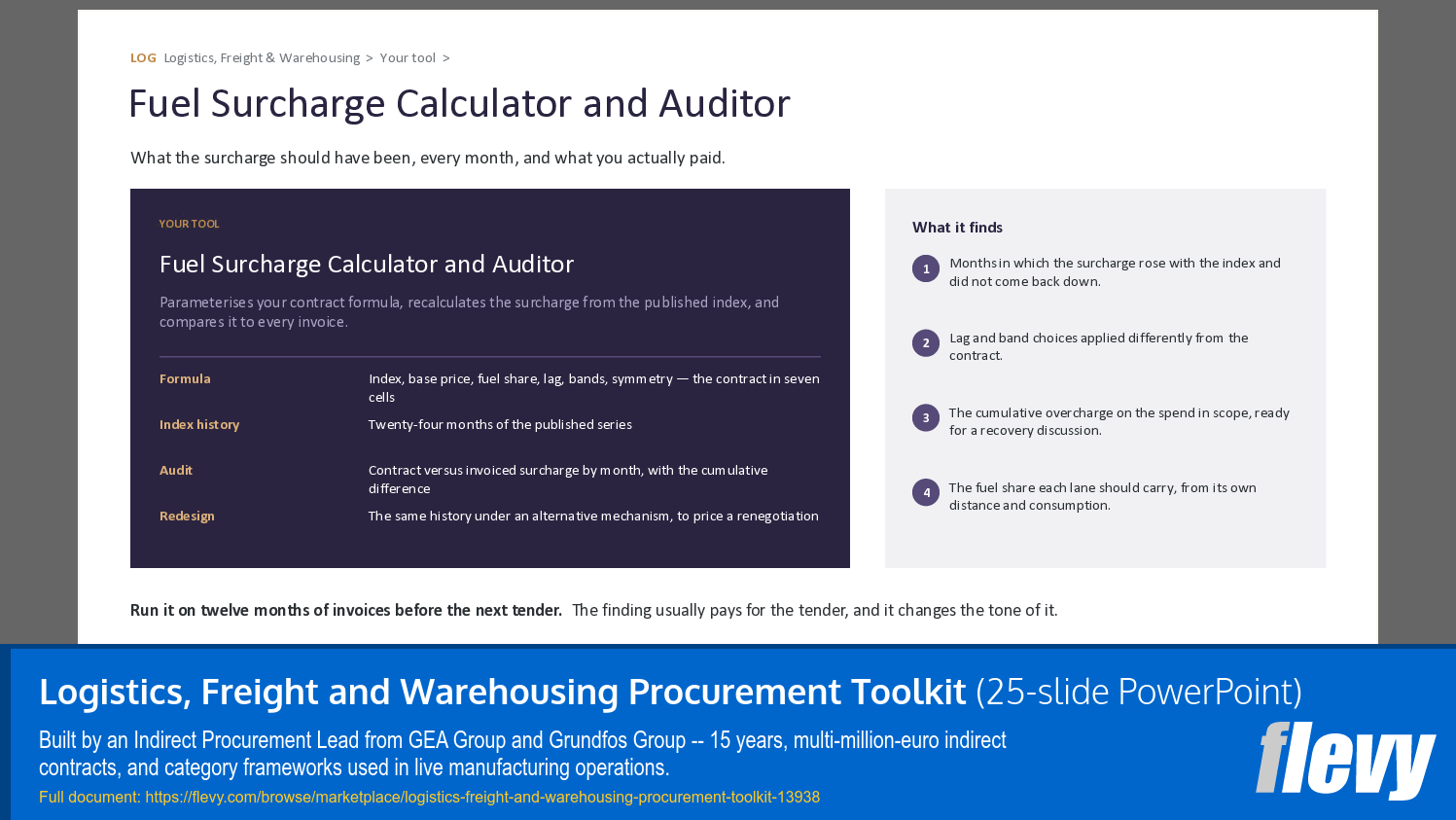
- Audit twelve months of fuel surcharges against your own contract formula and see, month by month, where the surcharge rose with diesel and failed to come back down
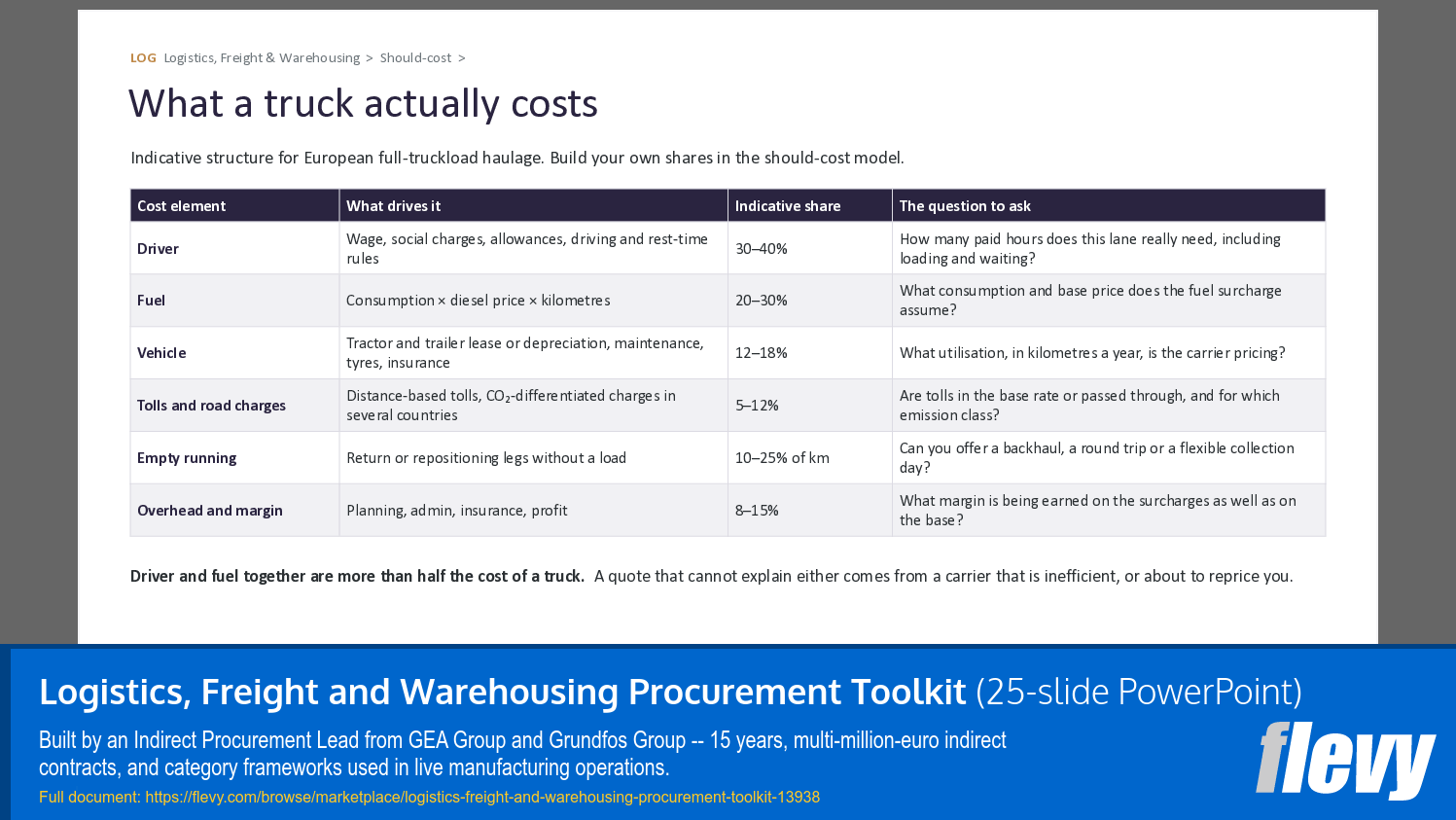
- Build the cost of any road lane from driver hours, fuel, vehicle, tolls and empty running, and know which quotes are above plausible cost and which predict rejected loads
- Award a lane tender on four scenarios - lowest bid, incumbent-preferred, primary plus backup and your own - with carrier shares tested against a concentration cap
LOGISTICS PPT TEMPLATE DESCRIPTION
Freight is the only indirect category whose price changes every week whether you negotiate or not. Most freight contracts fix the part of the price that does not move – the base rate – and leave the part that does to the carrier's formula: fuel, surcharges, accessorials, free time and the spot market you fall back on when your contracted carrier rejects a load.
That is why logistics programmes that win the tender so often have nothing to show the CFO a year later. This toolkit is built around the mechanisms, because that is where the year is decided.
THE SEQUENCE THIS PACK IS BUILT ON
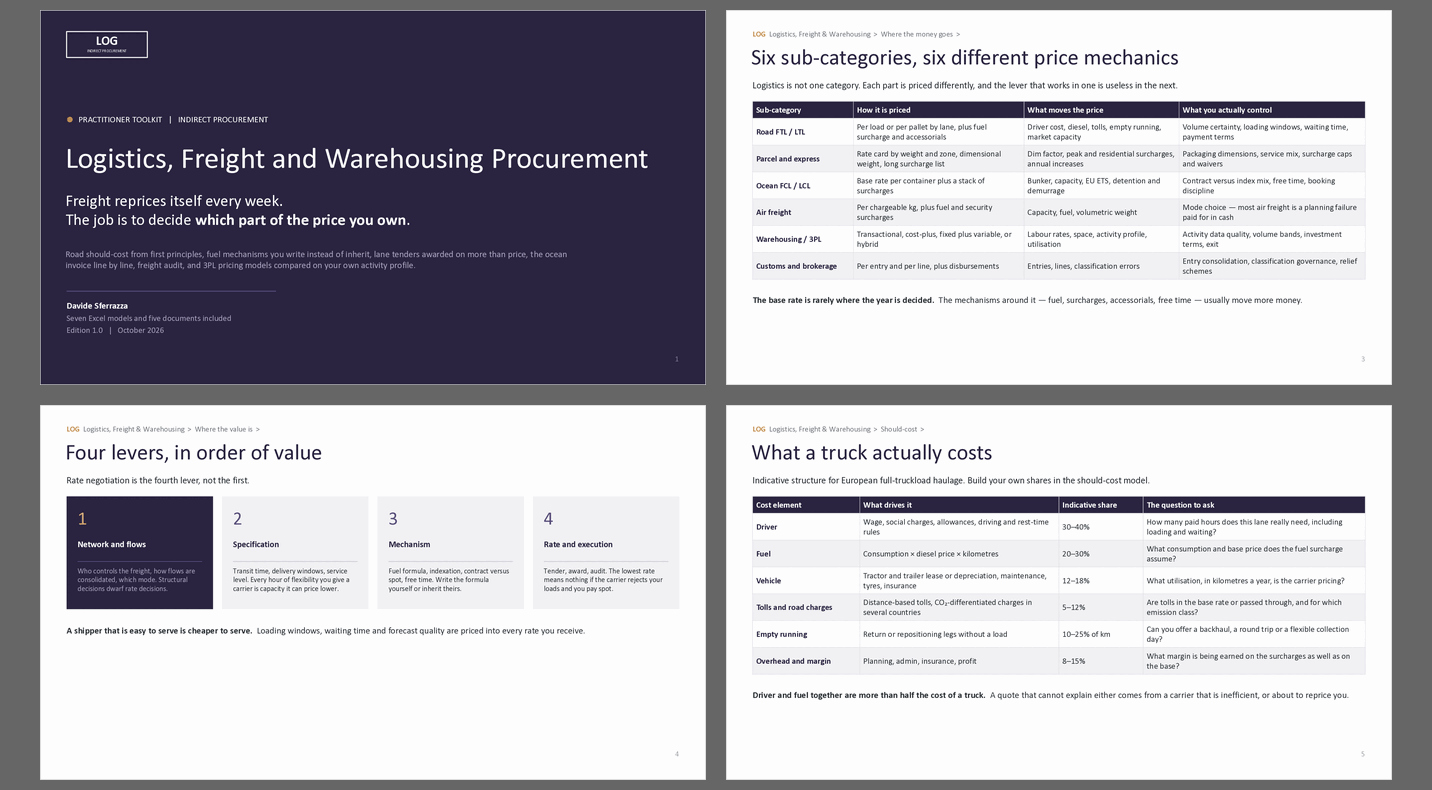
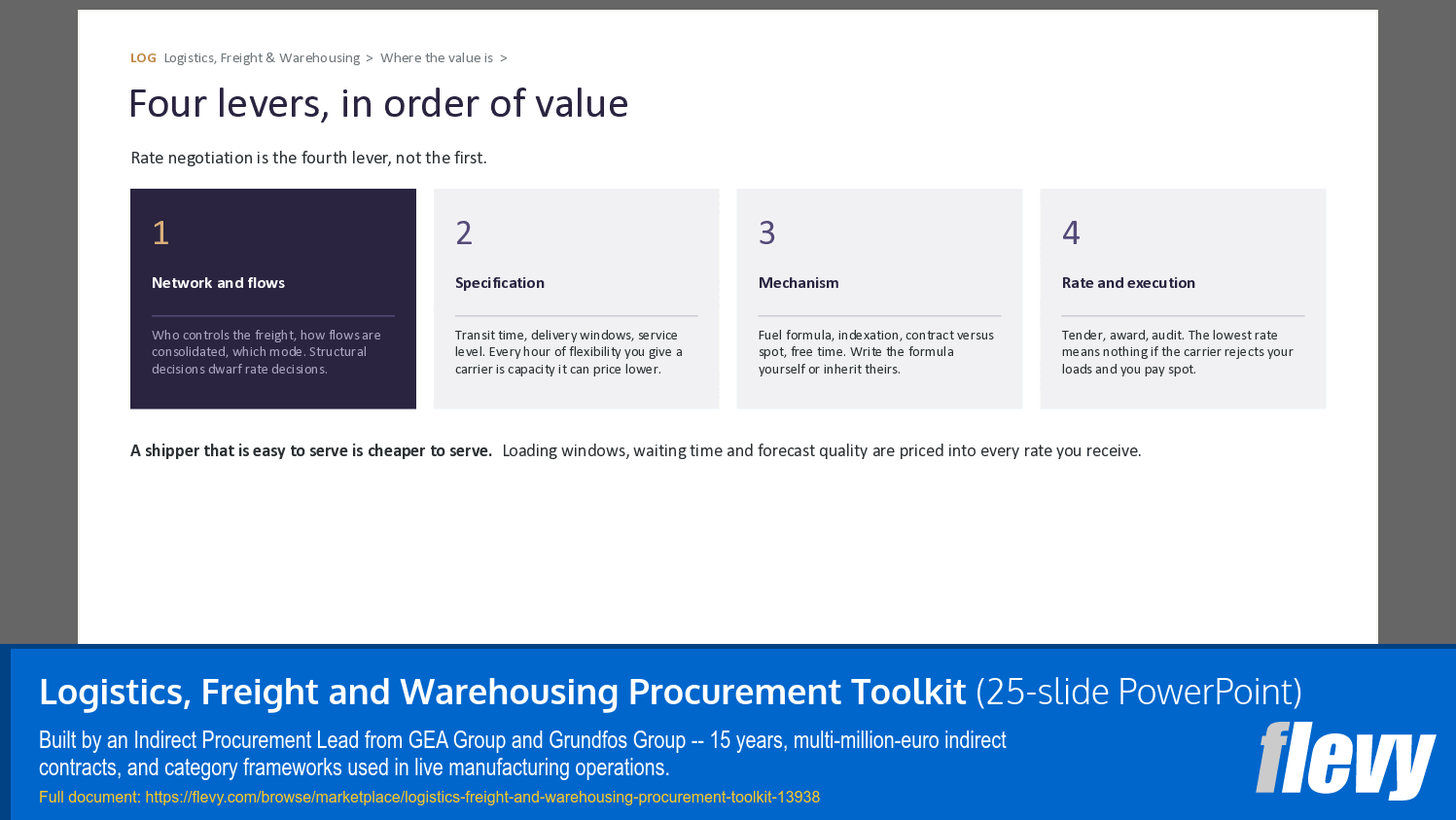
Four levers, in order of value. Network and flows first: who controls the freight, how it is consolidated, which mode. Then specification: delivery windows, transit times, waiting time at your own docks, all of which are priced into every rate you receive. Then mechanism: a fuel formula you write rather than inherit, an accessorial schedule agreed before the first load, free time negotiated as hard as rate. Rate and execution come last – tender, award, audit – and go far better for the work that preceded them.
WHAT IS INCLUDED
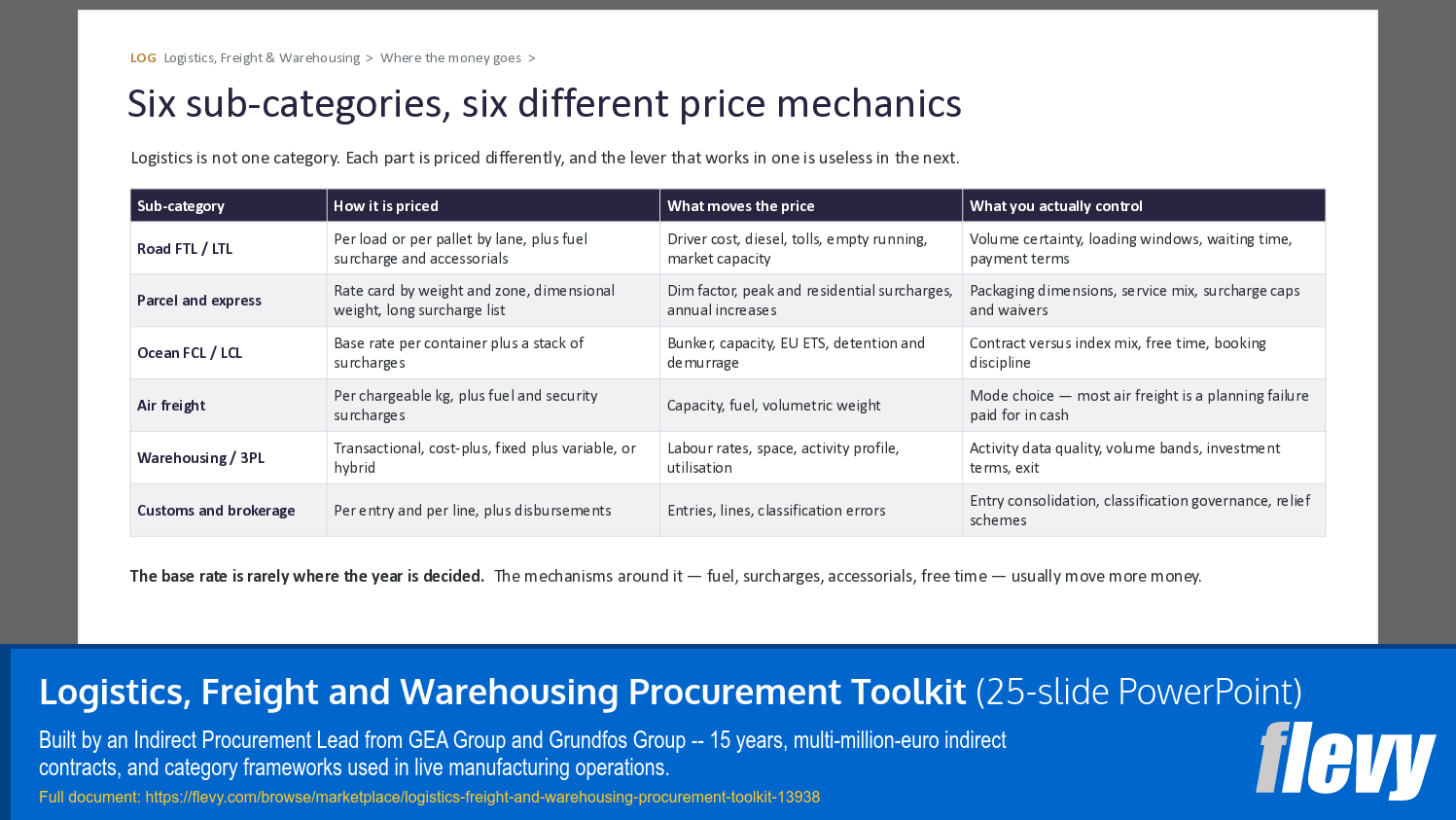
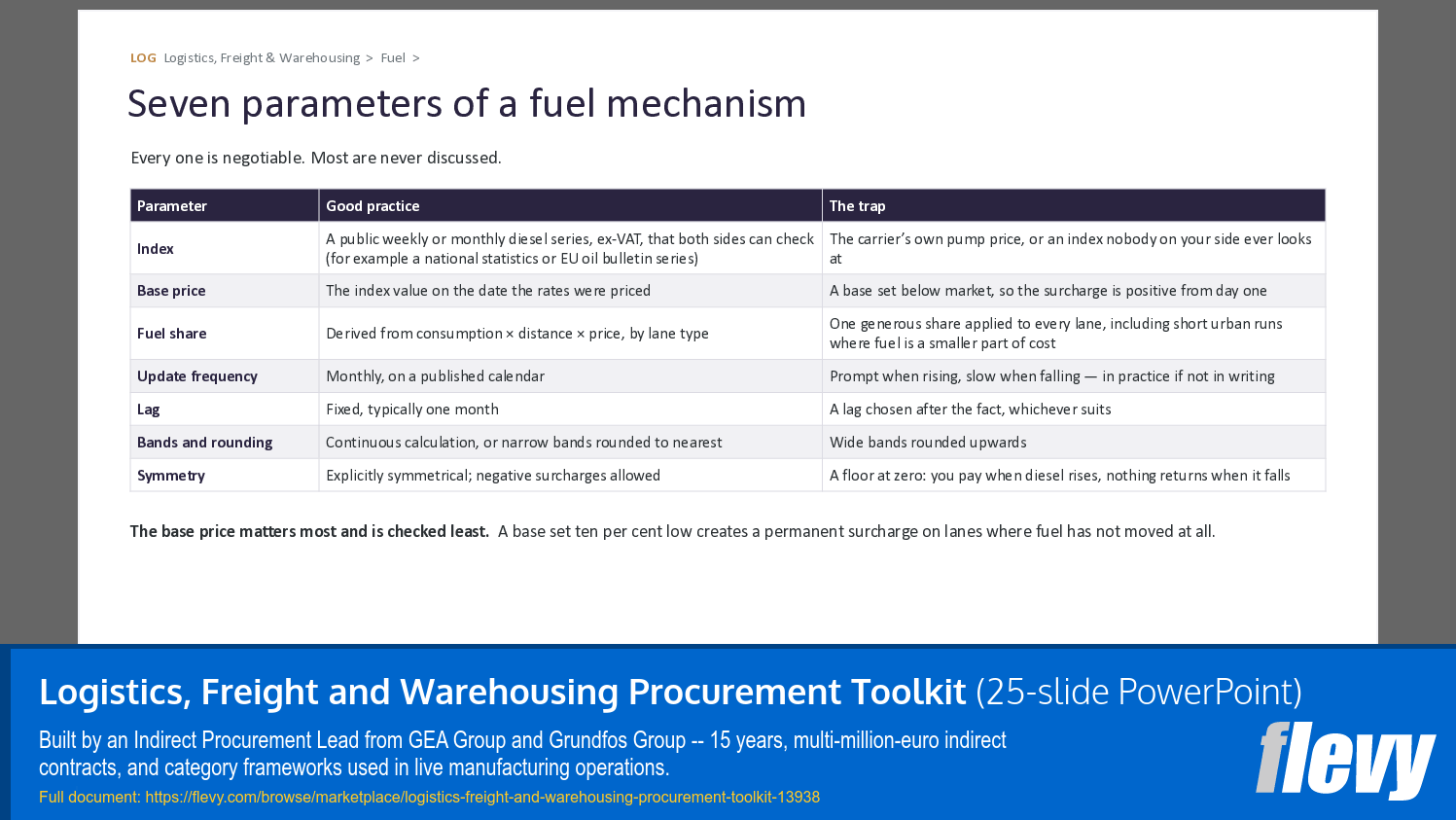
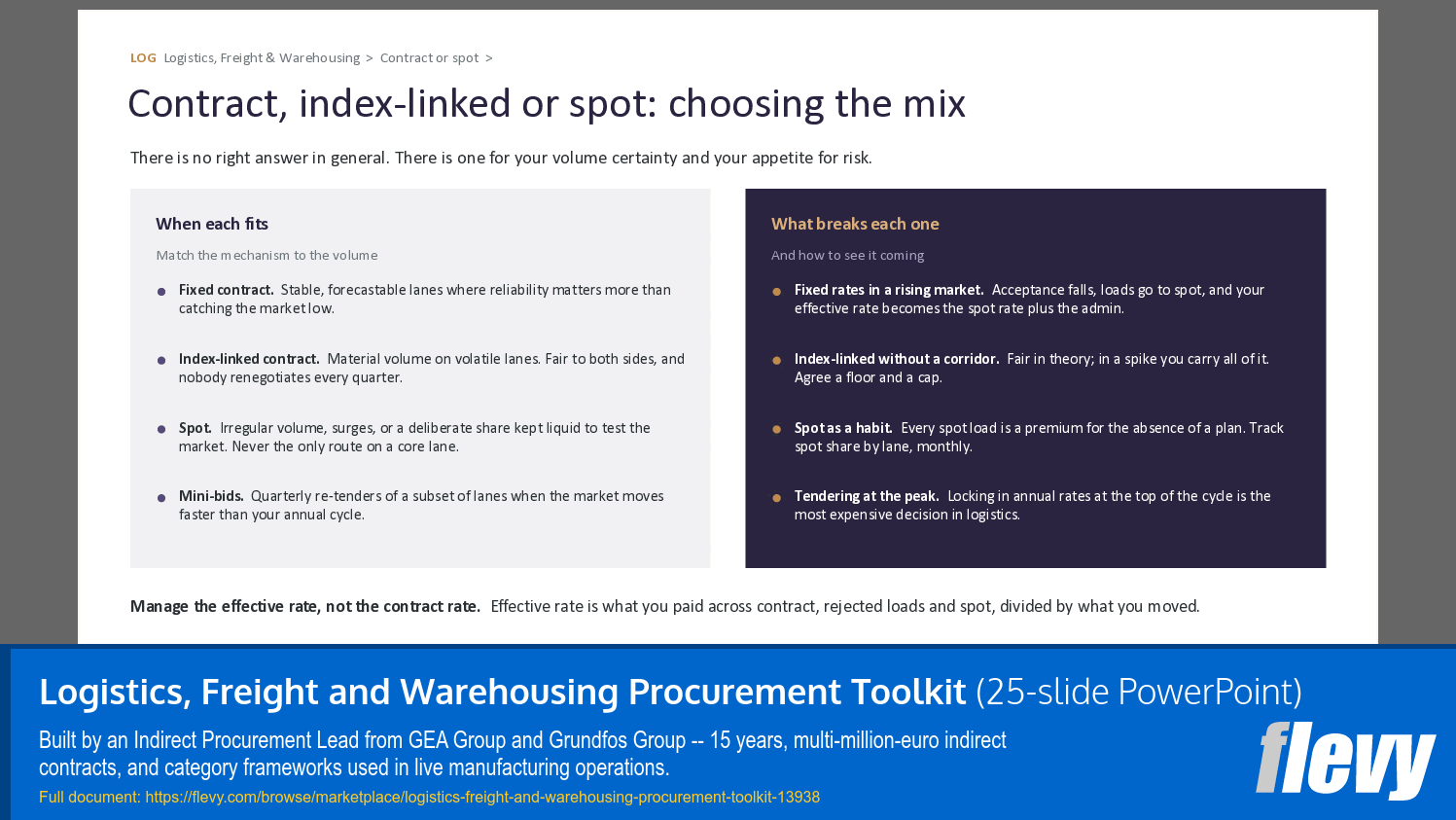
Primary document – a 24-slide guide covering the six sub-categories of logistics spend and how each is priced, what a truck actually costs, the seven parameters of a fuel mechanism, the ocean invoice line by line including the EU ETS surcharge and detention and demurrage, contract versus index-linked versus spot, a seven-stage lane tender, awarding on more than price, accessorials, five 3PL pricing models and how each fails, the 3PL contract clauses that cost money at exit, Incoterms as a procurement decision, mode choice on landed cost, a carrier scorecard including emissions data, and a hundred-day sequence.
Seven Excel models, all unlocked with live formulas and a worked example:
Road Freight Should-Cost Model – builds each lane from driver hours including breaks and overnight allowances, fuel, vehicle cost per kilometre, tolls, empty running, overhead and margin. Flags quotes above plausible cost and below cost, and shows the sensitivity of one lane to diesel, waiting time and empty running.
Fuel Surcharge Calculator and Auditor – your contract mechanism in seven parameters (index, base price, fuel share, lag, bands, symmetry, rounding), twenty-four months of audit against invoices, an alternative mechanism to price a renegotiation, and a sheet that derives the fuel share each lane should carry.
Lane Tender and Award Optimiser – sixty lanes, four carriers, two rounds. Ranks bids, flags winning bids below should-cost, prices four award scenarios, shows carrier shares against a cap and produces round-two feedback by rank without revealing prices.
Mode Choice and Landed Cost Model – chargeable weight by mode, total landed cost including duty on freight and inventory in transit, indicative emissions, and an all-in ocean quote comparison where the lower headline quote turns out to be the dearer one.
Freight Invoice Audit Checker – checks every invoice line against contract rate, the month's fuel percentage and the approved accessorial schedule, flags duplicates and summarises what is recoverable by carrier and by error type.
3PL Pricing Model Comparator – one activity profile priced under transactional, cost-plus and fixed-plus-variable offers, at plan, at plus and minus twenty per cent, and under a shift to smaller orders. Shows who really carries the volume risk.
Carrier and 3PL Scorecard – eight weighted measures scored against target and floor, including an emissions data quality rubric aligned with ISO 14083 and the GLEC Framework.
Five documents: a Logistics Tender Data Pack and RFQ Template, a Fuel Surcharge Mechanism and Clause Guide with a worked example and illustrative clause structure, a 3PL Warehousing RFP and Contract Guide, an Incoterms and Freight Control Guide, and a Logistics Category Playbook.
WHO IT IS FOR
Category managers responsible for freight, warehousing or customs brokerage. Procurement and supply chain leads preparing a carrier or 3PL tender. Finance teams who want to understand why the freight line keeps moving. Consultants running a logistics cost review.
WHAT THIS IS NOT
It contains no market rate benchmarks: freight rates move monthly and vary by lane, and any published number would be out of date before you used it. The worked examples use illustrative values. It is not legal or customs advice. And it is not a transport management system – it is the commercial thinking you need before you choose or configure one.
Got a question about the product? Email us at support@flevy.com or ask the author directly by using the "Ask the Author a Question" form. If you cannot view the preview above this document description, go here to view the large preview instead.
Source: Best Practices in Logistics, Procurement Strategy PowerPoint Slides: Logistics, Freight and Warehousing Procurement Toolkit PowerPoint (PPTX) Presentation Slide Deck, Davide Sferrazza
ABOUT THE AUTHOR

Indirect Procurement Lead, with 15 years spent in the categories most organisations manage least well: MRO, facilities, utilities and energy, marketing services, IT and software, professional services, logistics and CapEx.
That career has been inside manufacturing groups -- Pavan (GEA Group) and DAB Pumps (Grundfos Group) -- leading procurement transformation projects, negotiating
... [read more]
Ask the Author a Question
You must be logged in to contact the author.