 Click main image to view in full screen.
Atmospheric Water Infrastructure Shift – PDF
PDF document 16 Pages


BENEFITS OF THIS DOWNLOADABLE PDF DOCUMENT
- Provides a structured framework for distinguishing scientifically demonstrated AWH technologies from field-validated and commercially deployed systems before capital is committed.
- Enables organizations to screen AWH opportunities against atmospheric resource, energy, water economics, technology maturity, quality requirements, and infrastructure integration constraints.
- Helps decision-makers determine whether to deploy, pilot, monitor, or reject water-from-air opportunities using evidence-based economic and deployment thresholds.
ENERGY INDUSTRY PDF DESCRIPTION
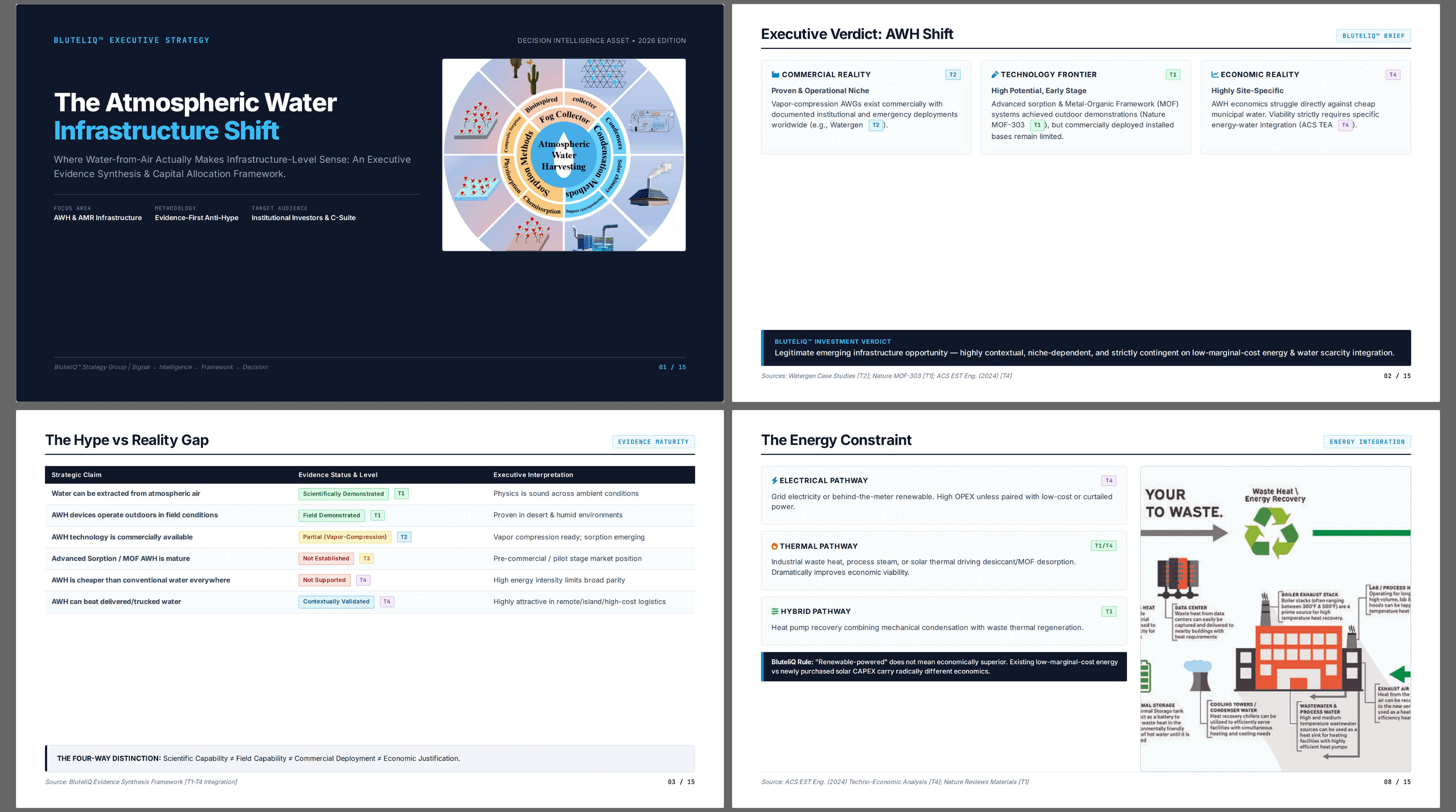
Atmospheric water harvesting (AWH) is moving from a materials-science research topic toward a potentially important infrastructure technology—but the commercial opportunity is highly contextual. This executive intelligence playbook provides a structured framework for determining where water-from-air systems actually make infrastructure-level sense, where they remain experimental, and where conventional water supply remains economically superior.
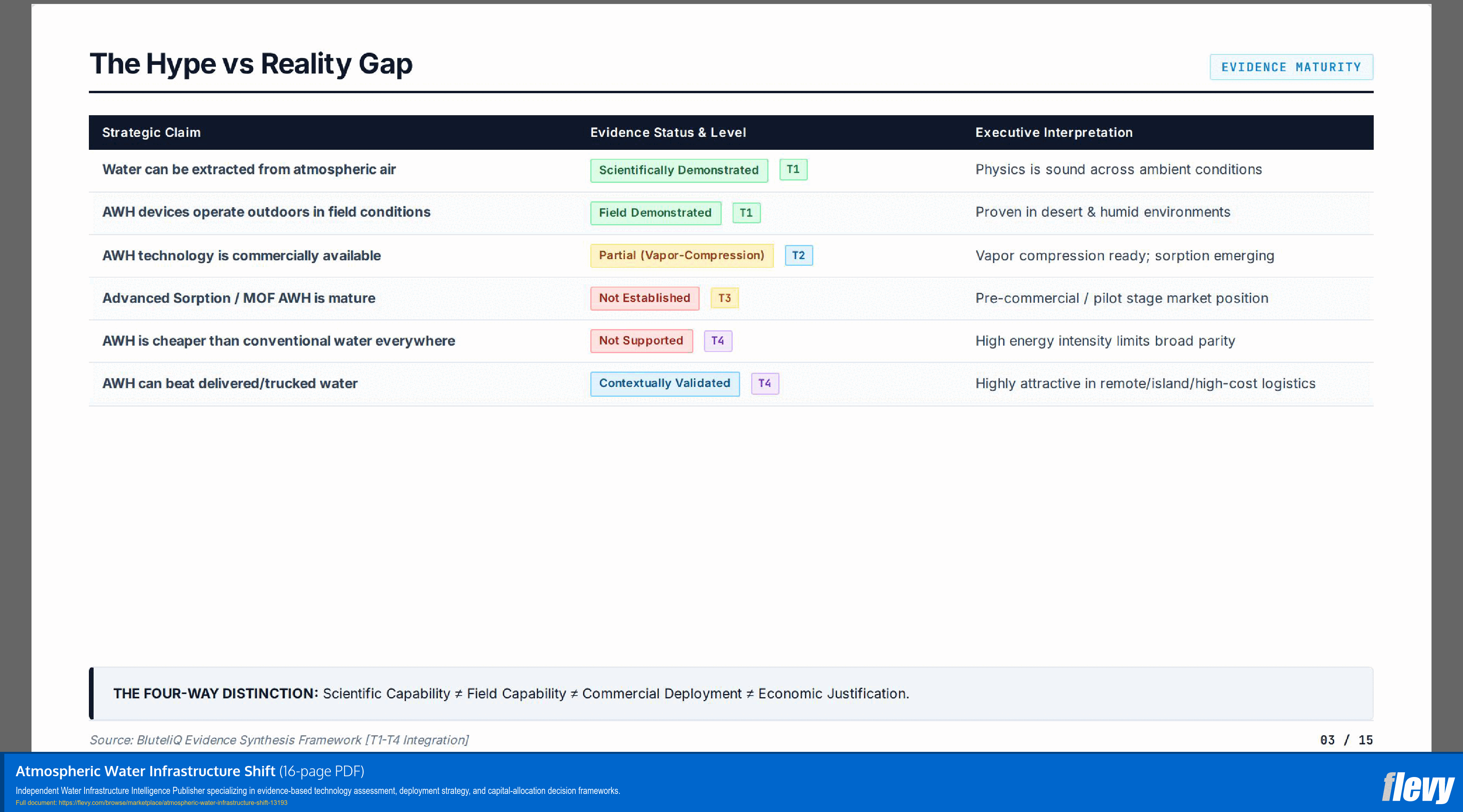
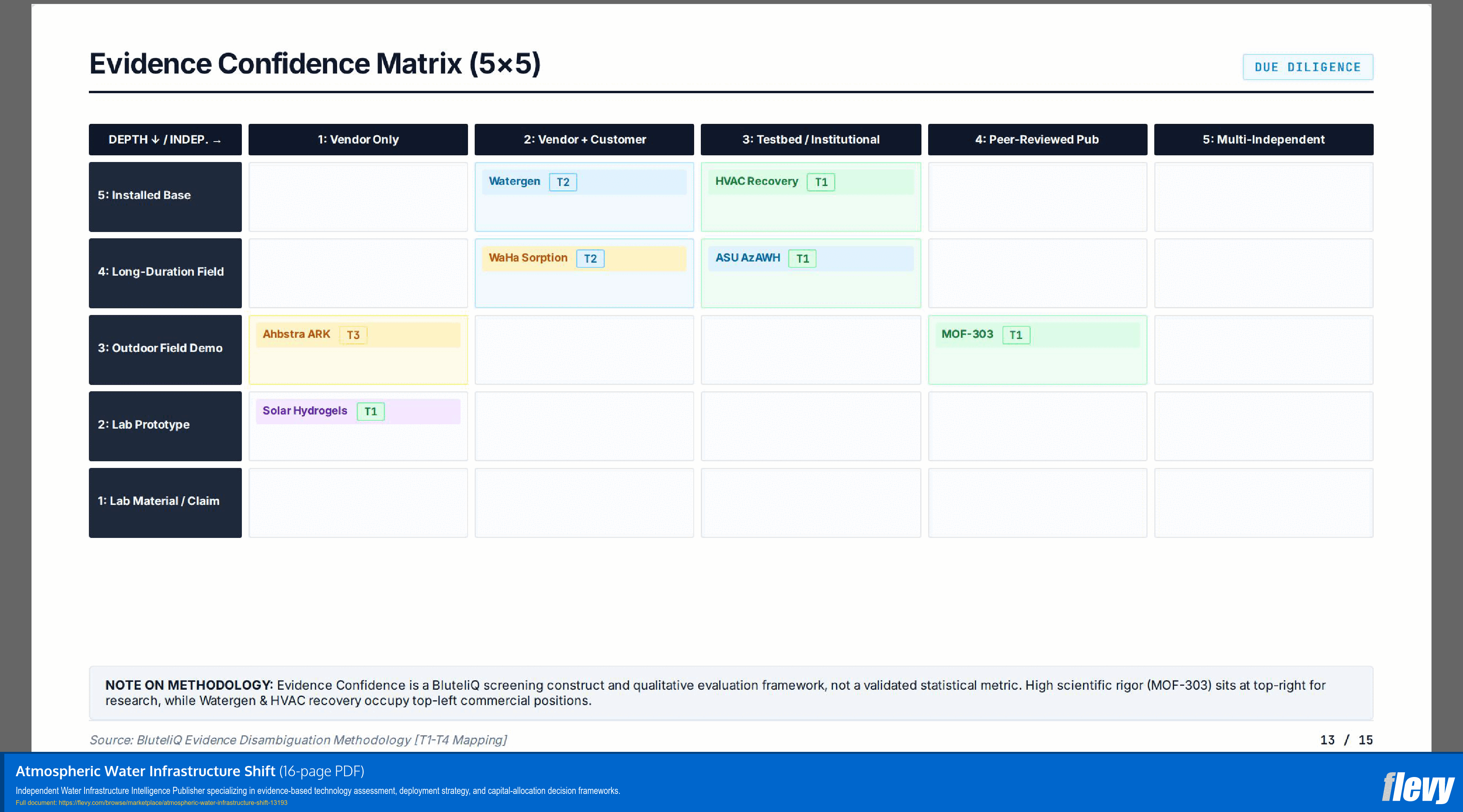
The analysis deliberately separates scientific demonstration, prototype development, field demonstration, field validation, commercial deployment, and established market maturity. This distinction is critical because the existence of a working laboratory device, outdoor demonstration, commercial announcement, or pre-order does not by itself establish commercial viability.
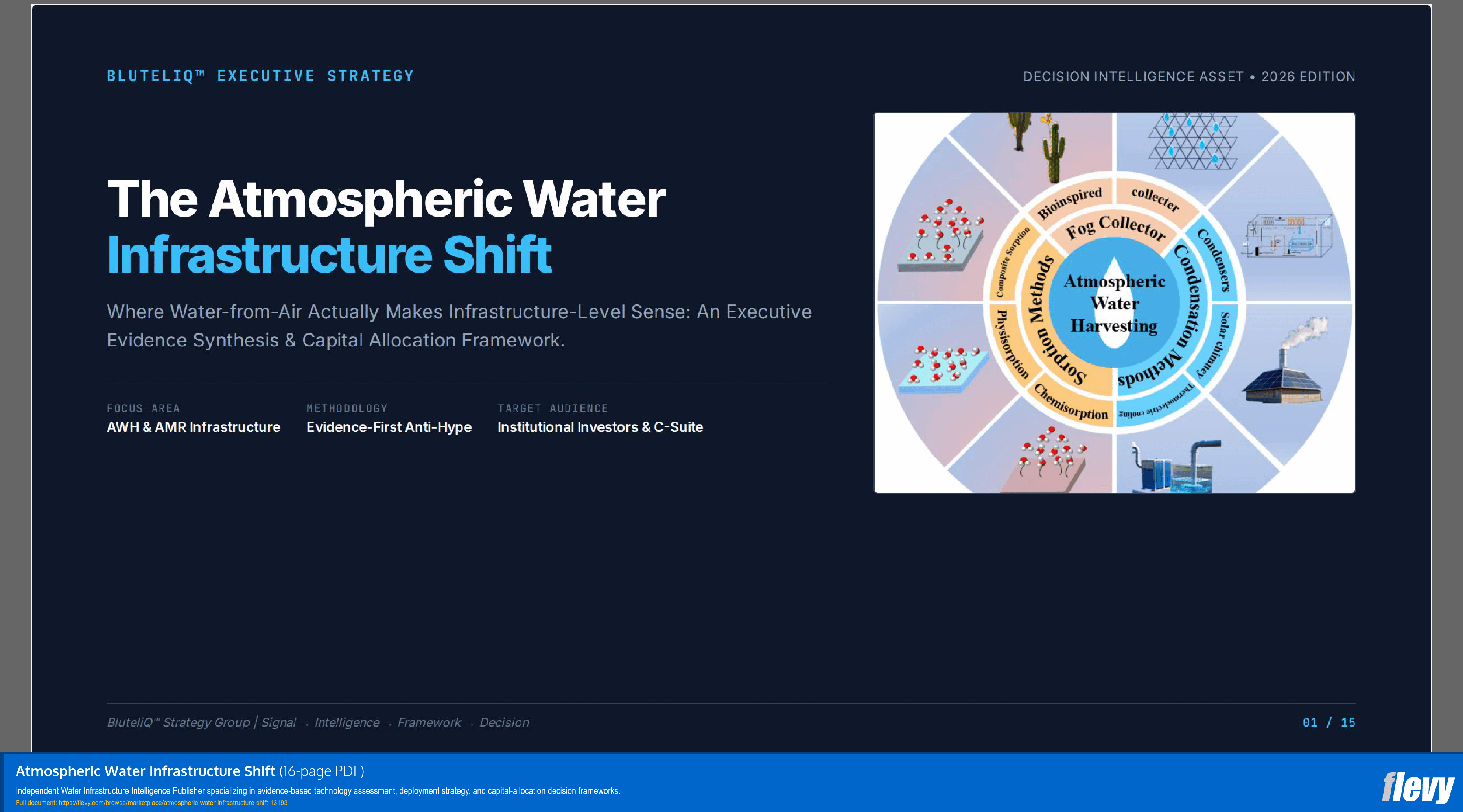
The playbook maps the principal AWH technology pathways, including vapor-compression condensation, liquid and solid desiccants, metal-organic framework (MOF) sorption, hydrogels and composites, radiative/passive cooling, and passive fog harvesting. Each technology is assessed through a maturity and evidence lens rather than vendor claims alone.
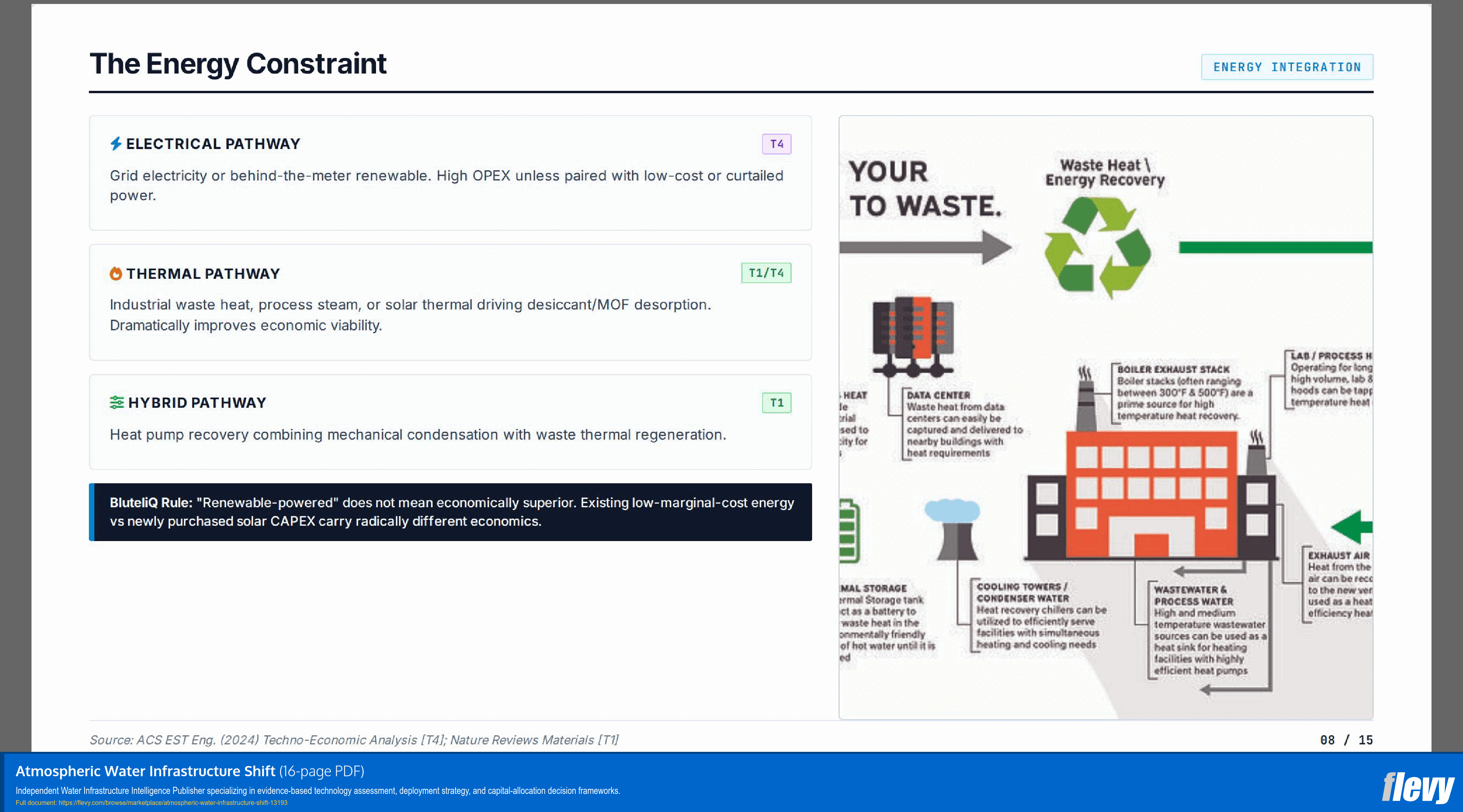
The analysis then shifts from technology to deployment economics. It examines the role of atmospheric moisture availability, electrical and thermal energy requirements, waste-heat integration, conventional water costs, infrastructure accessibility, water-quality requirements, operational complexity, and technology maturity. Particular attention is given to the distinction between dedicated atmospheric water harvesting and atmospheric moisture recovery (AMR), including HVAC condensate recovery, which represents a more mature and potentially lower-cost efficiency opportunity.
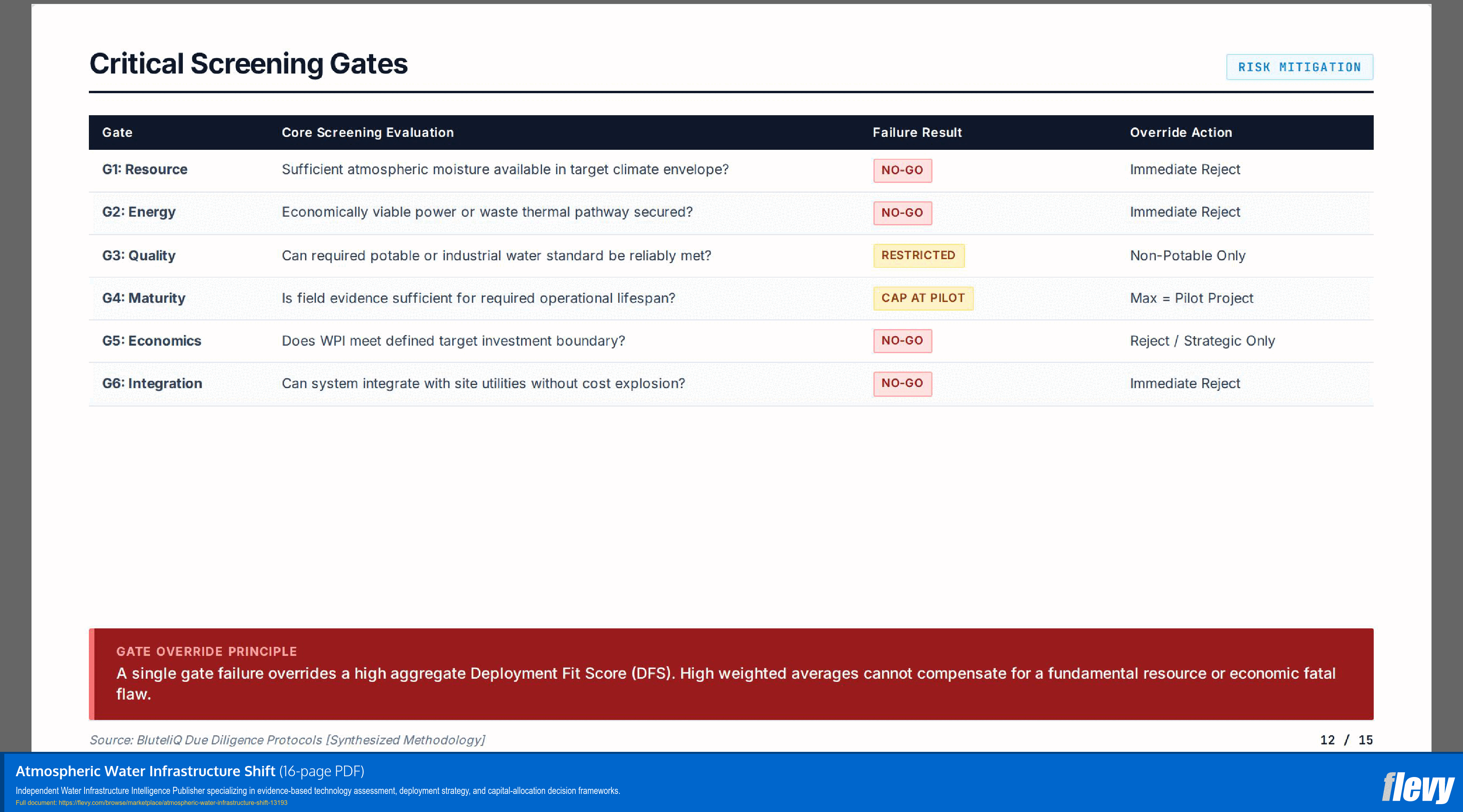
Three proprietary decision frameworks translate the evidence into actionable screening tools: the AWH Reality Ladder™, Water Parity Index™ (WPI), AWH Economic Frontier™, and AWH/AMR Deployment Fit Model™. A set of Critical Screening Gates is also provided to prevent attractive aggregate scores from masking fundamental resource, energy, quality, maturity, economic, or integration failures.
The framework is designed for executives, infrastructure leaders, technology strategists, sustainability teams, developers, industrial operators, and investors evaluating whether to deploy, pilot, monitor, or reject AWH-related opportunities.
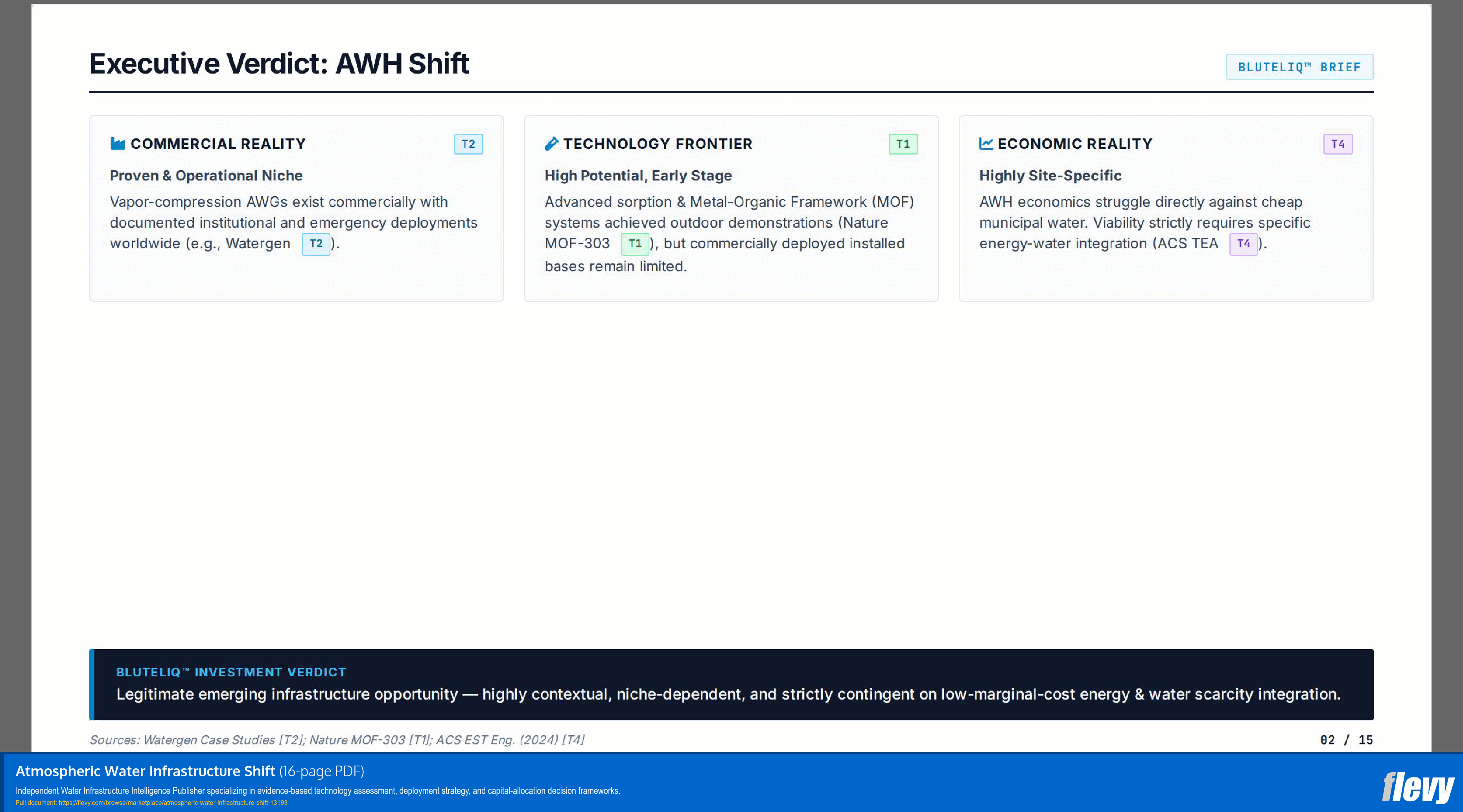
The central conclusion is deliberately non-promotional: AWH is a legitimate emerging infrastructure opportunity, but not a universal replacement for conventional water supply. Its strongest near-term opportunities are highly site-specific, particularly where water logistics are expensive or unreliable and where low-marginal-cost energy, waste heat, existing cooling infrastructure, or resilience requirements improve the deployment economics.
This intelligence is intended to help decision-makers answer a practical question before committing capital: Where do the physics, energy system, economics, evidence, and infrastructure conditions align strongly enough to justify action?
Got a question about the product? Email us at support@flevy.com or ask the author directly by using the "Ask the Author a Question" form. If you cannot view the preview above this document description, go here to view the large preview instead.
Source: Best Practices in Energy Industry PDF: Atmospheric Water Infrastructure Shift PDF (PDF) Document, Wisnu Pandega Wardana
ABOUT THE AUTHOR

I am an independent Industrial Intelligence and Strategic Innovation Publisher focused on developing structured business intelligence, innovation frameworks, and opportunity-oriented research for decision-makers.
My work focuses on translating emerging technologies, industrial transformation, sustainability, resource efficiency, and market shifts into structured intelligence assets that
... [read more]
Ask the Author a Question
You must be logged in to contact the author.




























