 Click main image to view in full screen.
Insurance and HR Benefits Procurement Toolkit – PowerPoint PPTX Template
PowerPoint (PPTX) + Zip archive file (ZIP) 15 Slides


BENEFITS OF THIS DOWNLOADABLE POWERPOINT DOCUMENT
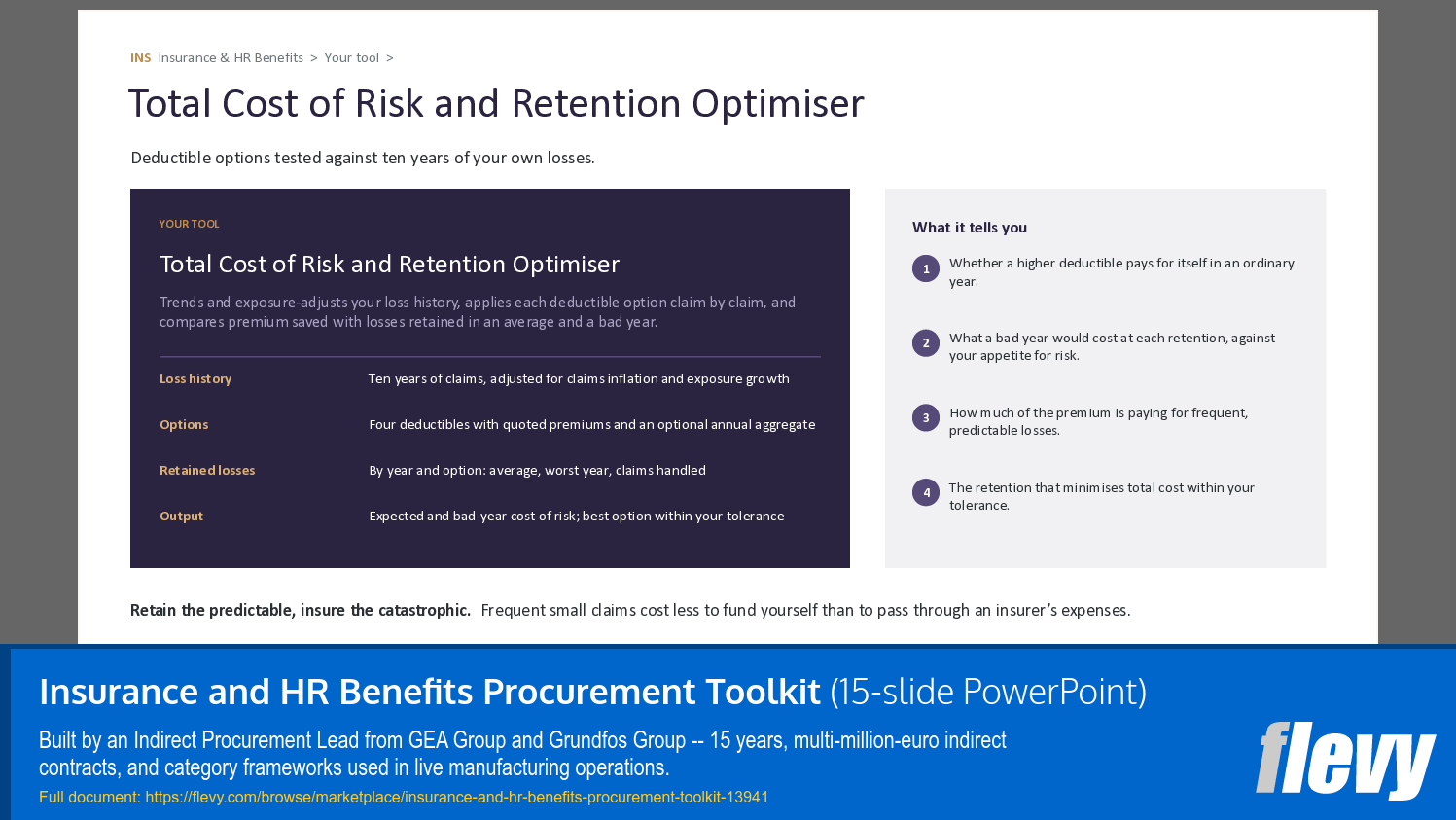
- Choose deductibles on total cost of risk: ten years of your own losses, adjusted for inflation and exposure, tested against each option in an average and a bad year
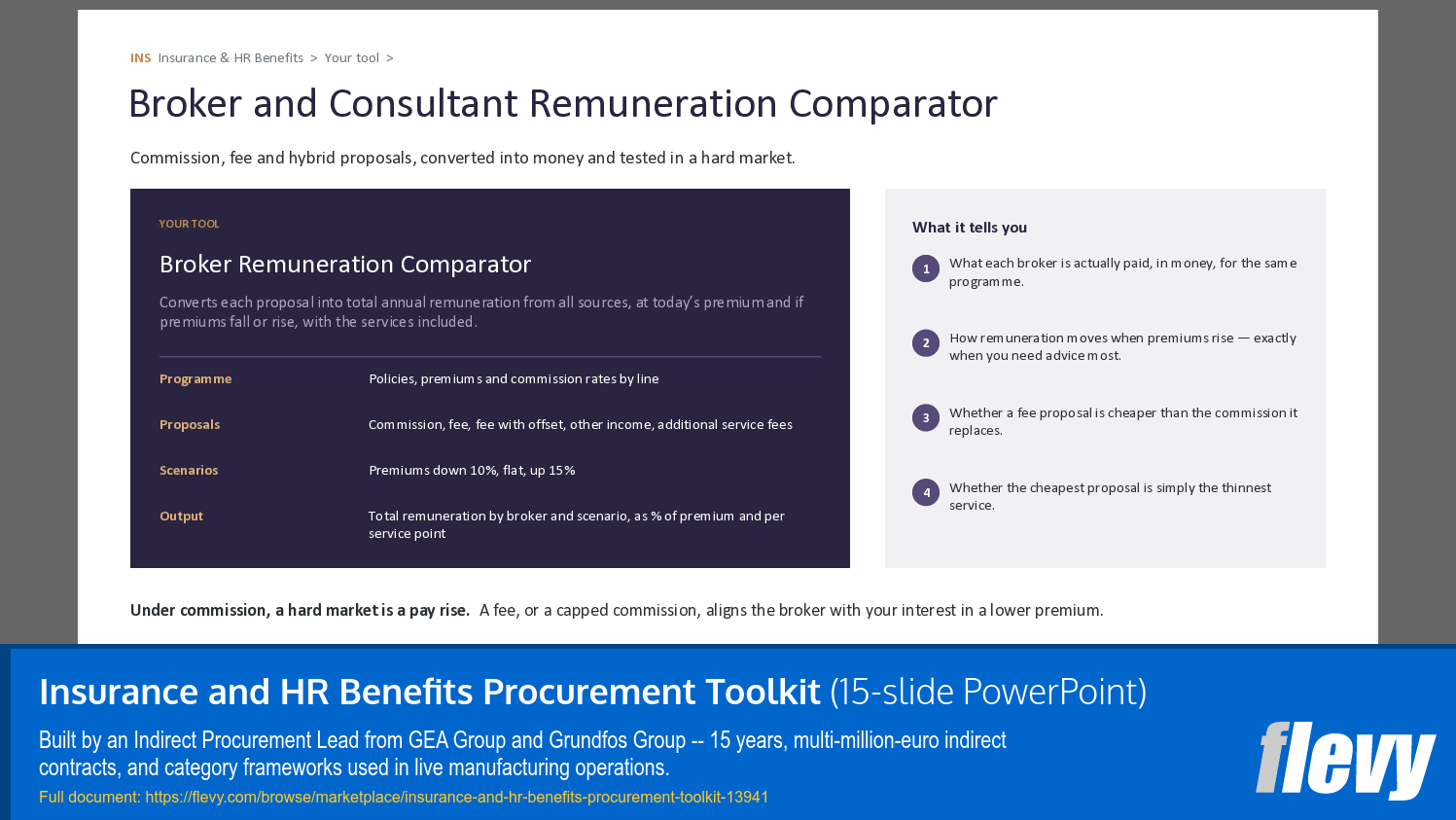
- Convert commission, fee and hybrid broker proposals into total remuneration from all sources, in money, and see what happens to it in a hard market
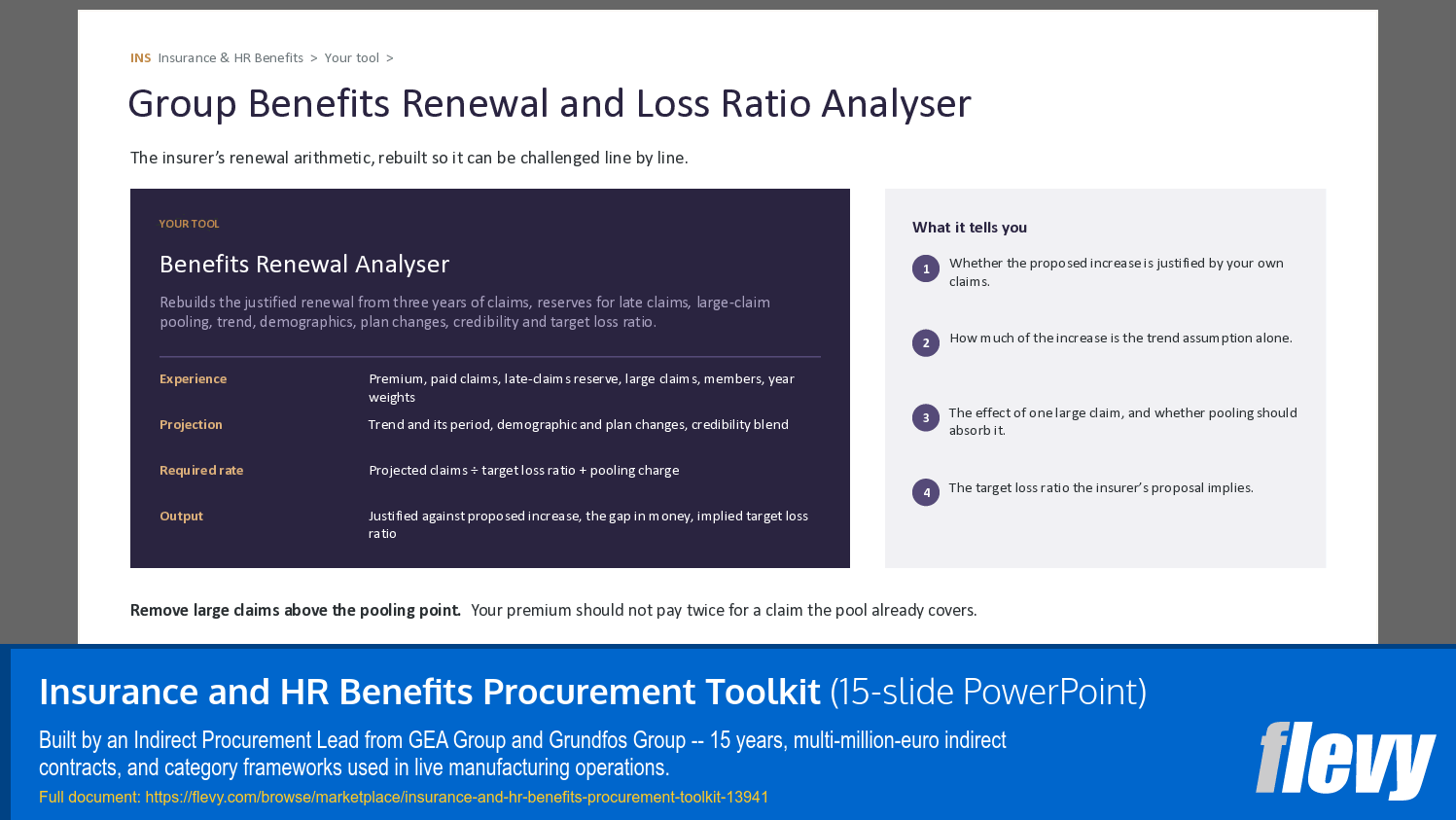
- Rebuild a group benefits renewal from claims, late-claims reserves, pooling, trend, credibility and target loss ratio, and challenge the proposed increase line by line
PROCUREMENT STRATEGY PPT TEMPLATE DESCRIPTION
Insurance and employee benefits are bought through intermediaries, priced on your own data and renewed against a deadline. Procurement's leverage is in all three – and rarely in the premium itself.
An approach borrowed from goods categories – tender the policy, push the price – misreads how these markets work. Underwriters price uncertainty, so the quality and timing of the submission is a pricing lever. Programme structure – retentions, aggregates, funding model, pooling – changes cost more than negotiation does. And the intermediary who advises you may be paid by the insurers you are buying from. If you do not know how your broker is paid, you do not know who your broker works for.
THE SEQUENCE THIS PACK IS BUILT ON
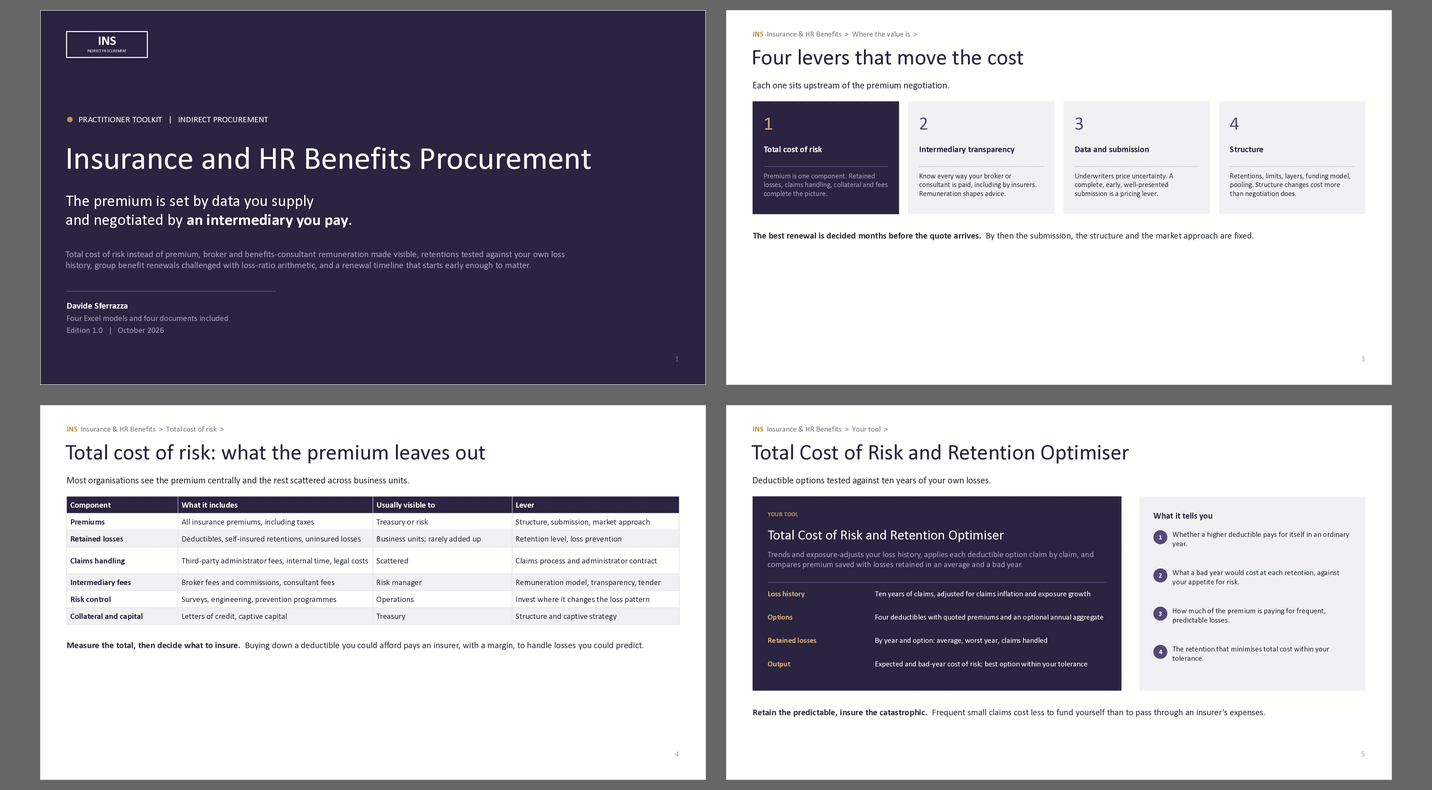
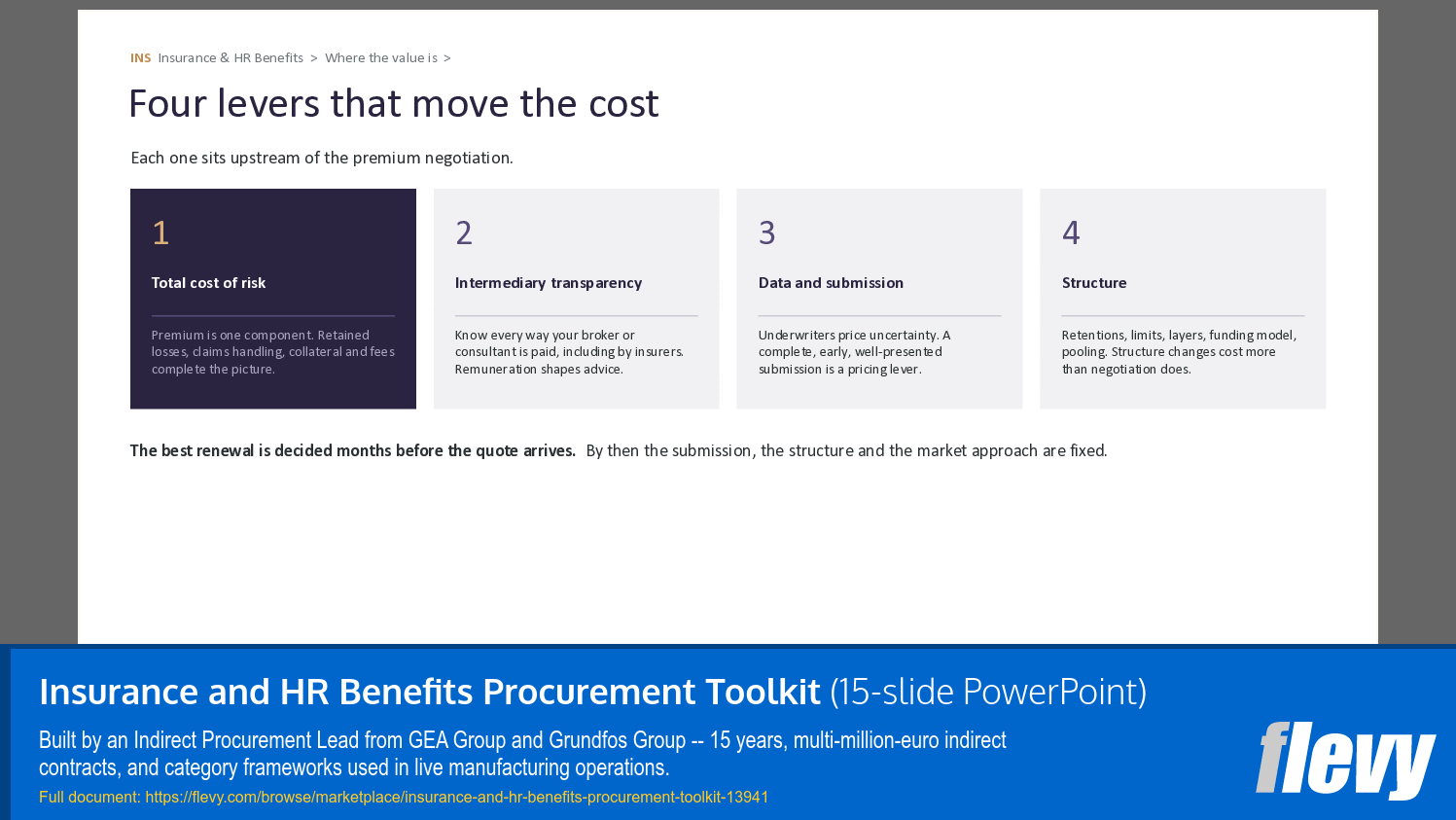
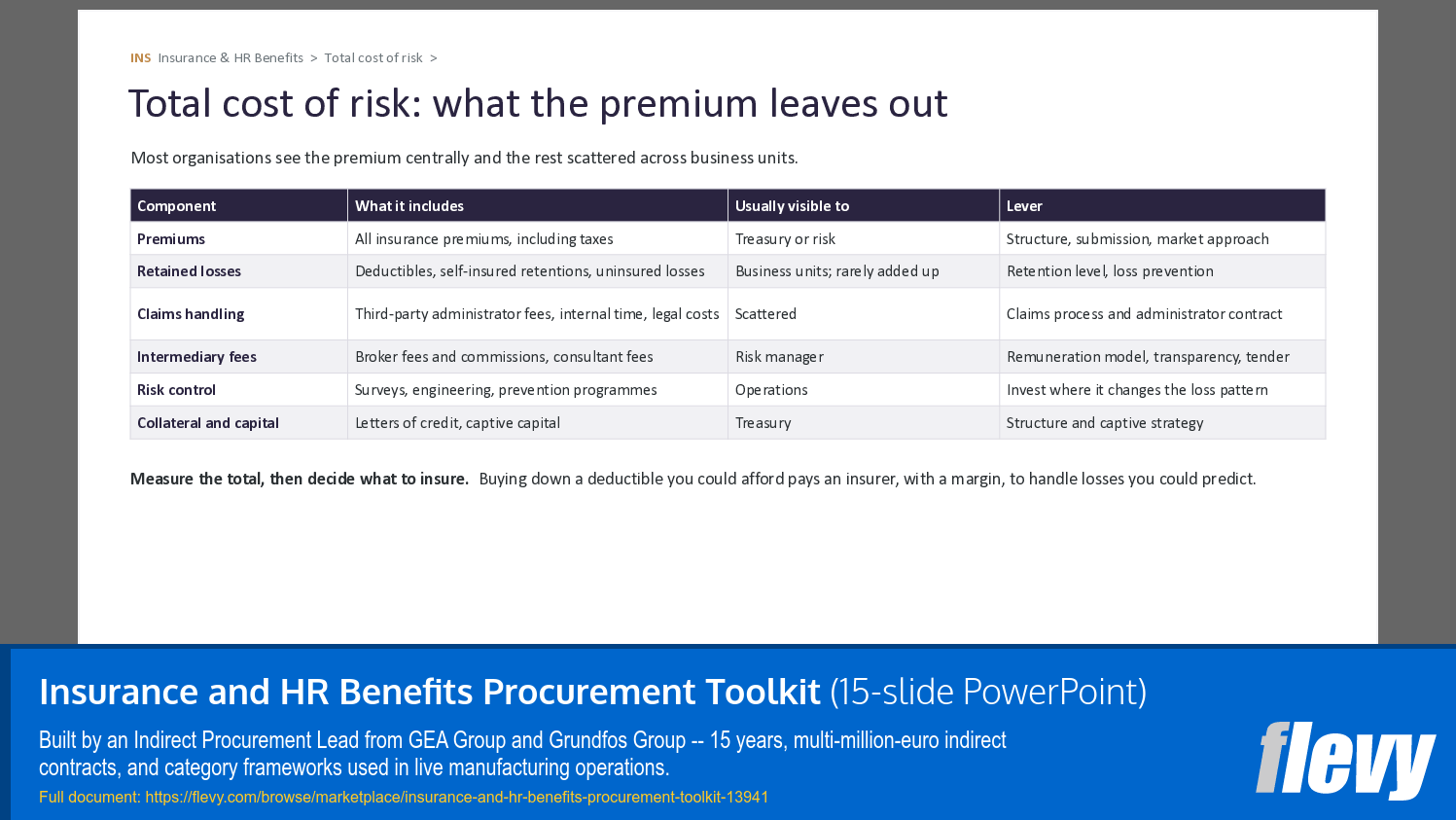
Four levers, all upstream of the premium. Total cost of risk: premiums plus retained losses, claims handling, fees and collateral. Intermediary transparency: every source of remuneration, in money. Data and submission: complete, early and well presented. Structure: retain the predictable, insure the catastrophic.
WHAT IS INCLUDED
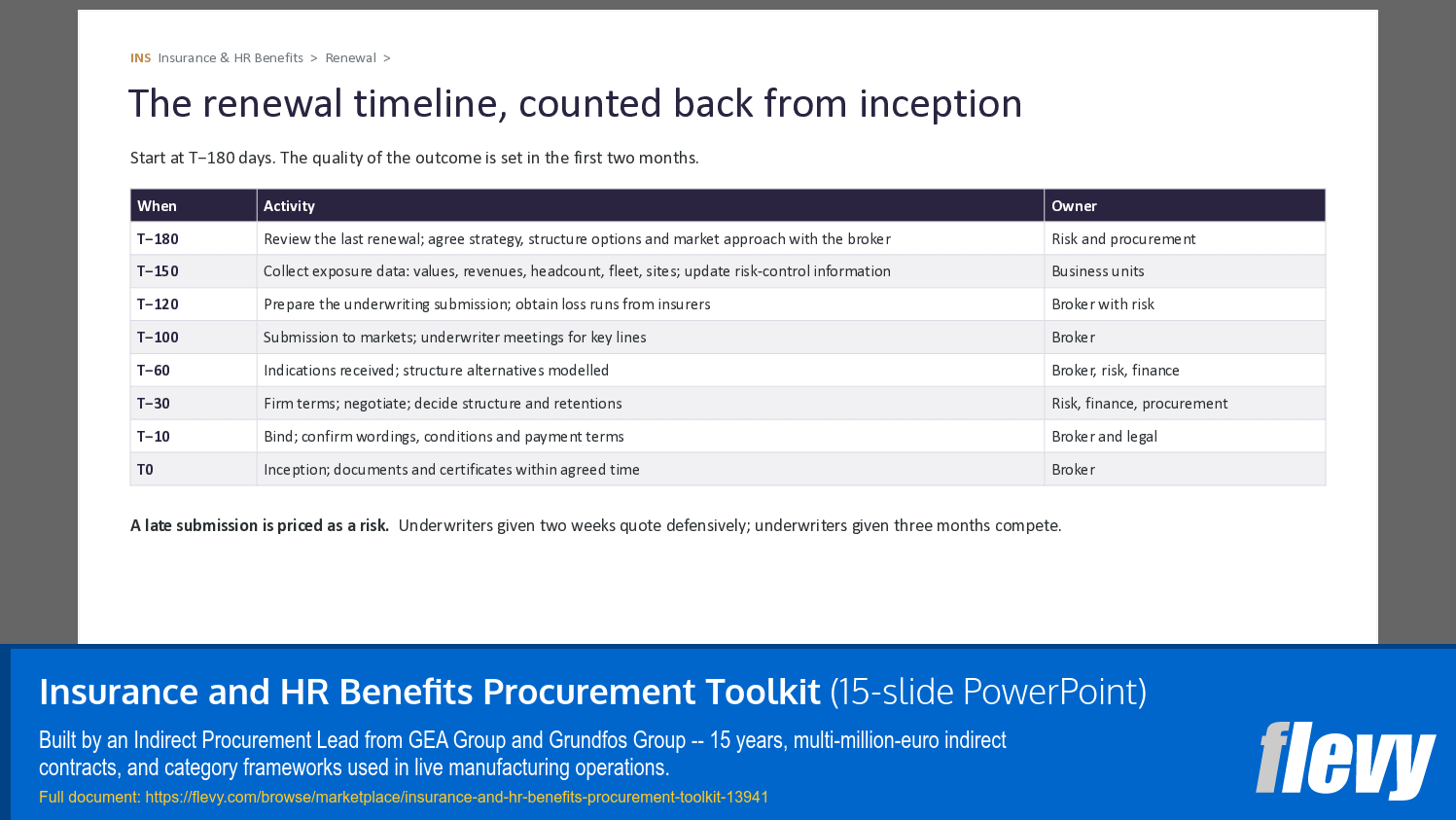
Primary document – a 14-slide guide covering total cost of risk, retention decisions, five ways intermediaries are paid and what to watch for, a renewal timeline counted back from T-180 days, group benefits funding models and what drives a renewal, tendering the broker or benefits consultant, data protection for benefits data, and a hundred-day plan.
Four Excel models, all unlocked with live formulas and a worked example:
Total Cost of Risk and Retention Optimiser – ten years of claims adjusted for claims inflation and exposure, four deductible options with optional annual aggregates, retained losses by year, average and worst year, expected and bad-year total cost of risk, and the best option within your risk tolerance.
Broker and Consultant Remuneration Comparator – a six-line programme and three proposals (commission, fee net of commission, fee with commission offset), other insurer income included, remuneration in money and as a share of premium with premiums down 10 per cent, flat and up 15 per cent, and cost per service point.
Group Benefits Renewal and Loss Ratio Analyser – three years of experience with late-claims reserves and large claims removed above the pooling point, weighted projection with trend, demographic and plan changes, credibility blend with the manual rate, required premium at the target loss ratio, justified versus proposed increase, the difference in money and the target loss ratio the proposal implies.
Insurance Programme Register and Renewal Calendar – every policy with T-180, T-120 and T-60 milestones, days to expiry, status, and premium and commission by intermediary.
Four documents: a Broker and Benefits Consultant RFP Template; an Intermediary Remuneration Disclosure Questionnaire with ten questions and a summary table; an Insurance Renewal Playbook; and an Employee Benefits Procurement Guide covering funding models, renewal challenge, consultants and data protection.
WHO IT IS FOR
Procurement professionals given insurance or benefits as a category for the first time. Risk managers and treasury teams who buy insurance. HR and reward teams responsible for group benefits. Finance leaders who want to understand the total cost of risk. Consultants reviewing an insurance or benefits programme.
WHAT THIS IS NOT
It is not insurance, actuarial, legal or tax advice, and it does not recommend insurers or brokers. The worked examples use illustrative figures, including commission rates, which vary by market and line. It is the commercial framework that lets you ask the right questions of the specialists you rely on.
Got a question about the product? Email us at support@flevy.com or ask the author directly by using the "Ask the Author a Question" form. If you cannot view the preview above this document description, go here to view the large preview instead.
Source: Best Practices in Procurement Strategy, Insurance PowerPoint Slides: Insurance and HR Benefits Procurement Toolkit PowerPoint (PPTX) Presentation Slide Deck, Davide Sferrazza
ABOUT THE AUTHOR

Indirect Procurement Lead, with 15 years spent in the categories most organisations manage least well: MRO, facilities, utilities and energy, marketing services, IT and software, professional services, logistics and CapEx.
That career has been inside manufacturing groups -- Pavan (GEA Group) and DAB Pumps (Grundfos Group) -- leading procurement transformation projects, negotiating
... [read more]
Ask the Author a Question
You must be logged in to contact the author.