
 Click main image to view in full screen. Unlock all 12 preview images:
Increasing Occupational, Health & Safety in Workplace – PowerPoint PPTX Template
PowerPoint (PPTX) 85 Slides


BENEFITS OF THIS DOWNLOADABLE POWERPOINT DOCUMENT
- Provide a framework of Occupational, Health & Safety in Workplace for Increasing Productivity
- Provide a OHS Laws & Regulation Perspective
- Provide a complete benchmark Laws & Regulation Perspective in Indonesia
WORKPLACE SAFETY PPT TEMPLATE DESCRIPTION
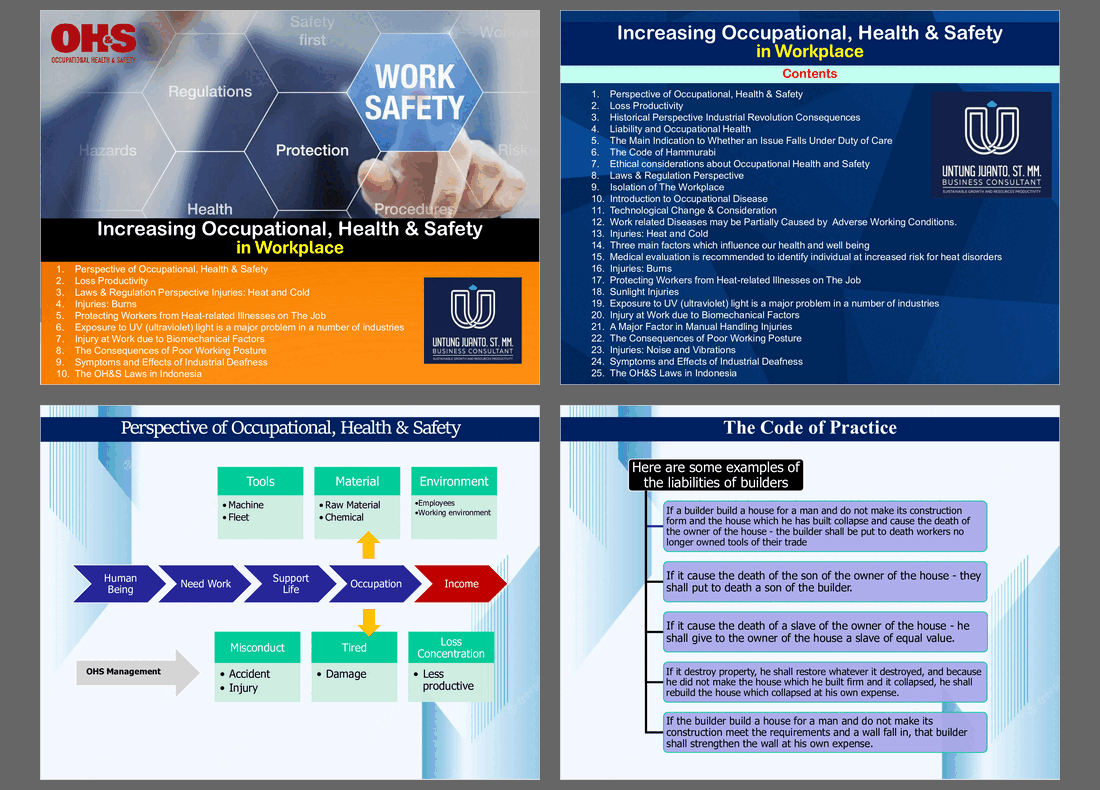
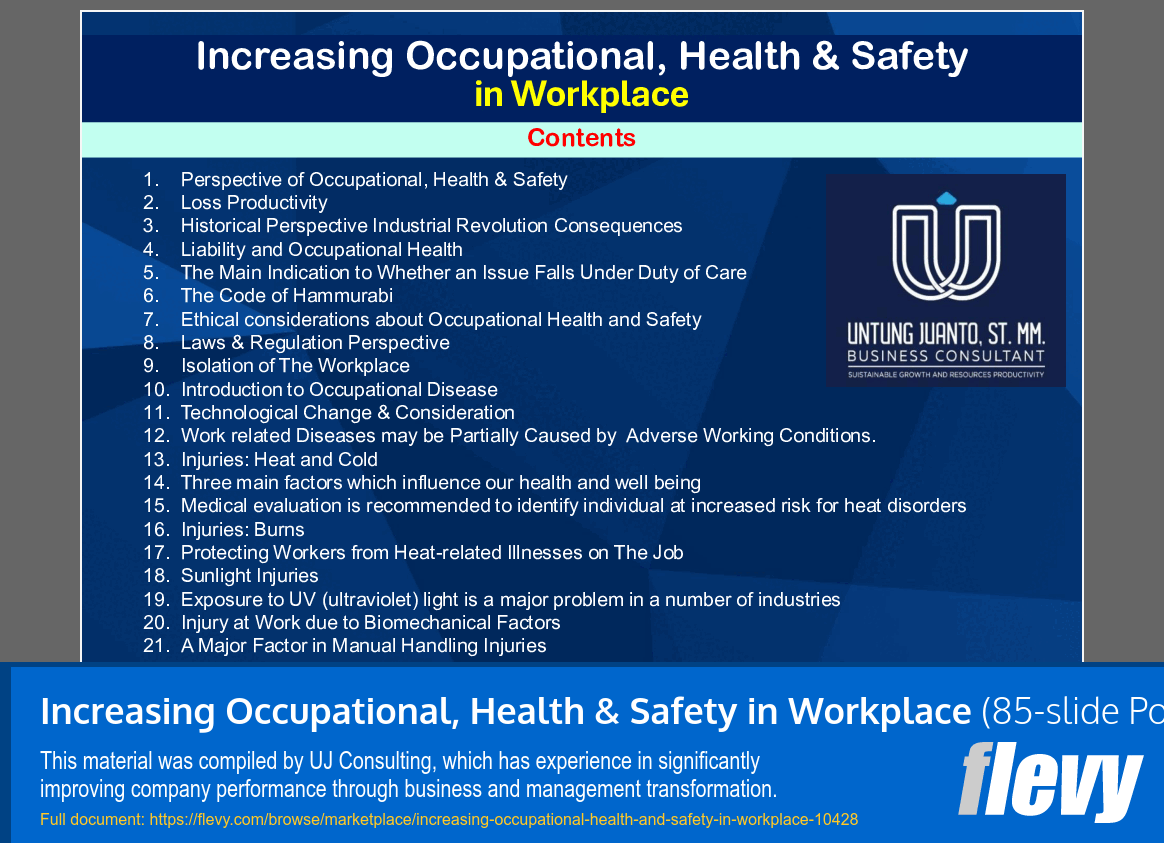
Increasing Occupational, Health & Safety in Workplace
Contents
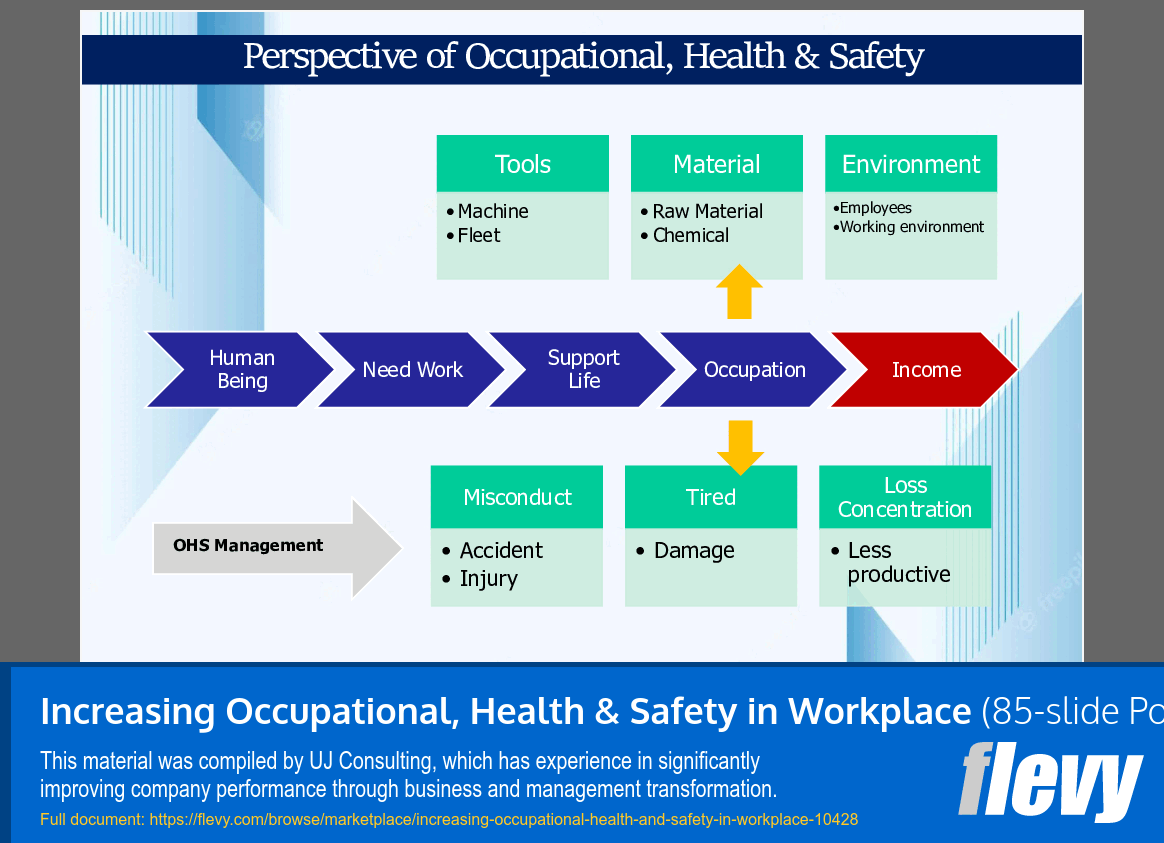
1. Perspective of Occupational, Health & Safety
2. Loss Productivity
3. Historical Perspective Industrial Revolution Consequences
4. Liability and Occupational Health
5. The Main Indication to Whether an Issue Falls Under Duty of Care
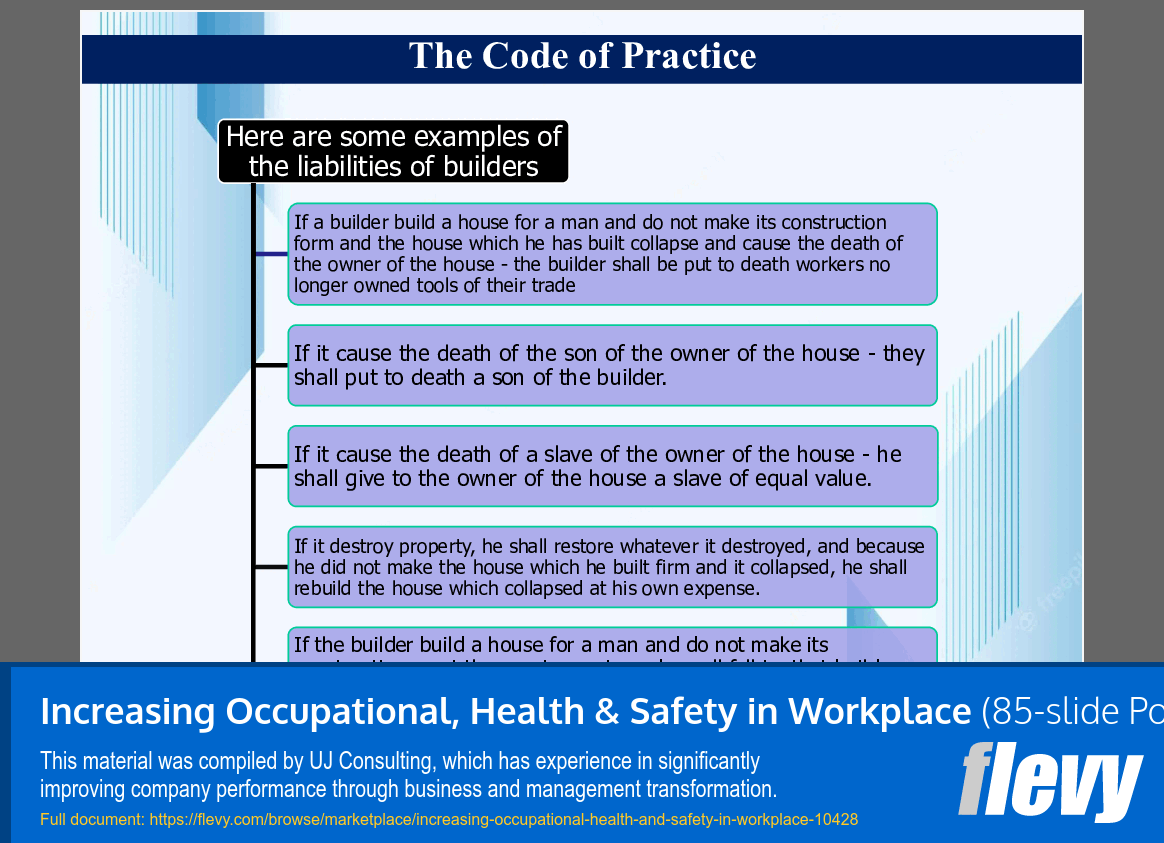
6. The Code of Hammurabi
7. Ethical considerations about Occupational Health and Safety
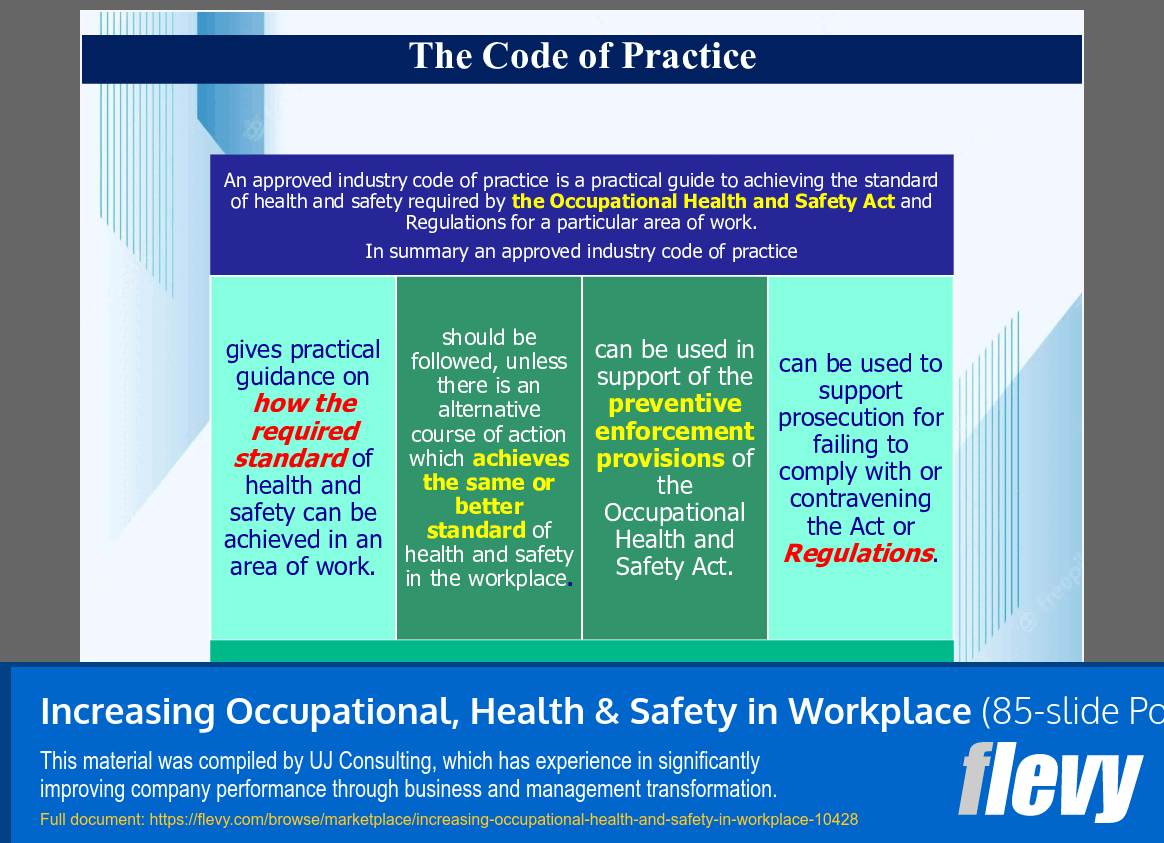
8. Laws & Regulation Perspective
9. Isolation of The Workplace
10. Introduction to Occupational Disease
11. Technological Change & Consideration
12. Work related Diseases may be Partially Caused by Adverse Working Conditions.
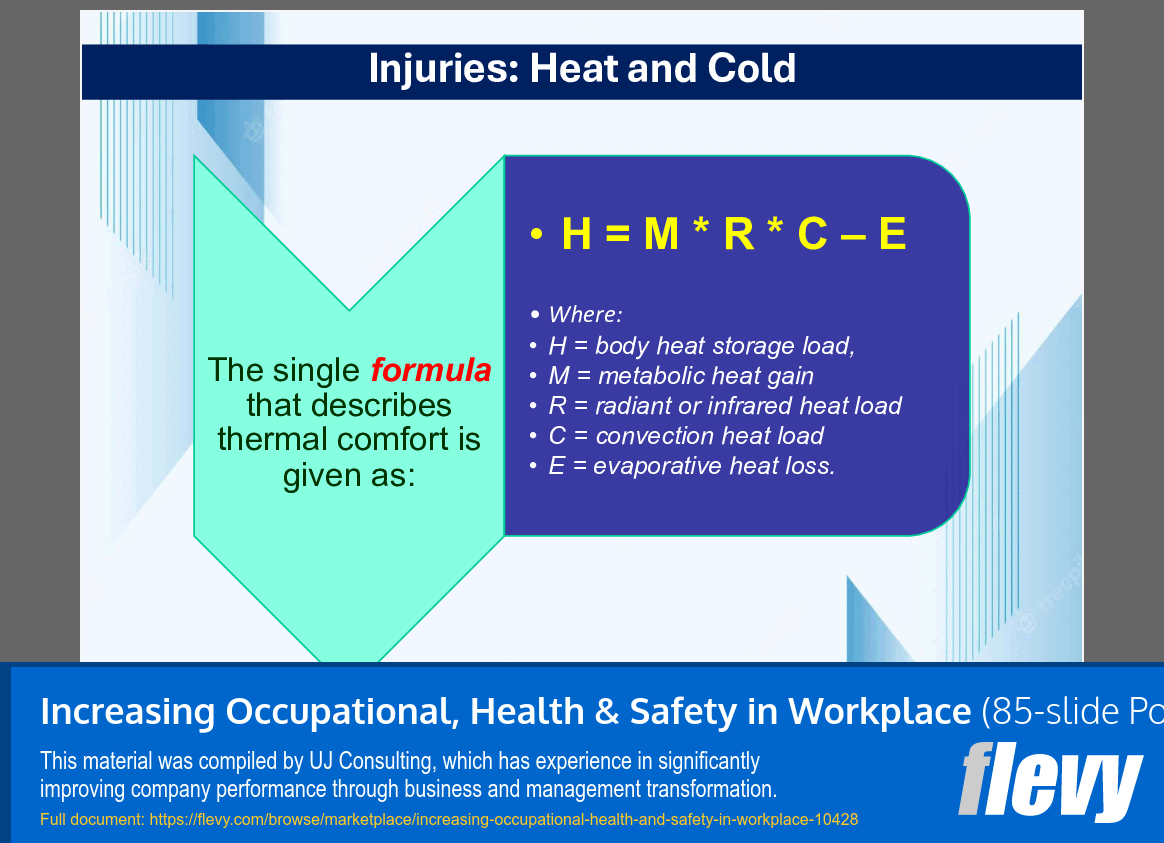
13. Injuries: Heat and Cold
14. Three main factors which influence our health and well being
15. Medical evaluation is recommended to identify individual at increased risk for heat disorders
16. Injuries: Burns
17. Protecting Workers from Heat-related Illnesses on The Job
18. Sunlight Injuries
19. Exposure to UV (ultraviolet) light is a major problem in a number of industries
20. Injury at Work due to Biomechanical Factors
21. A Major Factor in Manual Handling Injuries
22. The Consequences of Poor Working Posture
23. Injuries: Noise and Vibrations
24. Symptoms and Effects of Industrial Deafness
25. Laws & Regulation Perspective
OHS stands for Occupational Health and Safety, a field focused on protecting workers by preventing work-related injuries, illnesses, and ensuring a safe, healthy work environment through risk assessment, control measures, training, and compliance with standards like ISO 45001. It involves managing hazards (like noise, chemicals, heavy machinery) and promoting employee well-being, often falling under HSE (Health, Safety, Environment) departments in organizations.
Key Aspects of OHS
1. Hazard Identification & Risk Assessment: Identifying potential dangers and evaluating the risks they pose.
2. Control Measures: Implementing strategies to eliminate or reduce risks (e.g., safety equipment, safer procedures).
3. Health Surveillance: Monitoring employee health to detect issues early, especially in hazardous roles.
4, Training & Education: Providing workers with knowledge to work safely.
5. Incident Investigation: Analyzing accidents to prevent future occurrences.
6. Compliance: Meeting legal and industry standards (like ISO 45001).
Who Manages OHS?
1, OHS Professionals: Technicians, officers, or engineers trained in safety management.
2. HSE Departments: Often the organizational unit responsible for OHS.
3. All Employees: Required to follow safety procedures and practice self-regulation.
Why OHS Matters
1. Protects People: Prevents accidents, injuries, and illnesses.
2. Boosts Productivity: Safer environments lead to more efficient work.
3, Reduces Costs: Lowers expenses from accidents, claims, and downtime.
4. Improves Reputation: Enhances brand image and meets corporate social responsibility (CSR) goals.
Thank you,
UJ Consulting
Got a question about the product? Email us at support@flevy.com or ask the author directly by using the "Ask the Author a Question" form. If you cannot view the preview above this document description, go here to view the large preview instead.
Source: Best Practices in Workplace Safety, HSE PowerPoint Slides: Increasing Occupational, Health & Safety in Workplace PowerPoint (PPTX) Presentation Slide Deck, UJ Consulting _ Strategy-Insight-Impact
ABOUT THE AUTHOR

UJ Consulting | Strategy • Insight • Impact
UJ Consulting is an executive management consulting and business transformation practice founded by Untung Juanto, ST., MM., a senior executive, consultant, and transformation practitioner with more than 25 years of professional experience across local and multinational companies and diverse industries.
His career progressed from frontline
... [read more]
Ask the Author a Question
You must be logged in to contact the author.