
 Click main image to view in full screen. Unlock all 12 preview images:
HVAC Services Financial Forecast Model – Excel XLSX
Excel (XLSX)


BENEFITS OF THIS DOWNLOADABLE EXCEL DOCUMENT
- Provides a framework for building accurate financial projections tailored to HVAC service operations, including installations, repairs, and maintenance.
- Enables HVAC business owners to evaluate profitability, manage cash flow, and plan for staffing, capital expenditures, and growth milestones.
- Supports investor presentations and loan applications with professional-grade financial statements and scenario-based analysis.
INTEGRATED FINANCIAL MODEL EXCEL DESCRIPTION
This financial model is meticulously designed to analyze and forecast the financial performance of a residential/commercial HVAC services business, capturing key revenue and cost drivers specific to the home-services and field-services industry. It focuses on revenue streams derived from Installation, Service/Repair, and Maintenance operations, supported by both Labor Revenue and Material Revenue. The model incorporates technician capacity planning, billable-hour forecasting, technician ramp-up profiles, service-line revenue mix, material margins, and operational friction factors—ensuring realistic projections tailored to the dynamics of HVAC business operations.
The model delivers a 5-year forecast horizon (60 months) and contains both detailed monthly projections and annual summaries. It integrates assumptions for total technician available hours, non-billable friction (travel, dispatch, admin, callbacks, idle time), ramp-up productivity for new hires, and revenue generation per billable hour. This ensures that revenue and cost forecasts accurately reflect real-world field operations, technician efficiency, labor pricing, and material sales associated with HVAC jobs.
This financial model serves as an essential resource for internal planning, pricing strategies, hiring decisions, investor presentations, loan applications, and operational budgeting specifically tailored for HVAC companies.
Model Structure – 5 Main Sections
1. Cover Section
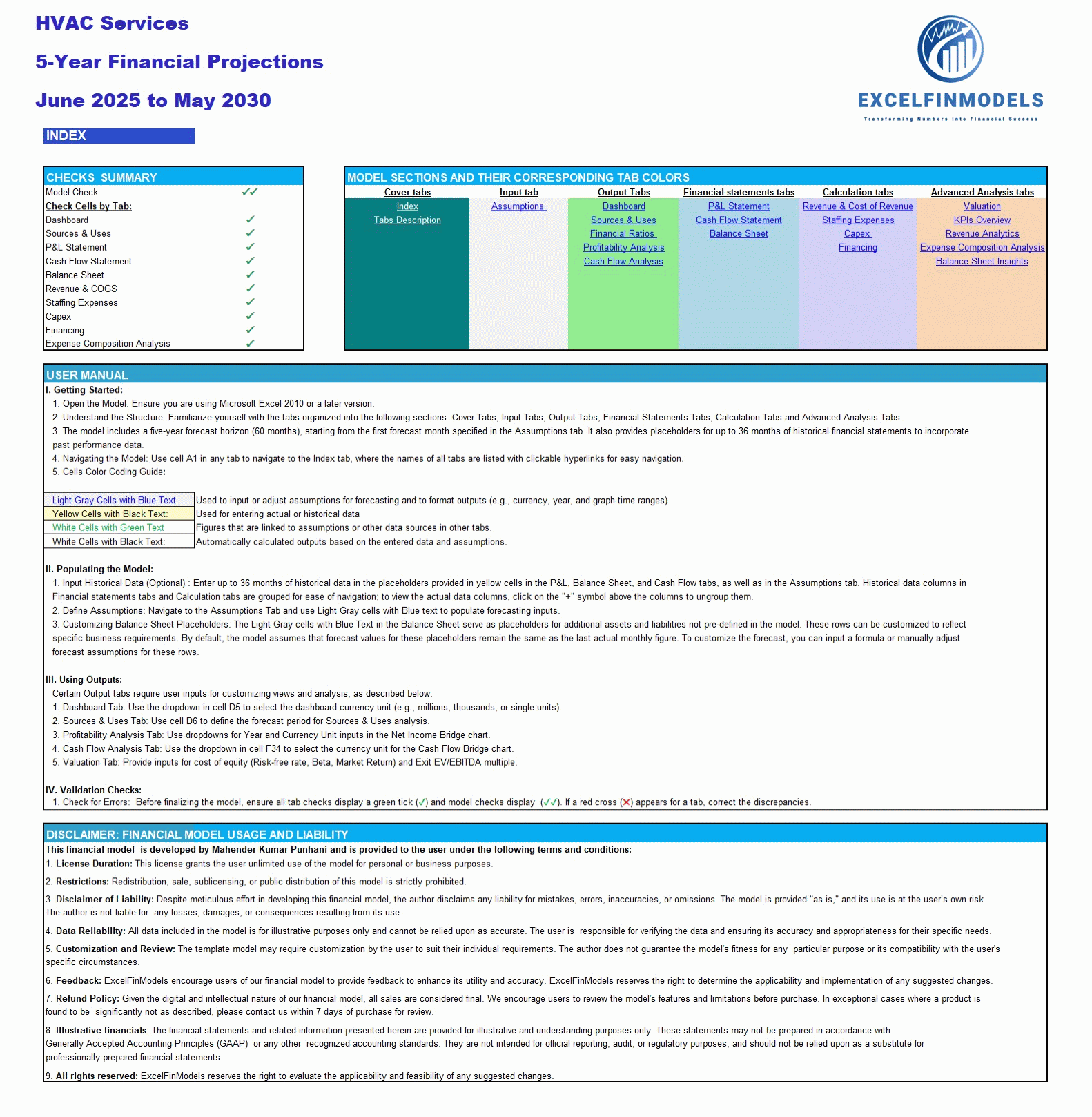
• Index showing all model sections and their corresponding tab colors
• Summary of validation checks across the workbook
• Cell color-coding guidelines for assumptions, formulas, links, and outputs
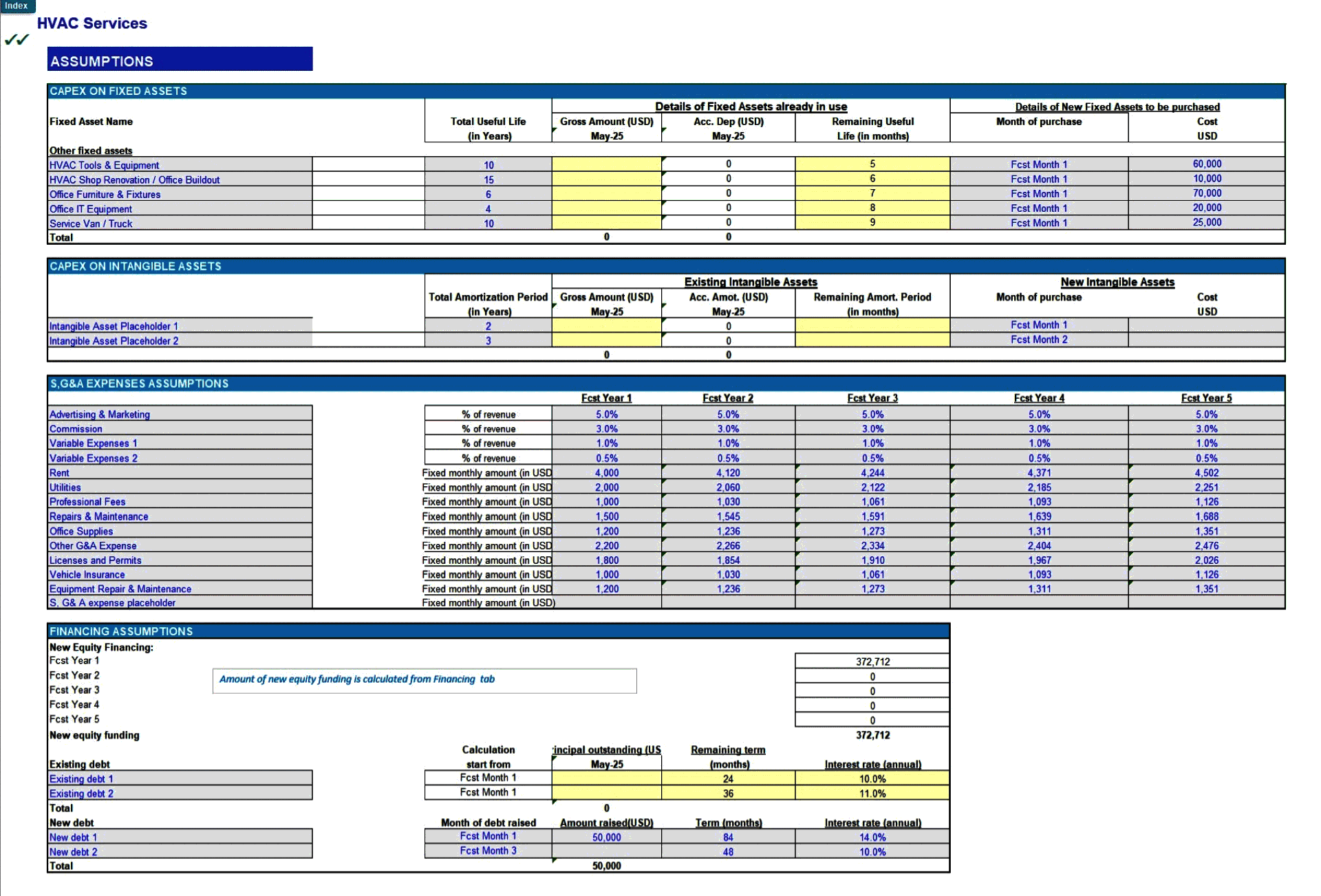
2. Input Section (Assumptions Tab)
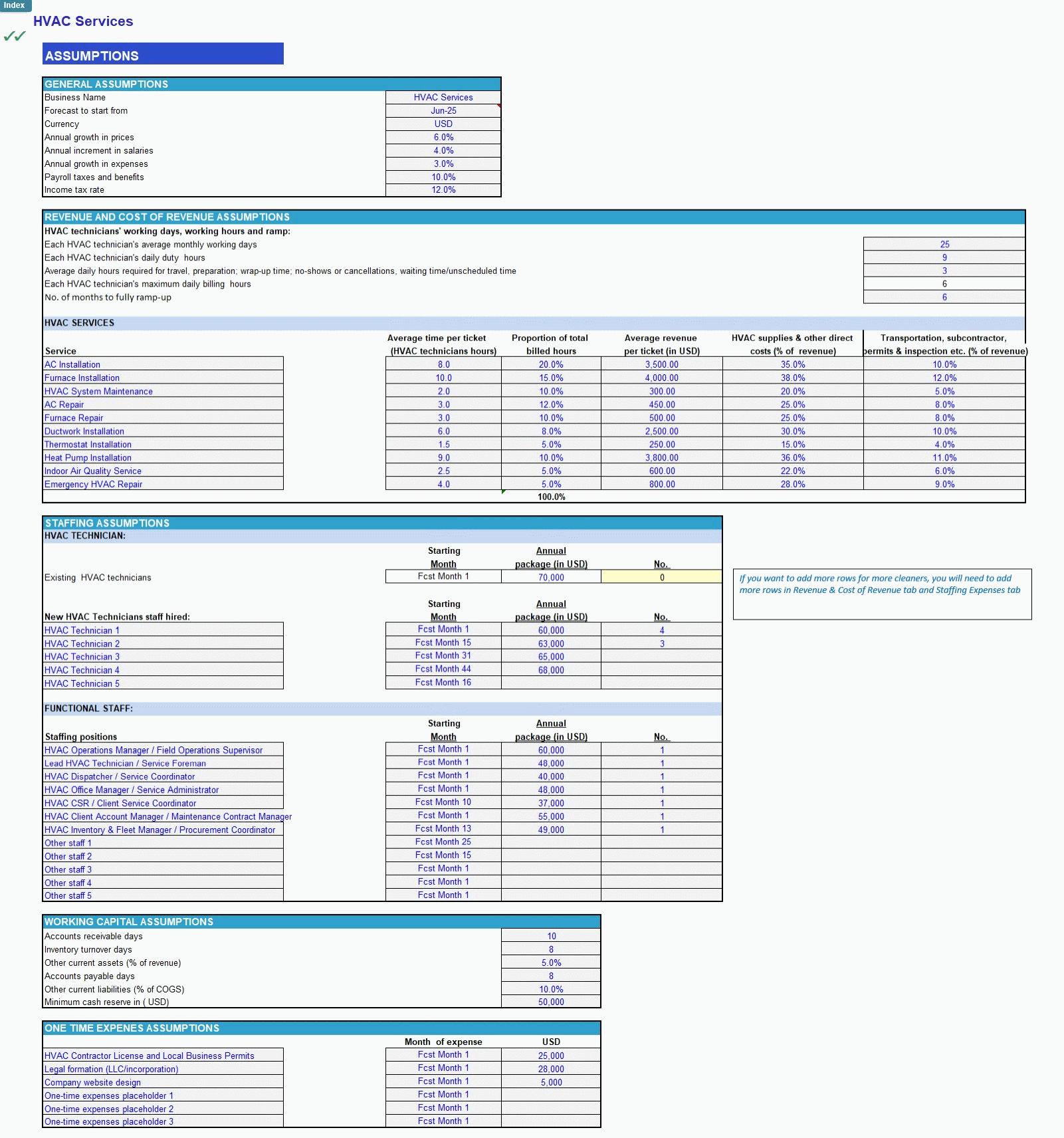
All inputs are consolidated into a single, user-friendly tab, with assumption cells highlighted in Light Gray with Blue Text. Key areas include:
• Revenue Assumptions:
• Service line segmentation: Installation, Service/Repair, Maintenance
• Labor hourly bill rates by service line
• Material revenue as % of labor revenue
• Material margin by service line
• Productivity assumptions for billable vs non-billable hours
• Billable hours allocation mix across service lines
• Technician & Operational Assumptions:
• Technician hiring schedule (multiple hiring events supported)
• Total available hours per technician per month
• Non-billable hour categories (travel, admin, inefficiencies, callbacks, market friction)
• Technician ramp-up curve
• General Assumptions:
• Business name, start date, reporting currency
• Inflation factors for wages, material cost, and bill rates
• Corporate tax rate etc.
• Cost of Revenue Assumptions:
• Technician wage rate
• Payroll taxes and benefits
• Commission rates by service line
• Material cost ratios
• S,G&A Expenses:
• Administrative salaries and benefits
• Rent, utilities, software, insurance, fuel/vehicle costs
• Marketing and overheads
• Subscriptions, licensing, training
• CapEx Assumptions:
• Vehicles, tools, machinery, office equipment
• Depreciation schedules
• Replacement cycles for equipment
• Working Capital Assumptions:
• Accounts receivable days
• Accounts payable days
• Inventory turnover
• Minimum cash reserves
• Financing & One-Time Expenses:
• Loan terms, interest rates, amortization
• Equity injections
• Start-up expenses such as branding, licensing, and initial marketing
3. Output Tabs Section
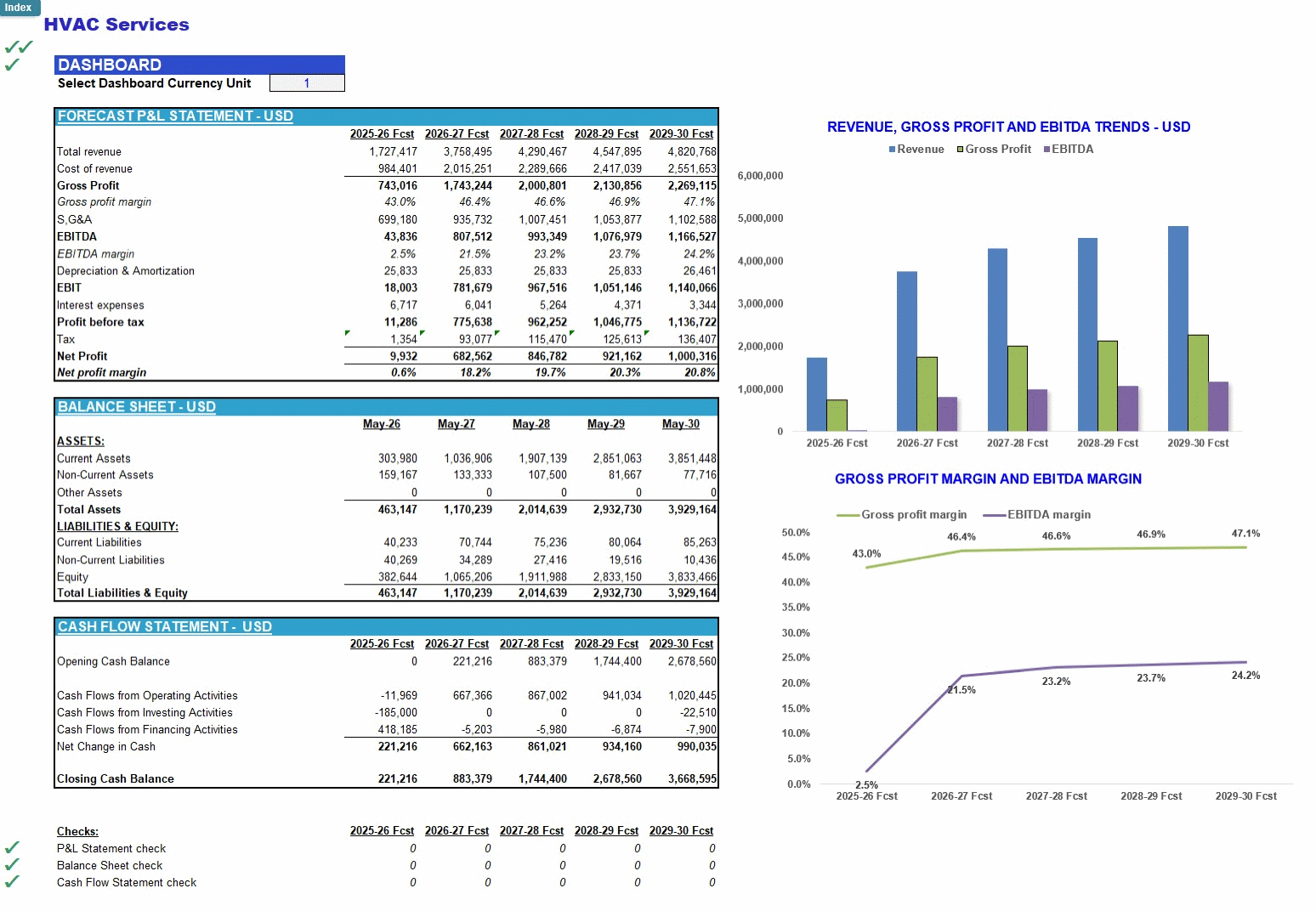
• Dashboard: Key financial graphs, KPIs, and snapshot statements (revenue, margins, billable hours, utilization, labor efficiency, revenue per technician, EBITDA trends)
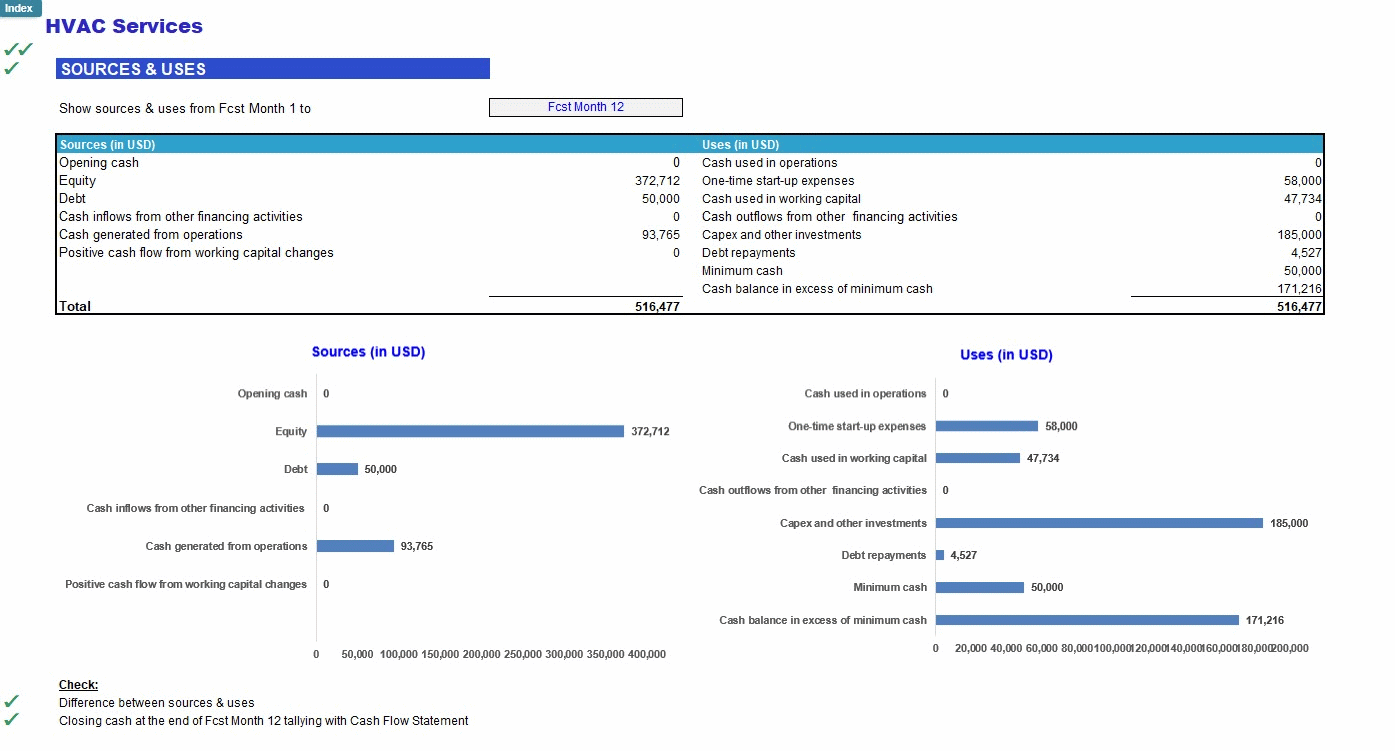
• Sources & Uses: Breakdown of equity and debt used for startup funding, working capital, CapEx, and reserves
• Valuation: Discounted cash flow (DCF) valuation with sensitivity analysis (discount rate, utilization, wage inflation, pricing changes)
4. Financial Statements Section
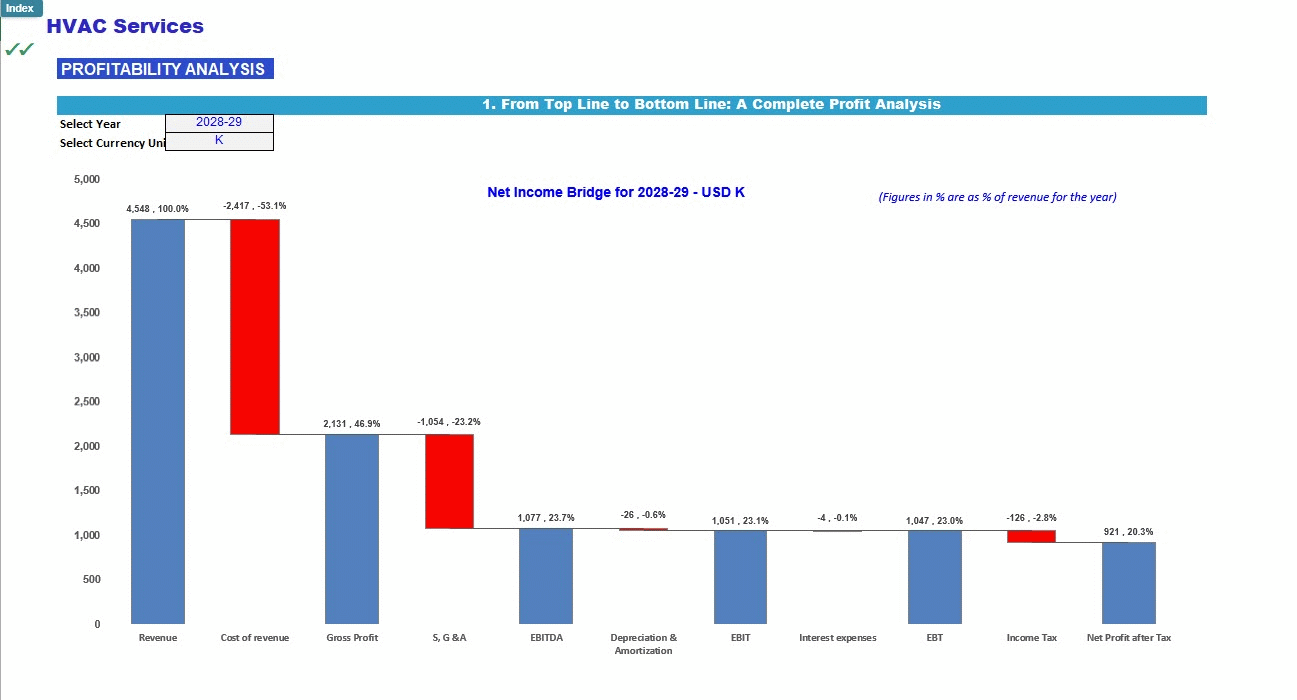
• Profit & Loss Statement
• Cash Flow Statement
• Balance Sheet
5. Calculations Section
• Technician available hours, ramp-adjusted hours, and billable hours
• Allocation of billable hours across service lines
• Labor revenue, material revenue, and gross profit computation
• Technician wage, payroll tax, and commission calculations
• SG&A overhead calculations
• Depreciation and loan amortization schedules
Technical Specifications
• No VBA or Macros: Fully transparent and compatible
• Circular Reference-Free: Stable and reliable
• Excel Compatibility: Works with Microsoft Excel 2010 and later versions
Validation Checks
Built-in validation checks ensure accuracy across the model. Each major tab contains local validation flags, and the Index tab consolidates all checks for quick review.
• Green ticks (✓) indicate correct and consistent logic
• Red crosses (✗) indicate areas requiring input or correction
Why Choose This Model?
This financial model is specifically designed for HVAC service businesses, delivering accuracy, transparency, and flexibility for financial decision-making. Whether your focus is internal planning, technician capacity management, pricing strategies, lender reporting, investor outreach, or valuation, this model provides the essential analytical framework to support sound strategic decisions.
For tailored solutions or technical support, our team is available to customize the model to your specific service lines, hiring plan, operational structure, or financing strategy.
Got a question about the product? Email us at support@flevy.com or ask the author directly by using the "Ask the Author a Question" form. If you cannot view the preview above this document description, go here to view the large preview instead.
Source: Best Practices in Integrated Financial Model Excel: HVAC Services Financial Forecast Model Excel (XLSX) Spreadsheet, ExcelFinModels
ABOUT THE AUTHOR

I am a finance professional with over 15 years of experience in financial modeling, analysis, planning, budgeting, and forecasting on various freelancing platforms. I have assisted over 500 start-ups and SMBs across diverse industries in securing over $1 billion in funding, internal planning, financial reporting, and strategy formulation. Additionally, I have provided services to numerous ... [read more]
Ask the Author a Question
You must be logged in to contact the author.




























