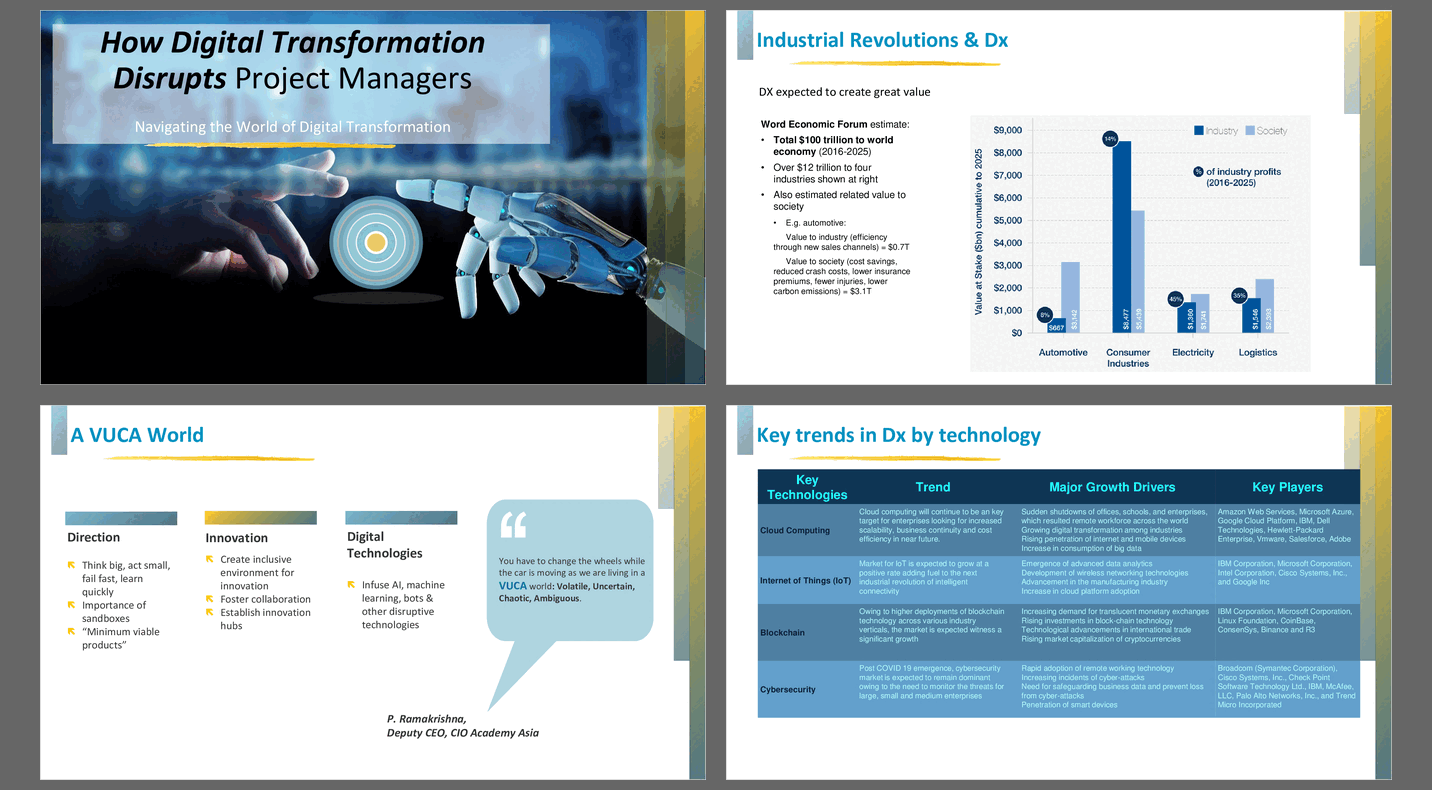

Digital transformation is hitting almost every segment of traditional businesses, and it is evident these days that the transformation is changing the Project Management profession.
This document is a 80-slide PowerPoint presentation that provides an in-depth understanding to how the digital transformation can disrupt Project Managers.
The purpose of the presentation is to provide you with :
• an overview of The Digital Transformation.
• an overview of The Internet Of Things.
• an overview of The Digital Disruption (D2) & their Adaptive Challenges.
• an understanding of The 7 Domains of DX & D2
• an understanding of the IoT/DX Impact on Project Management
• an understanding of how to Handling Change and Disruption
• a mindset of how to help in the transformation of the business processes to meet the rigors of the digital world.
• a mindset of how to help to help your company to move more swiftly, target customers more accurately, produce better products, and use technology to streamline every business process.
This document is easily customizable, content can be removed (or skipped over during presentation). Plenty of graphics are included in order to get the holistic vision of the interrelated systems.
Got a question about the product? Email us at support@flevy.com or ask the author directly by using the "Ask the Author a Question" form. If you cannot view the preview above this document description, go here to view the large preview instead.
Executive Summary
This presentation, titled "How Digital Transformation Disrupts Project Managers," explores the profound impact of digital transformation (DX) on project management practices. It provides insights into how emerging technologies like AI, IoT, and cloud computing are reshaping project management frameworks and roles. Developed by experts with extensive consulting backgrounds, this deck equips project managers with the knowledge to navigate the complexities of digital disruption, ensuring they can deliver business value while adapting to rapid changes in the digital landscape.
Who This Is For and When to Use
• Project Managers overseeing digital transformation initiatives
• Corporate Executives aiming to understand the implications of DX on project management
• Change Management Leaders facilitating organizational adaptation to new technologies
• Consultants advising clients on integrating digital tools into project workflows
Best-fit moments to use this deck:
• During strategic planning sessions focused on digital transformation
• In training workshops for project management teams adapting to new technologies
• At executive briefings on the impact of digital disruption on business operations
Learning Objectives
• Define digital transformation and its significance in project management
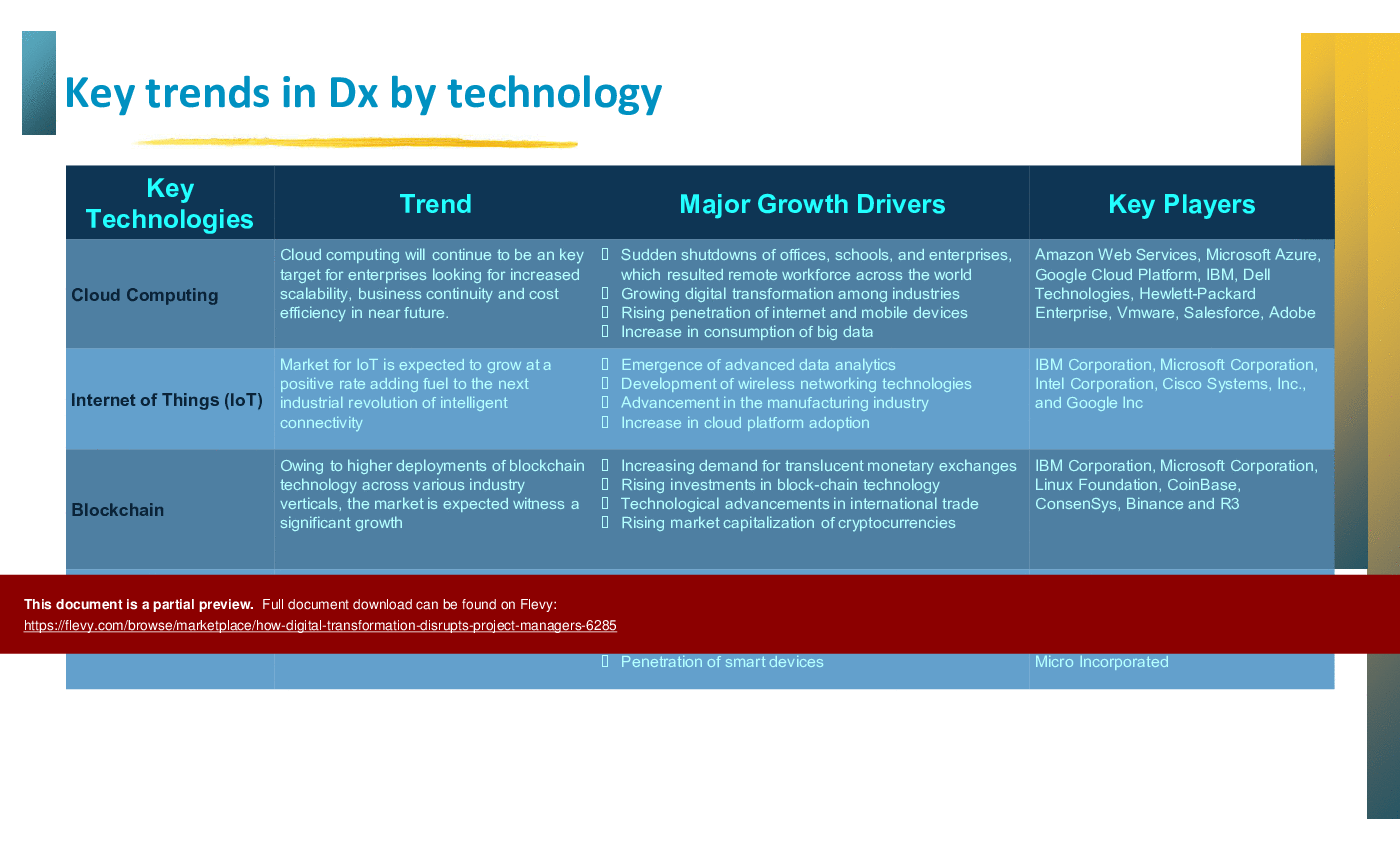
• Identify key technologies driving digital disruption and their implications for project managers
• Analyze the impact of IoT and AI on project management practices
• Develop strategies for managing change and disruption in project environments
• Create frameworks for integrating digital tools into project workflows
• Foster a culture of adaptability and continuous learning within project teams
Table of Contents
• Digital Transformation (DX) (page 2)
• Digital Disruption (D²) & Adaptive Challenges (page 3)
• Data, ML, AI and DX (page 4)
• The 7 Domains of DX & D² (page 5)
• IoT/DX Impact on Project Management (page 6)
• Handling Change and Disruption (page 7)
Primary Topics Covered
• Digital Transformation (DX) - The integration of digital technology into all areas of a business, fundamentally changing operations and value delivery.
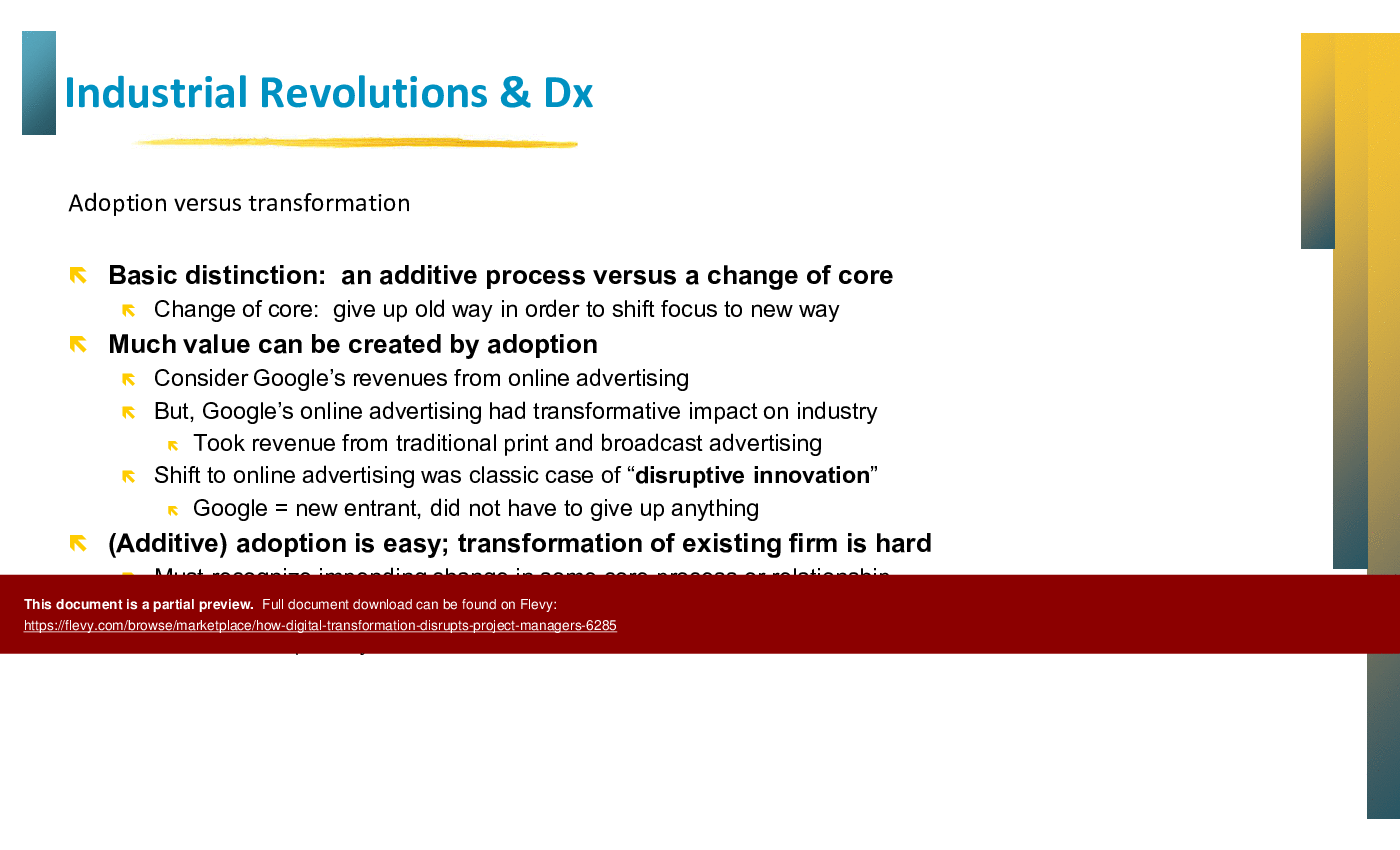
• Digital Disruption (D²) - Rapid, transformational change enabled by digital technologies, challenging existing business practices.
• Adaptive Challenges - Complex issues requiring learning and changes in values, attitudes, and behaviors to overcome.
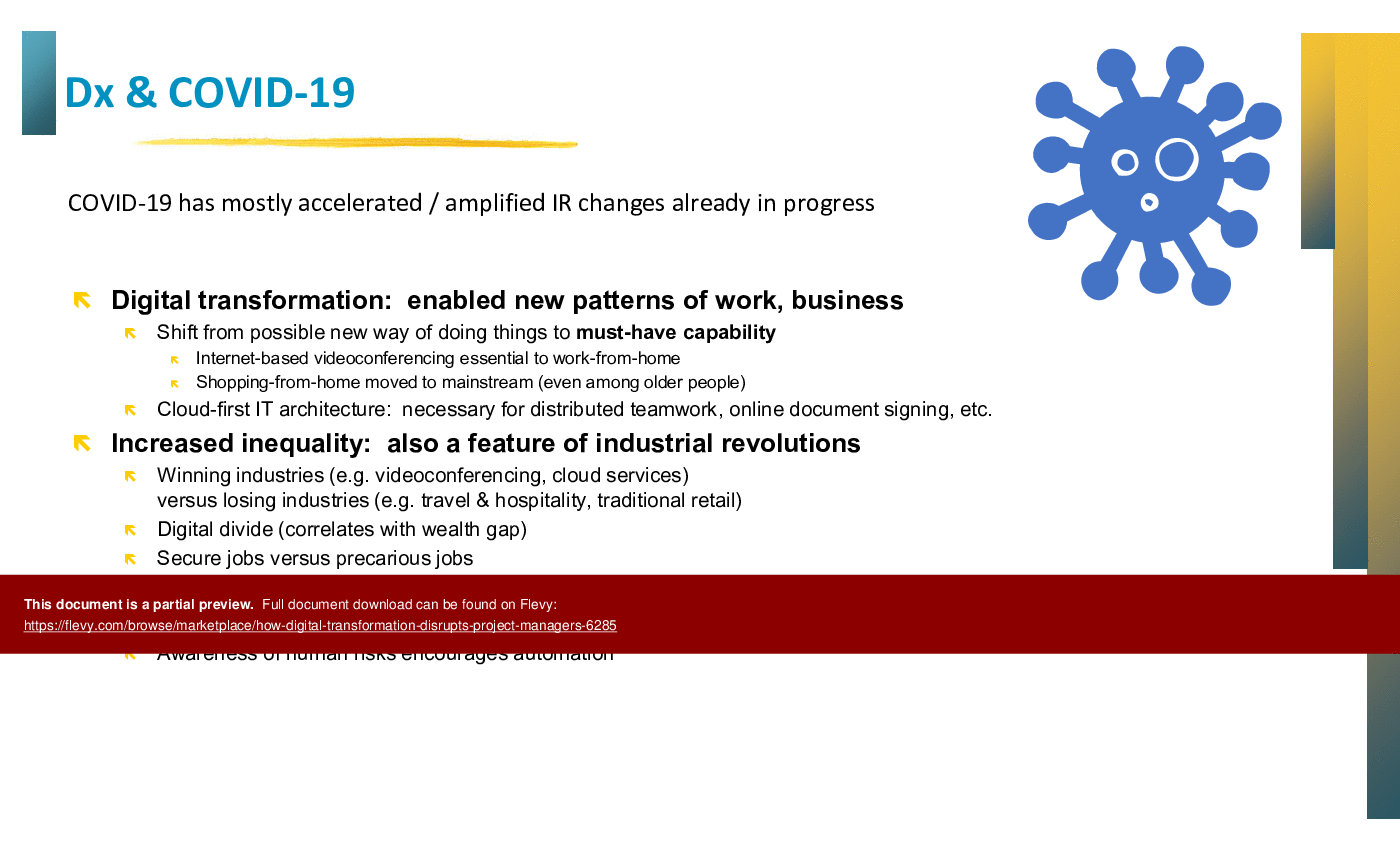
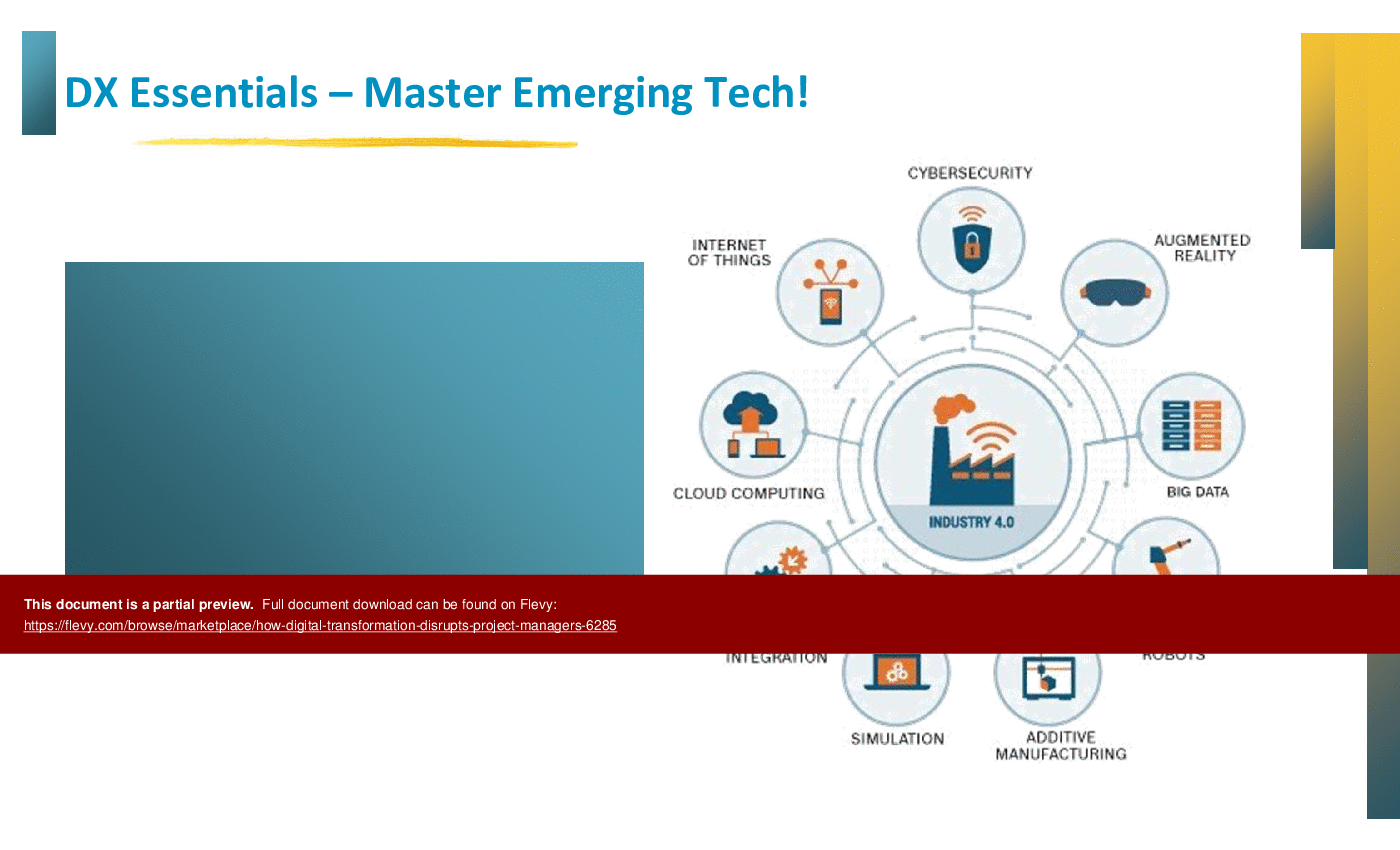
• Key Technologies - Exploration of AI, IoT, and cloud computing as critical enablers of digital transformation.
• Customer Transformation - Shifts in customer behavior and expectations driven by digital experiences.
• Data Utilization - Strategies for leveraging data as a strategic asset in project management.
Deliverables, Templates, and Tools
• Framework for integrating emerging technologies into project management processes
• Change management toolkit for navigating digital disruption
• Templates for assessing the impact of digital transformation on project workflows
• Guidelines for fostering a culture of innovation and adaptability within teams
• Best practices for utilizing data analytics in project decision-making
• Checklist for evaluating technology partners in digital transformation initiatives
Slide Highlights
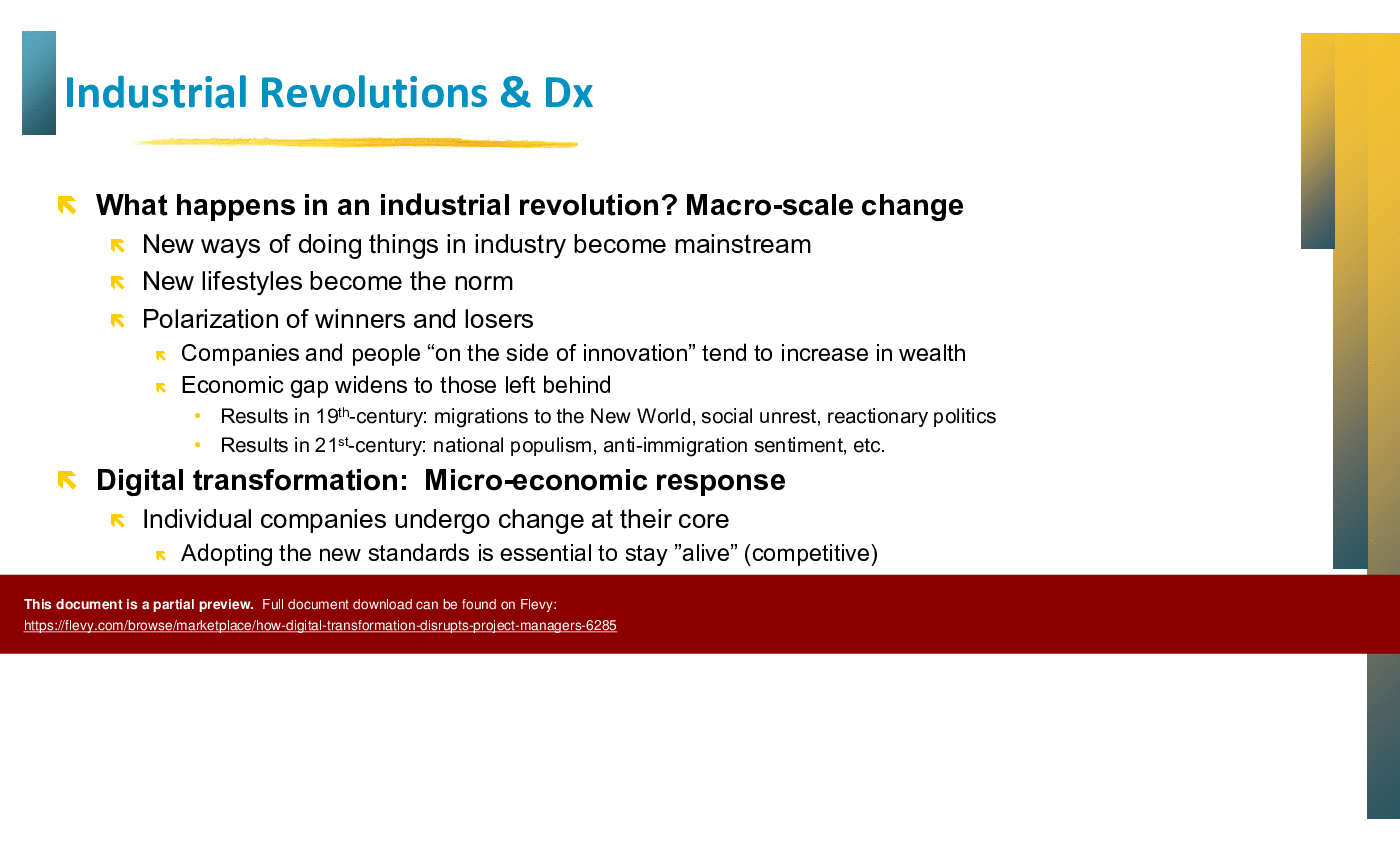
• Overview of the 4 industrial revolutions and their relevance to digital transformation
• Key statistics on the economic impact of digital transformation across industries
• Visual representation of the 7 domains of digital transformation and disruption
• Case studies illustrating successful digital transformation in project management
• Insights on the role of leadership in navigating digital disruption
Potential Workshop Agenda
Understanding Digital Transformation (60 minutes)
• Define digital transformation and its relevance to project management
• Discuss the implications of digital disruption on business practices
Technologies Driving Change (90 minutes)
• Explore key technologies such as AI, IoT, and cloud computing
• Analyze their impact on project management frameworks
Managing Change and Disruption (60 minutes)
• Develop strategies for addressing adaptive challenges in project environments
• Foster a culture of continuous learning and innovation
Customization Guidance
• Tailor the framework for integrating digital tools to align with specific organizational goals
• Adjust case studies and examples to reflect industry-specific challenges and opportunities
• Incorporate company-specific metrics and KPIs to measure the impact of digital transformation
Secondary Topics Covered
• The role of leadership in driving digital transformation
• Strategies for enhancing customer experiences through digital tools
• The importance of data management and analytics in project decision-making
• Challenges and opportunities presented by the Internet of Things (IoT)Document FAQ
These are questions addressed within this presentation.
What is digital transformation?
Digital transformation is the integration of digital technology into all areas of a business, fundamentally changing how operations and value are delivered.
How does digital disruption affect project management?
Digital disruption challenges existing project management practices, requiring adaptability and the integration of new technologies to remain competitive.
What are adaptive challenges?
Adaptive challenges are complex issues that require learning and changes in values, attitudes, and behaviors to overcome.
What technologies are driving digital transformation?
Key technologies include artificial intelligence (AI), the Internet of Things (IoT), and cloud computing, which enable new ways of operating and delivering value.
How can project managers prepare for digital disruption?
Project managers can prepare by developing skills in emerging technologies, fostering a culture of adaptability, and leveraging data analytics for decision-making.
What is the significance of customer transformation in DX?
Customer transformation emphasizes the shift in customer behavior and expectations driven by digital experiences, requiring businesses to adapt their strategies accordingly.
How can organizations measure the impact of digital transformation?
Organizations can measure impact through specific metrics and KPIs related to customer engagement, operational efficiency, and market share.
What role does leadership play in digital transformation?
Leadership is essential for driving digital transformation, guiding teams through change, and fostering a culture of innovation and adaptability.
Glossary
• Digital Transformation (DX) - Integration of digital technology into all business areas.
• Digital Disruption (D²) - Rapid change enabled by digital technologies.
• Adaptive Challenges - Complex issues requiring learning and behavioral changes.
• Artificial Intelligence (AI) - Technology simulating human intelligence processes.
• Internet of Things (IoT) - Network of physical objects connected to the internet.
• Cloud Computing - Delivery of computing services over the internet.
• Data Utilization - Leveraging data as a strategic asset.
• Customer Transformation - Changes in customer behavior driven by digital experiences.
• Change Management - Strategies for managing organizational change.
• Agile Methodology - Flexible project management approach emphasizing collaboration.
• Data Analytics - Techniques for analyzing data to inform decision-making.
• Innovation - Introduction of new ideas or methods.
• Leadership - Guiding and influencing teams toward achieving goals.
• Project Management - Planning, executing, and closing projects effectively.
• Stakeholder Engagement - Involving stakeholders in decision-making processes.
• Technology Adoption - Integrating new technologies into existing processes.
• Business Value - The benefit derived from business activities.
• Operational Efficiency - The ability to deliver products or services effectively.
• Market Share - The portion of a market controlled by a particular company.
• Continuous Learning - Ongoing development of skills and knowledge.
• Cultural Change - Transformation of organizational values and behaviors.
Source: Best Practices in Digital Transformation PowerPoint Slides: How Digital Transformation Disrupts Project Managers PowerPoint (PPTX) Presentation Slide Deck, RadVector Consulting
|
Download our FREE Digital Transformation Templates
Download our free compilation of 50+ Digital Transformation slides and templates. DX concepts covered include Digital Leadership, Digital Maturity, Digital Value Chain, Customer Experience, Customer Journey, RPA, etc. |










