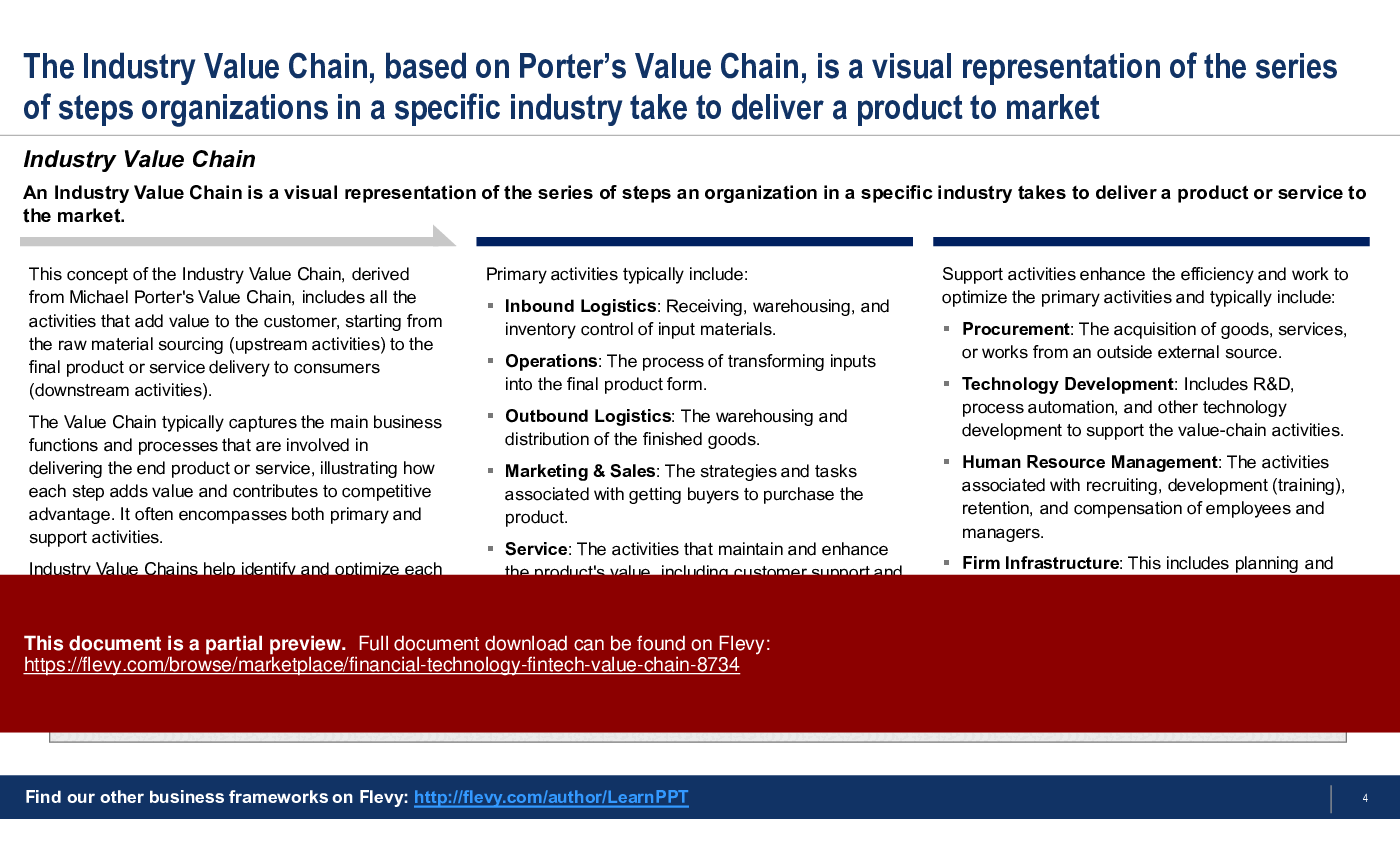
An Industry Value Chain is a visual representation of the series of steps an organization in a specific industry takes to deliver a product or service to the market. It captures the main business functions and processes that are involved in delivering the end product or service, illustrating how each step adds value and contributes to a Competitive Advantage. It often encompasses both primary and support activities.

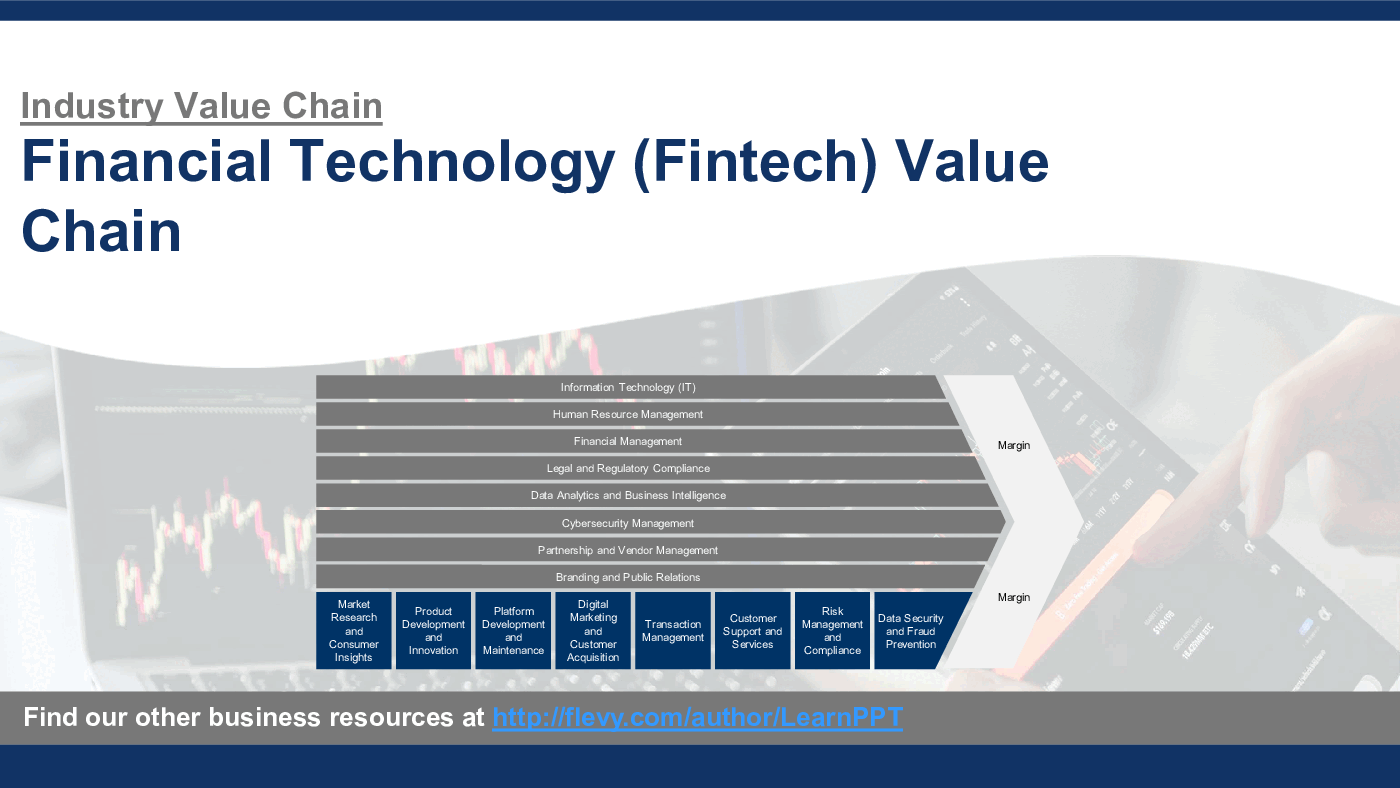
This PowerPoint presentation captures the Fintech Industry Value Chain, which includes the following primary and support activities for Fintech:
Primary Activities
1. Market Research and Consumer Insights
2. Product Development and Innovation
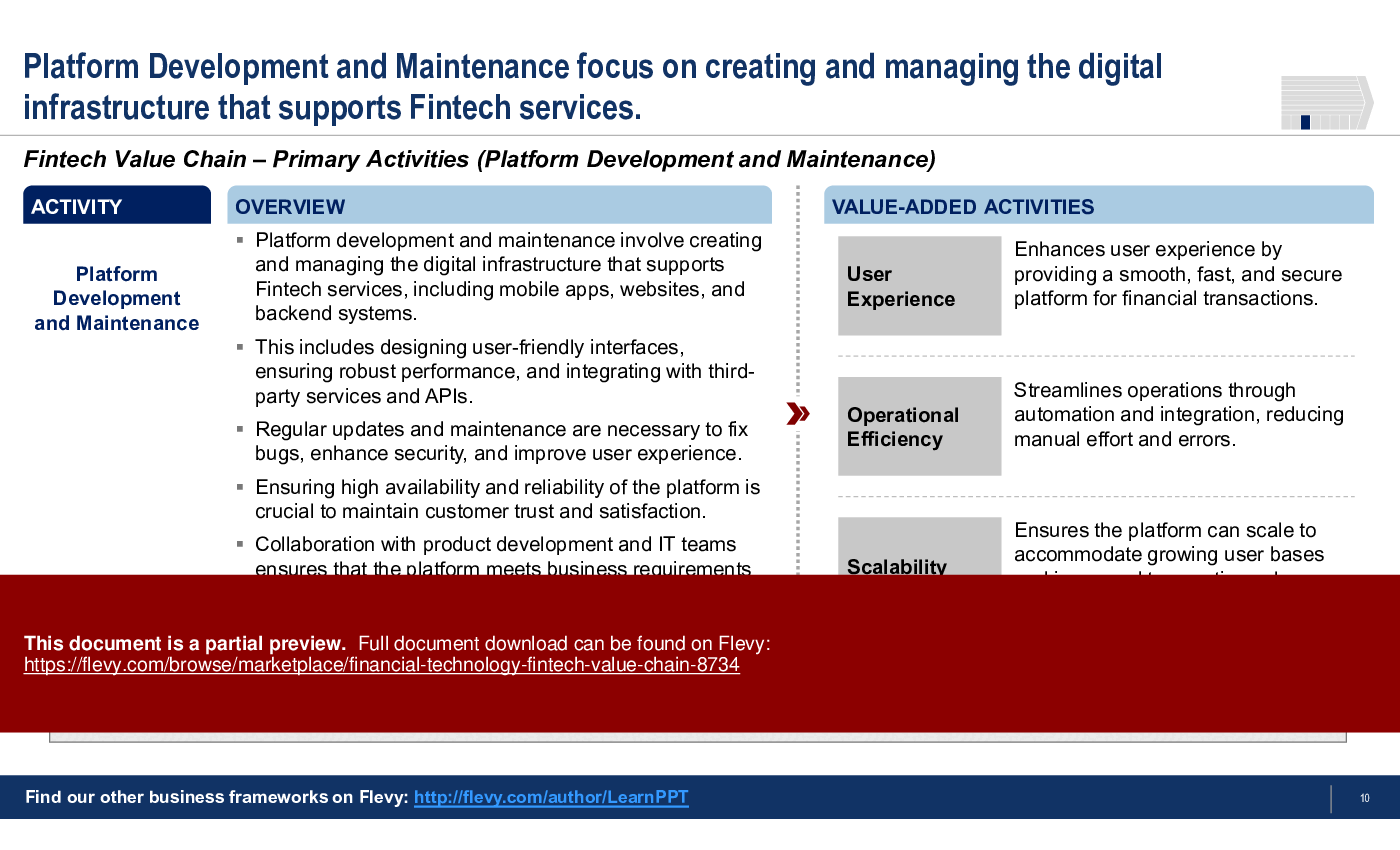
3. Platform Development and Maintenance
4. Digital Marketing and Customer Acquisition
5. Transaction Management
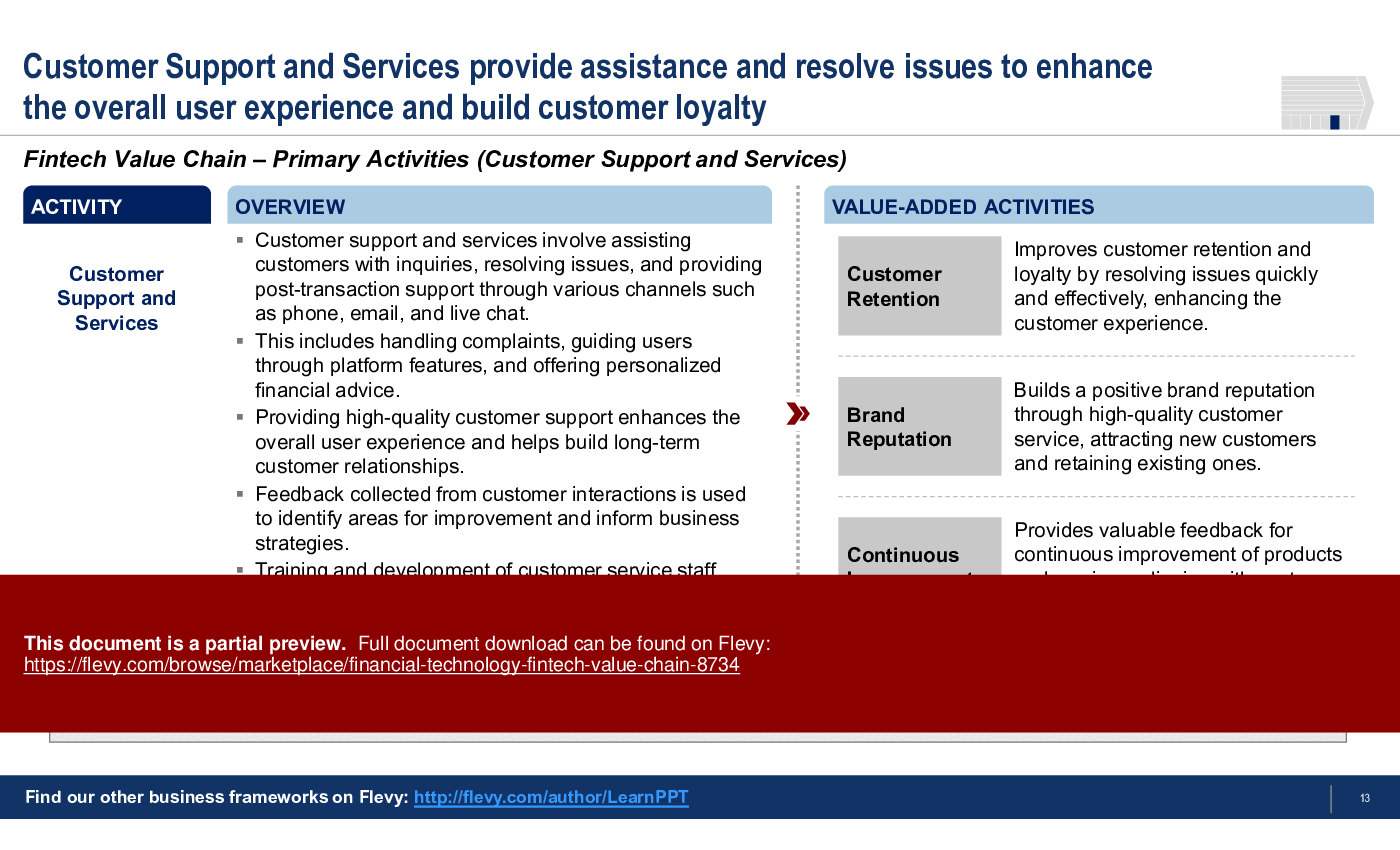
6. Customer Support and Services
7. Risk Management and Compliance
8. Data Security and Fraud Prevention
Support Activities
1. Information Technology (IT)
2. Human Resource Management
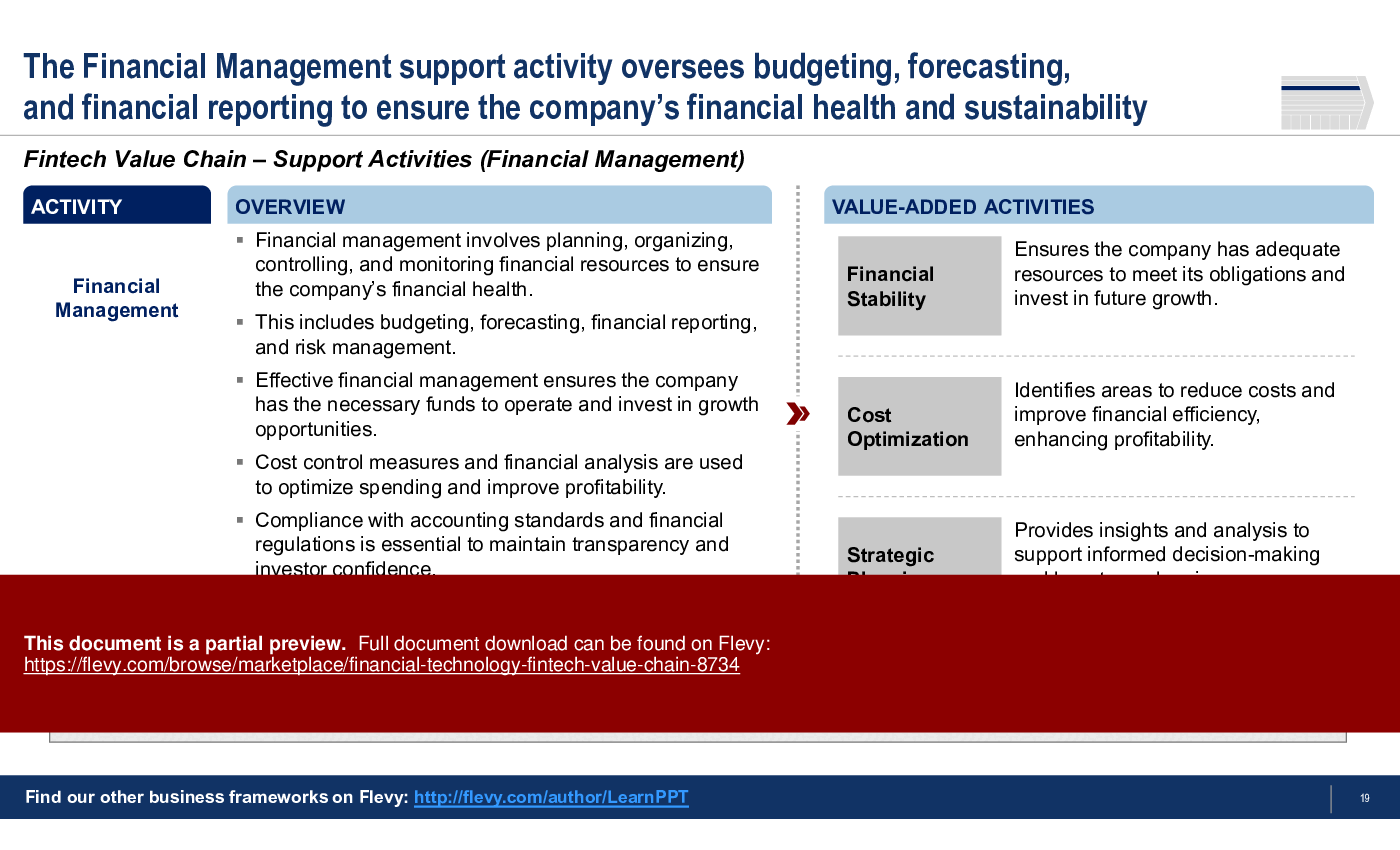
3. Financial Management
4. Legal and Regulatory Compliance
5. Data Analytics and Business Intelligence
6. Cybersecurity Management
7. Partnership and Vendor Management
8. Branding and Public Relations
This PPT presentation dives deeper into each of these activities, highlighting key elements.
The Fintech industry Value Chain seamlessly integrates market research, product development, and advanced digital platforms to deliver innovative financial solutions. Efficient transaction processing and robust risk management are crucial for maintaining customer trust and ensuring regulatory compliance in the Fintech ecosystem. Continuous innovation and leveraging advanced data analytics enable FinTech companies to stay ahead of market trends and meet evolving consumer demands.
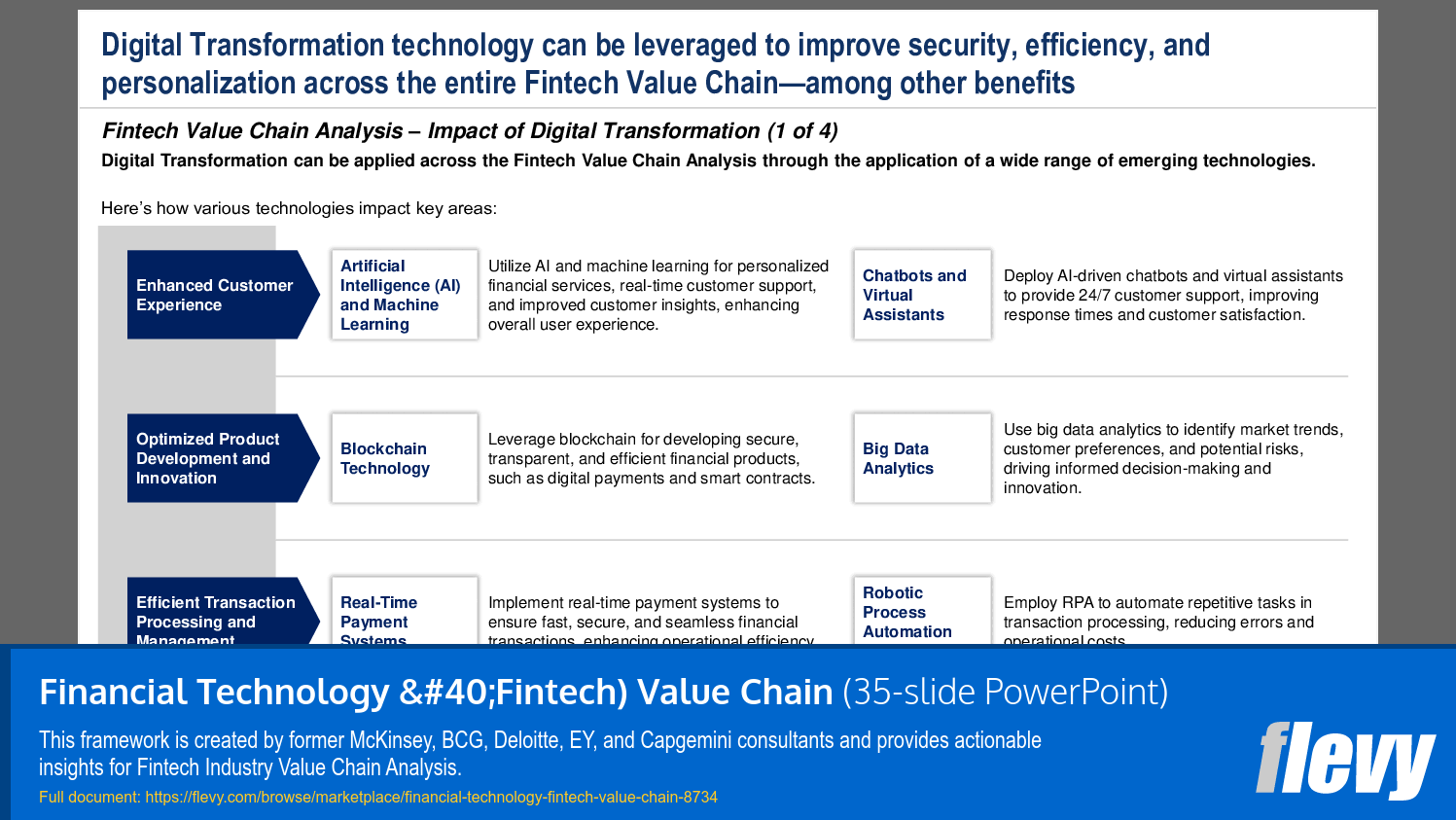
This PowerPoint presentation also discusses Fintech Value Chain Analysis, highlighting a multitude of key considerations and potential insights to pay attention to. We further discuss the significant impact of Digital Transformation and various specific emergent technologies on the Fintech Industry.
This presentation provides a comprehensive overview of the Fintech Value Chain, detailing critical activities that drive operational success. It emphasizes the importance of integrating advanced technologies and customer-centric strategies to enhance service delivery and foster long-term growth in the rapidly evolving financial landscape.
Got a question about the product? Email us at support@flevy.com or ask the author directly by using the "Ask the Author a Question" form. If you cannot view the preview above this document description, go here to view the large preview instead.
Executive Summary
The Financial Technology (Fintech) Value Chain presentation offers a detailed analysis of the essential activities that drive the Fintech industry, structured in a consulting-grade format akin to McKinsey, Bain, or BCG-quality. This framework is designed to help corporate executives and consultants understand the interconnected processes involved in delivering financial services. By utilizing this presentation, users can identify key areas for operational efficiency, customer satisfaction, and strategic advantage in the competitive Fintech landscape.
Who This Is For and When to Use
• Corporate executives in Fintech organizations seeking to optimize operations
• Strategy consultants focusing on financial services and technology integration
• Product managers aiming to innovate and enhance financial products
• Risk management professionals looking to ensure compliance and security
Best-fit moments to use this deck:
• During strategic planning sessions to align resources with market demands
• For training sessions on Fintech operations and value chain optimization
• In workshops focused on product development and innovation strategies
Learning Objectives
• Define the primary and support activities within the Fintech value chain
• Analyze how each activity contributes to customer satisfaction and operational efficiency
• Identify opportunities for innovation and improvement in financial services
• Develop strategies for effective risk management and compliance
• Assess the impact of digital transformation on Fintech operations
• Foster collaboration among teams to enhance product development and customer acquisition
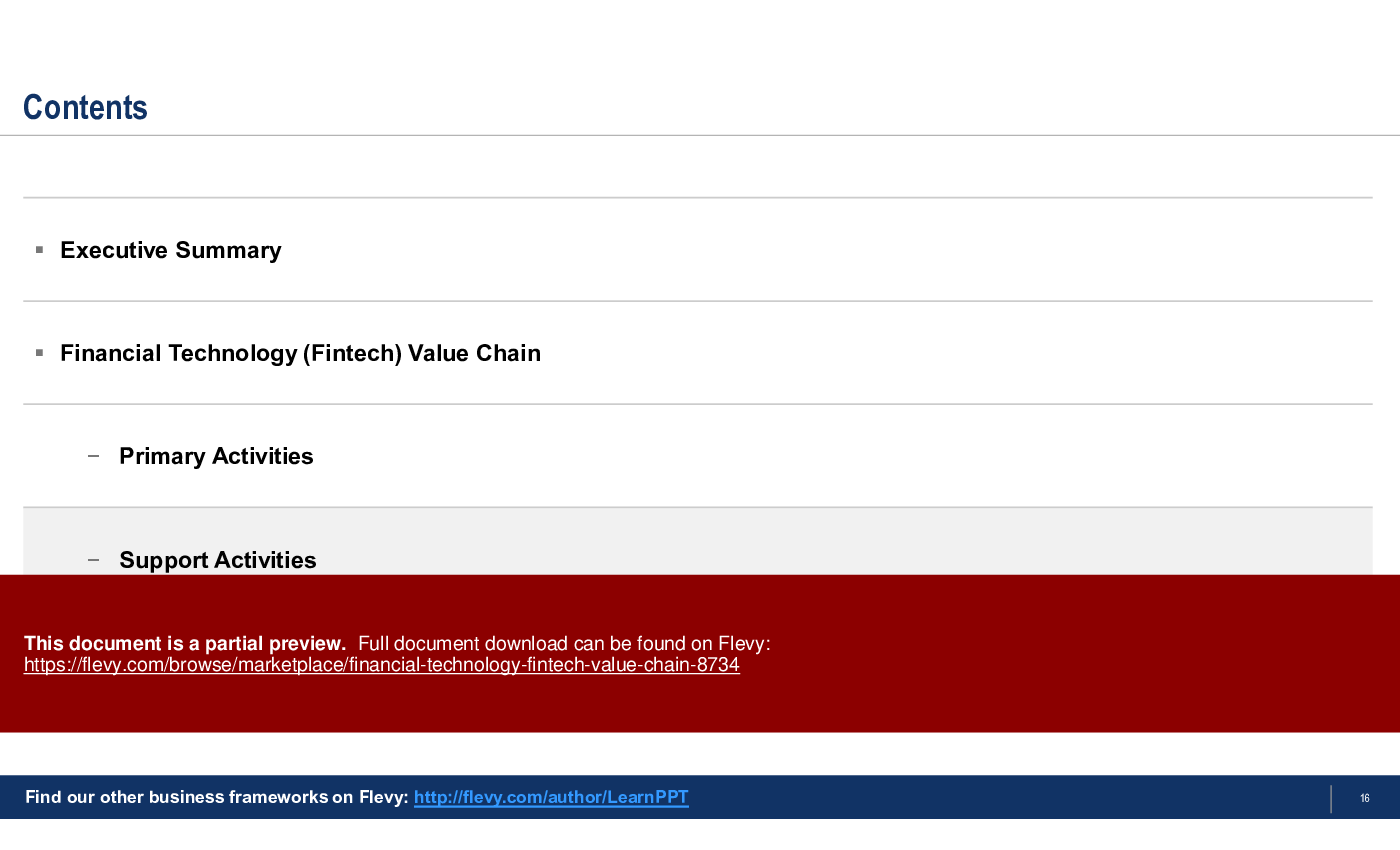
Table of Contents
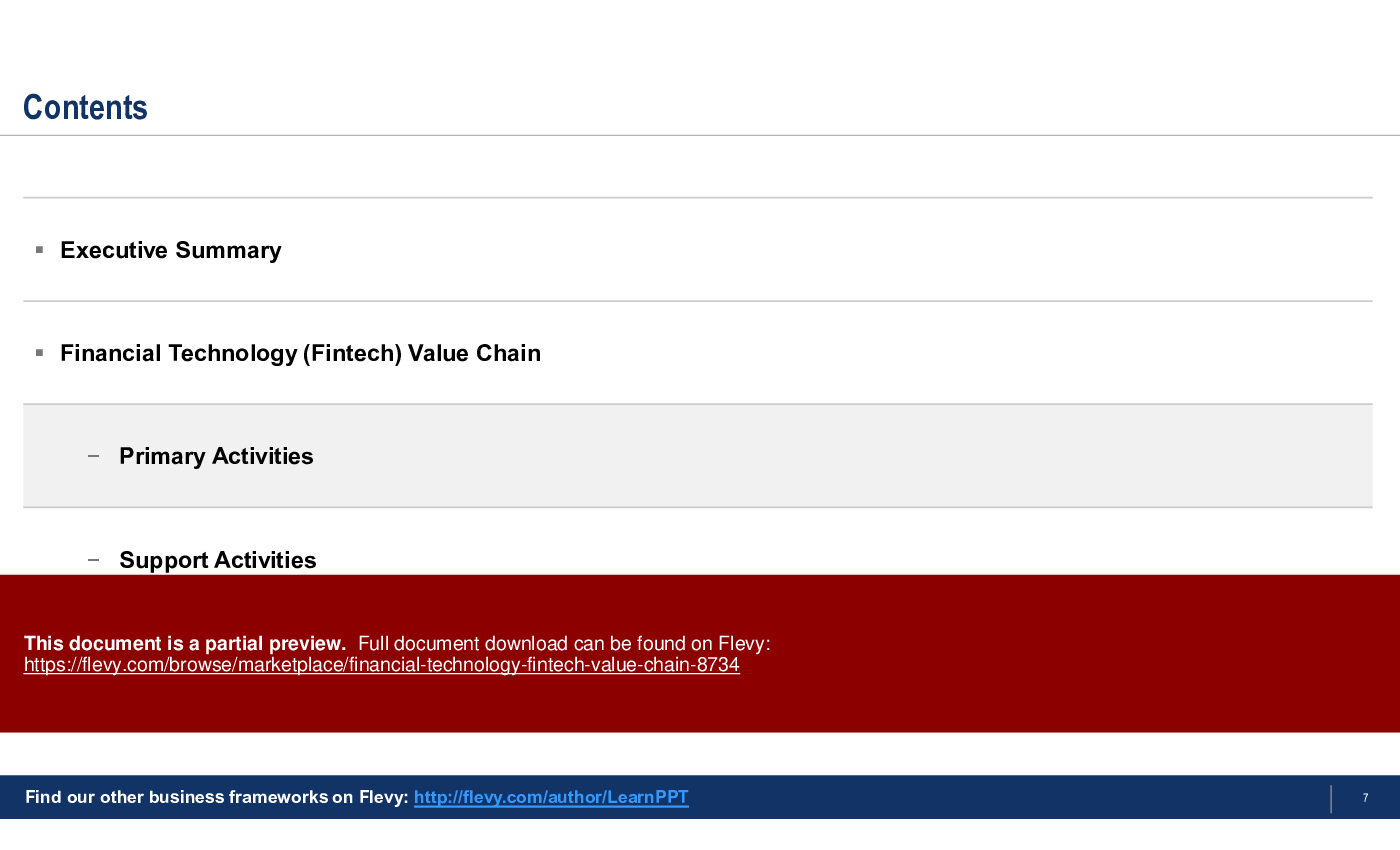
• Executive Summary (page 1)
• Financial Technology (Fintech) Value Chain (page 2)
• Primary Activities (page 3)
• Support Activities (page 4)
• Financial Technology (Fintech) Value Chain Analysis (page 5)
Primary Topics Covered
• Market Research and Consumer Insights - Understanding consumer behavior and market trends to inform strategic decisions and product development.
• Product Development and Innovation - Designing and creating new financial products that meet market needs and regulatory standards.
• Platform Development and Maintenance - Managing the digital infrastructure that supports Fintech services, ensuring reliability and security.
• Digital Marketing and Customer Acquisition - Promoting Fintech products through various online channels to attract and retain customers.
• Transaction Management - Handling financial transactions securely and efficiently while ensuring compliance with regulations.
• Customer Support and Services - Providing assistance to enhance user experience and build customer loyalty.
• Risk Management and Compliance - Identifying and mitigating risks associated with financial transactions and regulatory requirements.
• Data Security and Fraud Prevention - Protecting sensitive financial data and preventing fraudulent activities within the Fintech ecosystem.
Deliverables, Templates, and Tools
• Framework for analyzing the Fintech value chain
• Templates for market research and consumer insights
• Guidelines for product development and innovation processes
• Digital marketing strategy templates for customer acquisition
• Risk management frameworks tailored for Fintech operations
• Customer support service protocols and training materials
Slide Highlights
• Overview of the Fintech Value Chain, illustrating primary and support activities
• Detailed breakdown of Market Research and Consumer Insights, emphasizing data-driven decision-making
• Insights into Product Development and Innovation, showcasing collaboration with technology and compliance teams
• Analysis of Digital Marketing strategies and their impact on customer engagement
• Framework for Risk Management and Compliance, highlighting the importance of regulatory adherence
Potential Workshop Agenda
Fintech Value Chain Overview (60 minutes)
• Introduce the Fintech value chain and its significance
• Discuss primary and support activities in detail
• Explore case studies of successful Fintech implementations
Market Research and Product Development (90 minutes)
• Analyze consumer insights and market trends
• Brainstorm product development ideas based on findings
• Develop actionable strategies for innovation
Risk Management and Compliance Strategies (60 minutes)
• Identify key risks in Fintech operations
• Discuss compliance frameworks and best practices
• Create a risk management action plan
Customization Guidance
• Tailor the market research templates to reflect specific consumer demographics and preferences
• Adapt product development frameworks to align with organizational goals and regulatory requirements
• Modify risk management protocols to address unique operational challenges in your Fintech environment
Secondary Topics Covered
• Data Analytics and Business Intelligence for strategic decision-making
• Cybersecurity Management practices to safeguard customer data
• Partnership and Vendor Management strategies for effective collaboration
• Branding and Public Relations tactics to enhance market positioning
FAQ
What is the Fintech Value Chain?
The Fintech Value Chain is a structured representation of the primary and support activities that organizations undertake to deliver financial products and services to the market.
How can this framework help my organization?
This framework provides insights into optimizing operations, enhancing customer satisfaction, and identifying areas for innovation within the Fintech landscape.
What are the primary activities in the Fintech Value Chain?
Primary activities include Market Research and Consumer Insights, Product Development and Innovation, Platform Development and Maintenance, Digital Marketing and Customer Acquisition, Transaction Management, Customer Support and Services, Risk Management and Compliance, and Data Security and Fraud Prevention.
How does digital transformation impact the Fintech Value Chain?
Digital transformation enhances operational efficiency, improves customer experience, and enables innovative product offerings through the application of emerging technologies.
What role does risk management play in Fintech?
Risk management is crucial for identifying, assessing, and mitigating risks associated with financial transactions and regulatory compliance, ensuring long-term stability.
How can I ensure compliance in my Fintech operations?
Implementing robust compliance frameworks, conducting regular audits, and providing employee training on legal requirements are essential for maintaining compliance.
What tools can I use for data analytics in Fintech?
Utilizing advanced analytics platforms can provide insights into customer behavior, market trends, and operational performance, supporting strategic decision-making.
How important is customer support in the Fintech industry?
High-quality customer support is vital for enhancing user experience, building customer loyalty, and maintaining a positive brand reputation.
Glossary
• Fintech - Financial technology that enhances financial services through innovative solutions.
• Value Chain - A series of steps an organization takes to deliver a product or service to the market.
• Market Research - The process of gathering and analyzing data on consumer behavior and market trends.
• Product Development - The creation of new financial products and services to meet market needs.
• Risk Management - The identification and mitigation of risks associated with financial transactions.
• Compliance - Adherence to legal regulations and industry standards.
• Data Security - Measures taken to protect sensitive financial information from unauthorized access.
• Customer Support - Assistance provided to customers to enhance their experience and resolve issues.
• Digital Marketing - Strategies for promoting products and services through online channels.
• Transaction Management - The process of handling financial transactions securely and efficiently.
• Cybersecurity - Protection of systems and data from cyber threats.
• Analytics - The systematic computational analysis of data to inform strategic decisions.
• Vendor Management - The process of establishing and maintaining relationships with suppliers and partners.
• Branding - The development of a strong brand identity to attract and retain customers.
• Innovation - The process of creating new ideas or products to meet market demands.
• Operational Efficiency - The ability to deliver products and services effectively while minimizing costs.
• Customer Experience - The overall perception of a customer’s interaction with a brand.
• Scalability - The capability of a system to handle a growing amount of work or its potential to accommodate growth.
• Compliance Audits - Regular assessments to ensure adherence to legal and regulatory standards.
• AI and Machine Learning - Technologies used to enhance decision-making and automate processes.
• Blockchain - A digital ledger technology that provides secure and transparent transaction records.
Source: Best Practices in Value Chain Analysis, Fintech PowerPoint Slides: Financial Technology (Fintech) Value Chain PowerPoint (PPTX) Presentation Slide Deck, LearnPPT Consulting
|
Download our FREE Strategy & Transformation Framework Templates
Download our free compilation of 50+ Strategy & Transformation slides and templates. Frameworks include McKinsey 7-S, Balanced Scorecard, Disruptive Innovation, BCG Curve, and many more. |