
 Click main image to view in full screen. Unlock all 11 preview images:
Farmland Investment Fund – 10 Year Financial Model – Excel XLSX
Excel (XLSX)


BENEFITS OF THIS DOWNLOADABLE EXCEL DOCUMENT
- Provides a robust financial framework to assess fund performance, risk-adjusted returns, and long-term investment potential.
AGRICULTURE INDUSTRY EXCEL DESCRIPTION
A farmland investment fund is an investment vehicle that acquires, manages, and sometimes leases agricultural land to generate income and long-term capital appreciation. The fund may invest across crop types, regions, and operating models, earning returns through rental income, crop participation, land value growth, and potential improvements such as irrigation, soil enhancement, or infrastructure upgrades. Performance is driven by land quality, commodity prices, farm productivity, water access, tenant or operator relationships, and disciplined asset management.
This 10-year Farmland Investment Fund financial model is designed to evaluate fund performance, asset-level cash flows, and investor returns across a diversified agricultural land portfolio. The model forecasts capital commitments, acquisitions, lease income, crop revenue participation, operating expenses, asset management fees, financing, land appreciation, and exit proceeds, while capturing key drivers such as acreage, yield assumptions, rent rates, and capex for land improvements. The model also includes fund level expenses, and a full investor distribution waterfall—preferred return, return of capital, and carried interest—producing clear performance metrics such as IRR, MOIC, and cash distributions to show how value is shared between LPs and the GP.
The model follows Financial Modeling Best Practices and is fully customizable.
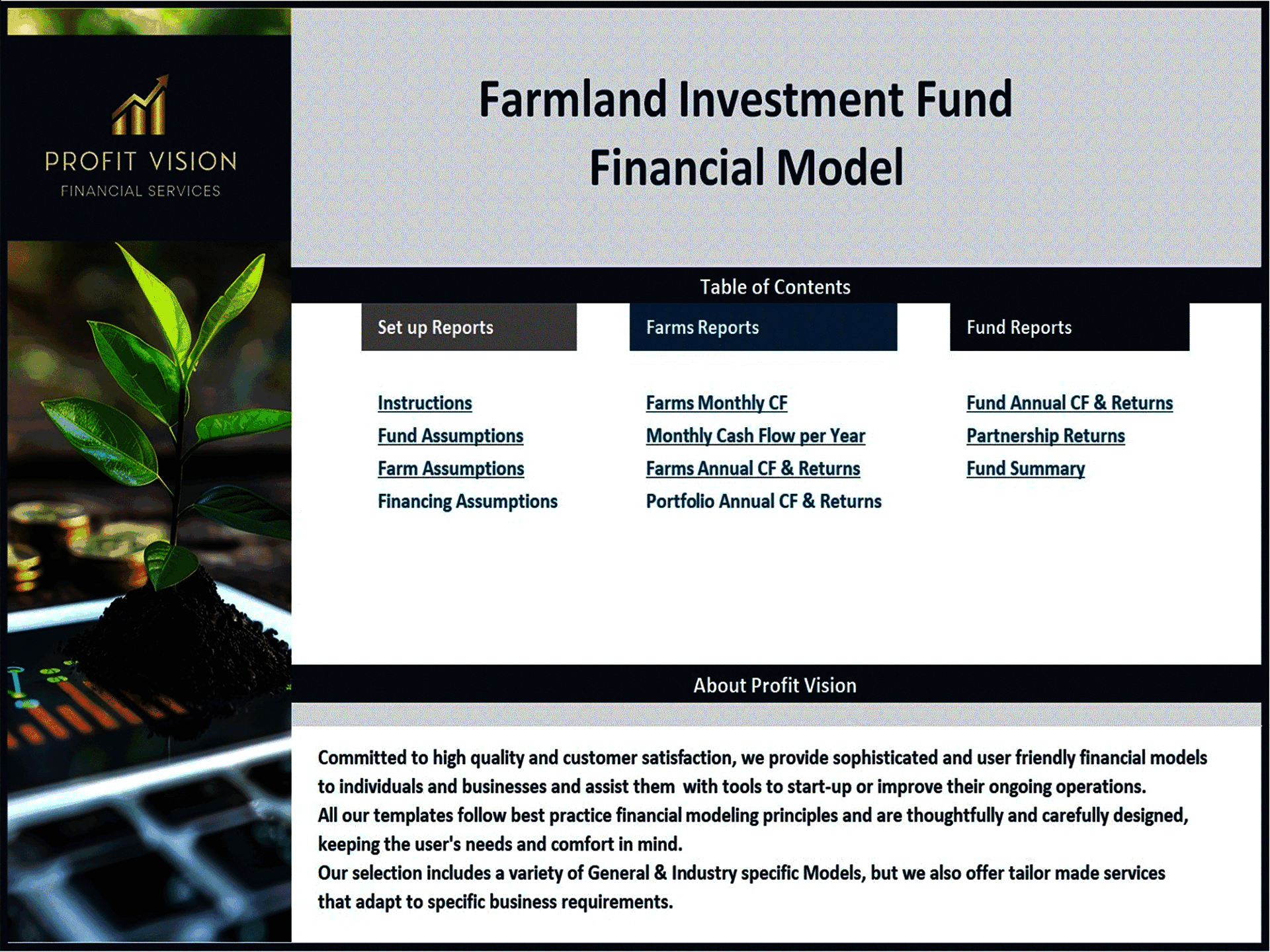
Detailed instructions for the use of the model are included in the excel file.
Model Assumptions:
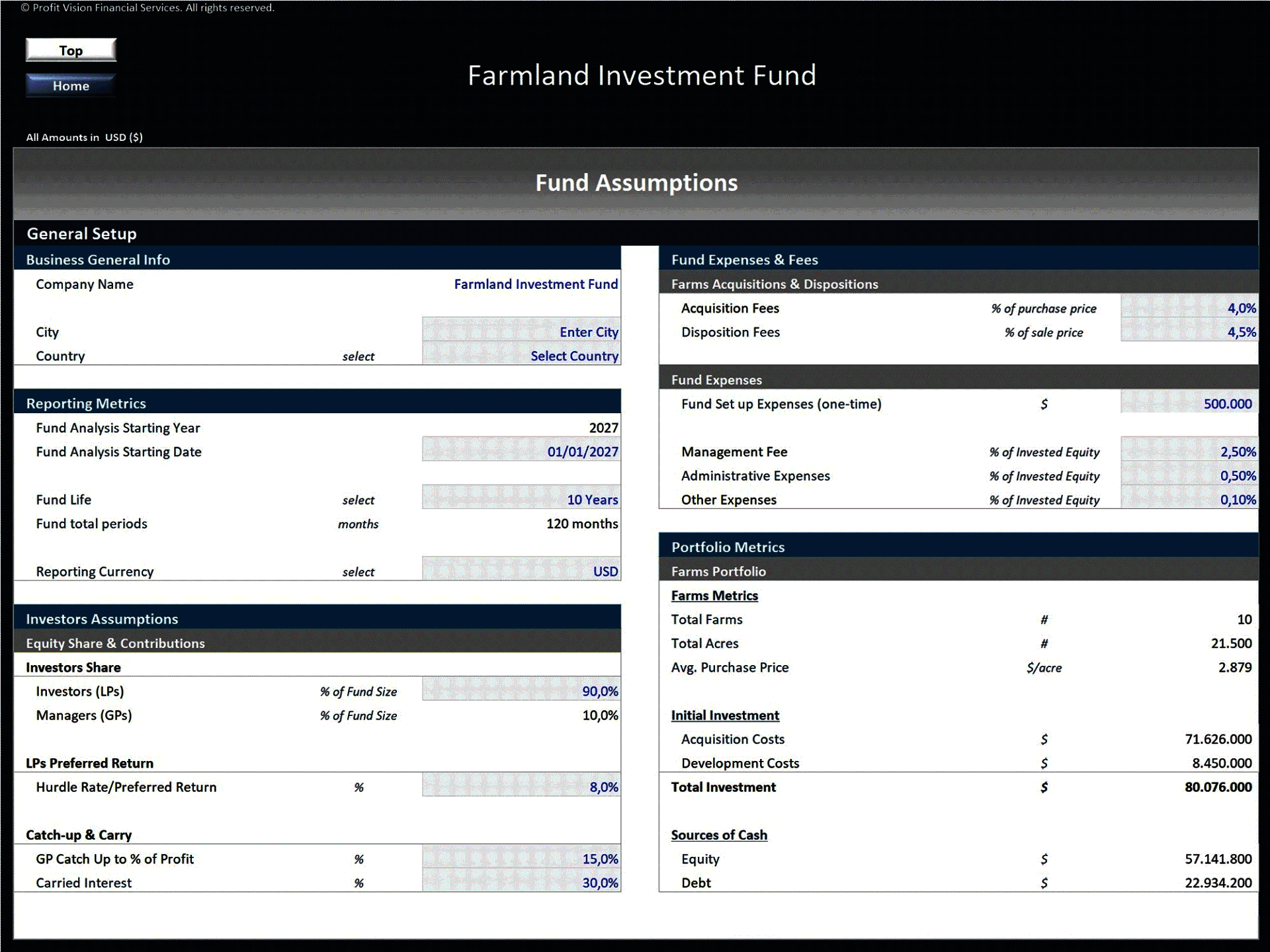
• Fund Level Assumptions (incl. Investments Assumptions, Set up costs & Fund Level Expenses, Investors Contributions & Distributions Assumptions)
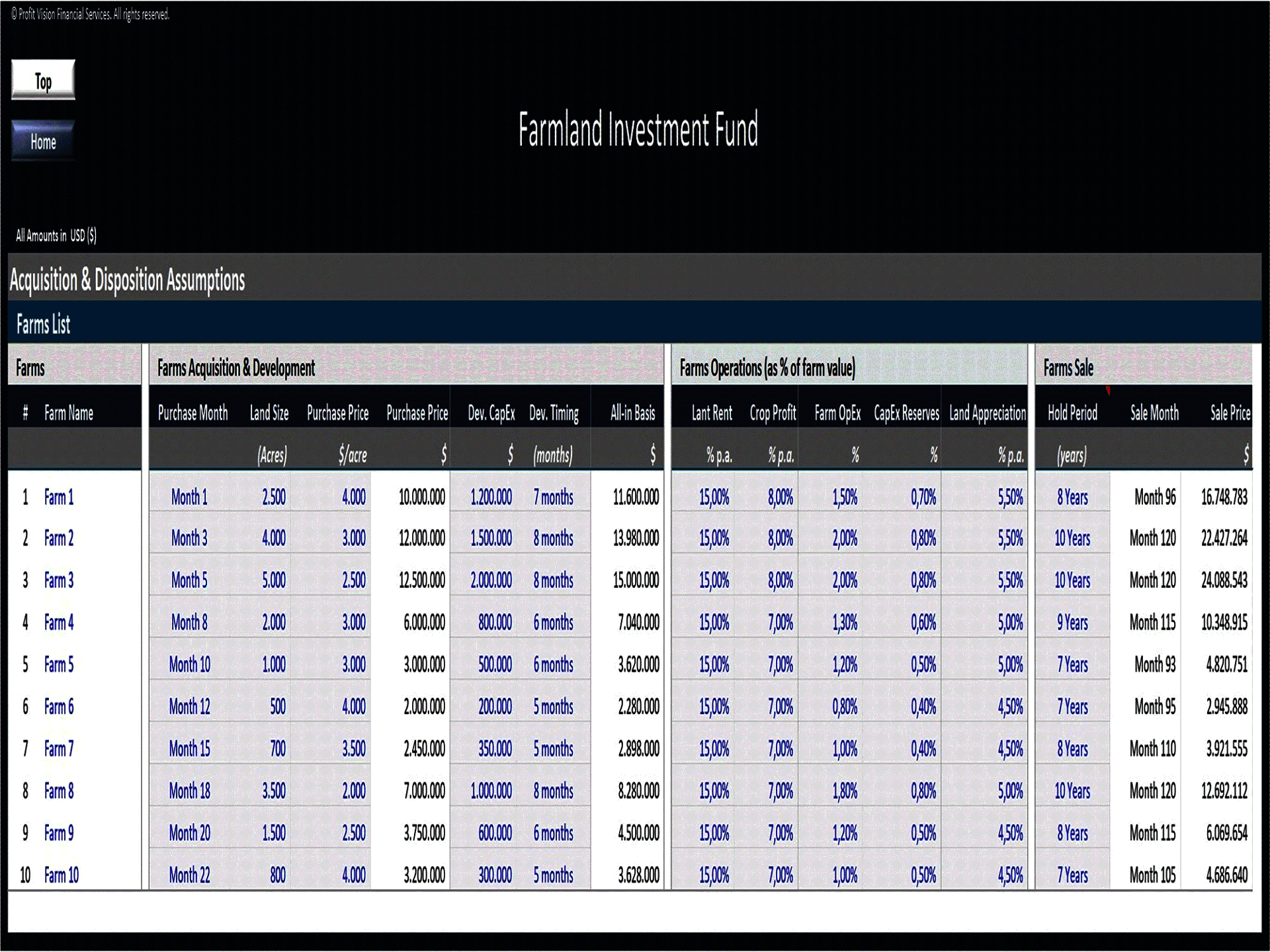
• Famrs Acquisition & Disposition Assumptions (incl. Purchase month, Purchase Price, Hold Period, Sale Price, Transactions Fees, etc.)
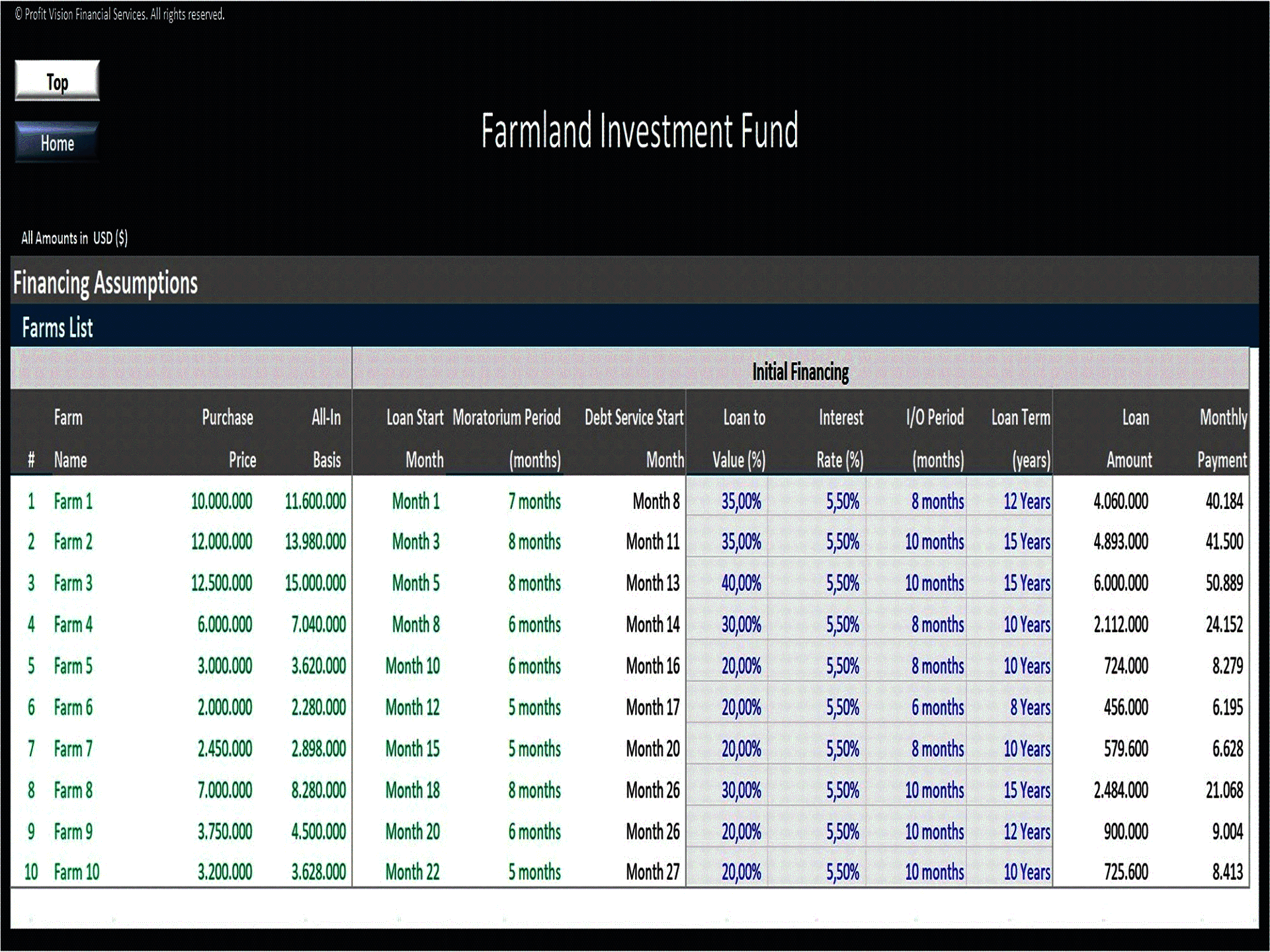
• Debt Financing Assumptions (incl. Loan to Value, Interest Rates, I/O Period, Loan Term)
• Farms Revenue Assumptions (Lease Income, Crop Profit Participation)
• Farms OpEx & CapEx Assumptions
Model Outputs:
• Monthly Cash Flow Analysis per Farmy (incl. Farm Acquisition, Revenue, NOI, Farm Disposition, Net CF before and after Debt, Unlevered and Levered Cash Flows)
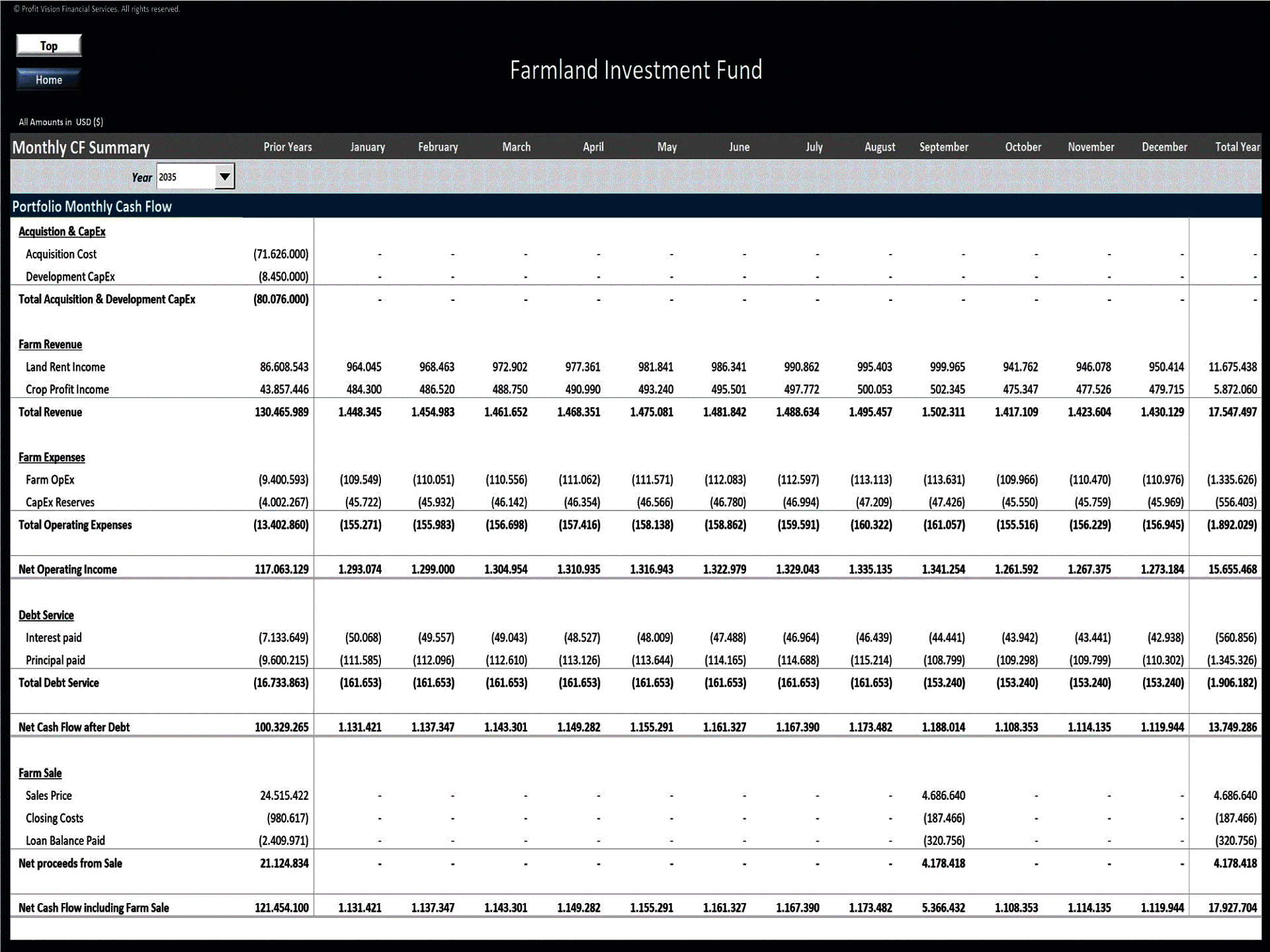
• Monthly Cash Flow Sumary per Year
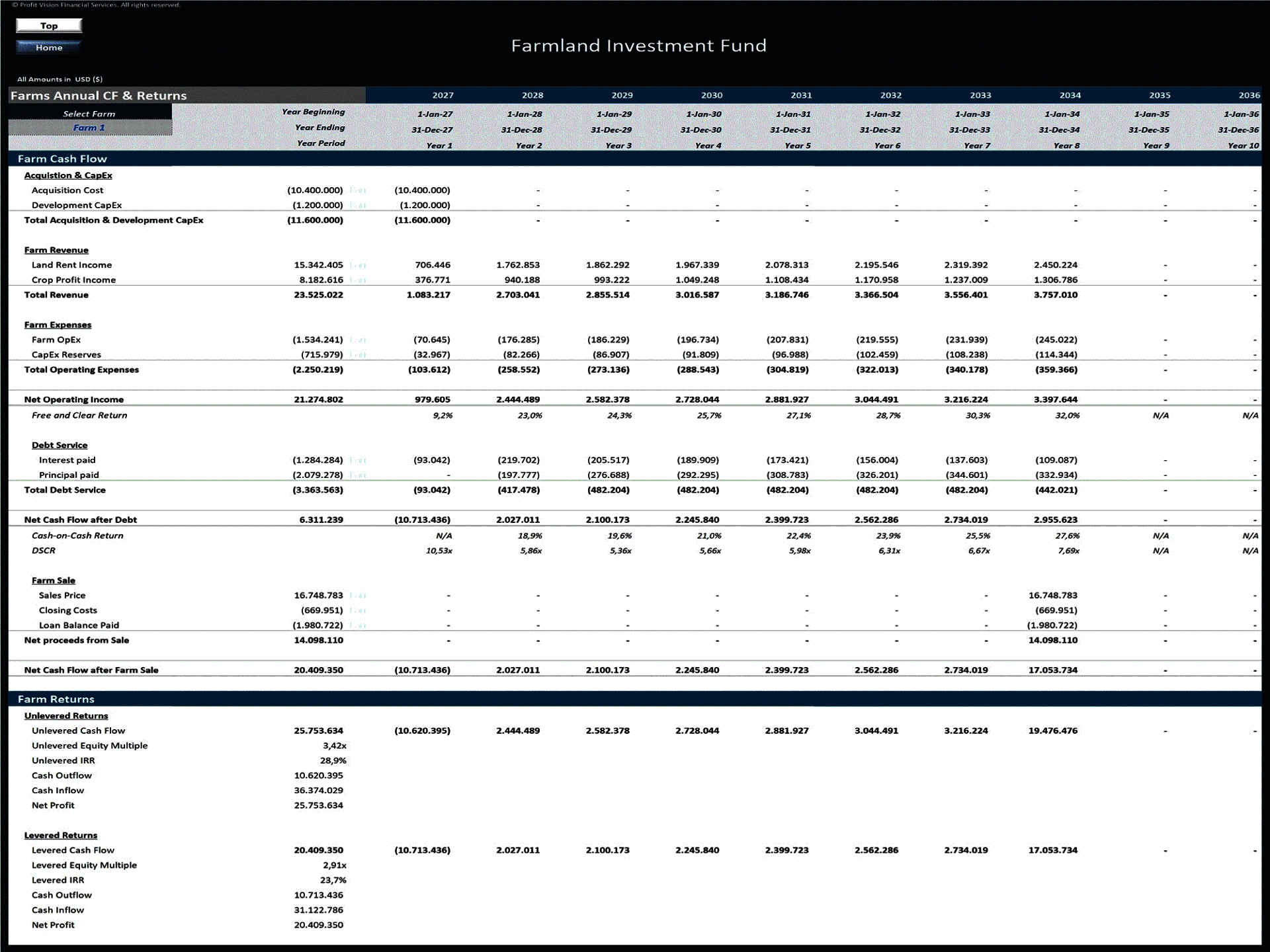
• Annual Cash Flow per Farm including Unlevered and Levered Cash Flows & Return Metrics (IRR, MOIC)
• Portfolio Cash Flow including Equity & Debt Financing, Unlevered and Levered Cash Flows & Return Metrics (IRR, MOIC)
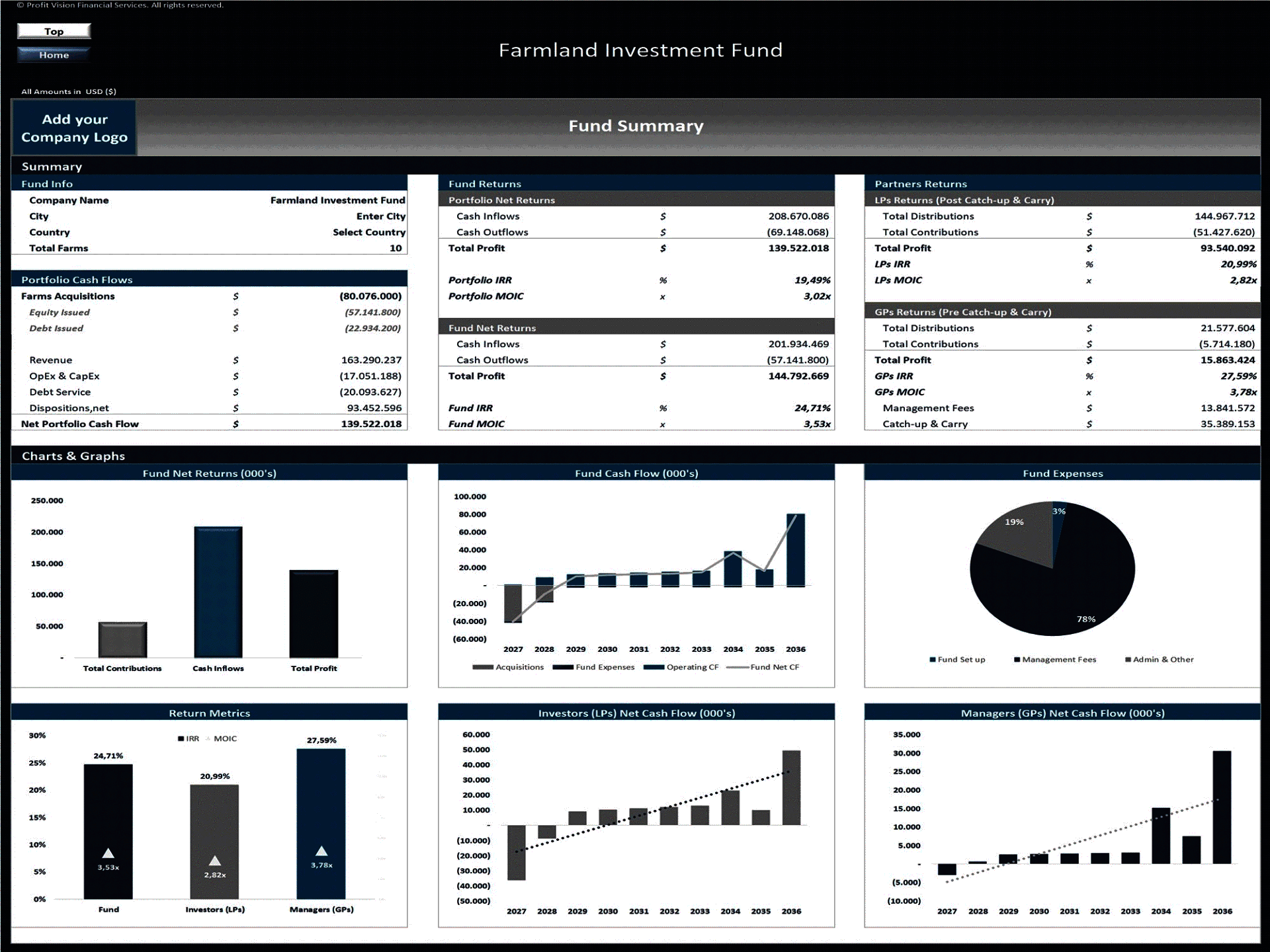
• Fund Annual Cash flow including Capital Drawdowns, Cash Inflows, Fund Fees & Expenses, Gross & Net Fund Returns (IRR, MOIC, DPI)
• Partnership Returns Waterfall analyzing the distribution between LPs and GPs, including calculation of GP Catch up and Carried Interest.
• Executive Summary presenting overall Fund performance
Help & Support
Committed to high quality and customer satisfaction, all our templates follow best-practice financial modeling principles and are thoughtfully and carefully designed, keeping the user's needs and comfort in mind.
No matter if you have no experience or are well versed in finance, accounting, and the use of Microsoft Excel, our professional financial models are the right tools to boost your business operations!
If you, however, experience any difficulty while using this template and you are not able to find the appropriate guidance in the provided instructions, please feel free to contact us for assistance.
If you need a template customized for your business requirements, please e-mail us and provide a brief explanation of your specific needs.
Got a question about the product? Email us at support@flevy.com or ask the author directly by using the "Ask the Author a Question" form. If you cannot view the preview above this document description, go here to view the large preview instead.
Source: Best Practices in Agriculture Industry, Integrated Financial Model Excel: Farmland Investment Fund – 10 Year Financial Model Excel (XLSX) Spreadsheet, Profit Vision
ABOUT THE AUTHOR

Profit Vision provides Consulting & Outsourced Financial Services as well as Financial Planning & Performance analysis to small and mid-size businesses by implementing efficient and effective tools to assist them with start-up business plans or improve their ongoing operations.
Our range of services include Financial & Operational Analysis, Business Planning, Budgeting & Forecasting, Cash Flow
... [read more]
Ask the Author a Question
You must be logged in to contact the author.




























