
 Click main image to view in full screen. Unlock all 19 preview images:
Energy-Autonomous Sensing Shift™ Intelligence Playbook – PDF
PDF document 22 Pages


BENEFITS OF THIS DOWNLOADABLE PDF DOCUMENT
- Provides a proprietary framework for evaluating when energy-autonomous sensing can improve industrial observability while reducing lifetime servicing burden.
- Translates energy-harvesting, ultra-low-power sensing, connectivity, and edge-intelligence developments into practical industrial deployment decisions.
- Enables executives to prioritize sensing opportunities by energy availability, maintenance burden, asset value, technology maturity, and physical-intelligence potential.
ARTIFICIAL INTELLIGENCE PDF DESCRIPTION
The Energy-Autonomous Sensing Shift™ Intelligence Playbook is an executive decision-intelligence asset for industrial leaders evaluating how ambient energy harvesting, ultra-low-power electronics, and batteryless connectivity can change the economics of distributed sensing.
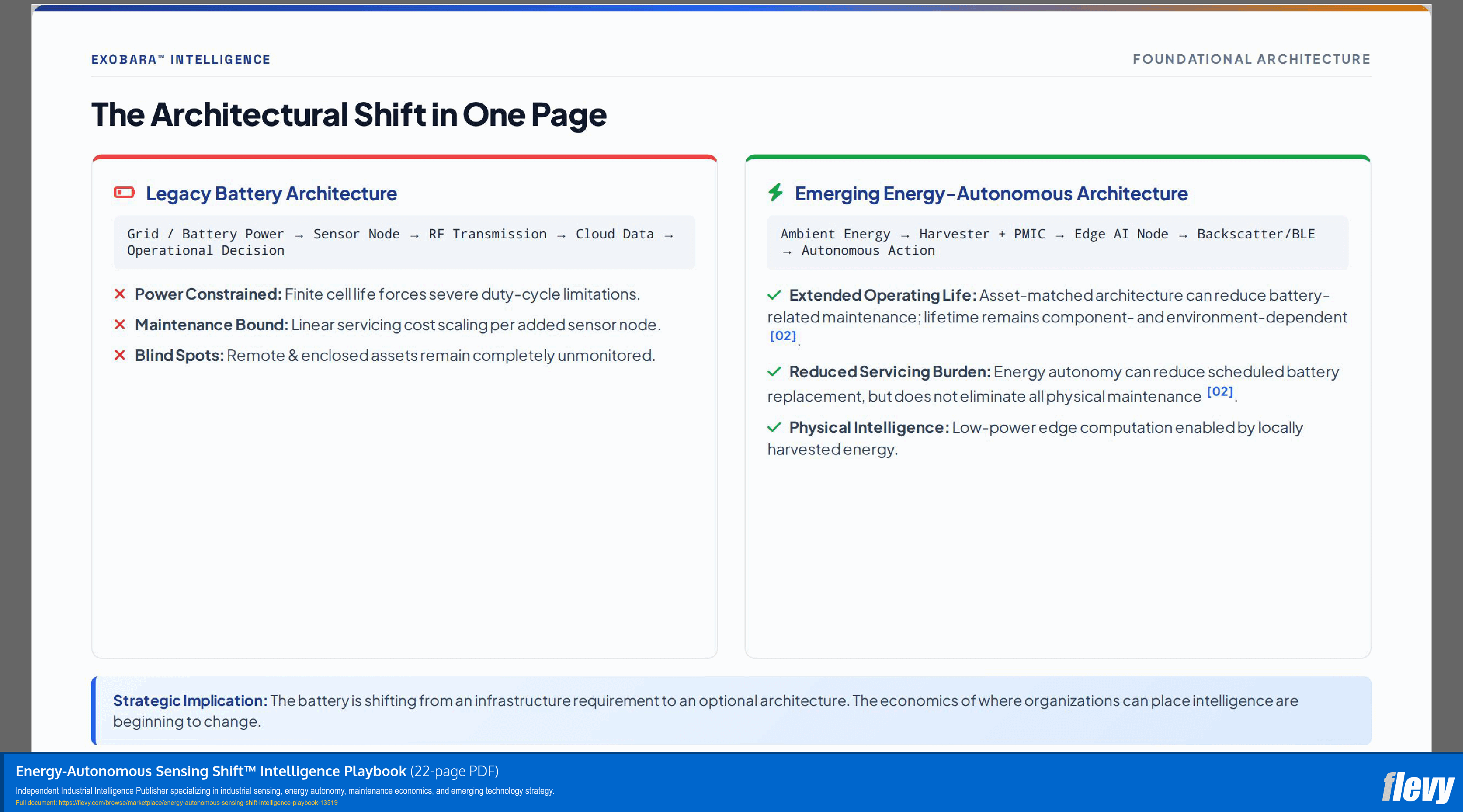
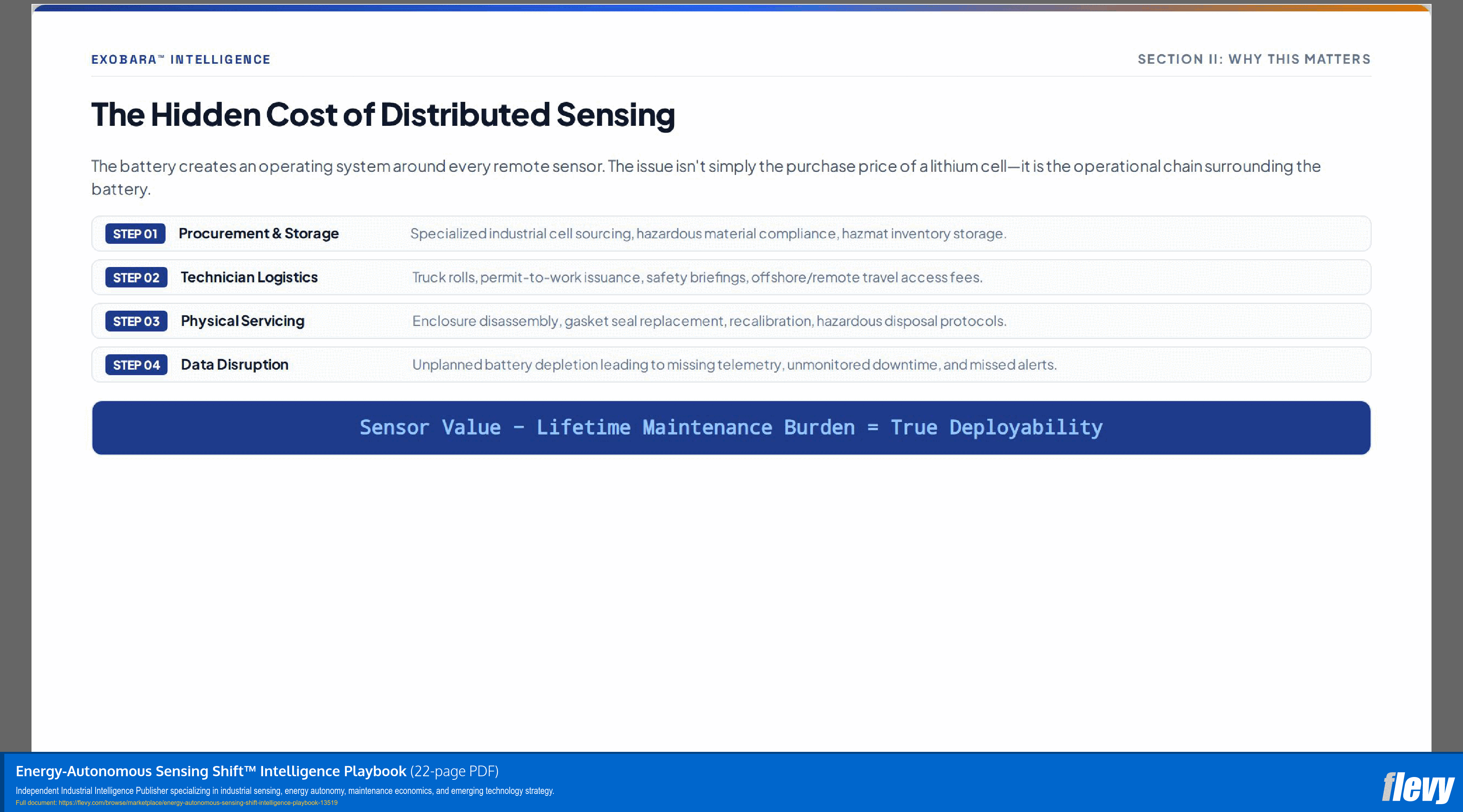
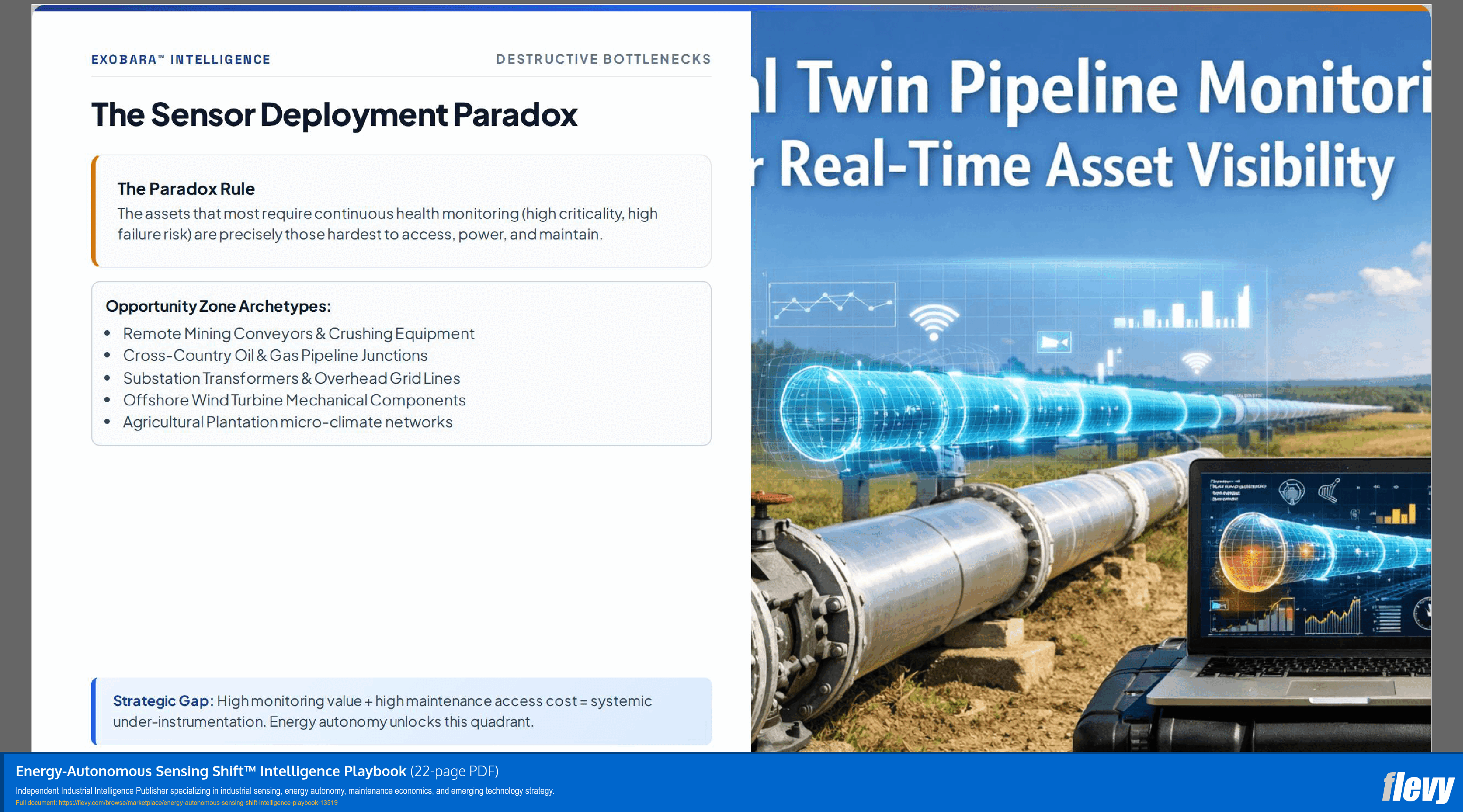
The central thesis is simple: the next constraint in industrial sensing is shifting from "Can we sense it?" to "Can we sustain the sensing?" Battery dependence creates a recurring operational burden around procurement, replacement, technician access, hazardous locations, downtime, and data continuity. Energy autonomy can reduce that burden and make denser, more persistent sensing economically viable.
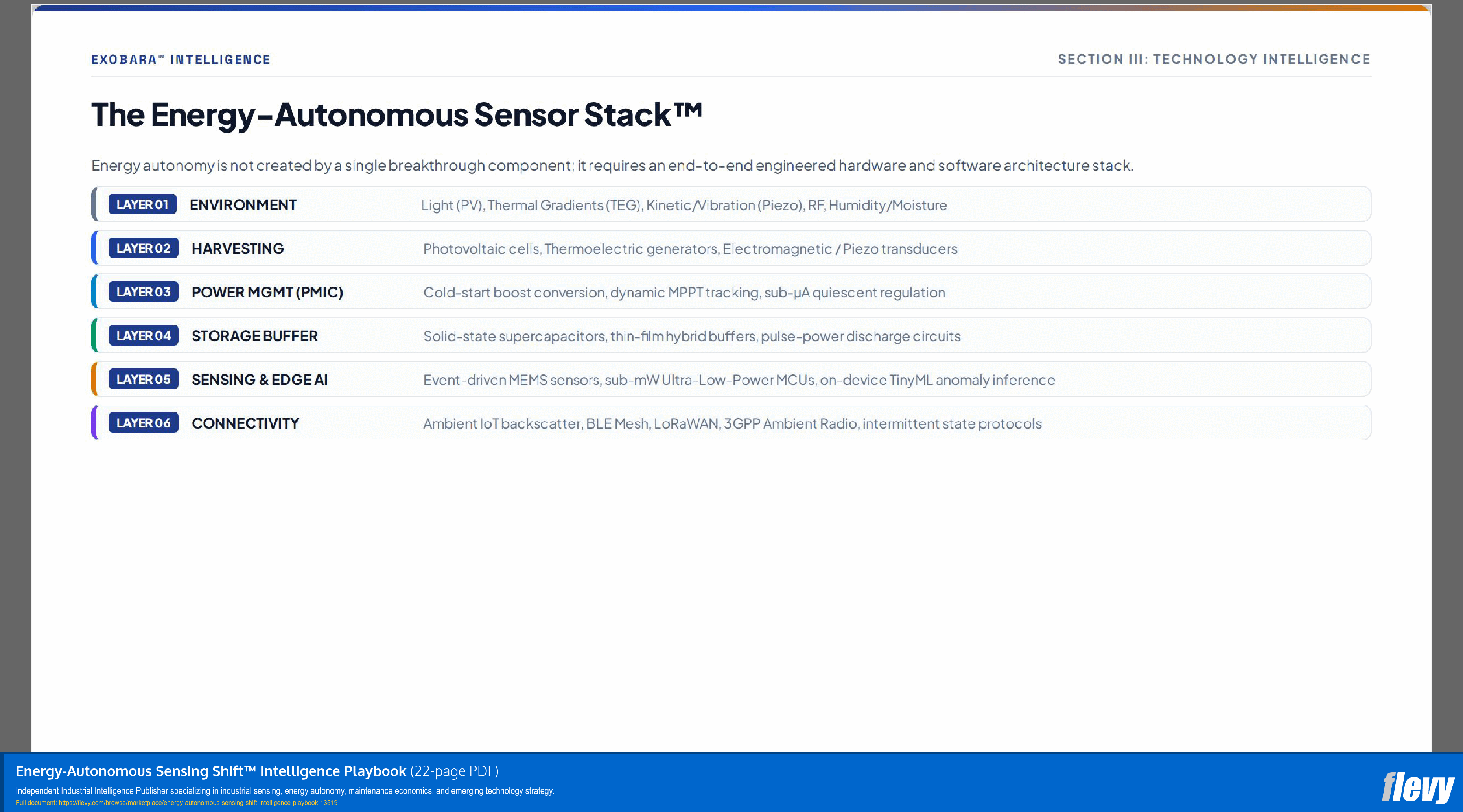
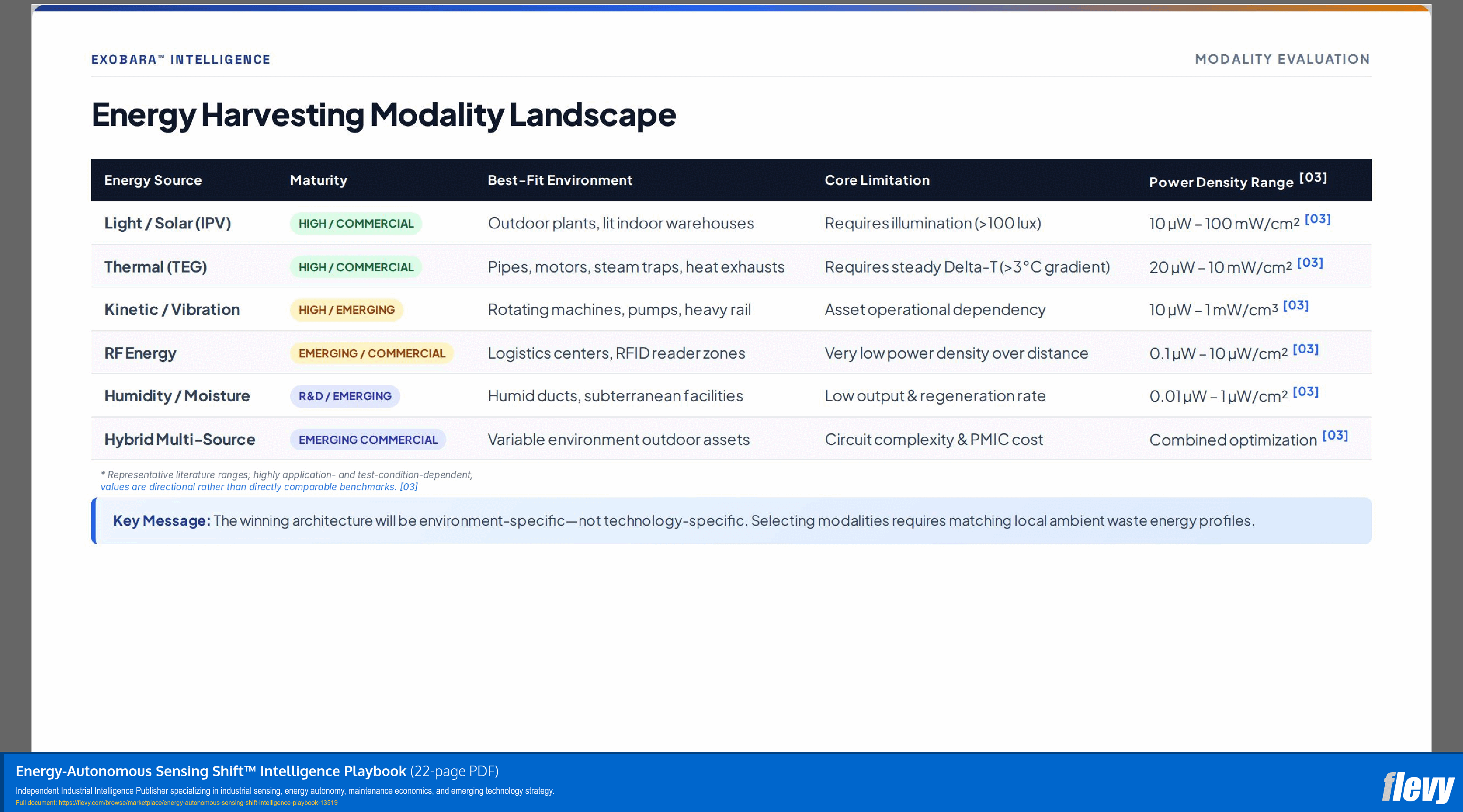
The playbook moves beyond individual harvesting technologies to examine the emerging system architecture: ambient energy → harvesting → power management → storage/buffering → sensing and edge intelligence → low-power connectivity. It evaluates solar, thermal, kinetic/vibration, RF, humidity/moisture, and hybrid approaches according to application environment, technology maturity, and operational constraints.
Inside, decision-makers will find:
• The Energy-Autonomous Sensor Stack™ – a systems architecture for understanding the complete sensing node rather than evaluating harvesters in isolation.
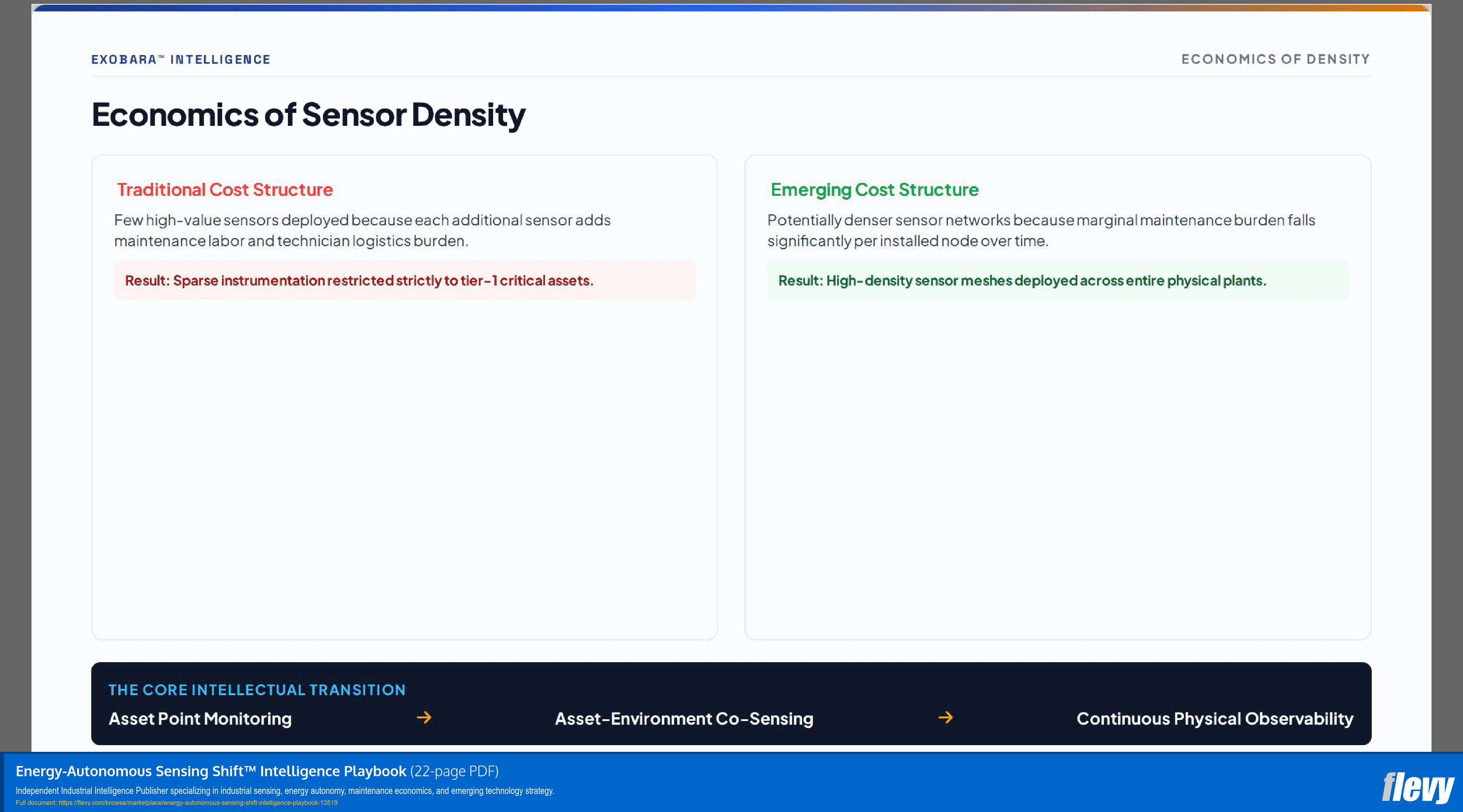
• The Sensor TCO Decision Framework – a practical way to compare conventional battery-dependent sensing with energy-autonomous architectures through lifetime maintenance and deployment economics.
• The Energy-Autonomy Readiness Matrix™ – a decision framework that translates technology maturity, energy availability, access difficulty, maintenance burden, and asset value into DEPLOY, PILOT/SCALE, WATCH/R&D, or REJECT actions.
• Priority Opportunity Archetypes across mining and metals, oil and gas/utilities, heavy manufacturing, cold chain and logistics, infrastructure, and agriculture/forestry.
• The Edge AI Multiplier and the Energy Autonomy → Physical Intelligence value chain, showing how lower-power sensing can support more persistent physical observability.
The playbook also distinguishes commercially deployed energy-harvesting approaches from early field validation, advanced R&D, and frontier research, with particular attention to the evidence reality of humidity/moisture harvesting.
The strategic conclusion: the value of energy autonomy is not the energy generated itself. Its larger value is the physical intelligence that becomes economically sustainable when sensing can persist with less battery and servicing dependency.
Got a question about the product? Email us at support@flevy.com or ask the author directly by using the "Ask the Author a Question" form. If you cannot view the preview above this document description, go here to view the large preview instead.
Source: Best Practices in Artificial Intelligence, IoT PDF: Energy-Autonomous Sensing Shift™ Intelligence Playbook PDF (PDF) Document, Wisnu Pandega Wardana
ABOUT THE AUTHOR

I am an independent Industrial Intelligence and Strategic Innovation Publisher focused on developing structured business intelligence, innovation frameworks, and opportunity-oriented research for decision-makers.
My work focuses on translating emerging technologies, industrial transformation, sustainability, resource efficiency, and market shifts into structured intelligence assets that
... [read more]
Ask the Author a Question
You must be logged in to contact the author.




























