
 Click main image to view in full screen. Unlock all 14 preview images:
DMAIC Complete Practitioner System: Lean Six Sigma Training – PowerPoint PPTX Template
PowerPoint (PPTX) 51 Slides


BENEFITS OF THIS DOWNLOADABLE POWERPOINT DOCUMENT
- Provides a complete, five-phase DMAIC curriculum with a single running case study, so participants see how each tool connects rather than learning disconnected techniques in isolation.
- Includes full facilitator speaker notes for every slide -- timing, talking points, facilitation tips, and anticipated questions -- making the deck immediately deliverable without additional prep work.
- Builds in formal gate reviews after each module, giving trainers a documented, defensible readiness checkpoint before advancing participants to the next phase.
DMAIC PPT TEMPLATE DESCRIPTION
FOR A LIMITED TIME REDUCED TO $29.00
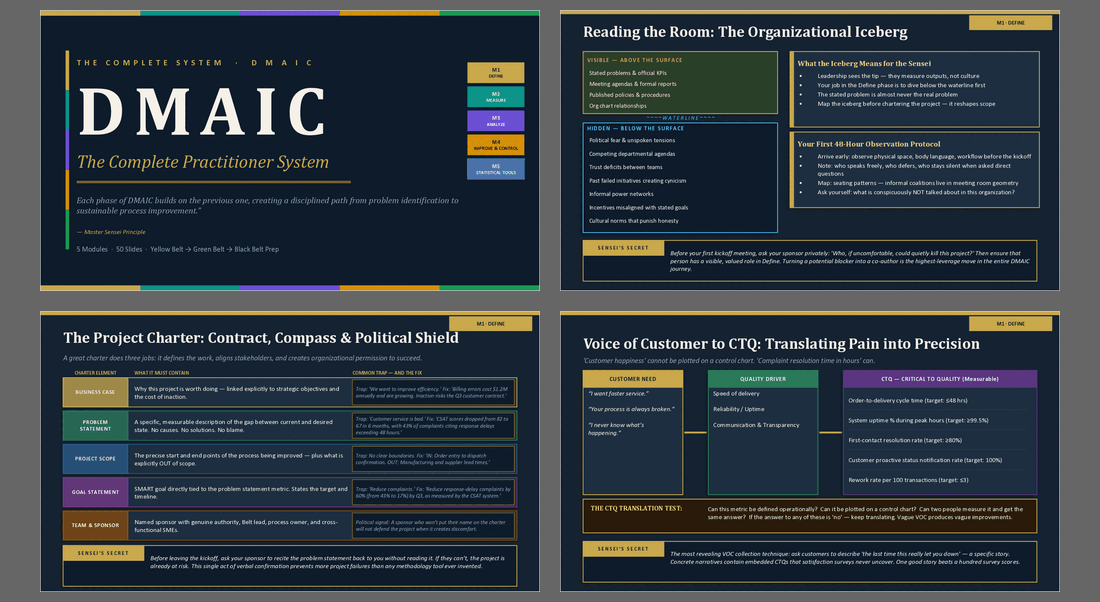
Most DMAIC training treats the methodology as a sequence of statistical tools to memorize. This 50-slide, 5-module system treats it as what it actually is: a disciplined path from problem identification to sustainable process improvement, where the technical tools only work if the organizational and behavioral groundwork is done first.
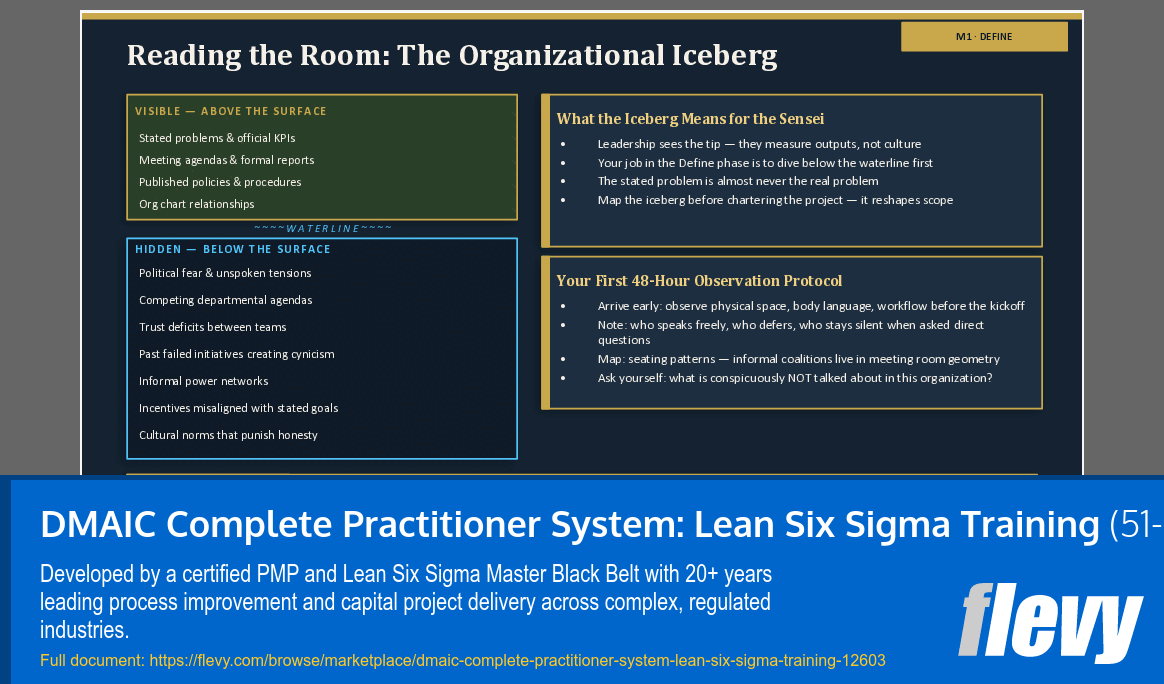
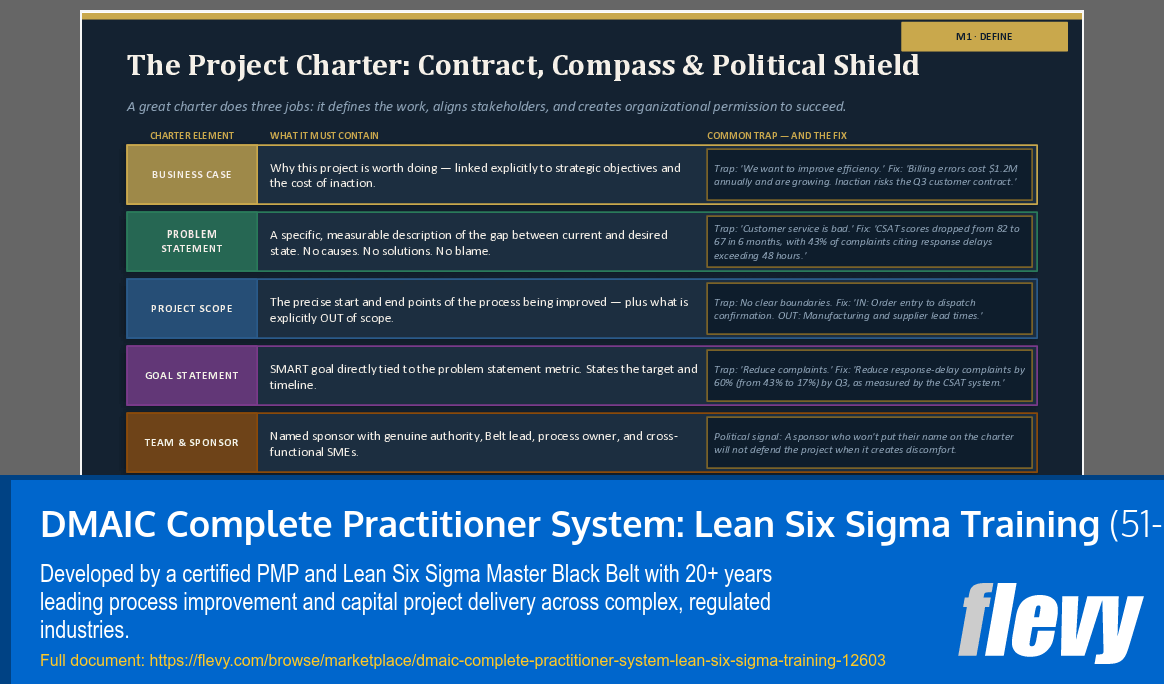
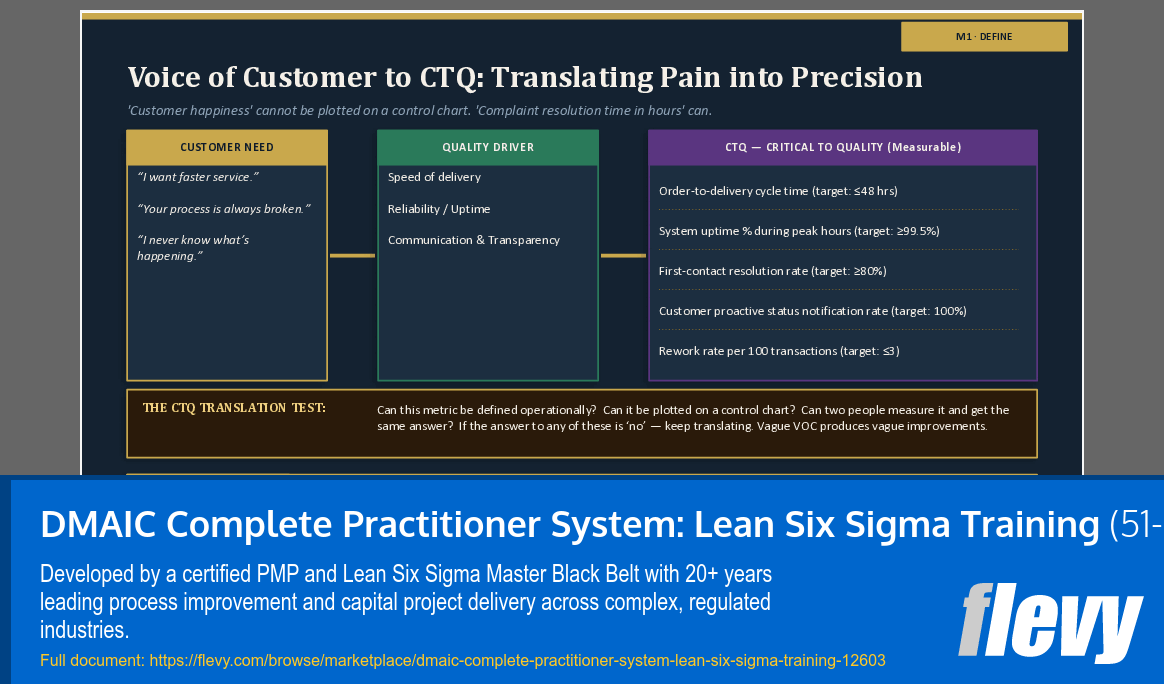
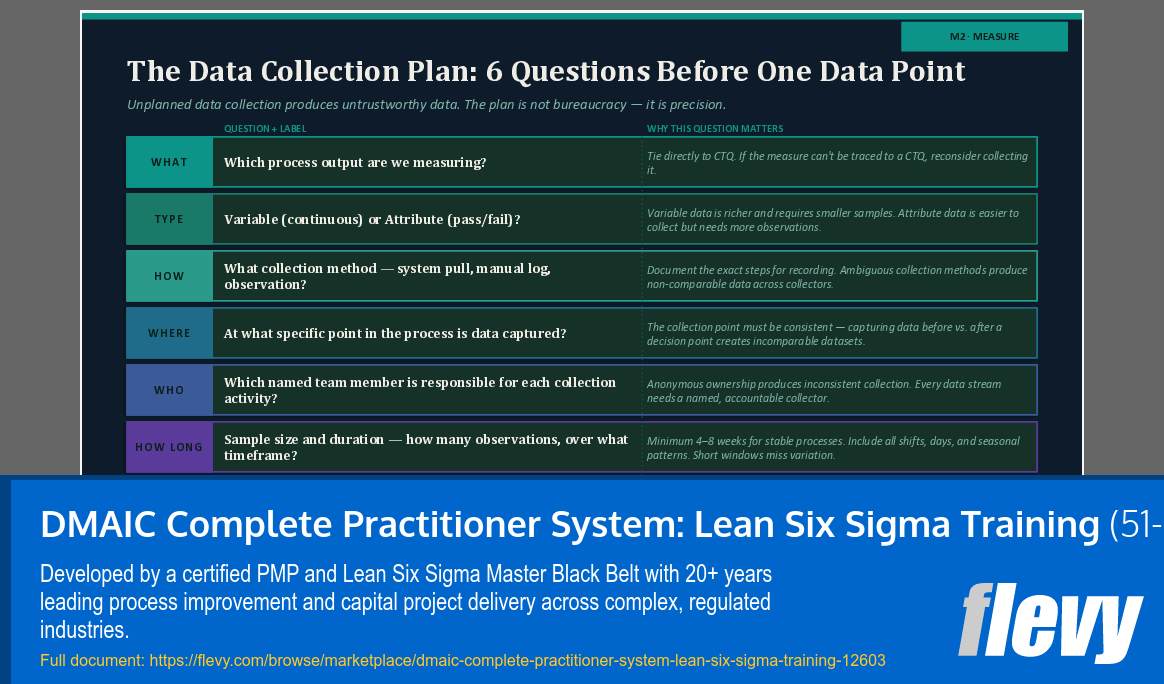
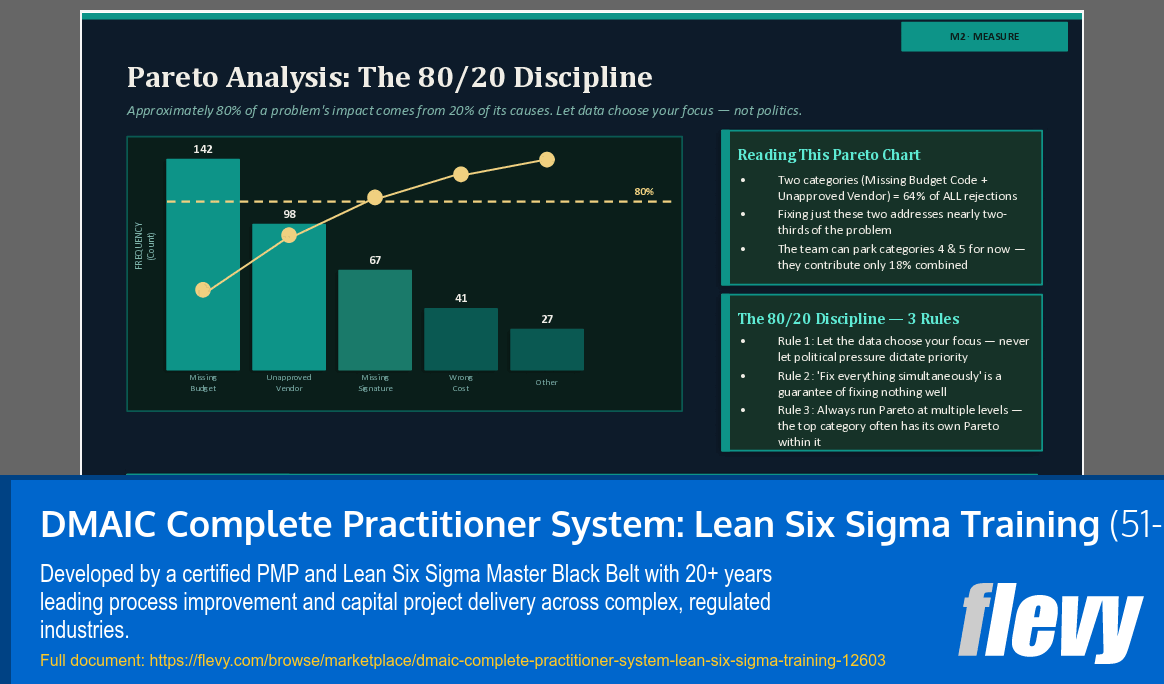
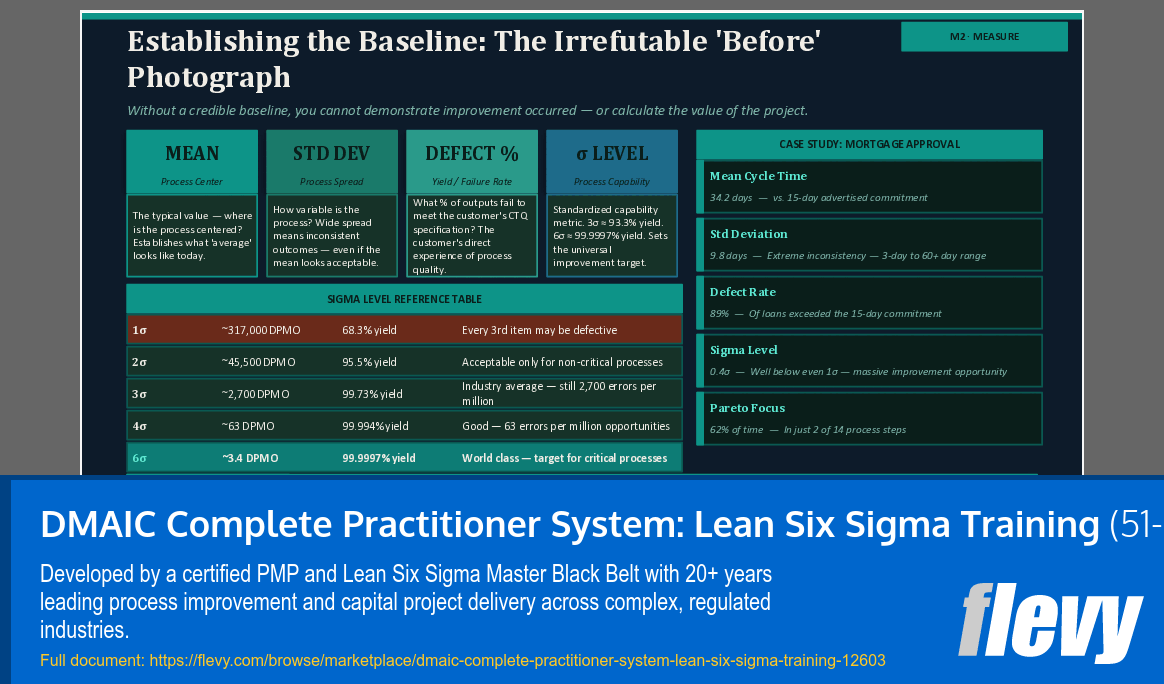
Each module moves participants from Yellow Belt through Green Belt toward Black Belt-level fluency. Define goes beyond charter-writing into reading organizational undercurrents, mapping stakeholder power dynamics, and translating vague Voice of Customer input into measurable Critical-to-Quality metrics that survive scrutiny. Measure builds real data discipline – Gemba observation principles, a six-question Data Collection Plan, Measurement System Analysis with defined Gauge R&R thresholds, Pareto prioritization, and a full statistical baseline (mean, standard deviation, defect rate, sigma level) that becomes the undisputed "before" picture of the project.
Analyze equips participants to distinguish symptom from true root cause using the 5 Whys, Fishbone Diagrams across all 6M categories, VA/BNVA/NVA swim lane process mapping, Affinity and Interrelationship Diagrams, and hypothesis testing literacy – culminating in a Cause Validation Matrix that makes prioritization transparent and sponsor-defensible. Improve & Control covers structured solution generation (Brainstorming, 6-3-5 Brainwriting, Benchmarking, Analogical Thinking), Pugh Matrix concept selection, FMEA risk mitigation with RPN scoring, disciplined pilot testing with pre-set success criteria, Statistical Process Control for distinguishing signal from noise, SOP-writing standards, and a named-owner Control Plan built to prevent the single most common project failure: gains that quietly revert once the team disbands.
Every tool is demonstrated against a single running case study – a mortgage loan approval process – so participants see how one problem moves coherently through all five phases rather than encountering disconnected examples. Each module closes with a formal gate review: five specific readiness questions and documented exit criteria that mirror how mature organizations actually govern improvement projects, not a generic knowledge check.
This is not a slide-only product. Every slide includes complete facilitator speaker notes covering suggested timing, teaching objectives, live talking points, facilitation tips drawn from classroom experience, anticipated participant questions with prepared answers, and a scripted bridge into the next slide – making the deck genuinely deliverable by a trainer or consultant with minimal additional preparation, not just a reference document to read alone.
Ideal for corporate Lean Six Sigma trainers, PMO leaders standing up an internal Belt certification track, and independent consultants delivering DMAIC training to client organizations across any industry – manufacturing, financial services, healthcare, government, or utilities.
Got a question about the product? Email us at support@flevy.com or ask the author directly by using the "Ask the Author a Question" form. If you cannot view the preview above this document description, go here to view the large preview instead.
Source: Best Practices in DMAIC PowerPoint Slides: DMAIC Complete Practitioner System: Lean Six Sigma Training PowerPoint (PPTX) Presentation Slide Deck, EDS SYSTEMS
ABOUT THE AUTHOR
EDS SYSTEMS develops practical business frameworks, professional training, and enterprise toolkits that help organizations solve complex problems, improve operational performance, strengthen project execution, and build lasting organizational capability.
Our products transform proven engineering, project management, operational excellence, and continuous improvement practices into structured,
... [read more]
Ask the Author a Question
You must be logged in to contact the author.




























