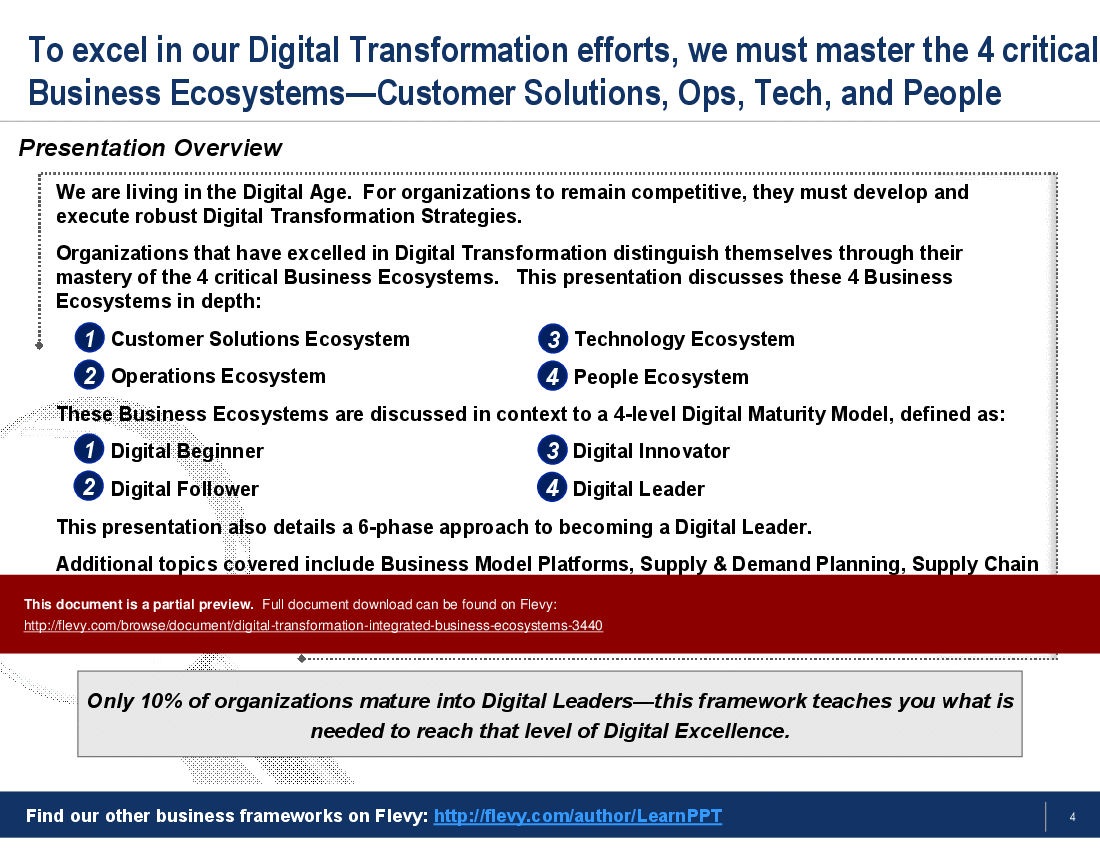

We are living in the Digital Age. For organizations to remain competitive, they must develop and execute robust Digital Transformation Strategies.
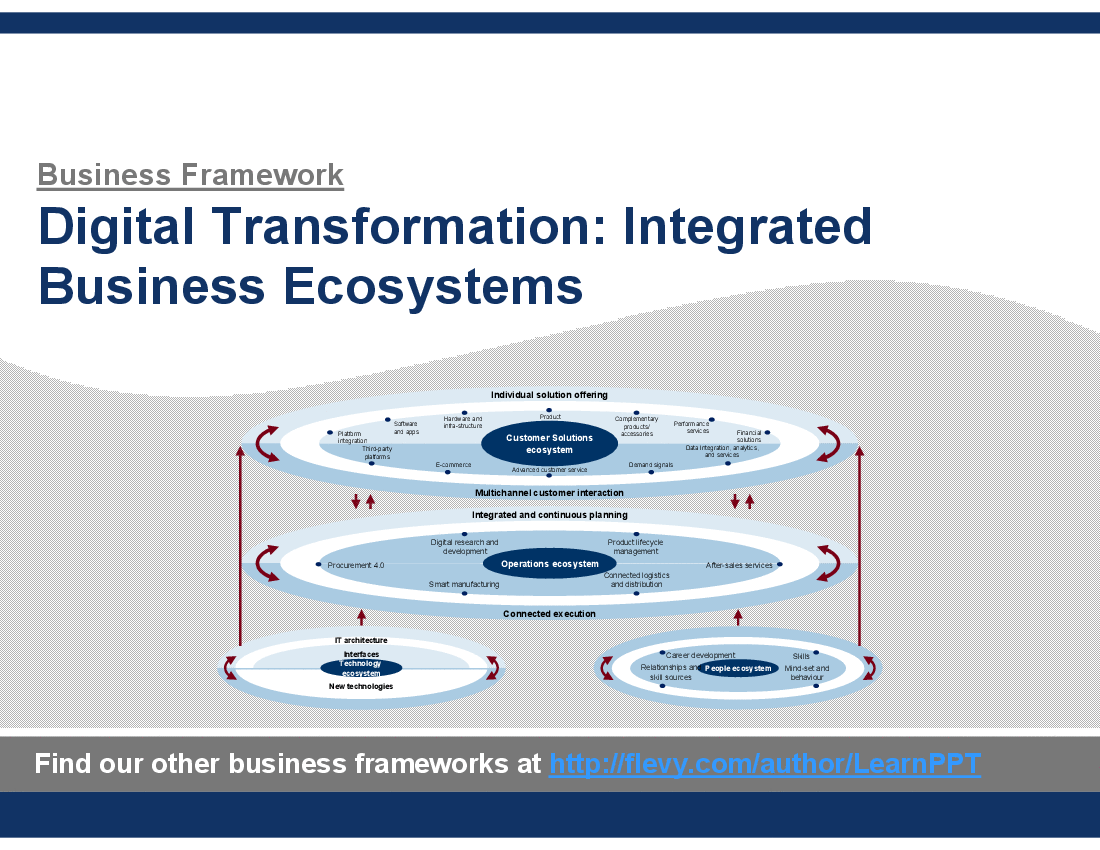
Organizations that have excelled in Digital Transformation distinguish themselves through their mastery of the 4 critical Business Ecosystems. This presentation discusses these 4 Business Ecosystems in depth:
1. Customer Solutions Ecosystem
2. Operations Ecosystem
3. Technology Ecosystem
4. People Ecosystem
These Business Ecosystems are discussed in context to a 4-level Digital Maturity Model, defined as:
1. Digital Beginner
2. Digital Follower
3. Digital Innovator
4. Digital Leader
Only 10% of organizations mature into Digital Leaders. This presentation teaches you what is needed to reach that level of Digital Excellence through a 6-phase approach that ties implementation to the 4 ecosystems.
Additional topics covered include Business Model Platforms, Supply & Demand Planning, Supply Chain Integration, Types of Artificial Intelligence, Analog vs. Digital Culture, among other topics.
This document also includes slide templates for you to use in your own business presentations.
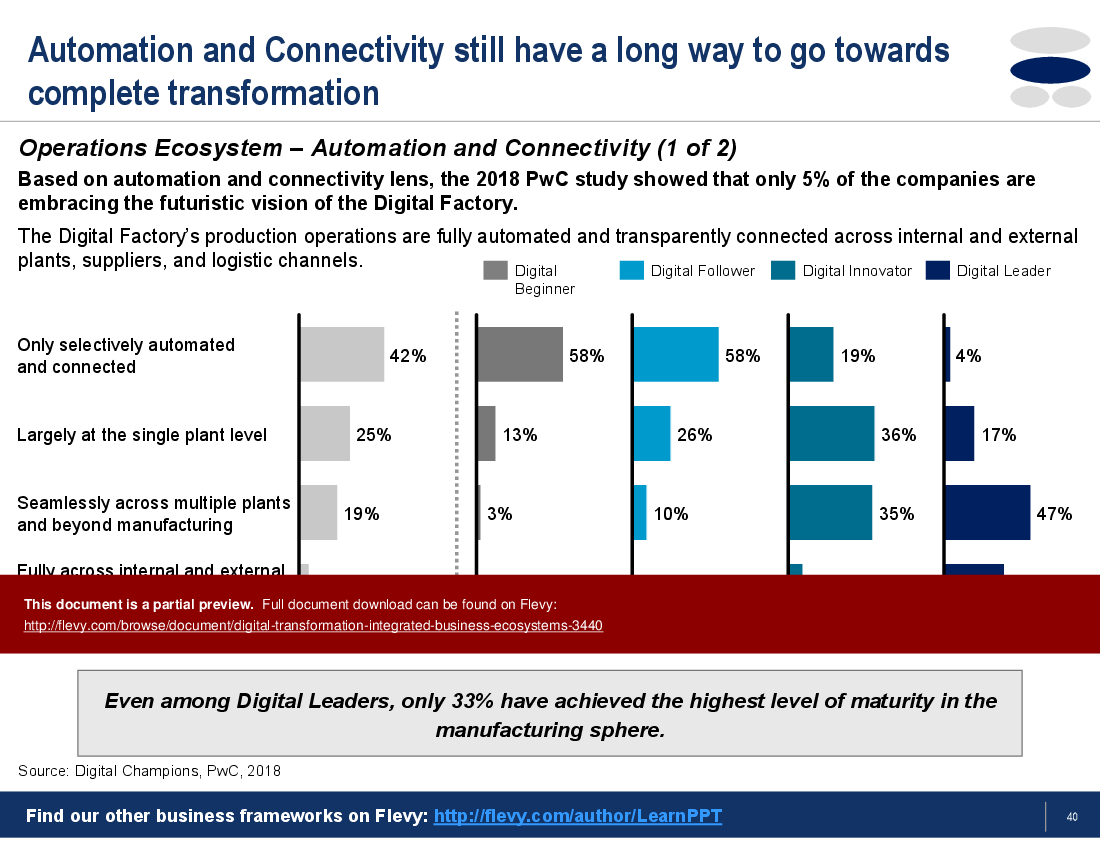
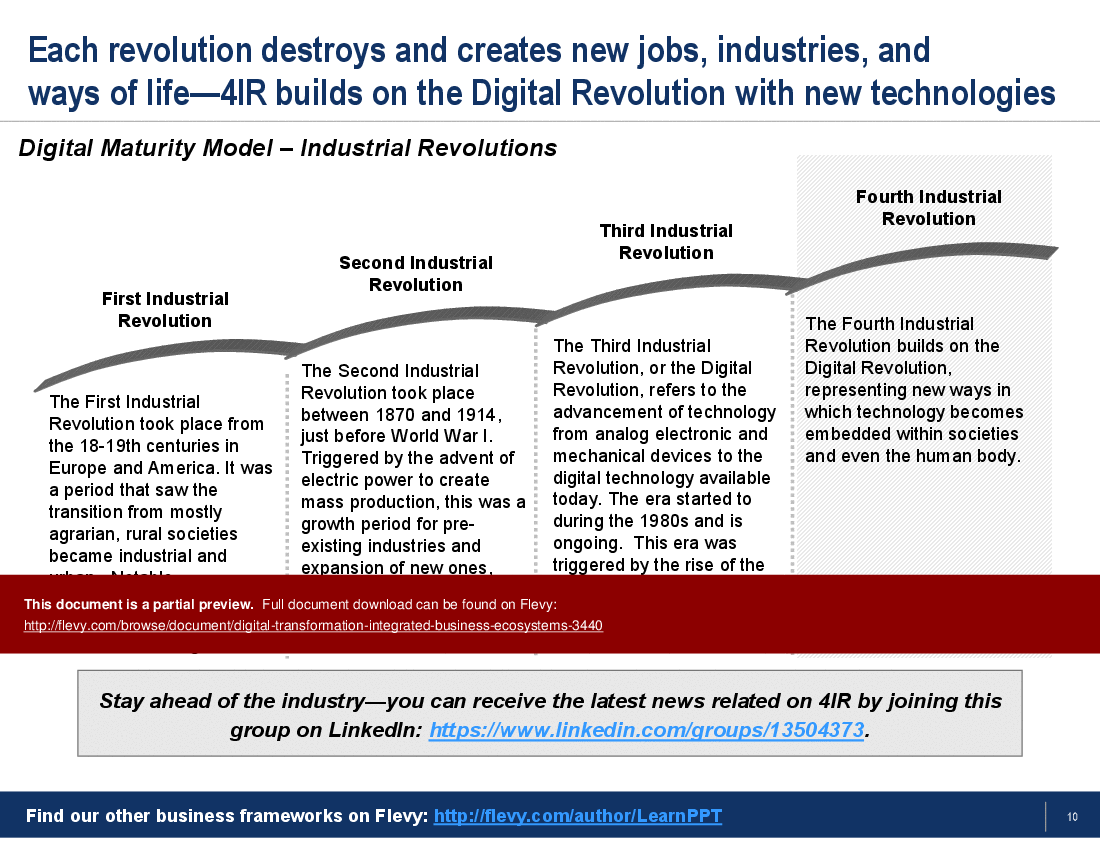
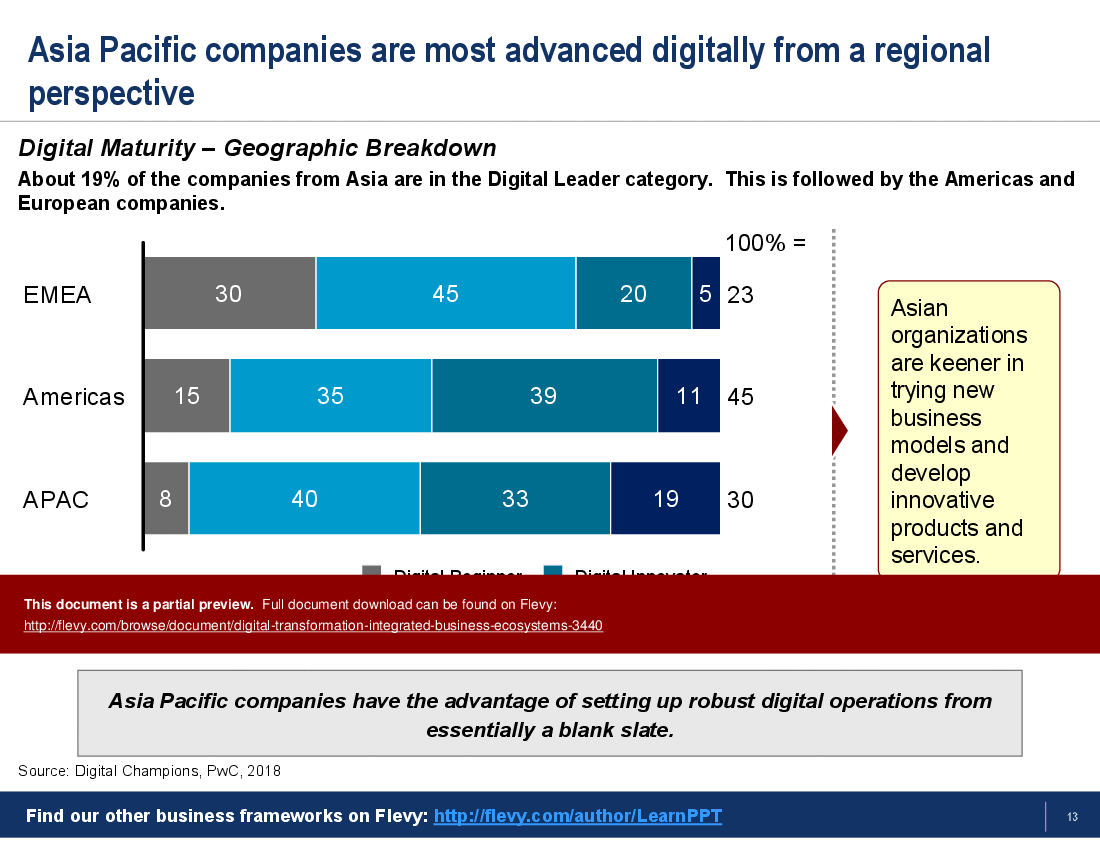
This presentation delves into the evolution of industrial revolutions, emphasizing the transition from the First Industrial Revolution to the Fourth Industrial Revolution (4IR). The 4IR represents a significant leap, embedding technology deeply within societies and even the human body. The PPT provides a geographic breakdown of digital maturity, highlighting that Asia Pacific companies lead in digital advancements, with 19% categorized as Digital Leaders. These organizations are more inclined to experiment with new business models and innovative products.
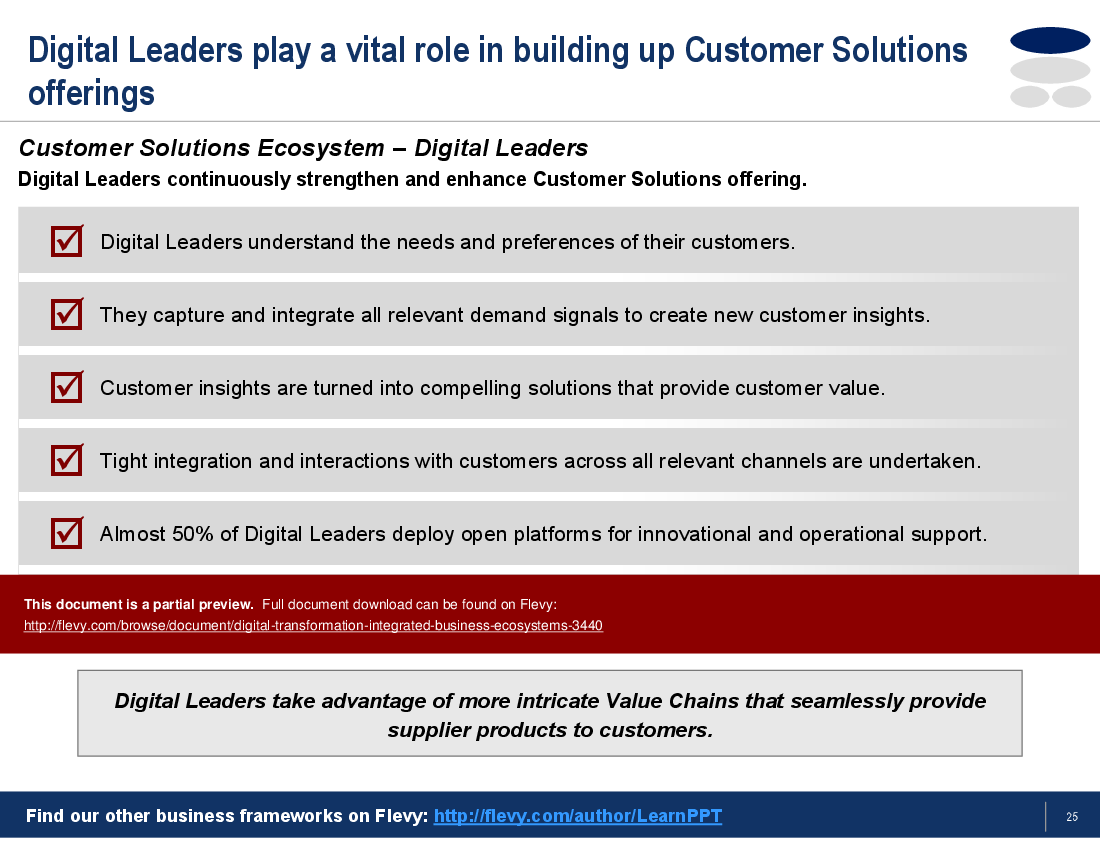
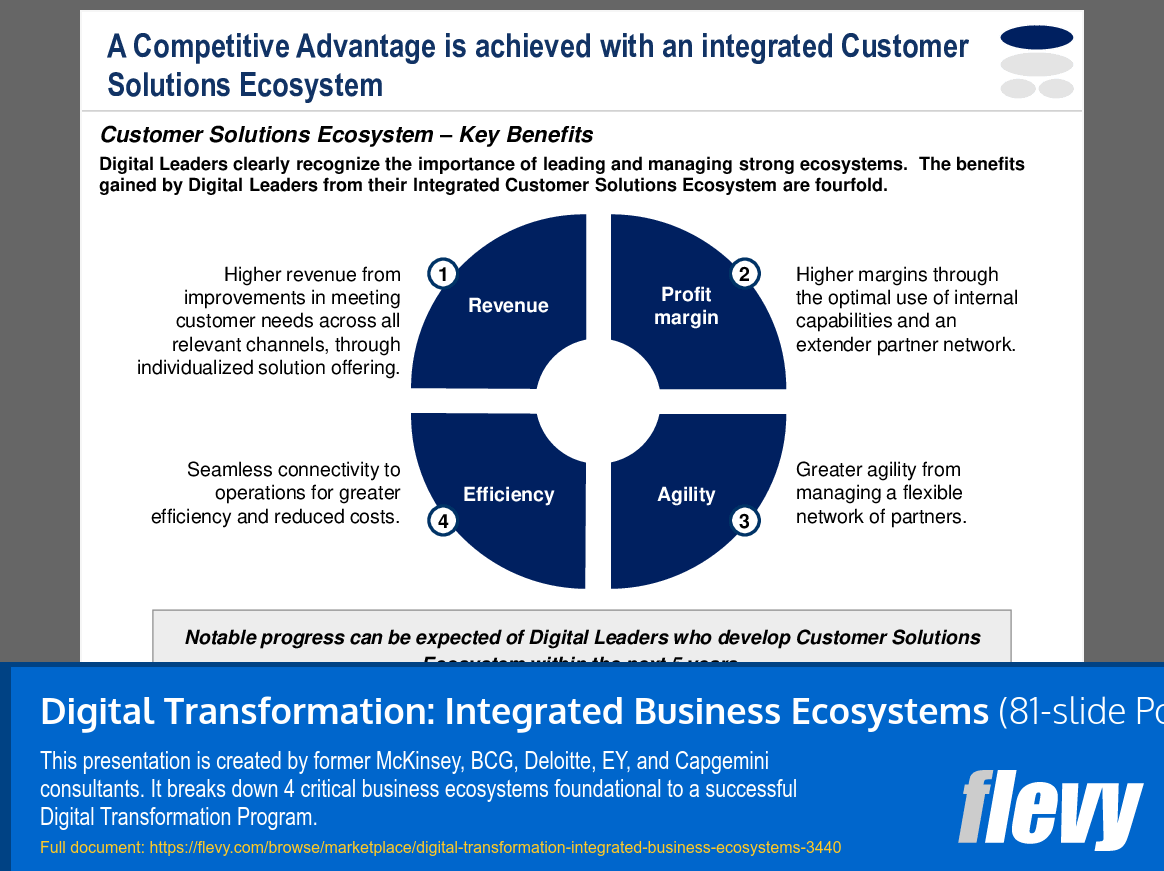
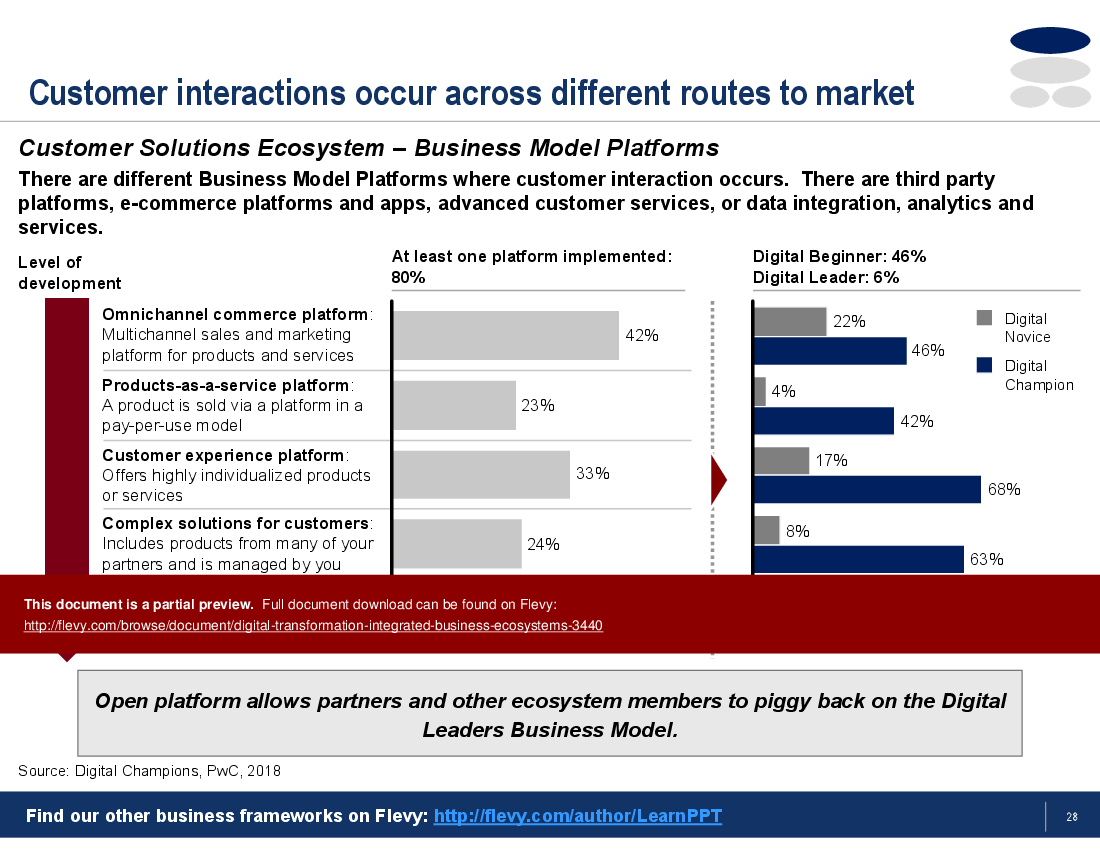
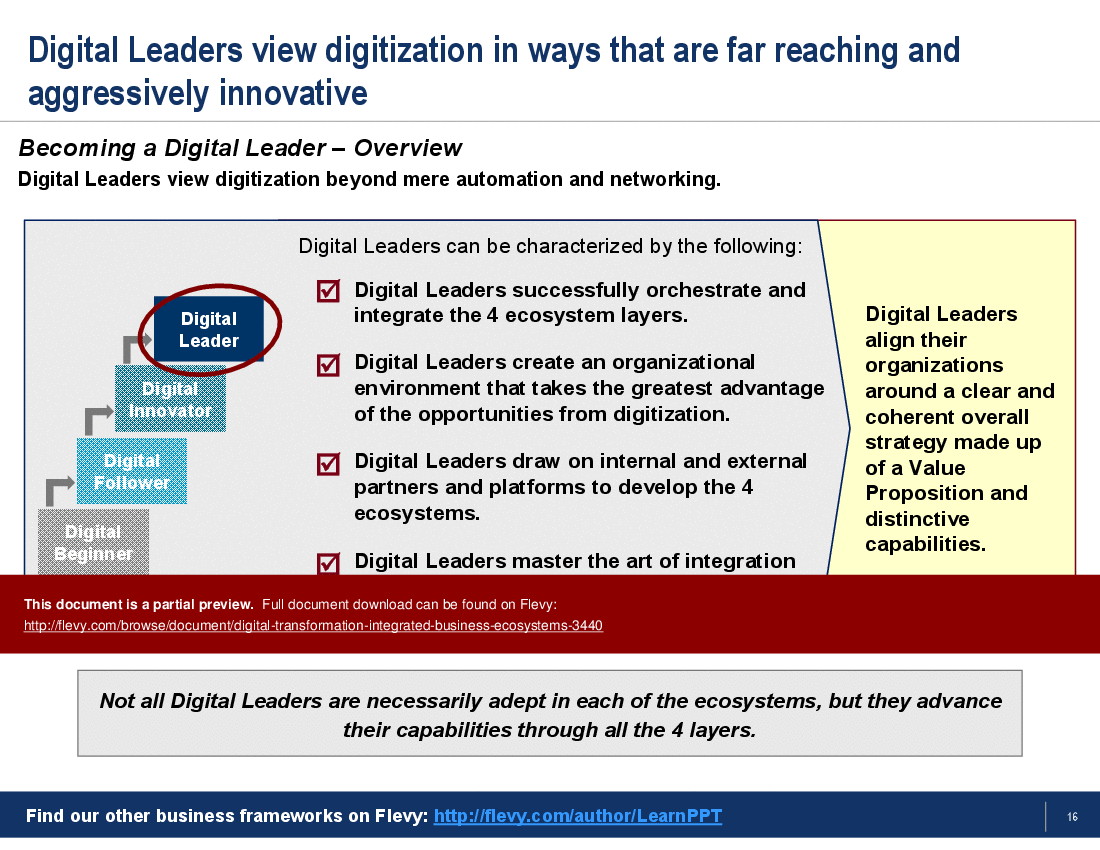
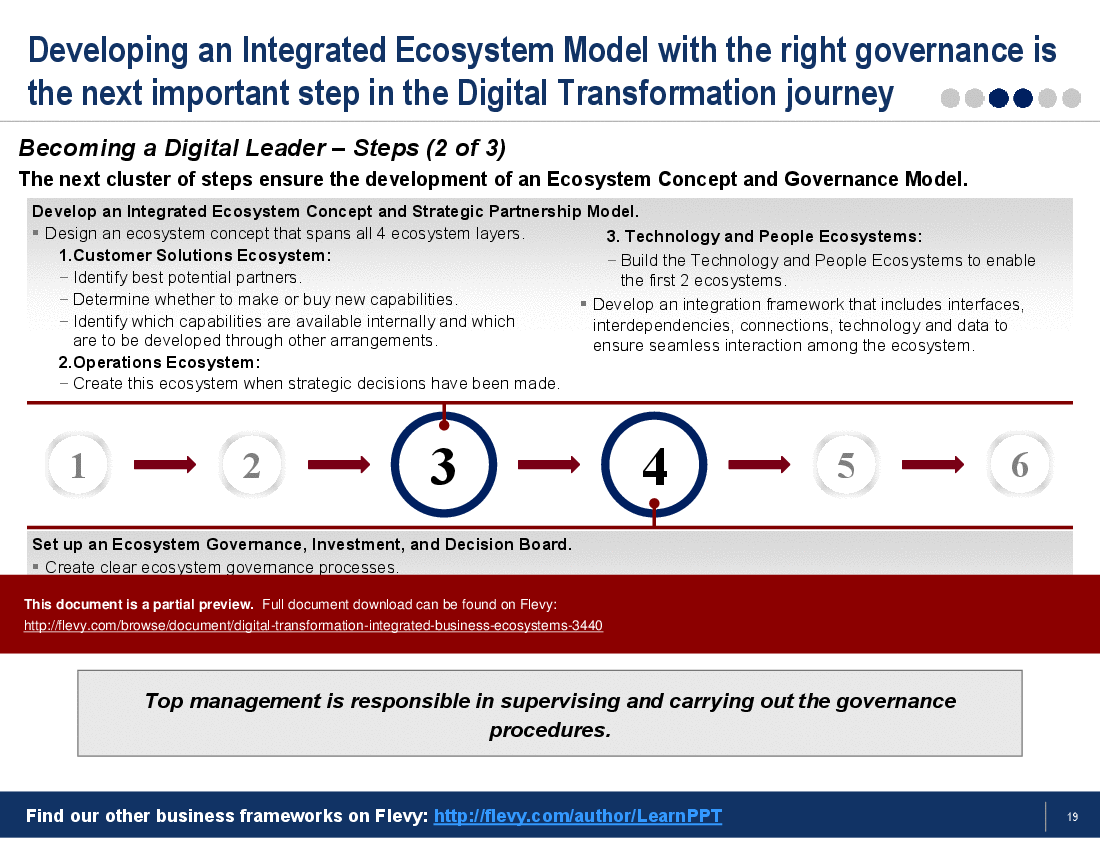
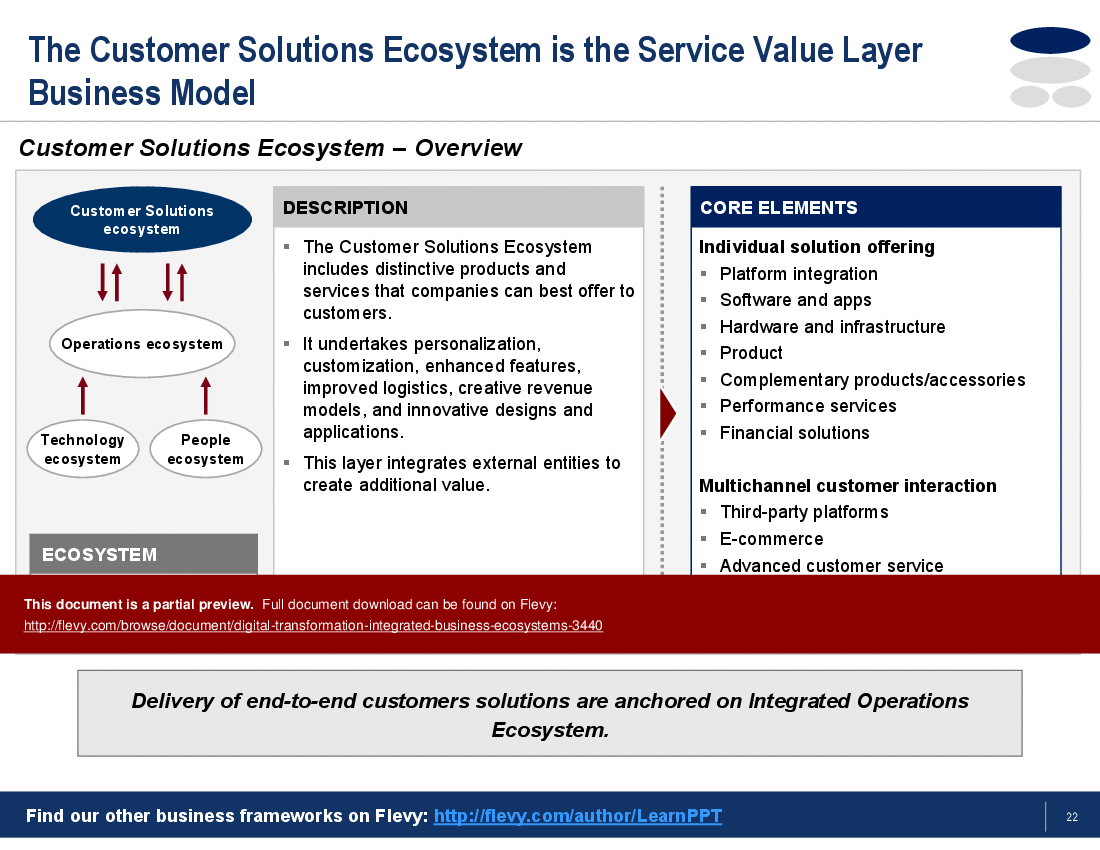
Digital Leaders are characterized by their ability to orchestrate and integrate the four ecosystem layers effectively. They create an environment that maximizes the opportunities from digitization, drawing on internal and external partners to develop these ecosystems. The presentation outlines a step-by-step approach to developing an Integrated Ecosystem Concept and Governance Model, ensuring strategic decisions are made with clear ecosystem governance processes. The Customer Solutions Ecosystem, for instance, integrates external entities to create additional value, emphasizing the importance of personalization, customization, and innovative designs.
Got a question about the product? Email us at support@flevy.com or ask the author directly by using the "Ask the Author a Question" form. If you cannot view the preview above this document description, go here to view the large preview instead.
Executive Summary
This presentation, titled "Digital Transformation: Integrated Business Ecosystems," is crafted by former consultants from top firms like McKinsey, BCG, and Deloitte, ensuring a McKinsey, Bain, or BCG-quality standard (consulting-grade; not affiliated). It provides a comprehensive framework for understanding and implementing 4 critical business ecosystems essential for a successful digital transformation program. Buyers will gain insights into the Customer Solutions, Operations, Technology, and People ecosystems, enabling them to develop robust digital strategies and enhance organizational capabilities.
Who This Is For and When to Use
• Corporate executives overseeing digital transformation initiatives
• Integration leaders managing cross-functional teams
• Consultants advising organizations on digital maturity
• Change management professionals facilitating organizational shifts
Best-fit moments to use this deck:
• During strategic planning sessions focused on digital transformation
• When assessing current digital maturity and identifying gaps
• In workshops aimed at aligning teams around integrated business ecosystems
Learning Objectives
• Define the 4 critical business ecosystems and their interdependencies
• Build a roadmap for achieving digital maturity across ecosystems
• Establish governance structures to support integrated digital strategies
• Identify key technologies driving the Fourth Industrial Revolution
• Develop a culture that fosters innovation and agility
• Create actionable plans for enhancing customer solutions and operational efficiency
Table of Contents
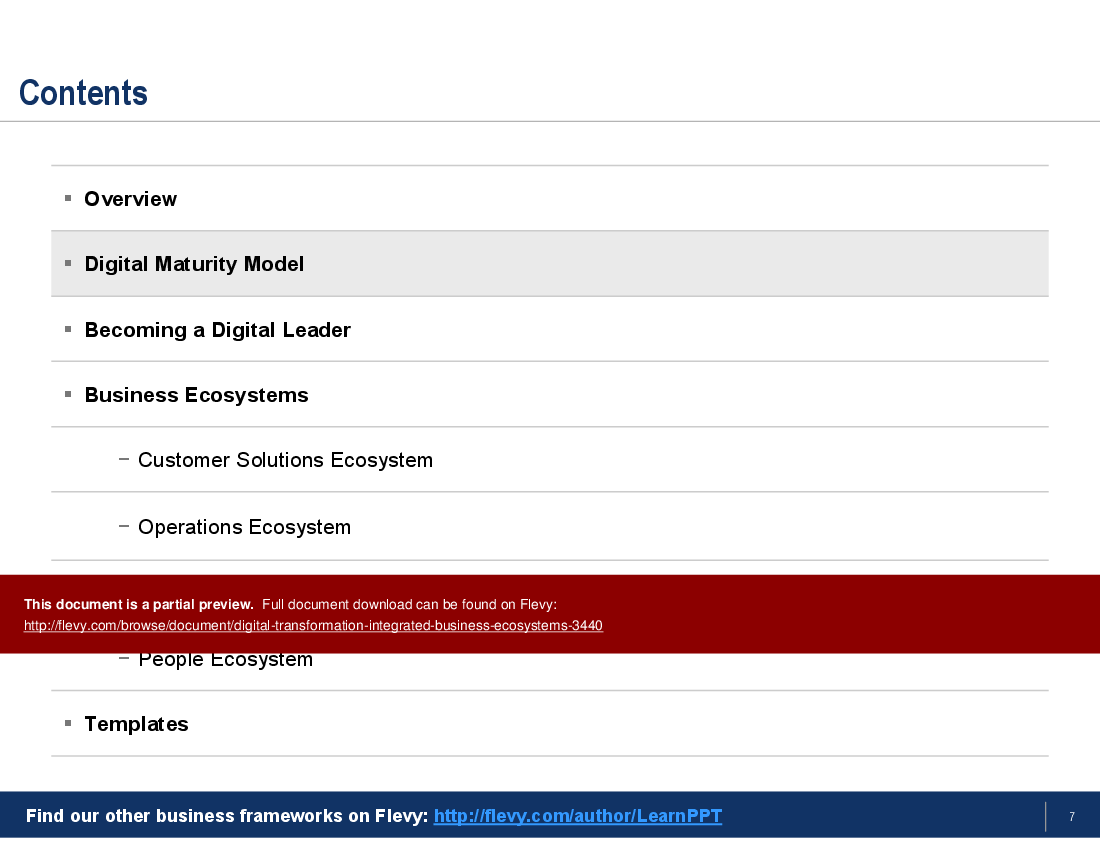
• Overview (page 3)
• Digital Maturity Model (page 7)
• Becoming a Digital Leader (page 15)
• Business Ecosystems (page 21)
• Customer Solutions Ecosystem (page 21)
• Operations Ecosystem (page 31)
• Technology Ecosystem (page 42)
• People Ecosystem (page 54)
• Templates (page 64)
Primary Topics Covered
• Digital Maturity Model - A framework categorizing organizations into 4 levels of digital maturity: Digital Beginner, Digital Follower, Digital Innovator, and Digital Leader.
• Becoming a Digital Leader - A six-step approach to developing capabilities and integrating ecosystems for successful digital transformation.

• Customer Solutions Ecosystem - Focuses on delivering personalized solutions and enhancing customer interactions through integrated platforms.
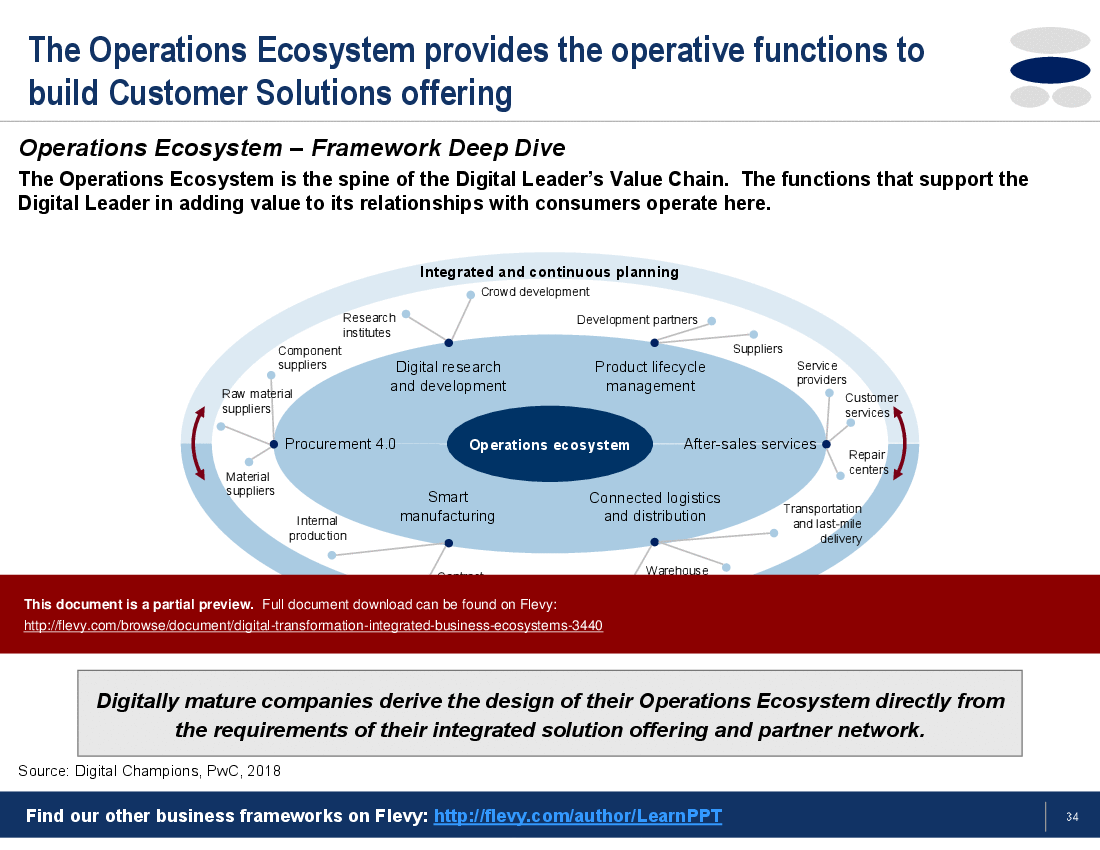
• Operations Ecosystem - Encompasses the physical activities and flows that support customer solutions, including logistics and procurement.
• Technology Ecosystem - Drives improvements through advanced technologies like AI, IoT, and automation, supporting all other ecosystems.
• People Ecosystem - Centers on organizational competence, culture, and the skills necessary for digital transformation.
Deliverables, Templates, and Tools
• Digital Maturity Assessment Template
• Ecosystem Integration Roadmap
• Customer Solutions Framework Template
• Operations Ecosystem Planning Template
• Technology Ecosystem Implementation Checklist
• People Ecosystem Development Plan
Slide Highlights
• Overview of the Digital Maturity Model with visual representations of each maturity level.
• Framework for becoming a Digital Leader, outlining the 6 critical steps.
• Detailed breakdown of the Customer Solutions Ecosystem, emphasizing integration and personalization.
• Visuals illustrating the interconnectedness of the Operations, Technology, and People ecosystems.
• Key statistics on the impact of digital transformation on organizational performance.
Potential Workshop Agenda
Digital Transformation Strategy Session (90 minutes)
• Discuss current digital maturity and identify gaps
• Define the vision for integrated business ecosystems
• Develop a preliminary action plan for implementation
Ecosystem Integration Workshop (120 minutes)
• Explore the interdependencies between ecosystems
• Identify key stakeholders and governance structures
• Create a roadmap for ecosystem integration and alignment
Customization Guidance
• Tailor the digital maturity assessment to reflect specific organizational contexts.
• Adjust the ecosystem frameworks to align with industry-specific challenges and opportunities.
• Incorporate organizational terminology and metrics into the templates provided.
Secondary Topics Covered
• Supply and demand planning in the context of digital ecosystems
• The role of artificial intelligence in enhancing operational efficiency
• Strategies for fostering a digital culture within organizations
• Case studies of successful digital transformation initiatives
FAQ
What are the 4 critical business ecosystems?
The 4 ecosystems are Customer Solutions, Operations, Technology, and People, each playing a vital role in digital transformation.
How can organizations assess their digital maturity?
Organizations can use the Digital Maturity Model outlined in the presentation to evaluate their current state and identify areas for improvement.
What is the significance of the Customer Solutions Ecosystem?
This ecosystem focuses on delivering personalized solutions and enhancing customer interactions, which are crucial for competitive advantage.
How do organizations become Digital Leaders?
By following the six-step approach outlined in the presentation, organizations can develop capabilities and integrate ecosystems effectively.
What technologies are driving the Fourth Industrial Revolution?
Key technologies include artificial intelligence, IoT, 3D printing, and robotic process automation, all of which are essential for digital transformation.
How can the People Ecosystem support digital transformation?
The People Ecosystem fosters a culture of innovation, continuous learning, and adaptability, which are critical for successful digital initiatives.
What are the expected benefits of a mature Operations Ecosystem?
A mature Operations Ecosystem provides transparency, real-time data sharing, and enhanced collaboration, leading to improved efficiency and responsiveness.
How can organizations ensure successful integration of ecosystems?
Establishing clear governance structures and fostering collaboration among stakeholders are essential for effective ecosystem integration.
Glossary
• Digital Maturity - The level of sophistication an organization has achieved in its digital transformation efforts.
• Ecosystem - A network of interconnected entities that collaborate to deliver value.
• Customer Solutions Ecosystem - The framework for delivering integrated customer solutions through various channels.
• Operations Ecosystem - The physical activities and flows that support customer solutions.
• Technology Ecosystem - The technological infrastructure that enables digital transformation.
• People Ecosystem - The organizational culture and competencies that support digital initiatives.
• Fourth Industrial Revolution (4IR) - The current era characterized by the fusion of digital, physical, and biological technologies.
• Agility - The ability of an organization to respond quickly to changes in the market or environment.
• Data Analytics - The process of analyzing data to gain insights and inform decision-making.
• Digital Transformation - The integration of digital technology into all areas of a business, fundamentally changing how it operates and delivers value.
• Governance - The framework of rules, practices, and processes by which an organization is directed and controlled.
• Innovation - The process of translating an idea or invention into a good or service that creates value.
• Integration - The process of combining different systems or processes to work together effectively.
• Personalization - Tailoring products or services to meet individual customer preferences.
• Supply Chain - The network between a company and its suppliers to produce and distribute a specific product.
• Value Chain - The full range of activities that businesses engage in to bring a product or service from conception to delivery.
• Workstream - A defined sequence of tasks or activities that are part of a larger project or process.
• Digital Culture - The mindset and behaviors that support digital transformation within an organization.
• Collaboration - Working together to achieve a common goal, often across different teams or organizations.
• Customer Insights - Understanding customer needs and preferences through data analysis and feedback.
• Competitive Advantage - The attributes that allow an organization to outperform its competitors.
Source: Best Practices in Digital Transformation PowerPoint Slides: Digital Transformation: Integrated Business Ecosystems PowerPoint (PPT) Presentation Slide Deck, LearnPPT Consulting
This document is available as part of the following discounted bundle(s):
Save %!
Digital Transformation Frameworks
This bundle contains 6 total documents. See all the documents to the right.
|
Download our FREE Digital Transformation Templates
Download our free compilation of 50+ Digital Transformation slides and templates. DX concepts covered include Digital Leadership, Digital Maturity, Digital Value Chain, Customer Experience, Customer Journey, RPA, etc. |