
This presentation provides an in-depth discussion on Value Creation. Maximizing shareholder value is the strategic management philosophy driving countless organizations. The thinking here is the organization should first and foremost consider the interests of shareholders when making management decisions.

This presentation is broken into 3 core sections:
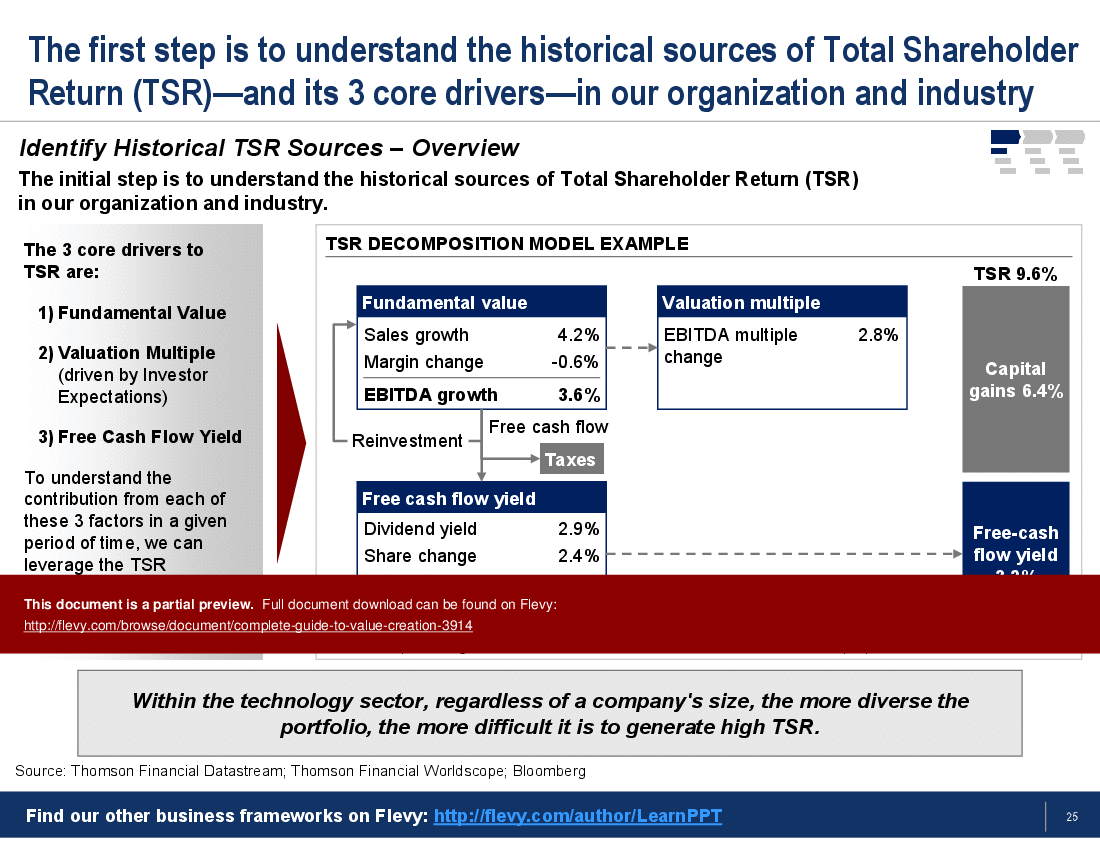
1. Total Shareholder Return (TSR) – TSR measures the change in a public company's stock price, in addition to its dividend yield, over a period of time. TSR is driven by 3 factors—Changes in Fundamental Value, Changes in Investor Expectations, Distribution of Free Cash Flow.
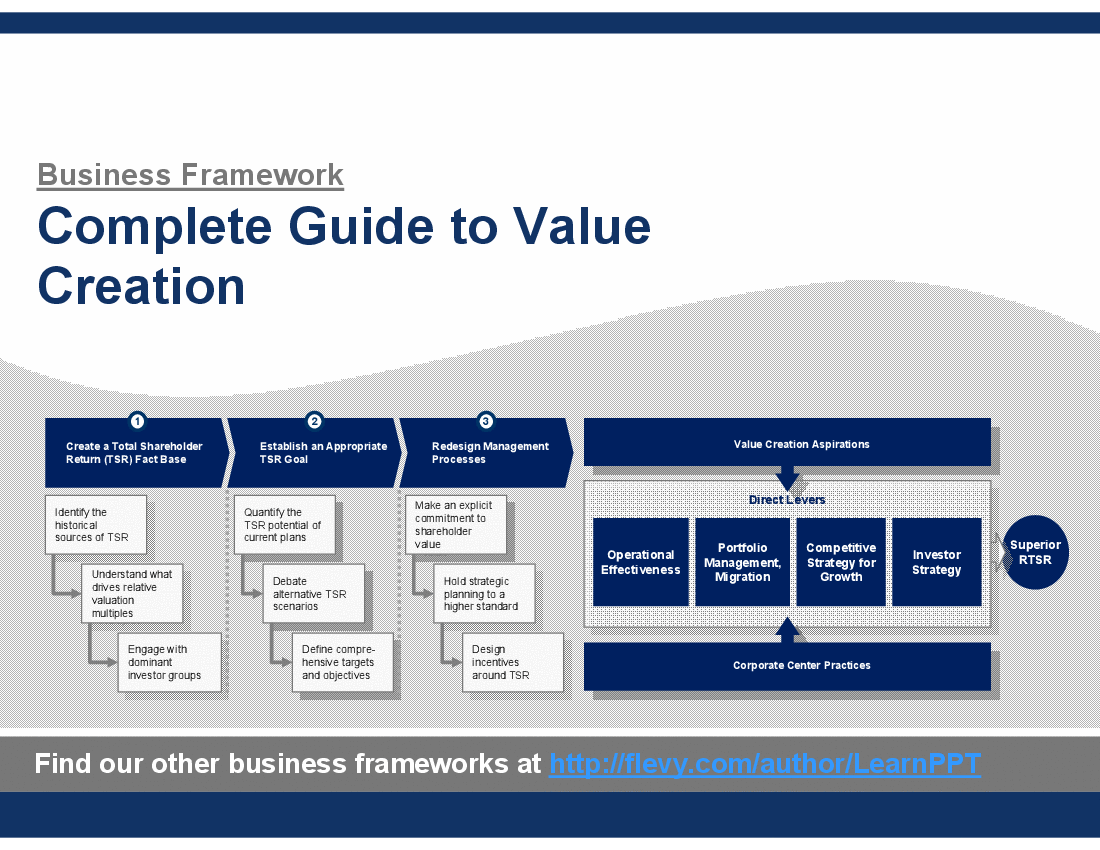
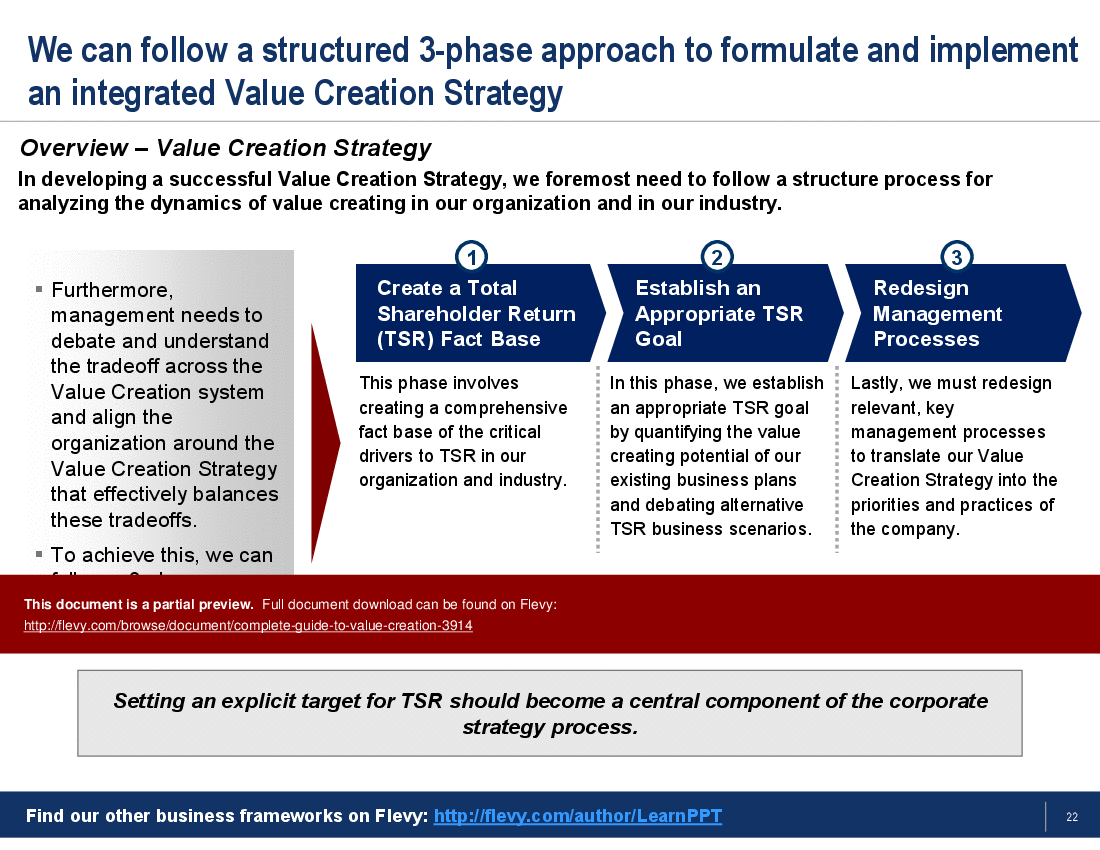
2. Value Creation Strategy – Developing a successful Value Creation Strategy requires a structured process for analyzing the dynamics of value creating in our organization and in our industry. We outline a 3-phase (9-step) approach to developing an integrated Value Creation Strategy.
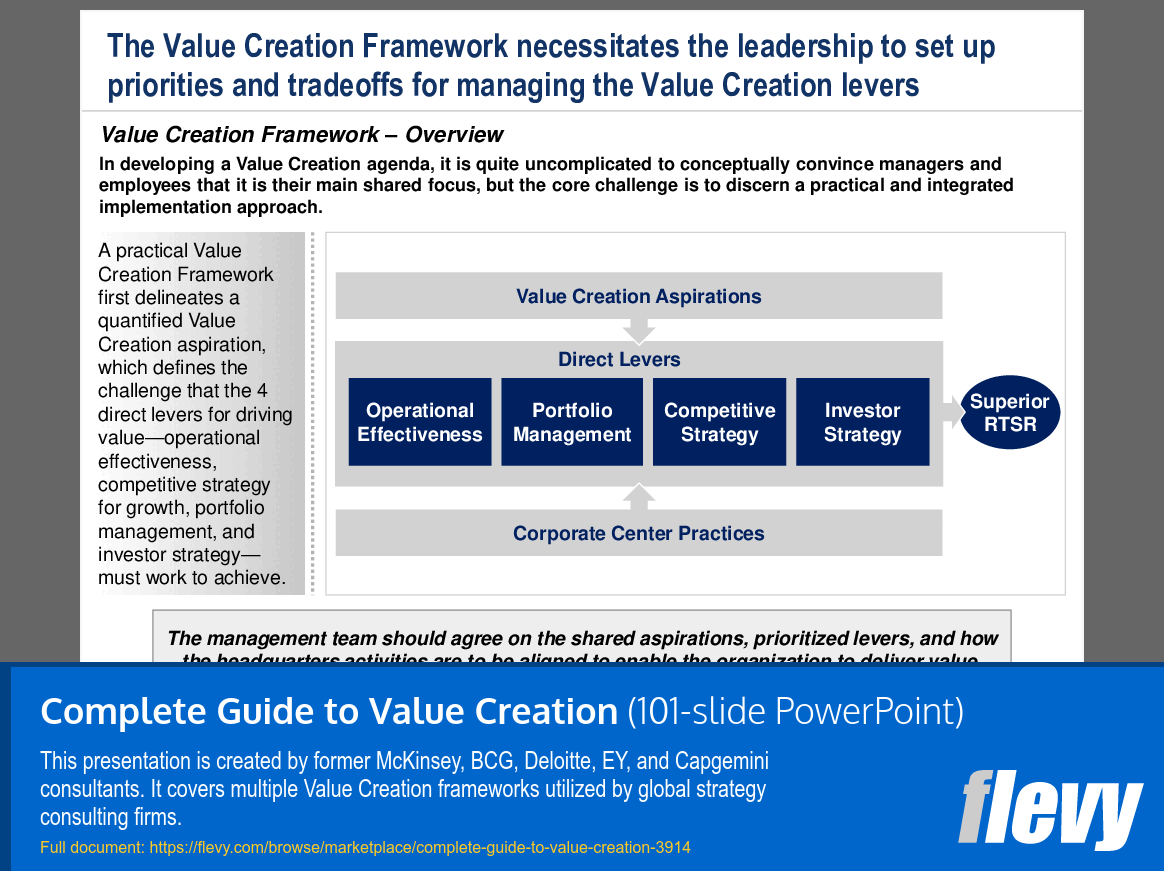
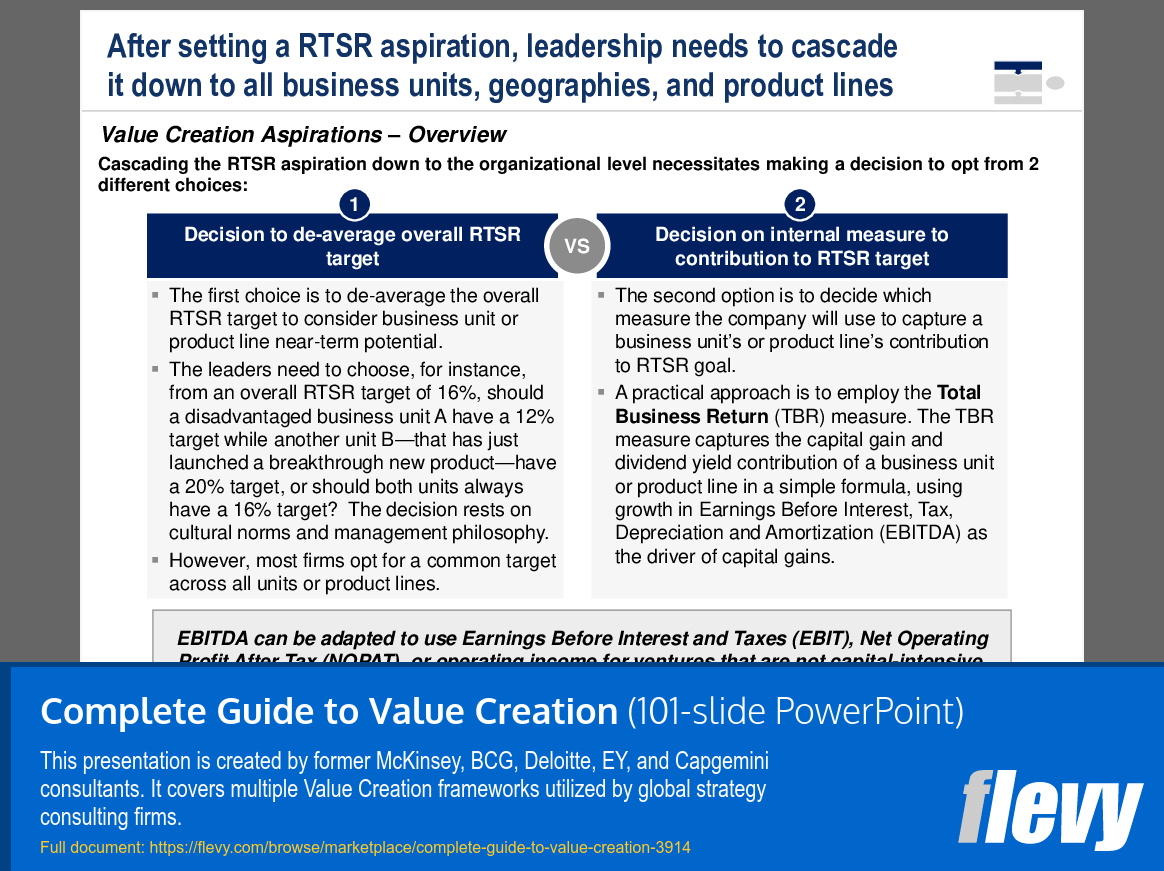
3. Value Creation Framework – This framework is comprised of 4 components: Superior Relative Total Shareholder Return (RTSR), Value Creation Aspirations, Direct Levers of Value Creation, and Corporate Center Practices. We also compare this framework to traditional Value-Based Management (VBM) thinking.
This deck also includes slide templates for you to use in your own business presentations.
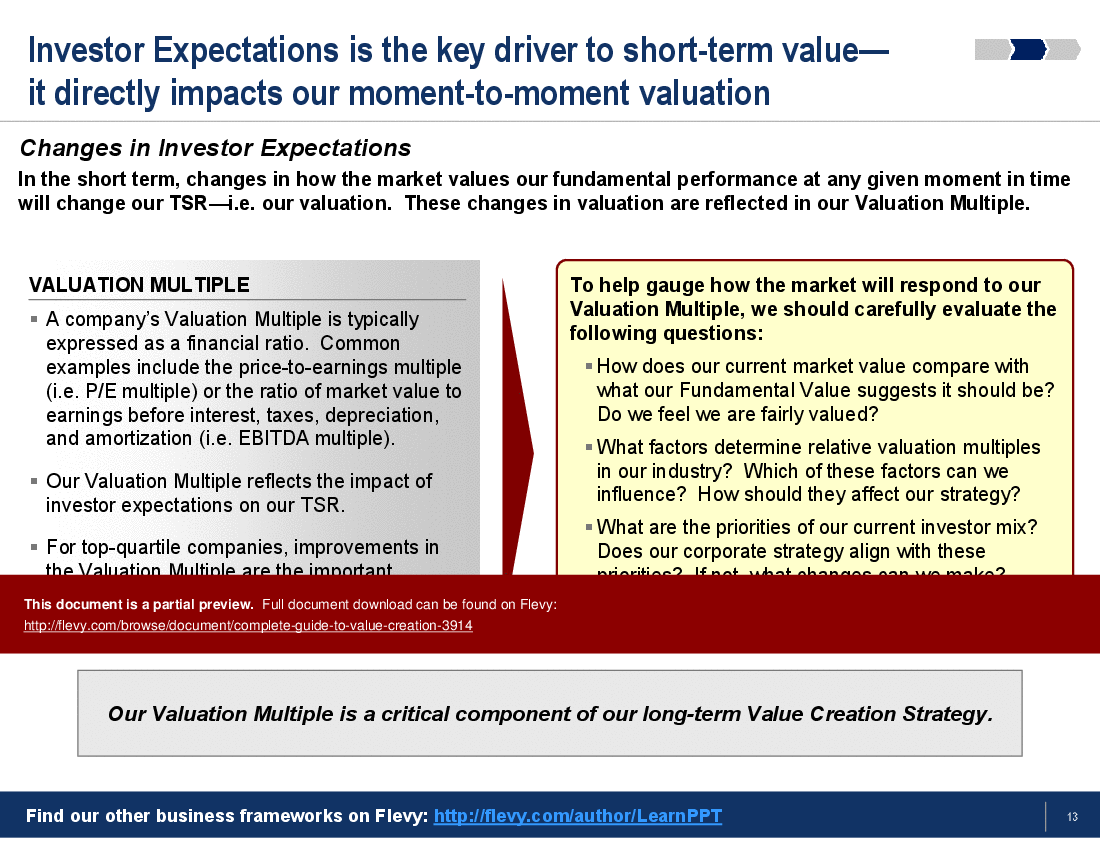
The guide delves into the nuances of investor expectations and their impact on short-term valuation. It emphasizes the importance of understanding the valuation multiple, a critical financial ratio reflecting investor sentiment. This component is essential for gauging market reactions and aligning corporate strategies with investor priorities. The presentation also provides a structured approach to redesigning management processes, ensuring that value creation strategies are seamlessly integrated into the company's operational framework.
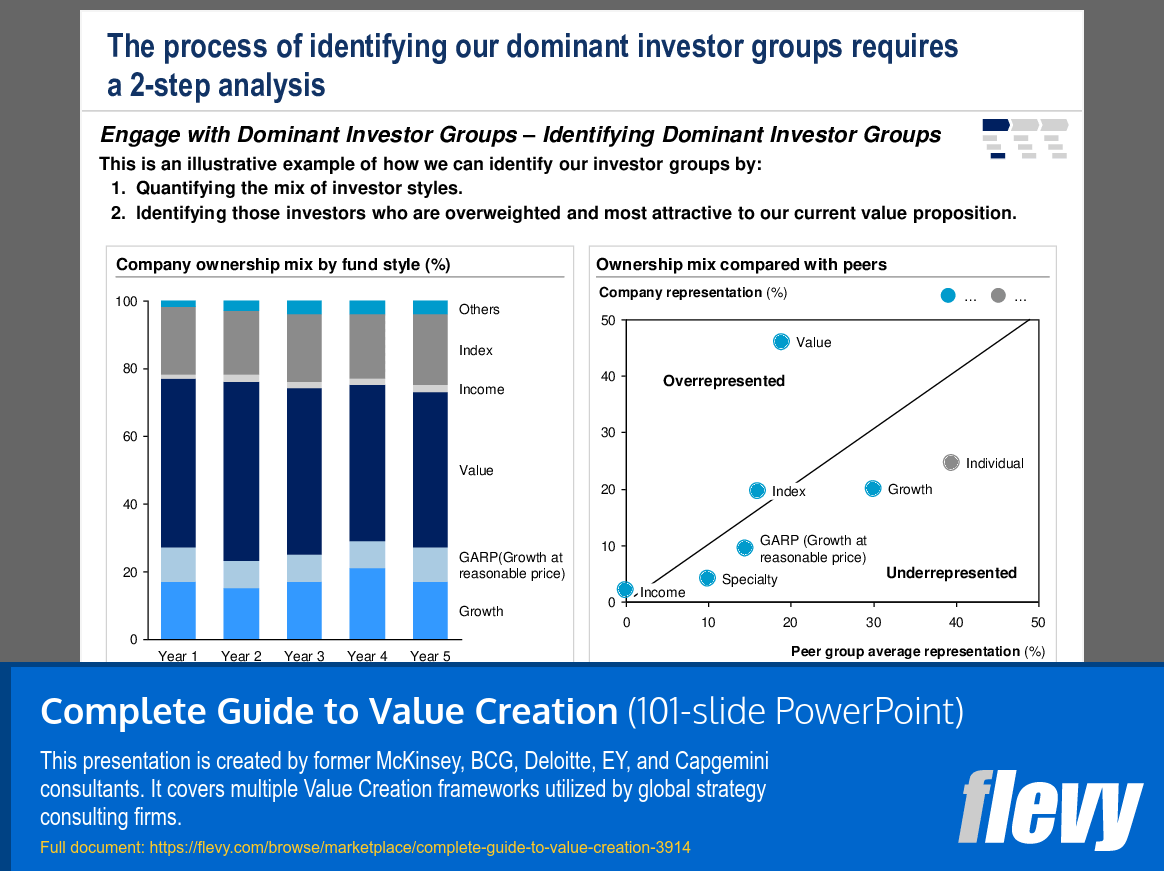
The PPT further explores the significance of engaging with dominant investor groups to tailor strategies that resonate with their expectations. It outlines methods to quantify the TSR potential of current business plans, emphasizing the need for iterative evaluation and strategic adjustments. The guide concludes with practical templates and models for analyzing TSR sources, making it an indispensable resource for executives aiming to optimize shareholder value.
Got a question about the product? Email us at support@flevy.com or ask the author directly by using the "Ask the Author a Question" form. If you cannot view the preview above this document description, go here to view the large preview instead.
Executive Summary
The "Complete Guide to Value Creation" presentation is a consulting-grade resource crafted by former consultants from McKinsey, BCG, Deloitte, EY, and Capgemini. This comprehensive guide focuses on maximizing Total Shareholder Return (TSR) through structured frameworks and strategic insights. It equips corporate executives and consultants with the necessary tools to analyze and enhance shareholder value, aligning management processes with value creation objectives. Users will gain a deep understanding of TSR drivers, develop actionable strategies, and implement best practices for sustainable value creation.
Who This Is For and When to Use
• Corporate executives focused on shareholder value enhancement
• Strategy consultants advising on value creation initiatives
• Financial analysts assessing company performance metrics
• Investor relations teams communicating value strategies
• Business unit leaders responsible for operational effectiveness
Best-fit moments to use this deck:
• During strategic planning sessions to align on TSR goals
• In workshops aimed at redesigning management processes
• When engaging with investor groups to discuss value creation strategies
• For training sessions on implementing value-based management practices
Learning Objectives
• Define Total Shareholder Return (TSR) and its significance in corporate strategy
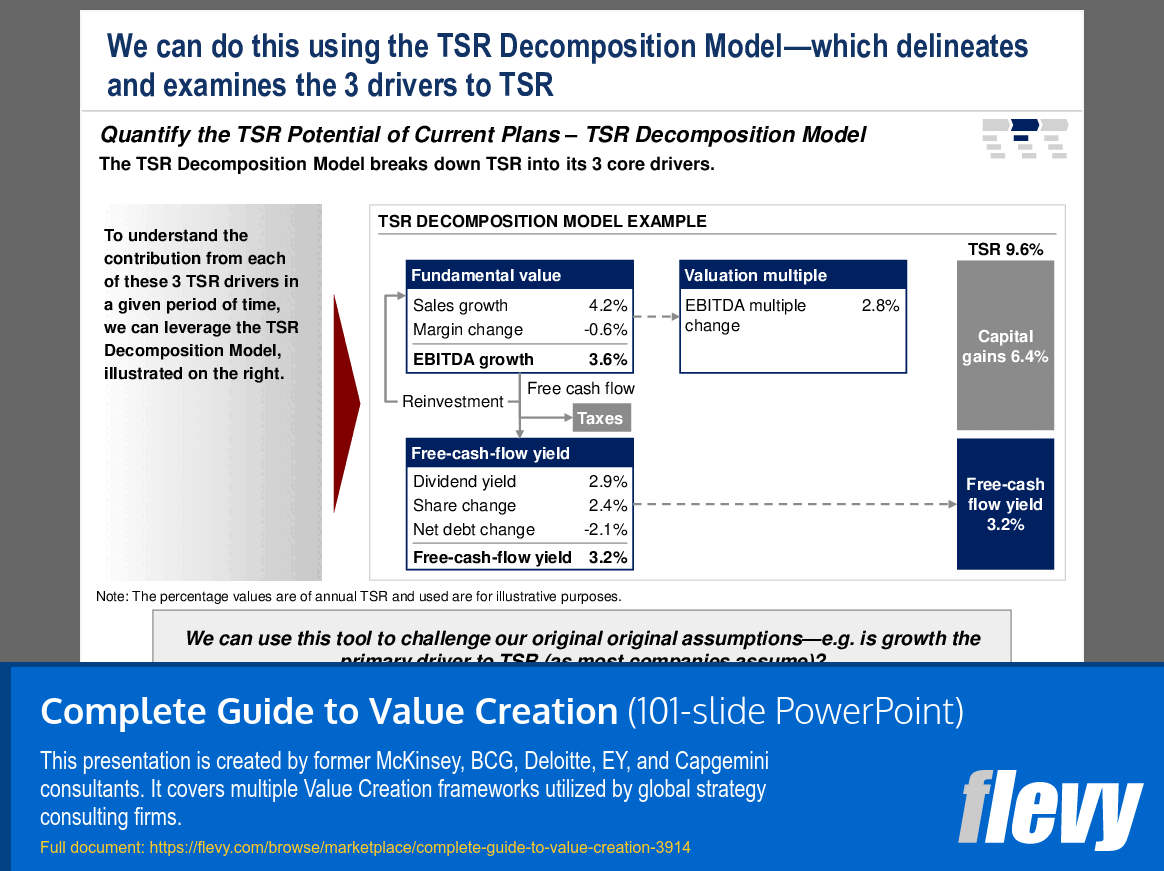
• Analyze the core drivers of TSR: fundamental value, investor expectations, and free cash flow
• Develop a comprehensive TSR fact base to inform strategic decisions
• Establish appropriate TSR goals aligned with business objectives
• Redesign management processes to support value creation initiatives
• Engage effectively with dominant investor groups to align expectations
Table of Contents
• Overview of Value Creation (page 2)
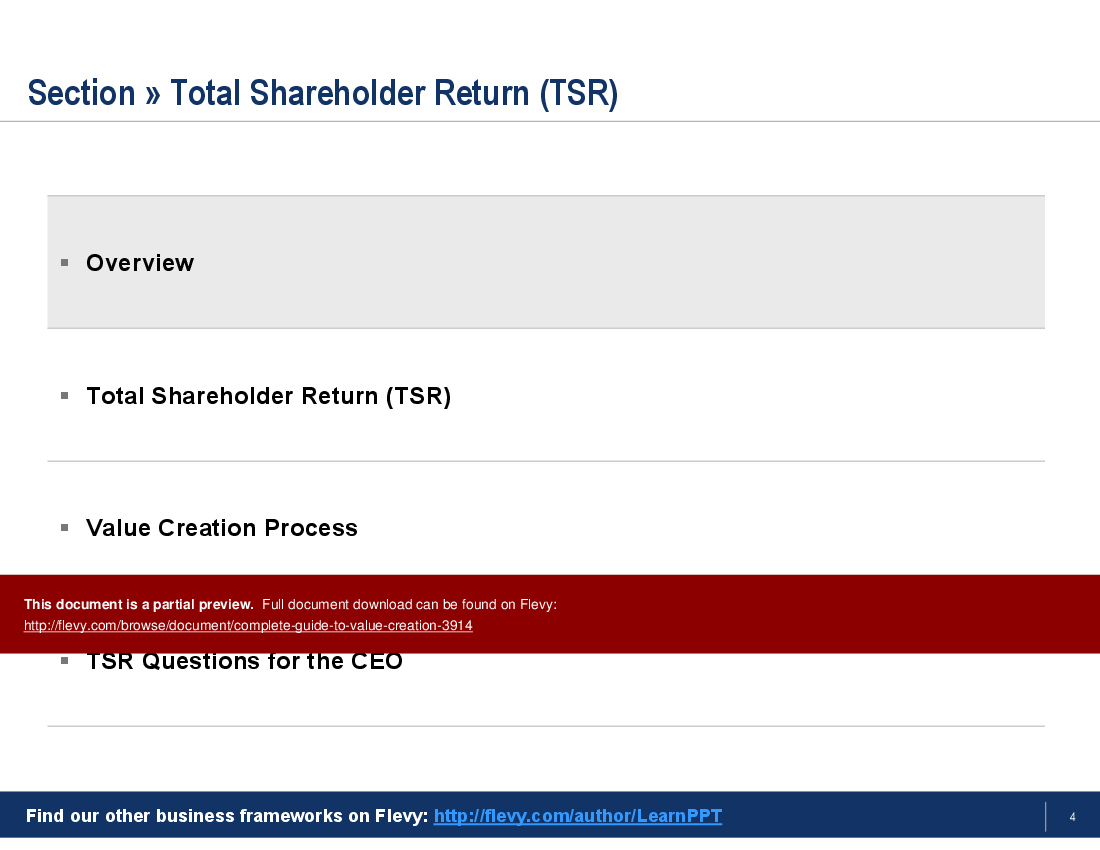
• Total Shareholder Return (TSR) Overview (page 4)
• Value Creation Process (page 11)
• TSR Questions for the CEO (page 17)
• Value Creation Strategy Overview (page 20)
• Phase 1: Create TSR Fact Base (page 21)
• Phase 2: Establish TSR Goal (page 24)
• Phase 3: Redesign Management Processes (page 40)
• Value Creation Framework Overview (page 48)
• Component 1: Superior RTSR (page 56)
• Component 2: Value Creation Aspirations (page 62)
• Component 3: Direct Levers to Value Creation (page 68)
• Component 4: Corporate Center Practices (page 74)
Primary Topics Covered
• Total Shareholder Return (TSR) - TSR is the primary measure of value creation, encompassing stock price changes and dividend yields over time. Understanding its drivers is crucial for strategic management.
• Value Creation Strategy - A structured approach for analyzing organizational dynamics and industry factors that influence value creation, including a three-phase process for implementation.
• Value Creation Framework - This framework includes components such as Superior Relative Total Shareholder Return (RTSR), Value Creation Aspirations, and Direct Levers of Value Creation.
• Investor Engagement - Strategies for aligning business plans with investor expectations and effectively communicating value creation initiatives.
• Management Processes - Redesigning management practices to support value creation goals and align with corporate strategy.
Deliverables, Templates, and Tools
• TSR Fact Base template for identifying historical sources of TSR
• TSR Decomposition Model for analyzing TSR drivers
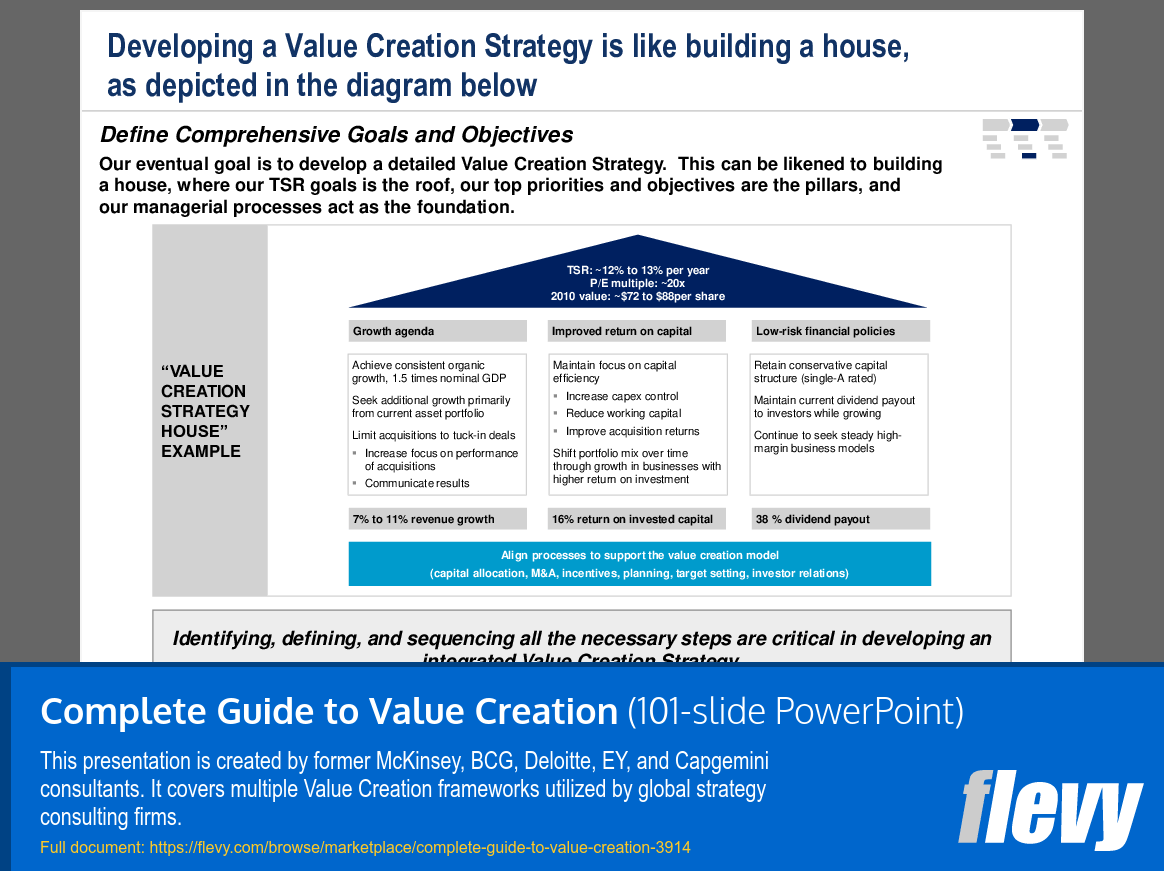
• Value Creation Strategy House model for aligning strategic priorities
• Management process redesign templates for integrating value creation goals
• Investor strategy framework for engaging with dominant investor groups
Slide Highlights
• Overview of TSR and its significance in corporate strategy
• Detailed breakdown of the TSR Decomposition Model
• Visual representation of the Value Creation Strategy House
• Key questions for CEOs regarding value creation strategy
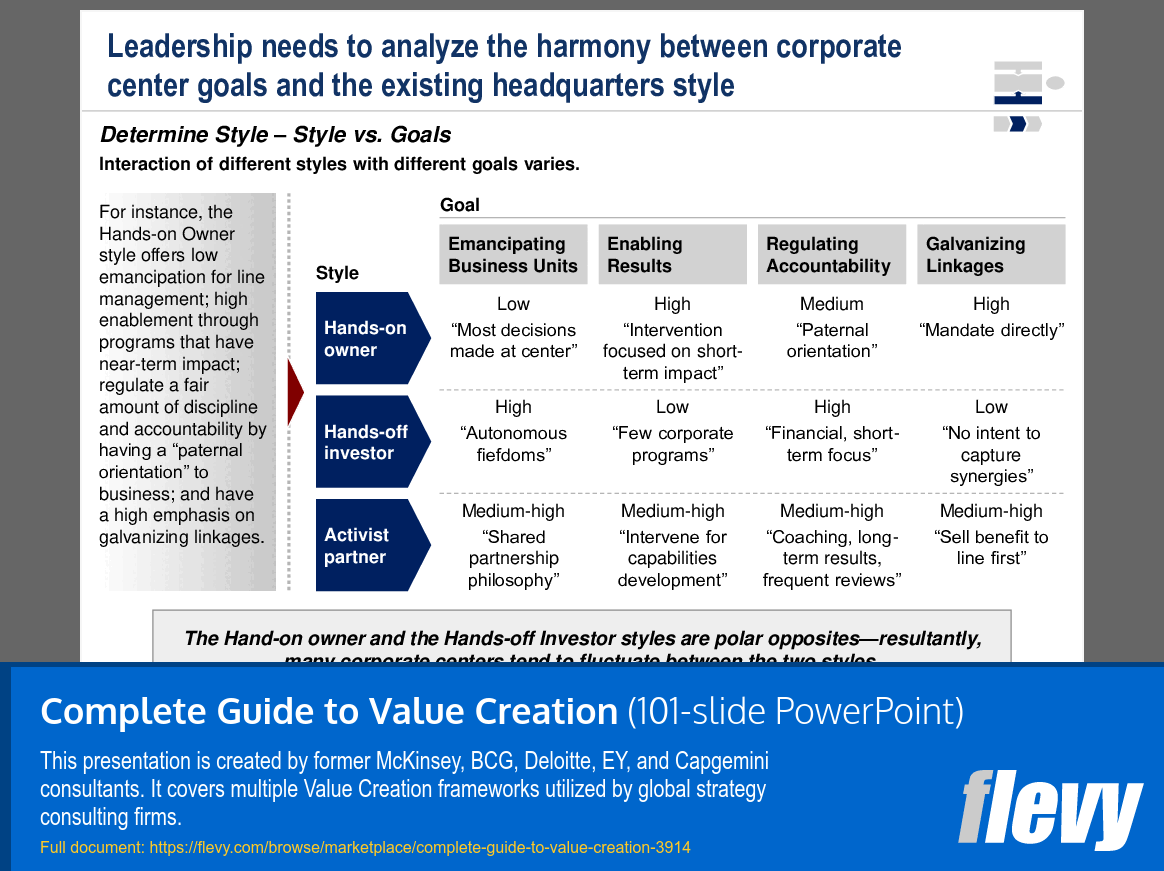
• Framework for aligning corporate center practices with value creation goals
Potential Workshop Agenda
Value Creation Strategy Workshop (90 minutes)
• Introduction to TSR and its importance in corporate strategy
• Discuss the TSR Decomposition Model and its application
• Identify historical sources of TSR within the organization
Investor Engagement Session (60 minutes)
• Analyze dominant investor groups and their expectations
• Develop strategies for aligning business plans with investor priorities
• Create a communication plan for engaging with investors
Management Process Redesign Session (90 minutes)
• Review current management processes and identify gaps
• Redesign processes to support value creation initiatives
• Establish metrics for tracking progress against TSR goals
Customization Guidance
• Tailor the TSR fact base to reflect specific organizational metrics and historical performance
• Adjust the Value Creation Strategy House model to align with unique business objectives
• Incorporate industry-specific benchmarks into the TSR Decomposition Model
• Modify investor engagement strategies based on the specific investor mix of the organization
Secondary Topics Covered
• Long-term vs. short-term value considerations
• The impact of dividends and free cash flow on TSR
• The role of competitive strategy in value creation
• Portfolio management practices for optimizing value
• Corporate center practices that support value creation
FAQ
What is Total Shareholder Return (TSR)?
TSR is a measure that combines stock price appreciation and dividend yield to assess the total return to shareholders over a specific period.
How can I use this presentation to improve our value creation strategy?
This presentation provides frameworks and tools to analyze TSR drivers, set strategic goals, and redesign management processes to enhance shareholder value.
What are the core drivers of TSR?
The core drivers of TSR include changes in fundamental value, changes in investor expectations, and the distribution of free cash flow.
How do I engage with dominant investor groups effectively?
Understanding the priorities of your dominant investors and aligning your value creation strategy with their expectations is key to effective engagement.
What is the Value Creation Framework?
The Value Creation Framework is a structured approach that includes components such as Superior RTSR, Value Creation Aspirations, and Direct Levers to Value Creation, designed to enhance shareholder value.
How can I measure the success of our value creation initiatives?
Success can be measured through tracking TSR, evaluating management processes, and assessing alignment with investor expectations.
What is the importance of redesigning management processes?
Redesigning management processes ensures that organizational practices are aligned with value creation goals, facilitating better decision-making and accountability.
How can I customize the templates provided in this presentation?
Templates can be customized by incorporating specific organizational data, adjusting metrics to reflect industry standards, and aligning with unique strategic objectives.
Glossary
• Total Shareholder Return (TSR) - A measure of the total return to shareholders, including stock price changes and dividends.
• Value Creation Strategy - A structured approach to enhancing shareholder value through strategic planning and management processes.
• Relative Total Shareholder Return (RTSR) - A metric comparing a firm's TSR to that of its peers or market index.
• Free Cash Flow - Cash generated by a company after accounting for capital expenditures, available for distribution to investors.
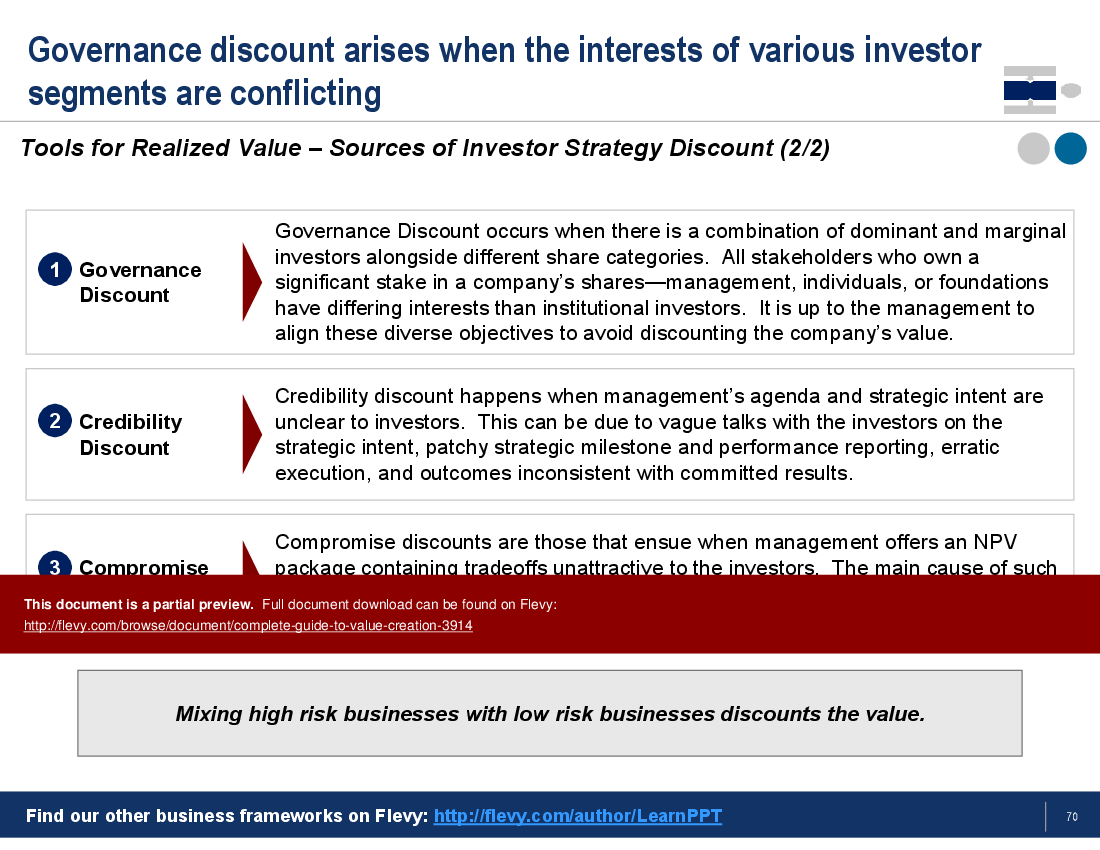
• Investor Strategy - A plan for engaging with different investor segments to align expectations and enhance value perception.
• Corporate Center Practices - Headquarters activities that influence organizational culture and align with value creation goals.
• Decomposition Model - A framework for analyzing the components contributing to TSR.
• Operational Effectiveness - The efficiency with which a company utilizes its resources to achieve its objectives.
• Portfolio Management - The process of managing a company's investments to optimize returns.
• Competitive Strategy - The approach a company takes to gain a competitive advantage in its industry.
• Management Processes - The systems and practices used to guide decision-making and resource allocation within an organization.
• Dividends - Payments made to shareholders from a company's earnings.
• Valuation Multiple - A financial metric used to compare a company's market value to a financial performance measure, such as earnings.
• Earnings Before Interest and Taxes (EBIT) - A measure of a firm's profit that includes all expenses except interest and income tax expenses.
• Economic Value Added (EVA) - A measure of a company's financial performance that shows the net profit after deducting the cost of capital.
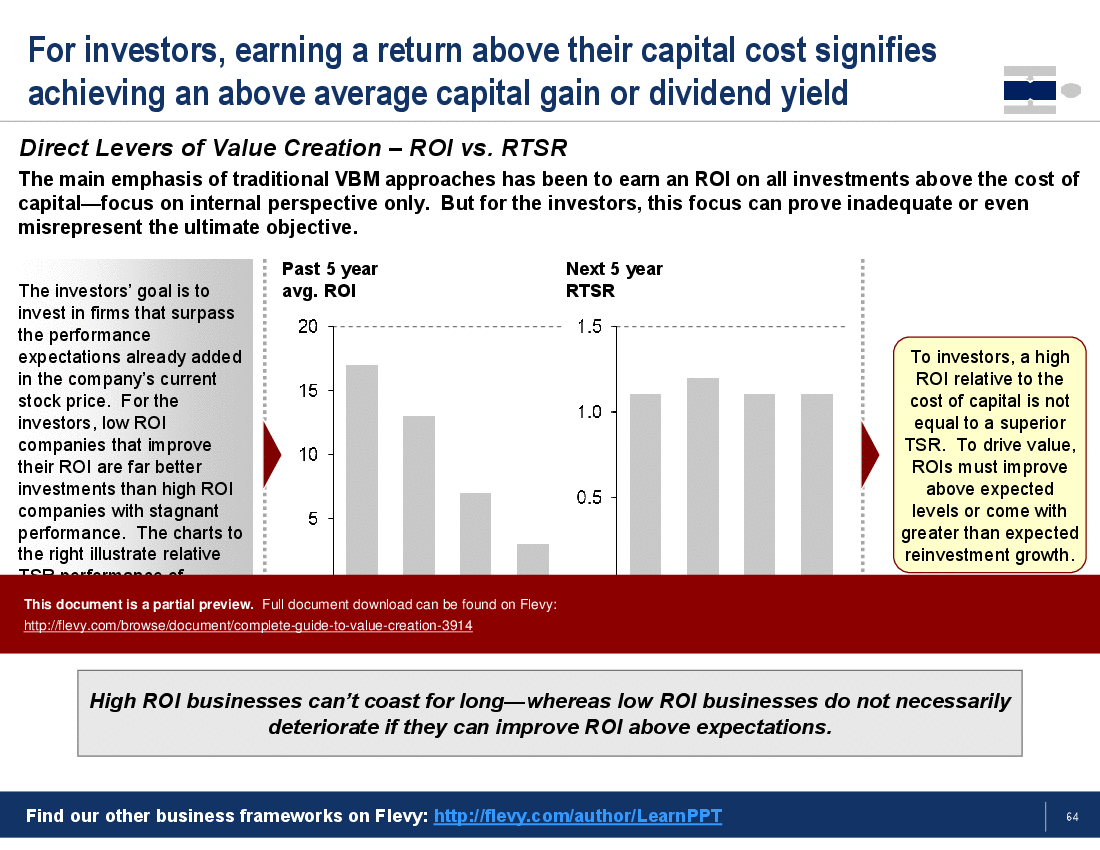
• Return on Investment (ROI) - A performance measure used to evaluate the efficiency of an investment.
• Strategic Planning - The process of defining a company's direction and making decisions on allocating resources to pursue that direction.
• Capital Allocation - The process of deciding how to distribute financial resources among various projects or investments.
• Incentive Compensation - Financial rewards given to employees based on performance metrics.
Source: Best Practices in Value Creation PowerPoint Slides: Complete Guide to Value Creation PowerPoint (PPT) Presentation Slide Deck, LearnPPT Consulting
|
Download our FREE Strategy & Transformation Framework Templates
Download our free compilation of 50+ Strategy & Transformation slides and templates. Frameworks include McKinsey 7-S, Balanced Scorecard, Disruptive Innovation, BCG Curve, and many more. |