

This is the third presentation in a 3-part series on the "Centre of Excellence (CoE) for a Smarter Supply Chain," based on the academic research of Dr. Lai Ving Kam.
This SCM sub series discuss the following steps for establishing a successful supply chain centre of excellence:
1. CoE readiness assessment
2. Executive sponsorship and guidance
3. Good analytical tools
4. Bring core CoE team members together in one place
5. Career path for CoE team members
6. Know when to call in reinforcements
Know when to call in reinforcements
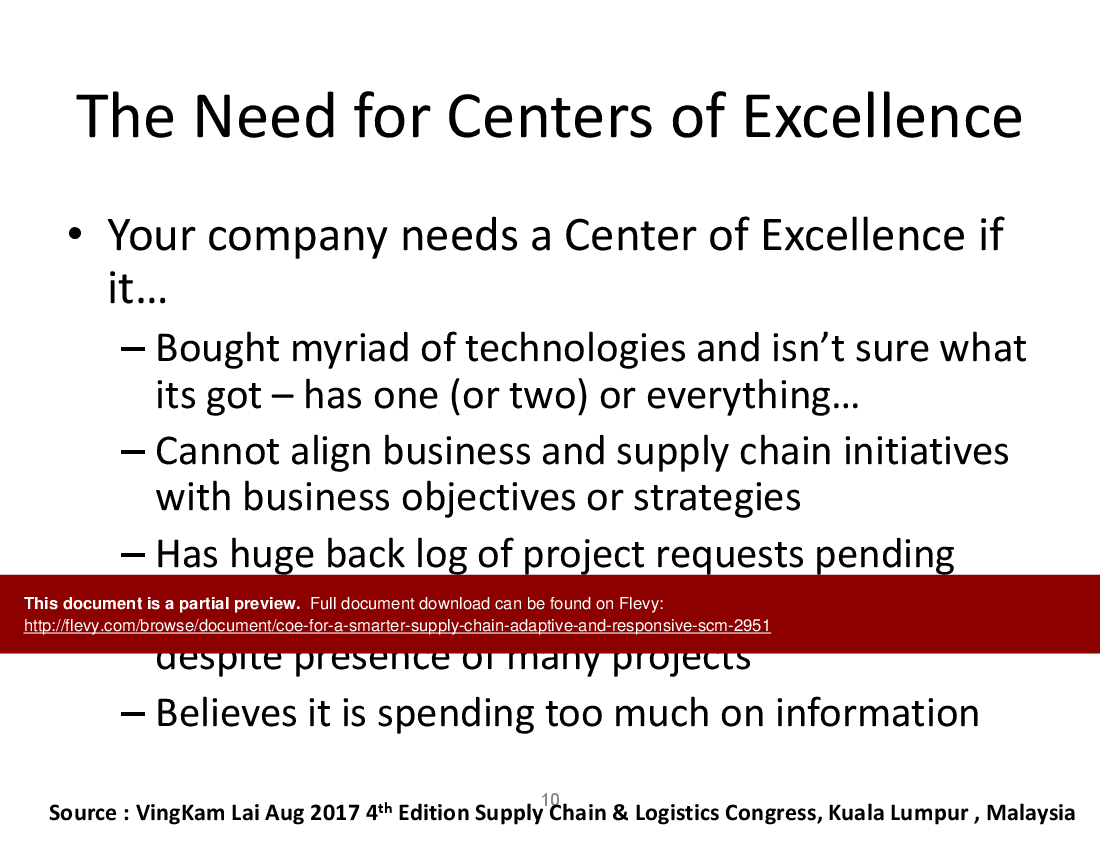
a. Your company needs a Center of Excellence if it?has multiple, uncoordinated
projects occurring
b. Establish enterprise-wide definitions, calculations, business rules, etc.
c. Encourage "self-service" reporting for business
d. Creating an integrated, enterprise-wide, sustainable business environment – to deliver analytics and analytic results to business communities for better decision making at the lowest cost
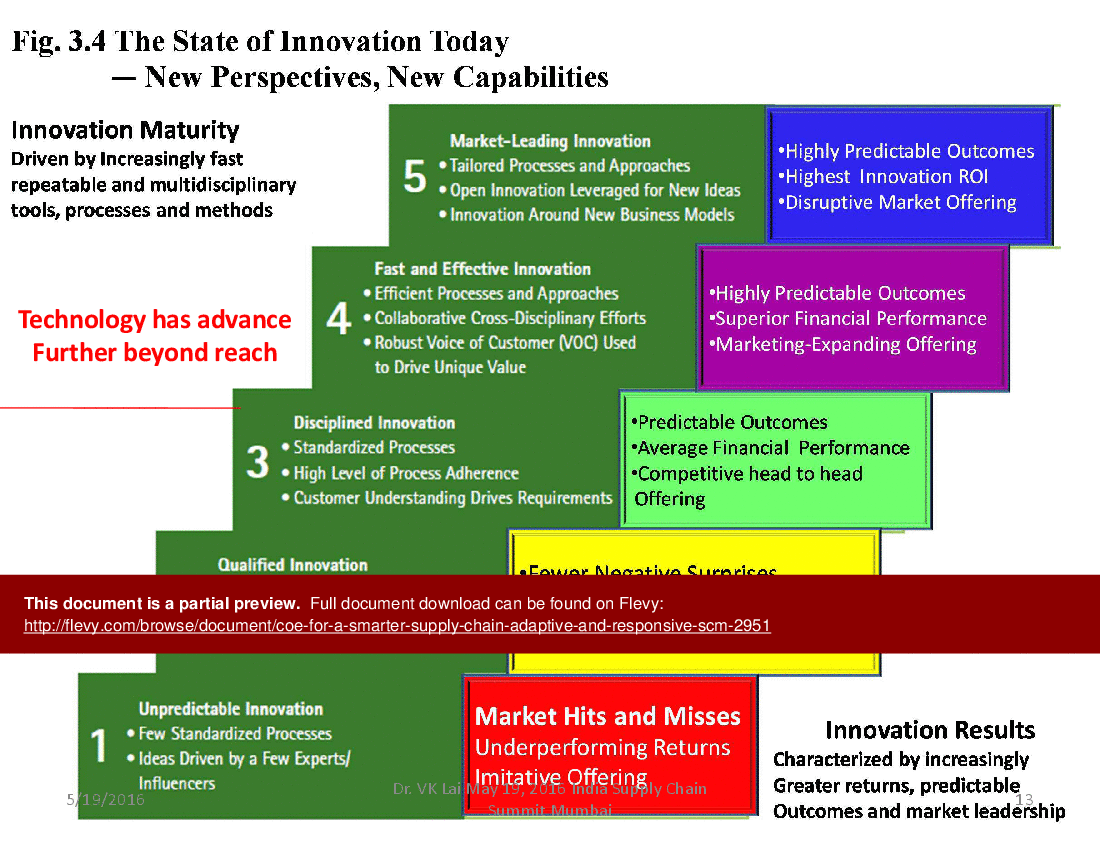
The State of Innovation Today
a. New Perspectives, New Capabilities
b. Illustrate the technology and product evolution
c. Moore's law and Product Lifecycle Management
d. Impact of Disruptive Technologies
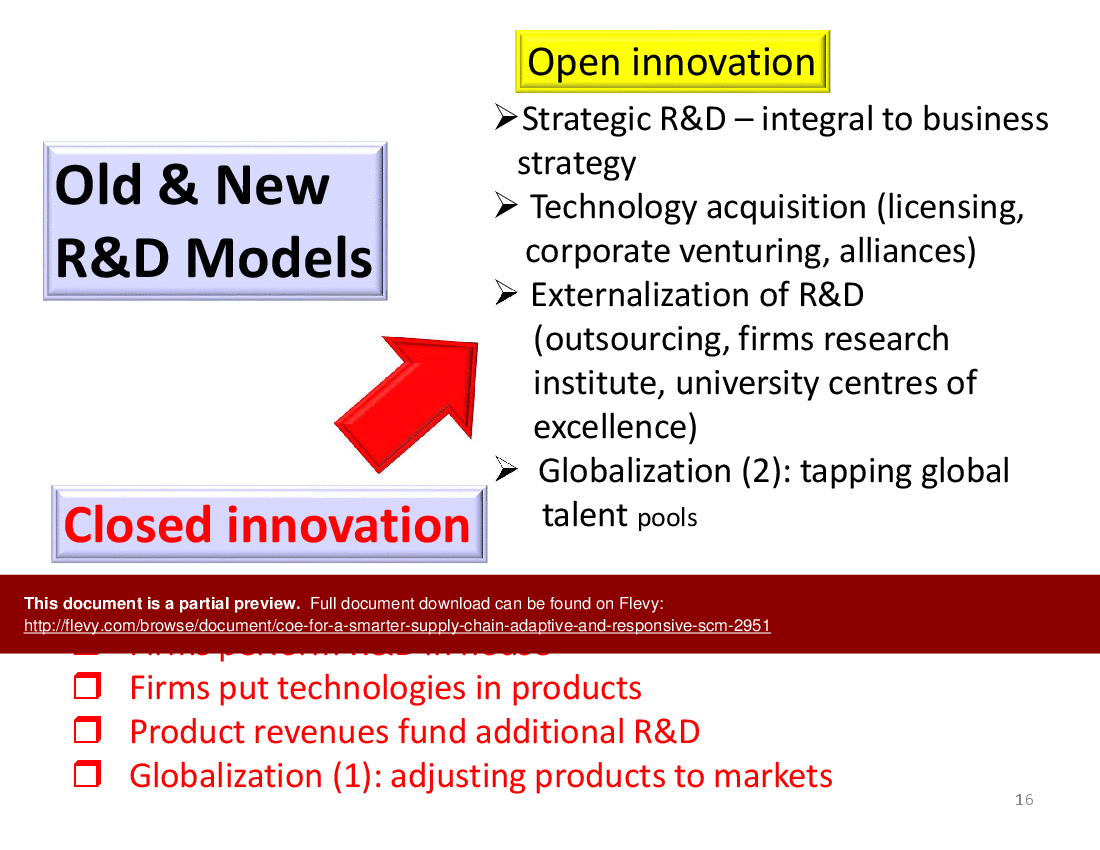
e. Effects of Open Innovation
f. Regional Innovation System (RIS)
Logistics and Supply Chain Management: Core Competences required
a. Which Role Is Country's Supply Chain Playing
b. Impact of technology on adaptive supply chain
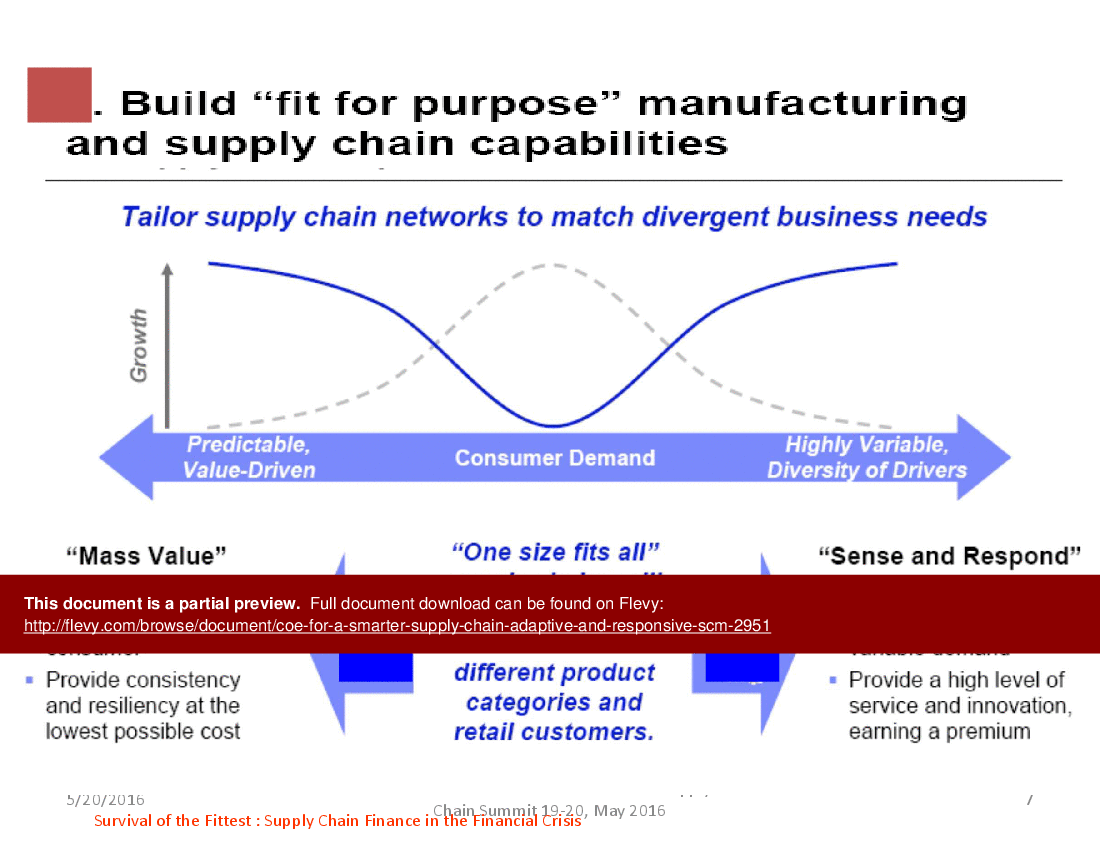
c. Conceptual Supply Chain Models: Changing
d. Role of Supply Chain
e. Supply Chain Capability base and Value production
Impact of OBOR – One Belt One Road
a. Use the world as one large supply chain
Connectivity: Multi-tier Collaborative Planning
a. Collaborative innovation environments: implications for supply chain management
b. Dimensions of uncertainty in organizational environments
c. Creating More Value and Dimension of innovation & Supply Chains
Multilevel CoE System
a. Global Innovation Trend Analysis
b. Multiple Technologies Interfacing
LOGISTICS AND TRADE FACILITATION IN CENTRE OF EXCELLENCE DEVELOPMENT
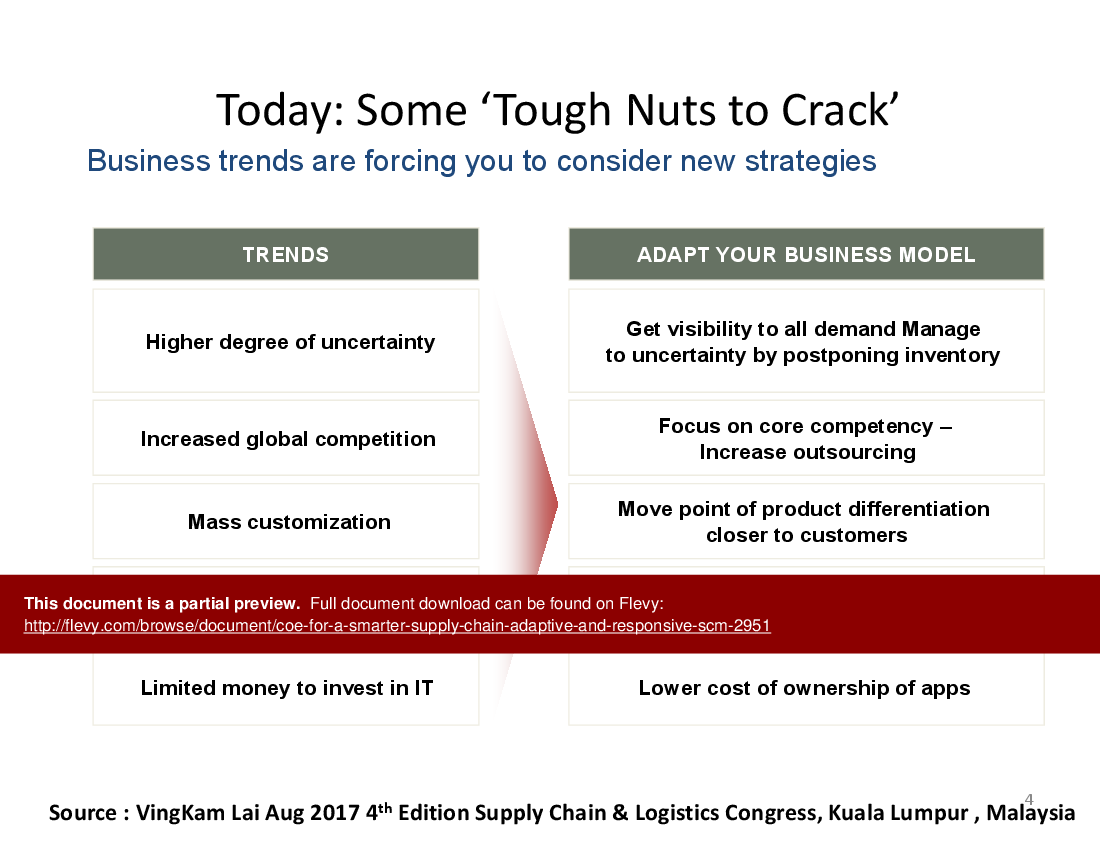
a. Serious challenges in Innovation!
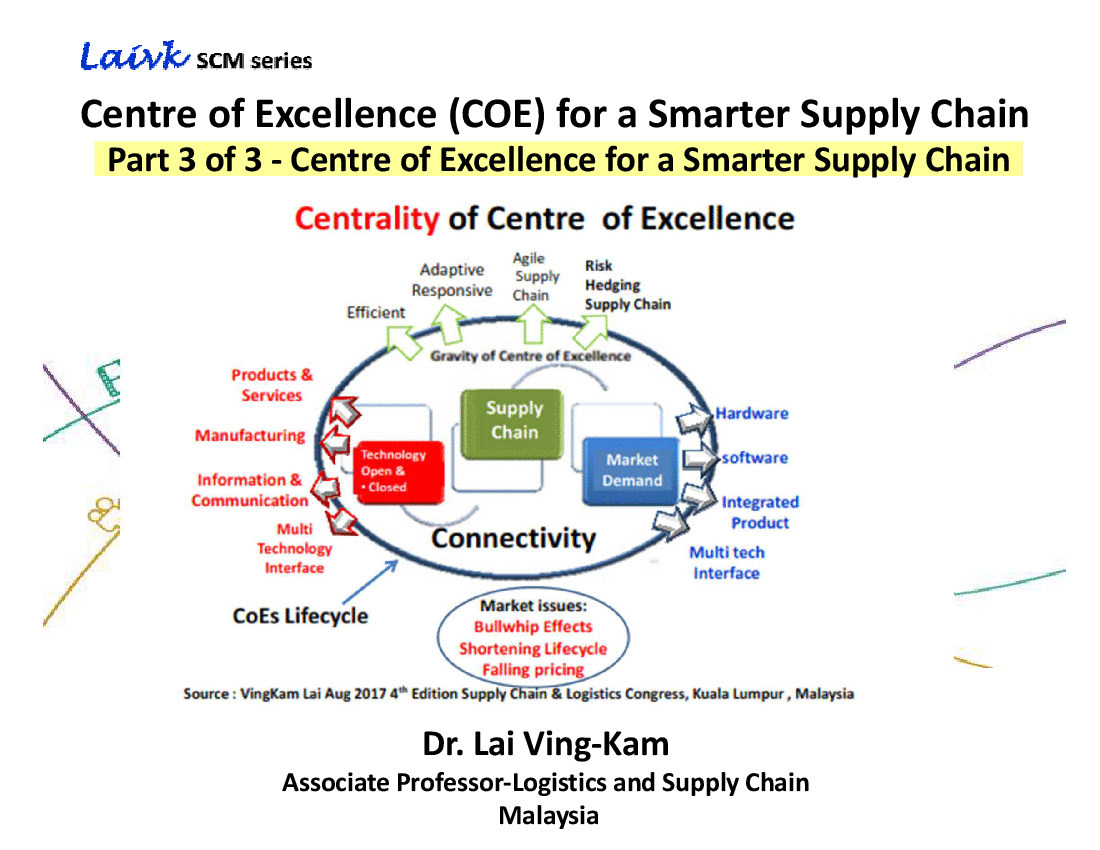
b. Centrality of Centre of Excellence in Adaptive Responsive Supply Chain
c. Connectivity and Centre of Excellence
d. What inhibits technology progress
e. Several Additional Keys Questions
The PowerPoint slides cover variety of CoEs and SCM to ensure the success of CoEs . These provide you the leads to further research the various critical factors.
ABOUT THE AUTHOR
Dr. Lai Ving Kam has a PhD in Transportation and Logistics is an Associate Professor and Head of Programme for Logistics and Supply Chain Management. He has 45 years of full P&L leadership experience managing Global MNCs.
Got a question about the product? Email us at support@flevy.com or ask the author directly by using the "Ask the Author a Question" form. If you cannot view the preview above this document description, go here to view the large preview instead.
Executive Summary
The "CoE for a Smarter Supply Chain - Adaptive and Responsive SCM" presentation provides a strategic framework for organizations aiming to enhance their supply chain operations through a Center of Excellence (CoE). This resource outlines the critical need for adaptive and responsive supply chain management in today's complex business environment. By leveraging advanced technologies and collaborative planning, organizations can achieve greater efficiency, visibility, and responsiveness in their supply chain processes. This presentation equips corporate executives and supply chain leaders with actionable insights to drive innovation and operational excellence.
Who This Is For and When to Use
• Supply Chain Executives seeking to optimize operational efficiency
• Logistics Managers focused on enhancing supply chain responsiveness
• Business Analysts tasked with implementing data-driven decision-making
• IT Leaders responsible for integrating technology into supply chain processes
Best-fit moments to use this deck:
• During strategic planning sessions to align supply chain objectives with business goals
• When assessing the implementation of a CoE to improve supply chain capabilities
• In workshops aimed at fostering collaboration between supply chain and IT teams
Learning Objectives
• Define the role of a Center of Excellence in supply chain management
• Establish frameworks for adaptive and responsive supply chain strategies
• Identify key technologies that enhance supply chain visibility and collaboration
• Develop metrics for measuring supply chain performance and responsiveness
• Create actionable plans to integrate supply chain innovations into existing processes
• Foster a culture of continuous improvement within supply chain teams
Table of Contents
• Introduction to Supply Chain Excellence (page 3)
• The Role of CoE in Supply Chain Management (page 10)
• Key Technologies for Supply Chain Optimization (page 15)
• Collaborative Planning Strategies (page 22)
• Metrics for Measuring Supply Chain Performance (page 30)
• Case Studies of Successful CoE Implementation (page 40)
• Future Trends in Supply Chain Management (page 55)
Primary Topics Covered
• Center of Excellence (CoE) - A CoE serves as a centralized hub for best practices, knowledge sharing, and innovation in supply chain management.
• Adaptive Supply Chain Strategies - Strategies that allow organizations to respond swiftly to market changes and customer demands through flexible processes.
• Collaborative Planning - Techniques that enhance communication and coordination among supply chain partners to improve forecasting and inventory management.
• Technology Integration - The use of advanced technologies such as AI and data analytics to enhance supply chain visibility and decision-making.
• Performance Metrics - Key performance indicators (KPIs) that organizations can use to assess the effectiveness of their supply chain operations.
• Innovation in Supply Chain - Exploring new methodologies and technologies that drive efficiency and responsiveness in supply chain processes.
Deliverables, Templates, and Tools
• CoE Implementation Roadmap template for establishing a Center of Excellence
• Adaptive Supply Chain Strategy framework for operational planning
• Collaborative Planning Toolkit to enhance inter-departmental communication
• Performance Metrics Dashboard for tracking supply chain KPIs
• Case Study Analysis template for evaluating successful CoE implementations
• Technology Integration Checklist for assessing readiness for new tools
Slide Highlights
• Overview of the CoE framework and its significance in supply chain management
• Visual representation of adaptive supply chain strategies and their benefits
• Case studies showcasing successful CoE implementations and outcomes
• Key technologies that facilitate real-time collaboration and data sharing
• Metrics dashboard highlighting essential KPIs for supply chain performance
Potential Workshop Agenda
CoE Overview and Objectives (60 minutes)
• Discuss the purpose and benefits of establishing a CoE
• Identify key stakeholders and their roles in the CoE
Adaptive Supply Chain Strategies (90 minutes)
• Explore frameworks for developing adaptive supply chain strategies
• Group activities to brainstorm potential improvements
Technology Integration in Supply Chain (60 minutes)
• Review key technologies that enhance supply chain operations
• Discuss integration challenges and solutions
Performance Metrics and Continuous Improvement (90 minutes)
• Establish KPIs for measuring supply chain success
• Develop action plans for continuous improvement initiatives
Customization Guidance
• Tailor the CoE implementation roadmap to align with specific organizational goals
• Adjust performance metrics to reflect industry standards and organizational priorities
• Incorporate relevant case studies that resonate with the organization's context
• Modify collaborative planning strategies based on existing team structures and workflows
Secondary Topics Covered
• Risk management strategies in supply chain operations
• The impact of global trends on local supply chain practices
• Best practices for fostering a culture of innovation within supply chains
• The role of sustainability in modern supply chain management
• Challenges and solutions in supply chain technology adoption
Topic FAQ
Document FAQ
These are questions addressed within this presentation.
What is a Center of Excellence in supply chain management?
A Center of Excellence (CoE) is a dedicated team that focuses on best practices, innovation, and knowledge sharing within supply chain management to enhance operational efficiency.
How can organizations benefit from establishing a CoE?
Organizations can achieve improved coordination, enhanced visibility, and increased responsiveness in their supply chain operations, leading to better overall performance.
What technologies are essential for an adaptive supply chain?
Key technologies include data analytics, artificial intelligence, and collaborative planning tools that facilitate real-time decision-making and enhance supply chain visibility.
What metrics should be used to measure supply chain performance?
Common metrics include order fulfillment rates, inventory turnover, and supply chain cycle time, which provide insights into operational efficiency.
How can organizations foster a culture of continuous improvement in supply chains?
Encouraging open communication, regular training, and the adoption of best practices can help create a culture focused on continuous improvement.
What are the challenges in implementing a CoE?
Challenges may include resistance to change, aligning stakeholders, and ensuring adequate resources for the CoE's success.
How can organizations ensure effective collaboration among supply chain partners?
Implementing collaborative planning tools and establishing clear communication protocols can enhance collaboration among supply chain partners.
What role does technology play in modern supply chains?
Technology facilitates real-time data sharing, enhances decision-making, and improves overall supply chain efficiency and responsiveness.
Glossary
• Center of Excellence (CoE) - A team dedicated to promoting best practices and innovation in a specific area.
• Supply Chain Management - The management of the flow of goods and services from origin to consumption.
• Adaptive Supply Chain - A supply chain that can quickly adjust to changes in demand and market conditions.
• Collaborative Planning - A process that involves multiple stakeholders working together to optimize supply chain operations.
• Performance Metrics - Quantifiable measures used to assess the efficiency and effectiveness of supply chain processes.
• Technology Integration - The process of incorporating new technologies into existing systems and processes.
• Continuous Improvement - Ongoing efforts to enhance products, services, or processes.
• Key Performance Indicators (KPIs) - Specific metrics used to evaluate the success of an organization in achieving its objectives.
• Risk Management - The identification and mitigation of potential risks that could impact supply chain operations.
• Sustainability - Practices that meet current needs without compromising the ability of future generations to meet their own needs.
• Data Analytics - The process of examining data sets to draw conclusions about the information they contain.
• Artificial Intelligence (AI) - The simulation of human intelligence processes by machines, particularly computer systems.
Source: Best Practices in Supply Chain Resilience PowerPoint Slides: CoE for a Smarter Supply Chain - Adaptive and Responsive SCM PowerPoint (PPTX) Presentation Slide Deck, Dr. Lai Ving Kam
|
Receive our FREE presentation on Operational Excellence
This 50-slide presentation provides a high-level introduction to the 4 Building Blocks of Operational Excellence. Achieving OpEx requires the implementation of a Business Execution System that integrates these 4 building blocks. |










