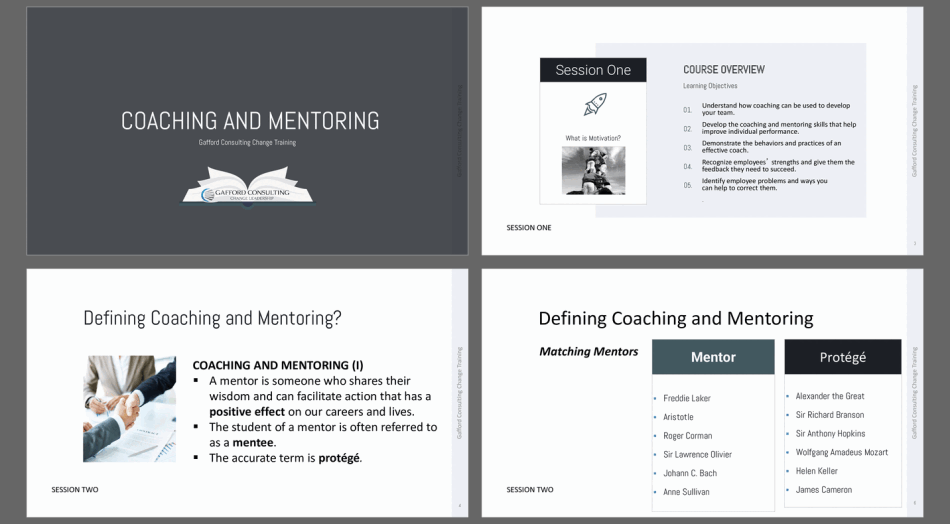

 Click main image to view in full screen.
Coaching and Mentoring (PowerPoint PPT Slide Deck)
PowerPoint (PPT) 66 Slides


BENEFITS OF THIS POWERPOINT DOCUMENT
- Improve employee performance by improving your leaders ability to coach and mentor
- Build sales and loyal customers by growing employee ownership
- Learn and leverage the difference between coaching and mentoring to improve performance
COACHING PPT DESCRIPTION
Coach, Mentor, Role Model, Supporter, Guide... do these words ring a bell? Being a coach involves being able to draw from several disciplines. Coaching is based on a partnership that involves giving both support and challenging opportunities to employees. Mentorship is a related skill that is often a part of coaching. It's about being a guide, offering wisdom and advice when it is needed.
Knowing how and when to coach (and when to use other tools, like mentoring) is an essential skill that can benefit both you and your organization.
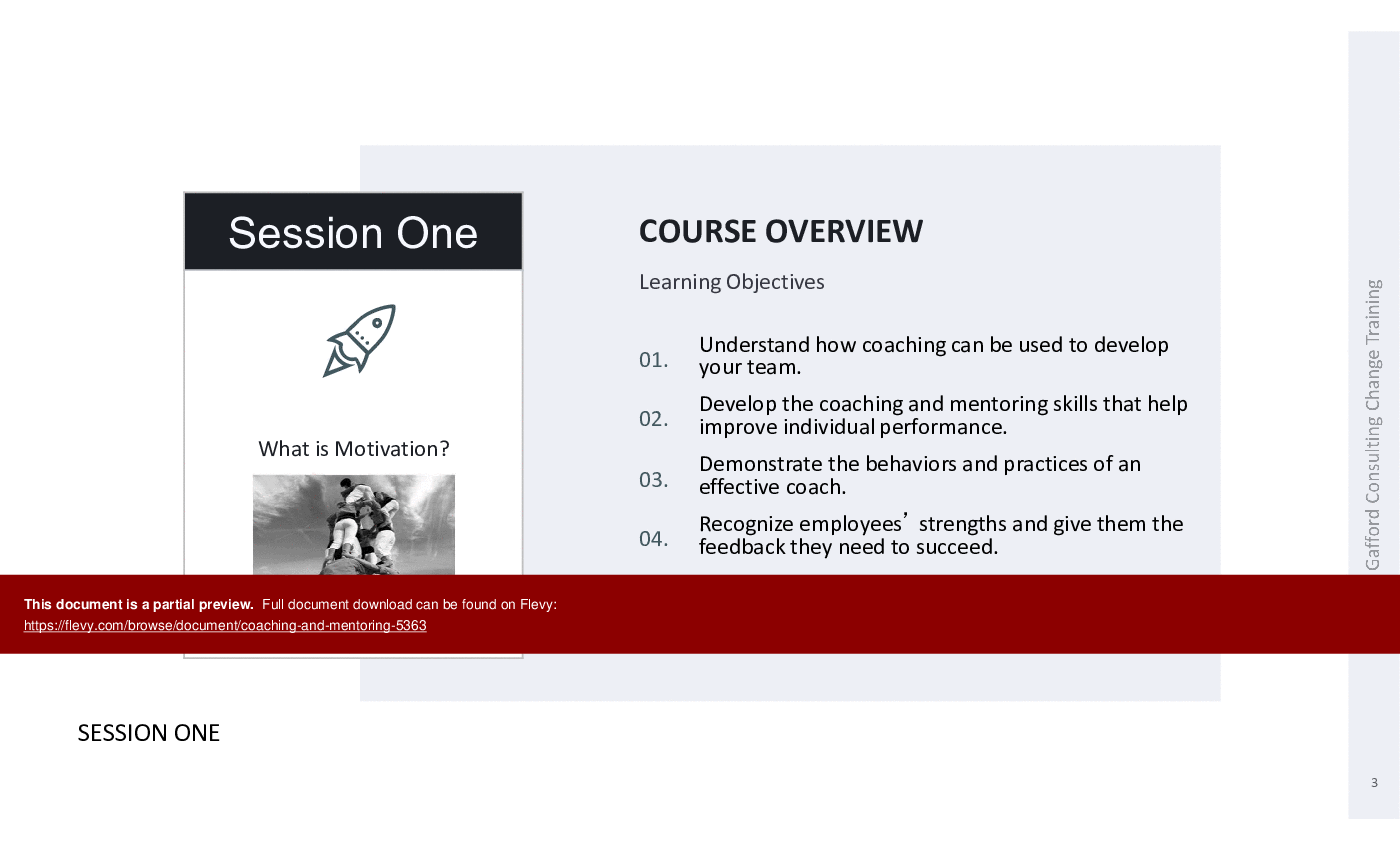
This one-day workshop will help you teach participants:
• How coaching can be used to develop a team
• The coaching and mentoring skills that help improve individual performance
• The behaviors and practices of an effective coach
• How to recognize employees' strengths and give them the feedback they need to succeed
• How to identify employee problems and ways that they can help correct them
This Power Point presentation will help you improve the Coaching and Mentoring acumen within your leadership team, your work group or your organization. This is a complete power point of a two course on effective Coaching and Mentoring. Gafford Consulting is a Change Leadership organization that focuses on both business and individual ability and readiness to navigate any and all changes.
This comprehensive presentation dives deep into the intricacies of coaching and mentoring, offering a structured approach to developing these essential skills. It covers critical areas such as defining coaching and mentoring, assessing coaching effectiveness, and honing interpersonal communication skills. The presentation also includes practical tools like the Benefits/Consequences Matrix and the SPIRIT model for goal setting. With a focus on real-world application, it guides leaders through the process of identifying and leveraging employee strengths, fostering an environment of continuous improvement and growth.
Got a question about the product? Email us at support@flevy.com or ask the author directly by using the "Ask the Author a Question" form. If you cannot view the preview above this document description, go here to view the large preview instead.
MARCUS OVERVIEW
This synopsis was written by Marcus [?] based on the analysis of the full 66-slide presentation.
Executive Summary
The "Coaching and Mentoring" presentation is a comprehensive training resource designed for managers and executives seeking to enhance their coaching and mentoring capabilities. This presentation provides a structured approach to developing essential coaching skills, understanding various leadership styles, and implementing effective mentoring techniques. By utilizing this resource, leaders can improve individual performance within their teams, foster a culture of continuous feedback, and empower employees to achieve their goals.
Who This Is For and When to Use
• Corporate executives looking to enhance their leadership skills
• Managers aiming to improve team performance through effective coaching
• HR professionals focused on employee development and mentoring
• Team leaders seeking to foster a supportive work environment
Best-fit moments to use this deck:
• During leadership development workshops
• When implementing new coaching initiatives
• For training sessions focused on employee performance improvement
• In team-building activities aimed at enhancing communication and collaboration
Learning Objectives
• Define the roles and responsibilities of a coach and mentor
• Develop essential coaching and mentoring skills to enhance team performance
• Demonstrate effective communication techniques for coaching conversations
• Recognize and leverage employees' strengths to facilitate their growth
• Identify common employee challenges and implement corrective strategies
• Establish a structured approach to setting and achieving goals
Table of Contents
• Course Overview (page 3)
• Defining Coaching and Mentoring (page 4)
• Coaching Skills (page 12)
• Coaching Assessment Review (page 15)
• Interpersonal Communication Skills (page 19)
• Critical Coaching Skills (page 36)
• Setting Goals with SPIRIT (page 44)
• Learning Styles and Principles (page 51)
• Benefits/Consequences Matrix (page 55)
• Skills Involved in Coaching (page 57)
• The Coaching Model (page 59)
• Giving Effective Feedback (page 62)
• Coaching Problems and Solutions (page 64)
Primary Topics Covered
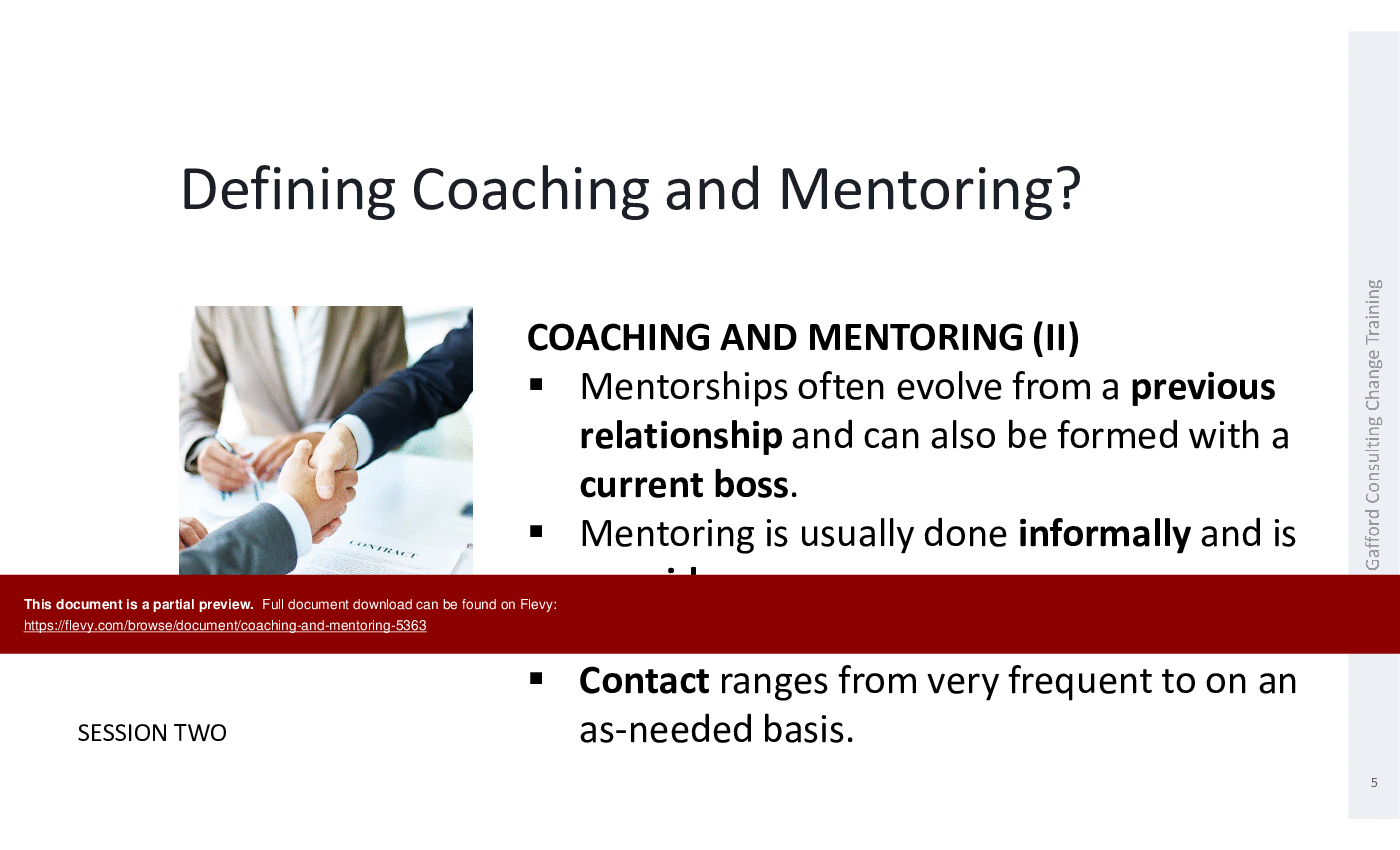
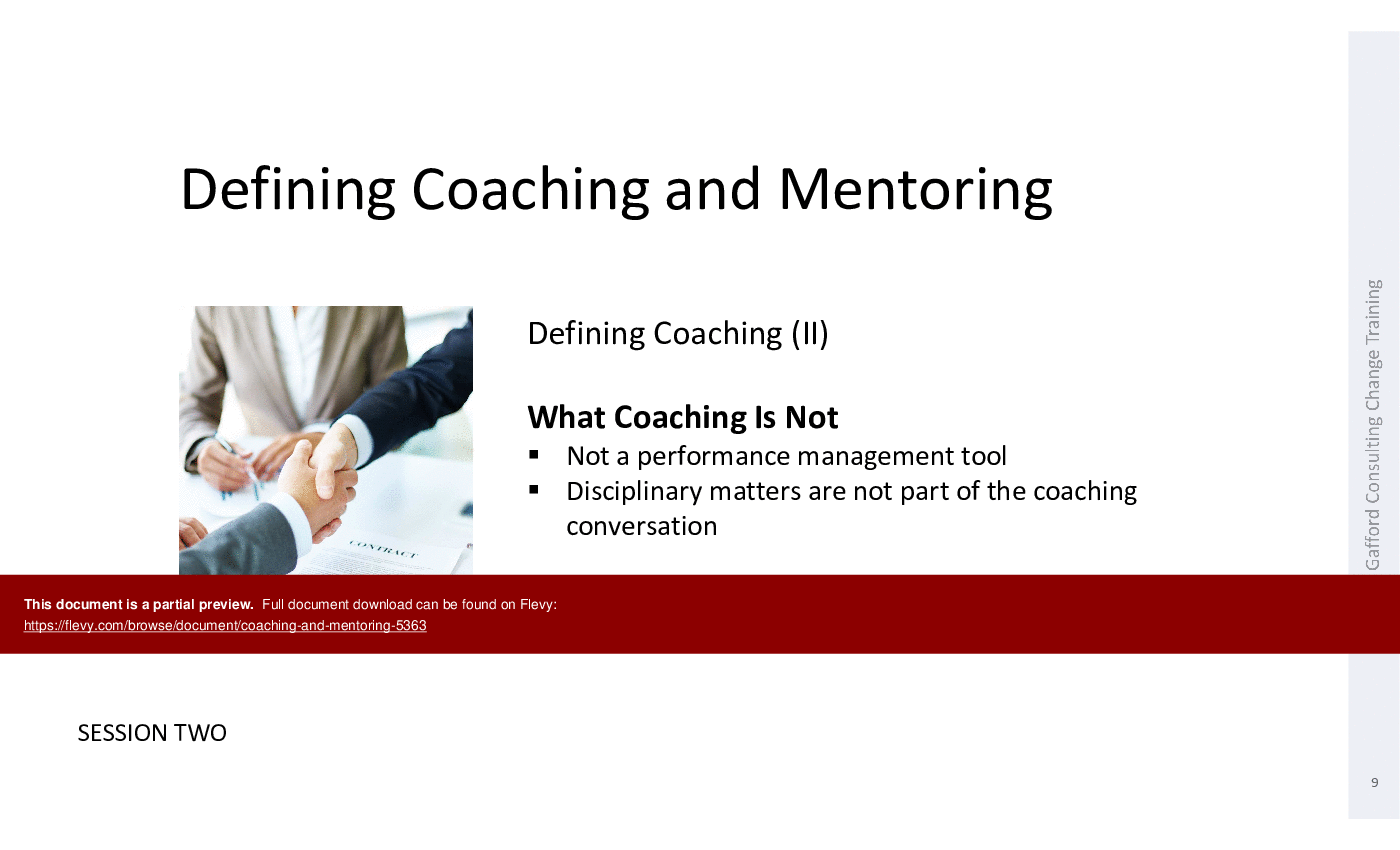
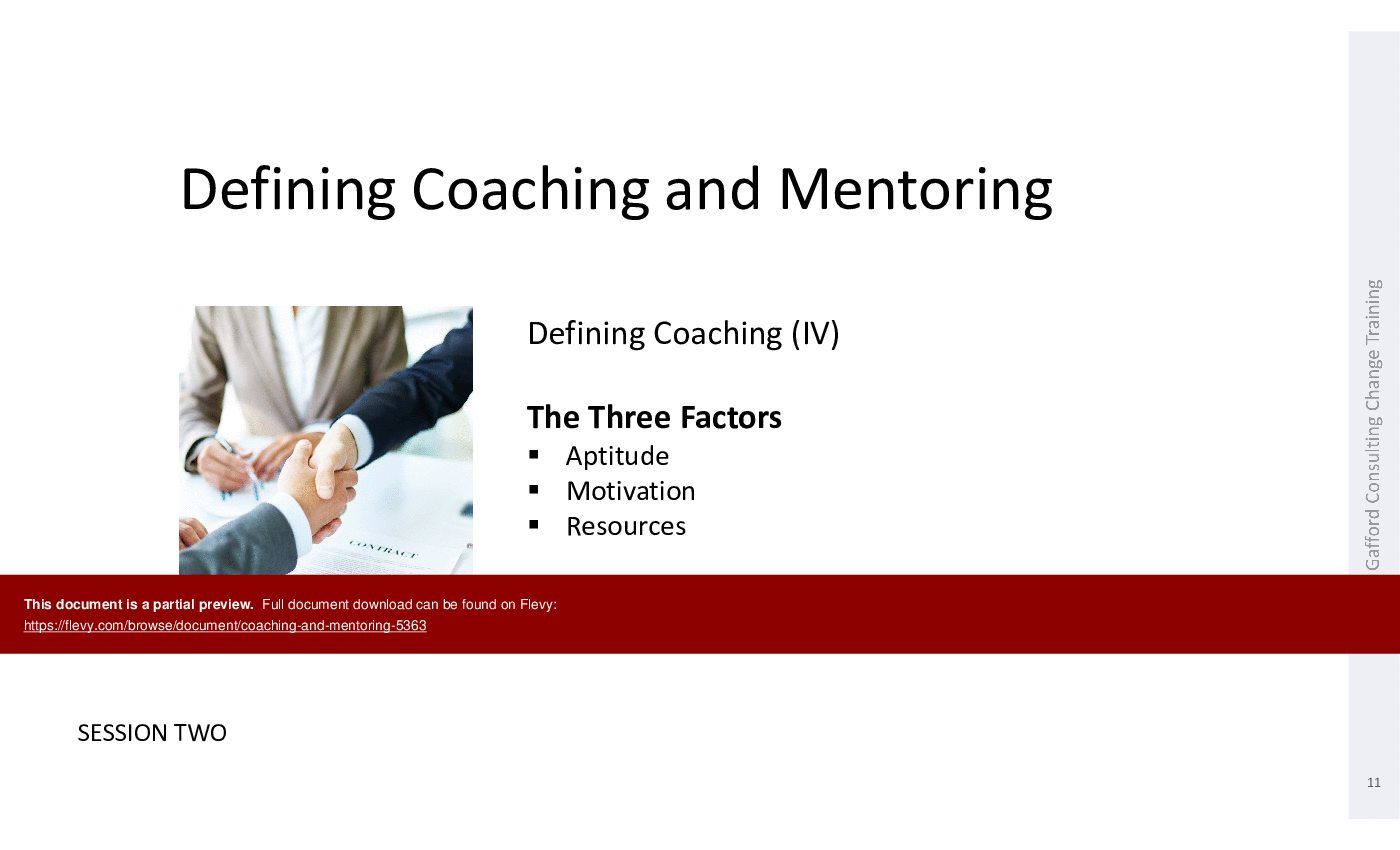
• Defining Coaching and Mentoring - This section clarifies the distinctions between coaching and mentoring, emphasizing the informal nature of mentoring and the structured approach of coaching.
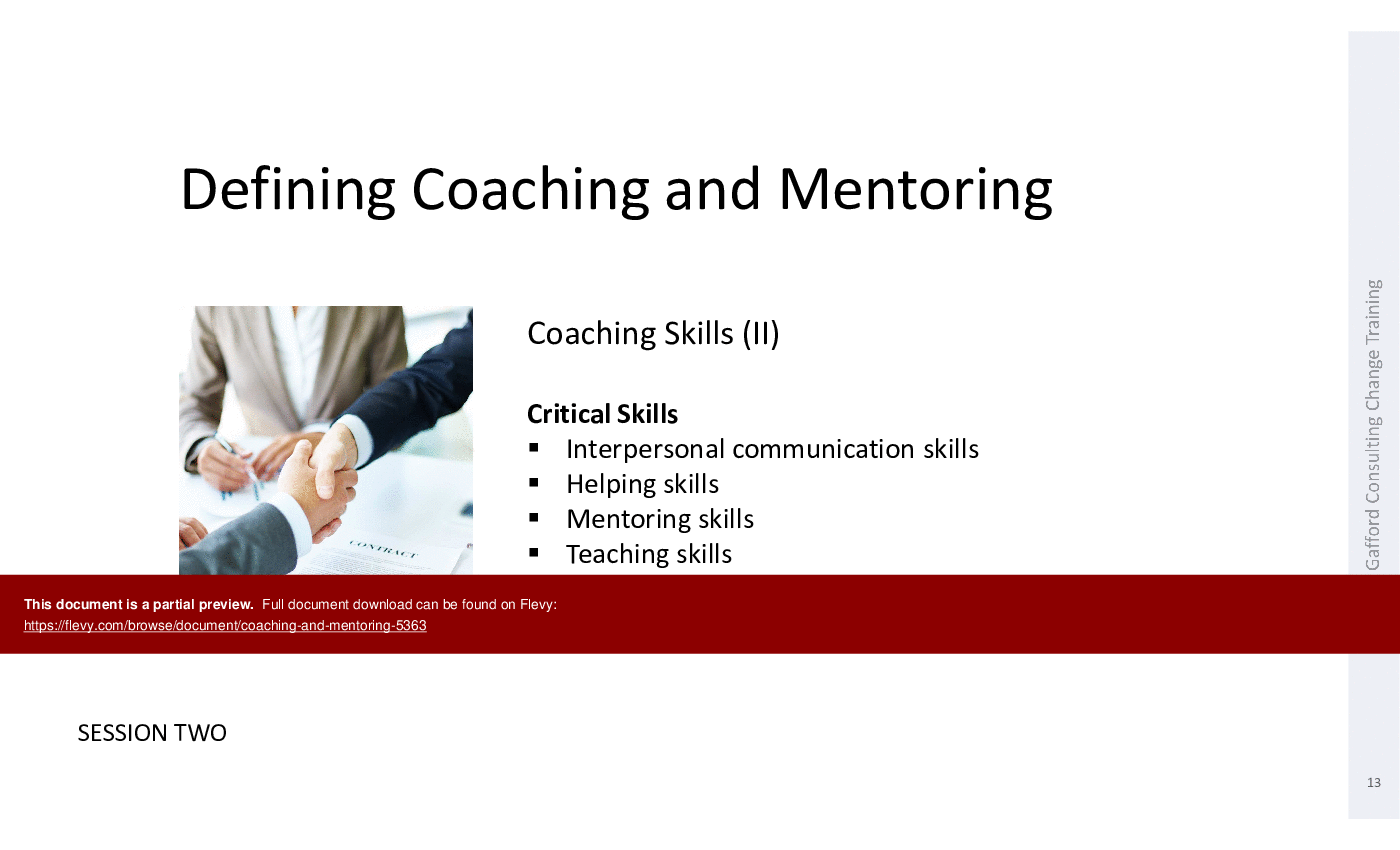
• Coaching Skills - Focuses on essential skills such as interpersonal communication, helping, mentoring, teaching, and challenging skills necessary for effective coaching.
• Interpersonal Communication Skills - Highlights the importance of effective communication in coaching, including verbal and non-verbal techniques.
• Setting Goals with SPIRIT - Introduces a framework for setting Specific, Prizes, Individual, Review, Inspiring, and Time-bound goals to guide coaching conversations.
• The Coaching Model - Outlines a structured approach to coaching conversations, focusing on goal setting, feedback, and self-reflection.
• Giving Effective Feedback - Provides guidelines for delivering balanced and constructive feedback to employees in a private and supportive manner.
Deliverables, Templates, and Tools
• Coaching skills assessment template to evaluate personal coaching competencies
• Goal-setting framework based on the SPIRIT model for structured coaching sessions
• Feedback guidelines document to ensure effective communication during coaching
• Communication skills checklist to enhance interpersonal interactions
• Coaching session planning template to outline objectives and desired outcomes
• Case study examples for practical application of coaching techniques
Slide Highlights
• Overview of coaching and mentoring definitions, emphasizing their unique roles
• Visual representation of the coaching model, illustrating key steps in the coaching process
• Interactive exercises to practice interpersonal communication skills
• Framework for setting SPIRIT goals, guiding participants in effective goal-setting
• Case studies highlighting common coaching challenges and solutions
Potential Workshop Agenda
Introduction to Coaching and Mentoring (30 minutes)
• Overview of coaching and mentoring definitions
• Discussion on the importance of coaching in leadership
Coaching Skills Development (60 minutes)
• Interactive session on essential coaching skills
• Role-playing exercises to practice communication techniques
Setting Goals with SPIRIT (45 minutes)
• Workshop on goal-setting strategies using the SPIRIT framework
• Group discussions on personal goal-setting experiences
Feedback and Coaching Challenges (45 minutes)
• Guidelines for giving effective feedback
• Case study analysis of common coaching problems
Customization Guidance
• Adapt the coaching skills assessment template to reflect organizational competencies
• Modify the SPIRIT goal-setting framework to align with specific team objectives
• Incorporate company-specific examples into case studies for relevance
• Tailor feedback guidelines to fit the organizational culture and values
Secondary Topics Covered
• The evolution of coaching as a competency for supervisors
• Techniques for active listening and effective questioning
• Strategies for fostering a growth mindset in employees
• The role of emotional intelligence in coaching relationships
• Best practices for mentoring in a corporate environment
Topic FAQ
What are the key differences between coaching and mentoring in a workplace context?
Coaching is presented as a structured process focused on developing specific skills and achieving defined objectives, while mentoring is described as an often informal relationship emphasizing guidance and broader personal or career development — a structured process versus an informal guidance relationship.What communication skills should I prioritize to be an effective coach?
The presentation highlights active listening, asking open-ended questions, awareness of non-verbal cues, and emotional intelligence as central to coaching conversations. Practical exercises in the deck focus on improving these interpersonal techniques, especially active listening and effective questioning.How should I set goals with employees during coaching sessions?
Use the SPIRIT framework outlined in the deck — Specific, Prizes, Individual, Review, Inspiring, Time-bound — to guide goal conversations, ensure clarity, and create review points; the presentation includes a SPIRIT goal-setting framework for session use.How can I assess my current coaching capabilities as a manager?
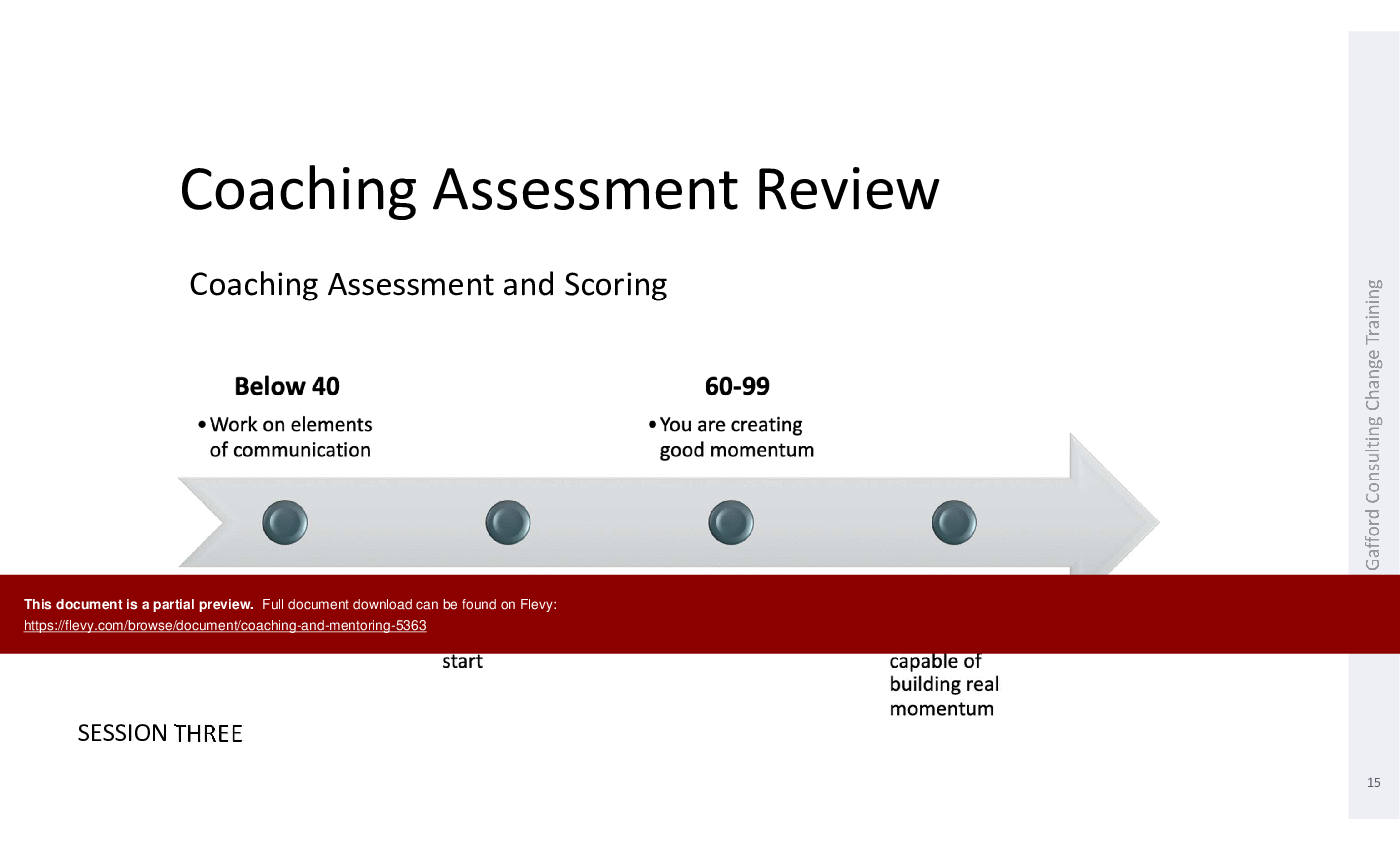
The deck provides a coaching skills assessment template you can use to evaluate competencies across interpersonal communication, helping/mentoring skills, teaching, and challenging skills, allowing identification of strengths and development areas via the coaching skills assessment template.What should I look for when buying a coaching and mentoring PowerPoint for a one-day workshop?
Prioritize a deck with a clear course agenda, definitions of coaching versus mentoring, practical exercises, assessment tools, goal-setting frameworks, feedback guidelines, and customization guidance; Flevy's Coaching and Mentoring deck offers these elements in a 66-slide PowerPoint.Are ready-made coaching templates useful for HR teams with limited time to build training materials?
Pre-built templates can reduce preparation time if they include assessment tools, session plans, feedback frameworks, communication checklists, and case studies that can be tailored; the Coaching and Mentoring deck lists templates such as a coaching session planning template and communication skills checklist.I need to improve managers' ability to give corrective feedback after poor performance — what approach should I follow?
Use private, balanced, specific, and documented feedback practices as outlined in the presentation, pair feedback with SPIRIT-style goal-setting for improvement, and rehearse via role-plays and case studies; follow the deck's feedback guidelines document.How can I make coaching a regular habit rather than a one-off training event?
Encourage regular coaching conversations, provide ongoing training using assessment and planning templates, recognize effective coaching behaviors, and incorporate case study practice to reinforce skills; the presentation recommends promoting regular coaching conversations as a habit.Document FAQ
These are questions addressed within this presentation.
What is the difference between coaching and mentoring?
Coaching is a structured process focused on developing specific skills and achieving goals, while mentoring is often informal and emphasizes personal and professional growth through guidance and support.
How can I assess my coaching skills?
Utilize the coaching skills assessment template provided in the deck to evaluate your competencies and identify areas for improvement.
What are SPIRIT goals?
SPIRIT goals are a framework for setting objectives that are Specific, Prizes, Individual, Review, Inspiring, and Time-bound, facilitating effective coaching conversations.
How should I approach giving feedback?
Feedback should be given in private, balanced, relevant, specific, documented, and personal to ensure it is constructive and well-received.
What techniques can improve my communication skills?
Focus on active listening, asking open-ended questions, and being aware of non-verbal cues to enhance your interpersonal communication skills.
How can I help employees set achievable goals?
Guide employees through the SPIRIT goal-setting process, encouraging them to articulate their personal goals and develop actionable plans.
What common challenges might I face in coaching?
Common challenges include resistance to change, lack of commitment, and difficulty in accepting feedback. Address these through open communication and supportive strategies.
How can I foster a culture of coaching within my team?
Encourage regular coaching conversations, provide training on coaching skills, and recognize and reward effective coaching practices within the team.
Glossary
• Coaching - A structured conversation aimed at developing skills and achieving goals.
• Mentoring - An informal relationship where a more experienced individual guides a less experienced person.
• SPIRIT Goals - A framework for setting Specific, Prizes, Individual, Review, Inspiring, and Time-bound goals.
• Interpersonal Communication - The exchange of information and feelings between individuals.
• Active Listening - The process of fully concentrating, understanding, responding, and remembering what is being said.
• Feedback - Information provided to an individual regarding their performance or behavior.
• Emotional Intelligence - The ability to recognize and manage one’s own emotions and the emotions of others.
• Growth Mindset - The belief that abilities and intelligence can be developed through dedication and hard work.
• Coaching Skills Assessment - A tool used to evaluate an individual's coaching competencies.
• Communication Skills Checklist - A guide to enhance effective communication techniques.
• Case Study - A detailed analysis of a particular situation or challenge faced in coaching.
• Goal-Setting Framework - A structured approach to defining and achieving objectives.
Source: Best Practices in Coaching, Feedback PowerPoint Slides: Coaching and Mentoring PowerPoint (PPT) Presentation Slide Deck, Gafford Consulting
ABOUT THE AUTHOR

Drawing from our deep professional network and years of experience, Gafford Consulting delivers the leadership and subject matter expertise you need to effectively navigate your organizational change. We partner with you to create a customized solution that helps mitigate risk, promote acceptance and accelerate performance.
Ask the Author a Question
You must be logged in to contact the author.




























