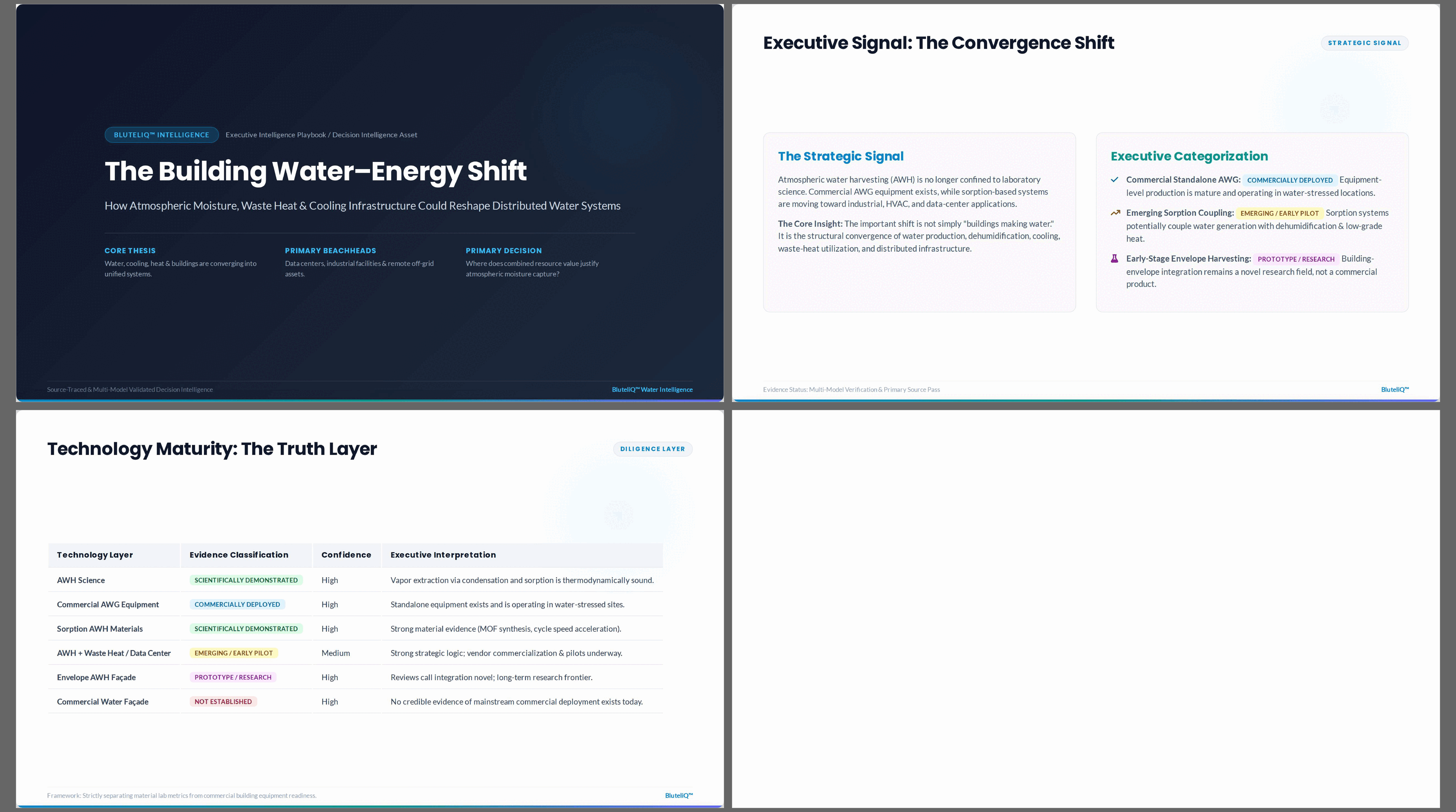

 Click main image to view in full screen.
Building Water-Energy Shift – PDF
PDF document 14 Pages


BENEFITS OF THIS DOWNLOADABLE PDF DOCUMENT
- Separates scientifically demonstrated atmospheric water technologies from emerging prototypes and commercially deployed equipment.
- Provides a structured framework for screening water, cooling, waste heat, and infrastructure convergence opportunities.
- Equips decision-makers with practical tools to challenge vendor claims and identify credible technology adoption pathways.
ENERGY INDUSTRY PDF DESCRIPTION
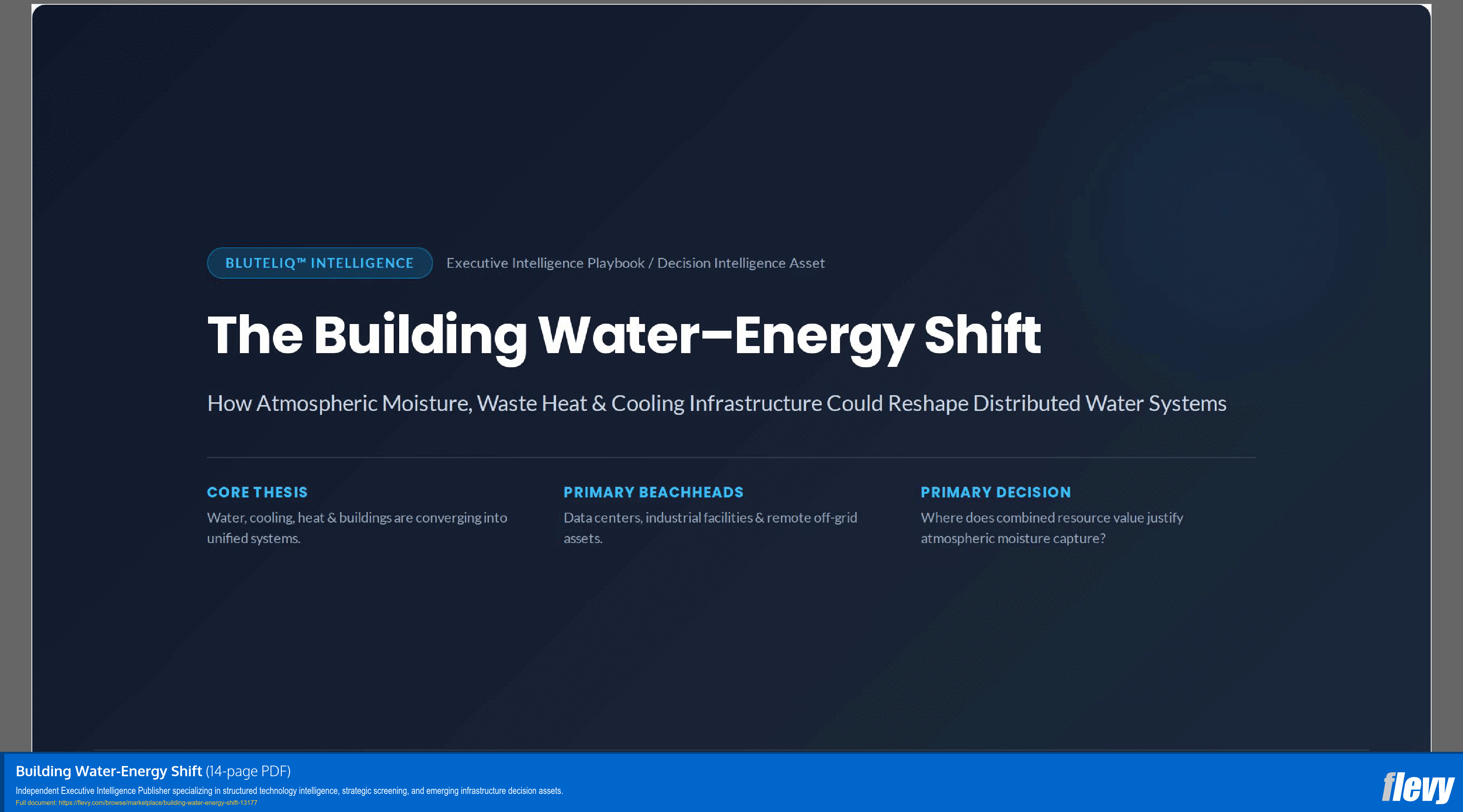
The Building Water–Energy Shift is an Executive Intelligence and Decision Intelligence Asset examining the emerging convergence of atmospheric water harvesting, cooling infrastructure, HVAC systems, waste heat, and distributed water systems.
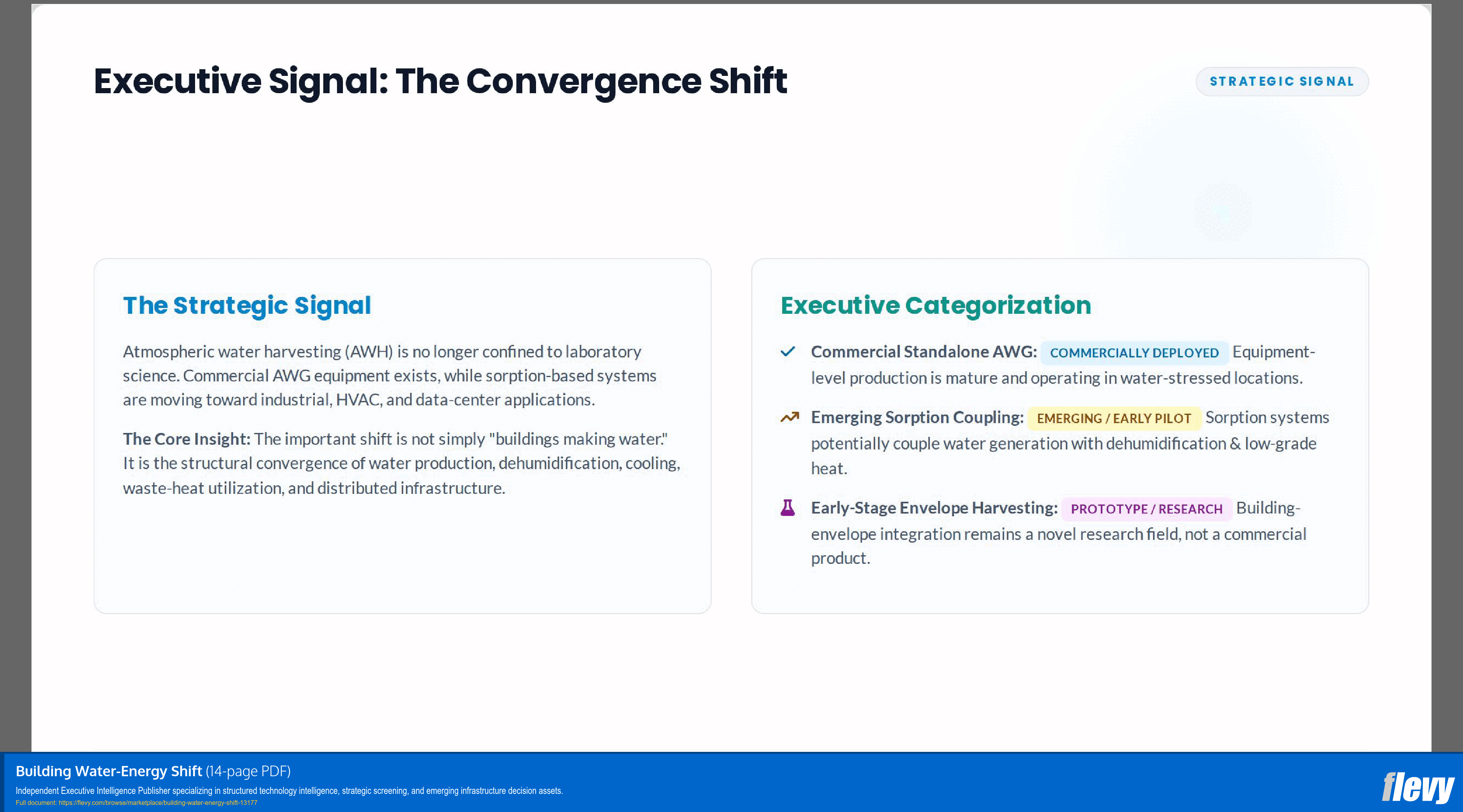
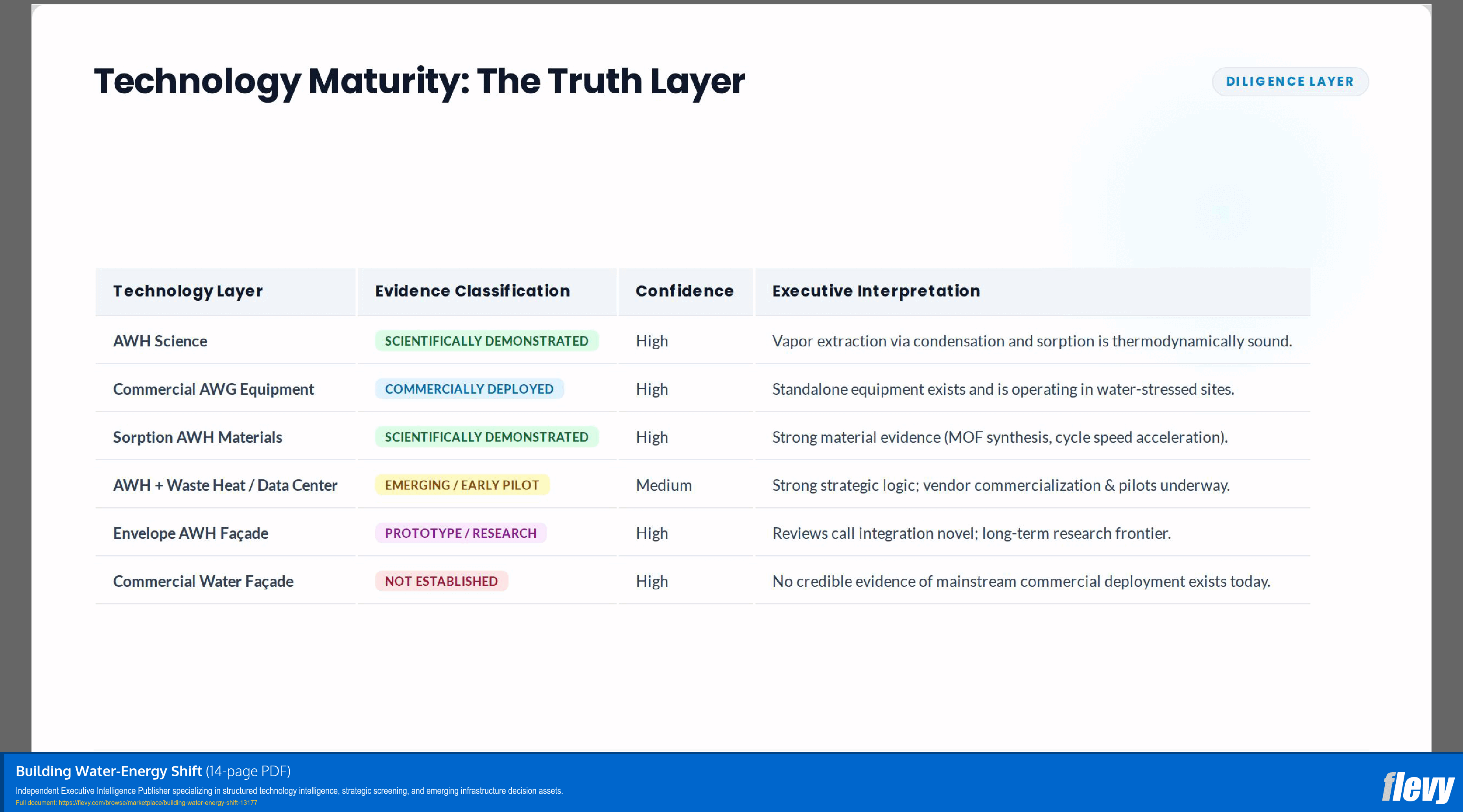
Atmospheric water harvesting is moving beyond a purely experimental research topic. Standalone atmospheric water generation already exists as commercial equipment, while advanced sorption materials, moisture-management systems, waste-heat utilization, and building-integrated harvesting are progressing through different stages of technical maturity. The strategic challenge is distinguishing what is commercially proven from what remains laboratory research, prototype technology, or an architectural concept.
This intelligence provides a structured assessment of that technology landscape. It separates condensation-based atmospheric water generation, sorption/desiccant systems, waste-heat-assisted water harvesting, and envelope-integrated atmospheric water harvesting into distinct maturity pathways. Particular attention is given to recent research involving CAU-10-H and MOF-based composites at Kiel University and the AirWaterHarvest research project at HTWK Leipzig.
The central finding is deliberately more conservative than the popular "buildings that make water" narrative. While the underlying science is legitimate and several components have been experimentally demonstrated, there is currently insufficient evidence to treat water-producing building façades as commercially established infrastructure. Material-level performance, laboratory demonstrations, pilot-scale production, and component-level validation should not be confused with commercial building deployment.
The intelligence therefore shifts the strategic focus from the futuristic façade toward the broader convergence of water, cooling, waste heat, HVAC, and distributed infrastructure. This creates a more practical pathway for decision-makers to identify applications where multiple resource constraints can be addressed simultaneously.
The document includes the Building Water–Energy Matrix™, Integrated Resource Value Model, Vendor Claim Verification Scorecard™, and Building Water–Energy Adoption Curve™. These tools help executives screen technology claims, evaluate resource conditions, distinguish technical maturity from commercial readiness, and identify potential deployment beachheads.
The analysis is particularly relevant for organizations evaluating emerging infrastructure technologies, data-center water and cooling requirements, industrial facilities, distributed water systems, HVAC innovation, resource resilience, and future building technologies.
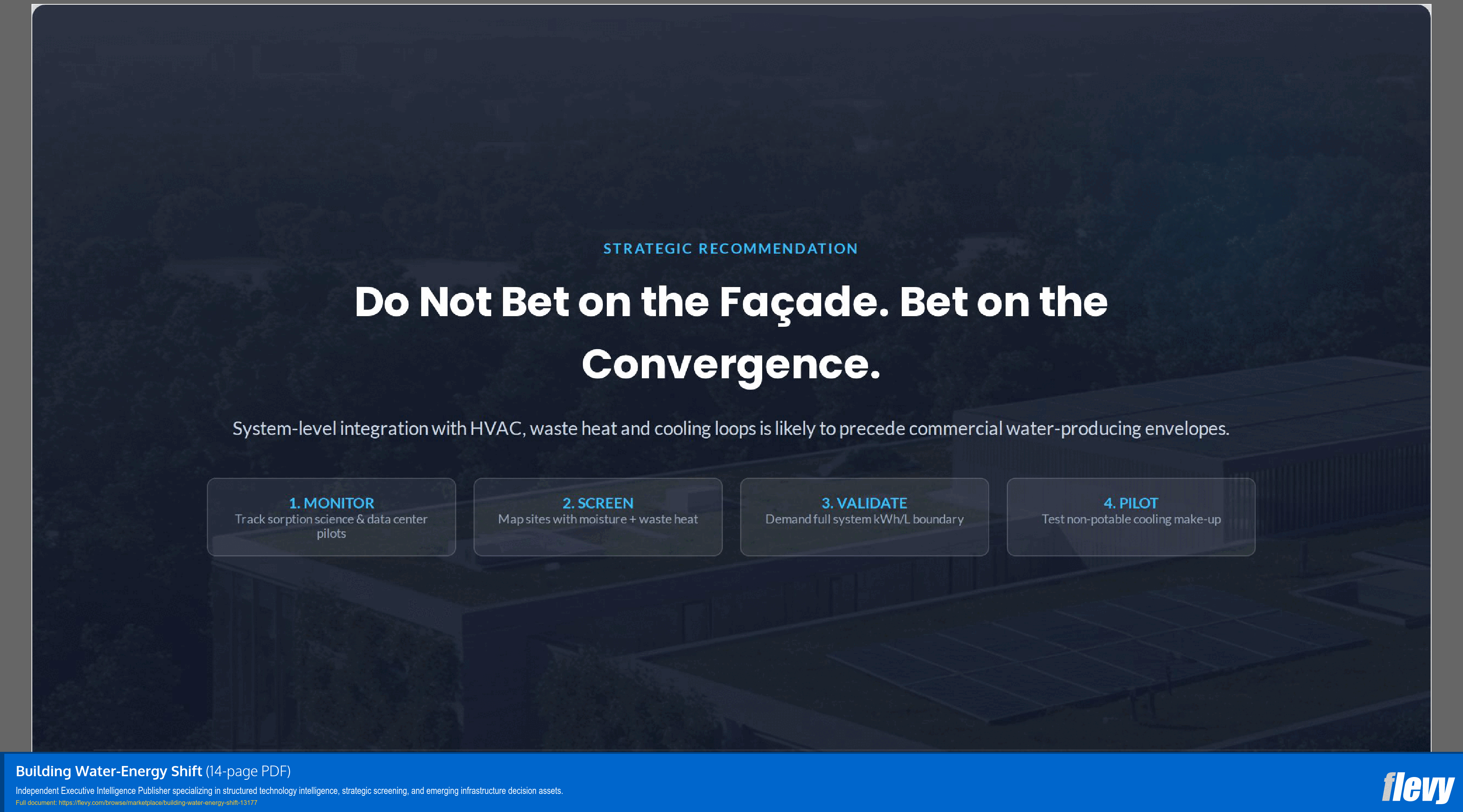
The core strategic recommendation is simple: Do Not Bet on the Façade. Bet on the Convergence. Monitor the technology, screen opportunities systematically, validate the underlying claims, and pilot only where water demand, cooling demand, thermal resources, infrastructure constraints, and integration readiness create a compelling combined value proposition.
Got a question about the product? Email us at support@flevy.com or ask the author directly by using the "Ask the Author a Question" form. If you cannot view the preview above this document description, go here to view the large preview instead.
Source: Best Practices in Energy Industry PDF: Building Water-Energy Shift PDF (PDF) Document, Wisnu Pandega Wardana
ABOUT THE AUTHOR

I am an independent Industrial Intelligence and Strategic Innovation Publisher focused on developing structured business intelligence, innovation frameworks, and opportunity-oriented research for decision-makers.
My work focuses on translating emerging technologies, industrial transformation, sustainability, resource efficiency, and market shifts into structured intelligence assets that
... [read more]
Ask the Author a Question
You must be logged in to contact the author.




























