 Click main image to view in full screen.


FOOD & BEVERAGE INDUSTRY EXCEL DESCRIPTION
In the vibrant landscape of the Bubble Tea industry, entrepreneurs seek effective tools to navigate the financial complexities of running a Bubble Tea Cafe successfully. The Bubble Tea Cafe Excel Financial Model proves to be an invaluable resource in this pursuit. This article delves into the intricacies of utilizing this financial model, shedding light on its key components, assumptions, and the actionable insights it provides to Bubble Tea Cafe owners.
Key Components
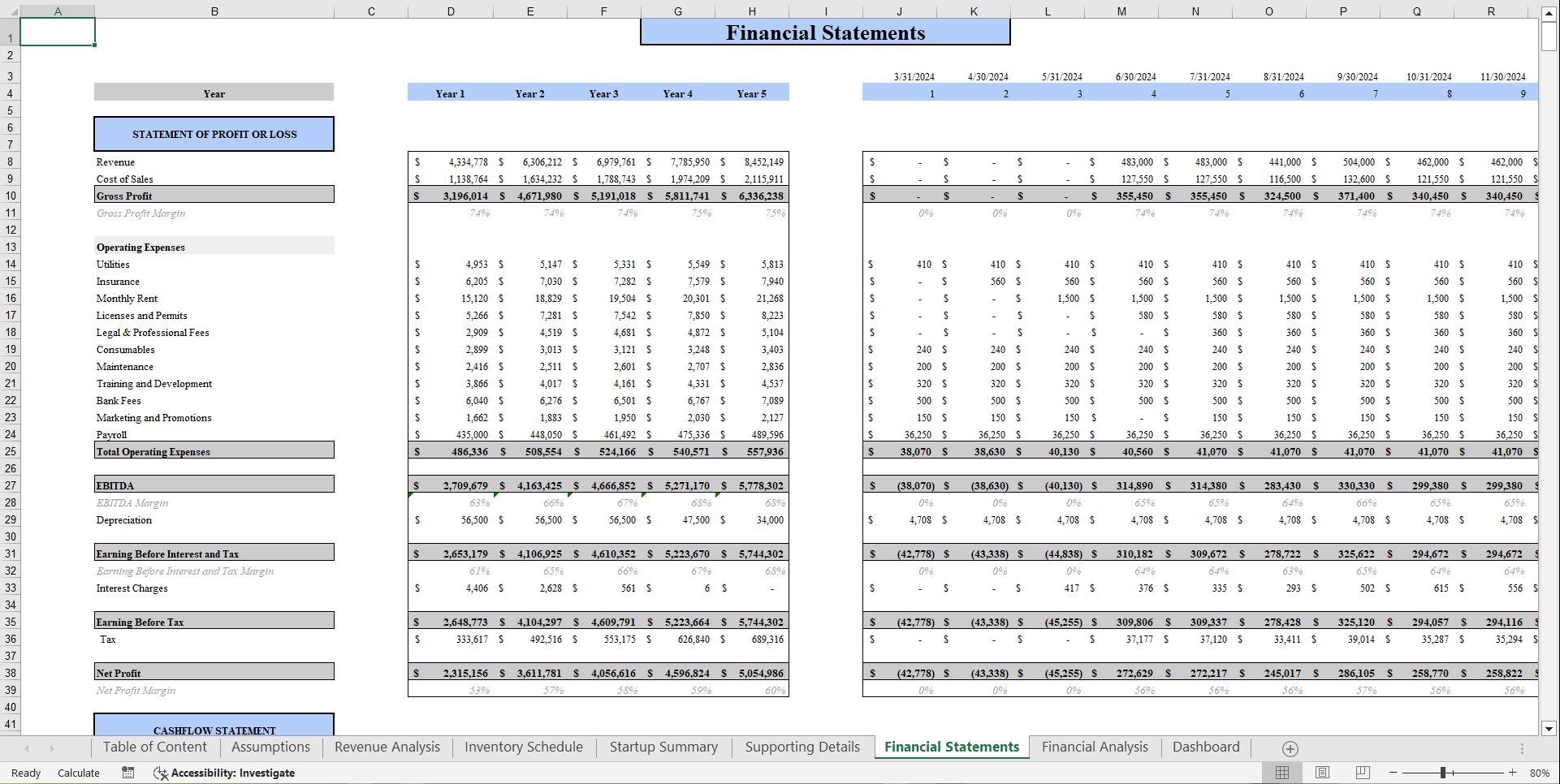
The financial success of a Bubble Tea Cafe relies on a robust financial model, and understanding its key components is crucial. The Bubble Tea Cafe Excel Financial Model encompasses a range of elements, including the Inventory Schedule, Startup Summary, Financial Statements, and a Dashboard for a comprehensive overview.
1. Assumptions
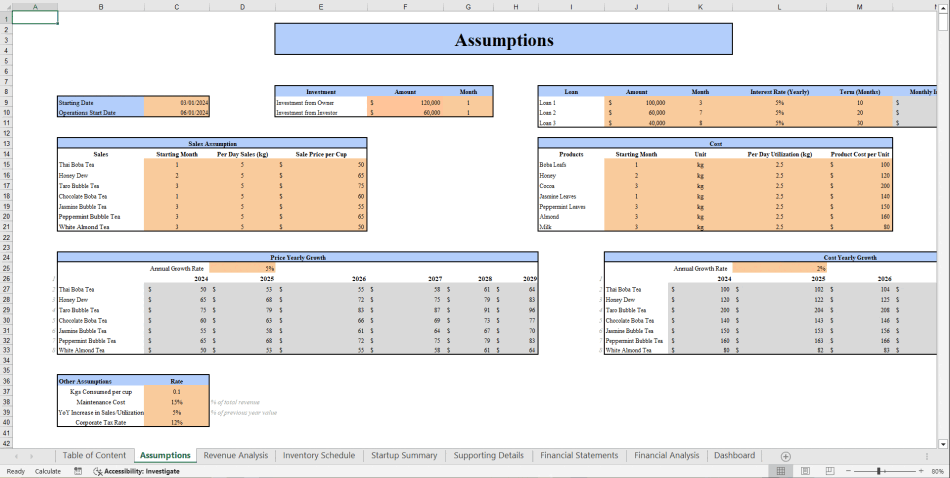
Built on realistic assumptions, this financial model considers factors like target market demographics, potential customers, and growth rates within the bubble tea industry. These assumptions form the foundation for accurate financial projections, allowing cafe owners to make informed decisions.
2. Revenue Analysis
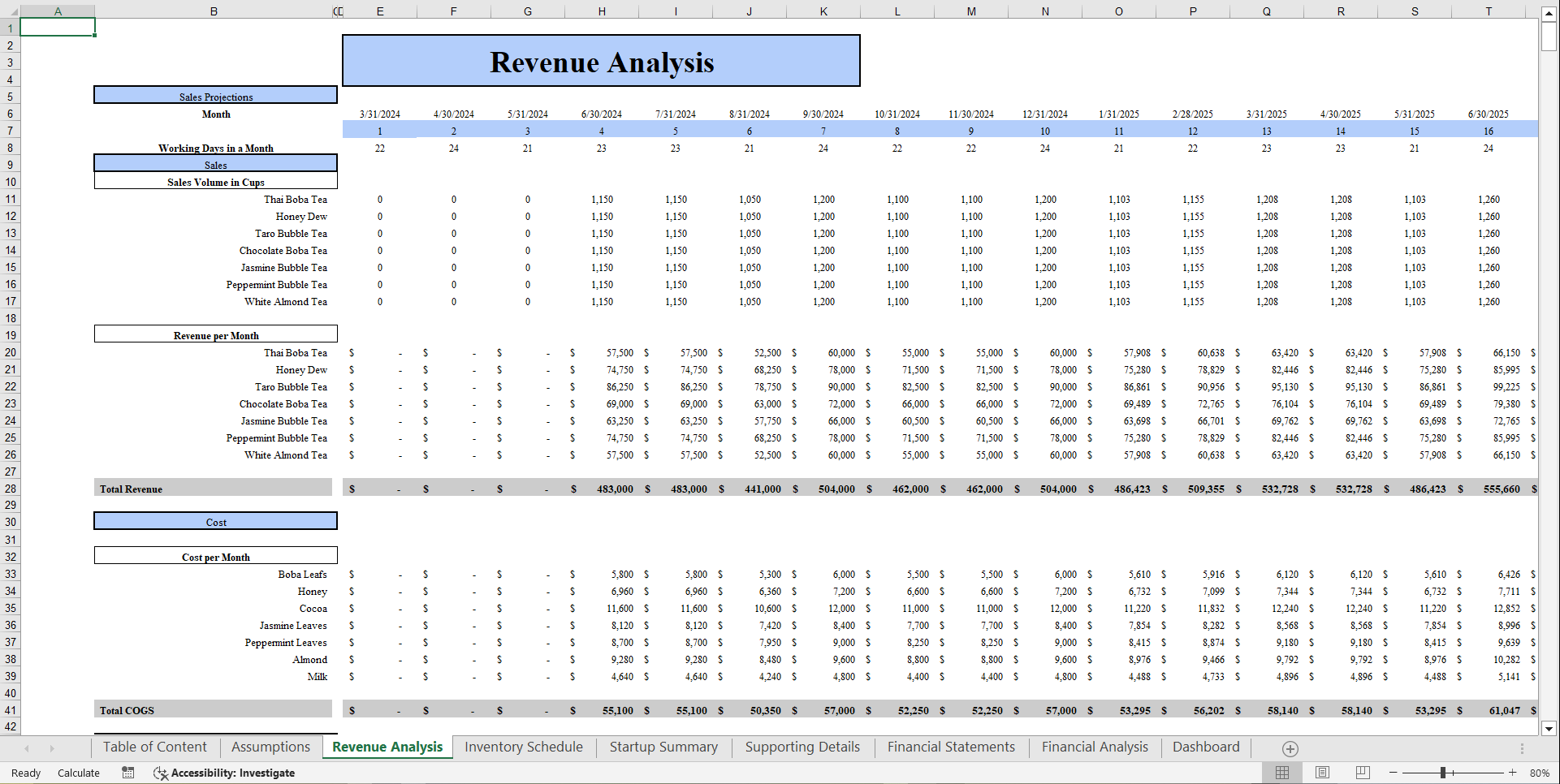
Accurate revenue projections are at the core of any successful financial model. The Bubble Tea Cafe Excel Financial Model calculates revenue by considering various elements such as revenue streams, sales growth, pricing strategies, and target customers. This section provides actionable insights into maximizing revenue streams.
3. Inventory Schedule
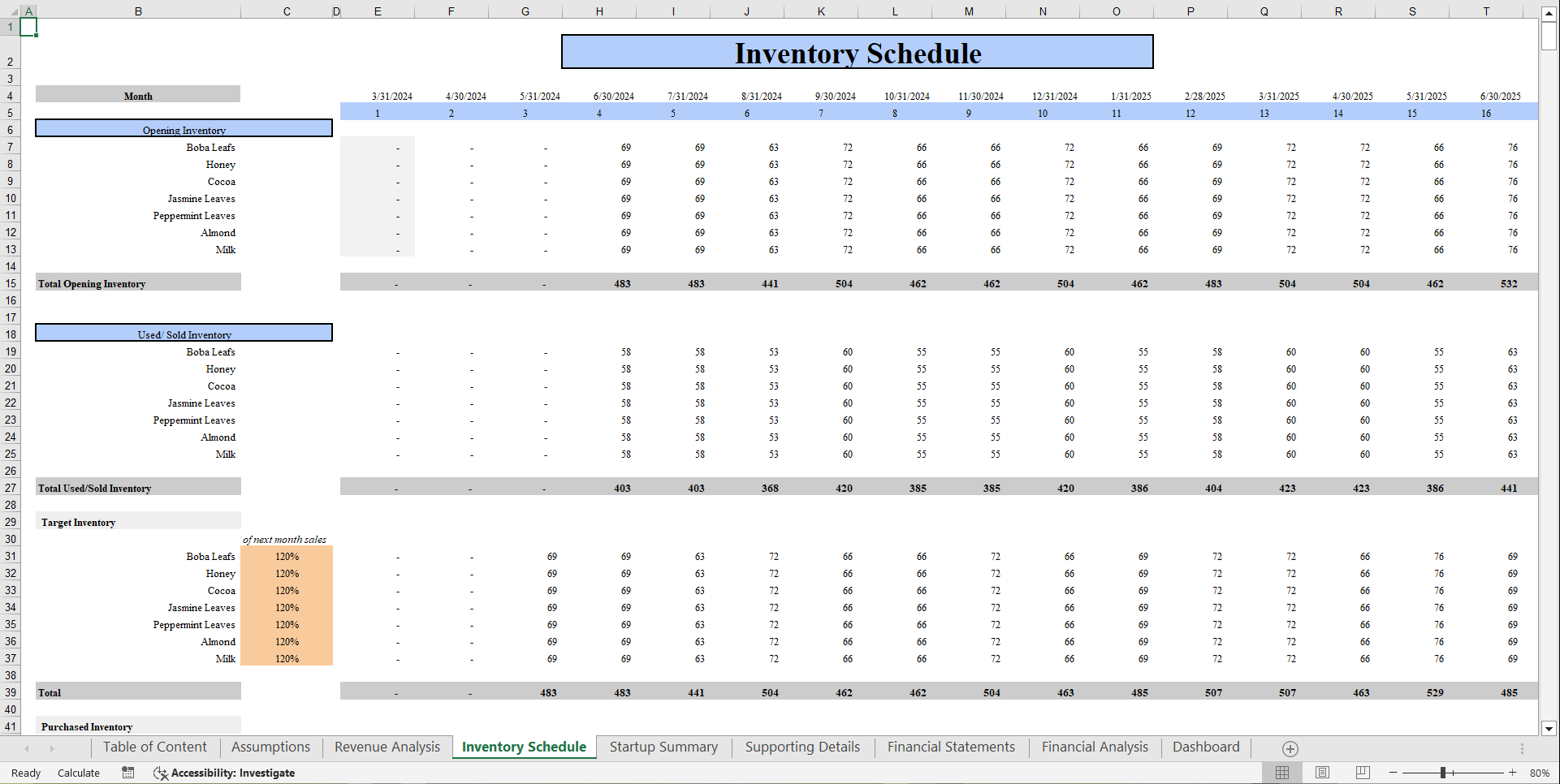
Effective inventory management is vital for Bubble Tea Cafes. The Inventory Schedule within the financial model aids cafe owners in tracking their stock levels, optimizing supply chains, and managing operational costs efficiently.
4. Startup Summary
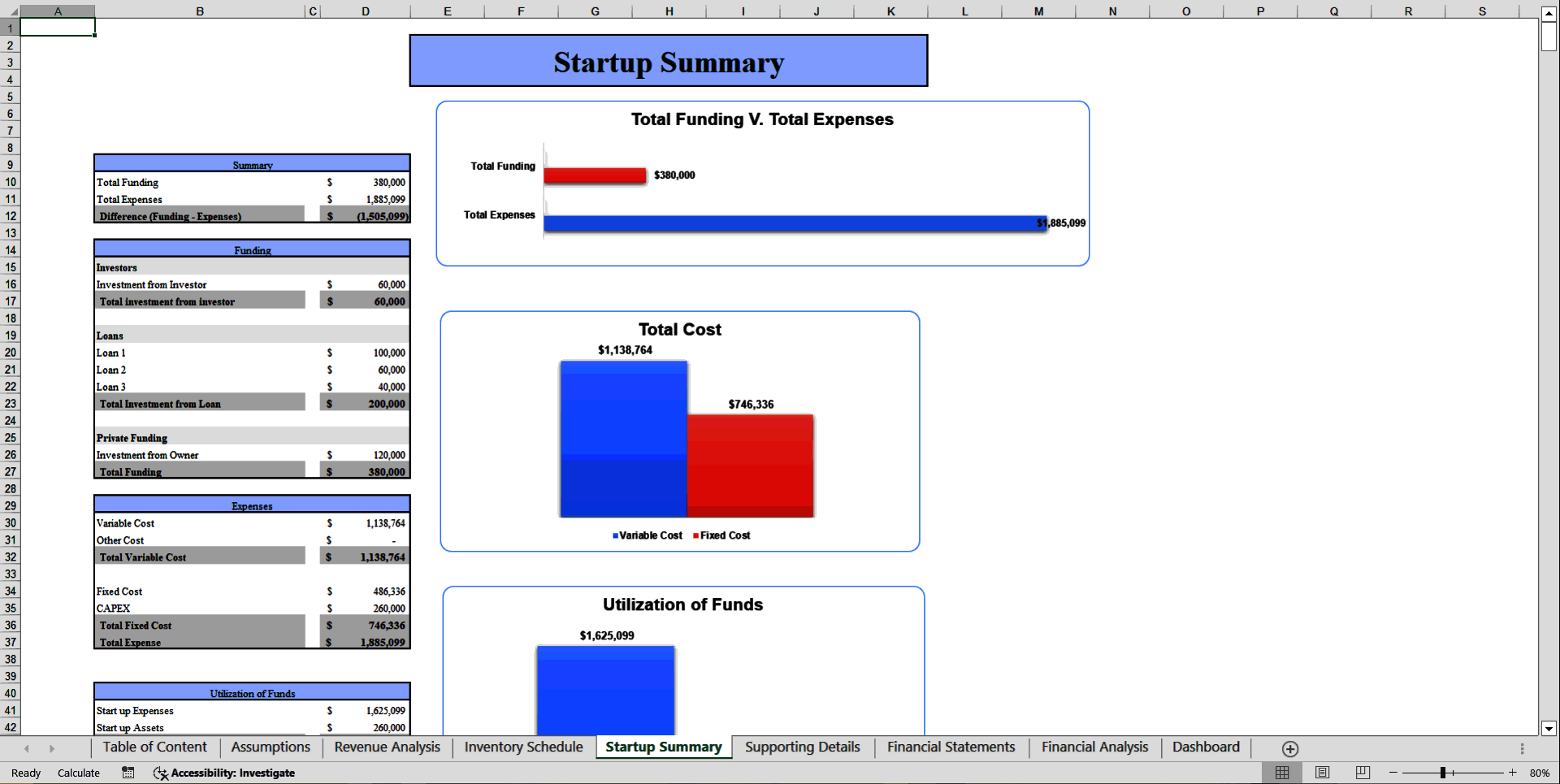
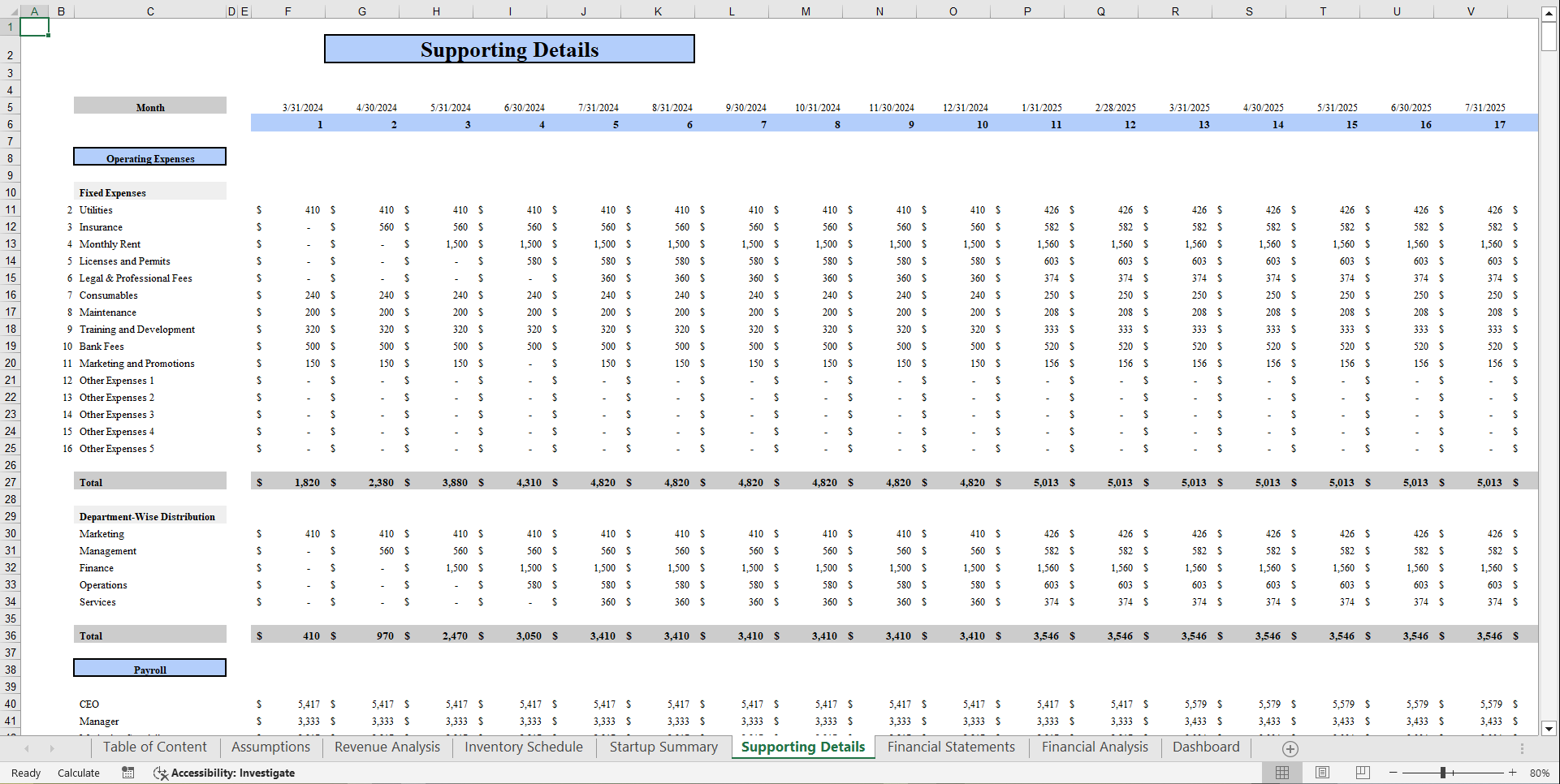
Starting a Bubble Tea Cafe involves numerous startup costs. The Startup Summary section breaks down these costs, providing a detailed overview of initial financial commitments. This actionable information guides cafe owners in budgeting and financial planning during the critical startup phase.
5. Income Statement
A vital component for assessing profitability, the Income Statement offers a detailed view of revenue, costs, and profits over a specific period.
6. Cash Flow Statement
Projecting the inflow and outflow of cash, this component is essential for maintaining liquidity and ensuring the cafe can meet its financial obligations.
7. Balance Sheet
Presenting the financial position at a specific point in time, the Balance Sheet provides insights into the cafe's overall financial health and solvency.
8. Break-even Analysis
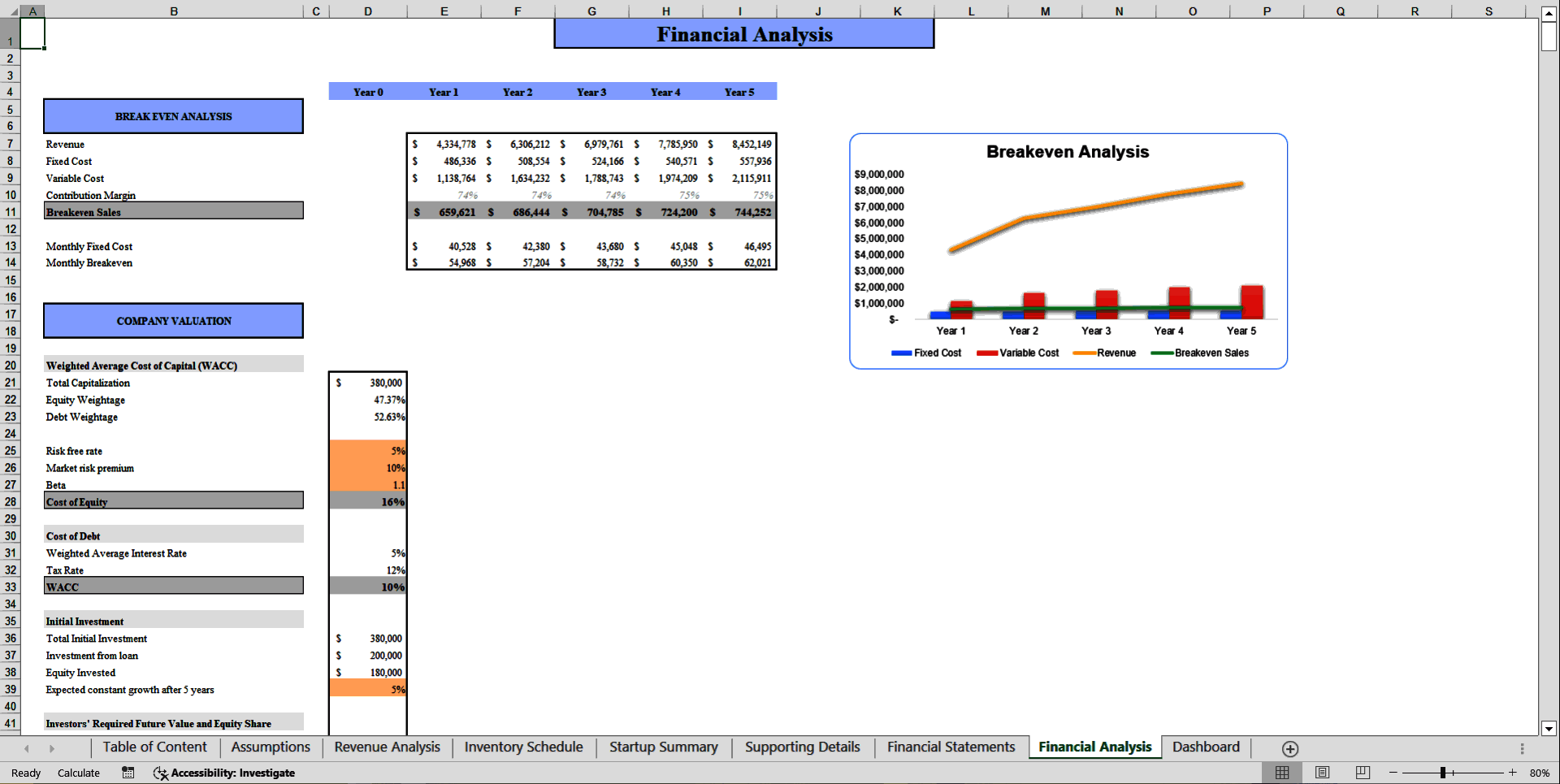
Determining the point at which revenue equals expenses, the Break-even Analysis aids in understanding when the cafe is expected to become profitable.
9. Company Valuation
Evaluating the cafe's worth in the market, this section provides insights into the overall value of the business, which is crucial for potential investors or stakeholders.
10. Sensitivity Analysis
Exploring various scenarios to assess potential risks and rewards, the Sensitivity Analysis helps cafe owners make informed decisions in the face of uncertainties.
11. KPIs and Ratios
Measuring key performance indicators (KPIs) and financial ratios provides a deeper understanding of the cafe's operational efficiency, profitability, and overall financial performance.
12. Dashboard
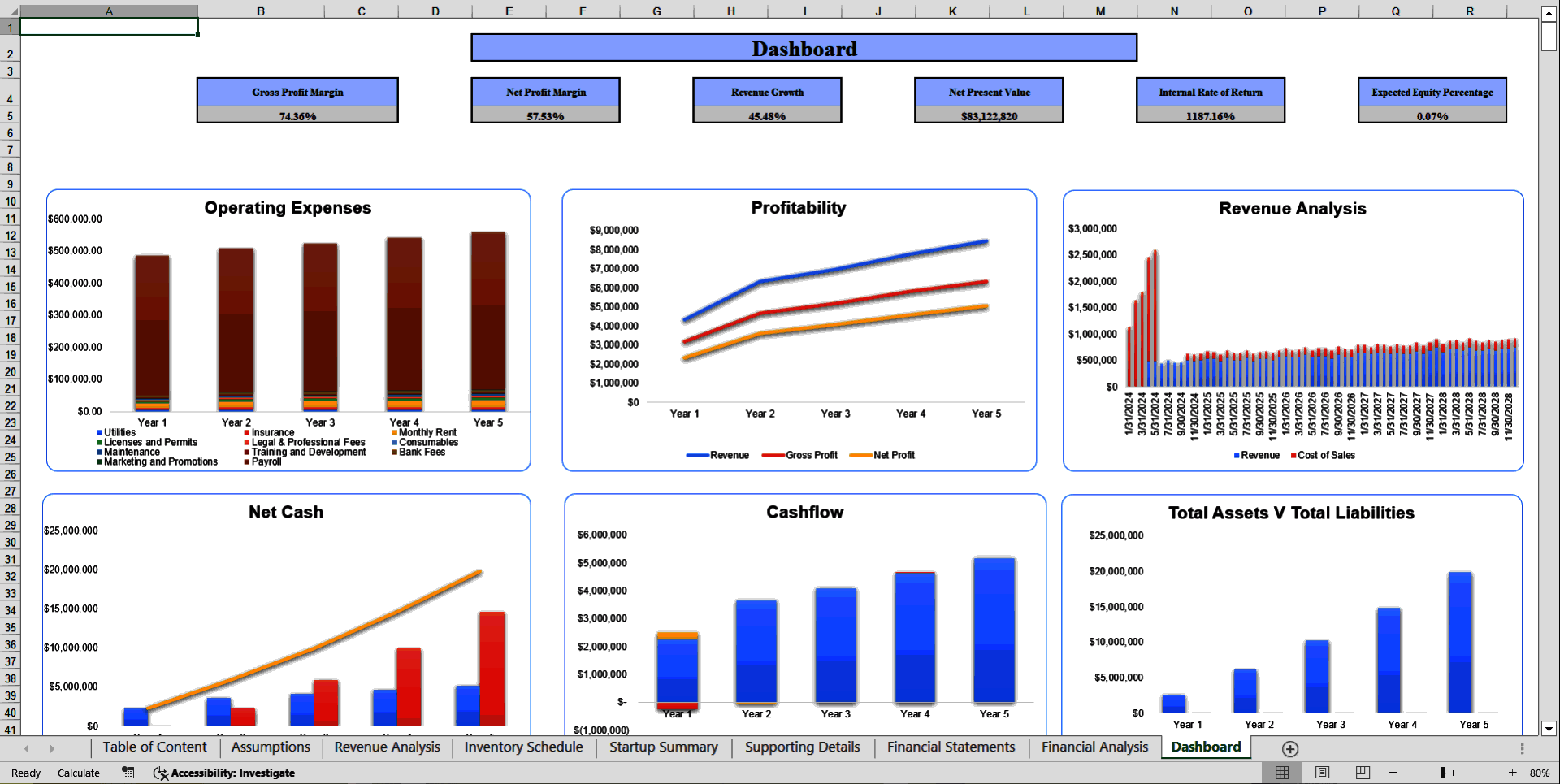
A visual representation of key financial metrics, the Dashboard offers a user-friendly interface for easy interpretation and monitoring of critical data.
Frequently Asked Questions
1. What is a Bubble Tea Cafe Excel Financial Model?
A Bubble Tea Cafe Excel Financial Model is a comprehensive tool designed for cafe owners to navigate the financial intricacies of their business. It includes key components like financial statements, inventory schedules, and a startup summary, providing actionable insights for strategic decision-making.
2. How can a Bubble Tea Cafe Excel Financial Model benefit my business?
This financial model benefits Bubble Tea Cafe owners by offering a structured approach to financial planning. It aids in budgeting, revenue projections, and financial analysis, empowering owners to make informed decisions for the success of their cafe.
3. What key financial metrics does the template include for a Bubble Tea Cafe?
The template includes essential financial metrics such as cash flow, balance sheets, income statements, and growth rates. These metrics offer a comprehensive view of the cafe's financial health and performance.
4. How does the template calculate revenue projections for a Bubble Tea Cafe?
Revenue projections are calculated by considering factors like sales growth, pricing strategies, and target customer demographics. This calculation provides cafe owners with realistic revenue forecasts, crucial for strategic planning.
5. What factors are considered in the cost structure of the financial model for a Bubble Tea Cafe?
The cost structure includes startup costs, operational costs, marketing expenses, and variable costs. Understanding these factors allows cafe owners to manage their finances efficiently.
Got a question about the product? Email us at support@flevy.com or ask the author directly by using the "Ask the Author a Question" form. If you cannot view the preview above this document description, go here to view the large preview instead.
Source: Best Practices in Food & Beverage Industry, Restaurant Industry, Integrated Financial Model Excel: Bubble Tea Cafe Financial Model Template Excel (XLSX) Spreadsheet, Oak Business Consultant




























