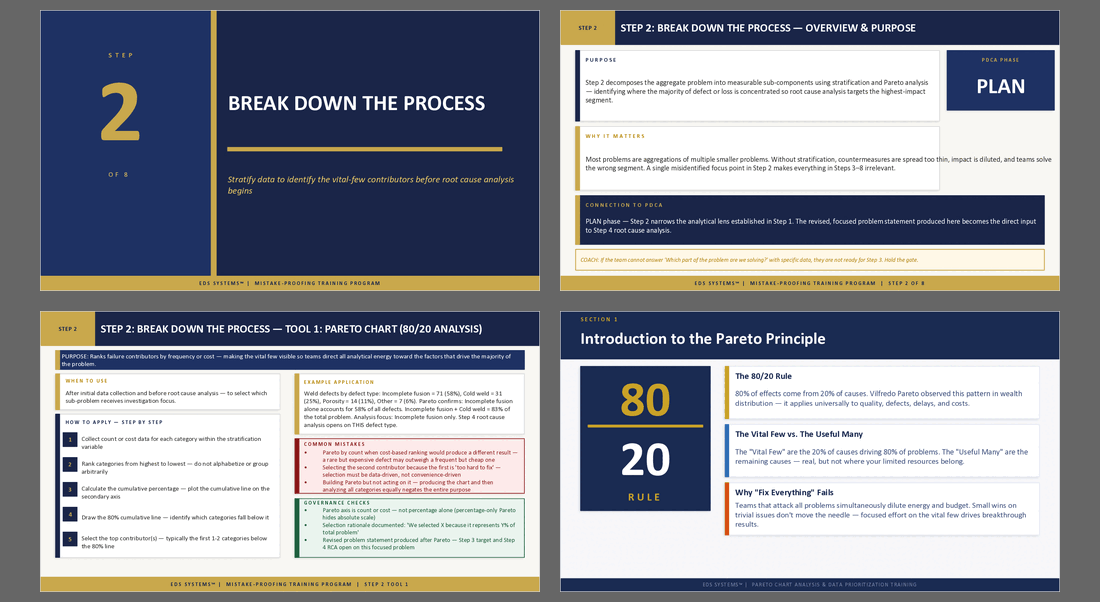

 Click main image to view in full screen. Unlock all 15 preview images:
Break Down the Process: Enterprise Lean Problem Solving Tool – PowerPoint PPTX Template
PowerPoint (PPTX) 99 Slides


BENEFITS OF THIS DOWNLOADABLE POWERPOINT DOCUMENT
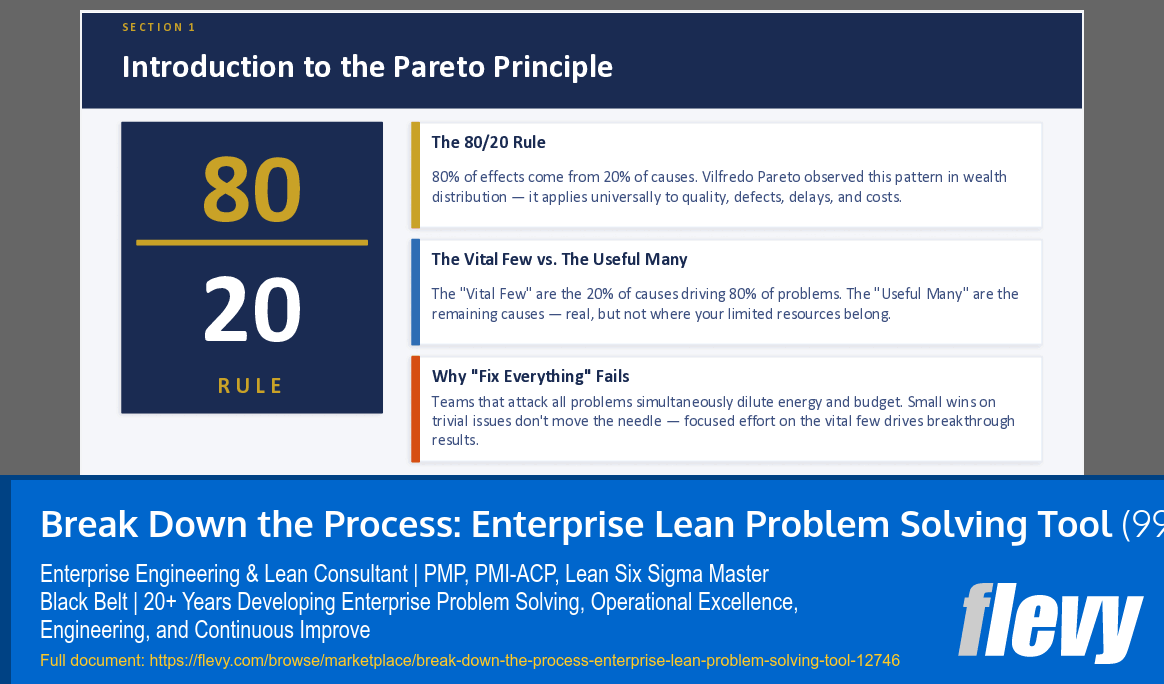
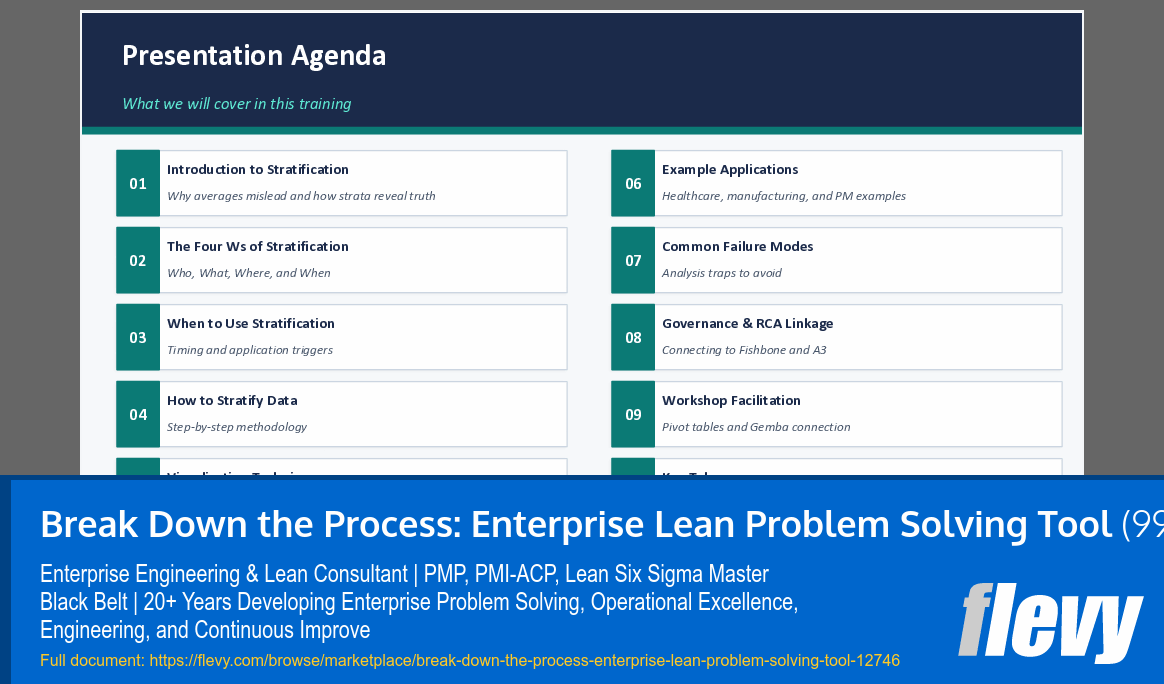
- Provides a structured, data-driven methodology for identifying the highest-impact contributors through Pareto Analysis, Stratification, Frequency Distribution, Time-Series Analysis, and Statistical Process Control before Root Cause Analysis begins.
- Improves enterprise problem-solving effectiveness by integrating governance controls, quality gates, analytical standards, coaching guidance, and practical implementation techniques that reduce common analytical mistakes.
- Equips organizations with implementation-ready training materials suitable for Lean academies, engineering organizations, consulting engagements, operational excellence programs, leadership development, and enterprise capability-building initiatives.
PROBLEM SOLVING PPT TEMPLATE DESCRIPTION
Most organizations collect large amounts of operational data but struggle to convert that information into actionable insight. Teams frequently attempt Root Cause Analysis using aggregate metrics, averages, or anecdotal observations instead of first identifying where the problem is actually concentrated. As a result, improvement efforts become diluted, corrective actions address the wrong process segment, and organizations spend significant resources solving symptoms rather than the highest-impact contributors.
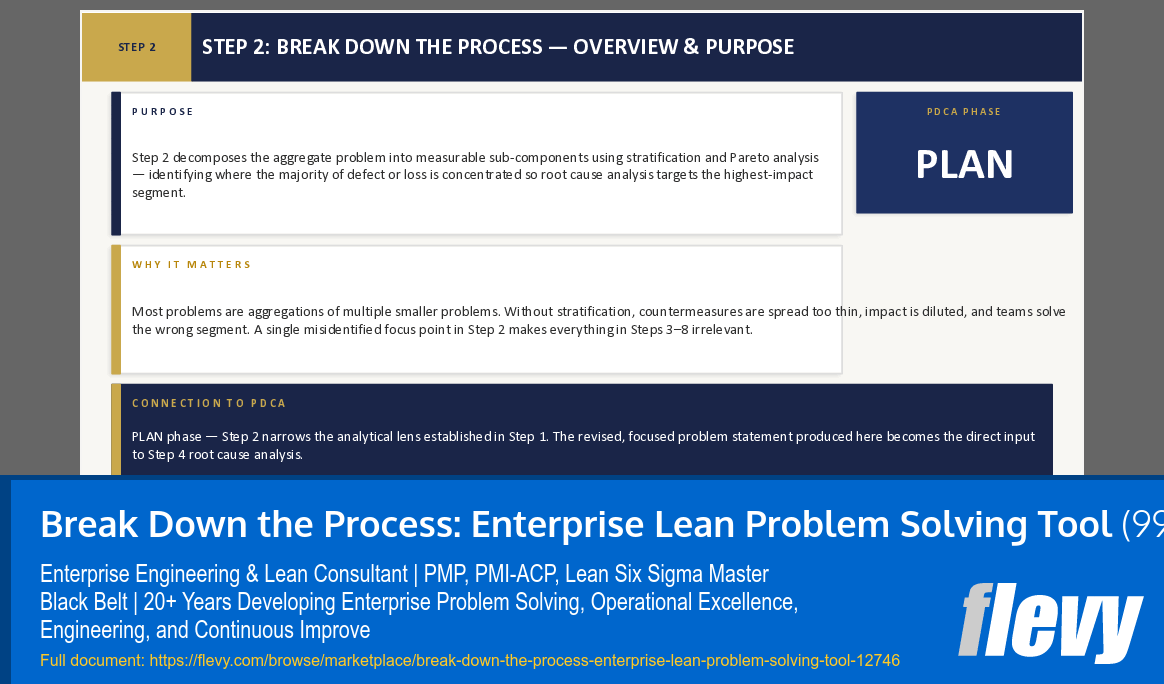
This professional training module provides a comprehensive, enterprise-grade framework for mastering Step 2: Break Down the Process within the Lean Eight-Step Problem Solving methodology. Rather than immediately investigating causes, this training teaches organizations how to systematically stratify performance data, prioritize improvement opportunities, and isolate the critical few contributors responsible for the majority of operational losses before beginning Root Cause Analysis.
Developed for engineering organizations, manufacturing operations, utilities, healthcare systems, government agencies, logistics providers, and enterprise continuous improvement teams, this training establishes a disciplined methodology for transforming broad organizational problems into focused, measurable improvement opportunities supported by objective data.
Participants learn how to move beyond averages by applying structured analytical techniques that reveal hidden patterns across products, processes, equipment, locations, shifts, departments, suppliers, and time periods. The curriculum emphasizes evidence-based decision making while eliminating one of the most common causes of failed improvement initiatives—attempting to solve every problem simultaneously instead of focusing on the few conditions generating the greatest business impact.
This training module includes detailed instruction and practical application for:
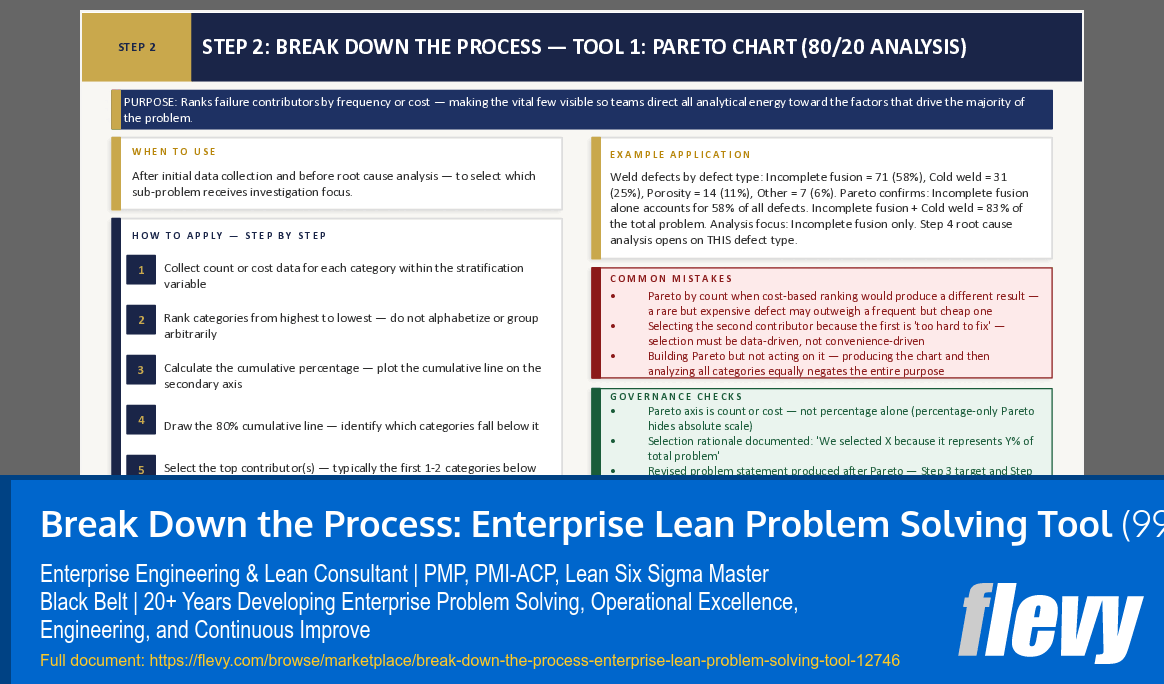
• Pareto Chart Analysis (80/20 Prioritization)
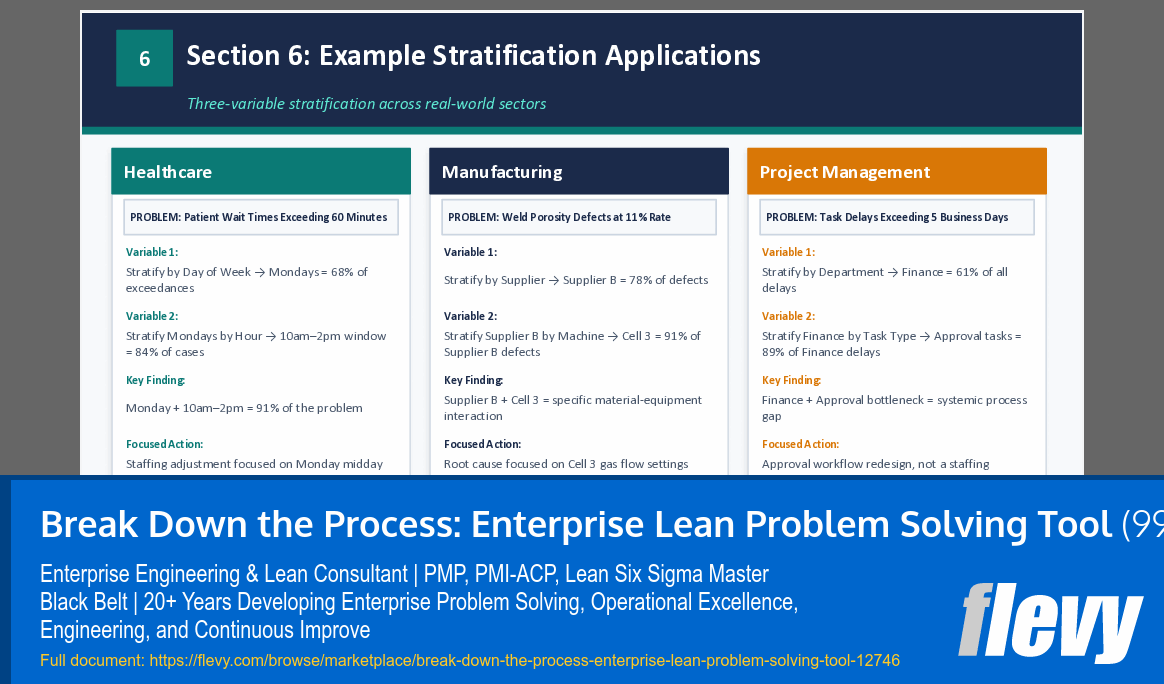
• Stratification Analysis and Data Segmentation
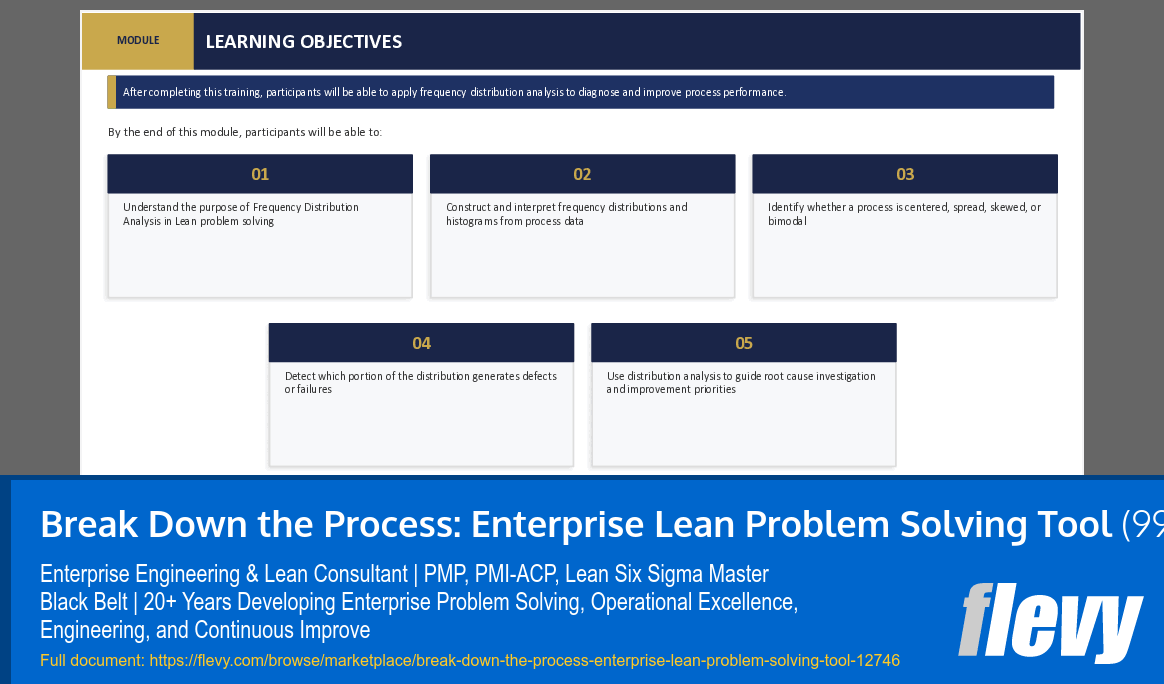
• Frequency Distribution Analysis
• Time-Series Segmentation
• Control Charts by Segment
• Rate-Based Performance Analysis
• Data Prioritization Techniques
• Governance Controls and Decision Gates
• Gemba Validation Guidance
• Revised Problem Statement Development
• Common Analytical Failure Modes
• Executive Coaching Guidance
• Practical Case Studies and Industry Examples
• Step-by-Step Implementation Methodology
Unlike traditional Lean training that simply introduces statistical tools, this program integrates governance principles, analytical standards, facilitation guidance, coaching techniques, and quality control checkpoints to ensure organizations consistently identify the highest-value improvement opportunities before launching Root Cause Analysis. Every analytical method includes implementation guidance, practical examples, common mistakes, governance requirements, and enterprise quality gates that improve consistency across improvement initiatives.
The methodology aligns with Lean Thinking, A3 Thinking, PDCA, DMAIC, Six Sigma statistical analysis, structured Root Cause Analysis, and operational excellence principles while remaining industry-neutral and immediately applicable across manufacturing, engineering, utilities, healthcare, government, logistics, financial services, and service organizations.
This resource is ideal for Lean practitioners, Operational Excellence professionals, Continuous Improvement leaders, Engineering Managers, Quality Engineers, Process Improvement teams, Business Excellence organizations, Data Analysts, Project Managers, and management consultants seeking implementation-ready training materials that can be immediately deployed within enterprise environments.
Whether used as a standalone learning module or as part of a comprehensive Eight-Step Problem Solving curriculum, this document provides a practical, disciplined, and data-driven framework for narrowing complex organizational problems into focused improvement opportunities that maximize the effectiveness of Root Cause Analysis and significantly improve the success of enterprise continuous improvement initiatives.
Got a question about the product? Email us at support@flevy.com or ask the author directly by using the "Ask the Author a Question" form. If you cannot view the preview above this document description, go here to view the large preview instead.
Source: Best Practices in Problem Solving, Lean Management PowerPoint Slides: Break Down the Process: Enterprise Lean Problem Solving Tool PowerPoint (PPTX) Presentation Slide Deck, EDS SYSTEMS
ABOUT THE AUTHOR
EDS SYSTEMS develops practical business frameworks, professional training, and enterprise toolkits that help organizations solve complex problems, improve operational performance, strengthen project execution, and build lasting organizational capability.
Our products transform proven engineering, project management, operational excellence, and continuous improvement practices into structured,
... [read more]
Ask the Author a Question
You must be logged in to contact the author.




























