 Click main image to view in full screen.
Best Practice Guide - Managing Fraud, Bribery, Corruption Risk – PowerPoint PPTX Template
PowerPoint (PPTX) + Word (DOCX) 40 Slides


BENEFITS OF THIS DOWNLOADABLE POWERPOINT DOCUMENT
- Global Best Practice in One Place: A single practical reference integrating ISO standards, ACFE methodologies, and international anti-corruption frameworks
- Implementation-Ready: Provides step-by-step governance structures, risk assessment methodologies, and investigation frameworks that organizations can directly apply
- Board-Level Strategic Value: Equips boards, executives, auditors, and compliance leaders with tools to build resilient institutions and protect reputation, assets, and stakeholder trust.
BRIBERY PPT TEMPLATE DESCRIPTION
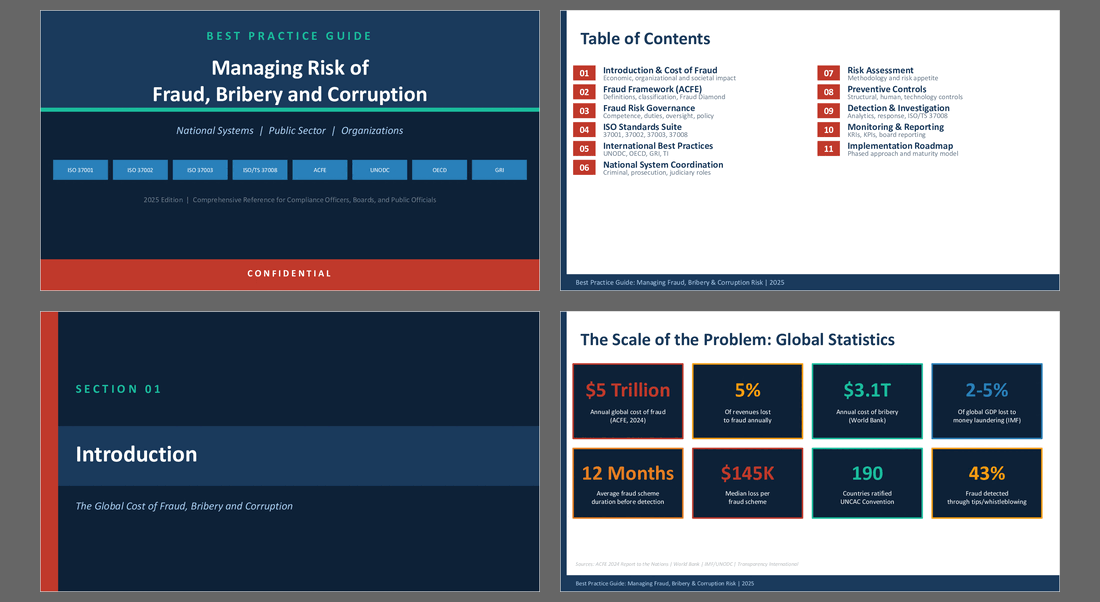
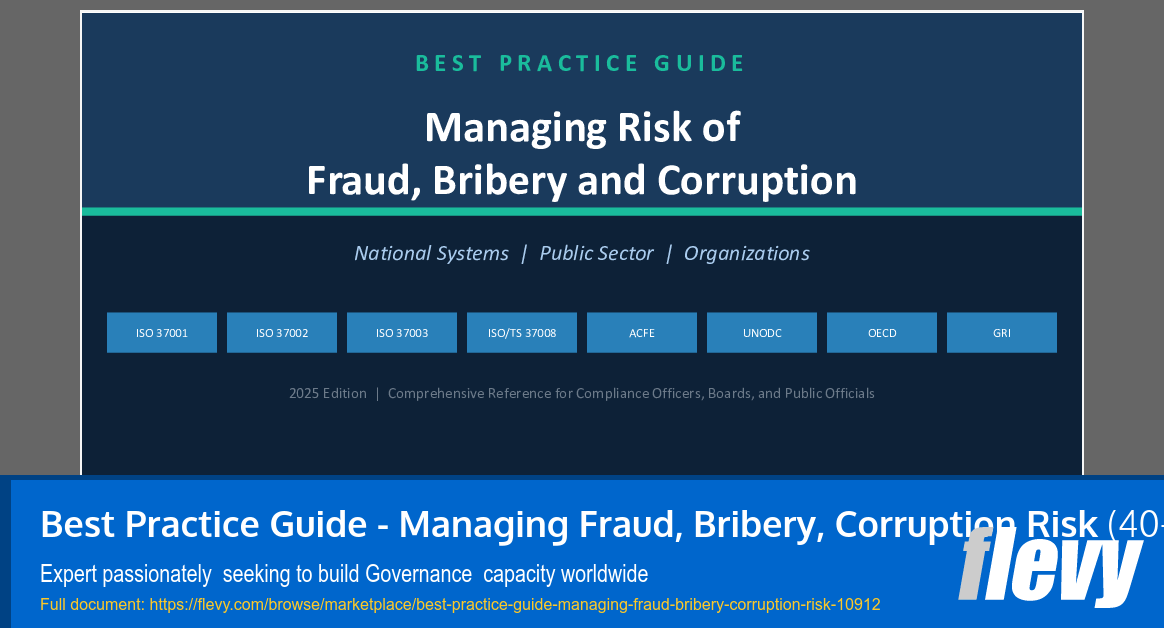
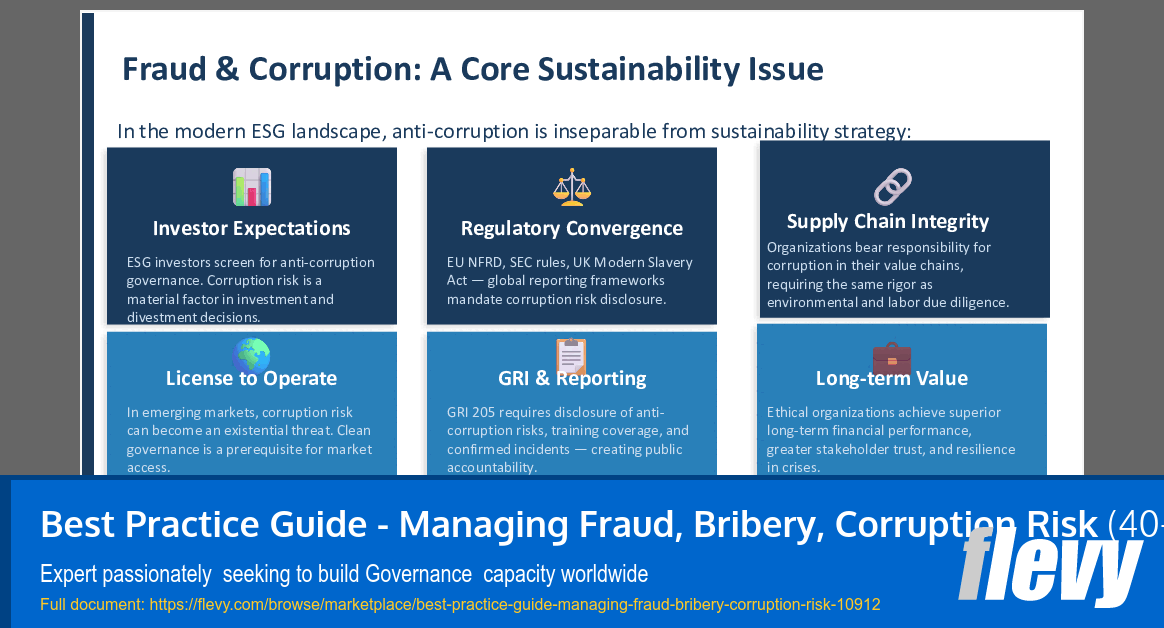
The Best Practice Guide: Managing Fraud, Bribery and Corruption Risk (2025 Edition) extend Fraud Risk Governance guide to provides a comprehensive, standards-based framework for governments, public sector institutions, financial institutions, and private organizations seeking to prevent, detect, and respond to economic crime. The guide integrates globally recognized frameworks and standards including ISO 37001 (Anti-Bribery Management Systems), ISO 37003 (Fraud Control Management Systems), ISO 37002 (Whistleblowing Management Systems), and ISO/TS 37008 (Internal Investigations), alongside international guidance from the Association of Certified Fraud Examiners (ACFE), United Nations Office on Drugs and Crime (UNODC), OECD, Global Reporting Initiative (GRI), and Transparency International.
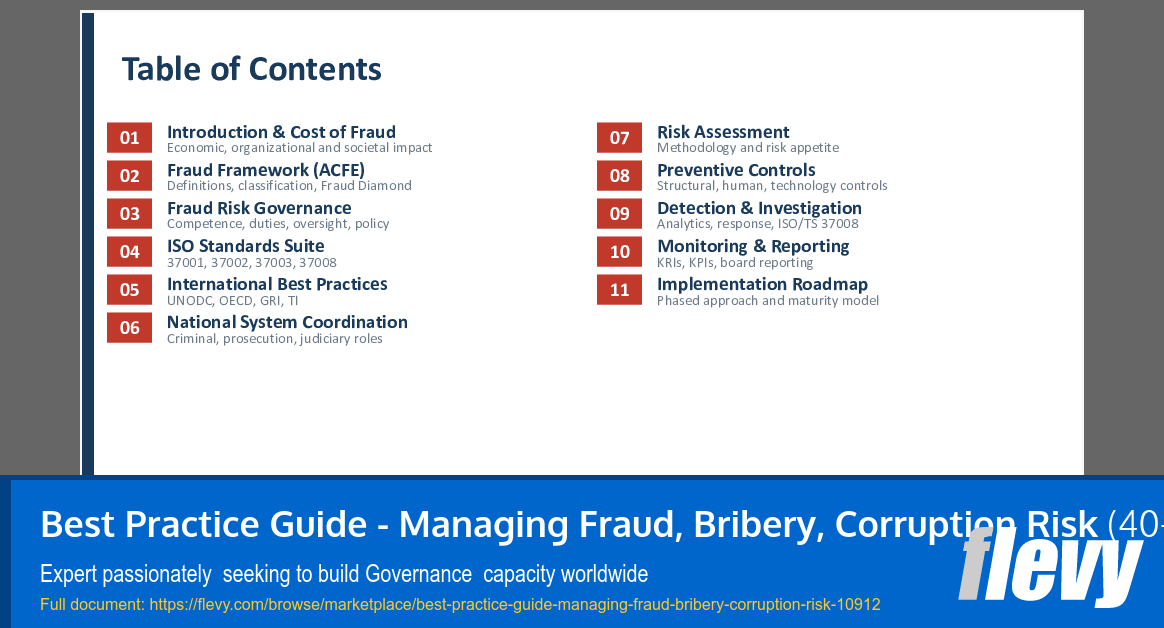
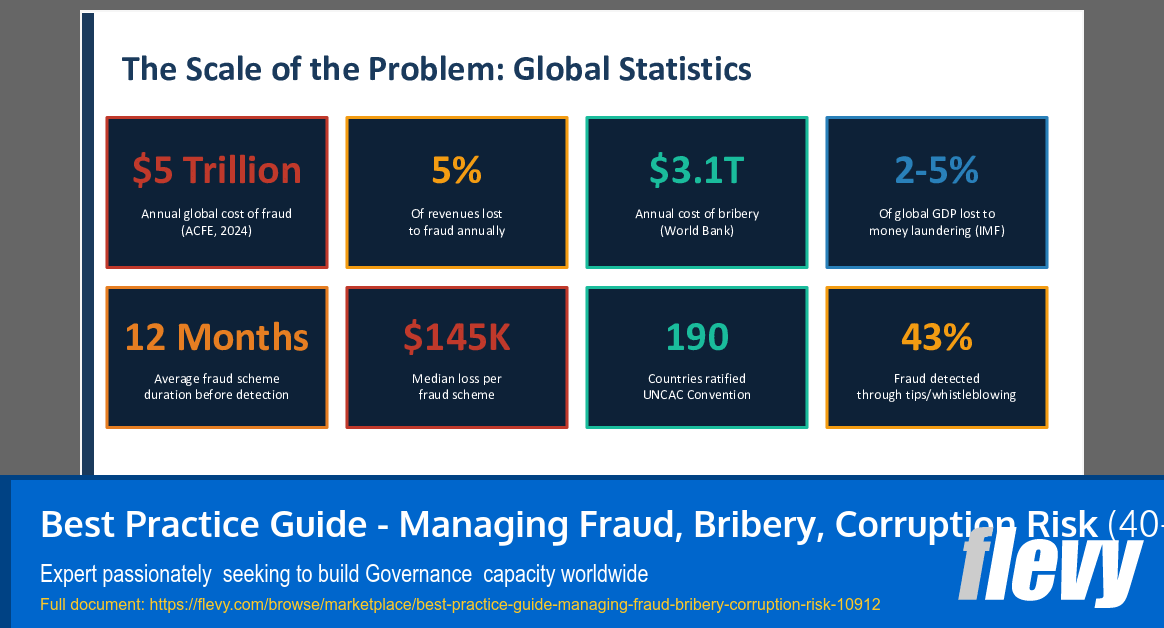
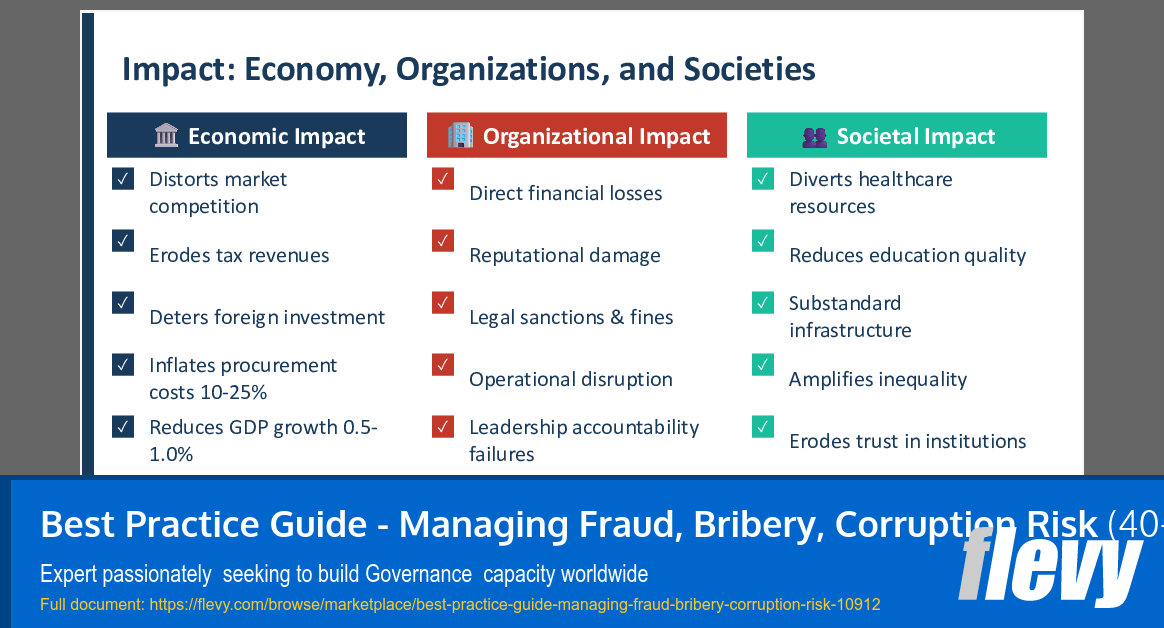
The guide begins by examining the global scale and impact of fraud and corruption, noting that organizations lose an estimated 5% of their annual revenue to fraud, with global losses exceeding trillions of dollars annually. It highlights the far-reaching economic, institutional, and social consequences of corruption, including distorted markets, weakened financial systems, reduced public trust, and diminished development outcomes.
Building on this context, the guide introduces internationally accepted fraud frameworks such as the ACFE Fraud Tree and the Fraud Diamond to help organizations understand the behavioral, operational, and financial indicators of fraud risk. It then provides a structured governance framework anchored on the Three Lines Model, clearly defining the roles of boards, executive leadership, compliance functions, and internal audit in establishing effective anti-fraud oversight.
A central component of the guide is a practical methodology for fraud and corruption risk assessment, preventive control design, third-party due diligence, whistleblowing systems, and investigative procedures aligned with global best practices. The guide further outlines modern detection techniques including data analytics, continuous monitoring, and red-flag analysis to strengthen organizational resilience against fraud schemes.
Finally, the guide presents a phased implementation roadmap and maturity model enabling organizations to progressively build world-class anti-fraud, anti-bribery, and anti-corruption programs. By integrating governance, risk management, investigation capability, and ethical culture, the guide serves as a practical reference for leaders seeking to protect institutional integrity and strengthen sustainable organizational performance.
Got a question about the product? Email us at support@flevy.com or ask the author directly by using the "Ask the Author a Question" form. If you cannot view the preview above this document description, go here to view the large preview instead.
Source: Best Practices in Bribery PowerPoint Slides: Best Practice Guide - Managing Fraud, Bribery, Corruption Risk PowerPoint (PPTX) Presentation Slide Deck, Patrick Gitau




























