 Click main image to view in full screen.
Auditing ESG Practice Guide – PowerPoint PPTX Template
PowerPoint (PPTX) + Word (DOCX) 60 Slides


BENEFITS OF THIS DOWNLOADABLE POWERPOINT DOCUMENT
- This is a practical guide that equips auditors and risk professionals with real methodologies, working papers, and assurance tools aligned with global standards.
- Provides knowhow to audit ESG risks, governance, and disclosures using globally recognized frameworks such as ISO standards, IFRS, and Global Reporting Initiative (GRI) Standards
- 3. Provide playbook for credible ESG assurance-A step-by-step practical guide enabling internal auditors and governance leaders to assess ESG controls, validate sustainability data, and strengthen disclosure integrity
ESG PPT TEMPLATE DESCRIPTION
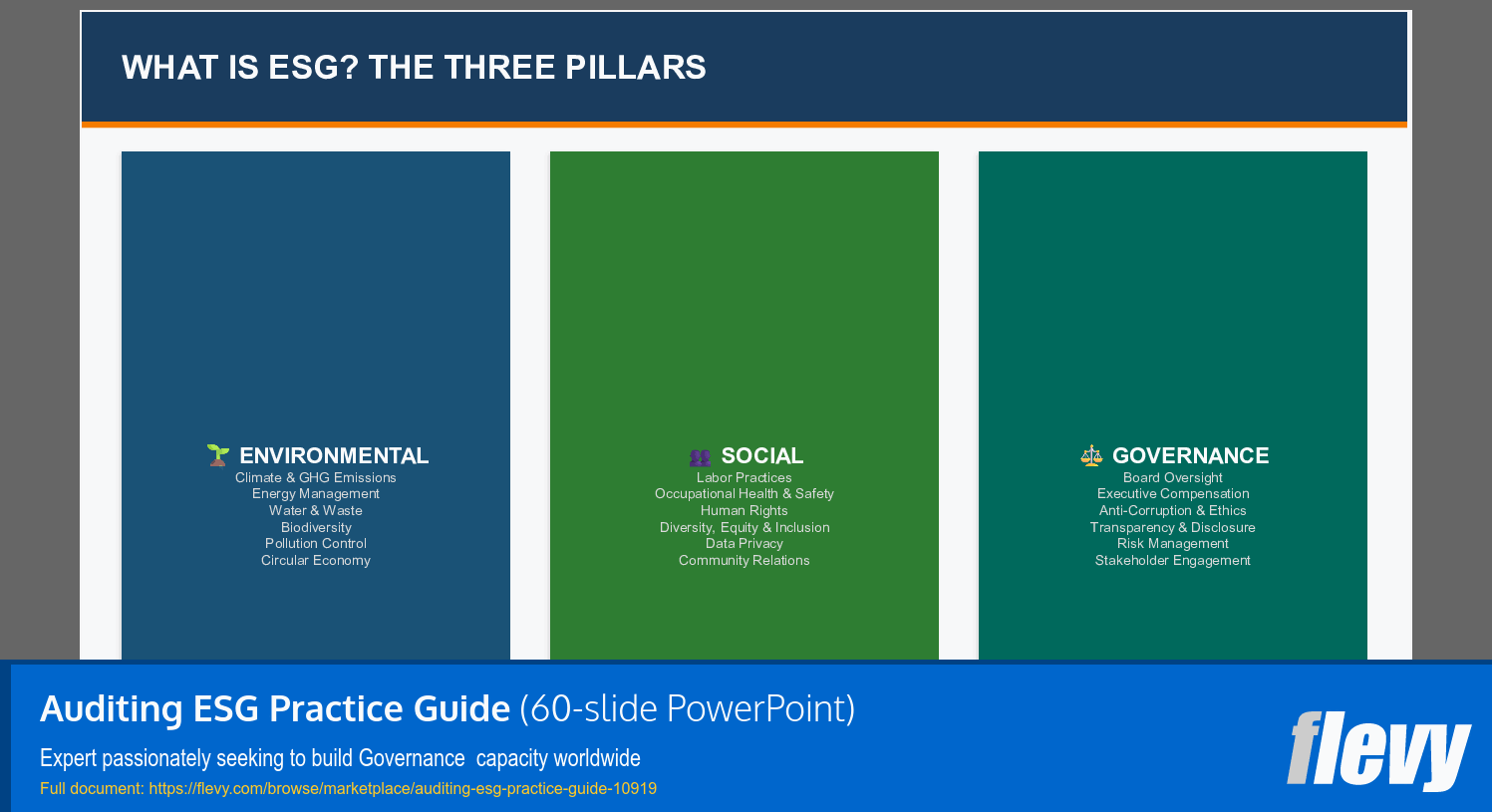
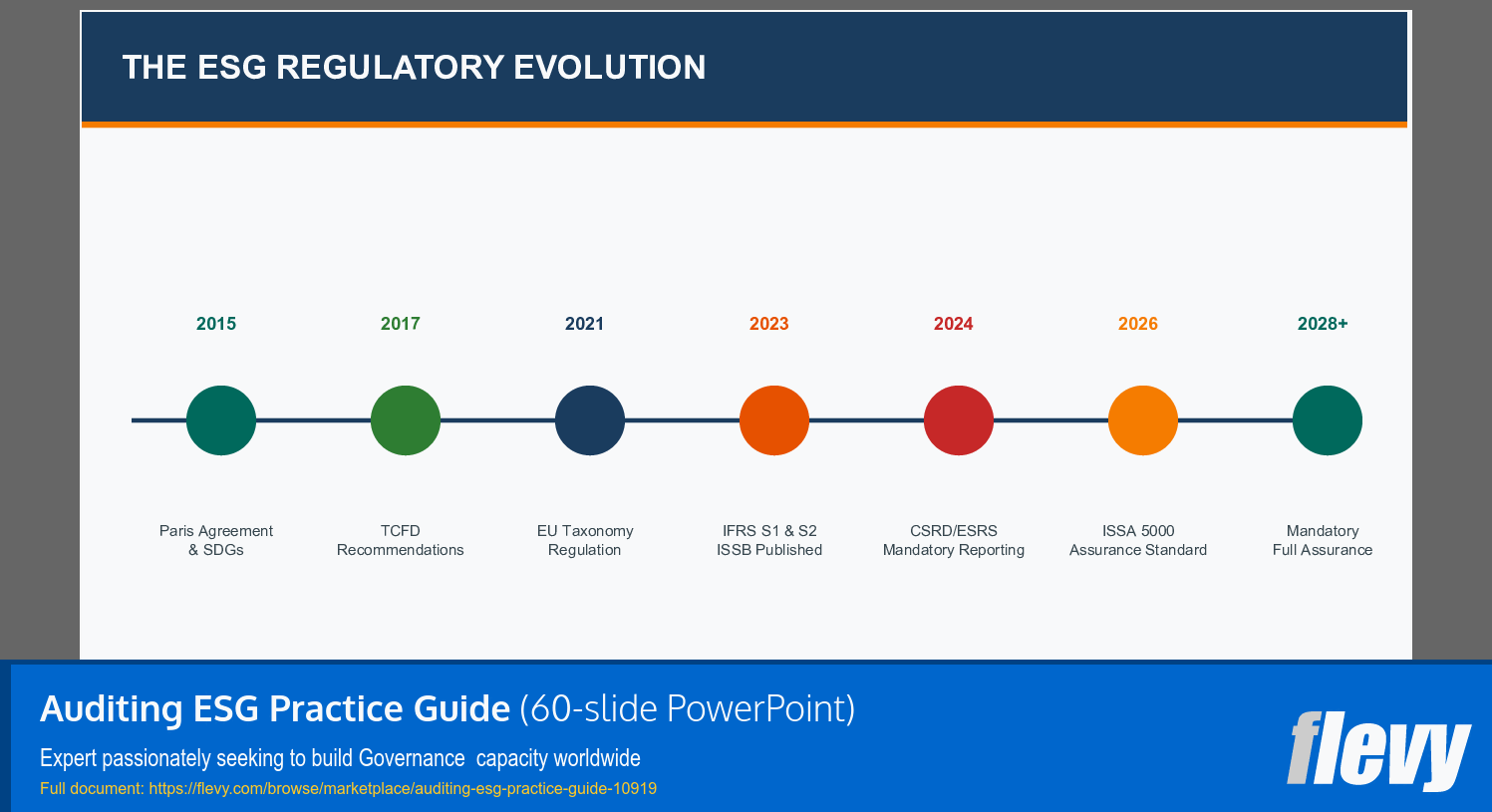
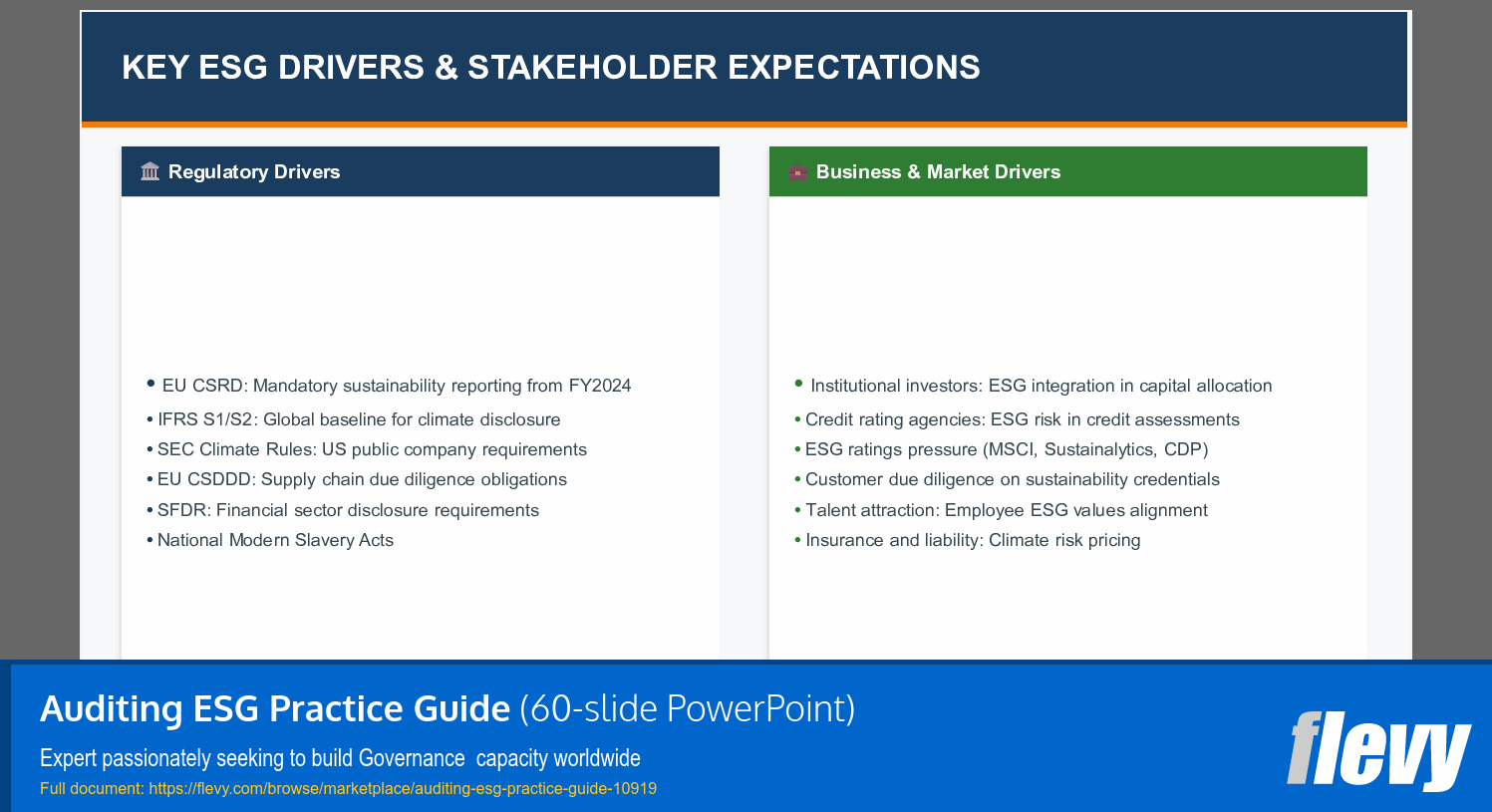
Environmental, Social, and Governance (ESG) considerations are rapidly reshaping how organizations manage risk, demonstrate accountability, and sustain long-term value. As regulatory expectations increase and stakeholders demand greater transparency, internal audit functions are being called upon to provide independent assurance over ESG governance, controls, data integrity, and disclosures.
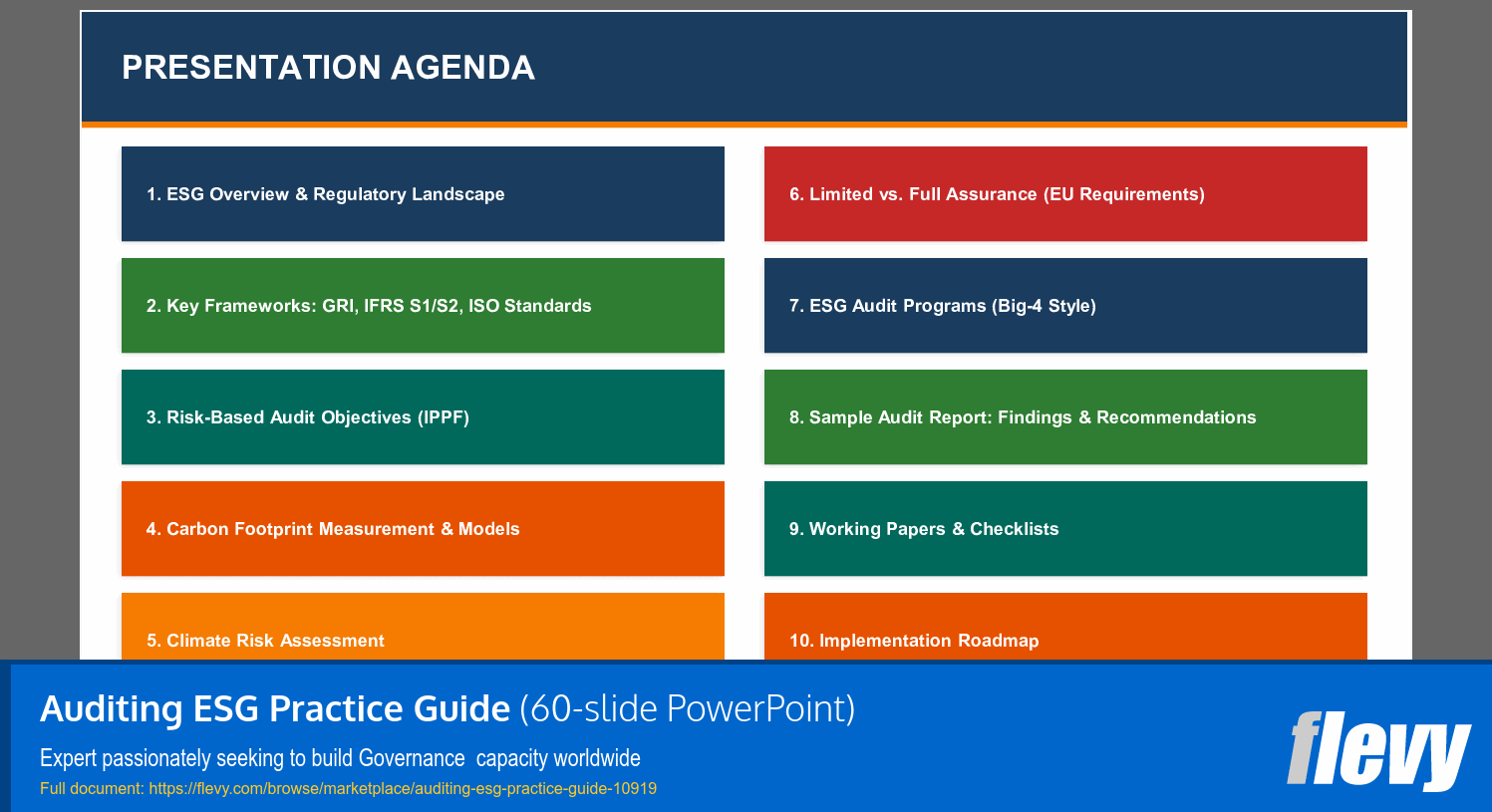
The ESG Internal Audit Practical Guide provides a structured and practical roadmap for auditors and risk professionals seeking to evaluate ESG programs with rigor and credibility. Anchored in internationally recognized frameworks such as ISO 31000, ISO 14001, ISO 45001, and sustainability reporting frameworks including Global Reporting Initiative (GRI) Standards and IFRS S1, the guide translates ESG theory into practical audit methodologies, working papers, checklists, and assurance procedures.
The guide equips practitioners with the tools required to assess ESG risks, evaluate governance structures, verify sustainability data, and determine whether ESG disclosures are supported by effective controls and reliable evidence. It also clarifies the distinction between limited assurance and full assurance, an increasingly important requirement as ESG reporting becomes subject to regulatory scrutiny.
Designed for internal auditors, risk managers, compliance professionals, and governance leaders, this guide helps organizations move beyond sustainability narratives toward credible ESG oversight and assurance.
Got a question about the product? Email us at support@flevy.com or ask the author directly by using the "Ask the Author a Question" form. If you cannot view the preview above this document description, go here to view the large preview instead.
Source: Best Practices in ESG PowerPoint Slides: Auditing ESG Practice Guide PowerPoint (PPTX) Presentation Slide Deck, Patrick Gitau




























