 Click main image to view in full screen.
AI Use Case Prioritization Framework - Excel Tool – Excel XLSX
Excel (XLSX) + supplemental PDF


BENEFITS OF THIS DOWNLOADABLE EXCEL DOCUMENT
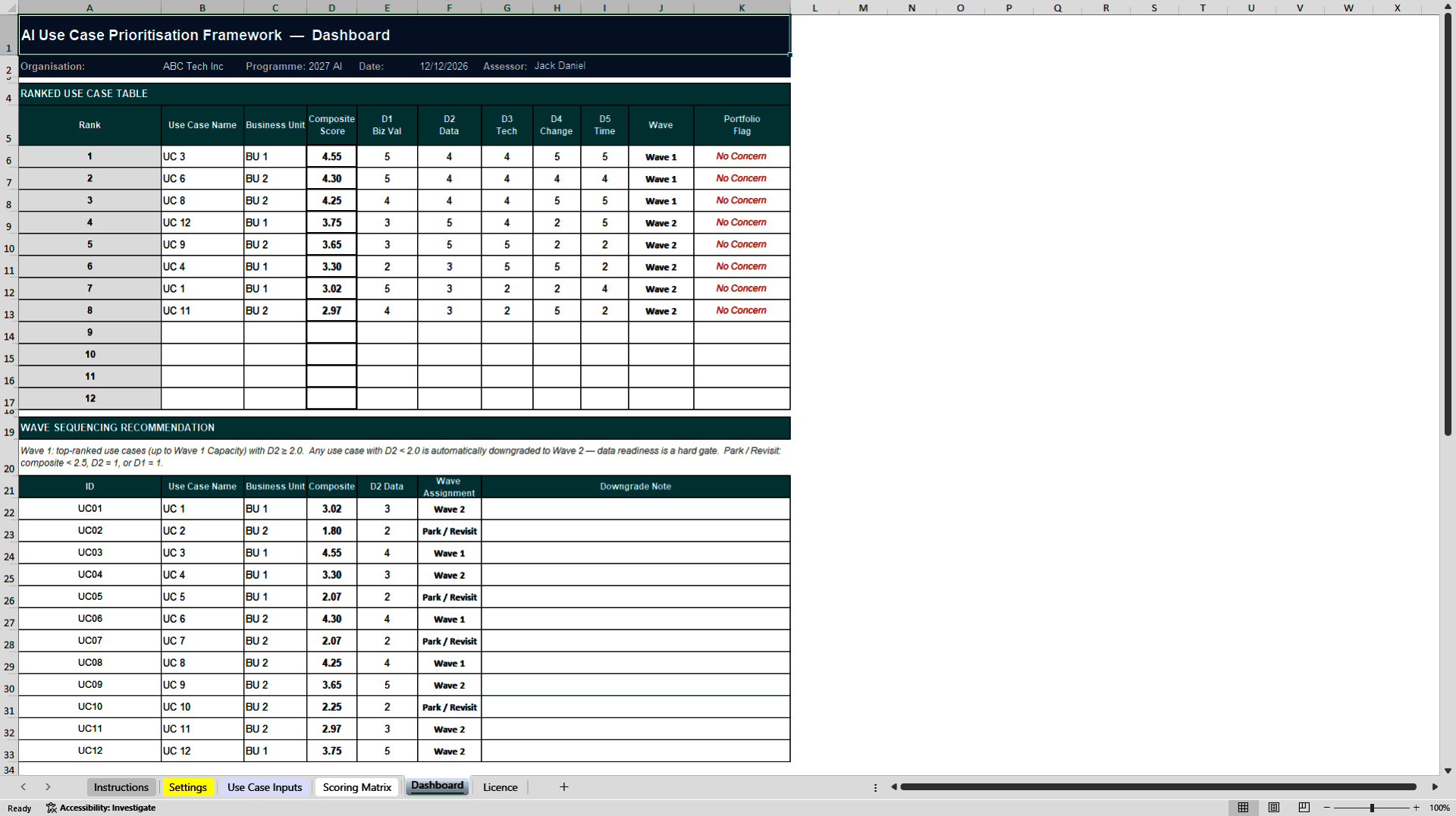
- Turns Wave 1 selection into a defensible number, not a workshop debate. Five weighted dimensions produce a single composite score per use case, so the shortlist can be defended to a board on evidence rather than on whoever argued hardest for their use
- Stops a data problem from reaching delivery. Any use case scoring below 2.0 on Data Feasibility is automatically downgraded out of Wave 1 regardless of composite rank -- a strong-looking business case cannot override a data gap that would otherwise surf
- Produces a steering-committee-ready output with no extra work. The ranked shortlist, wave sequencing rationale, and three portfolio balance checks calculate directly from entered scores -- nothing to reformat before the investment decision conversation.
ARTIFICIAL INTELLIGENCE EXCEL DESCRIPTION
AI programmes routinely fund their first use case based on which pitch landed best in the room, rather than a structured view of value, feasibility, and the organisation's capacity to absorb the change. That gap tends to surface months later, once delivery capacity has already been committed to a use case with a fundamental data problem or a business unit that was never genuinely bought in.
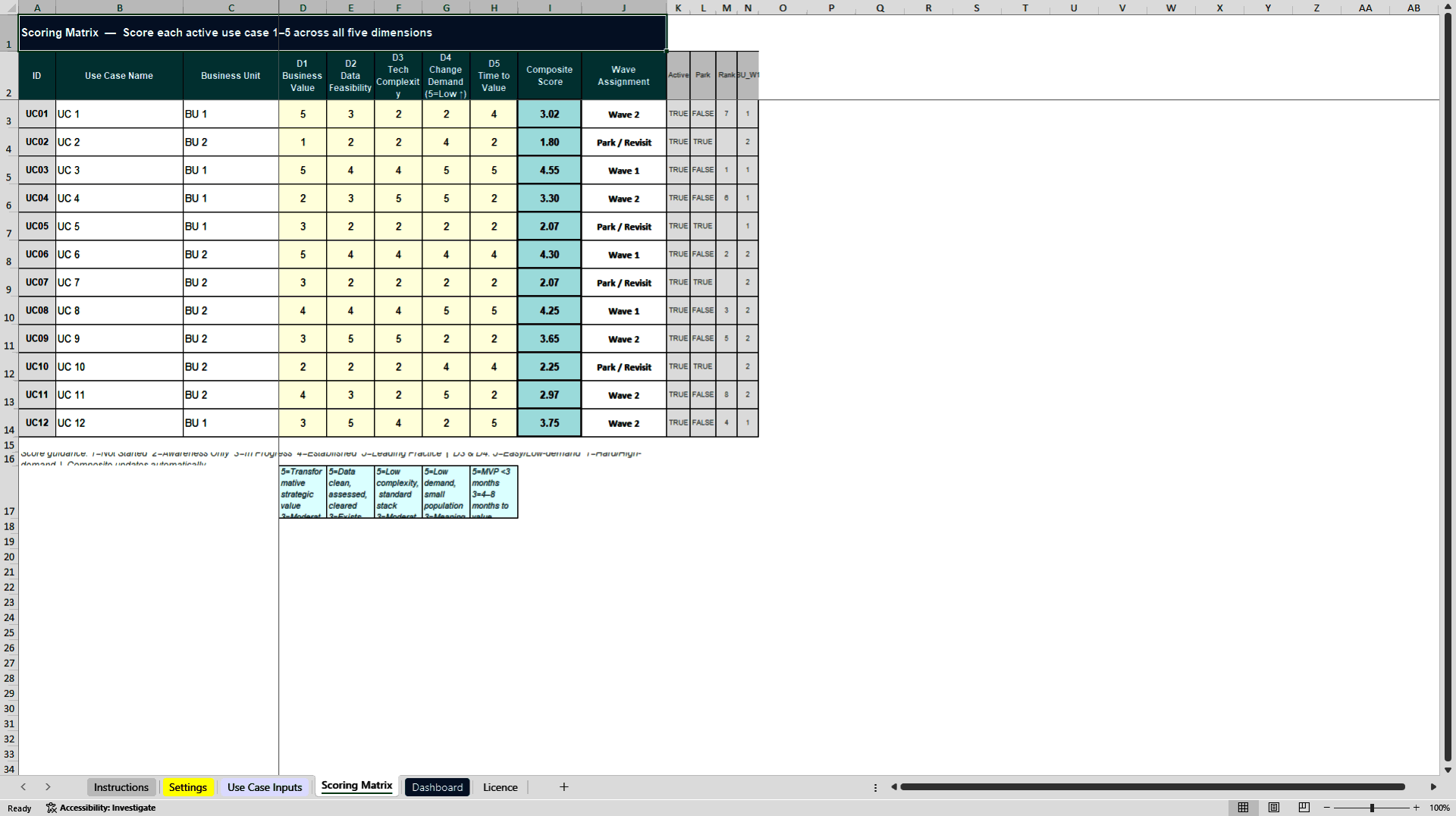
This Excel workbook scores up to twelve candidate AI use cases across five weighted dimensions: Business Value, Data Feasibility, Technical Complexity, Change Management Demand, and Time to Value. It produces a ranked shortlist, an automated wave sequencing recommendation, and a portfolio balance assessment. Two of the five dimensions, Technical Complexity and Change Management Demand, use a deliberately inverted scale, so a score of 5 always represents a better outcome across every dimension. A built-in hard gate downgrades any use case scoring below 2.0 on Data Feasibility out of Wave 1 regardless of its overall composite rank, and an optional complexity penalty applies a 10 percent composite reduction to use cases scoring 2 or below on Technical Complexity.
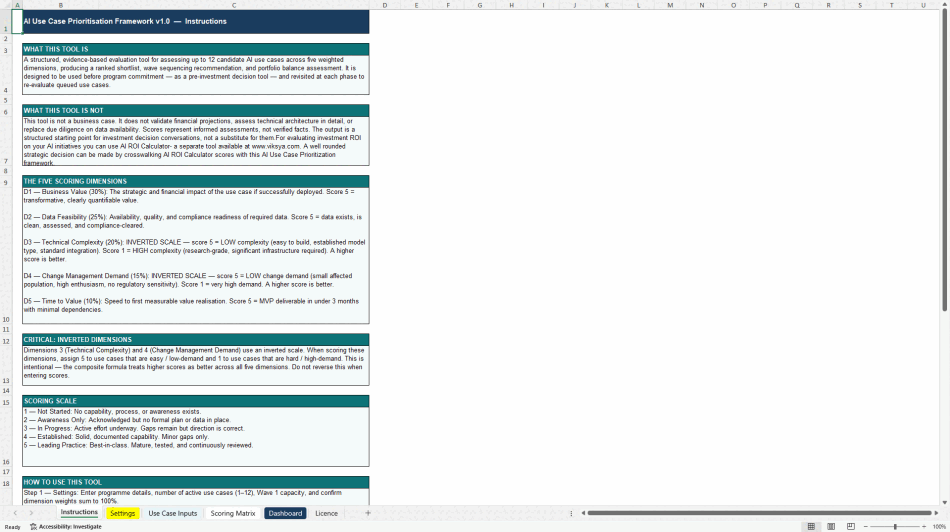
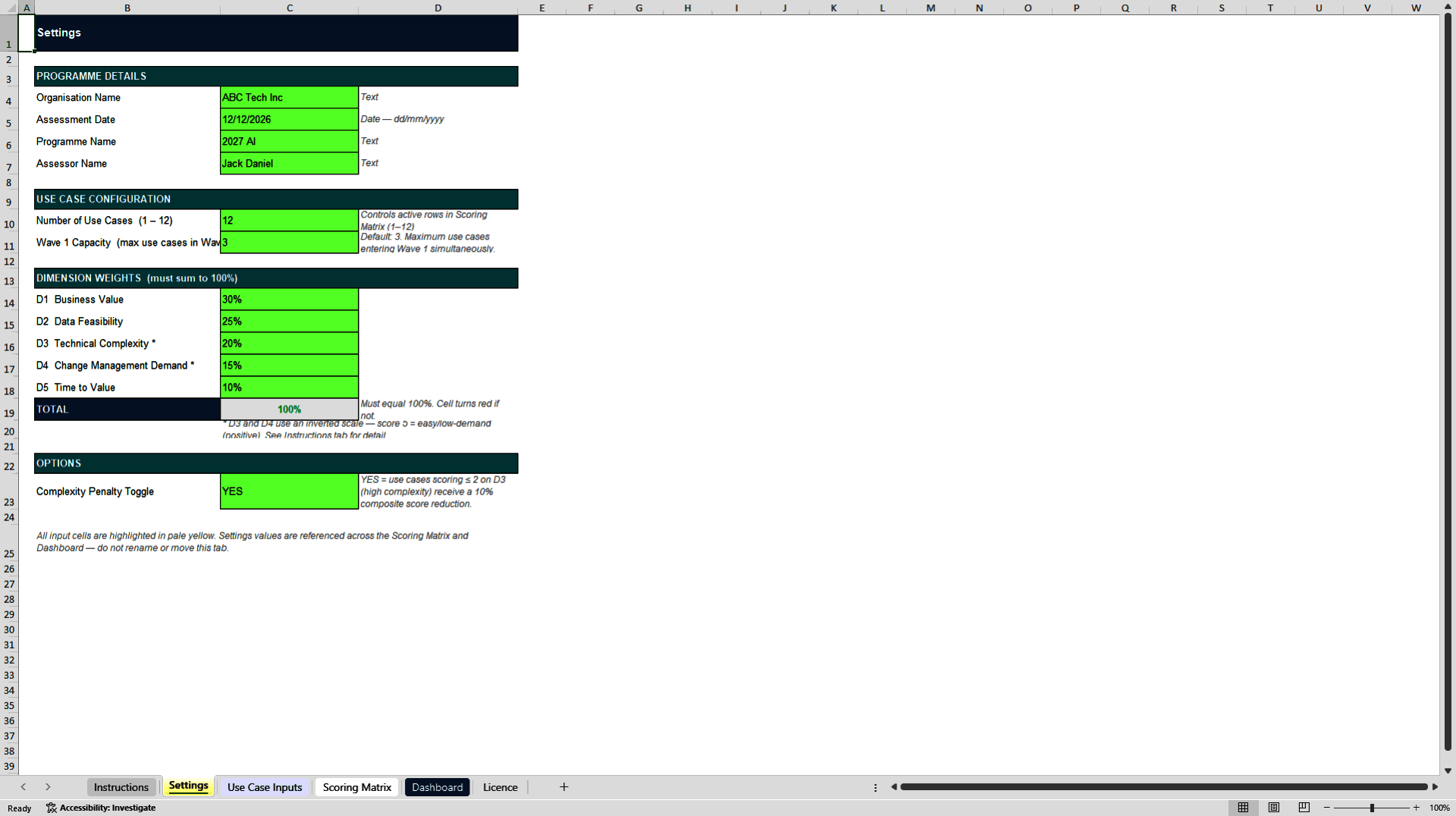
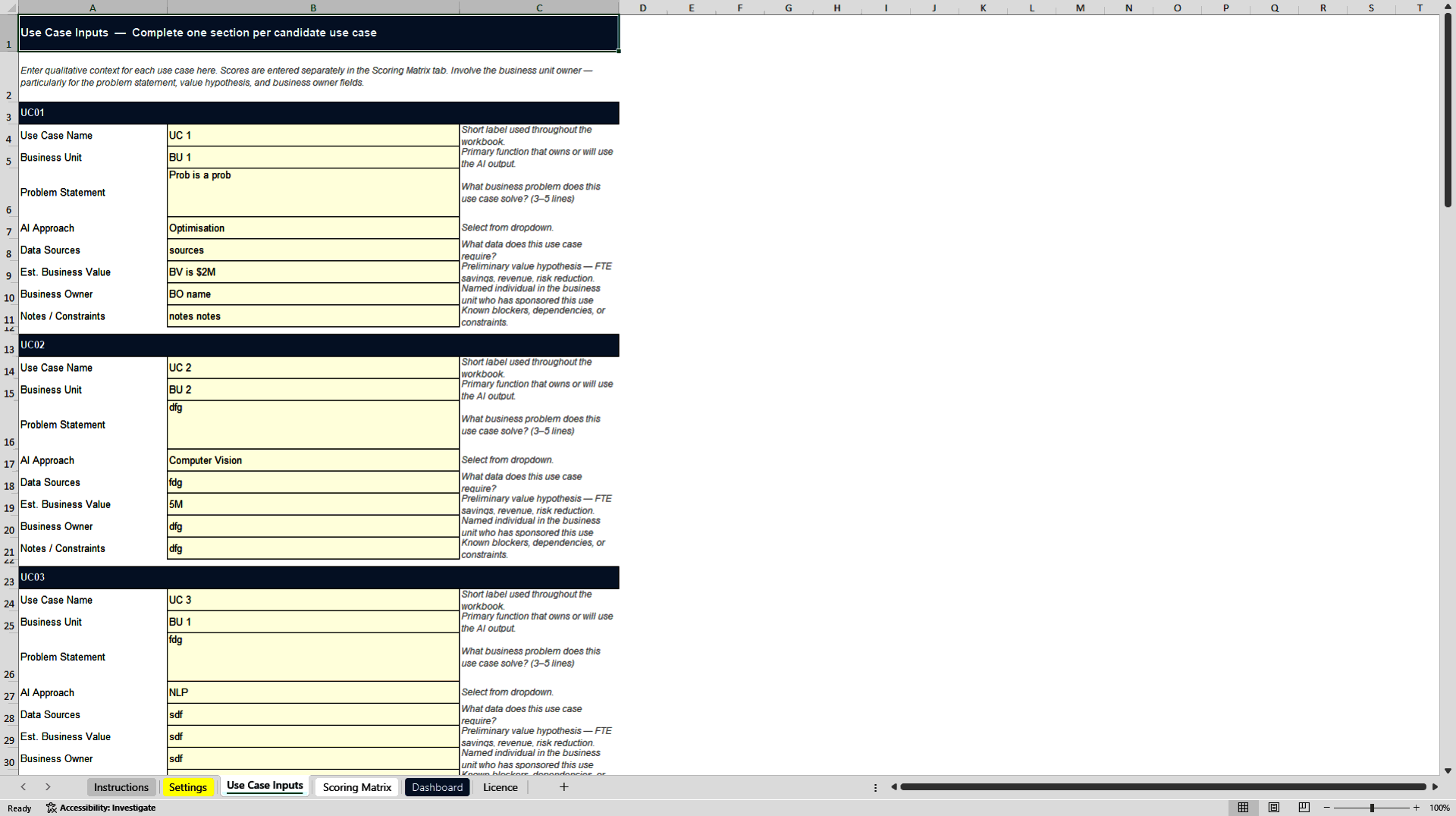
The workbook is organised across five working tabs. Instructions sets out scoring guidance, the inverted-scale logic, and wave sequencing rules. Settings holds programme details, the active use case count, dimension weights (which must total 100 percent), and the complexity penalty toggle. Use Case Inputs captures a structured intake form per use case, covering problem statement, AI approach, data sources, and named business owner. Scoring Matrix is where each active use case is scored 1 to 5 across all five dimensions, with composite score and rank calculating automatically. Dashboard consolidates the output into a ranked table, a wave sequencing view with downgrade rationale, three automated portfolio balance checks, and a Value versus Feasibility positioning matrix.
It is built for AI programme managers structuring an intake process ahead of Wave 1 commitment, CIOs and strategy leads who need a defensible use case selection process for the board, enterprise architects assessing complexity and integration risk across a candidate portfolio, and consultants running use case prioritisation as part of a strategy engagement. The tool is a structured starting point for that investment conversation: it does not validate financial projections, assess technical architecture in depth, or replace due diligence on data availability.
Format: Excel (.xlsx), no macros or VBA. Works in Excel 2016+ and Google Sheets. No external data connections.
Published by Viksya. Seller licence terms are included within the document and take precedence over platform defaults
Got a question about the product? Email us at support@flevy.com or ask the author directly by using the "Ask the Author a Question" form. If you cannot view the preview above this document description, go here to view the large preview instead.
Source: Best Practices in Artificial Intelligence Excel: AI Use Case Prioritization Framework - Excel Tool Excel (XLSX) Spreadsheet, Viksya
ABOUT THE AUTHOR

Viksya builds decision frameworks for leaders who answer to a board, not a hunch. Our Excel workbooks and playbooks are developed by a transformation leader with hands-on experience directing $100M+ AI and cloud portfolios inside large enterprises -- the same instruments used to justify, select, estimate, and govern real programmes, productized. The catalog spans three tracks: AI Transformation ... [read more]
Ask the Author a Question
You must be logged in to contact the author.




























