
 Click main image to view in full screen. Unlock all 13 preview images:
Accounting Position Paper Toolkit for Finance Teams – PDF
PDF document + Zip archive file (ZIP) 37 Pages


BENEFITS OF THIS DOWNLOADABLE PDF DOCUMENT
- Provides a seven-step method for defining the decision, separating facts from assumptions, recording sources, linking requirements to evidence and completing a substantive review.
- Includes an editable 16-section Word template, a 26-check reviewer checklist, an AI workflow map and a nine-page fictional worked example.
- Helps finance teams structure reviewable papers while keeping responsibility for facts, sources, judgement, conclusion and approval with human owners.
MANAGEMENT ACCOUNTING PDF DESCRIPTION
You understand the transaction. You have the contract, the board paper and the model. Then you open a blank document, type a heading, and stop.
An accounting position paper is a particular kind of writing, and many finance professionals were never taught how to build one. This toolkit provides a structured method and practical documents for moving from scattered facts, sources and unanswered questions to a paper that another person can follow, challenge and review.
THE METHOD
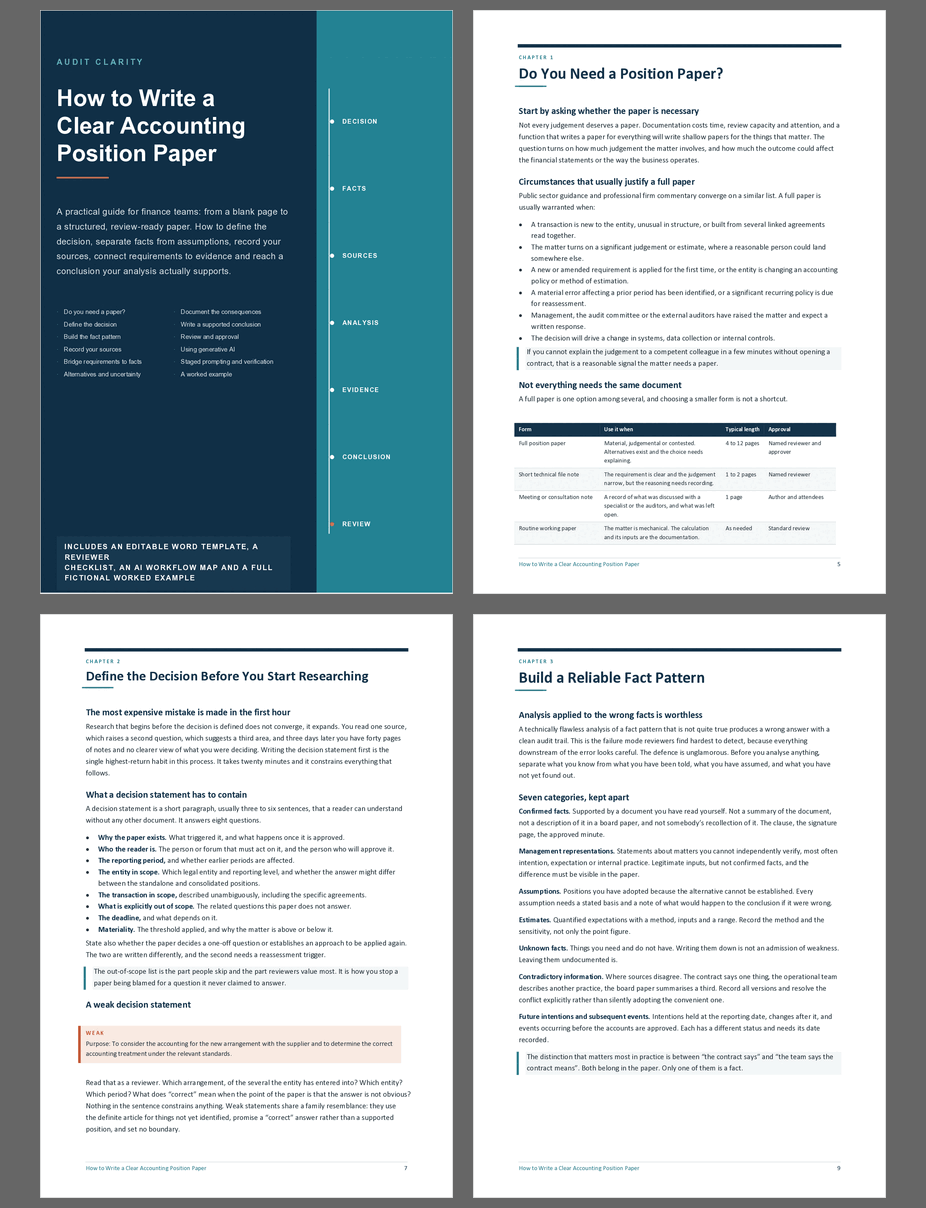
The 37-page guide works through seven connected stages: define the decision, establish the facts, record the sources, analyse the requirements, connect the evidence, write the conclusion and complete the review.
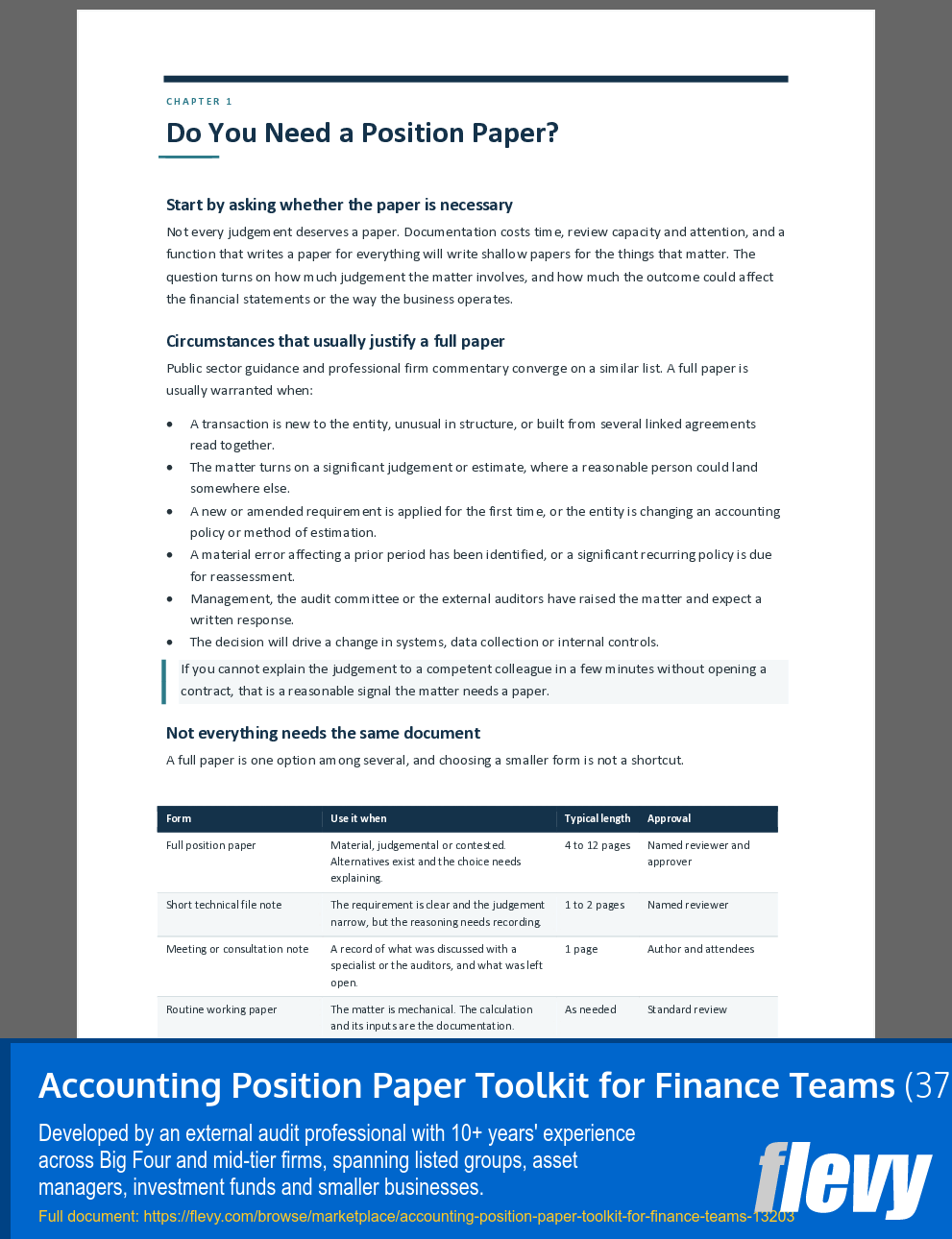
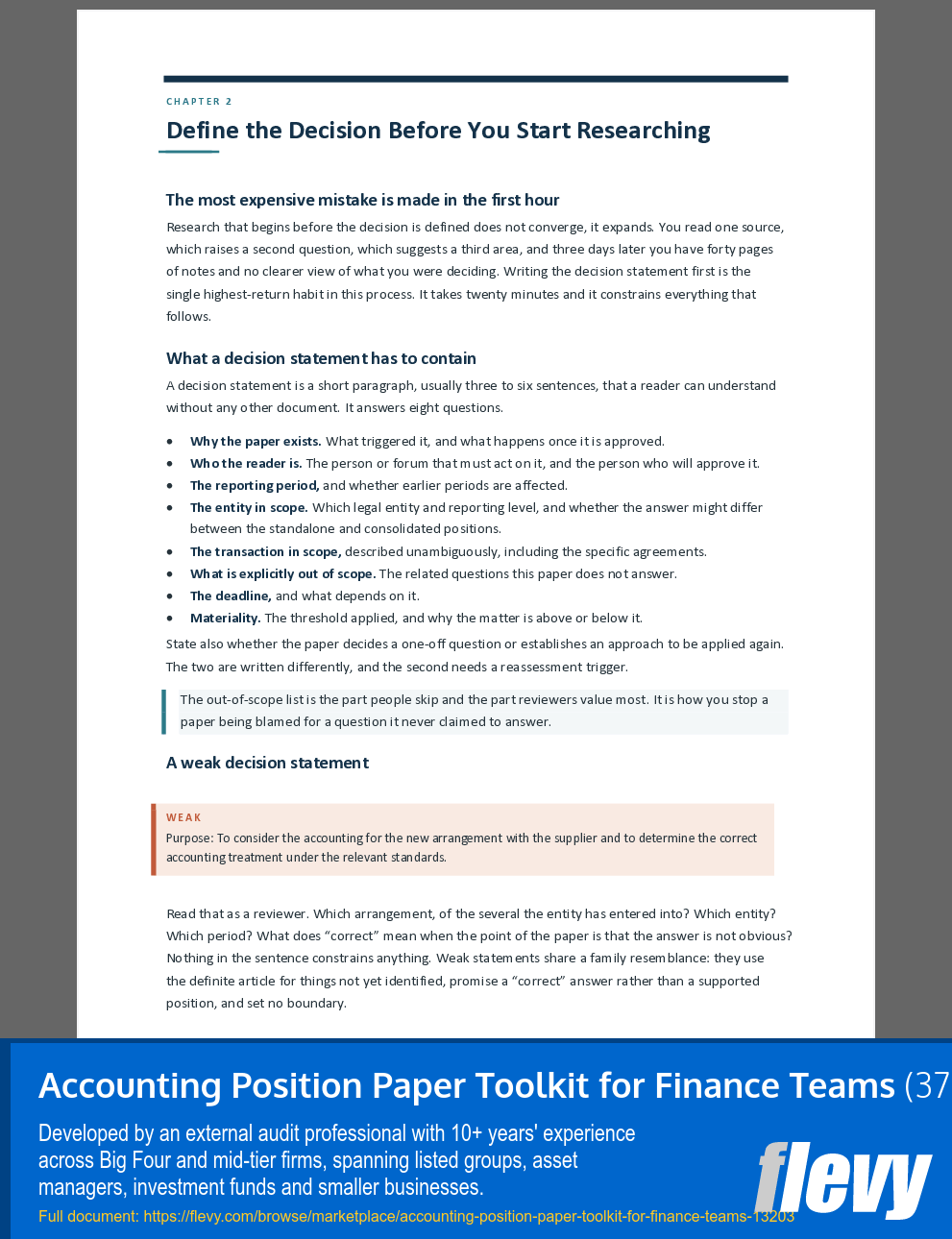
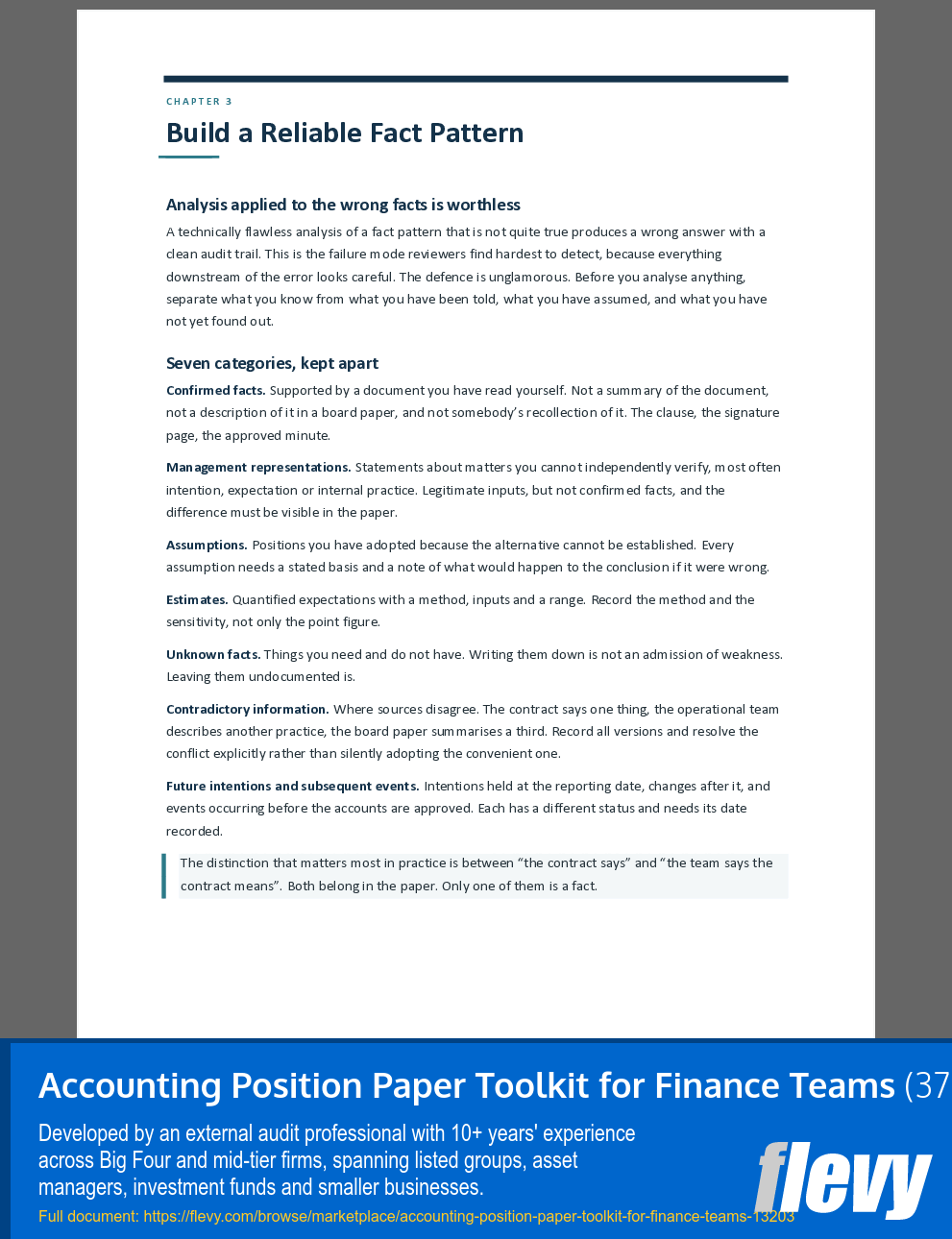
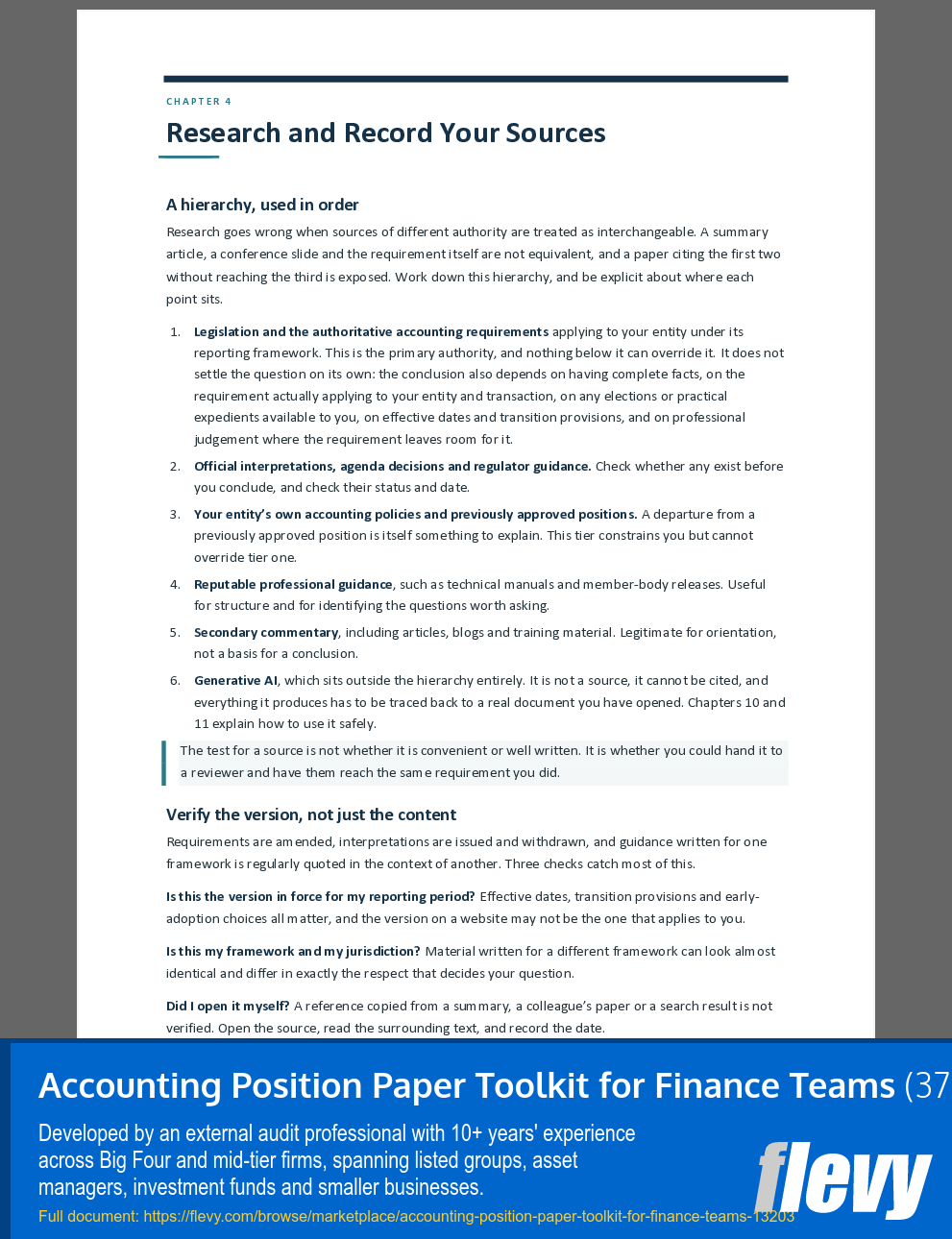
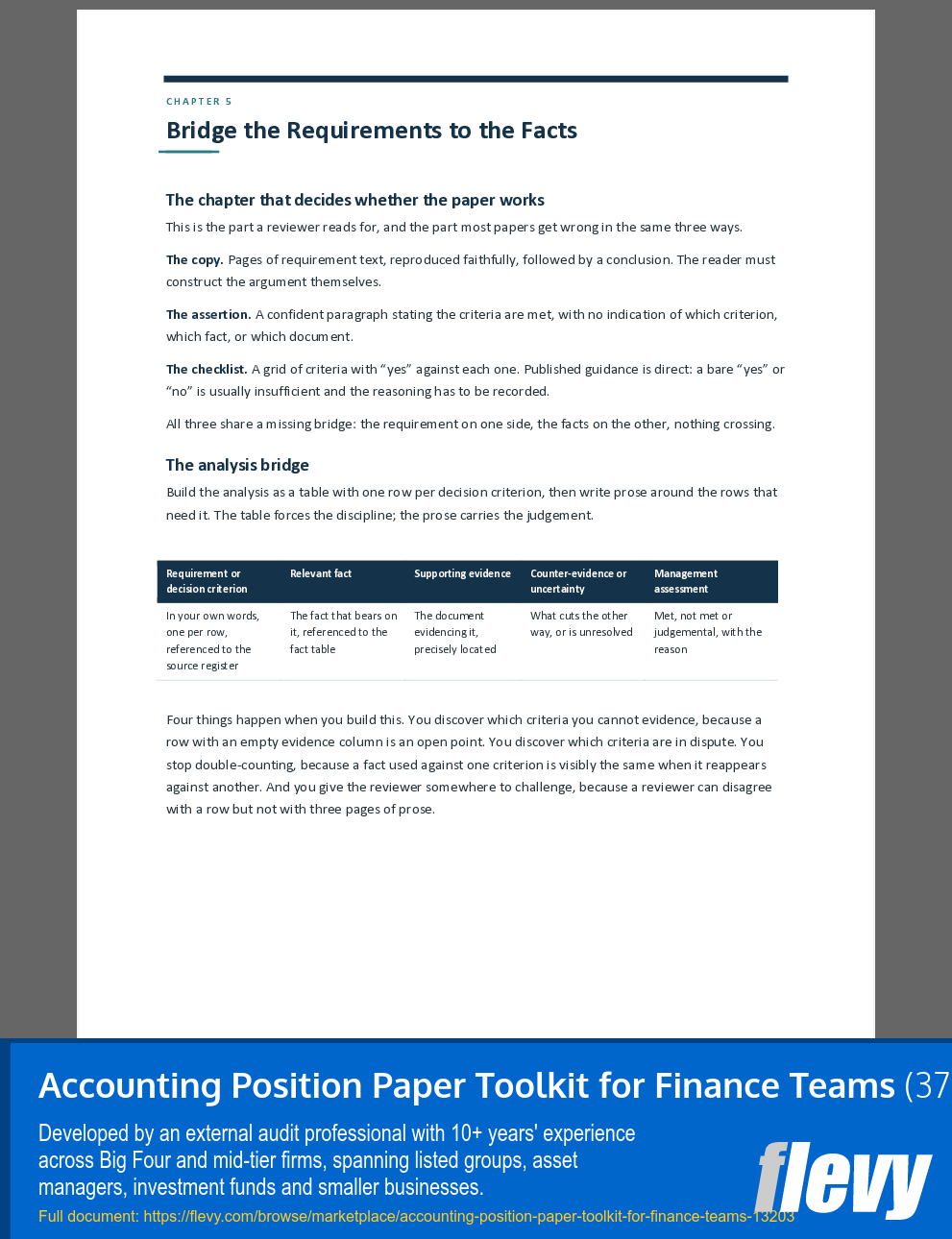
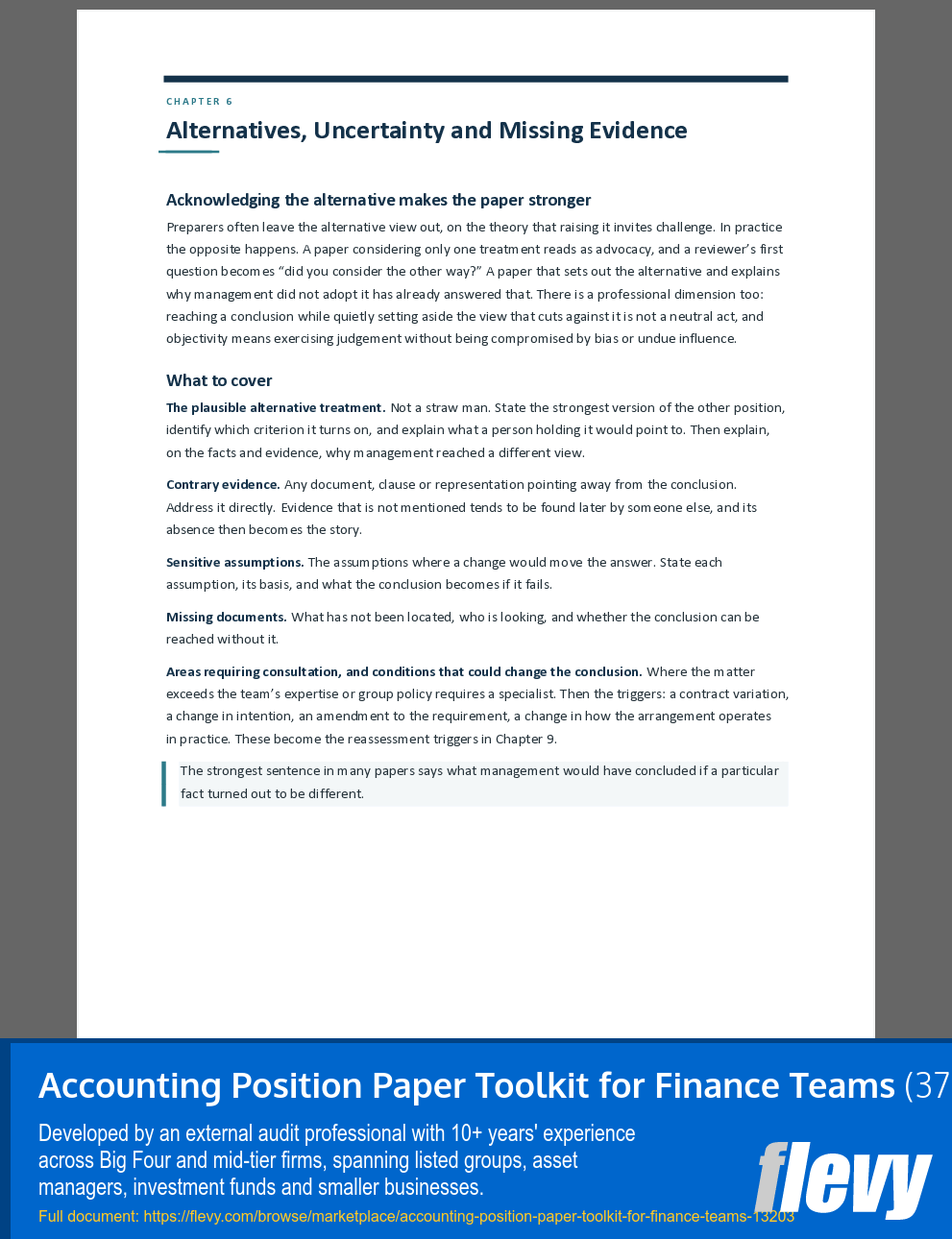
It explains how to decide whether a full paper is necessary, write a decision statement that controls the scope, and separate confirmed facts from management representations, assumptions, estimates, unknowns and contradictory information. It also shows how to build a source register, connect each requirement to specific facts and evidence, present the strongest opposing view, document uncertainty and prepare a conclusion supported by the analysis.
WHAT YOU WILL RECEIVE
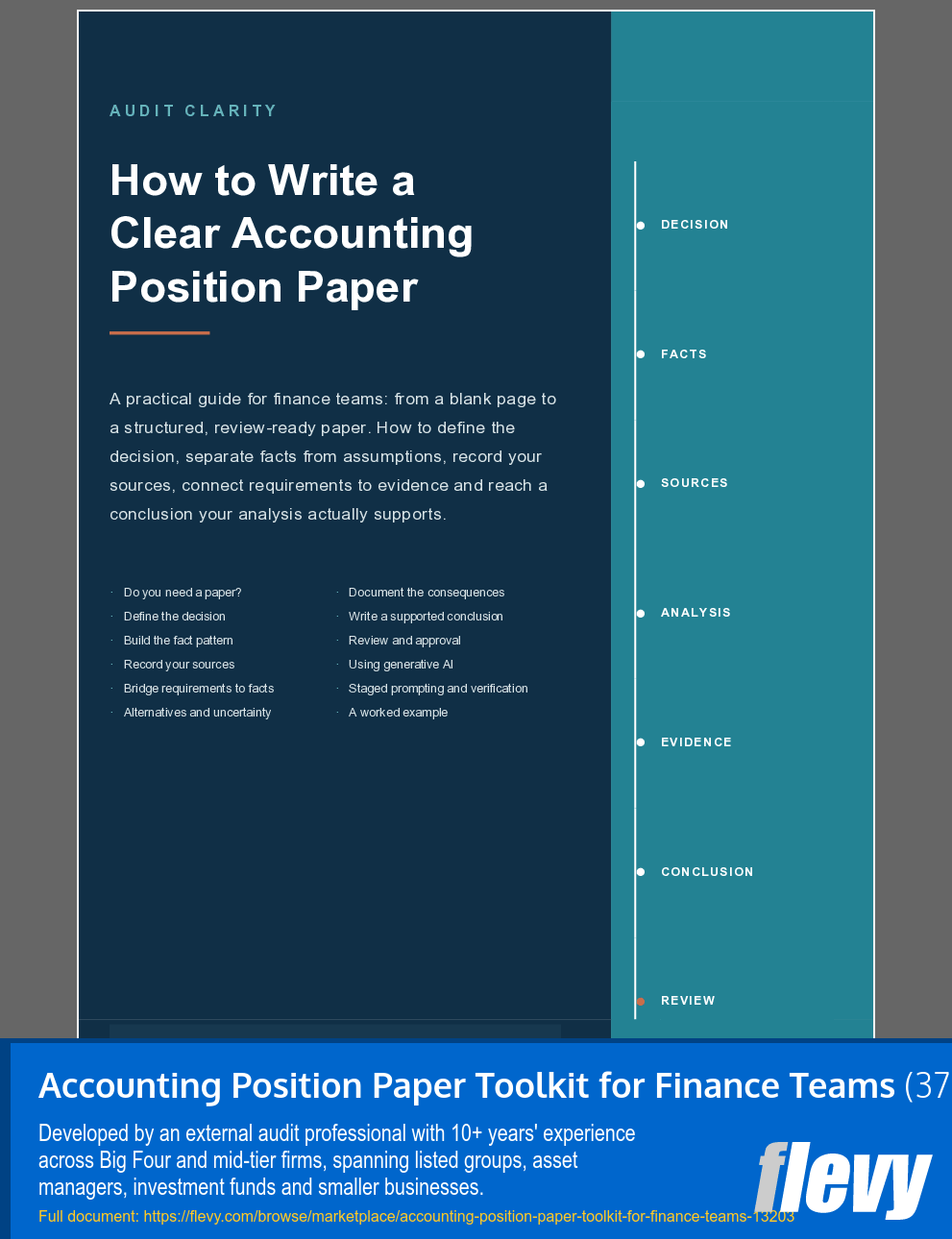
The primary document is How to Write a Clear Accounting Position Paper, a 37-page PDF guide with twelve chapters, a final review checklist and references.
The supporting ZIP contains the complete six-file toolkit:
• The 37-page PDF guide.
• A blank, editable five-page Microsoft Word template with 16 sections.
• A one-page reviewer checklist containing 26 checks across eight areas.
• A one-page AI-assisted workflow map with three stages and five stop gates.
• A complete nine-page fictional worked example involving software development costs.
• A README with a short route to beginning the first draft.
THE WORKED EXAMPLE
The worked example is wholly fictional. It demonstrates the method from the decision required through to a withheld approval. It includes evidence that is not yet strong enough, a management representation that is not treated as a confirmed fact, a credible opposing view and an unresolved item with an owner, deadline and status.
It shows how the method works. It does not provide an accounting answer for another organisation or transaction.
USING AI WITHOUT LOSING OWNERSHIP
The human-led method stands on its own. For teams choosing to use an authorised AI tool, the guide provides a staged prompting and verification process. It explains where a tool may assist with organisation or drafting and where the process must stop.
The tool never becomes responsible for the facts, sources, accounting judgement, conclusion, review or approval. Confidential or identifiable transaction information should not be entered into a tool unless the organisation has authorised that use.
WHO IT IS FOR
This toolkit is intended for Financial Controllers, Finance Managers, Group Accountants, Senior Financial Accountants and corporate reporting teams that occasionally need to document a complex, unusual or judgemental matter.
IMPORTANT SCOPE
This is framework-neutral educational guidance about documentation, structure, evidence and review. It is not accounting, audit, tax, legal or regulatory advice. It does not determine the applicable reporting framework, accounting standard or correct accounting treatment, and it contains no extract from an accounting standard.
Users remain responsible for their facts, sources, analysis, professional judgement, review and approval.
Got a question about the product? Email us at support@flevy.com or ask the author directly by using the "Ask the Author a Question" form. If you cannot view the preview above this document description, go here to view the large preview instead.
Source: Best Practices in Management Accounting PDF: Accounting Position Paper Toolkit for Finance Teams PDF (PDF) Document, AuditClarity
ABOUT THE AUTHOR

AuditClarity creates practical, framework-neutral tools and guidance to help finance teams prepare earlier, maintain clearer ownership and understand where an external audit really stands.
The brand was created by an audit professional with more than 10 years of experience across Big Four and mid-tier firms. This experience spans external audits involving listed groups, smaller businesses,
... [read more]
Ask the Author a Question
You must be logged in to contact the author.




























